














































Why Water Levels in Bhavani River Are Declining and What It Means for Erode Farmers
The Bhavani River is one of the most important water sources for agriculture in Erode district. Thousands of farmers depend on it for irrigating turmeric, sugarcane, banana, coconut and other crops. In recent years, declining river flow, irregular rainfall and increasing groundwater dependence have raised concerns about the future of farming in the region. This article explains the reasons behind falling water levels and how smart irrigation and agricultural automation can help farmers use water more efficiently.
Why the Bhavani River Matters
The Bhavani River supports irrigation across large parts of Erode district. It supplies canals, helps recharge groundwater and sustains thousands of farming families. Reduced river flow directly affects irrigation schedules, crop productivity and water availability.

Why Water Levels Are Declining
- Irregular monsoon rainfall
- Higher temperatures and evaporation
- Growing dependence on borewells
- Increasing agricultural water demand
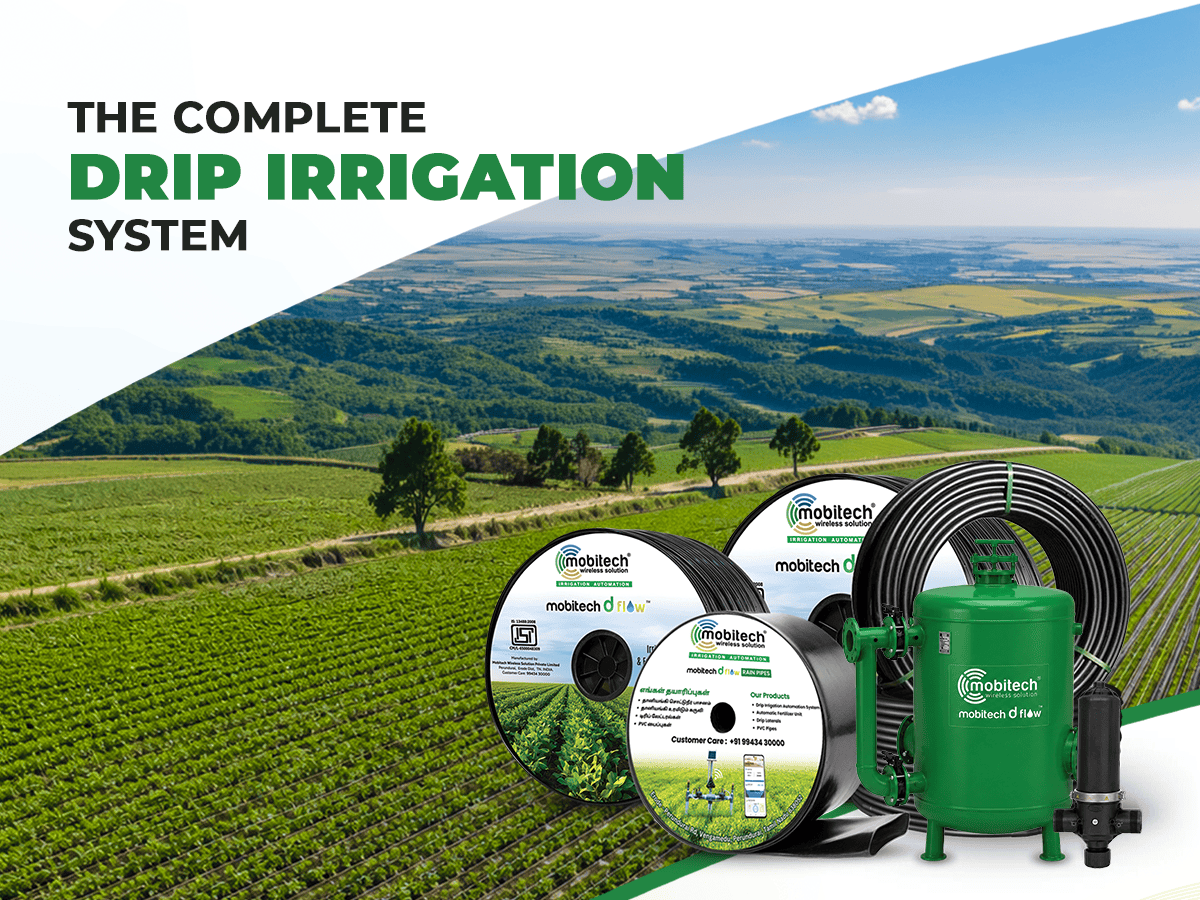
- Traditional flood irrigation methods
- Reduced groundwater recharge
- Water Levels in Bhavani River monitoring is becoming essential for farmers
- Declining Water Levels in Bhavani River affect irrigation planning and crop yield
Historical Changes in the Bhavani River
The Bhavani River has been the lifeline of agriculture in western Tamil Nadu for centuries. Originating in the Western Ghats, the river flows through fertile agricultural regions before joining the Cauvery River. Farmers in Erode have traditionally depended on its waters for cultivating turmeric, sugarcane, banana, coconut, maize, vegetables, and fodder crops.
In the past, regular monsoon rainfall ensured consistent water flow throughout much of the year. Today, however, changing weather patterns, prolonged dry seasons, and rising temperatures have significantly altered the river’s seasonal behavior. Many farmers report shorter irrigation periods and increasing dependence on groundwater resources.
Why Water Scarcity Is Increasing
Water scarcity in Erode is no longer caused by a single factor. Instead, it results from a combination of climate change, increasing agricultural demand, groundwater depletion, and inefficient irrigation practices. Even during years with average rainfall, poor water management can result in shortages during the peak summer season.
| Reason | Impact on Farmers |
|---|---|
| Delayed Monsoon | Late sowing and increased irrigation requirement. |
| Rising Temperature | Higher evaporation from soil and reservoirs. |
| Groundwater Extraction | Declining borewell water levels. |
| Traditional Flood Irrigation | Large quantities of water are lost. |
| Population Growth | Greater competition for available water resources. |
Groundwater Challenges in Erode
As river water becomes less reliable, many farmers depend on borewells for irrigation. Continuous groundwater pumping without sufficient recharge gradually lowers the water table. In some locations, farmers are required to drill deeper borewells, increasing installation costs, electricity consumption, and maintenance expenses.
How Smart Irrigation Can Help
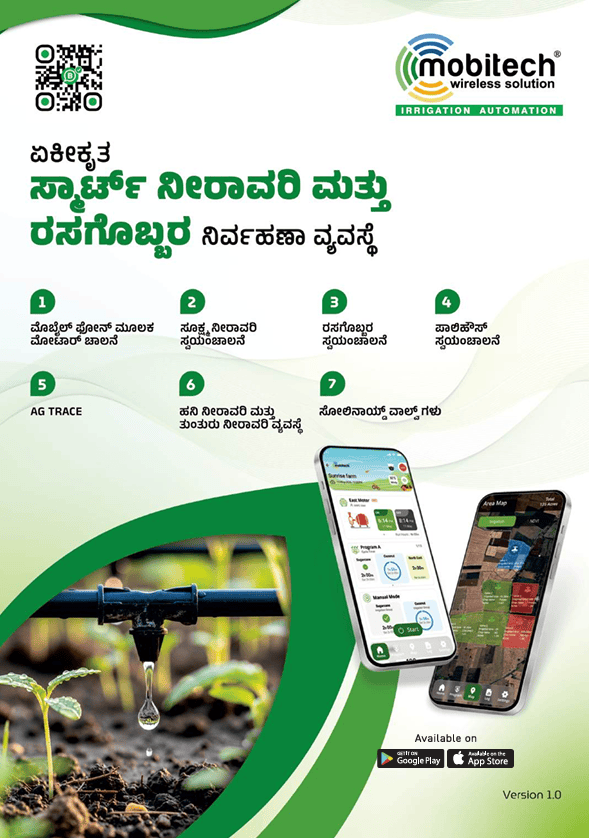
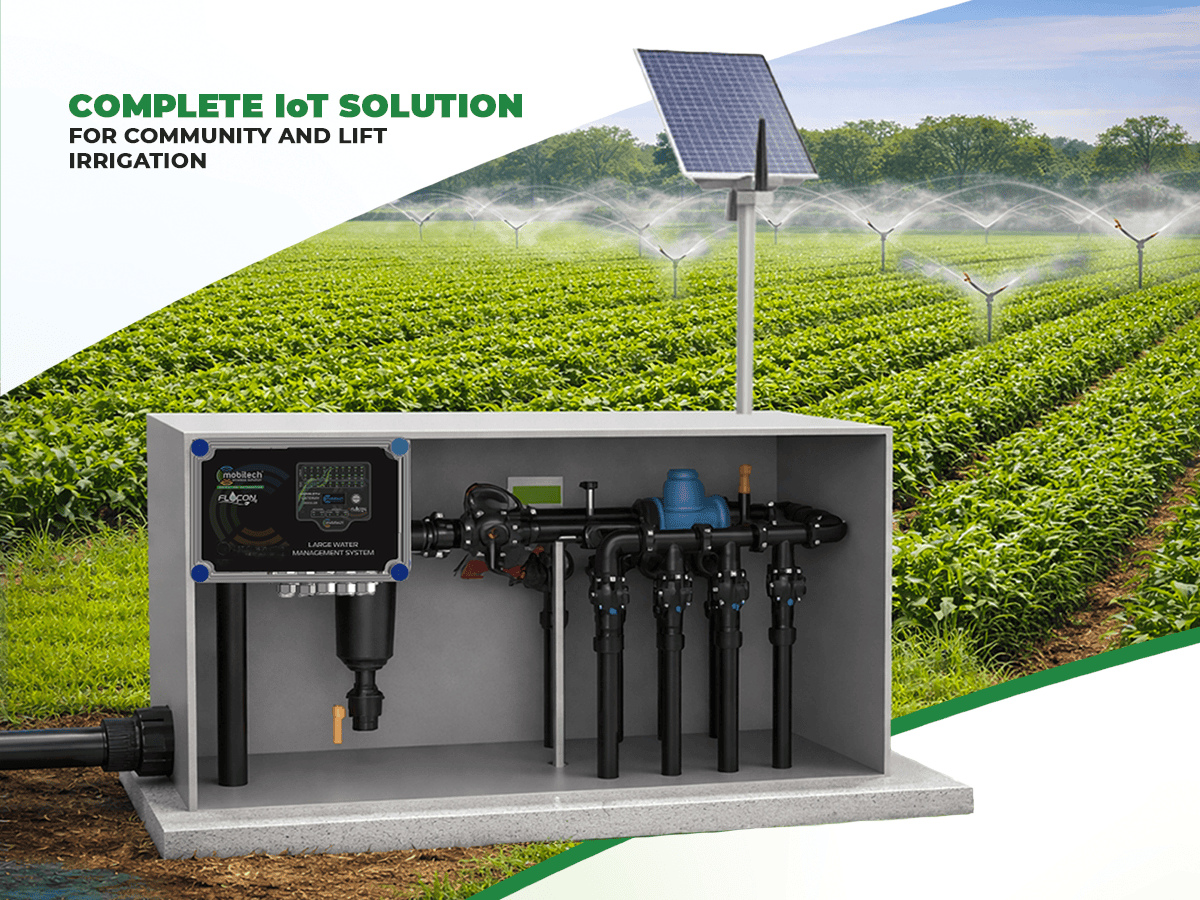
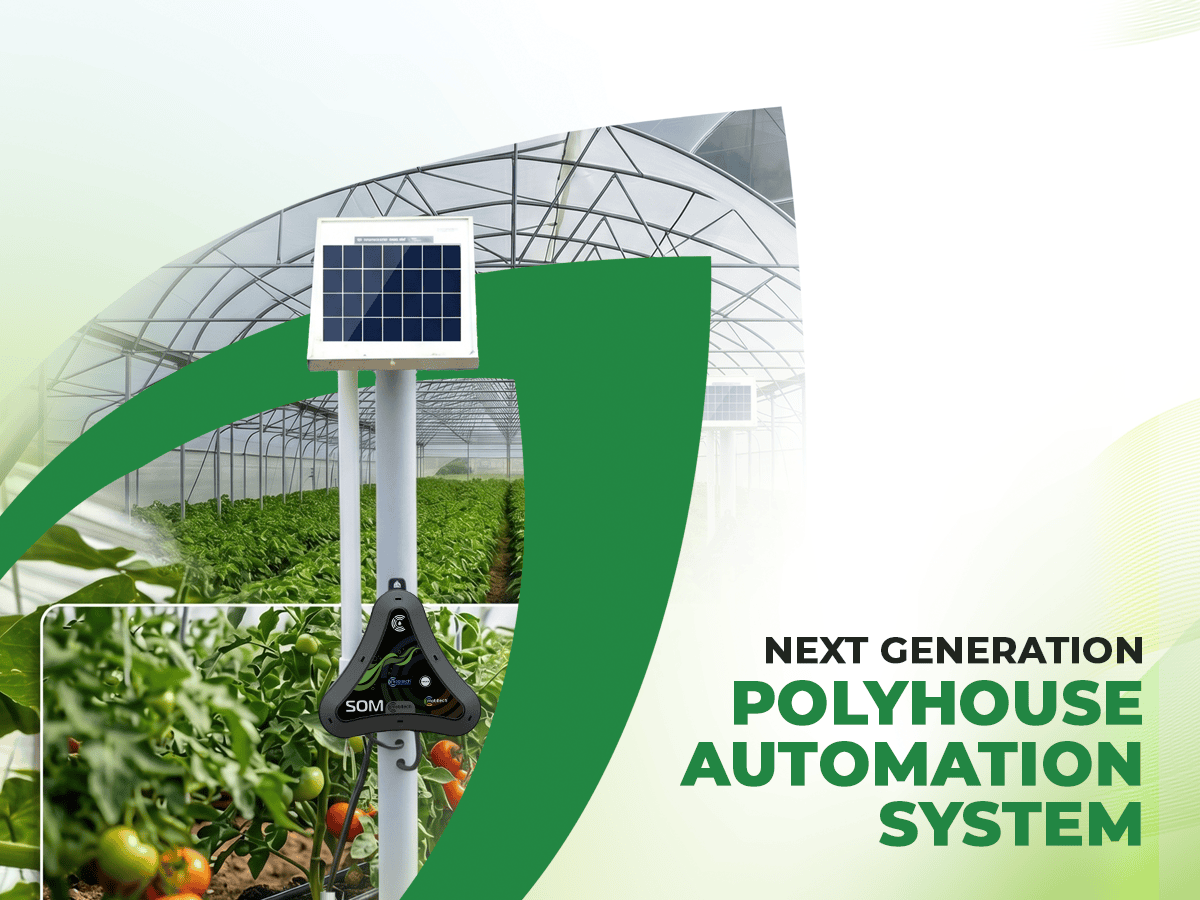
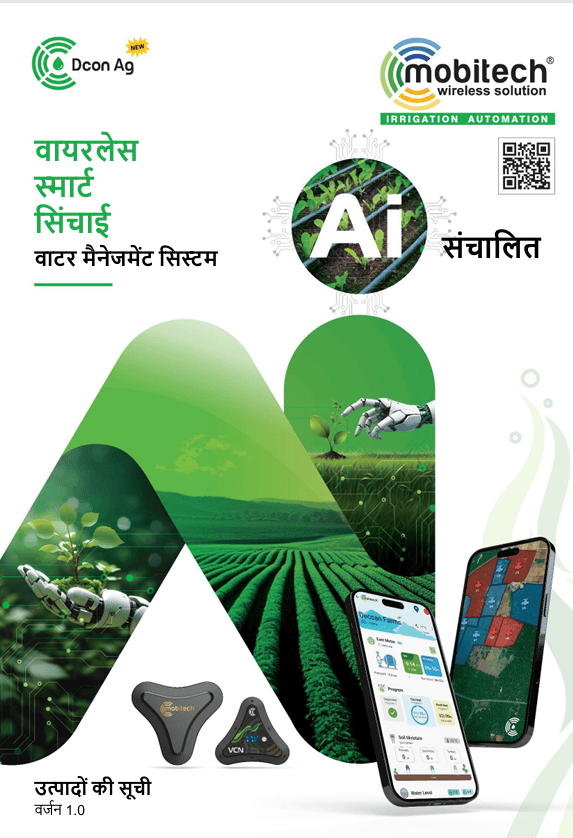
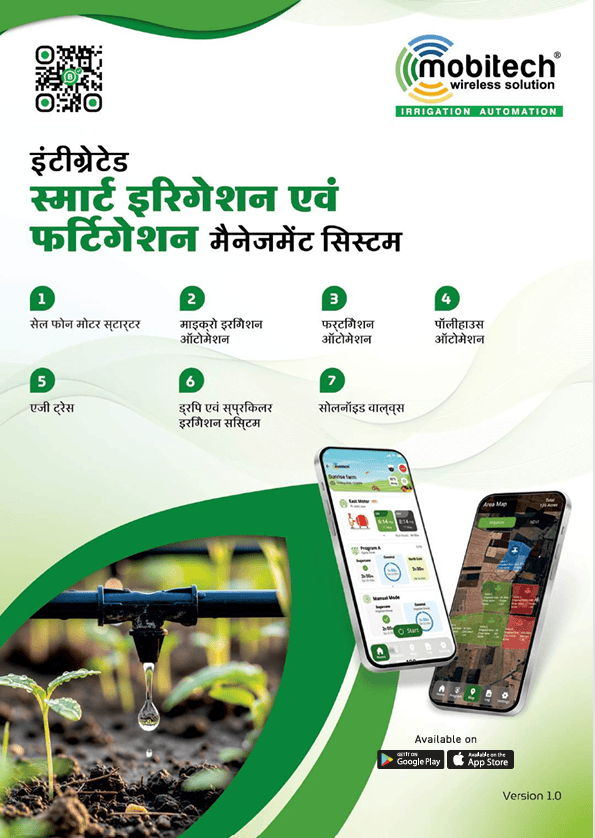
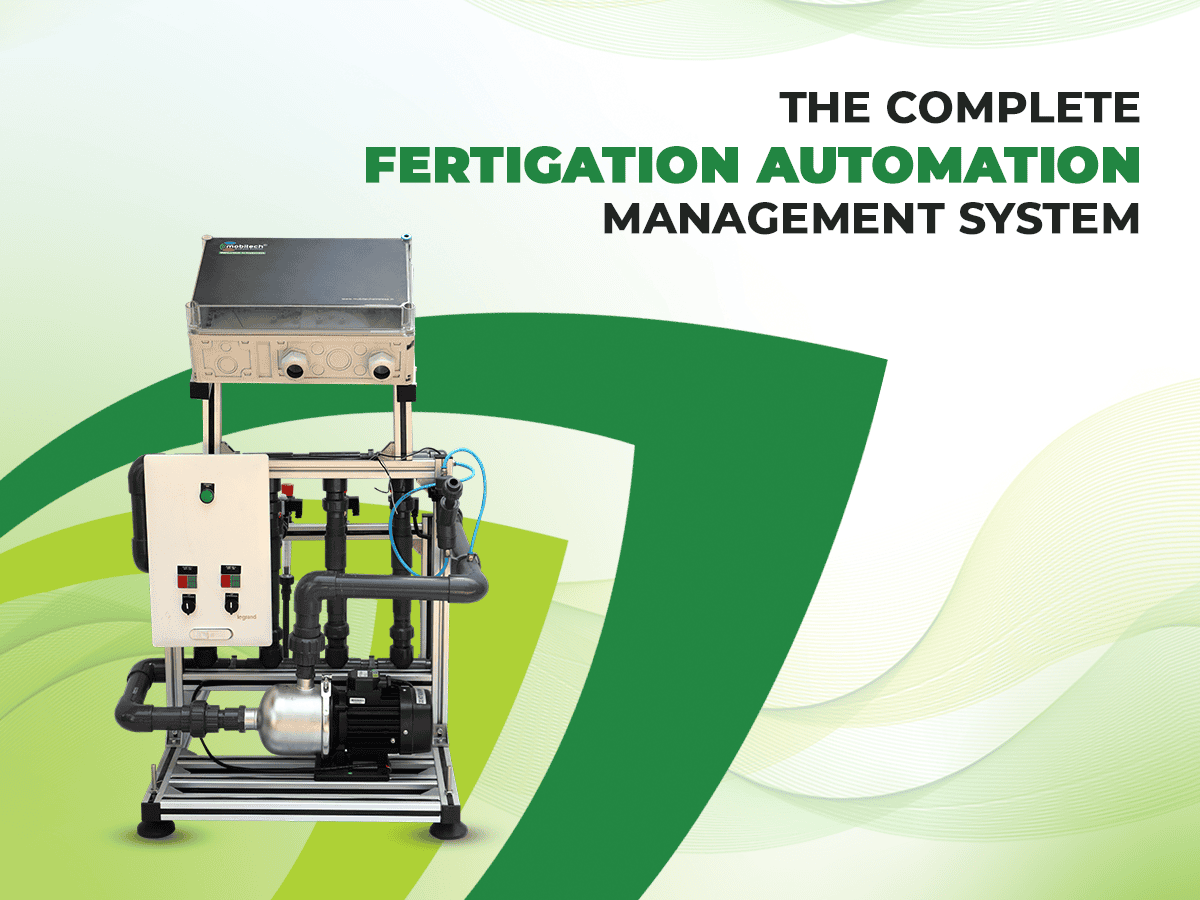
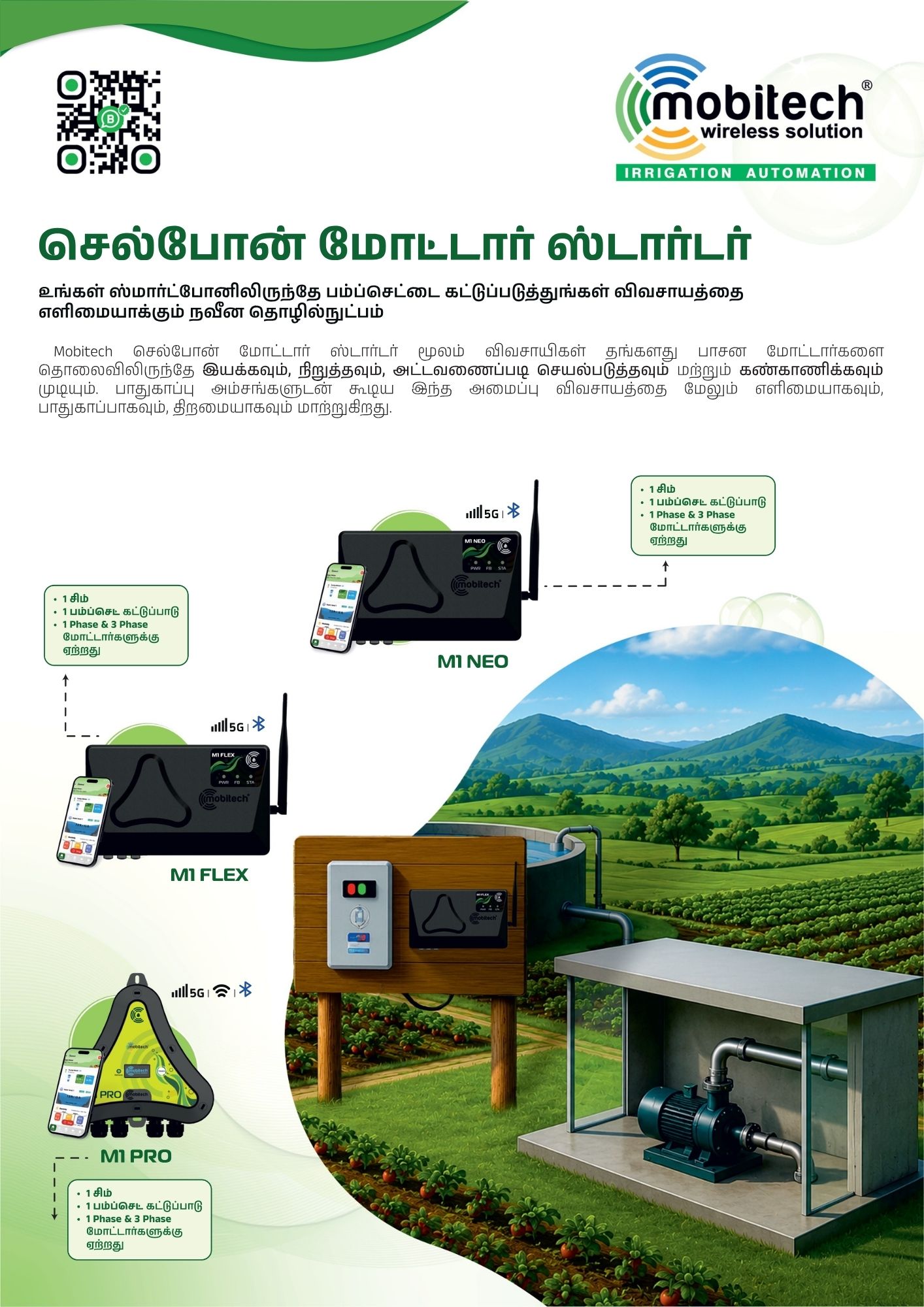
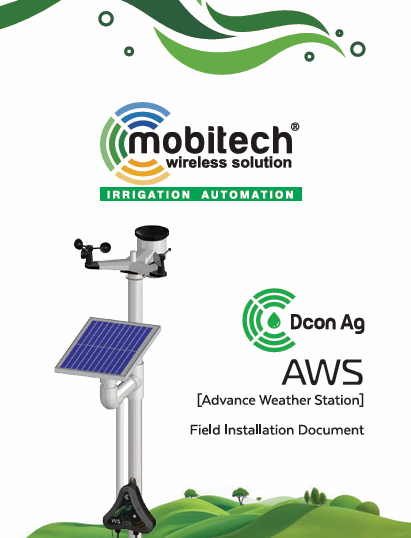
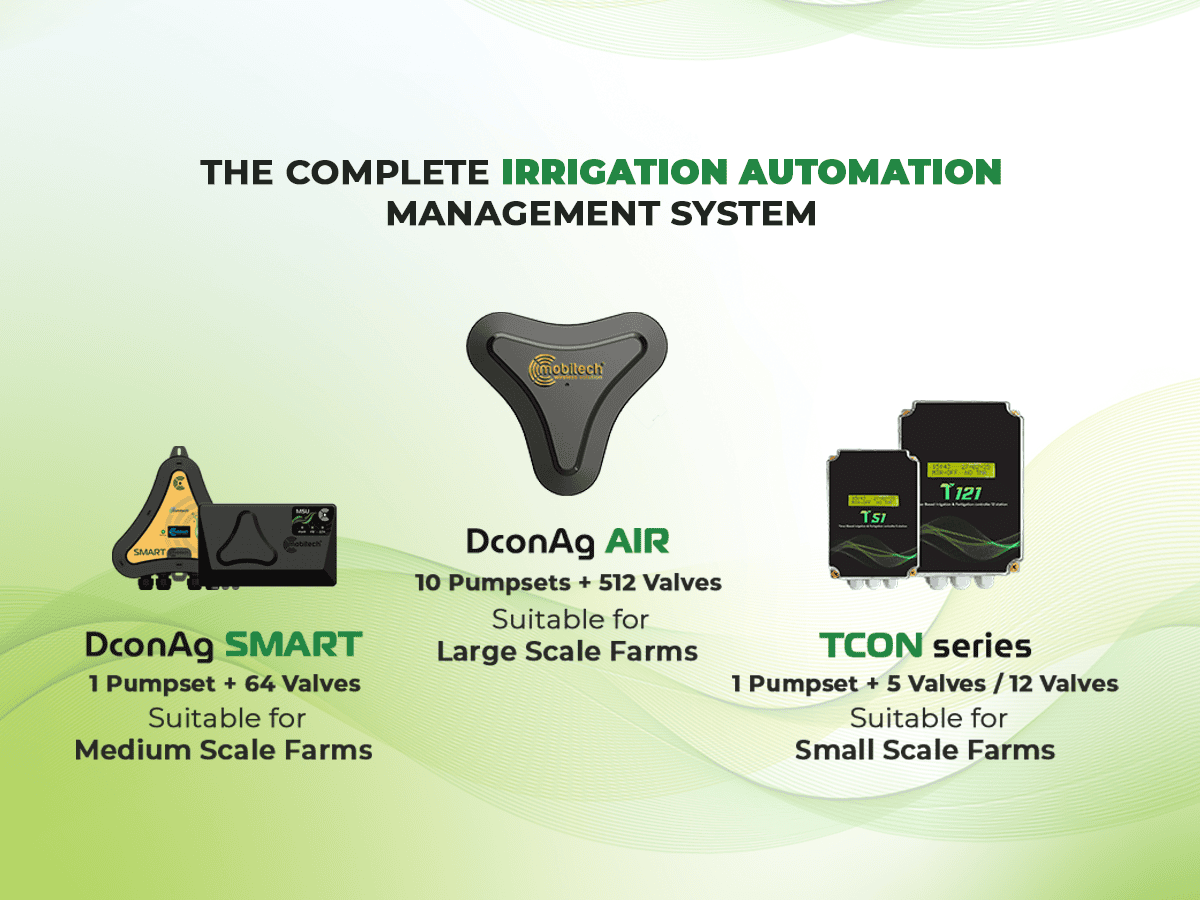
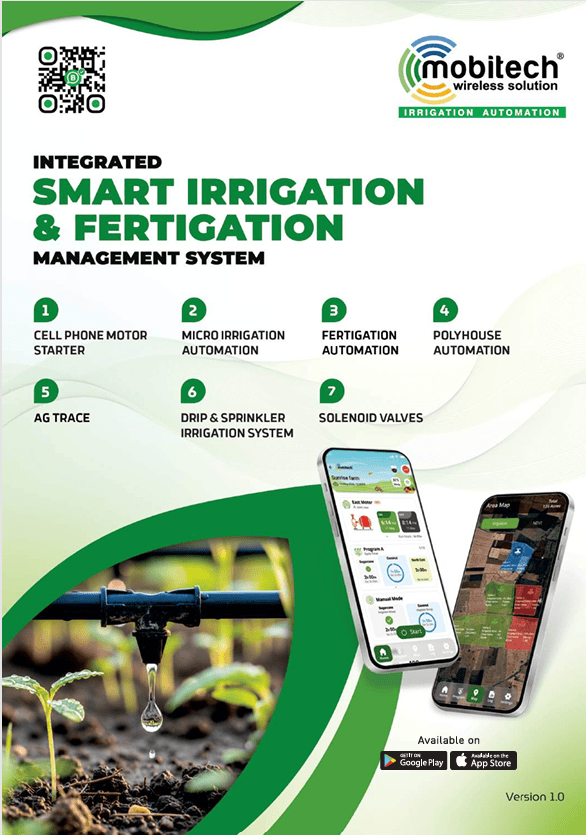
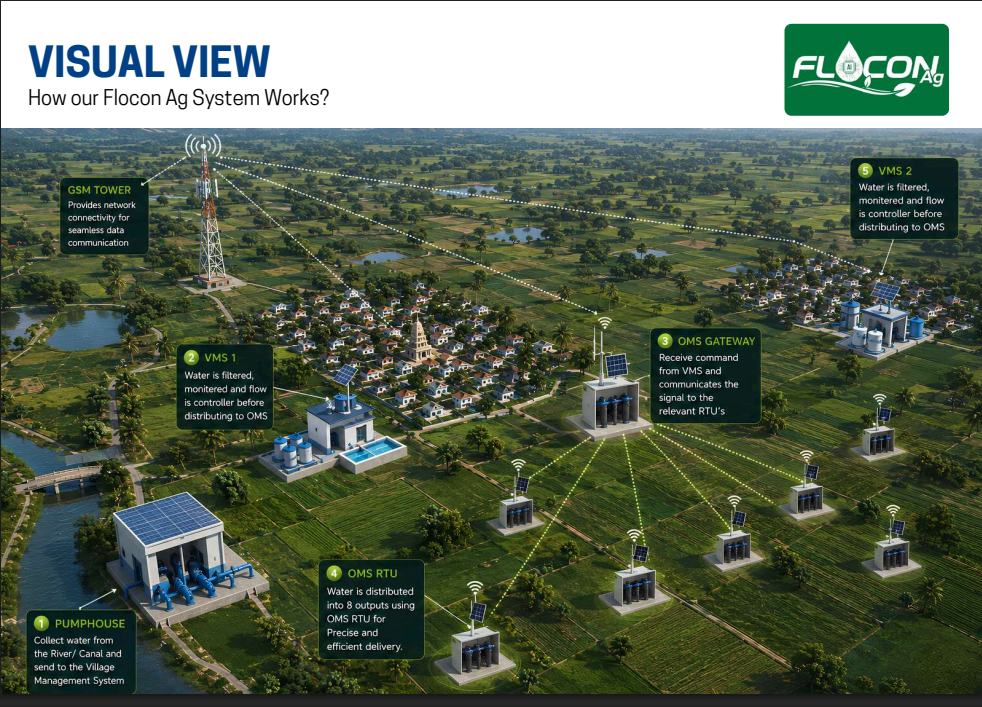
Modern agricultural automation enables farmers to monitor irrigation, control pumps remotely and optimize water use. Smart irrigation systems reduce wastage while improving crop productivity.
- Remote motor control
- Automatic irrigation scheduling
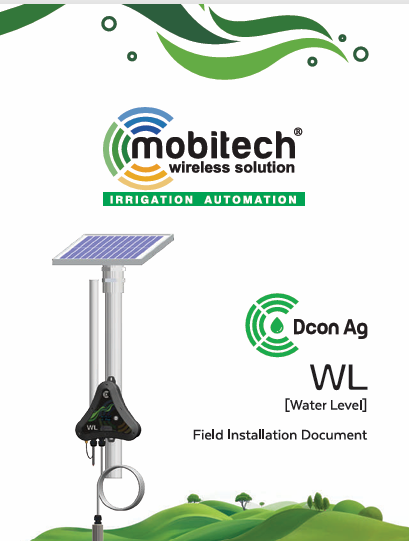
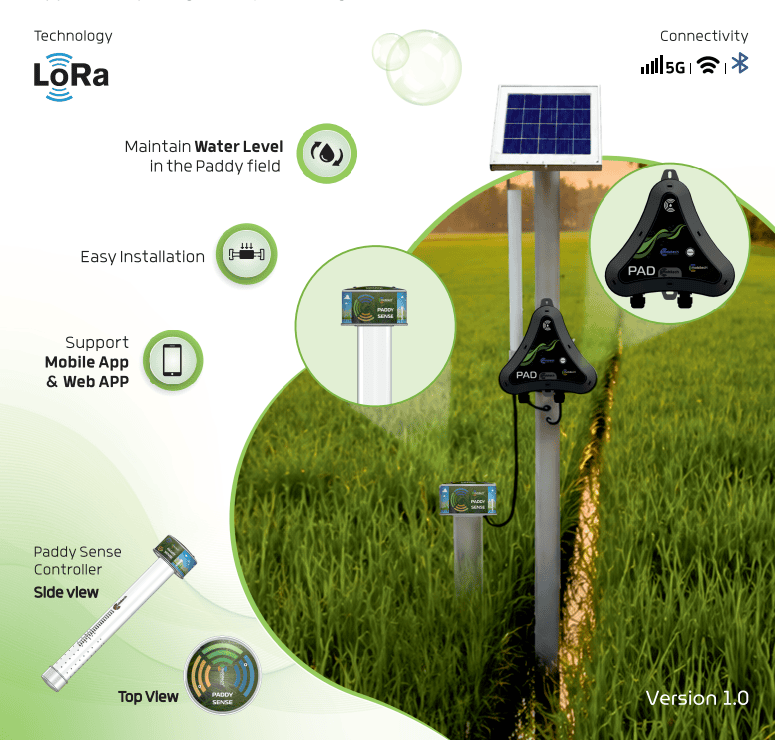
- Real-time water monitoring
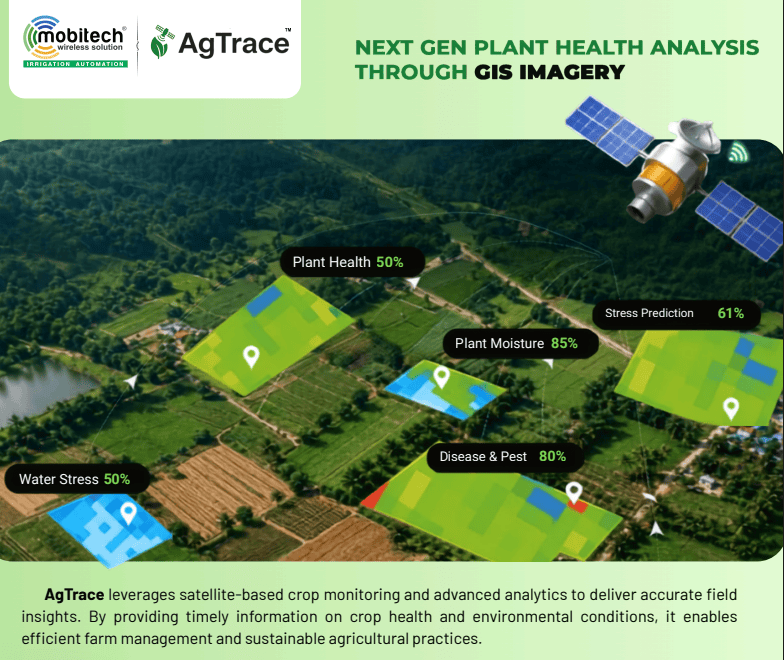
- Soil moisture tracking
- Reduced labour and electricity costs
The Future of Water Conservation in Erode
Protecting the Bhavani River is essential for ensuring the future of agriculture in Erode. Along with government initiatives, farmers can contribute by adopting drip irrigation, rainwater harvesting, groundwater recharge, smart weather monitoring, and agricultural automation technologies. These practices not only reduce water consumption but also improve crop productivity, reduce electricity usage, and support sustainable farming.
As climate change continues to influence rainfall patterns, precision irrigation will become one of the most important technologies for protecting water resources. Farms equipped with smart irrigation systems are better prepared to manage drought conditions, optimize available water, and maintain stable crop production throughout the year.
Conclusion
Declining Bhavani River water levels are becoming one of the biggest challenges for Erode farmers. Irregular rainfall, increasing groundwater extraction, rising temperatures, and inefficient irrigation practices are placing tremendous pressure on agriculture across the district. Since water is the foundation of crop production, every drop must be managed efficiently to ensure long-term agricultural sustainability.
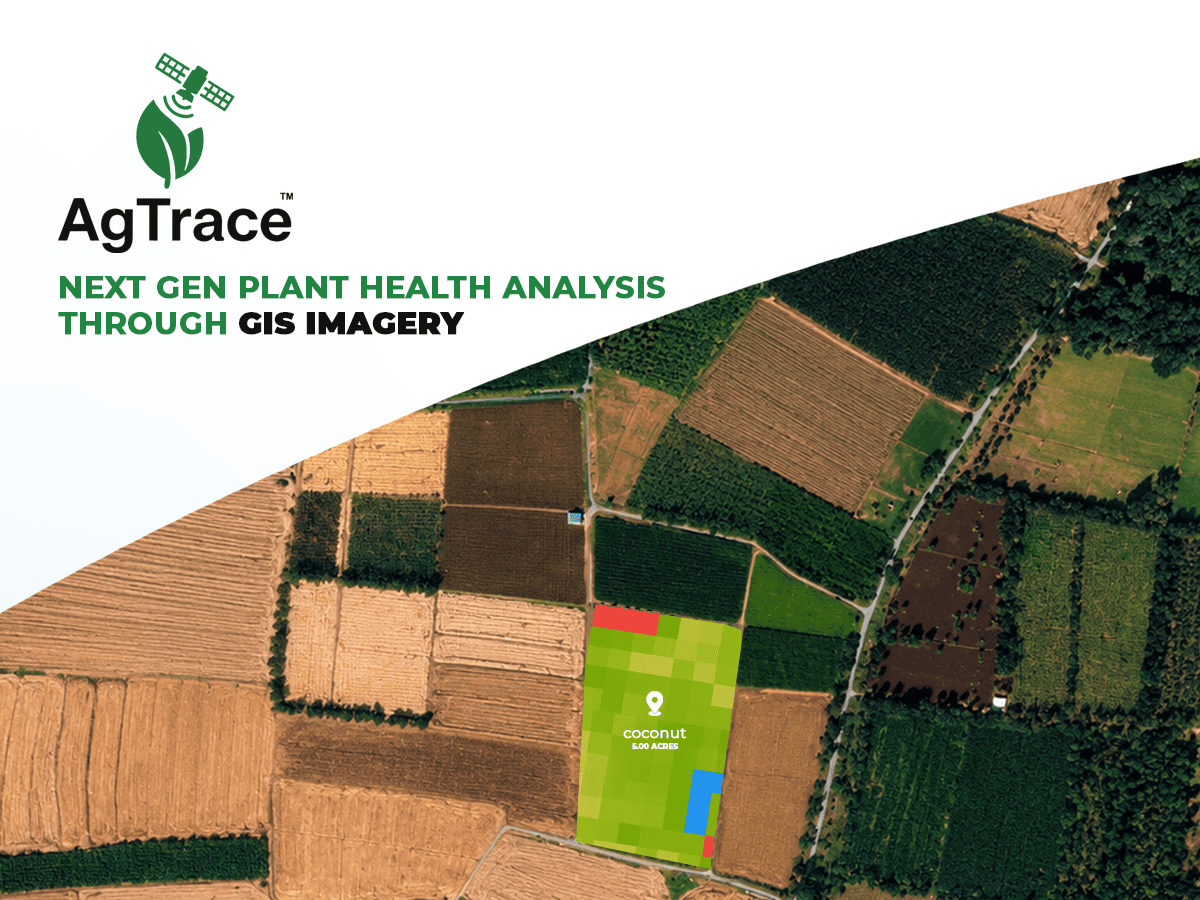
By adopting smart irrigation, agricultural automation, weather monitoring systems, soil moisture sensors, and drip irrigation, farmers can significantly reduce water wastage while improving irrigation efficiency, lowering electricity costs, and increasing crop productivity. These modern technologies provide real-time farm data that enables better decision-making and helps farmers adapt to changing climate conditions.
The future of agriculture in Erode depends on efficient water management. Protecting the Bhavani River, conserving groundwater, and adopting smart agricultural automation are essential steps toward sustainable farming, higher productivity, and long-term water security for future generations.