


















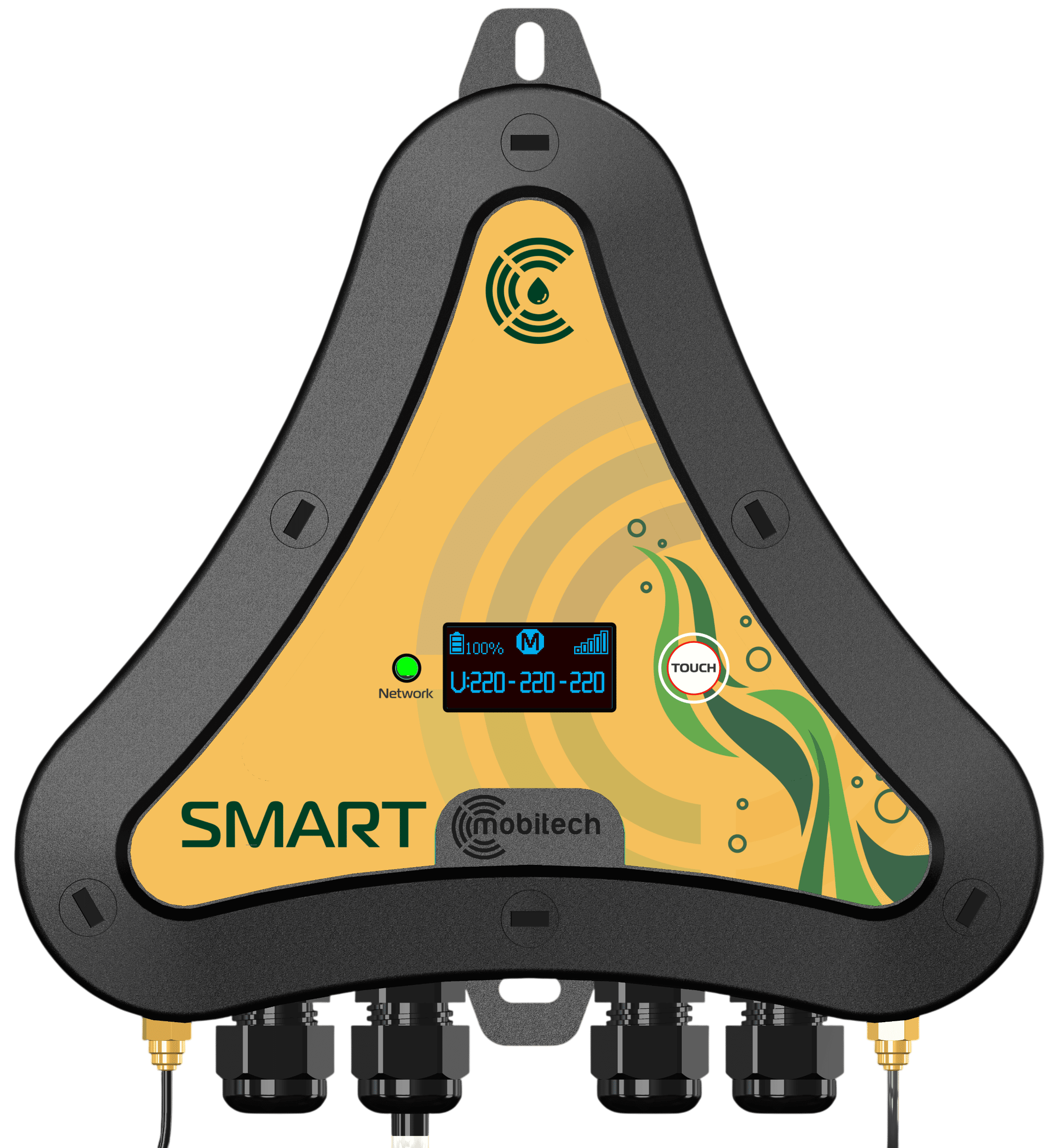













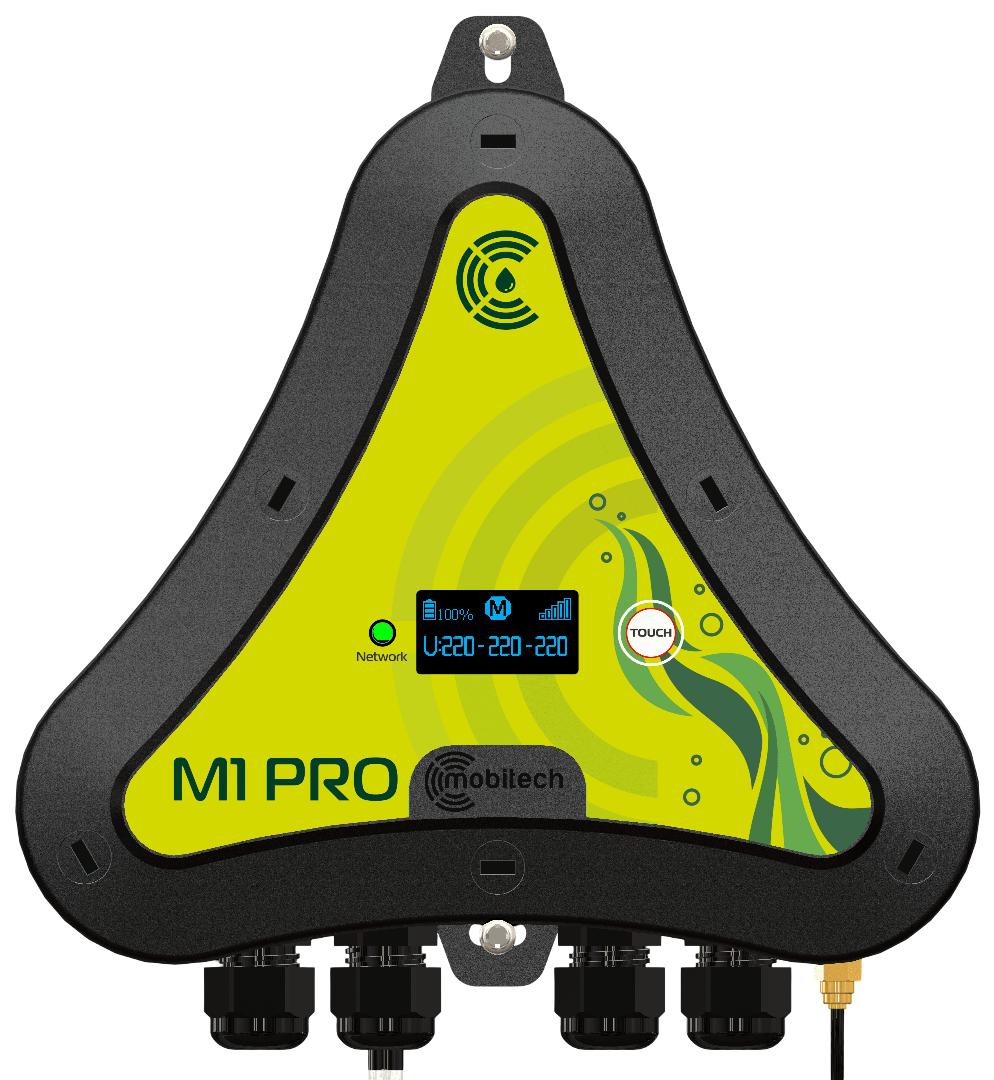



Pressure Sensor
Monitoring Pressure
Sensor Data Acquisition Unit
It checks the water pressure in the pipe and sends this information to AIR (Master Control Unit).This helps farmers know if water is flowing properly or if there is low or high pressure in the line.

Frequently Asked Questions (FAQ)
What is a pressure sensor in irrigation systems?
A pressure sensor is a device used to measure water pressure inside irrigation pipelines. It helps monitor system performance and ensures the pressure stays within a safe and efficient range.
How does a pressure release valve work?
A pressure sensor detects the force of water inside the pipe and converts it into an electrical signal. This data can be used by controllers to monitor, automate, and optimize irrigation operations.
Why is a pressure sensor important in irrigation?
A pressure sensor helps prevent damage caused by high or low pressure. It ensures proper water distribution, improves efficiency, and supports automation in modern irrigation systems.
Where should a pressure sensor be installed?
A pressure sensor is typically installed near pumps, main pipelines, or critical zones where pressure monitoring is required. Proper placement ensures accurate readings and better system control.
Can a pressure sensor detect leaks in irrigation systems?
Yes, a pressure sensor can help detect leaks by identifying sudden pressure drops in the system. This allows quick action to prevent water loss and system damage.
What happens if irrigation pressure is too low?
Low pressure can lead to uneven water distribution, poor crop growth, and inefficient irrigation. A pressure sensor helps detect low pressure and allows corrective actions to maintain proper flow.

Monitoring Pressure

Realtime
Pressure
Monitoring
Instant
Data Transmission
Low & High
Pressure
Alerts
Ensure
Uniform Water
Flow
Prevents
System Failure