

































































Why Sugarcane Production in Tamil Nadu Has Declined by 61% Over the Years
Sugarcane production in Tamil Nadu has been one of the most important agricultural sectors supporting farmers, industries, and rural livelihoods for decades. However, sugarcane production in Tamil Nadu has declined significantly over the years. From producing more than 41 million tonnes in 2007, the state’s output has fallen to just 15.93 million tonnes in 2024 — a decline of nearly 61%. This long-term reduction has raised serious concerns about the sustainability of sugarcane farming in the state.
Introduction
For generations, sugarcane production in Tamil Nadu has been a key commercial crop across districts such as Erode, Coimbatore, Tiruppur, Thanjavur, Cuddalore, Villupuram, Tiruvannamalai, and Madurai. It has supported sugar mills, jaggery production units, transport businesses, and thousands of rural jobs.
However, in recent years, sugarcane production in Tamil Nadu has been facing severe structural challenges. Farmers are struggling with water scarcity, rising input costs, unpredictable climate conditions, and increasing labour shortages. Many farmers are gradually reducing cultivation area or completely shifting to alternative crops.
In addition, the introduction of modern farming systems and smart irrigation technologies is slowly changing agricultural practices, but adoption is still limited in many rural regions.

Tamil Nadu Sugarcane Production Trend
The decline in sugarcane production in Tamil Nadu is not sudden but gradual. Over the past decade, production levels have consistently decreased due to multiple environmental and economic factors.
Farmers who once cultivated large sugarcane fields are now either reducing acreage or switching to short-duration crops for better income stability.
| Year | Sugarcane Production (Approx.) |
|---|---|
| 2018 | 26–28 Million Tonnes |
| 2019 | 24–25 Million Tonnes |
| 2020 | 22–23 Million Tonnes |
| 2021 | 20–21 Million Tonnes |
| 2022 | 16.17 Million Tonnes |
| 2023 | 17.66 Million Tonnes |
| 2024 | 15.93 Million Tonnes |
At its peak, sugarcane production in Tamil Nadu exceeded 41 million tonnes, but now it has declined by nearly 61%. This decline has also affected sugar mills and rural economies.
1. Water Scarcity Has Become the Biggest Challenge
Water scarcity is the most serious factor affecting sugarcane production in Tamil Nadu. Sugarcane is a water-intensive crop requiring continuous irrigation throughout its growth cycle.
Groundwater levels have dropped significantly in many regions due to over-extraction and poor recharge systems. This has made irrigation unreliable for farmers.
- Declining groundwater levels across farming regions
- Increased borewell drilling depth and cost
- Unpredictable monsoon rainfall patterns
- Reduced canal water supply in many areas
- Higher competition for limited water resources
2. Rising Cultivation Costs Are Reducing Profitability
The cost of sugarcane production in Tamil Nadu has increased significantly over the years. Farmers are spending more on inputs while income remains unstable.
Due to this imbalance between cost and profit, many farmers find sugarcane cultivation economically unsustainable.
3. Labour Shortages Are Affecting Farm Operations
Labour availability has declined significantly, impacting sugarcane production in Tamil Nadu during critical stages like planting and harvesting.
- Migration of rural workers to urban areas
- Higher wage demands for available labour
- Delayed harvesting cycles affecting yield quality
- Increased dependency on mechanical harvesting (limited availability)
4. Climate Change Is Impacting Sugarcane Yield
Climate change has made sugarcane production in Tamil Nadu highly unpredictable. Extreme weather conditions are affecting crop growth stages.
- Rising average temperatures affecting soil moisture
- Unseasonal rainfall damaging crops
- Drought periods reducing yield
- Flooding causing root damage and crop loss
5. Shift to Alternative Crops
Due to increasing risks, farmers are shifting away from sugarcane production in Tamil Nadu and adopting more flexible cropping systems.
- Coconut plantations for long-term income
- Banana cultivation for quicker returns
- Maize farming for lower water usage
- Vegetable crops for seasonal profit cycles

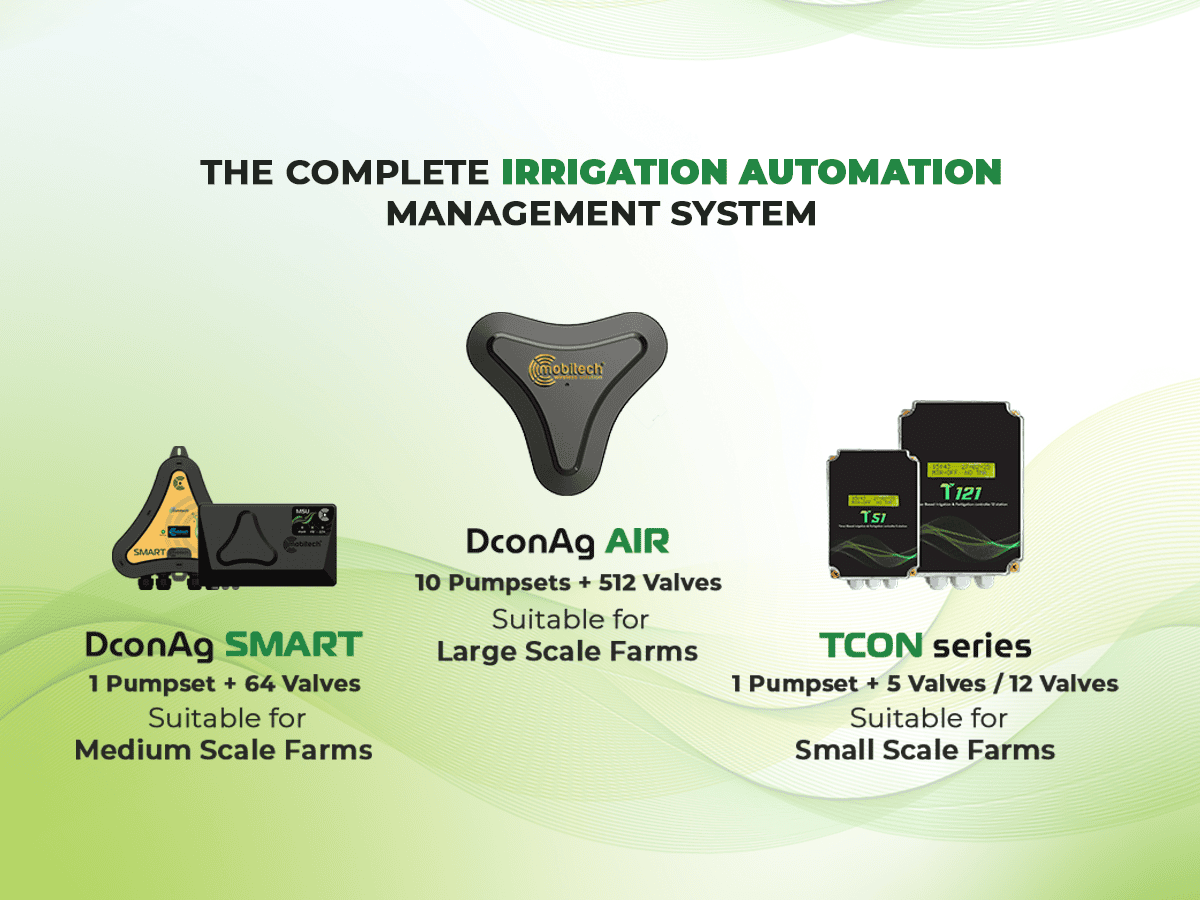
How Smart Irrigation Can Help Reverse the Decline in Sugarcane Production in Tamil Nadu
The decline in sugarcane production in Tamil Nadu is strongly linked to water scarcity and inefficient irrigation practices. Smart irrigation systems offer a practical way to reduce water wastage and improve crop productivity, especially in regions facing groundwater stress.
By using technology-driven irrigation methods, farmers can apply the right amount of water at the right time, which directly improves sugarcane growth, reduces cost, and increases yield stability.
Smart irrigation reduces unnecessary water loss and ensures water is delivered directly to the root zone.
Proper moisture control helps sugarcane grow uniformly, improving both quantity and quality of harvest.
Less water usage means lower electricity, diesel, and pumping expenses for farmers.
Soil moisture sensors and automation help farmers irrigate only when needed instead of relying on guesswork.
If widely adopted, smart irrigation can play a major role in stabilizing sugarcane production in Tamil Nadu and gradually reversing the declining trend by making farming more efficient, sustainable, and profitable.
Conclusion
The decline in sugarcane production in Tamil Nadu is a result of multiple interconnected factors including water scarcity, rising costs, labour shortage, climate change, and crop diversification.
While the challenges are significant, the adoption of smart irrigation systems and sustainable farming practices can help improve future productivity.
The future of sugarcane production in Tamil Nadu depends not only on water availability but on how efficiently farmers manage and conserve every drop.