What is a Water Level Monitoring System? A Complete Guide
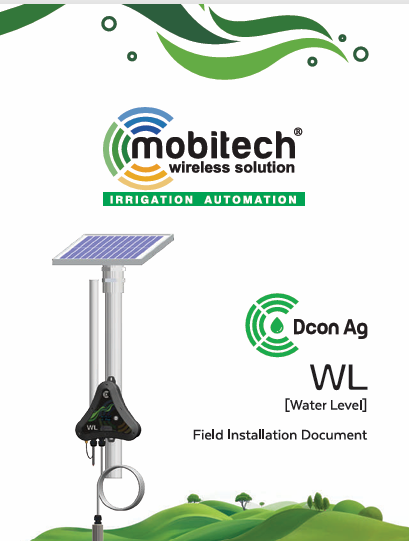
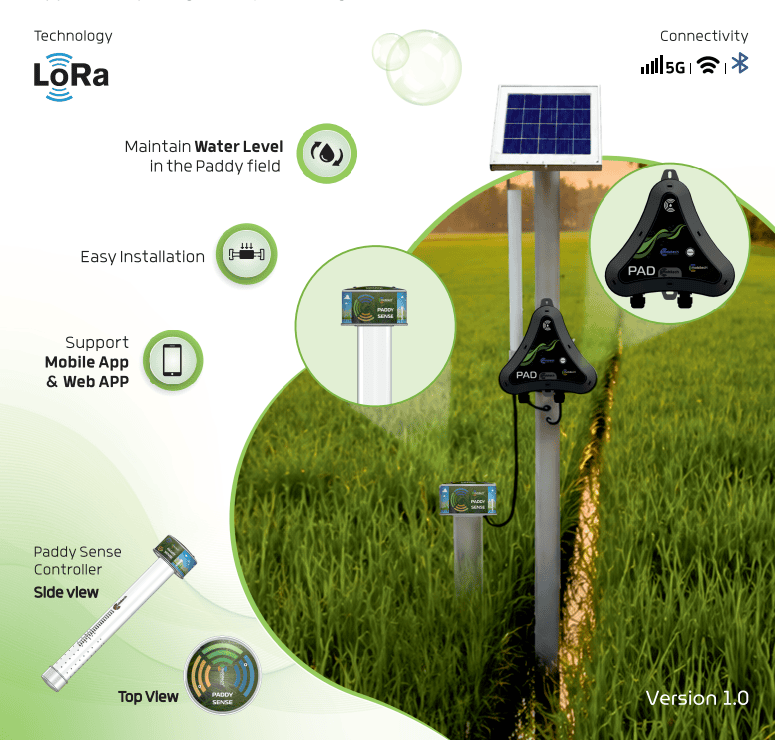
A water level monitoring system is a smart agriculture solution used to measure and monitor water availability in tanks, reservoirs, sumps, borewells, and other farm water sources. It provides real-time water-level information and helps farmers make better irrigation and water management decisions.
Water-level monitoring can work alongside smart irrigation and motor automation systems. Water-level data can be monitored remotely, helping farmers understand water availability and reduce the need for frequent manual checking of tanks, wells, and other water sources.
For agricultural applications, water level monitoring can be especially useful when multiple water sources, storage tanks, borewells, or irrigation systems need to be monitored regularly.
Why is Water Level Monitoring Important?
Water availability directly affects irrigation planning. Without accurate information about available water, farmers may operate pumps unnecessarily, run irrigation systems without sufficient water, or spend additional time manually checking water sources.
A water level monitoring system provides continuous visibility into water availability and can help farmers plan irrigation, monitor storage levels, and respond quickly when water levels become too low or too high.
What is a Water Level Monitoring System?
A water level monitoring system uses a sensor to detect and measure the level of water in a tank, sump, borewell, reservoir, or other water source. The measured data is converted into useful information that can be viewed through a connected monitoring system.
Depending on the setup, farmers can view the readings remotely and receive information when the level changes or reaches a predefined limit. This makes it easier to keep track of water conditions without regularly visiting the site.
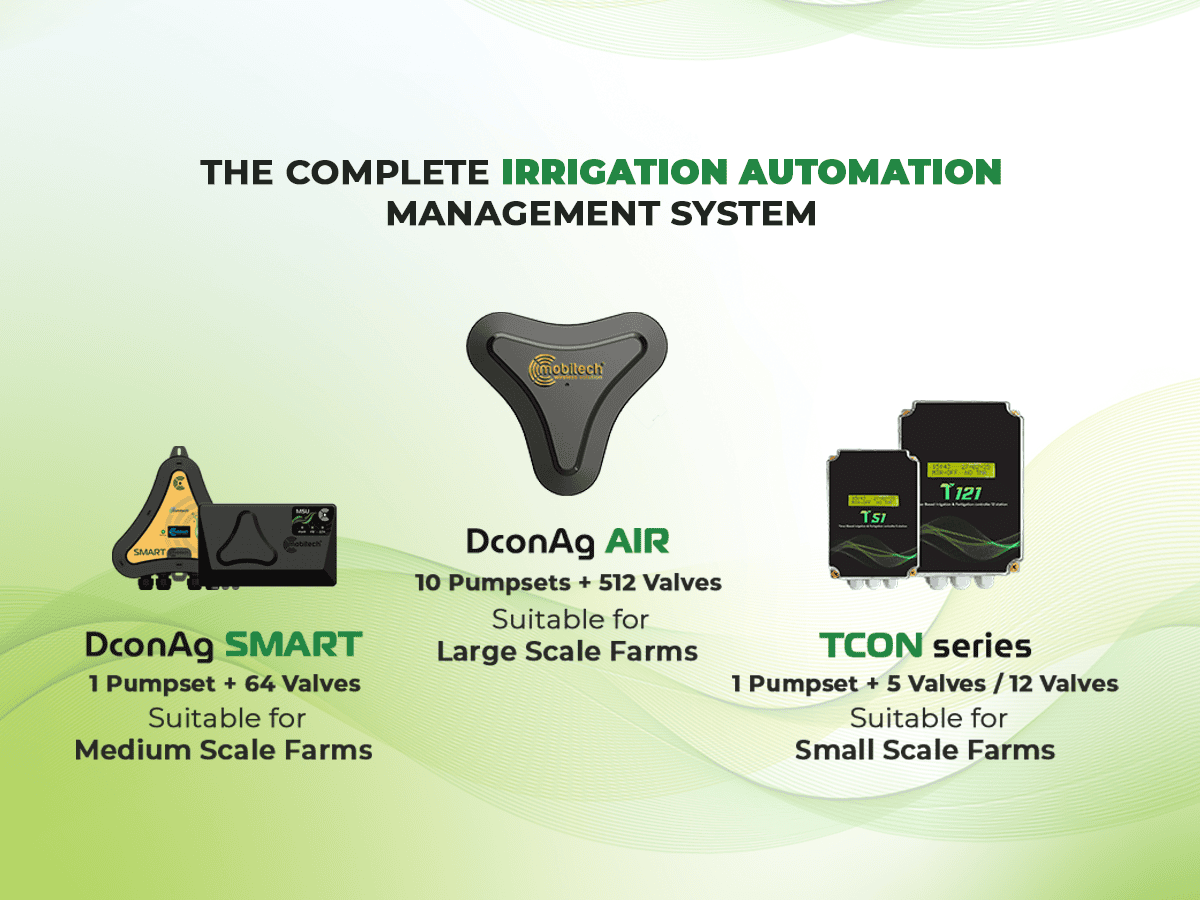
For agricultural use, the system can also work with irrigation controllers and motor automation, allowing water-level information to become part of a connected farm management system.
How Does a Water Level Monitoring System Work?
A water level monitoring system uses a sensor installed at or above the water source to detect changes in water level. The collected information can then be transmitted to a monitoring platform for viewing and analysis.
Phase 01
Detect
The water-level sensor detects the current water level inside the tank, reservoir, sump, or other water source.
Phase 02
Measure
The system converts the sensor reading into useful water-level information for monitoring.
Phase 03
Transmit
The collected data can be transmitted through suitable communication technology to a monitoring platform or application.
Phase 04
Monitor
Farmers can monitor water levels remotely and use the information for irrigation and water management decisions.
How to Choose the Right Water Level Monitoring System?
The right system depends on the water source, measurement range, installation environment, connectivity, and monitoring requirements.
Water Source
Identify whether the system will be used for a tank, sump, reservoir, borewell, pond, or another water source.
Measurement Range
Select a sensor capable of measuring the required depth and operating range of the water source.
Connectivity
Consider GSM, LoRa, Wi-Fi, Bluetooth, or other communication options based on the installation location.
Power Supply
For remote agricultural installations, battery or solar-powered systems can be useful.
Environmental Conditions
Outdoor equipment should be suitable for heat, dust, rain, humidity, and other field conditions.
Automation Integration
If required, choose a system that can integrate with irrigation controllers and motor automation.
Where Can Water Level Monitoring Systems Be Installed?
Water-level monitoring technology can be used across different agricultural and water-management applications.
- Agricultural water storage tanks
- Farm ponds and reservoirs
- Borewells and open wells
- Overhead tanks
- Irrigation water storage systems
Important Installation Tip
Sensor placement is important for reliable measurements. Installation should account for the shape of the water source, water movement, obstructions, sensor range, and the manufacturer’s installation recommendations.
Benefits of Water Level Monitoring Systems in Agriculture
1. Real-Time Water Level Information
Farmers can obtain up-to-date information about available water without depending entirely on manual inspection.
2. Remote Monitoring
IoT-enabled systems can allow farmers to monitor water sources remotely through connected platforms.
3. Better Irrigation Planning
Knowing available water levels can help farmers plan irrigation operations more effectively.
4. Low-Level Alerts
Alerts can notify users when water levels fall below predefined thresholds.
5. Reduced Manual Checking
Remote monitoring reduces the need to repeatedly travel to tanks, wells, or other water sources simply to check water levels.
6. Supports Smart Irrigation
Water-level information can become part of a larger automated irrigation and farm-management system.
Water Level Monitoring for Different Applications
| Application |
Purpose |
| Farm Tanks |
Monitor stored irrigation water and support better water planning. |
| Borewells |
Track water-level changes and understand water availability. |
| Reservoirs |
Monitor larger water storage sources remotely. |
| Overhead Tanks |
Monitor available water and reduce unnecessary manual checking. |
| Farm Ponds |
Track changing water levels for irrigation planning. |
Common Water Level Monitoring Mistakes to Avoid
Choosing and installing a water-level monitoring system requires attention to the application and field conditions.
1. Incorrect Sensor Selection
Using a sensor that does not match the required measurement range or water-source conditions can affect monitoring performance.
2. Poor Installation
Incorrect positioning, obstructions, or unsuitable installation conditions can result in unreliable readings.
3. Ignoring Connectivity
Remote agricultural locations may require suitable communication technology for reliable data transmission.
4. No Alert Configuration
Monitoring water levels without suitable low-level or high-level alerts may reduce the usefulness of the system.
Which is the Best Water Level Monitoring System?
There is no single water level monitoring system that is ideal for every application. The right solution depends on the water source, measurement depth, required accuracy, installation environment, connectivity, power availability, and monitoring requirements.
For agricultural applications, an IoT-enabled monitoring solution can provide additional value by allowing farmers to access water-level information remotely and integrate monitoring with other smart farming technologies. Innovators like Mobitech Wireless Solution specialize in delivering dependable automation platforms that seamlessly merge these capabilities.
Conclusion
Final Thoughts on Water Level Monitoring
A
water level monitoring system provides farmers with a smarter way to understand water availability in tanks, reservoirs, borewells, and other water sources. By combining advanced sensors, robust connectivity, and remote monitoring tools like those offered by
Mobitech , farmers can reduce manual checking and make more informed irrigation decisions.
Water Level Monitoring
Monitor Your Farm Water Levels Smarter with Mobitech Wireless Solution
Monitor water availability remotely and bring smarter water management to your agricultural operation.
Key Features
✓ Real-Time Monitoring
✓ Remote Monitoring
✓ Water Level Alerts
✓ IoT Connectivity
✓ Mobile Monitoring
✓ Smart Irrigation Integration
✓ Suitable for Agriculture
Smart Water Management Starts Here
Monitor water levels, improve irrigation planning, and manage your farm’s water resources more efficiently with Mobitech Wireless Solution solutions.