


































Table of Contents

What is a Motor Control Unit (MCU) and Motor Starter Unit (MSU) for Agriculture? How They Work Together in Smart Irrigation
A Motor Control Unit is an important component of modern agricultural irrigation automation. It helps farmers manage irrigation motors and pumps while reducing the need for manual motor operation.
In a smart irrigation system, a Motor Control Unit (MCU) can work together with a Motor Starter Unit (MSU) to manage agricultural motor operation. This allows irrigation pumps to be integrated with automated irrigation controllers, field valves, sensors, schedules, and remote monitoring systems.
This guide explains what a Motor Control Unit is, what a Motor Starter Unit does, how they work together, their key features, benefits, and their role in modern smart irrigation systems.
Why is a Motor Control Unit Important for Agriculture?
Irrigation pumps are essential for farms that depend on borewells, open wells, reservoirs, storage tanks, and other water sources. In conventional irrigation, farmers often need to manually operate motor starters whenever water is required.
A Motor Control Unit provides a convenient way to connect motor operation with an automated irrigation system. It can help farmers manage irrigation motors according to configured schedules, field requirements, or commands from a connected control system.
What is a Motor Control Unit (MCU)?
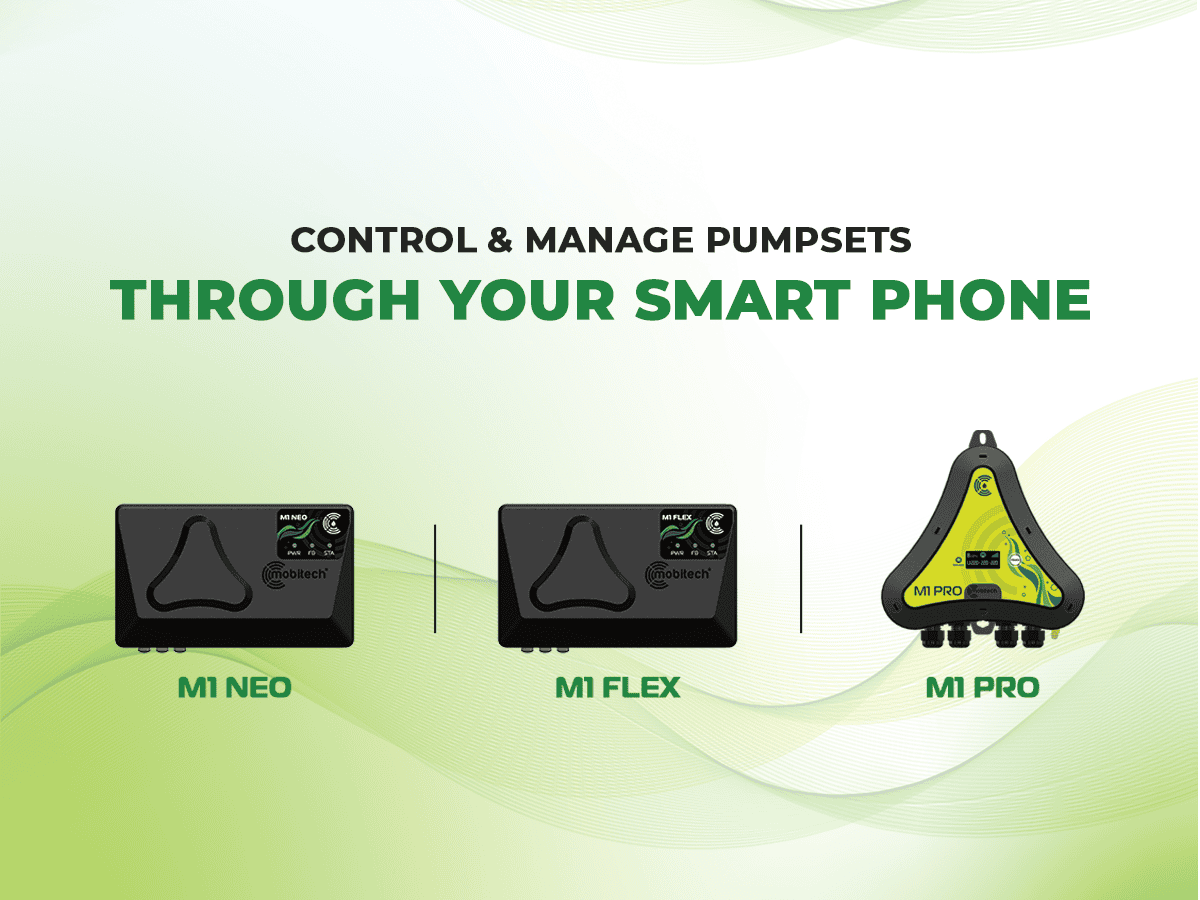
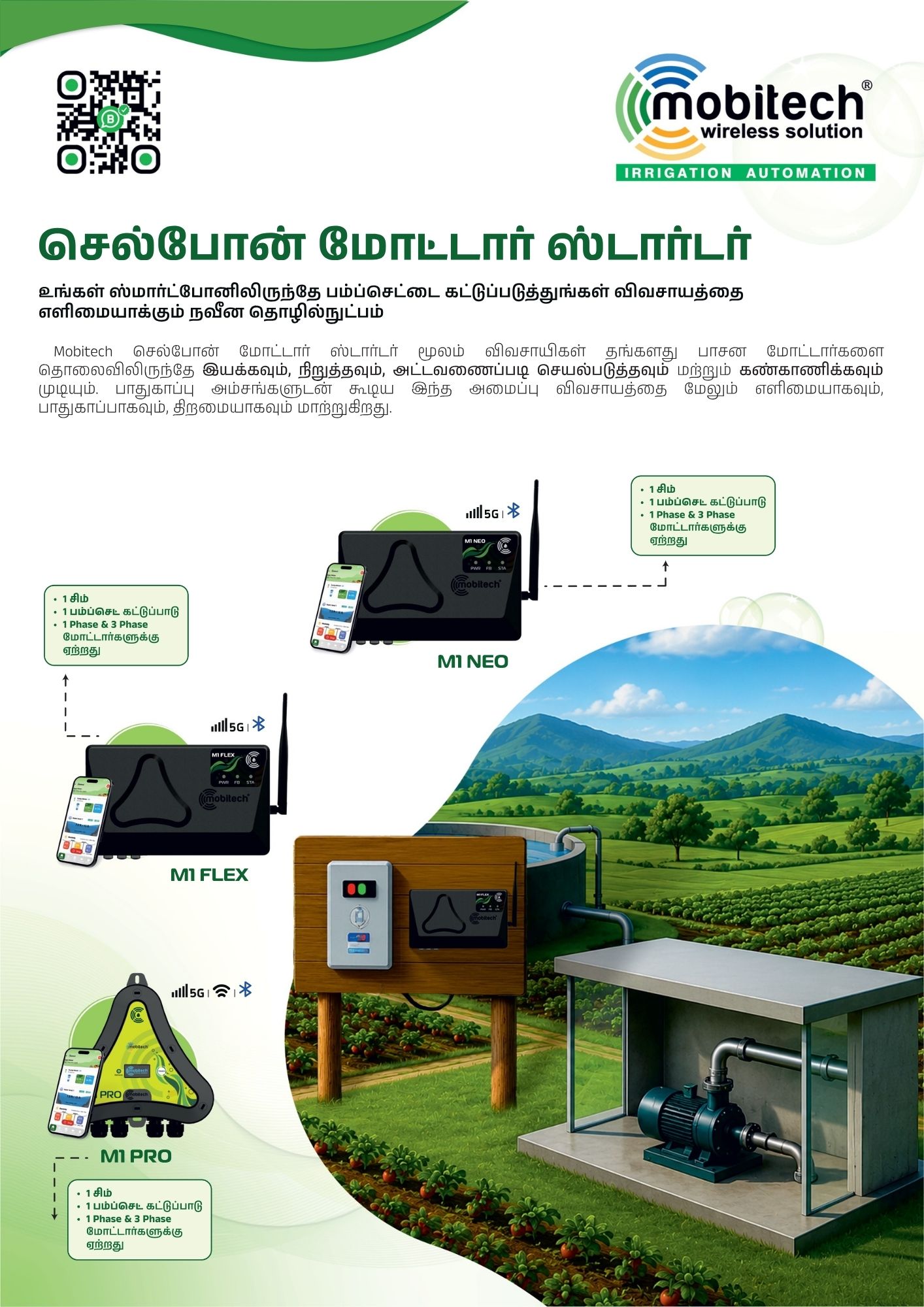
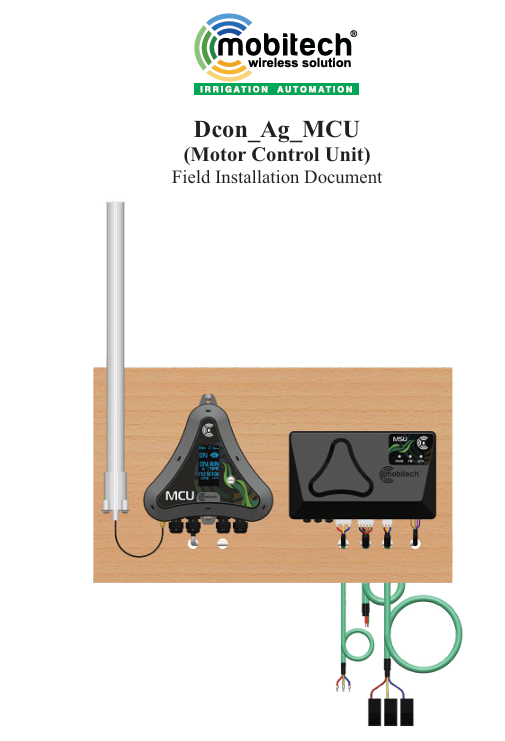
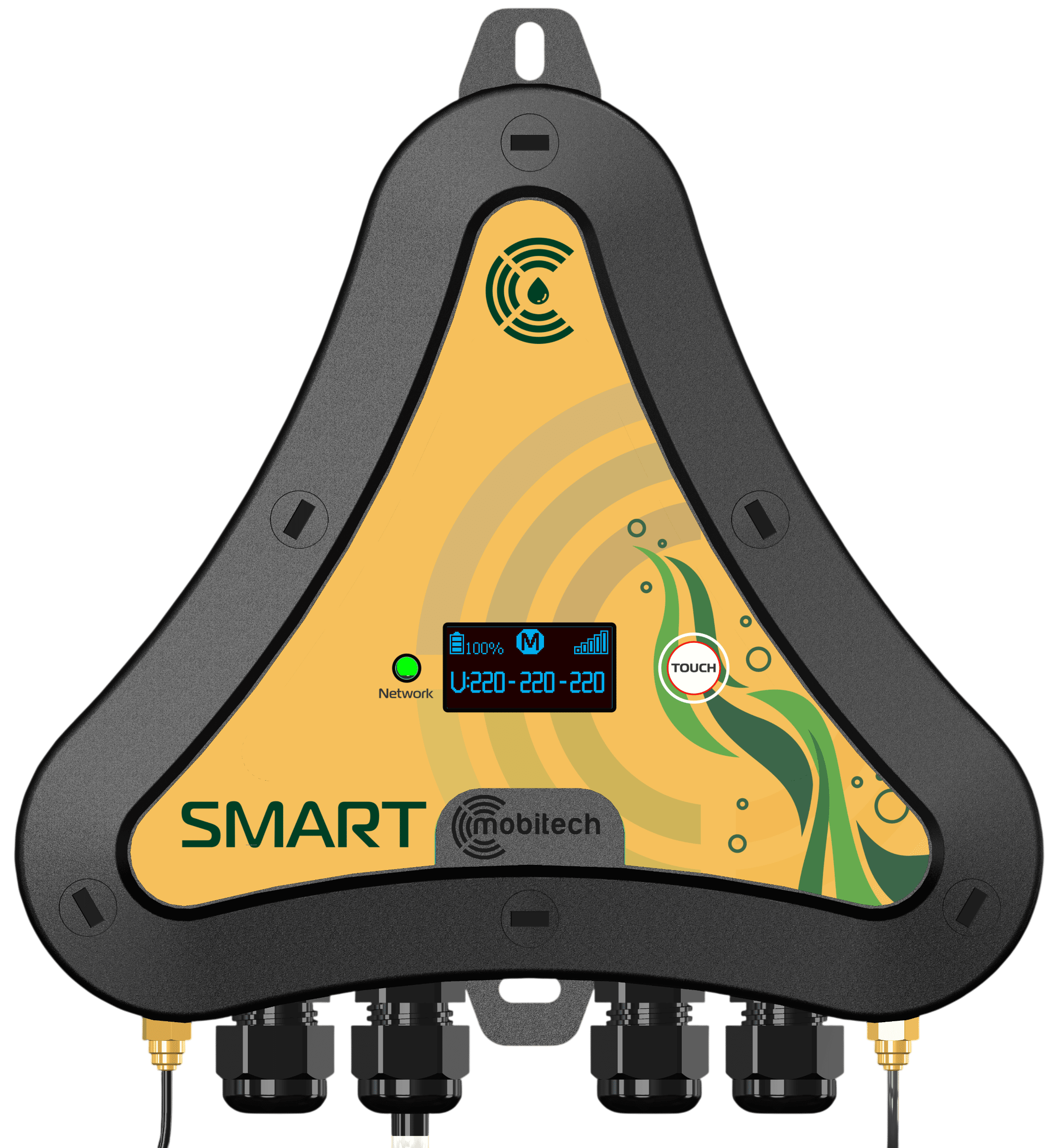
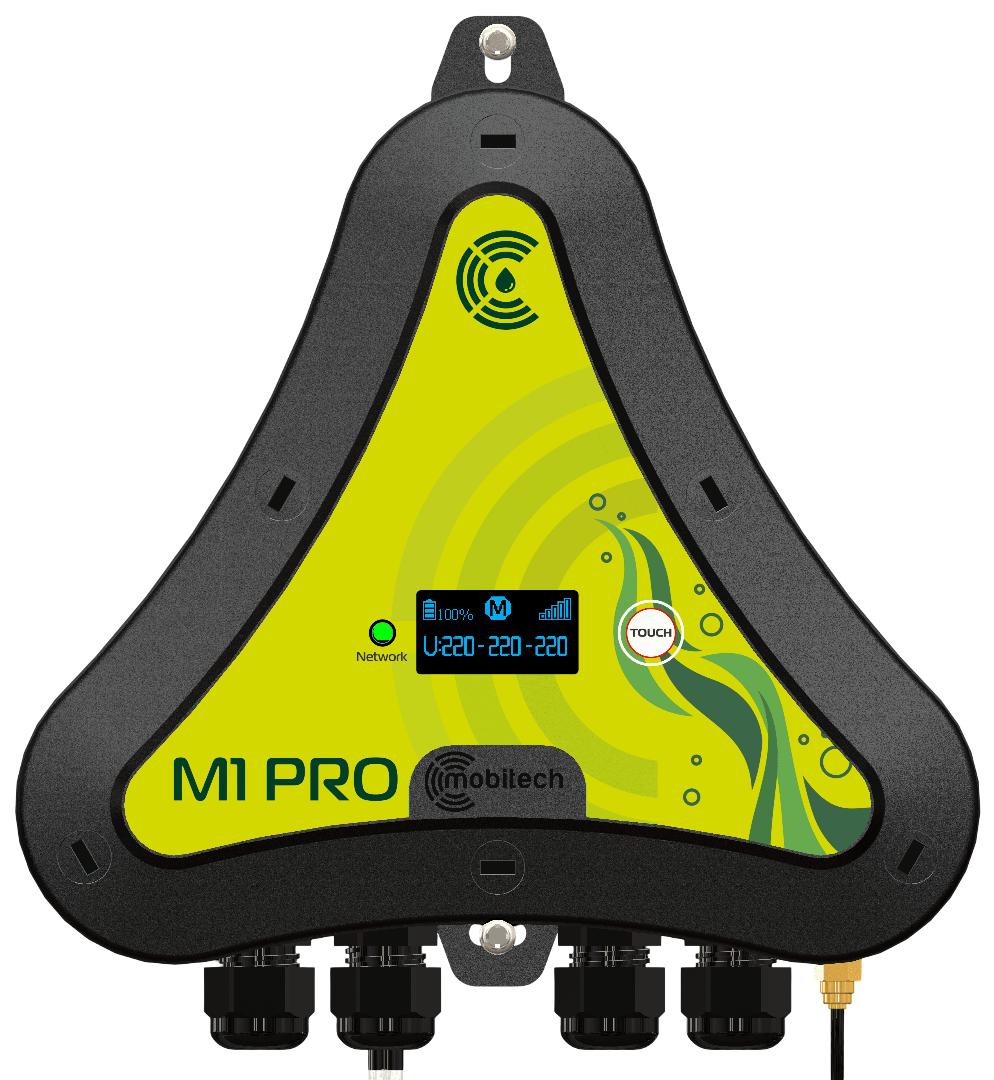
A Motor Control Unit (MCU) is an electronic control device used to manage agricultural irrigation motors. It acts as an interface between the irrigation automation system and the motor-starting mechanism.
In a smart irrigation setup, the Motor Control Unit can receive motor ON and OFF commands from an automation controller and communicate with the connected motor starter system.
Depending on the system configuration, a Motor Control Unit can be integrated with automatic valves, irrigation controllers, soil moisture sensors, water-level sensors, weather stations, scheduling systems, and remote monitoring platforms.
What is a Motor Starter Unit (MSU)?
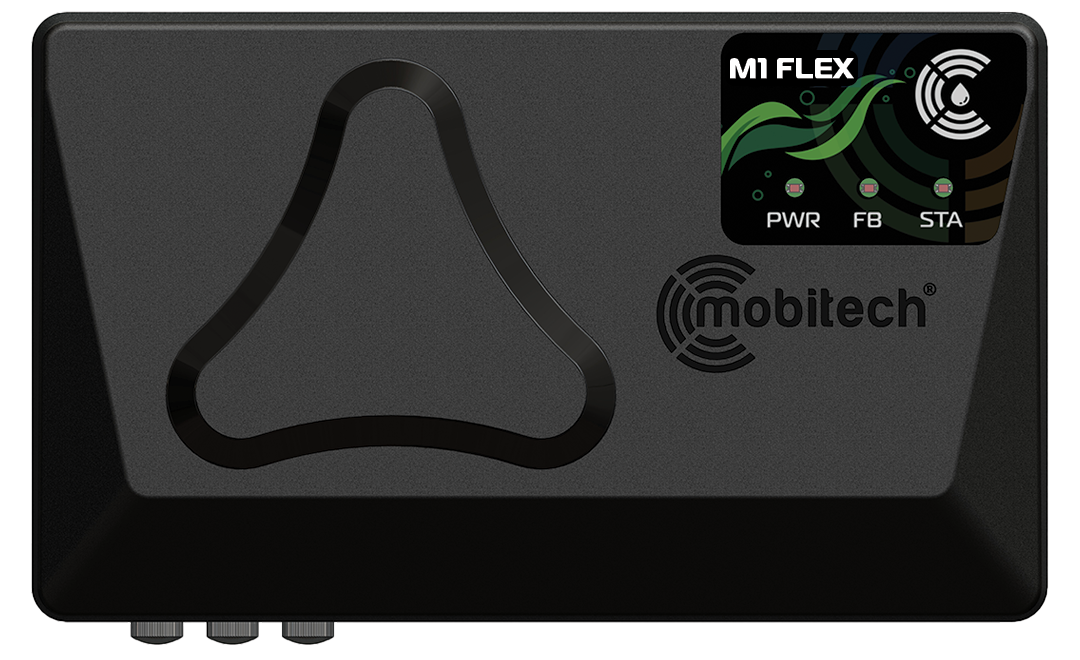
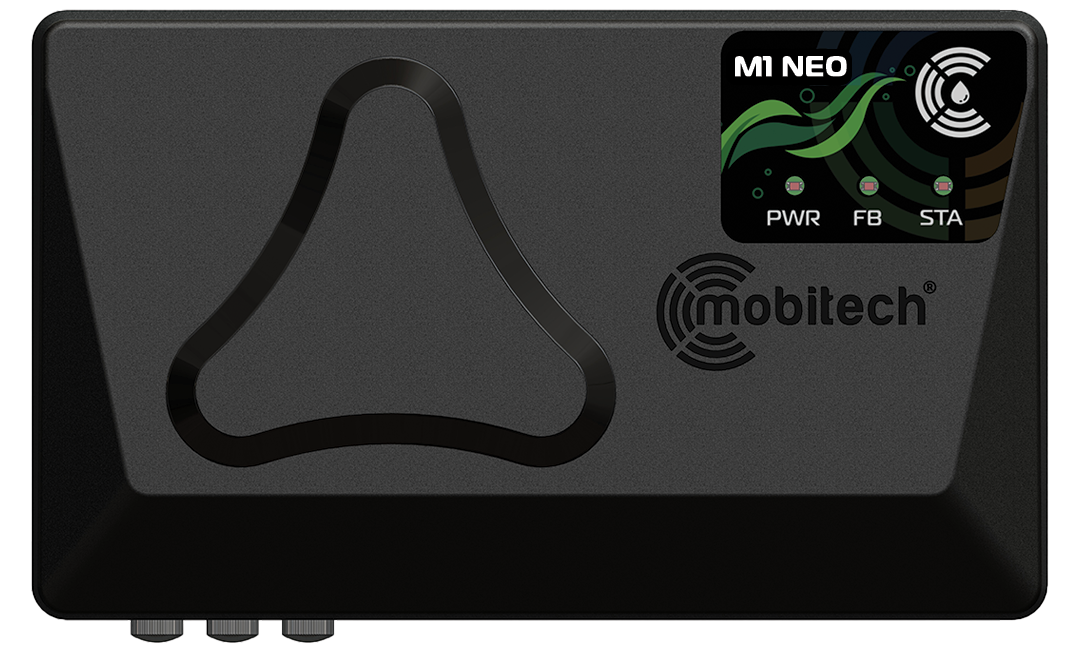
A Motor Starter Unit (MSU) is the equipment used to start and stop an agricultural motor. It works with the electrical components required to control the operation of an irrigation pump.
When connected with a Motor Control Unit, the Motor Starter Unit can receive the required control command and perform the motor-starting or stopping operation.
In a smart irrigation system, the MCU and MSU therefore perform complementary functions: the MCU manages the control interface, while the starter system performs the motor switching operation.
Motor Control Unit vs Motor Starter Unit
| Feature | Motor Control Unit (MCU) | Motor Starter Unit (MSU) |
|---|---|---|
| Primary Function | Controls and manages motor operation | Starts and stops the motor |
| Role in Automation | Receives and processes motor-control commands | Executes the motor switching operation |
| Motor Management | Connects motor operation with the automation system | Controls the electrical starting and stopping process |
| Smart Irrigation | Connects motor control with irrigation automation | Operates the irrigation motor |
| System Integration | Works with controllers, sensors, and communication systems | Works with electrical starters and motor panels |
How Do MCU and MSU Work Together in Smart Irrigation?
The Motor Control Unit and Motor Starter Unit work together as part of an automated irrigation system. The MCU manages the control command, while the MSU and connected starter system perform the motor operation.
1. Irrigation Requirement
The system determines when irrigation is required based on a schedule, sensor information, or a configured irrigation plan.
2. MCU Receives Command
The Motor Control Unit receives the motor ON or OFF command from the connected automation system.
3. MSU Starts the Motor
The Motor Starter Unit responds to the control command and performs the required motor-starting operation.
4. Irrigation Takes Place
The running pump supplies water through the irrigation network to the required crop zones.
5. Motor Stops
When the irrigation cycle is completed, the control system can send the OFF command and the starter system stops the motor.
Main Components of a Smart Irrigation Motor Control System
Manages motor-control commands and connects motor operation with the automation system.
Performs the required electrical starting and stopping operation of the irrigation motor.
Manages irrigation schedules, control logic, and connected devices.
Control individual irrigation zones according to the configured irrigation plan.
Provides soil moisture information that can be used for more efficient irrigation decisions.
Monitors water levels in tanks, wells, or other water sources.
Key Features to Look for in a Motor Control Unit
A suitable MCU can support the electrical configuration required for different agricultural motor installations.
Current monitoring can help provide information about motor operation and electrical performance.
Wireless technologies such as LoRa or Bluetooth can allow the unit to communicate with connected agricultural automation systems.
Battery backup can help maintain communication and monitoring functions during temporary power interruptions.
GPS functionality can be useful for identifying and managing remotely installed agricultural equipment.
Appropriate electrical protection should be included to support reliable operation of the motor-control system.
Benefits of Using a Motor Control Unit in Agriculture
1. Reduces Manual Motor Operation
A Motor Control Unit reduces the need for farmers to manually visit the pump location whenever irrigation needs to start or stop.
2. Supports Irrigation Automation
The MCU can connect motor operation with an automated irrigation system, allowing pumps and irrigation zones to be managed according to configured requirements.
3. Saves Time and Labour
Automated motor operation reduces repetitive manual tasks and gives farmers more time for other important farm activities.
4. Improves Irrigation Scheduling
When integrated with an irrigation controller, a Motor Control Unit can operate the motor according to predefined irrigation schedules.
5. Helps Reduce Unnecessary Pump Running
Automated ON/OFF control can help prevent unnecessary pump operation and improve irrigation management.
6. Enables Remote Monitoring
When connected to a suitable communication and automation platform, motor operation can be monitored and controlled remotely.
7. Supports Large Farm Automation
A suitable motor-control architecture can be expanded to manage multiple pumps, irrigation zones, and field devices across larger agricultural properties.
Motor Control Unit in Smart Irrigation: A Simple Example
Consider a farm with a borewell, irrigation pump, automatic valves, and several crop zones.
Instead of manually visiting the pump and opening or closing valves, the farmer can configure an automated irrigation schedule.
When the irrigation cycle begins, the automation controller sends a command to the Motor Control Unit. The MCU communicates with the Motor Starter Unit, which starts the irrigation motor. The required valves can then be operated according to the configured irrigation sequence.
When the irrigation cycle is completed, the control system can send the required OFF command, allowing the motor to stop without continuous manual intervention.
Motor Control Unit for Small and Large Farms
The requirements of a small farm can be different from those of a large commercial plantation. A suitable Motor Control Unit should therefore be selected according to the motor configuration, number of irrigation zones, water source, automation requirements, and future expansion plans.
For a smaller farm, motor automation may involve a single irrigation pump and a limited number of valves. Larger farms may require coordinated control of multiple motors, irrigation zones, and field valves.
Choosing a scalable motor-control solution can make it easier to expand the irrigation system as the farm grows.
Things to Consider Before Installing a Motor Control Unit
- Motor Voltage: Check the electrical voltage and phase requirements of the irrigation motor.
- Motor Current: Consider the motor’s current requirements when selecting the appropriate control and monitoring configuration.
- Starter Compatibility: Ensure the Motor Control Unit is compatible with the existing motor starter or panel.
- Number of Motors: Determine whether the farm requires control of one motor or multiple irrigation pumps.
- Communication: Consider the required wireless or wired communication method.
- Automation Requirements: Decide whether scheduling, sensors, remote monitoring, or automatic valve control is required.
- Future Expansion: Choose a scalable system that can support additional irrigation zones and equipment.
Common Mistakes to Avoid with Motor Control Systems
Avoid These Common Errors
- Selecting a motor control system without checking motor voltage and current requirements.
- Ignoring compatibility with the existing motor starter or electrical panel.
- Installing electrical components without appropriate protection.
- Ignoring communication range and connectivity requirements.
- Using unsuitable irrigation schedules.
- Failing to consider future expansion of the irrigation system.
- Skipping regular inspection and maintenance.
Final Thoughts
A Motor Control Unit plays an important role in modern agricultural automation by connecting irrigation motor operation with smart control systems. When combined with a suitable Motor Starter Unit, it can help automate the starting and stopping of irrigation pumps while reducing manual intervention.
For farmers managing coconut, arecanut, oil palm, coffee, banana, vegetables, fruit orchards, or other irrigated crops, motor automation can simplify day-to-day irrigation management.By combining a Motor Control Unit, Motor Starter Unit, automatic valves, sensors, and irrigation scheduling, farmers can build a scalable smart irrigation system designed around their farm’s specific requirements.
If you have any questions about this , kindly fill in the form below.
What is a Motor Control Unit?
A Motor Control Unit is a device used to control and manage the operation of agricultural irrigation motors. It can connect motor operation with automated irrigation systems, scheduling, sensors, and remote-control features.
What is the purpose of a Motor Control Unit?
The main purpose of a Motor Control Unit is to manage motor ON/OFF operation and connect the irrigation pump with an automation system. This can reduce manual operation and make irrigation management more convenient.
How does a Motor Control Unit work with a Motor Starter Unit?
The Motor Control Unit receives or manages the motor control command, while the Motor Starter Unit performs the required starting or stopping operation. Together, they allow irrigation motors to be controlled automatically.