Types of Irrigation Systems in Andhra Pradesh: A Complete Guide for Farmers
Andhra Pradesh has a wide range of agricultural conditions, from fertile coastal regions to dry and semi-arid areas. Farmers cultivate paddy, chilli, cotton, groundnut, maize, mango, banana, coconut, vegetables, and many other crops. Because water availability and crop requirements vary from one farm to another, choosing the right irrigation system is essential for efficient water management, healthy crop growth, and better farm productivity.
This guide explains the major types of irrigation systems used in Andhra Pradesh, their applications, advantages, limitations, and the key factors farmers should consider before selecting an irrigation solution.
Why Irrigation Is Important for Andhra Pradesh Agriculture
Agriculture in Andhra Pradesh depends on a combination of rainfall, canals, reservoirs, tanks, borewells, and other water sources. However, water availability can vary significantly by season and location. Efficient irrigation helps farmers supply the right amount of water at the right time while minimizing unnecessary water loss.
A well-designed irrigation system can also improve water distribution, reduce manual effort, support more consistent crop growth, and make farm operations easier to manage.
Major Types of Irrigation Systems in Andhra Pradesh
Different crops, soils, farm sizes, and water sources require different irrigation approaches. The major irrigation methods used by farmers include drip irrigation, sprinkler irrigation, surface irrigation, furrow irrigation, basin irrigation, micro-sprinkler irrigation, and automated irrigation.
1. Drip Irrigation
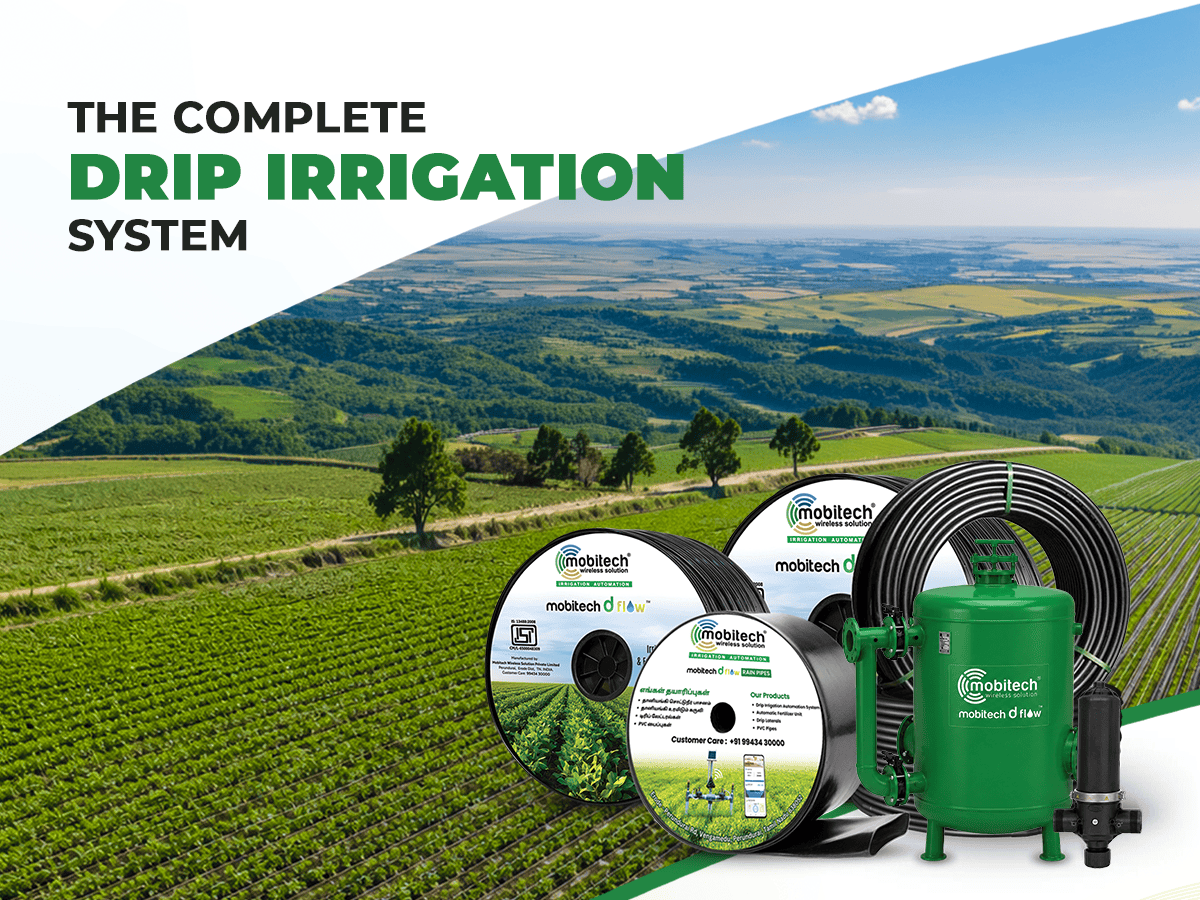
Drip irrigation delivers water slowly and directly to the soil around the plant’s root zone through a network of pipes, laterals, and emitters. It is particularly useful for crops where precise water application is important.
Common applications include:
- Mango orchards
- Banana plantations
- Coconut farms
- Chilli cultivation
- Vegetable crops
- Other horticultural crops
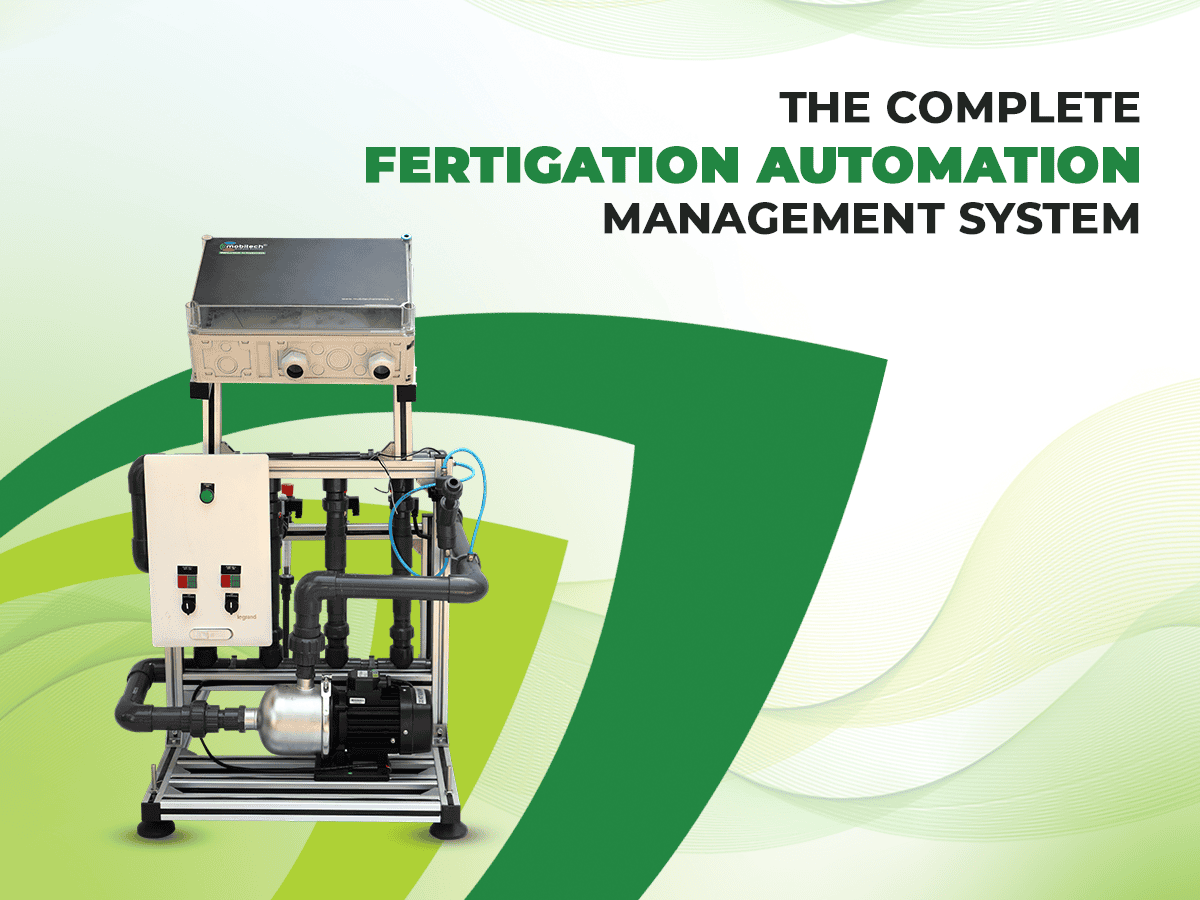
One of the main advantages of drip irrigation is its ability to apply water close to plant roots, helping maintain more consistent soil moisture. It can also be combined with fertigation systems to deliver nutrients along with irrigation water.
However, drip systems require proper filtration, pressure management, and regular maintenance of pipes and emitters to perform effectively.
2. Sprinkler Irrigation
Sprinkler irrigation distributes water through pipes and sprinkler heads, creating a pattern similar to rainfall. It can be useful for field crops, vegetables, fodder crops, and farms where surface irrigation is difficult or where the land is not completely level.
Common applications include:
- Groundnut
- Maize
- Vegetables
- Pulses
- Fodder crops
- Other field crops
Sprinkler systems can provide relatively uniform water distribution when correctly designed. Proper pump capacity, operating pressure, sprinkler spacing, and nozzle selection are important for efficient operation.
3. Surface Irrigation
Surface irrigation is one of the traditional irrigation methods. In this approach, water flows across the soil surface primarily through gravity. Depending on the farm layout, water may be supplied through canals, tanks, wells, or other available sources.
| Method | Common Application |
|---|
| Flood Irrigation | Used for certain field crops where adequate water is available. |
| Basin Irrigation | Suitable for certain orchards and crops grown on relatively level land. |
| Furrow Irrigation | Useful for row crops where water can flow through channels between crop rows. |
Surface irrigation can have relatively low infrastructure requirements, but water distribution may be less uniform if field leveling, flow management, and irrigation scheduling are not properly managed.
4. Furrow Irrigation
Furrow irrigation supplies water through small channels or furrows created between crop rows. Water moves along the furrows and gradually infiltrates into the soil, providing moisture to the crop root zone.
- Relatively simple irrigation method
- Can have lower initial infrastructure requirements
- Suitable for many row crops
- Uses gravity to move water
Furrow irrigation works best when the field is properly prepared and the water flow is carefully managed. Excessive flow can cause runoff and soil erosion, while insufficient flow may result in uneven irrigation.
5. Basin Irrigation
Basin irrigation divides cultivated land into relatively level sections or basins. Water is supplied into each basin and allowed to infiltrate into the soil.
This method can be useful for certain orchard and plantation crops where plants are arranged at regular spacing. The size of each basin and the amount of water required should be determined based on crop requirements, soil characteristics, land conditions, and available water.
Good field leveling and appropriate irrigation scheduling are important to achieve more uniform water distribution.
6. Micro-Sprinkler Irrigation
Micro-sprinkler irrigation distributes water over a smaller area and at a lower application rate than many conventional sprinkler systems. It is particularly useful for orchards, nurseries, plantations, and horticultural farms.
🌳 Mango Orchards
🍊 Fruit Plantations
🌱 Nurseries
🌿 Horticultural Crops
Micro-sprinklers can distribute moisture across a larger portion of the root zone than a single drip emitter while still allowing irrigation to be managed according to individual plants or crop zones.
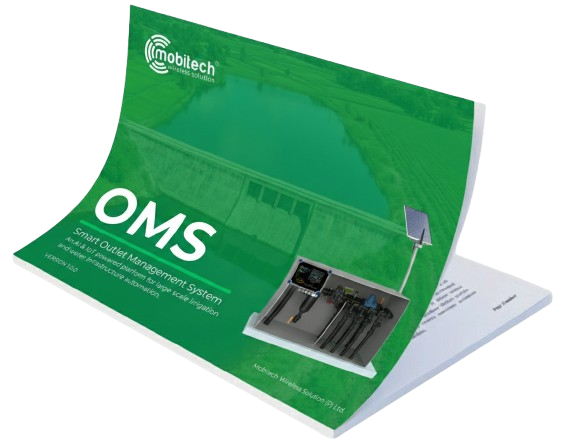
7. Automated Irrigation Systems
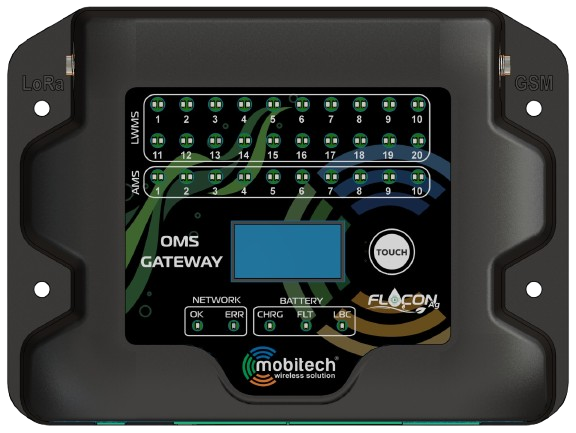
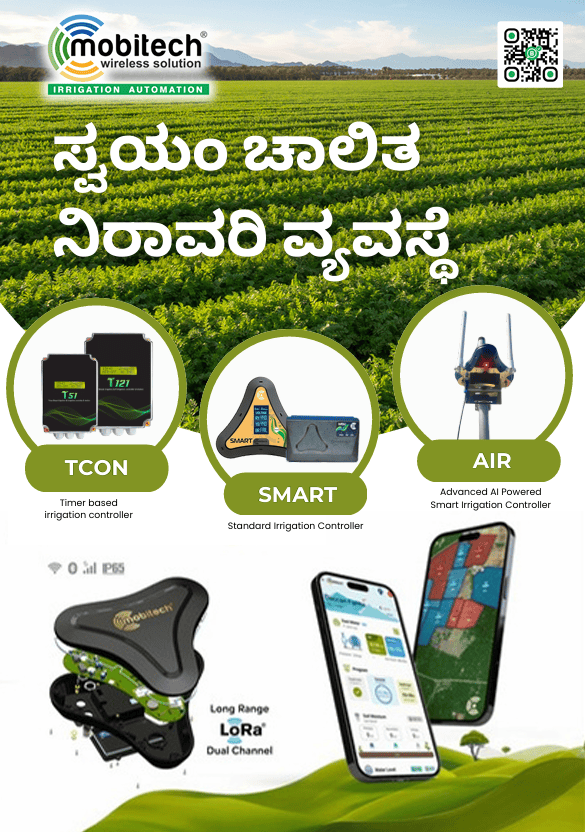
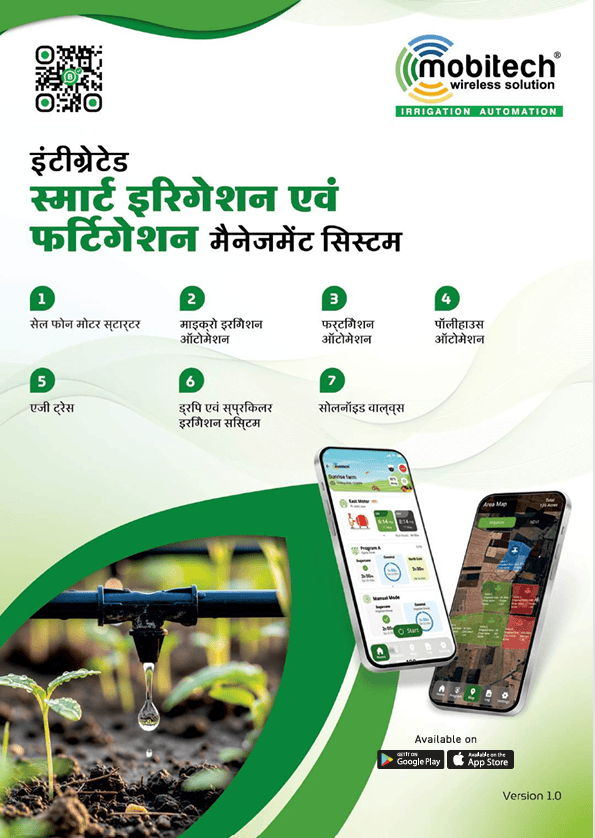
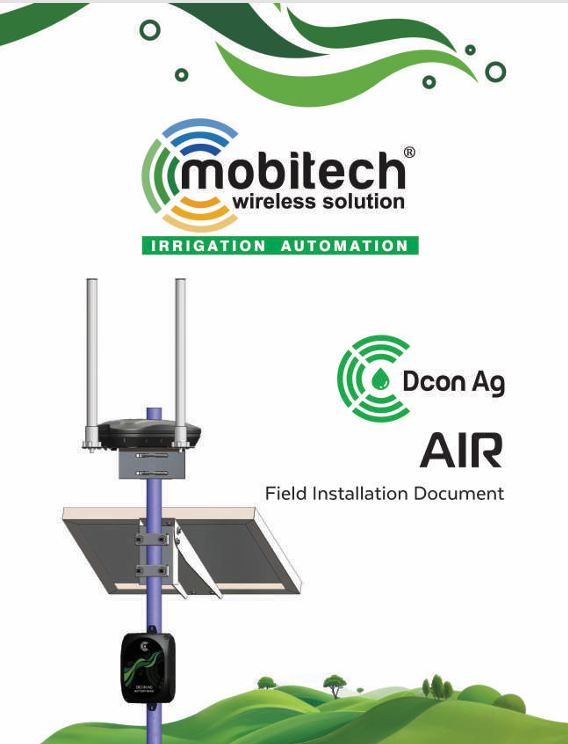
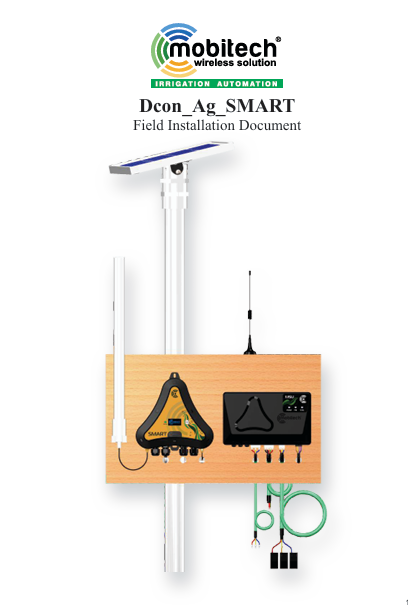
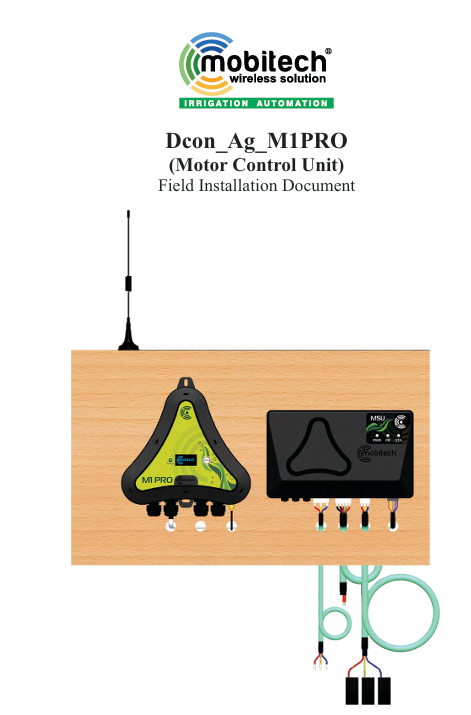
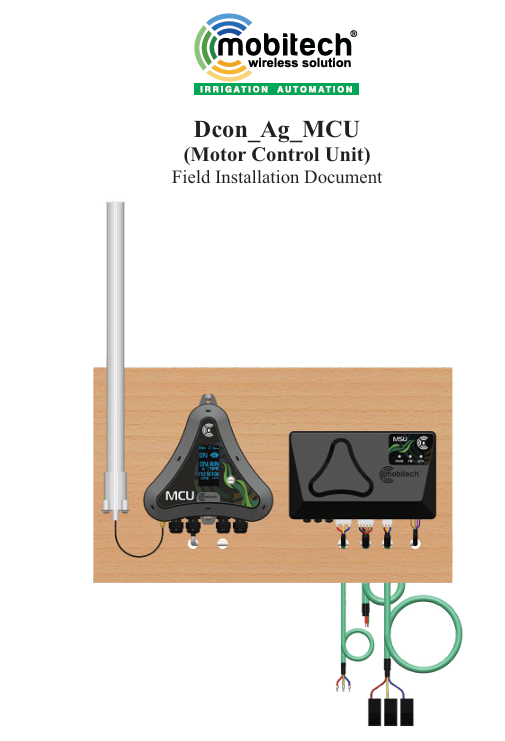
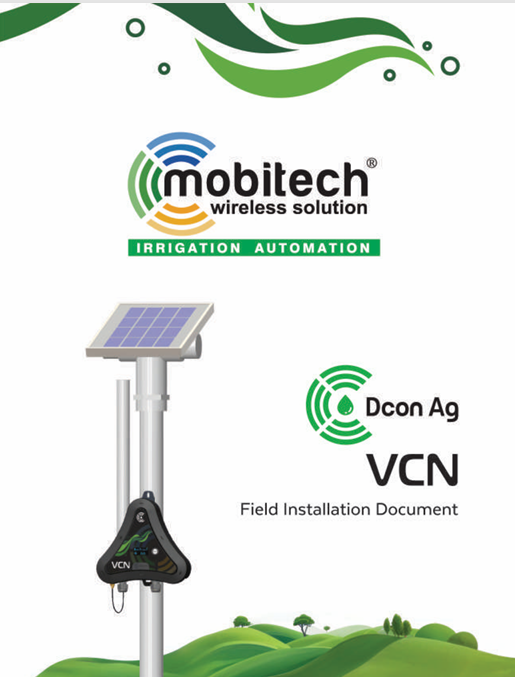
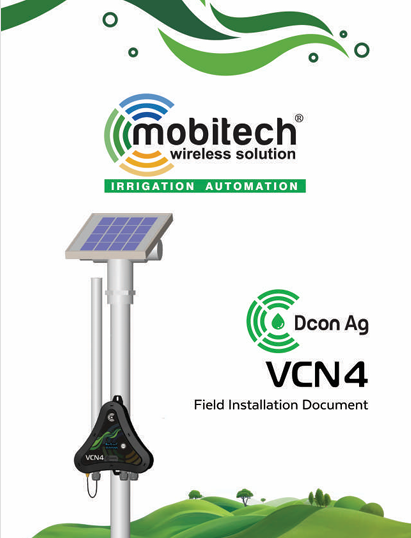
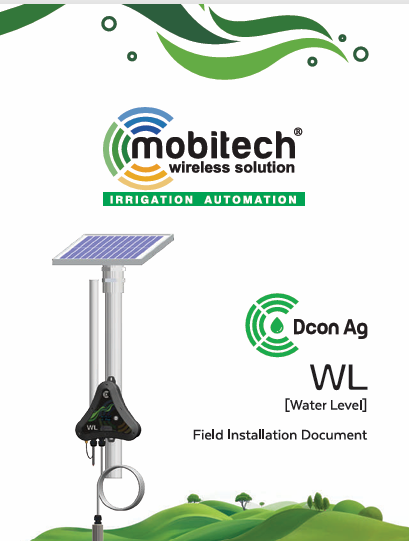
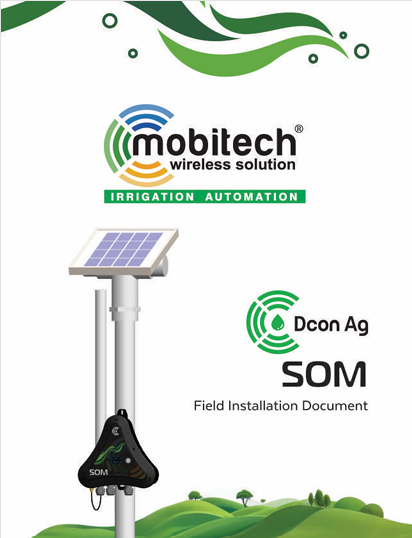
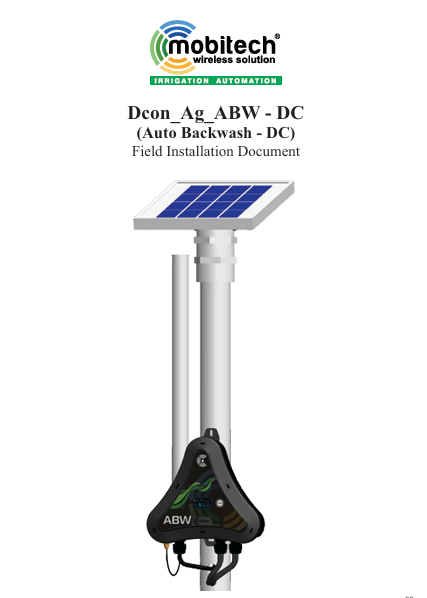
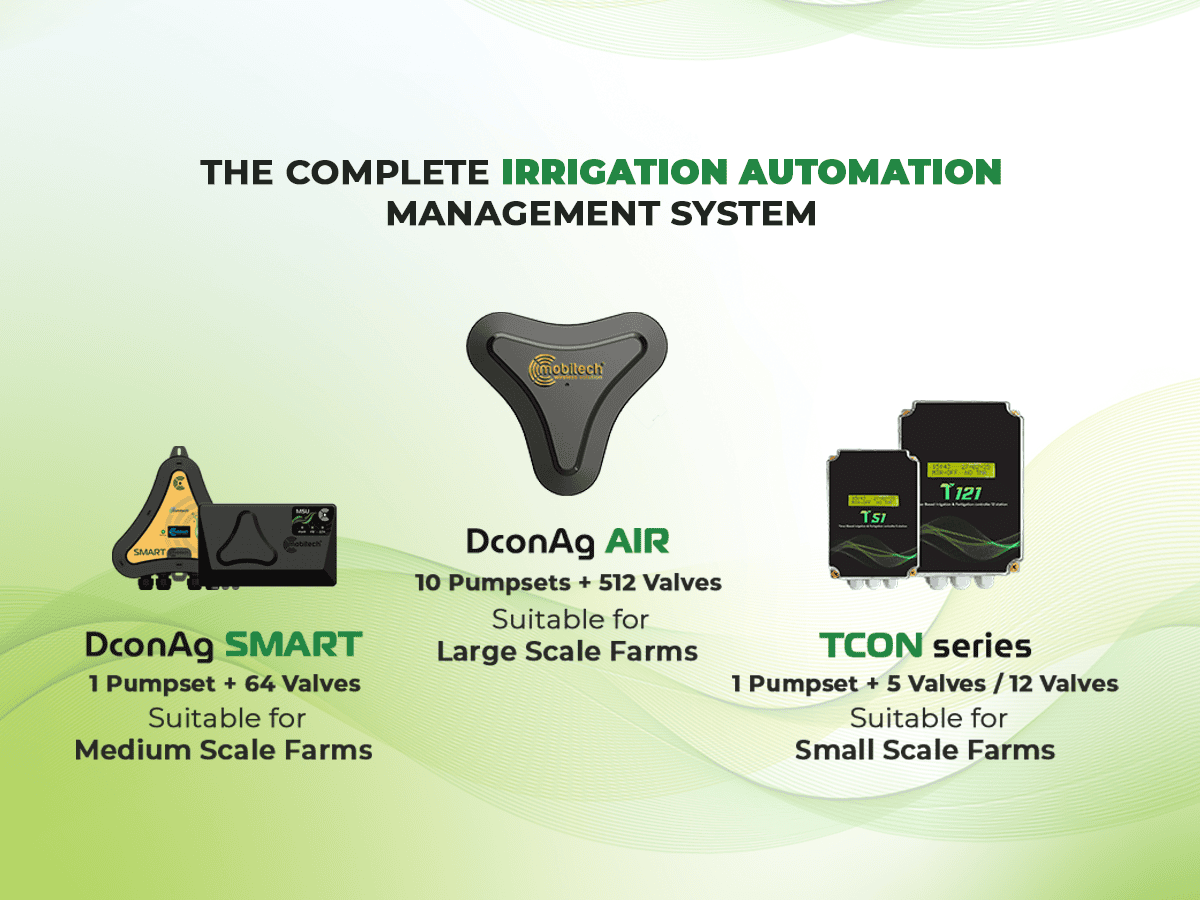
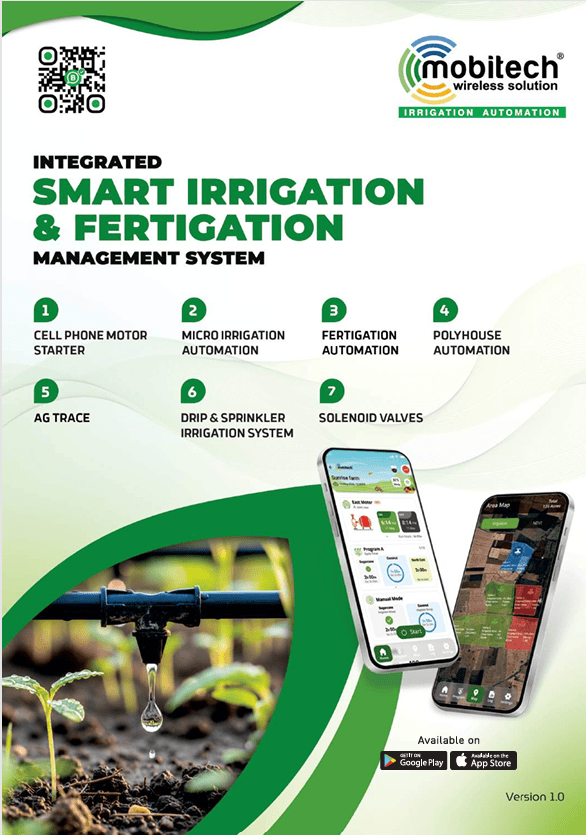
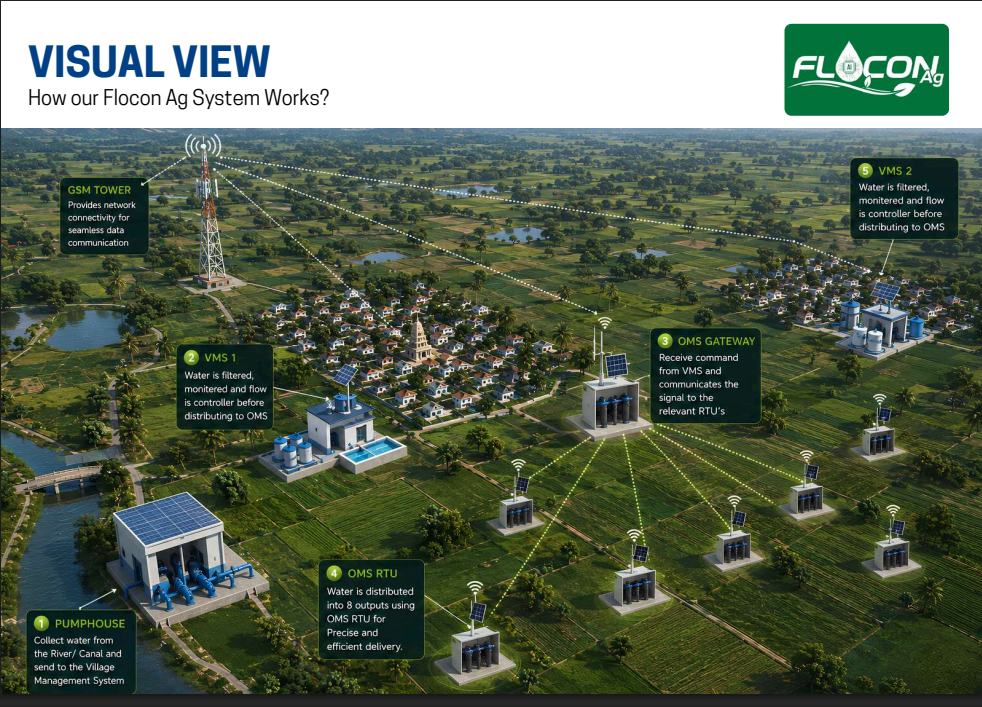
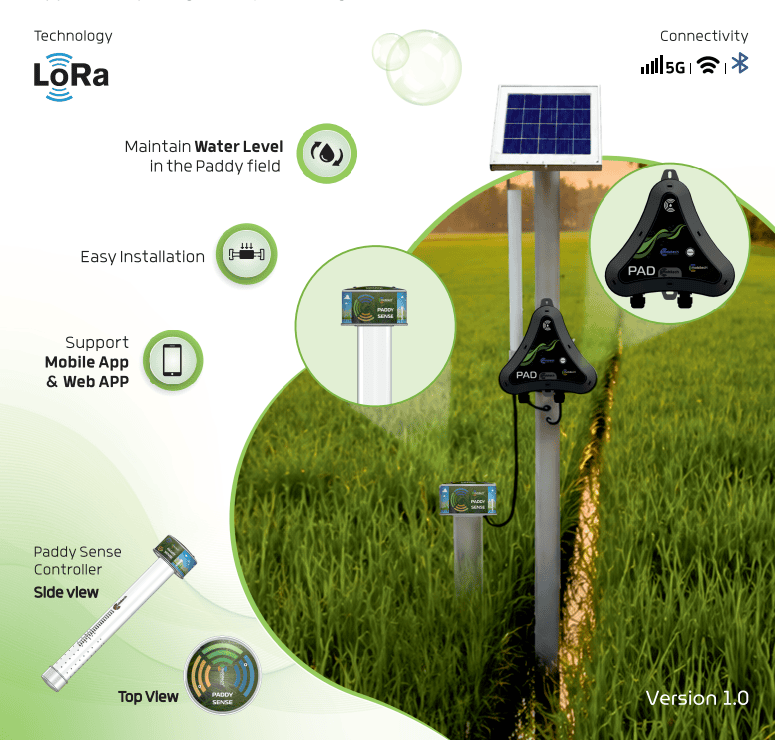
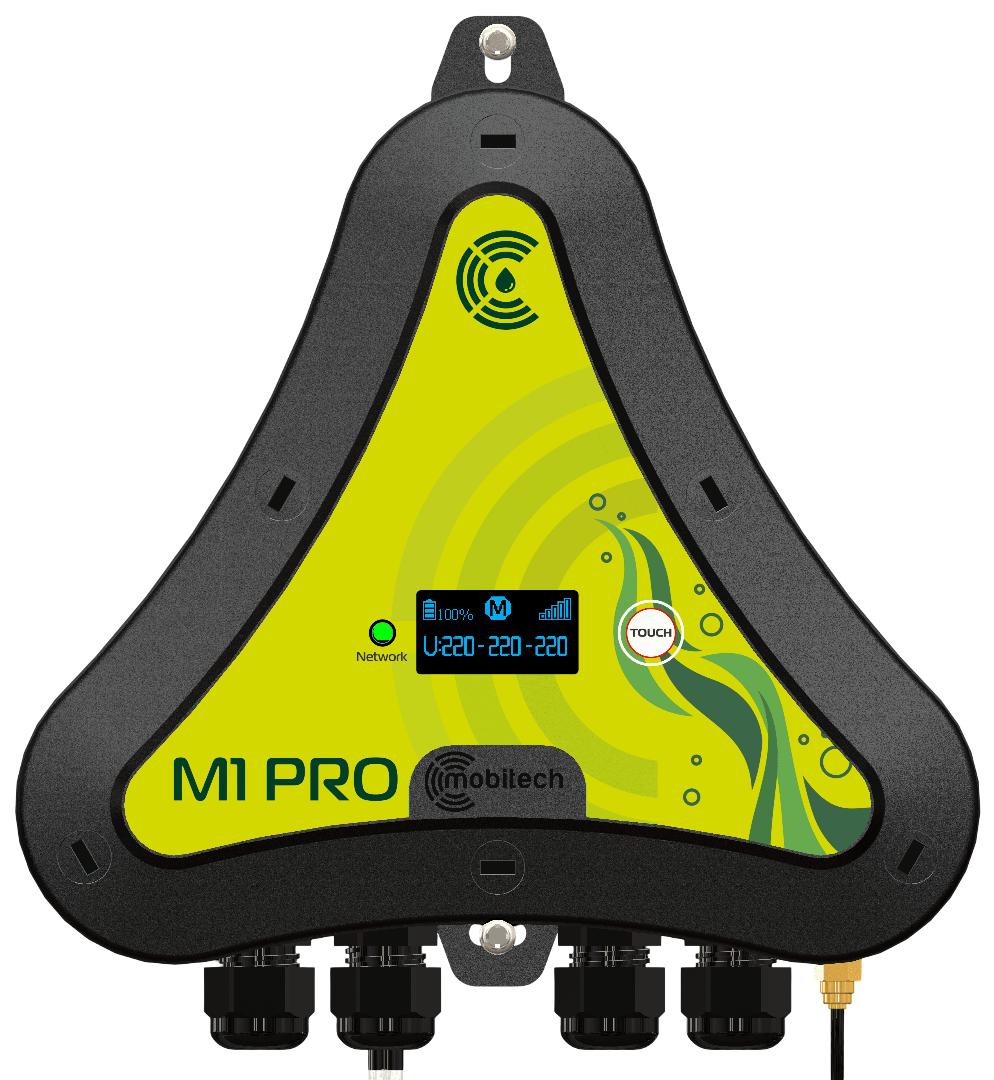
Modern farmers can combine irrigation methods with automation technologies to improve control over daily irrigation operations. An automated irrigation system may use controllers, timers, sensors, valves, pumps, and communication technologies to manage irrigation according to predefined schedules or field conditions.
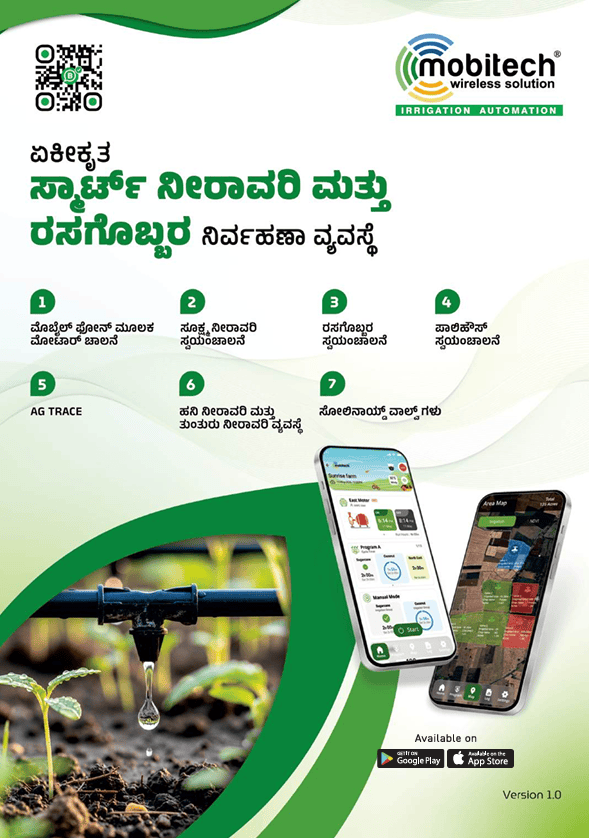
- 📱 Mobile-based control
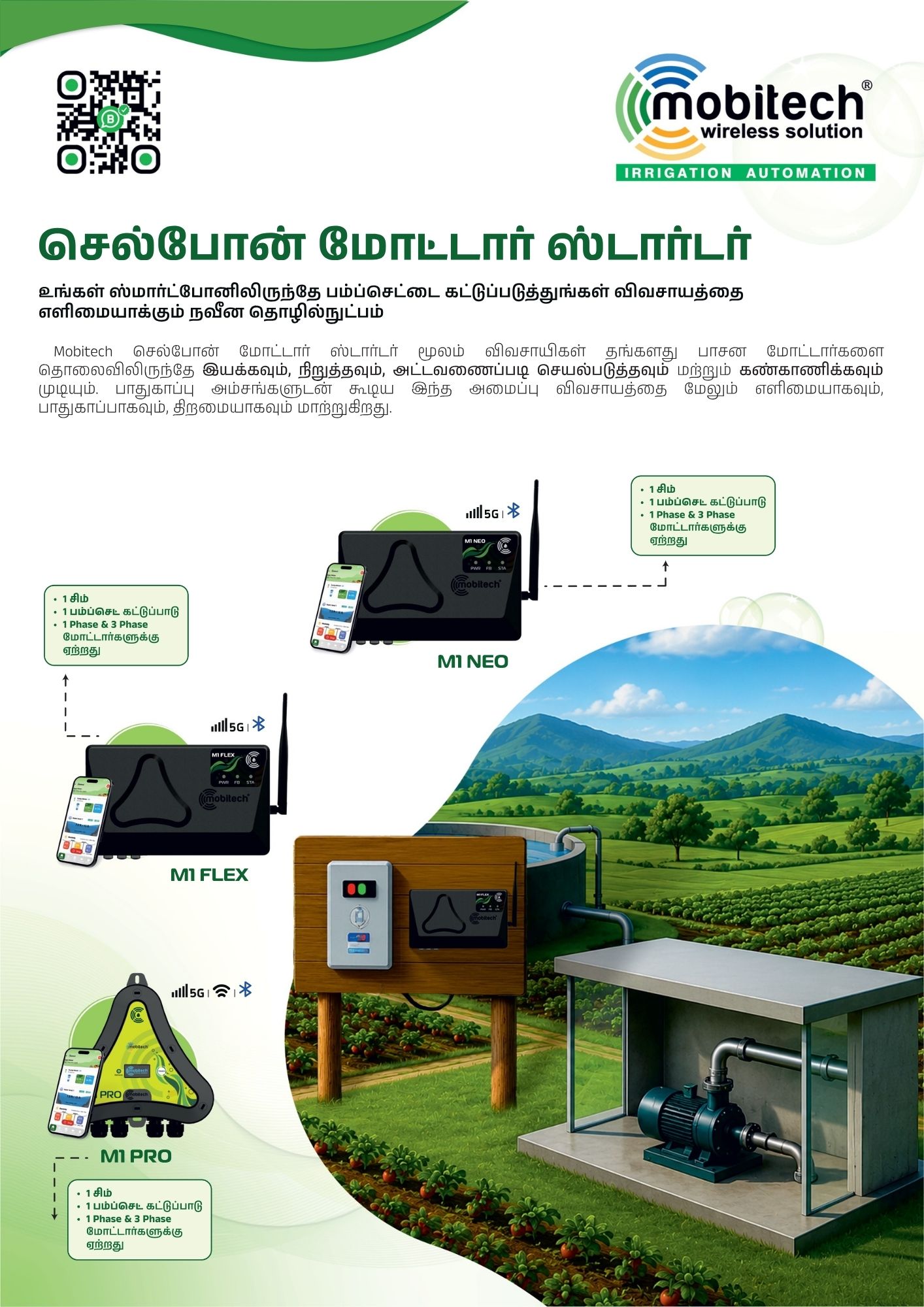
- ⚙️ Remote pump operation
- 📅 Irrigation scheduling
- 🚰 Automatic valve control
- 📊 Irrigation system monitoring
- 🔔 Real-time notifications
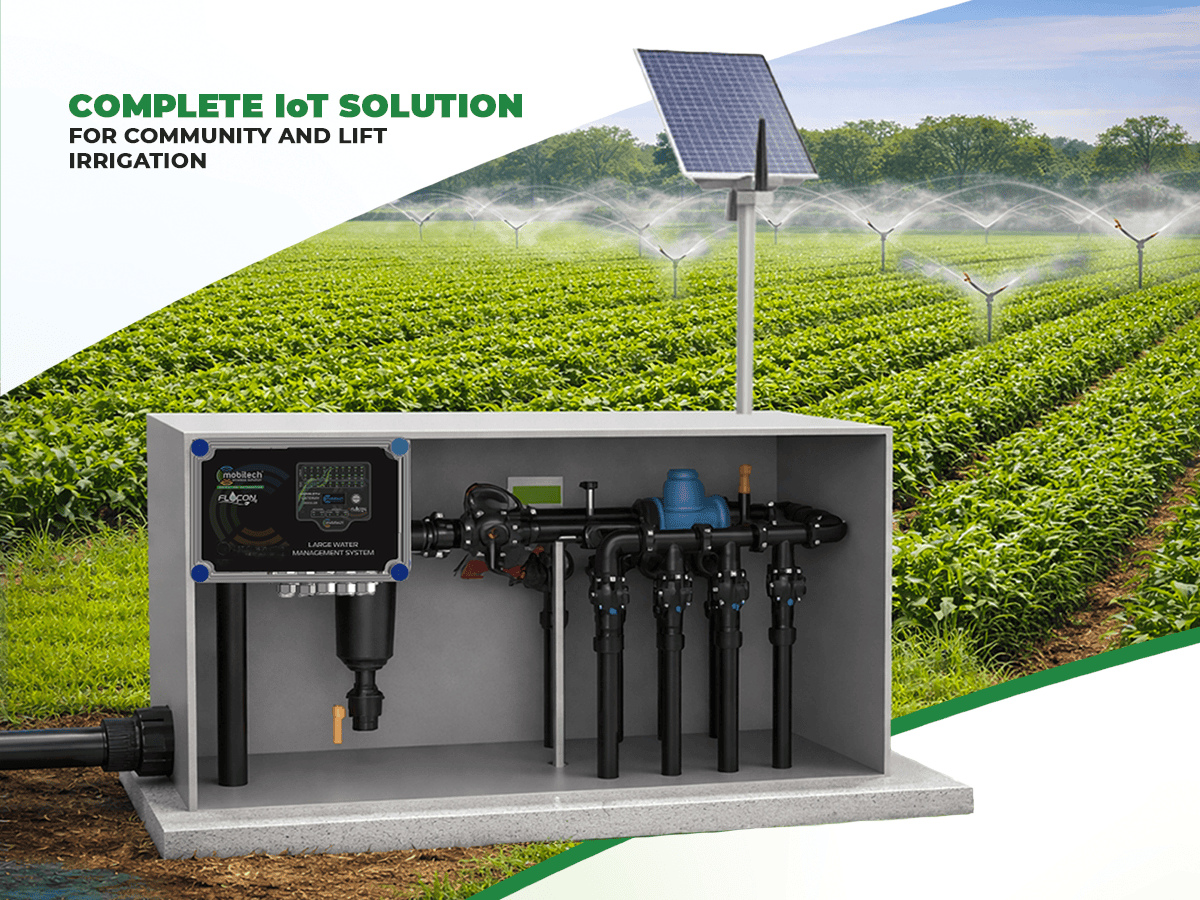
Automation can be integrated with drip, sprinkler, micro-sprinkler, and other irrigation infrastructure. This can reduce the need for repeated manual intervention and make irrigation operations easier to monitor.
For farms with multiple irrigation zones, pumps, or valves, automation can be especially useful for coordinating irrigation activities and monitoring equipment remotely.
Region-Based Irrigation Considerations in Andhra Pradesh
Andhra Pradesh contains coastal, inland, and comparatively dry agricultural regions. Therefore, irrigation requirements can differ significantly between farms. Farmers should select a system based on crop type, soil, water source, farm size, terrain, and local climatic conditions rather than selecting a system only because it is commonly used in a particular region.
| Agricultural Region | Potentially Suitable Systems | Examples of Crops |
|---|
| Rayalaseema | Drip, Sprinkler, Micro-Irrigation, Automated Irrigation | Groundnut, Mango, Cotton, Vegetables |
| Coastal Andhra | Surface, Canal-Based, Drip, Sprinkler, Automated Irrigation | Paddy, Sugarcane, Banana, Horticultural Crops |
| North Coastal Andhra | Drip, Sprinkler, Surface Irrigation, Automated Irrigation | Paddy, Mango, Cashew, Vegetables |
| Water-Scarce Areas | Drip, Micro-Irrigation, Sprinkler, Automated Irrigation | Groundnut, Millets, Mango, Chilli |
Note: These are general examples. The most suitable irrigation method can vary significantly depending on the individual farm’s crop, soil, water source, terrain, and irrigation infrastructure.
8. How to Choose the Right Irrigation System
There is no single irrigation system that is ideal for every farm. Before installation, farmers should evaluate their crop requirements, farm size, water source, soil type, land condition, budget, and long-term plans.
🌱 Crop Requirements
📐 Farm Size
💧 Water Availability
🌍 Soil Type
⛰️ Land Topography
💰 Budget
✓
Choose an irrigation system that matches your crop requirements, water source, farm size, soil, terrain, and future expansion needs.
9. Benefits of Modern Irrigation Systems
Modern irrigation technologies can provide greater control over water application and help farmers manage irrigation more efficiently. Depending on the system and farm conditions, potential benefits include:
- 💧 Better water management
- ⚡ Improved control over pumping operations
- 👨🌾 Reduced manual intervention
- 🌱 More consistent irrigation
- 📱 Remote monitoring and control
- 📅 Scheduled irrigation
- 📈 Better farm management
Common Irrigation Mistakes to Avoid
- Choosing an irrigation system based only on the initial price.
- Ignoring the reliability and availability of the water source.
- Using the same irrigation schedule for every crop.
- Installing an unsuitable pump or irrigation infrastructure.
- Ignoring future farm expansion requirements.
- Not considering automation when managing multiple irrigation zones.
- Failing to maintain filters, pipes, valves, sprinklers, and emitters.
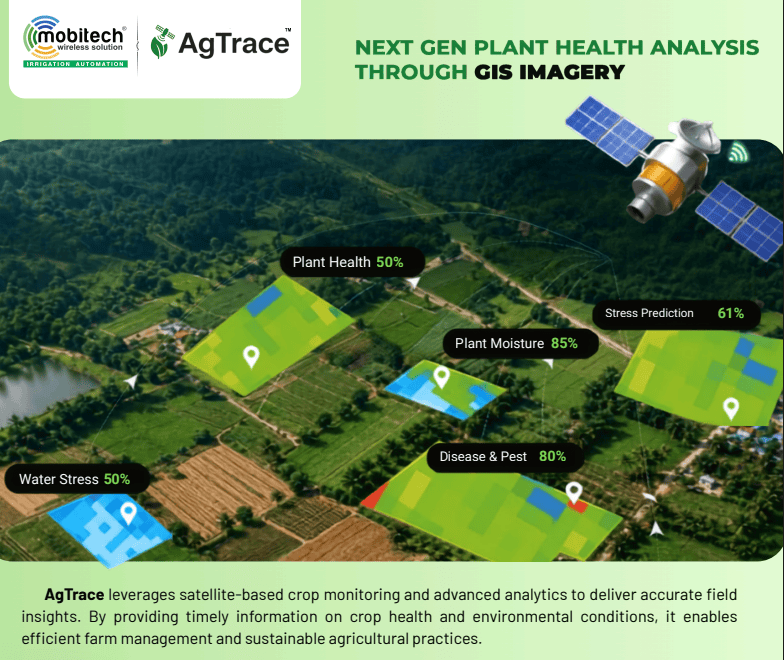
- Ignoring changes in weather and soil moisture conditions.
Final Thoughts
Understanding the different types of irrigation systems is an important step toward better water management and productive farming in Andhra Pradesh. Drip, sprinkler, surface, furrow, basin, micro-sprinkler, and automated irrigation systems each have different applications and advantages.
The best irrigation solution should be selected according to the crop, farm size, water source, soil, terrain, budget, and long-term requirements. When the right irrigation method is combined with appropriate automation and regular system maintenance, farmers can improve irrigation control, reduce manual effort, and manage available water resources more effectively.