SMART AGRICULTURE · PRECISION NUTRIENT MANAGEMENT
Traditional Fertigation vs Fertigation Automation: Which Is Better for Farmers?
Fertilizer management plays a major role in healthy crop growth and farm productivity. While traditional fertigation depends more on manual fertilizer preparation and application, fertigation automation helps farmers manage nutrient dosing with greater precision, consistency and control. For farmers looking to simplify fertilizer management and improve irrigation efficiency, automation offers a smarter approach to modern farming.
Precision Fertilizer Dosing
pH & EC Control
Smart Farming
Which Is Better: Traditional Fertigation or Fertigation Automation?
For farmers who want more consistent fertilizer dosing, less routine manual work and better control over nutrient delivery, fertigation automation is generally the better choice.
Automated systems can manage fertilizer injection according to configured settings and, when the appropriate sensors and controls are installed, help monitor parameters such as pH and electrical conductivity (EC). This makes fertilizer management more systematic and repeatable than relying entirely on manual operation.
The key advantage:
More controlled nutrient delivery, fewer repetitive manual tasks and better visibility into the fertigation process.
Two Approaches to Fertilizer Management
TRADITIONAL METHOD
Traditional Fertigation
Farmers or operators prepare fertilizer solutions and manage their application through the irrigation system.
- More manual preparation and measurement
- Regular operator attention
- Manual monitoring and adjustment
- Consistency depends on operating practices
SMARTER APPROACH
Fertigation Automation
A configured controller and dosing equipment help manage nutrient injection with greater precision and less manual intervention.
- Controlled fertilizer injection
- More consistent dosing routines
- pH and EC monitoring or control when configured
- Improved visibility and process management
01 / WHY AUTOMATION MATTERS
Why Is Fertigation Automation Better for Modern Farming?
Fertigation automation helps bring greater control to an important farming activity: delivering the right nutrient solution through irrigation. Instead of depending entirely on repeated manual operations, farmers can use configured equipment to manage fertilizer injection according to their crop nutrition plan.
01
Precise Nutrient Dosing
Configured dosing equipment helps deliver fertilizer at the intended rate, supporting a more consistent nutrient management process.
02
Reduced Manual Work
Automation can reduce repeated fertilizer measuring and injection tasks, allowing farmers to focus on other farm management activities.
03
Better pH & EC Management
Suitable monitoring and control equipment helps manage nutrient solution conditions for the selected crop and fertigation program.
04
Repeatable Operations
Configured programs make it easier to follow a planned fertigation routine across repeated irrigation cycles.
02 / HOW IT WORKS
How Does an Automated Fertigation System Work?
A fertigation automation system coordinates fertilizer injection with irrigation using configured operating parameters. The exact functions depend on the equipment and sensors installed.
1
Set the Nutrient Program
Determine fertilizer requirements based on crop stage, soil or water conditions and suitable agronomic recommendations.
2
Inject Fertilizer into Irrigation Water
The dosing equipment introduces the prepared nutrient solution into the irrigation flow according to the configured settings.
3
Monitor Nutrient Solution Conditions
Where supported, pH and EC monitoring or control helps operators assess and manage nutrient solution conditions.
4
Review and Refine the Process
Review system operation and crop response, then adjust the fertigation program when required.
03 / MOBITECH FERTIGATION SOLUTION
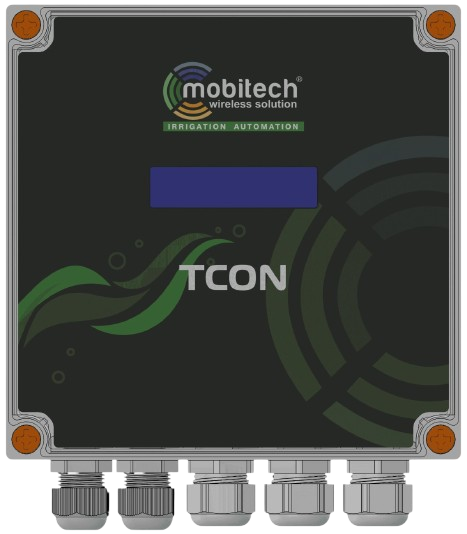
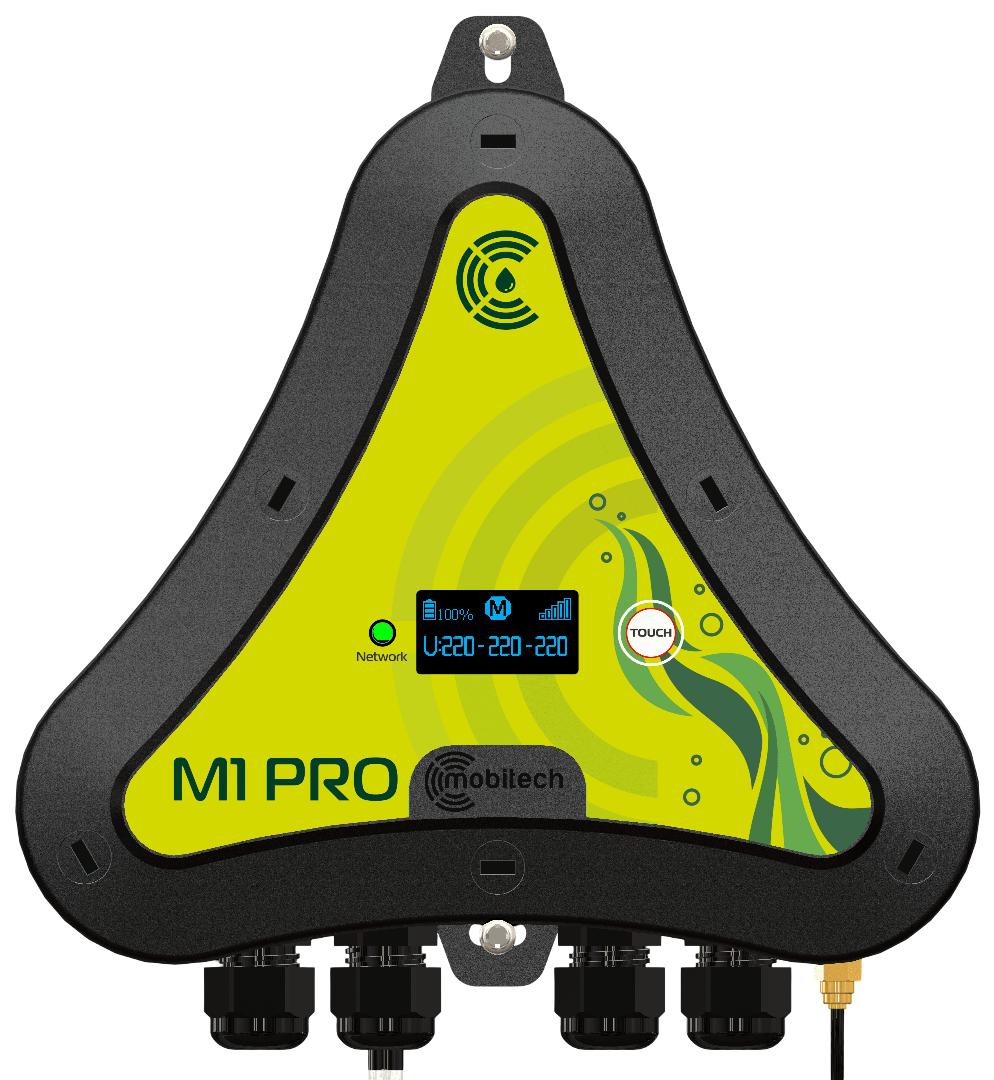
Mobitech Fertigation Automation for Precise Nutrient Management
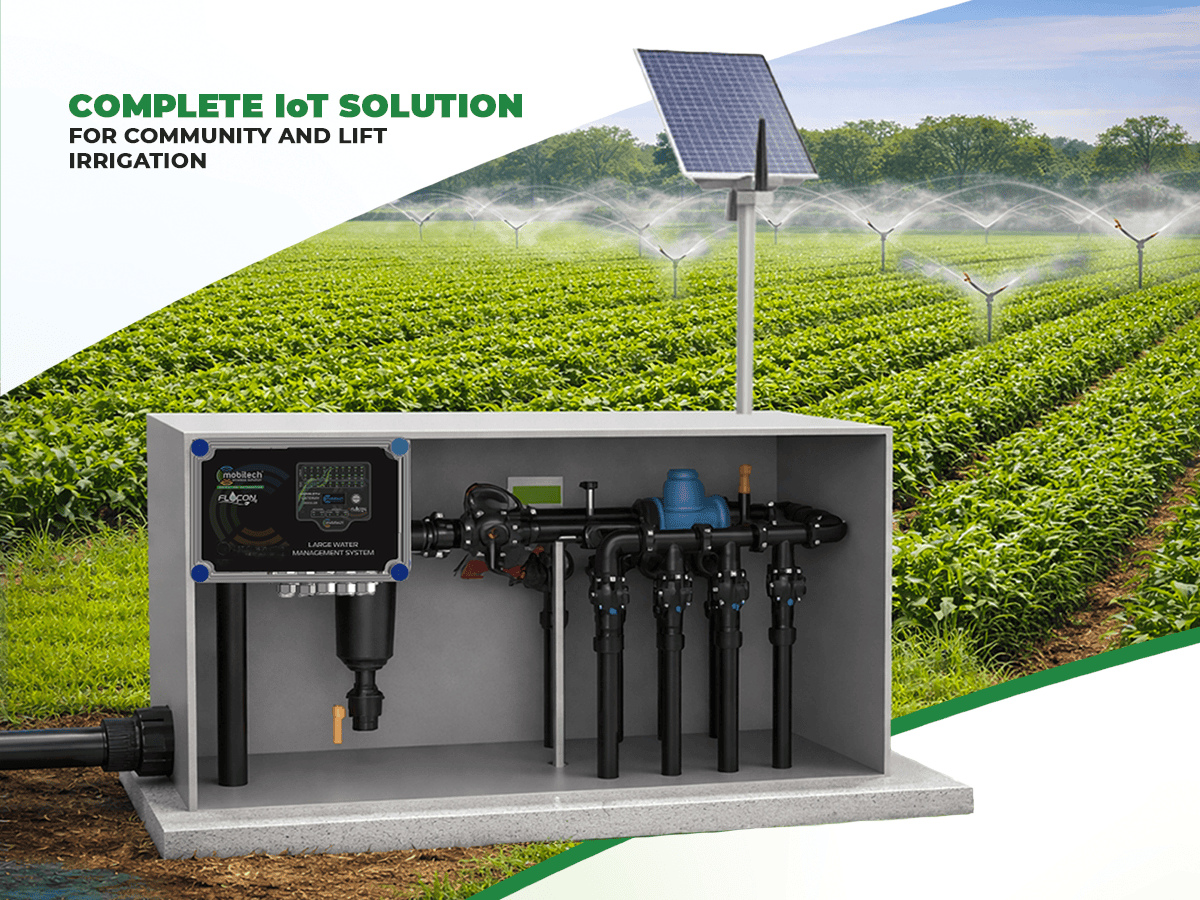
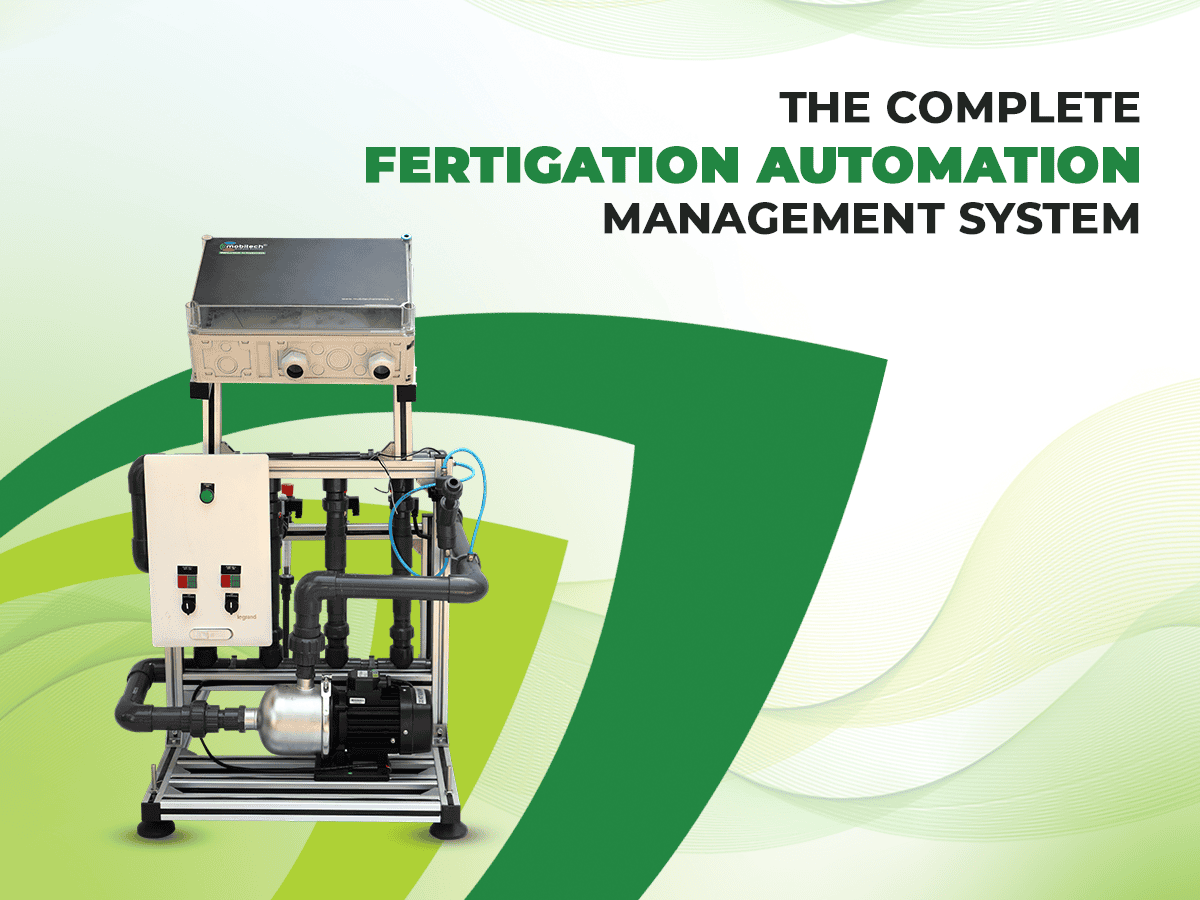
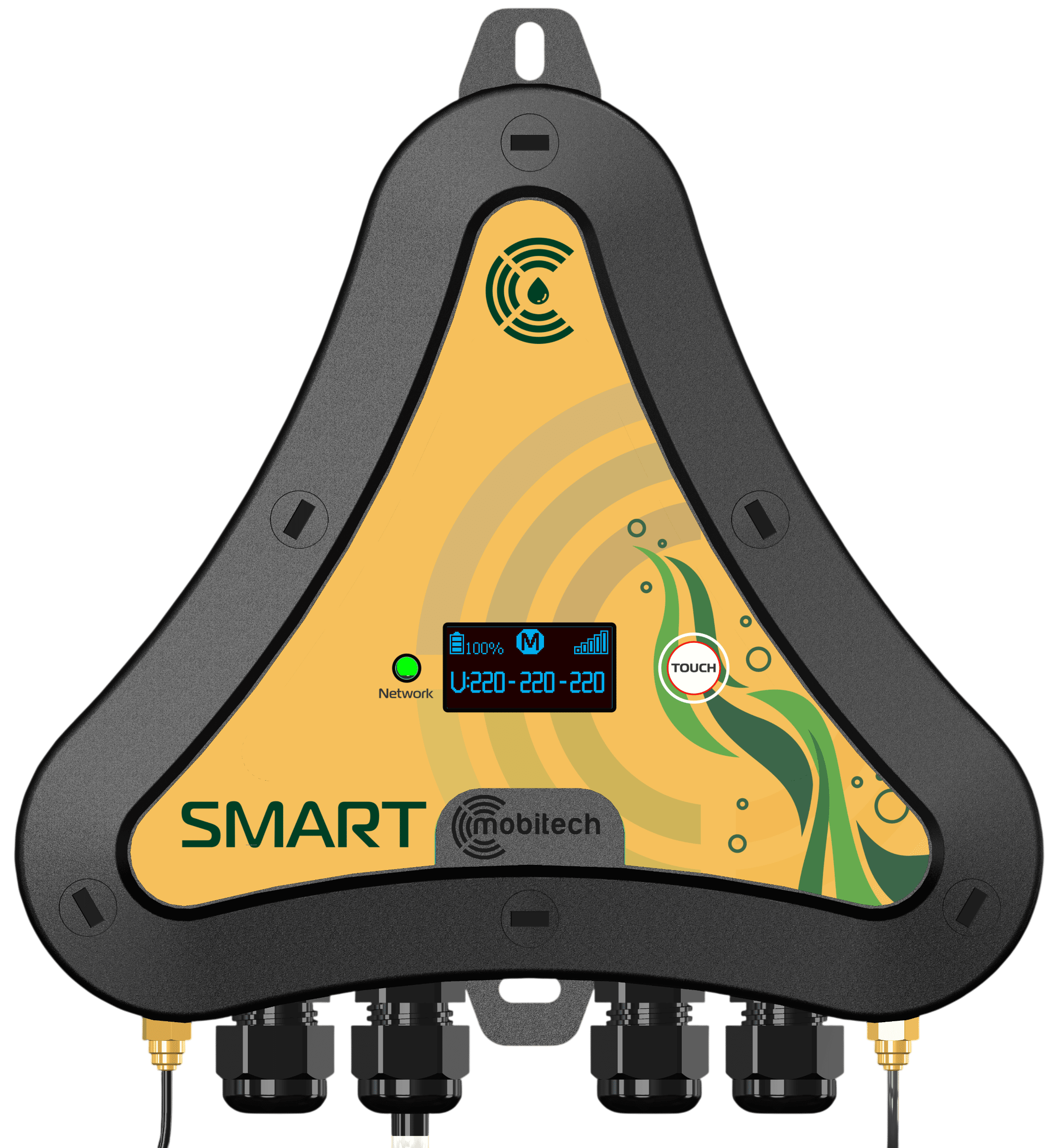
Mobitech fertigation automation solution is designed to help farmers manage fertilizer injection through irrigation with improved control and operational consistency. Its pH and nutrient management capabilities can support a more systematic approach to crop nutrition when configured for the farm’s requirements.
The system can be adapted to different fertigation requirements, with injector capacity and flow range selected to suit the irrigation setup. This makes it useful for farms that want a more controlled alternative to fully manual fertilizer application.
Precision pH & EC Control
Supports management of nutrient solution conditions. EC indicates the solution’s electrical conductivity and can help assess nutrient concentration.
Flexible Injector Capacity
Supports different fertigation requirements with a configurable number of injectors and a specified injector capacity range.
Wireless Connectivity
Wireless data communication can support integration with compatible fertigation controllers and system components.
Efficient Pump Operation
The system design can use a single pump for nutrient mixing and injection, helping simplify the process and support efficient operation.
Durable, Practical Design
Designed for agricultural use, with attention to installation convenience, routine maintenance and dependable operation.
Adaptable Nutrient Management
Customizable injector and tank configurations help accommodate different crop nutrition plans and irrigation requirements.
Traditional Fertigation vs Fertigation Automation: Key Differences
Here is how fertigation automation compares with traditional manual practices across everyday fertilizer management activities.
| Factor | Traditional Fertigation | Fertigation Automation |
|---|
| Fertilizer dosing | Primarily managed manually | Managed through configured dosing equipment |
| Routine labour | Repeated hands-on tasks | Can reduce repetitive manual operations |
| Application consistency | Depends on measurement and operator practice | Supports repeatable dosing with proper setup and calibration |
| pH and EC management | May require separate measurement and adjustment | Can support integrated monitoring and control when configured |
| Operating routine | Relies more on manual coordination | Uses configured settings and operating procedures |
| System monitoring | Often performed manually | Can integrate compatible sensors and monitoring equipment |
| Overall approach | Manual fertilizer management | More controlled and systematic nutrient management |
Available functions depend on the installed configuration, compatible sensors, calibration and operating practices.
04 / TECHNICAL OVERVIEW
Mobitech Fertigation Automation: Technical Specifications
Review the main technical parameters when planning a fertigation automation system for your farm.
| Input Voltage | 230V AC / 440V AC |
| Number of Injectors | 1 to 30, customizable |
| Injector Capacity | 250–1000 litres per hour (LPH) |
| Main Flow Range | 5–60 m³/h |
| Number of Tanks | Customizable to requirements |
The final configuration should be selected according to the irrigation flow, fertilizer program, crop requirements and site conditions.
Which Farmers Can Benefit from Fertigation Automation?
Fertigation automation can be especially useful when fertilizer application is a regular part of irrigation management and consistent dosing is important. The system should be selected according to the crop, irrigation method and nutrient management plan.
Drip Irrigation Farms
Manage fertilizer injection alongside drip irrigation when the system is designed for compatible flow and dosing requirements.
Horticulture and Plantation Crops
Support planned nutrient delivery for crops such as banana, coconut and other suitable horticultural crops.
Repeated Fertigation Operations
Reduce repetitive manual dosing tasks when fertilizer needs to be applied regularly according to a crop-specific schedule.
Does Fertigation Automation Improve Crop Yield?
Fertigation automation can help improve the consistency of nutrient application and make fertilizer management easier to control. However, automation alone does not guarantee higher crop yields.
Crop performance also depends on nutrient selection, correct dosage, soil conditions, irrigation-water quality, weather and crop management. Farmers should follow suitable agronomic recommendations and ensure that the system is correctly installed, configured and maintained.
FINAL VERDICT
Fertigation Automation: A Smarter Choice for Modern Farmers
Traditional fertigation can deliver nutrients effectively when fertilizer is measured and applied correctly. However, when farmers want more consistent dosing, less repetitive manual work and better control over nutrient delivery, fertigation automation offers a more advanced and manageable approach.
With features such as configurable fertilizer injection, pH and EC management, wireless connectivity and adaptable system capacity, Mobitech fertigation automation can help farmers organize their nutrient management more systematically.
For farmers planning to improve their fertigation practices, choosing a suitable automated system is a practical step towards more controlled fertilizer application and smarter irrigation management. The right setup should always match the farm’s crop requirements, water flow and nutrient plan.
Our recommendation:
Choose fertigation automation when precision, consistency and simplified fertilizer management are priorities for your farm.
PRECISION FERTILIZER MANAGEMENT
Explore Mobitech Fertigation Automation
Looking for a smarter way to manage fertilizer injection, nutrient dosing and fertigation operations? Explore Mobitech fertigation automation solution and identify a configuration suited to your irrigation system and crop requirements.
Explore Mobitech Fertigation Automation →