





































Sustainable Agriculture Practices: Techniques and Benefits for Modern Farming
Agriculture is evolving rapidly as farmers face increasing challenges such as water scarcity, soil degradation, and climate change. To address these issues, sustainable agriculture practices have become essential for ensuring long-term productivity and environmental protection.
Sustainable agriculture focuses on meeting current food demands while preserving natural resources for future generations. By combining traditional knowledge with modern technology, farmers can achieve higher efficiency while maintaining ecological balance.
Sustainable Farming Highlights
 Smart Water Usage Efficient irrigation systems help conserve water while improving crop productivity. |
 Healthy Soil Management Crop rotation and natural farming practices maintain soil fertility. |
 Smart Farming Technology Automation and sensors monitor crop and soil conditions in real time. |
 Eco-Friendly Farming Organic farming methods protect biodiversity and reduce chemical usage. |
What are Sustainable Agriculture Practices?
Sustainable agriculture practices refer to farming methods that protect the environment, conserve resources, and maintain soil fertility over time. These practices aim to reduce dependency on chemical inputs while improving crop productivity and farm profitability.
The goal is to create a balanced system where agriculture supports both economic growth and environmental sustainability.
Automation and Smart Farming Technology
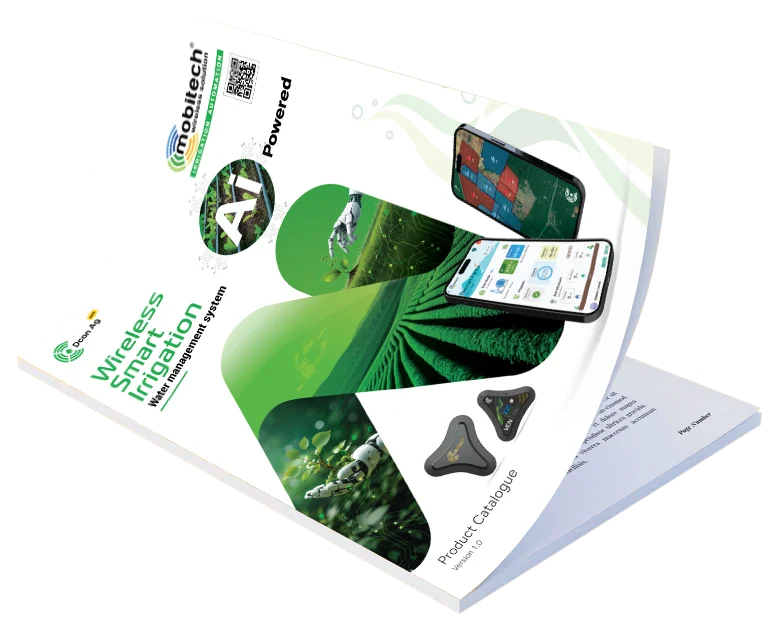
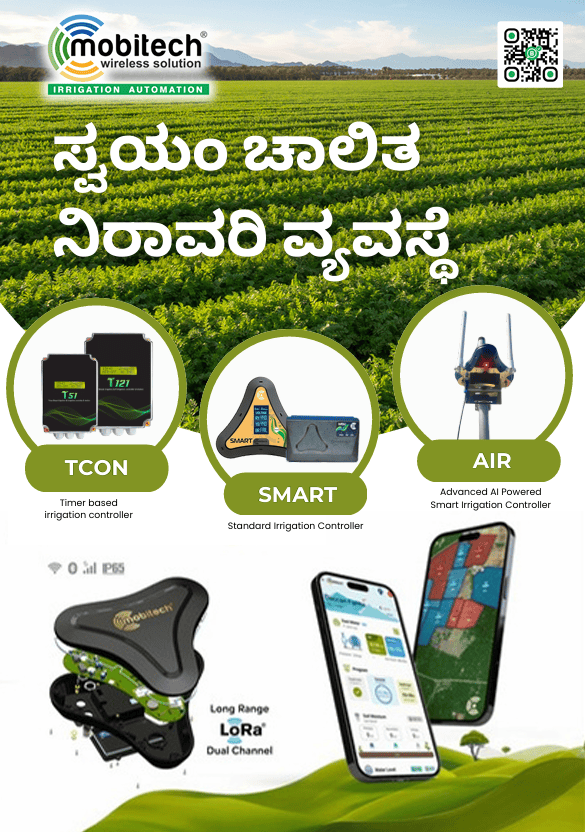
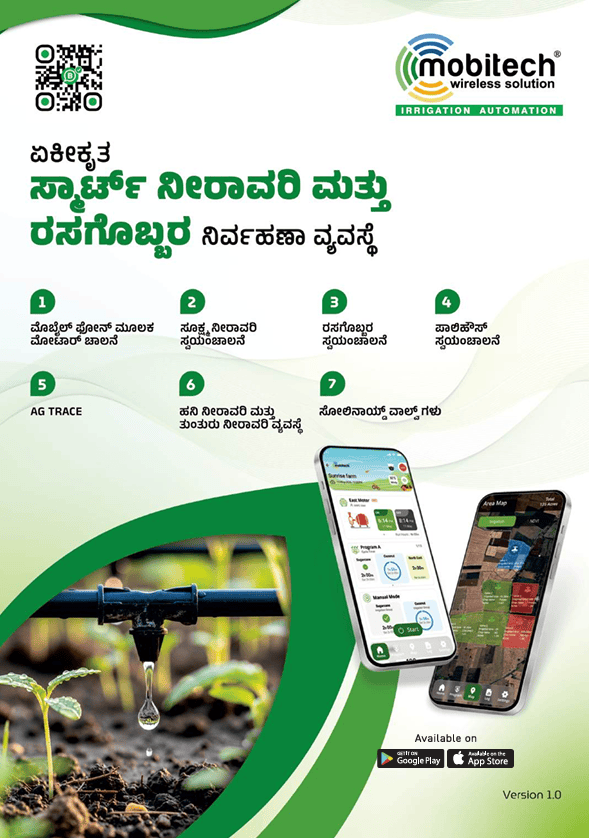
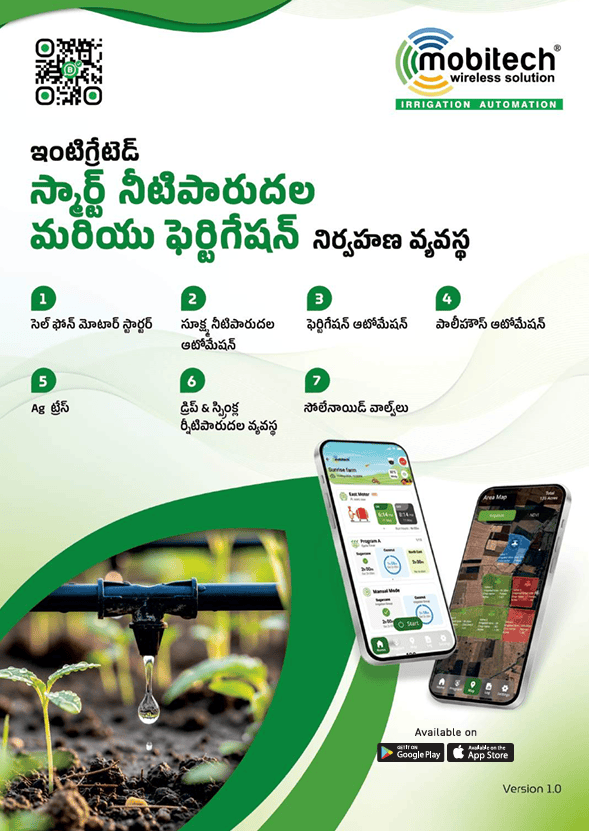
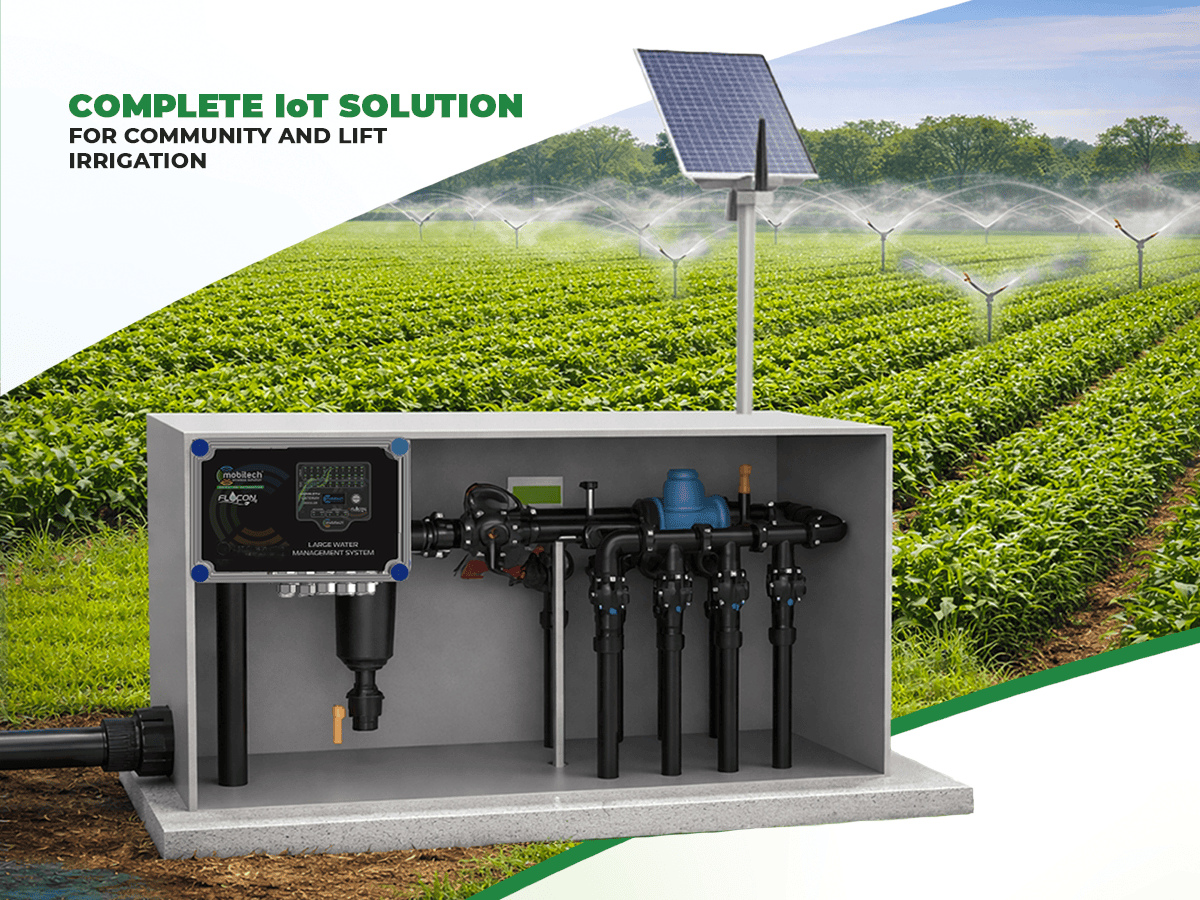
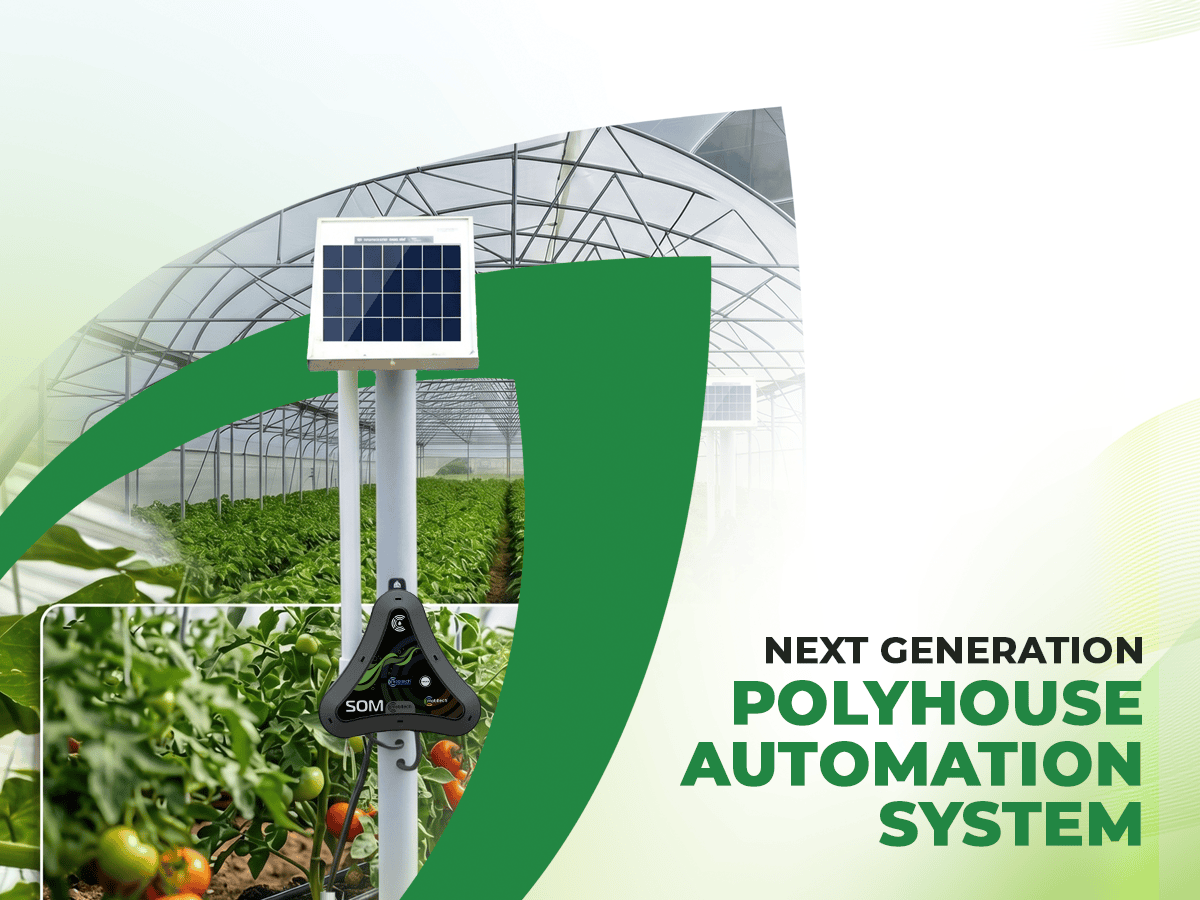
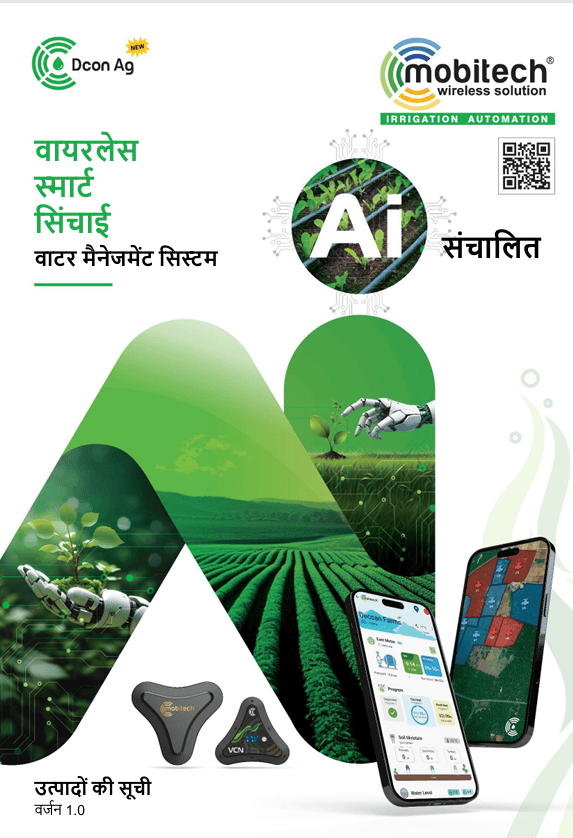
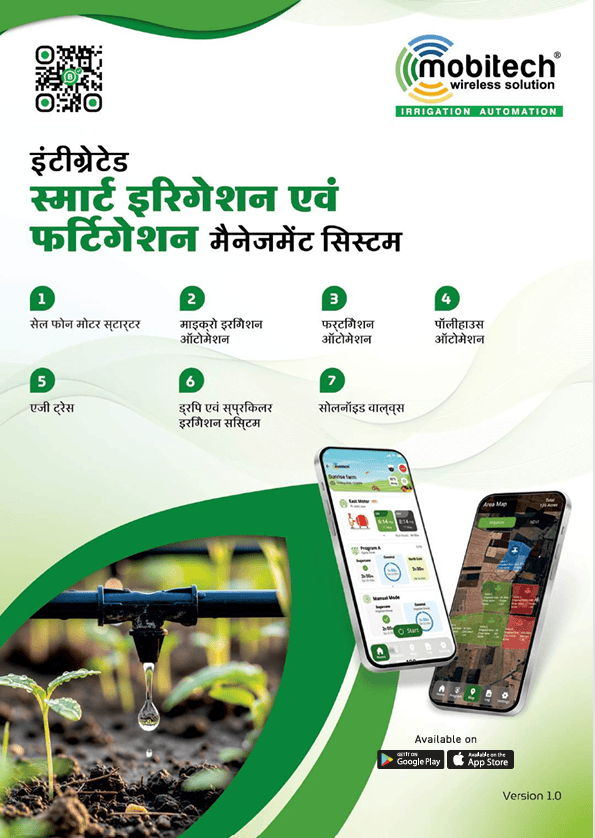
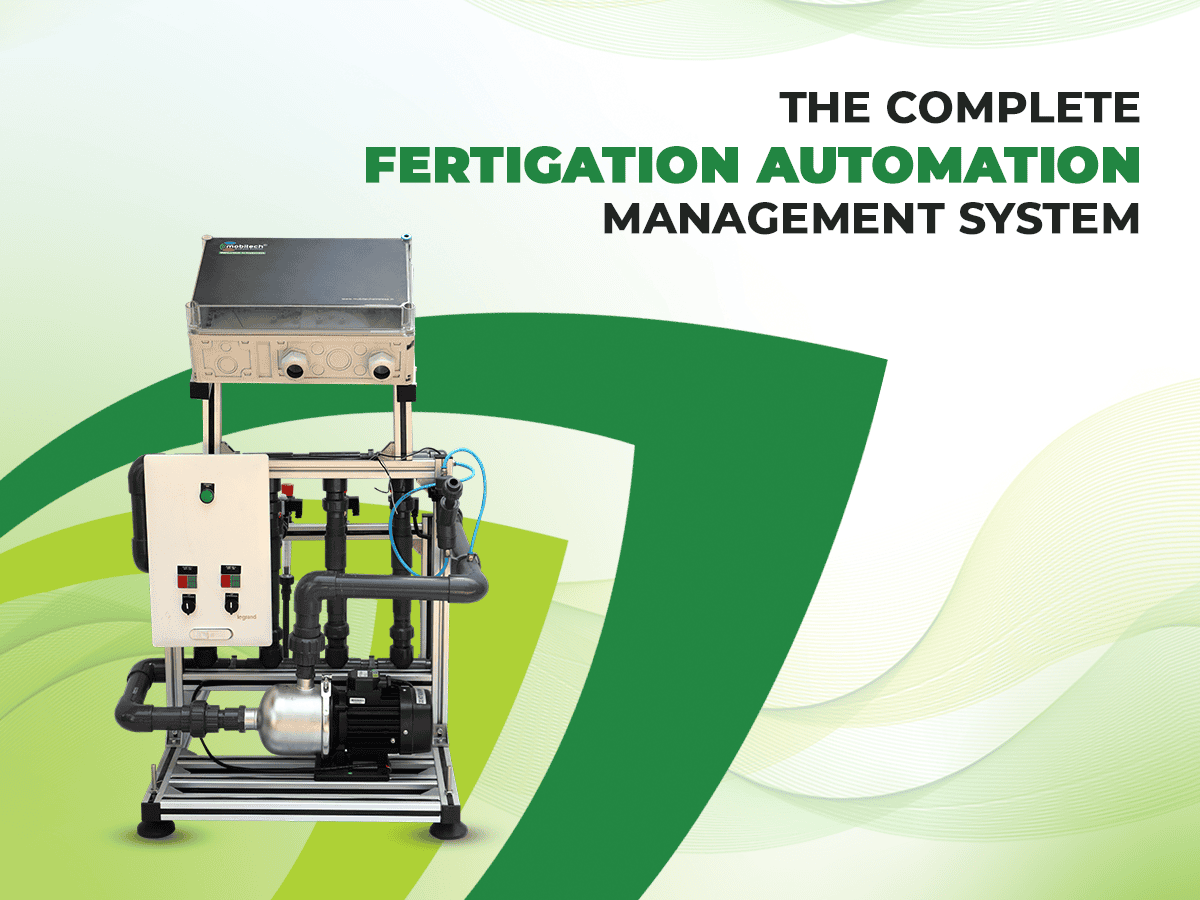
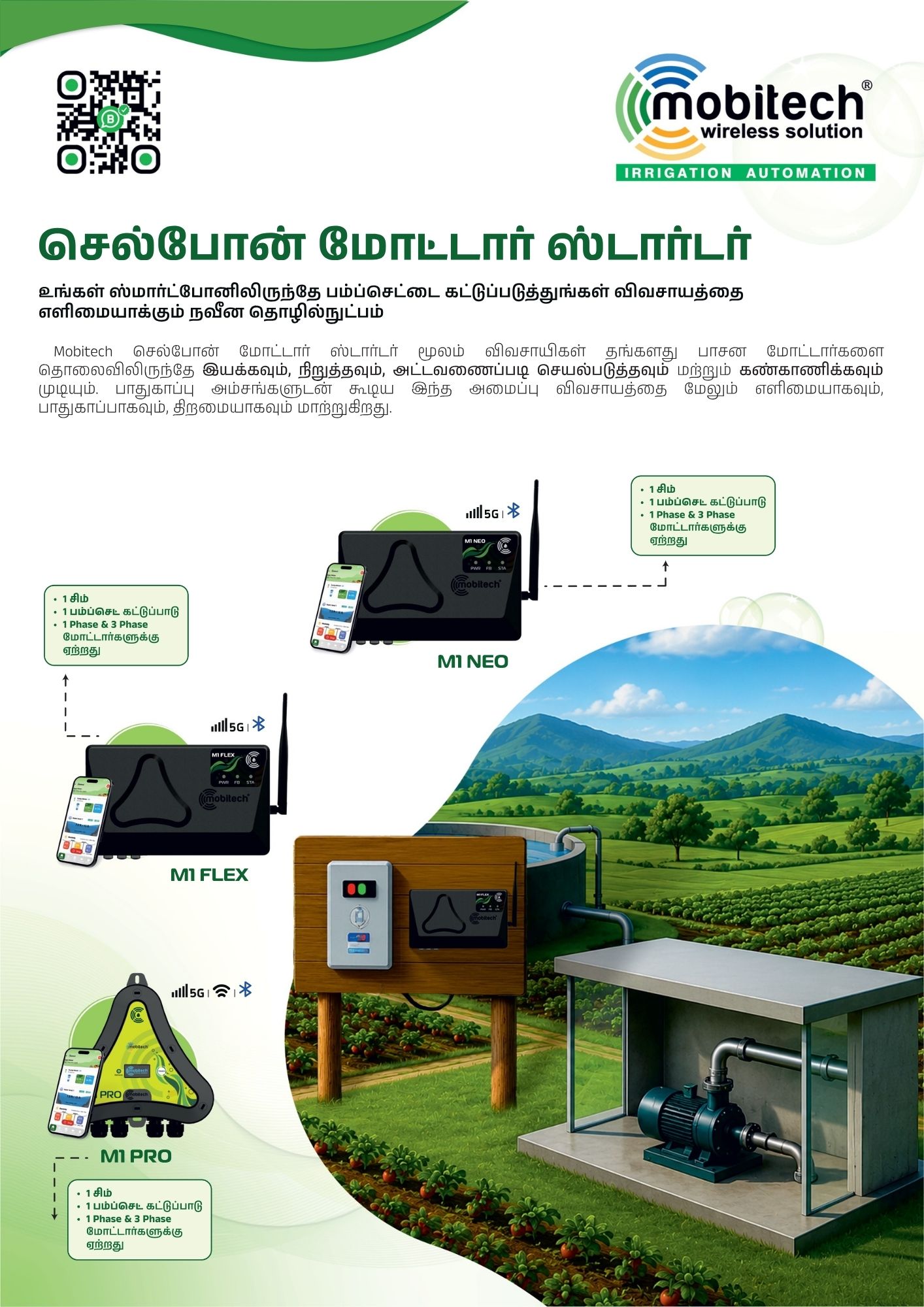
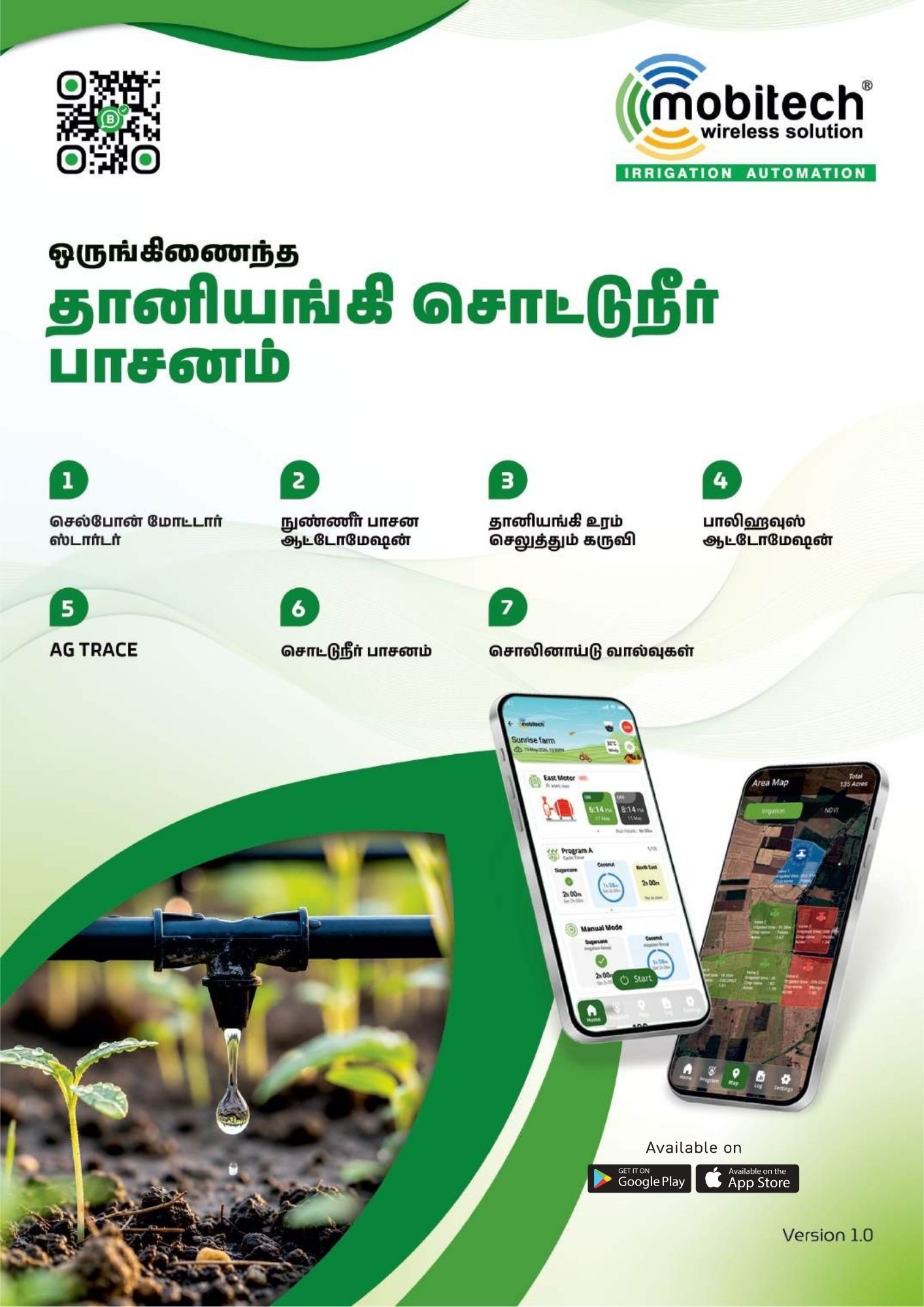
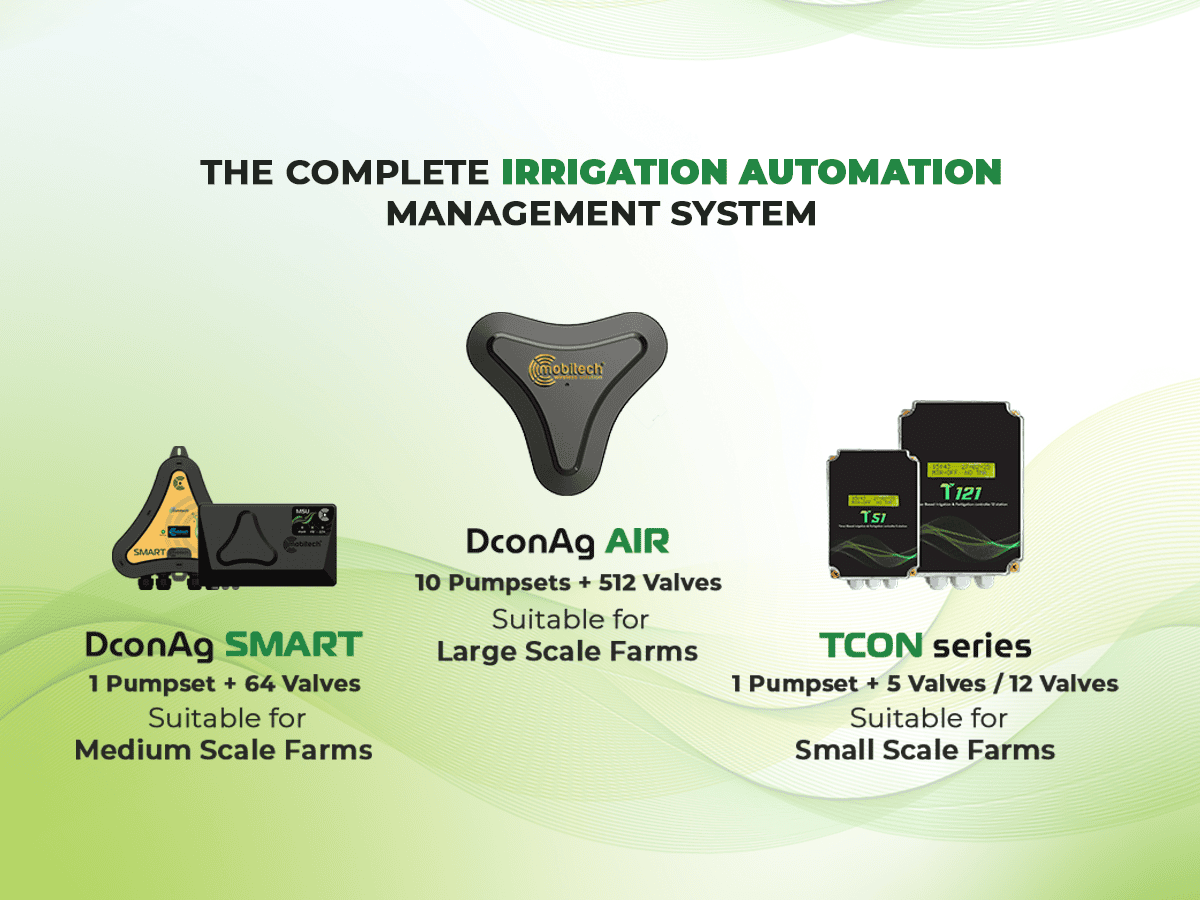
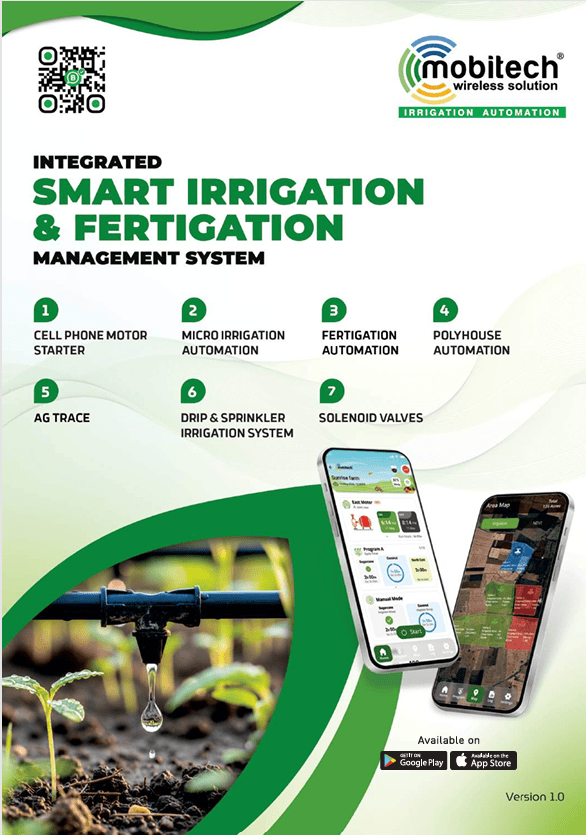
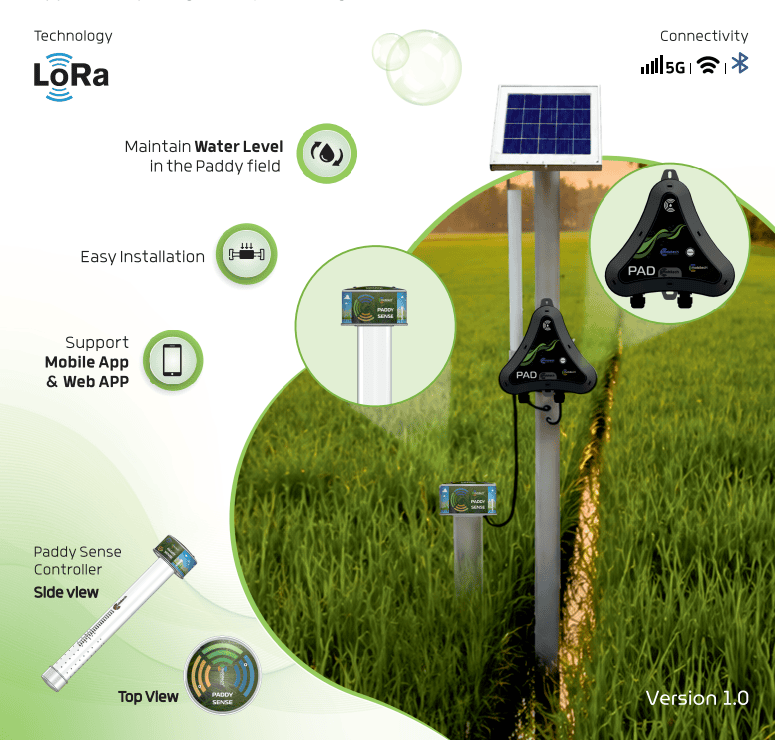
Automation plays a key role in sustainable agriculture practices. Modern farming uses automated irrigation systems, sensors, and smart controllers to manage water, soil, and crop conditions efficiently.
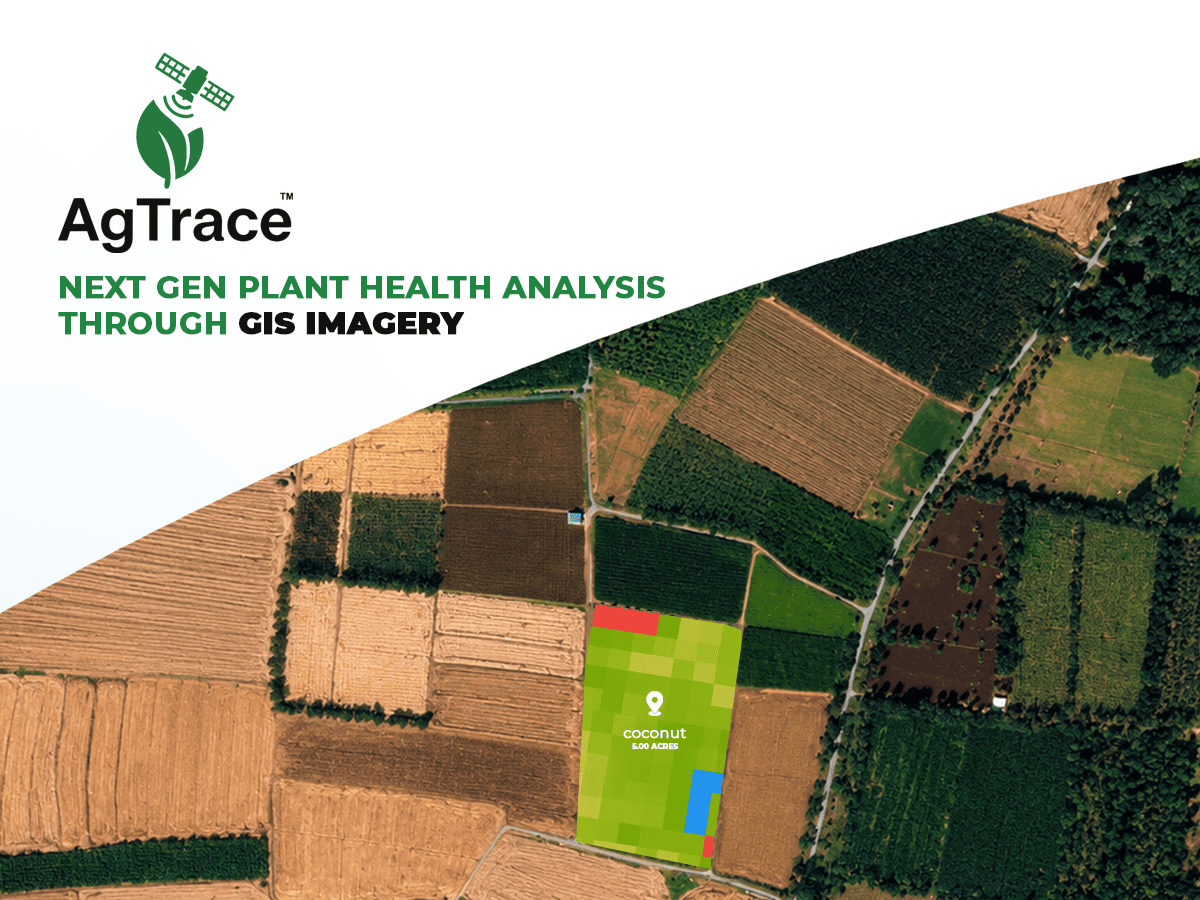
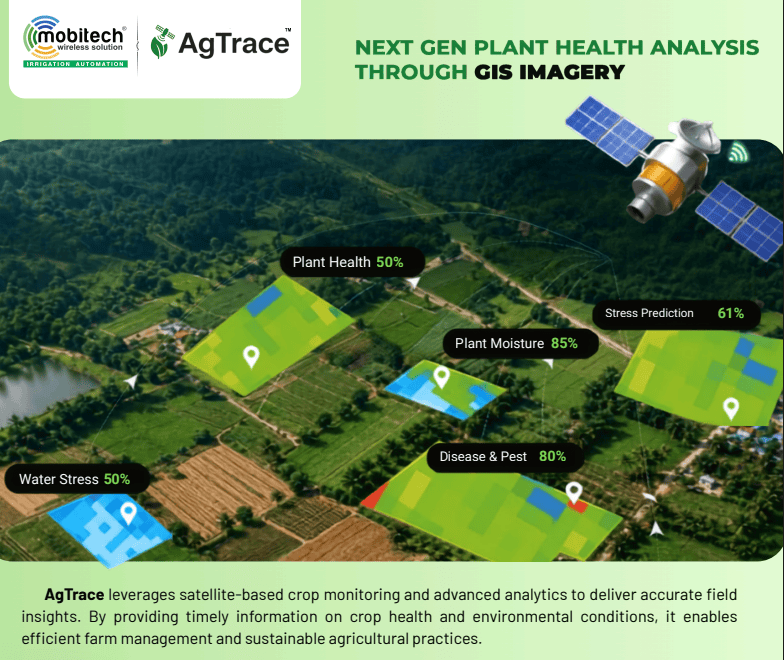
With IoT-based monitoring systems and data-driven tools, farmers can track soil moisture, weather conditions, and crop health in real time. This reduces water wastage, minimizes manual labor, and improves overall productivity.
Efficient Water Management
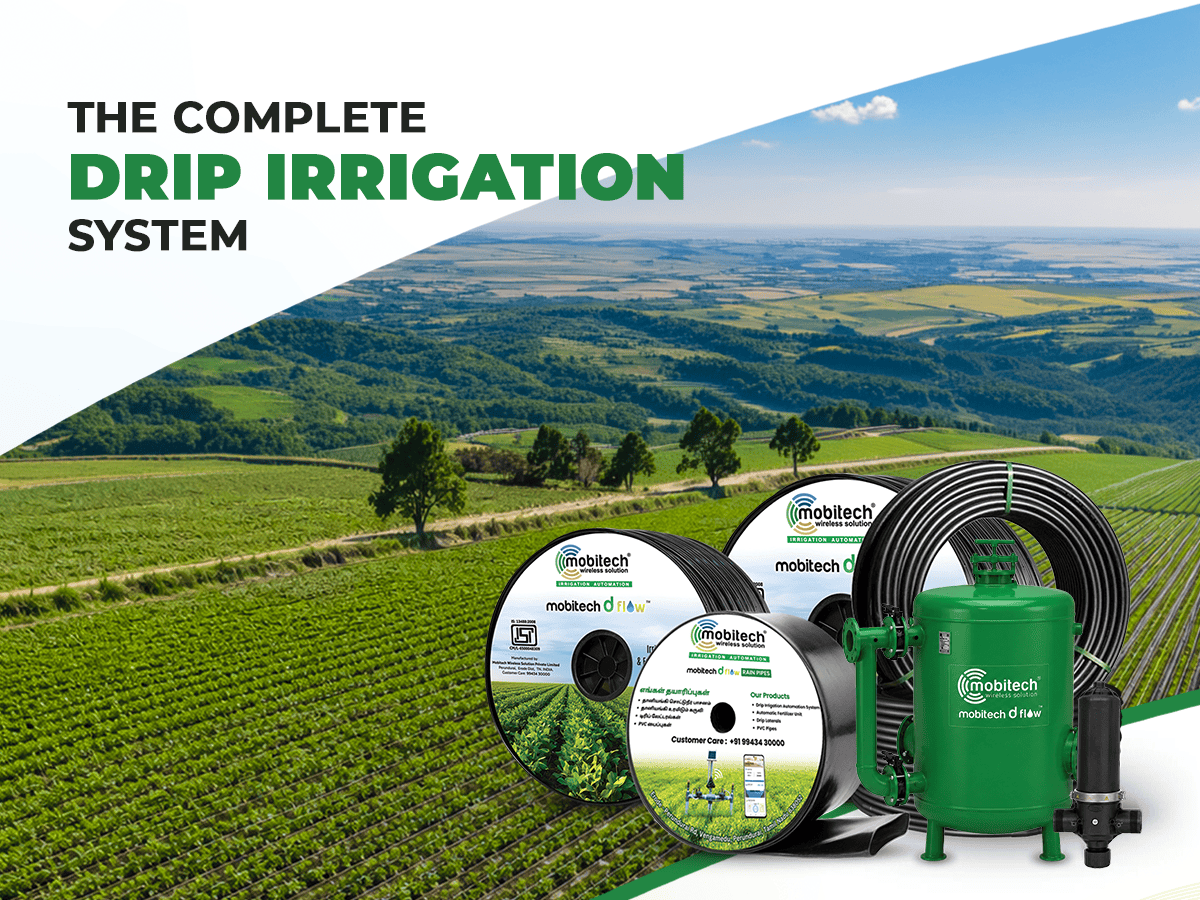
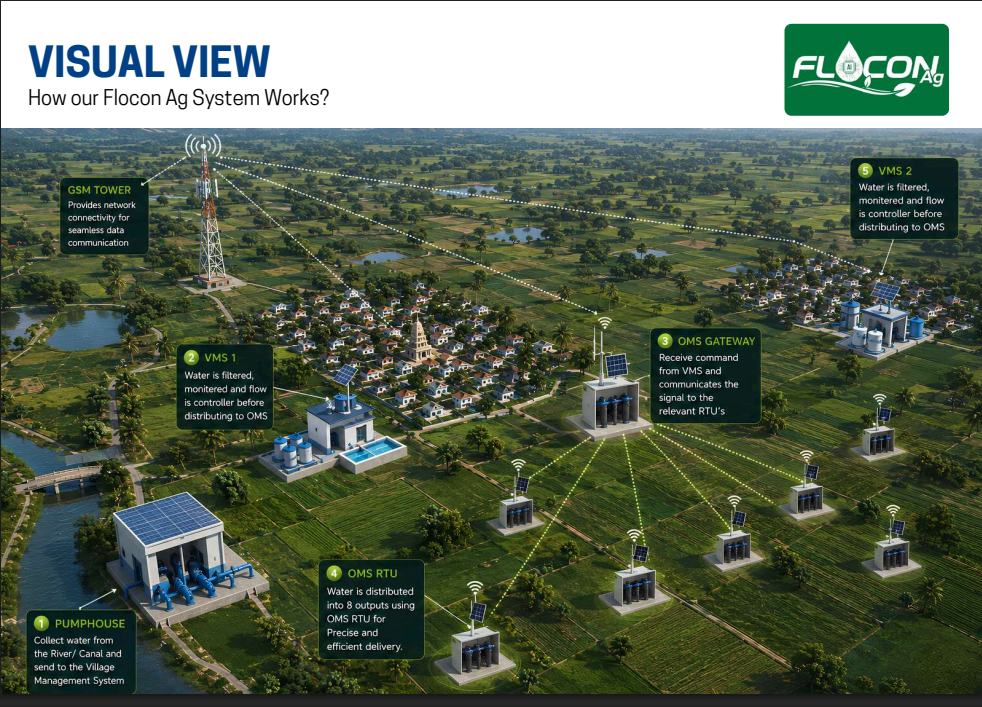
Water is a critical resource in farming. Sustainable agriculture promotes the use of efficient irrigation systems such as drip irrigation and automated solutions. These systems deliver water directly to plant roots, reducing wastage and ensuring optimal usage.
Advanced technologies help farmers optimize water usage and improve crop growth.
Crop Rotation and Diversification
Crop rotation involves growing different crops in a planned sequence on the same land. This method improves soil fertility, reduces pest infestations, and minimizes the need for chemical fertilizers.
Crop diversification also enhances resilience against climate variations and market risks.
Organic Farming Methods
Organic farming eliminates the use of synthetic fertilizers and pesticides. Instead, it relies on natural inputs such as compost, manure, and biological pest control.
This approach improves soil health, supports biodiversity, and produces safer and healthier food.
Soil Conservation Techniques
Maintaining soil quality is essential for sustainable agriculture. Techniques such as mulching, cover cropping, and reduced tillage help prevent soil erosion, retain moisture, and improve soil structure.
Healthy soil ensures better crop growth and long-term productivity.
Benefits of Sustainable Agriculture Practices
Sustainable methods optimize the use of water, soil, and energy, reducing waste and increasing overall efficiency. They enhance soil fertility, improve crop quality, and reduce the need for chemical inputs.
Farmers also benefit from lower operational costs and better long-term profitability, while the environment is protected through reduced pollution and improved biodiversity.
Importance of Sustainable Agriculture
With rising population and limited natural resources, adopting sustainable agriculture practices is essential for ensuring food security and environmental protection.
Farmers who implement these practices can achieve improved productivity, reduced risks, and long-term sustainability.
Conclusion
Sustainable agriculture practices represent the future of farming. By adopting automation, efficient irrigation, crop rotation, organic farming, and soil conservation techniques, farmers can increase productivity while preserving natural resources.
The transition to sustainable agriculture is a crucial step toward building a resilient, efficient, and environmentally responsible farming system.