




























How Soil Moisture Sensor Reduce Water Waste in Agriculture
Learn how soil moisture sensors help farmers reduce water waste, improve irrigation efficiency, and increase crop productivity with smart farming technology.
Introduction
Soil moisture sensor for agriculture is transforming the way farmers manage irrigation and water usage. Traditionally, many farmers irrigate crops based on assumptions rather than actual soil conditions. However, this often leads to overwatering or underwatering. As a result, large amounts of water are wasted and crop health gets affected.
Therefore, using a soil moisture sensor for agriculture helps farmers monitor real-time soil moisture levels accurately. In addition, it improves irrigation efficiency and supports smart farming practices. Moreover, farmers can save water, reduce manual effort, and improve crop productivity with advanced irrigation technology.

What is a Soil Moisture Sensor?
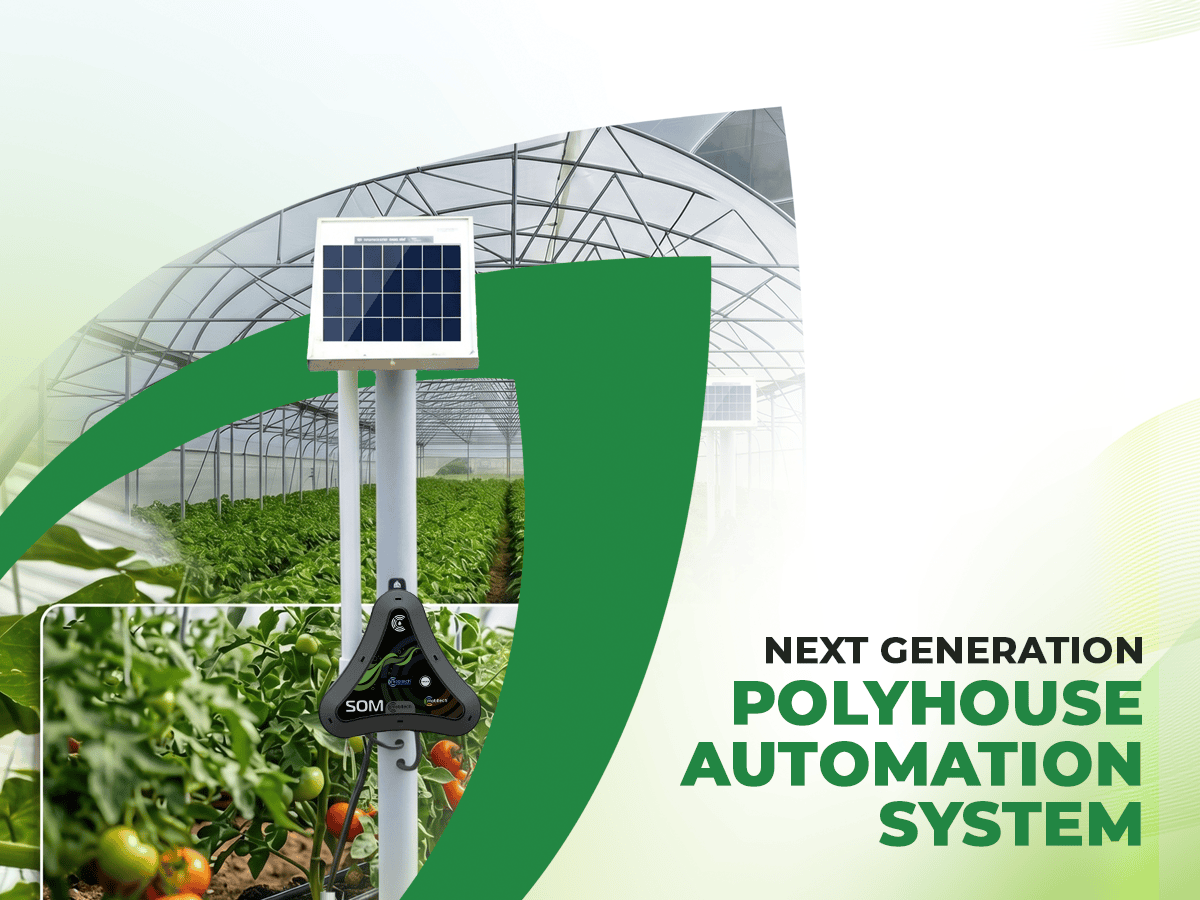
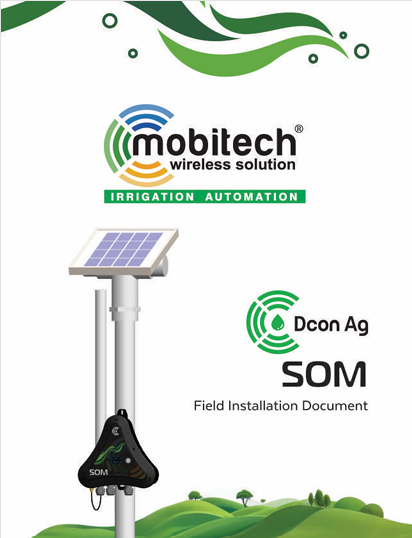
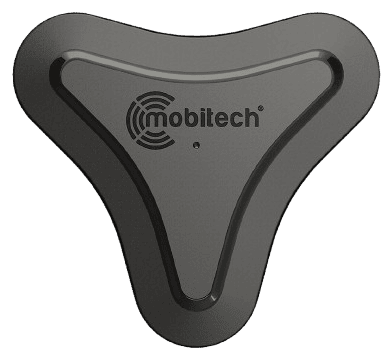
A soil moisture sensor for agriculture is a smart electronic device used to measure water content in the soil. It helps farmers identify whether the soil is dry, moist, or overwatered.
Because of this, irrigation systems can supply only the required amount of water. Therefore, unnecessary irrigation can be avoided completely.
- Used in smart irrigation systems
- Helps monitor soil water levels
- Supports automatic irrigation
- Improves water management
Moreover, soil moisture sensors play an important role in sustainable and precision agriculture practices.
Why Water Waste Happens in Agriculture
Water waste is one of the biggest challenges in farming. In many agricultural fields, irrigation motors are operated manually without checking actual soil moisture conditions.
As a result:
- Excess water is supplied to crops
- Water evaporates unnecessarily
- Plant roots get damaged
- Electricity consumption increases
- Groundwater levels decrease
Therefore, modern farmers are shifting toward smart irrigation technologies to reduce water wastage efficiently.
How Soil Moisture Sensors Reduce Water Waste
- First, the sensor measures moisture levels inside the soil
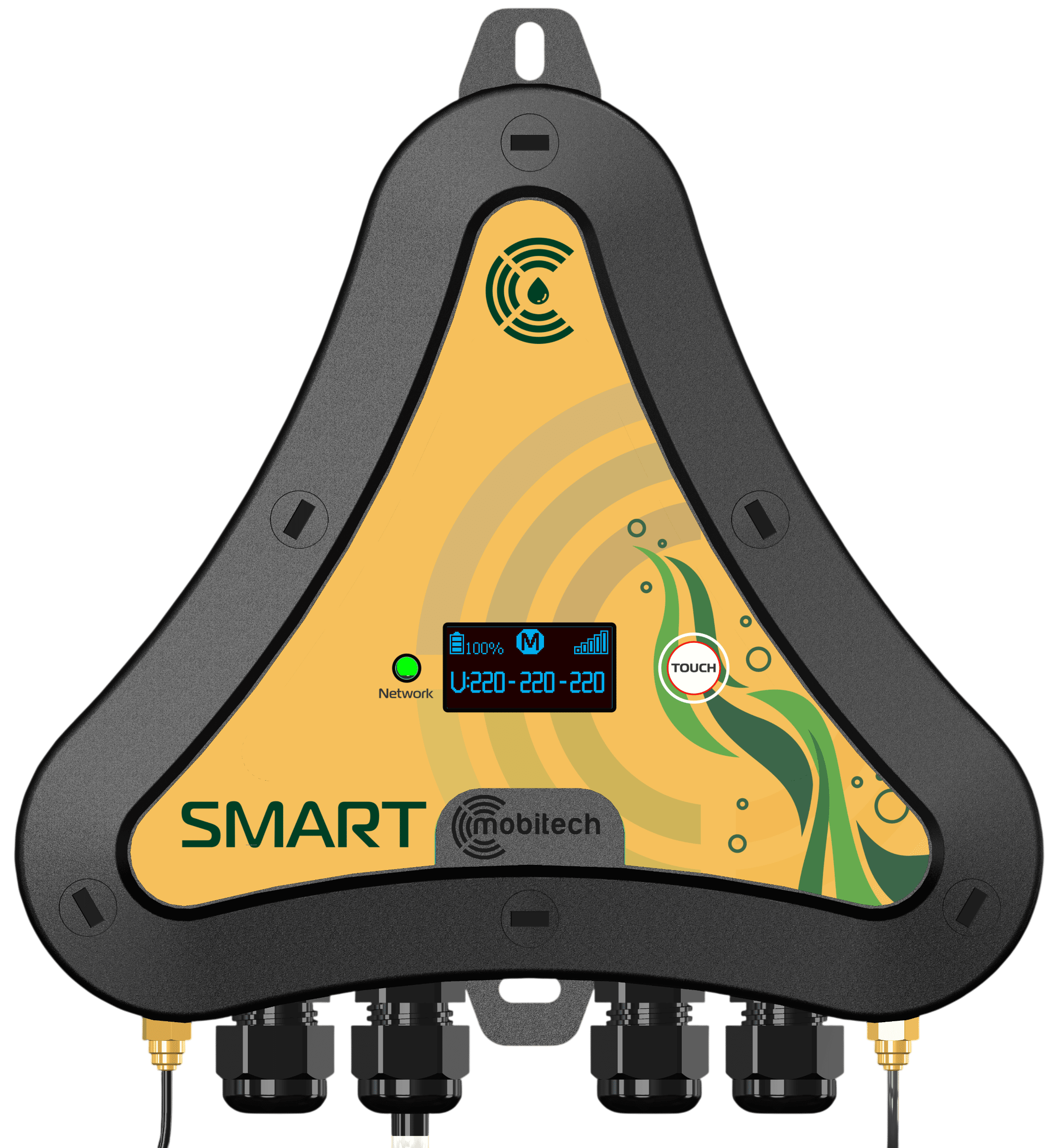
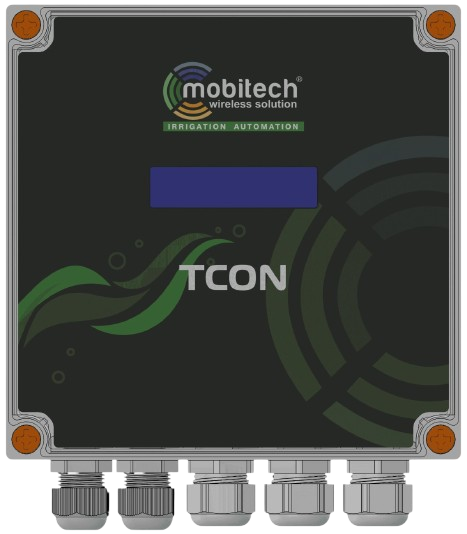
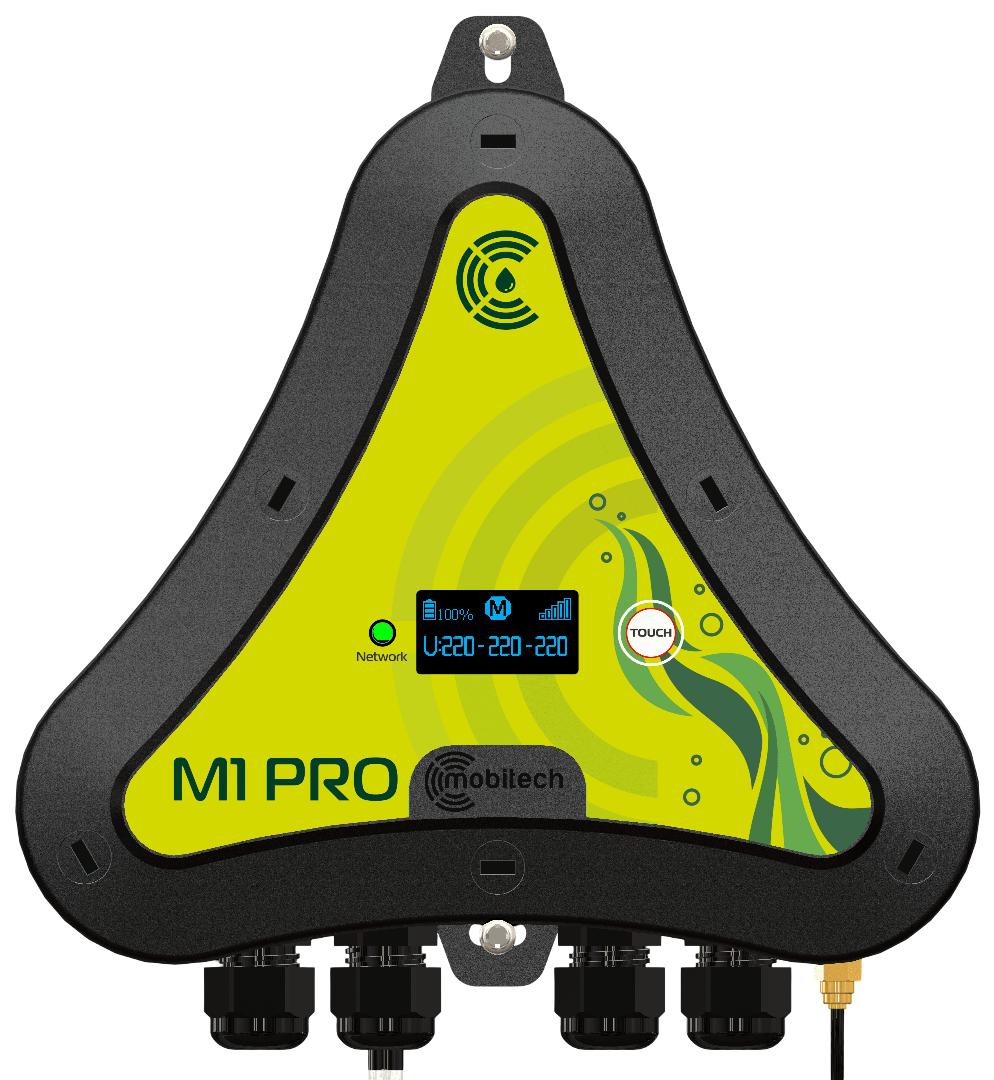
- Then, the data is sent to the irrigation controller
- If soil becomes dry, irrigation turns ON automatically
- When sufficient moisture is reached, irrigation stops
- As a result, only required water is used
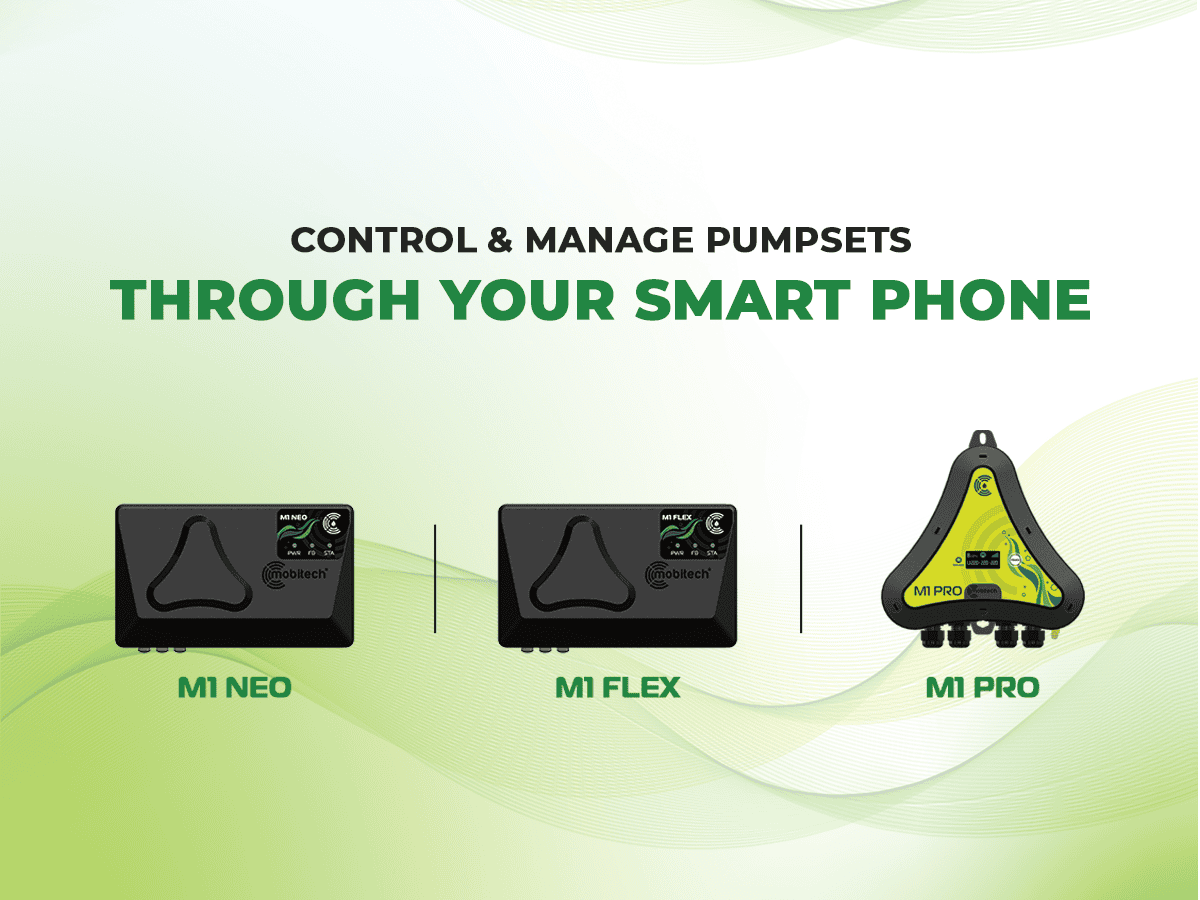
Moreover, farmers can monitor irrigation remotely using mobile apps or automation systems. Therefore, water management becomes easier and more accurate.
Benefits of Using Soil Moisture Sensors in Agriculture
Using a soil moisture sensor for agriculture offers several important benefits for modern farmers.
- Water Saving: Prevents overwatering and reduces wastage
- Higher Crop Yield: Maintains ideal soil moisture
- Energy Saving: Reduces motor running time
- Less Labor: Minimizes manual irrigation checking
- Smart Automation: Supports automatic irrigation systems
- Better Soil Health: Prevents waterlogging

Therefore, farmers can improve productivity while using less water and fewer resources.
Soil Moisture Sensor in Smart Irrigation Systems
In smart irrigation systems, the soil moisture sensor works automatically with irrigation controllers.
For example:
- Dry soil → Irrigation turns ON
- Wet soil → Irrigation turns OFF
As a result, crops receive the right amount of water at the right time. Moreover, farmers avoid unnecessary irrigation and reduce operational costs.
Applications of Soil Moisture Sensors
A soil moisture sensor for agriculture is widely used in various farming applications.
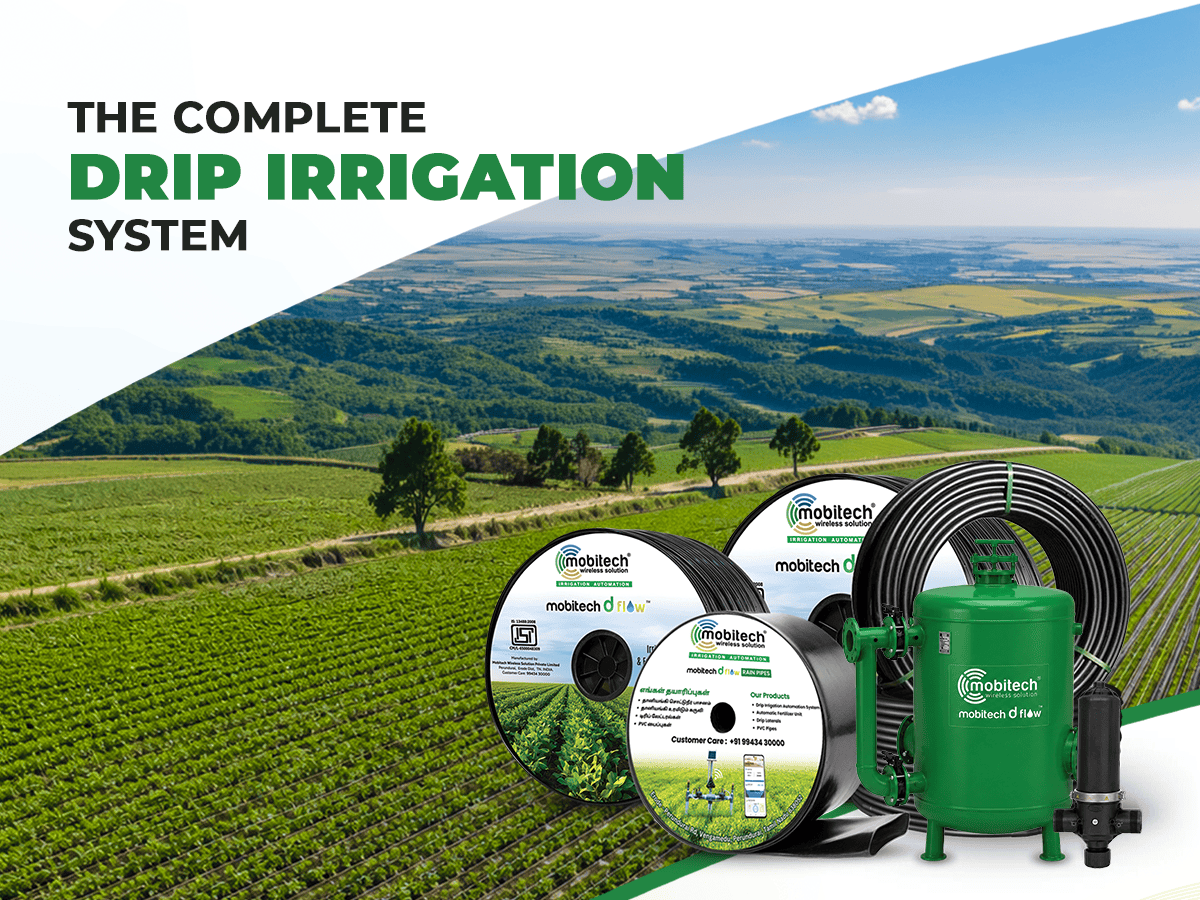
- Drip irrigation systems
- Greenhouse farming
- Vegetable cultivation
- Precision agriculture
- Smart irrigation projects
- Landscape irrigation
Because of these advantages, smart irrigation systems are becoming essential in modern agriculture.


Traditional Farming vs Smart Irrigation
| Parameter | Traditional Irrigation | Smart Irrigation |
|---|---|---|
| Water Usage | Very High | Optimized |
| Water Saving | 0% | 25–40% |
| Motor Usage | Long Duration | Reduced |
| Labor Requirement | High | Low |
| Crop Health | Inconsistent | Improved |
| Irrigation Control | Manual | Automatic |
Research-Based Benefits
Water Saving
- Research studies show soil moisture sensors can reduce water usage by up to 40%
Improved Crop Yield
- Smart irrigation systems help maintain balanced soil moisture for healthier crops
Energy Saving
- Reduced irrigation time lowers electricity consumption significantly
Efficient Irrigation
- Automation helps deliver water only when crops actually need it
How to Use Soil Moisture Sensors
- Install the sensor near crop roots
- Connect it to the irrigation controller
- Set moisture threshold levels
- Enable automatic irrigation control
- Monitor data regularly
Soil Moisture Sensor Solutions in India
The cost of soil moisture sensor systems depends on:
- Farm size
- Crop type
- Automation requirements
- Number of sensors installed
👉 Click here for smart irrigation solutions

Future of Smart Farming
As agriculture technology continues to grow, soil moisture sensors will become more advanced and widely used. Moreover, IoT-based smart irrigation systems will help farmers monitor and control water usage remotely.
Therefore, smart farming solutions are becoming essential for sustainable agriculture and future food production.
Conclusion
In conclusion, soil moisture sensors help farmers reduce water waste, improve irrigation efficiency, and increase crop productivity. Moreover, they support smart farming by automating irrigation and reducing manual effort.
Therefore, adopting soil moisture sensor technology is one of the best ways to achieve sustainable and water-efficient agriculture.