Smart Irrigation System vs Traditional Irrigation – Which is Better for Modern Farming?
Water management plays a crucial role in modern agriculture, directly affecting crop growth, productivity, operating costs, and long-term sustainability. With the increasing adoption of agricultural technology, farmers are now comparing smart irrigation system vs traditional irrigation to find a more efficient way to manage water.
Traditional irrigation methods have supported farming for generations, but modern farms increasingly require better control, automation, and efficient resource management. A smart irrigation system combines controllers, sensors, automation, and remote monitoring to make irrigation more precise and easier to manage.
Smart Irrigation vs Traditional Irrigation: At a Glance
Traditional irrigation generally depends on manual operation and fixed routines, while smart irrigation uses automation, monitoring, and field data to control irrigation more efficiently.
What Is Traditional Irrigation?
Traditional irrigation refers to irrigation practices where water is supplied manually or through relatively simple irrigation infrastructure. Farmers may operate pumps, valves, channels, or other irrigation equipment based on routine schedules and their experience of field conditions.
Common characteristics include:
- Manual irrigation operation
- Fixed or routine-based watering schedules
- Limited real-time monitoring
- Regular physical presence at the farm
- Manual checking of irrigation conditions
- Separate operation of pumps and valves
Traditional irrigation can be practical for smaller farms and simple irrigation layouts. However, as farm size, irrigation zones, pumps, and valves increase, manually managing the entire system can become more difficult.
What Is a Smart Irrigation System?
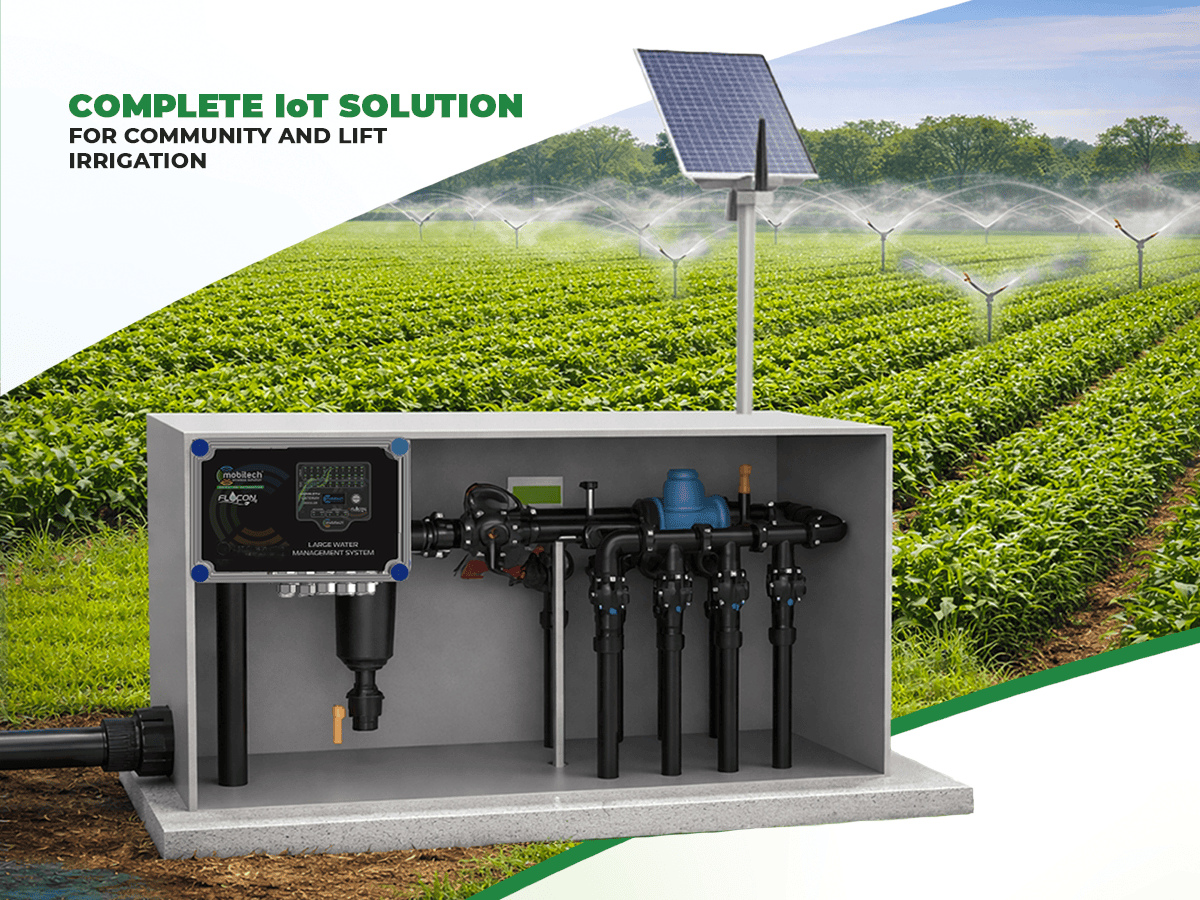
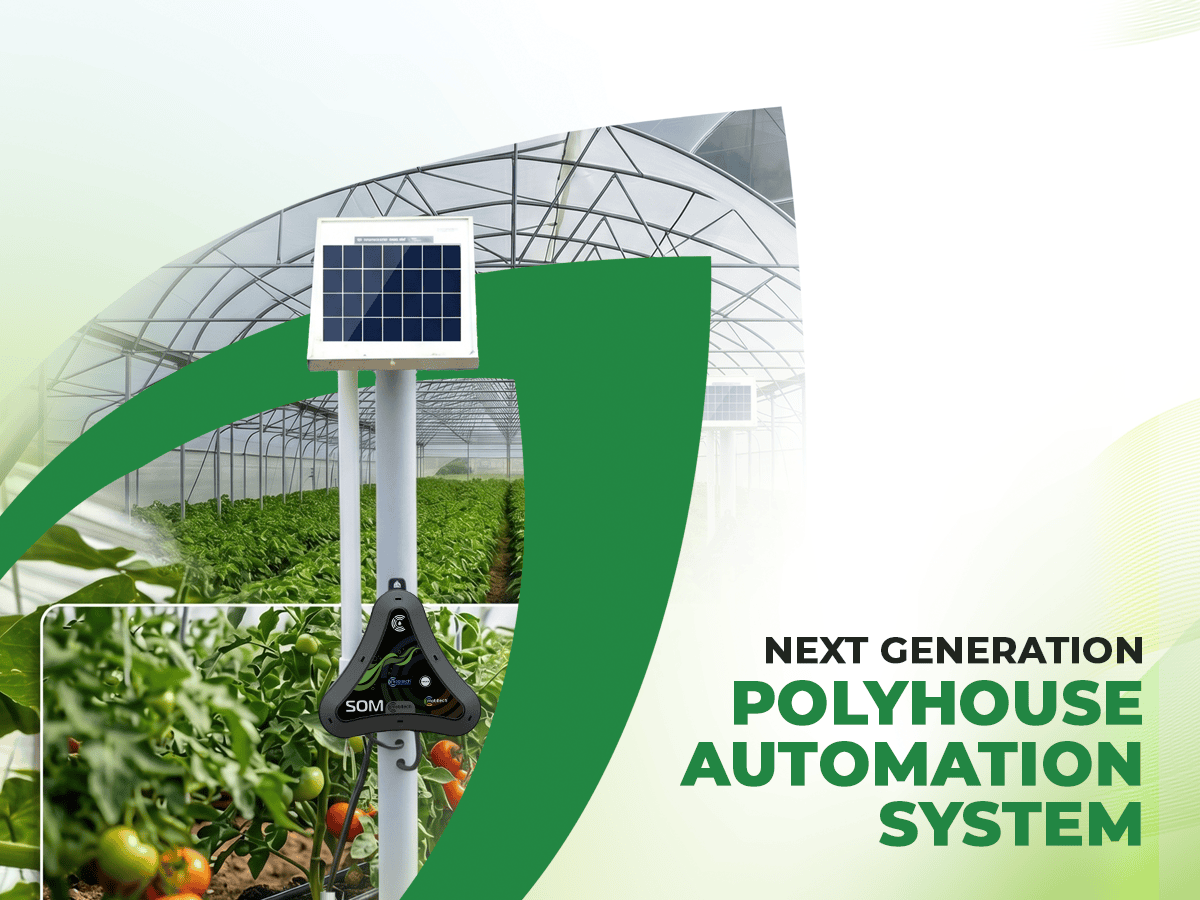
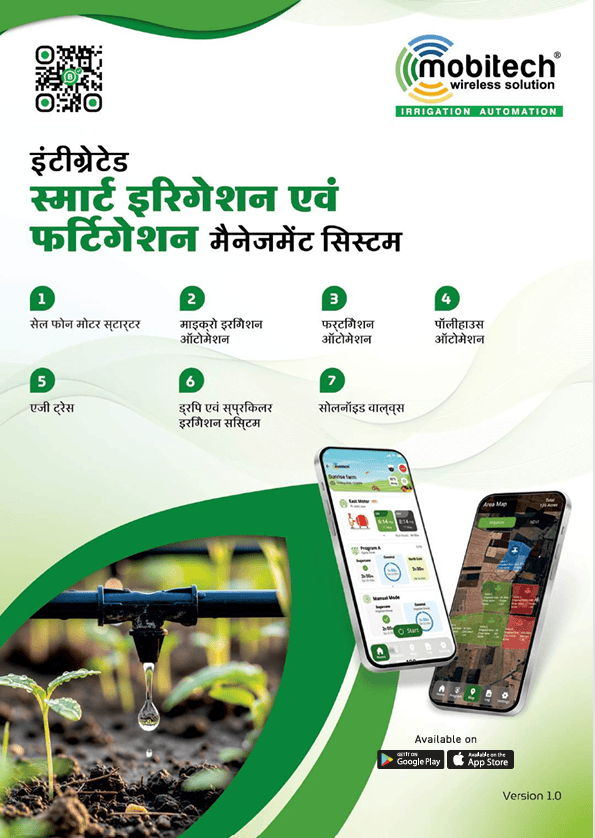
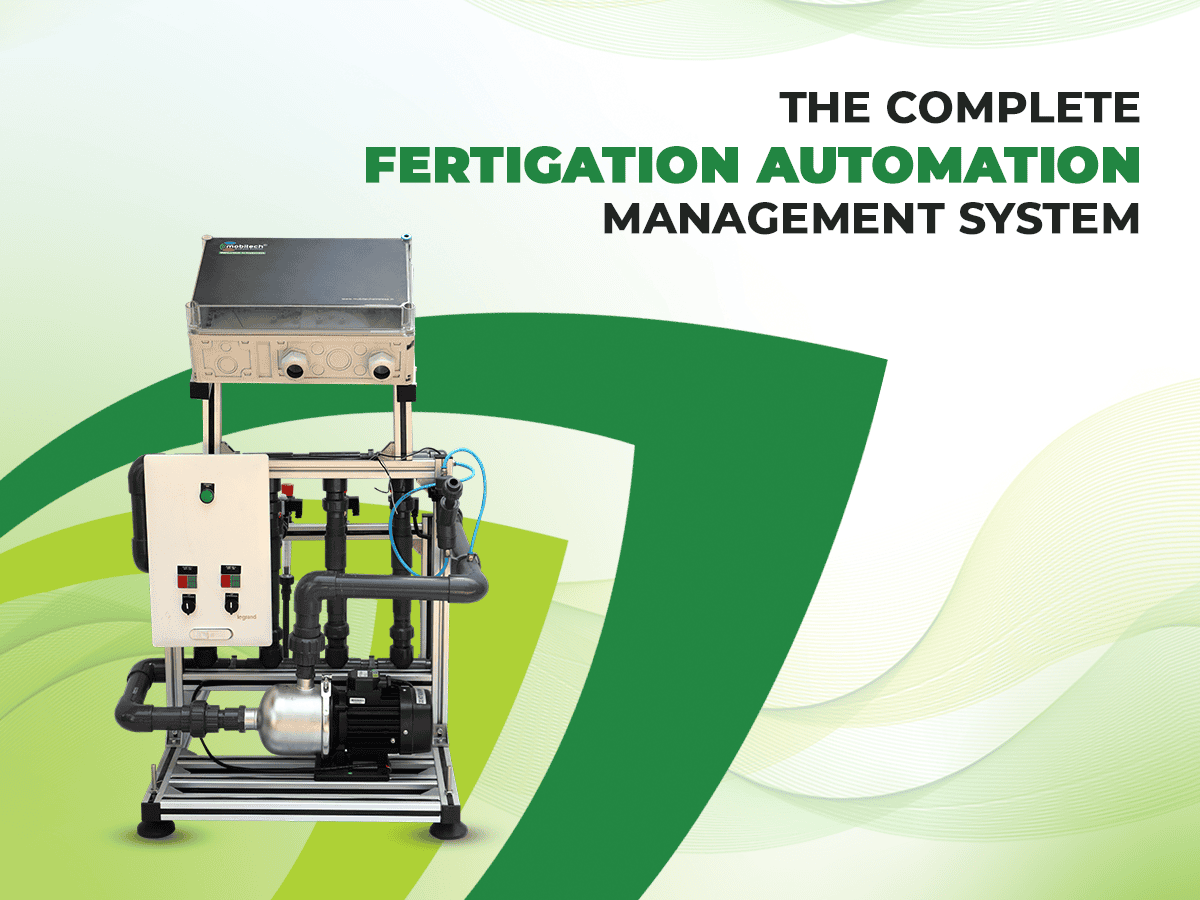
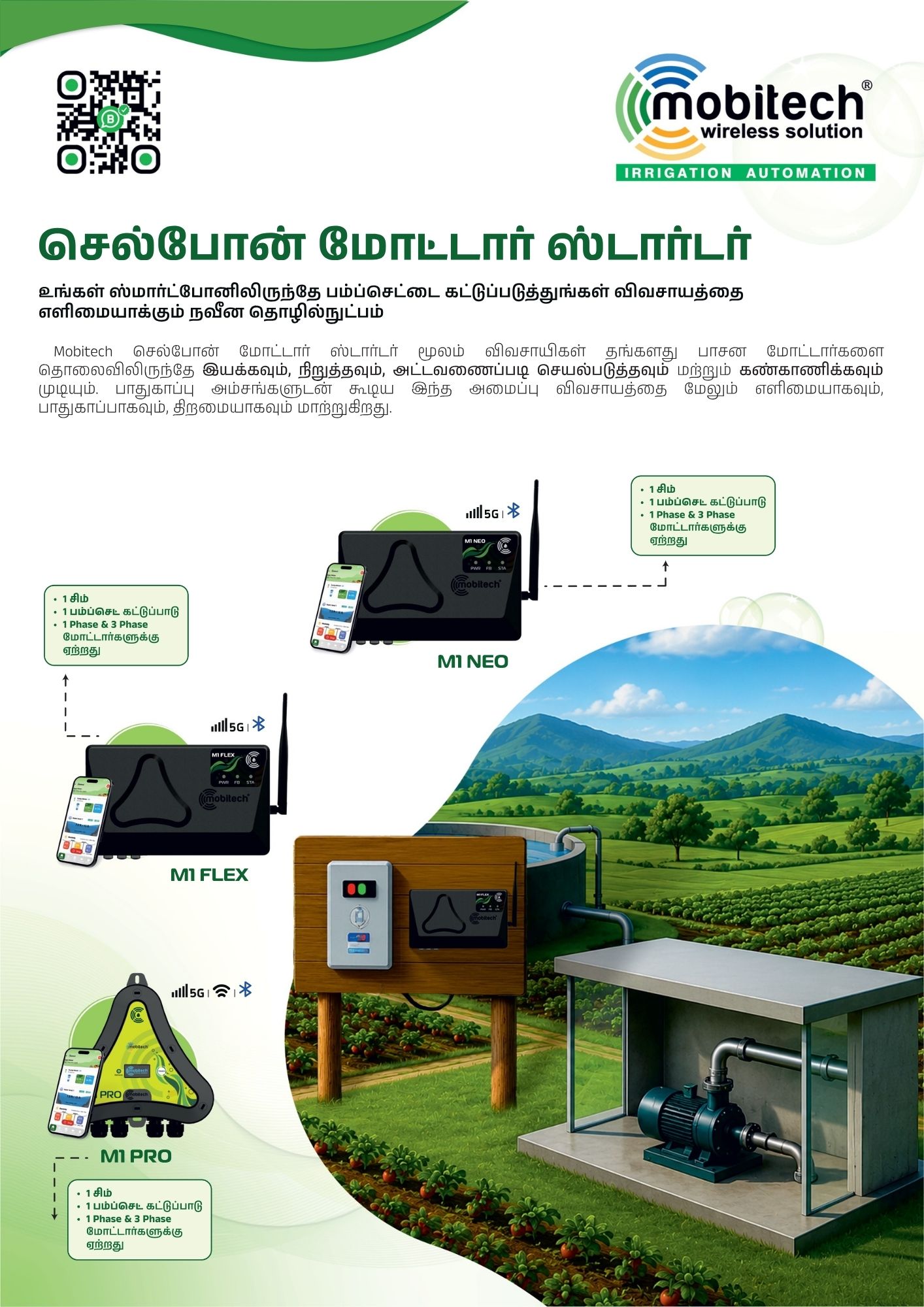
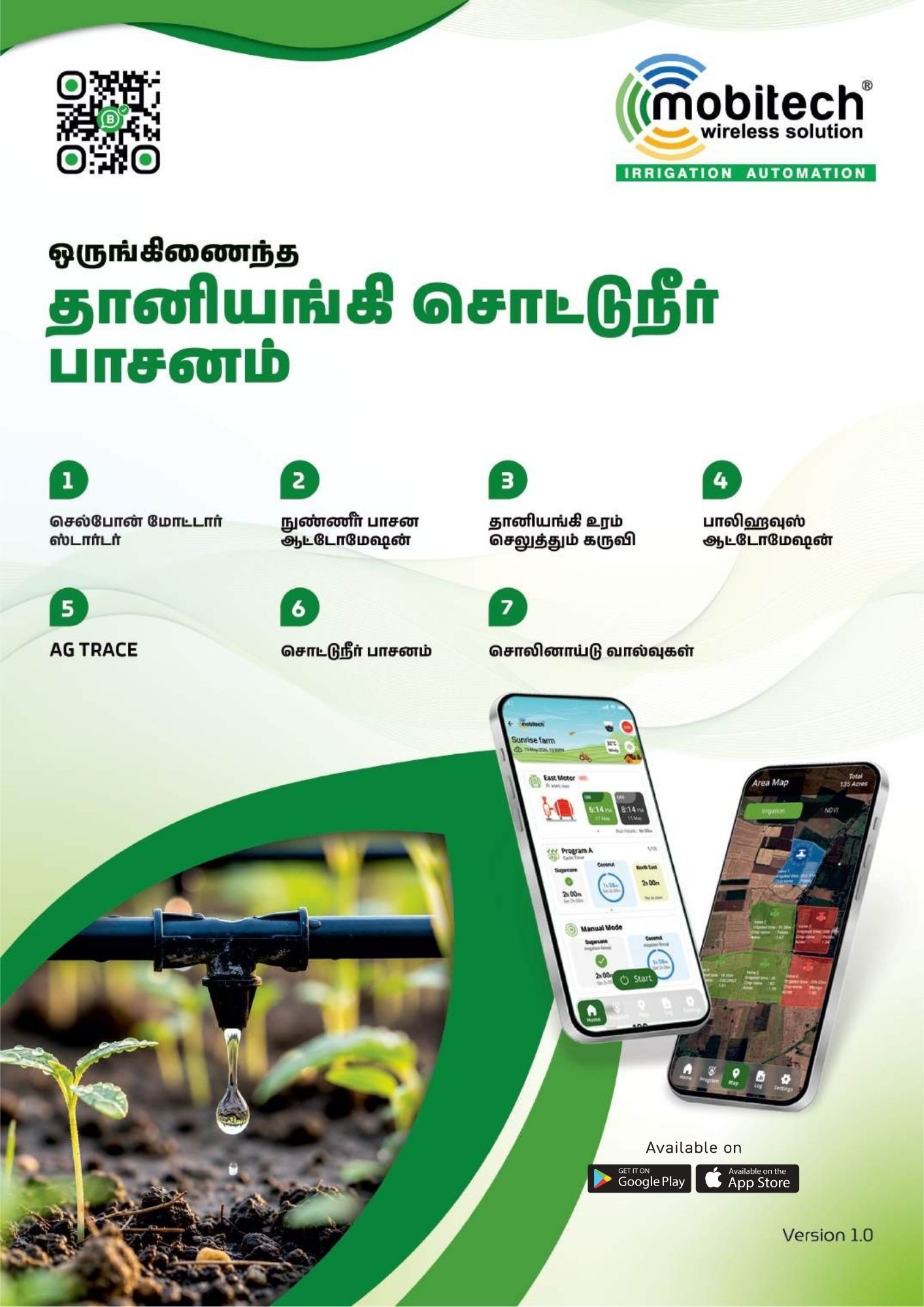
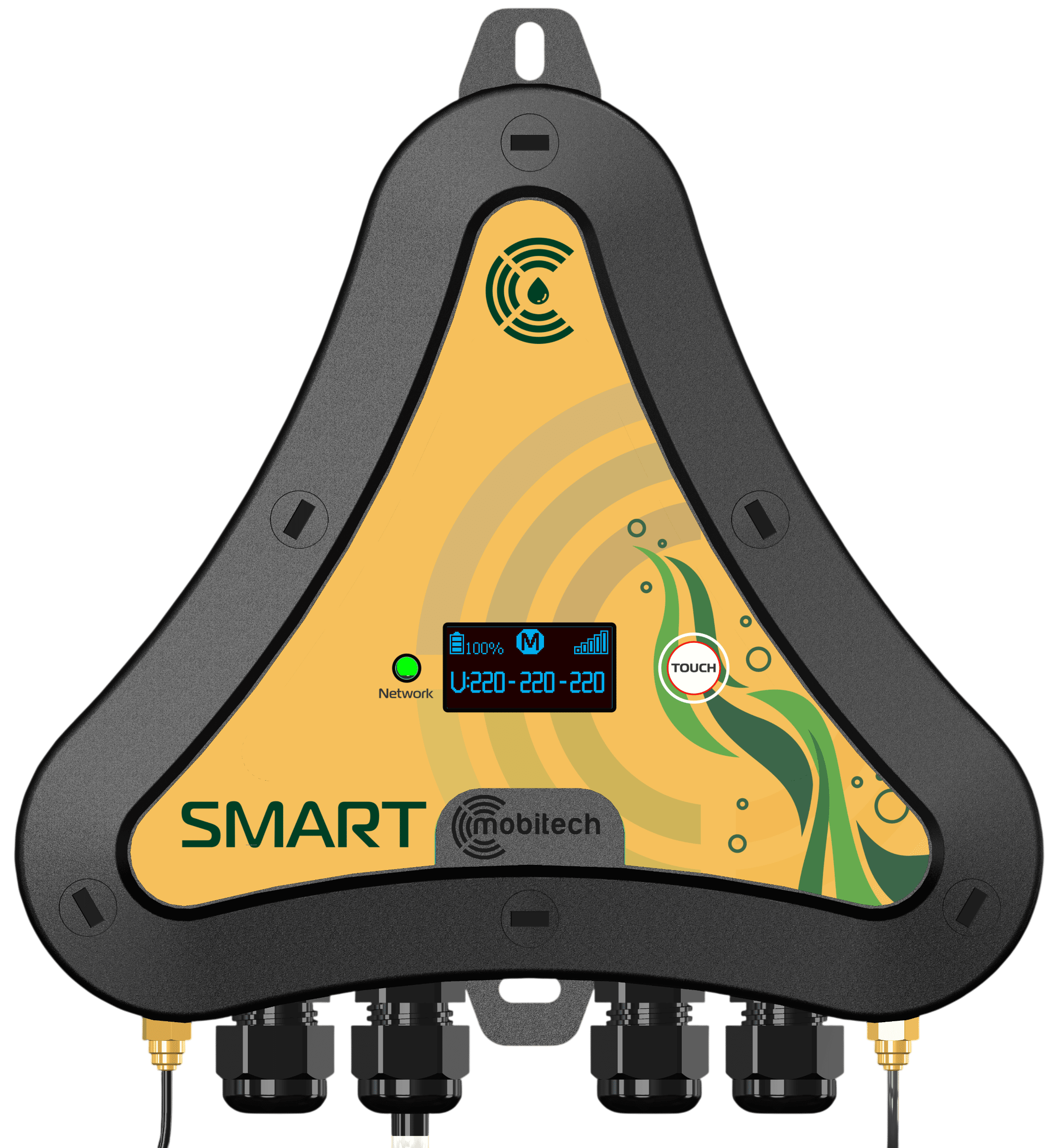
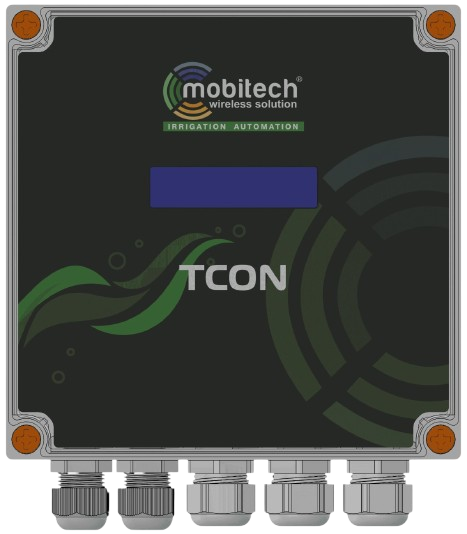
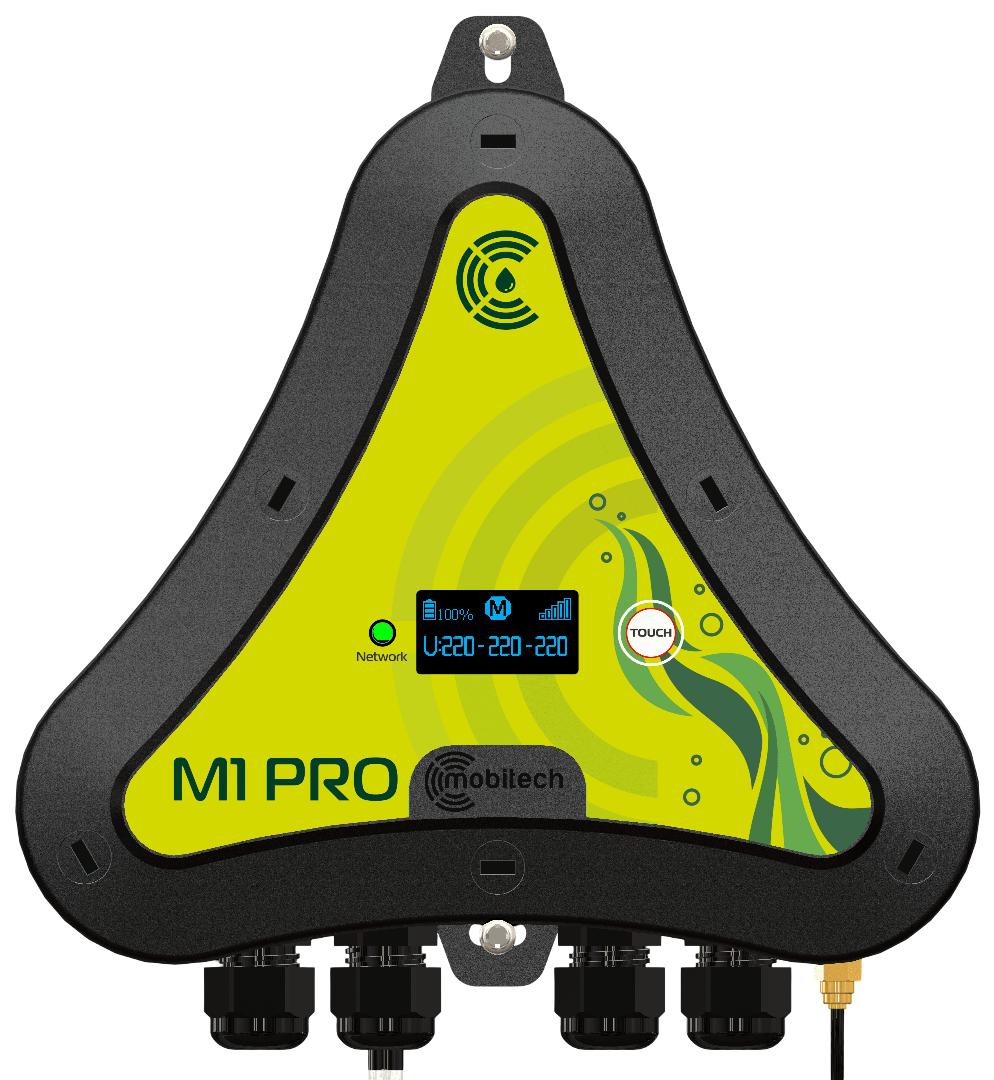
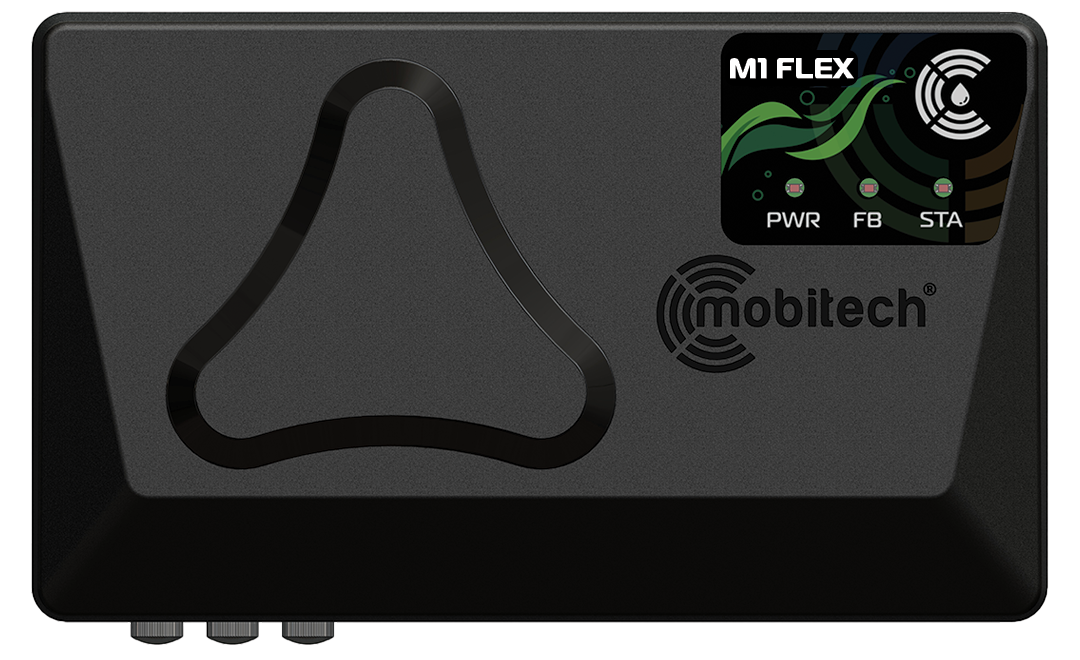
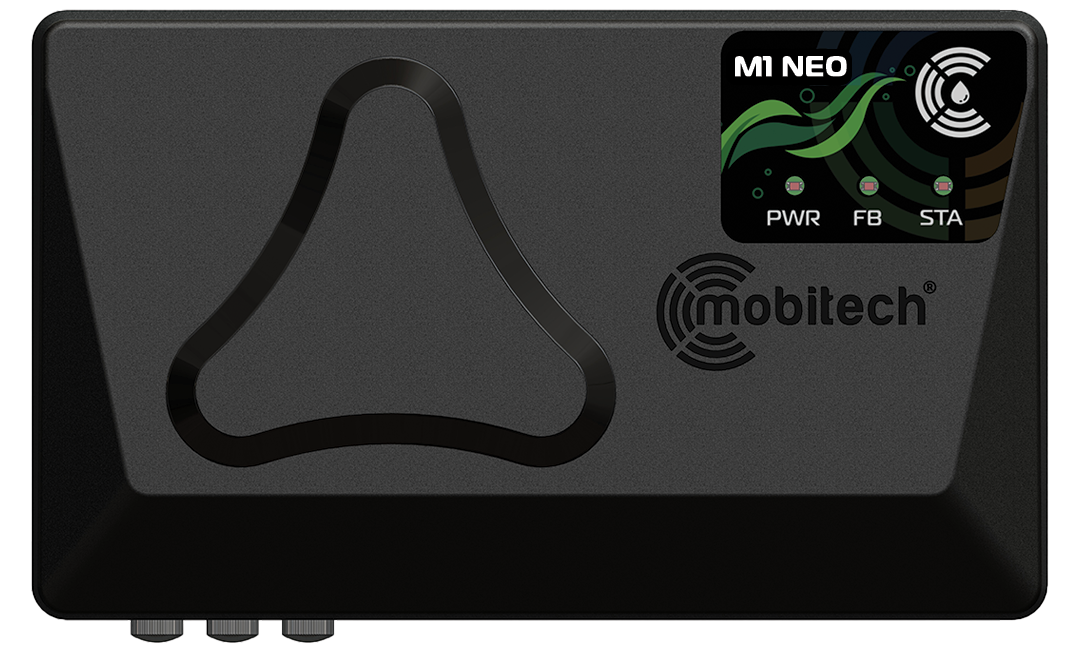
A smart irrigation system uses technology to improve how irrigation is monitored and controlled. Depending on the system, it can include smart controllers, sensors, automated valves, pump controllers, communication technologies, scheduling features, and mobile-based monitoring.
- Remote irrigation control
- Automated pump operation
- Automatic valve control
- Irrigation scheduling
- Real-time system monitoring
- Alerts and notifications
- Sensor-based irrigation management
Instead of depending entirely on manual intervention, smart irrigation allows farmers to manage irrigation operations more efficiently and monitor important farm equipment remotely.
Smart Irrigation System vs Traditional Irrigation: Key Differences
| Feature | Traditional Irrigation | Smart Irrigation |
|---|
| Operation | Mostly manual | Automated and remote |
| Water Management | Based mainly on routine | Based on schedules, monitoring, and field conditions |
| Monitoring | Manual inspection | Real-time monitoring |
| Valve Control | Manual | Automatic or remote |
| Pump Control | Manual operation | Remote/automated operation |
| Labour Requirement | Higher | Lower manual intervention |
| Scheduling | Usually manual | Automated scheduling available |
| Remote Access | Generally unavailable | Available with connected systems |
| Scalability | More difficult for large farms | Better suited to multiple zones and equipment |
1. Water Efficiency and Conservation
One of the most important differences between smart irrigation system vs traditional irrigation is the level of control over water application.
Traditional irrigation may involve watering according to a fixed routine. If the field has already received sufficient moisture, continuing irrigation can result in unnecessary water use.
Smart irrigation can help farmers:
- Apply water according to planned schedules
- Manage irrigation according to crop requirements
- Control individual irrigation zones
- Monitor irrigation operations
- Avoid unnecessary pumping operations
The actual water savings depend on crop type, irrigation design, soil, climate, scheduling, and farm management. However, better control can help reduce unnecessary irrigation.
2. Cost and Return on Investment
Traditional irrigation usually has a lower initial technology cost because it depends less on automation and electronic control systems.
However, farmers should consider the total operating cost rather than looking only at the initial installation price.
Initial Investment
Traditional systems may require less technology investment.
Labour Cost
Automation can reduce repeated manual irrigation work.
Water Cost
Better irrigation control can help manage water usage.
Energy Management
Better scheduling can help avoid unnecessary pump operation.
For larger farms, the reduction in manual effort and improved operational control can make automation more valuable over the long term.
3. Labour and Automation
Traditional irrigation requires farmers or farm workers to physically operate pumps, valves, and irrigation equipment. This can become challenging when irrigation needs to be performed at specific times or across multiple farm zones.
With smart irrigation, farmers can benefit from:
- Mobile-based control
- Automated irrigation operations
- Remote valve control
- Scheduled irrigation
- System notifications
- Remote monitoring
This is particularly useful for farms where the owner cannot be physically present every time irrigation needs to be started, stopped, or changed.
4. Crop Growth and Irrigation Consistency
Plants require appropriate moisture levels for healthy growth. Irregular irrigation can create periods of excessive moisture followed by insufficient moisture, depending on the irrigation method and field conditions.
A smart irrigation system allows farmers to create more organized irrigation schedules and control different irrigation zones according to their requirements.
Important: Automation does not automatically guarantee higher crop yields. Crop performance also depends on soil, nutrients, weather, irrigation design, crop variety, pest management, and overall farm practices.
5. Remote Monitoring and Control
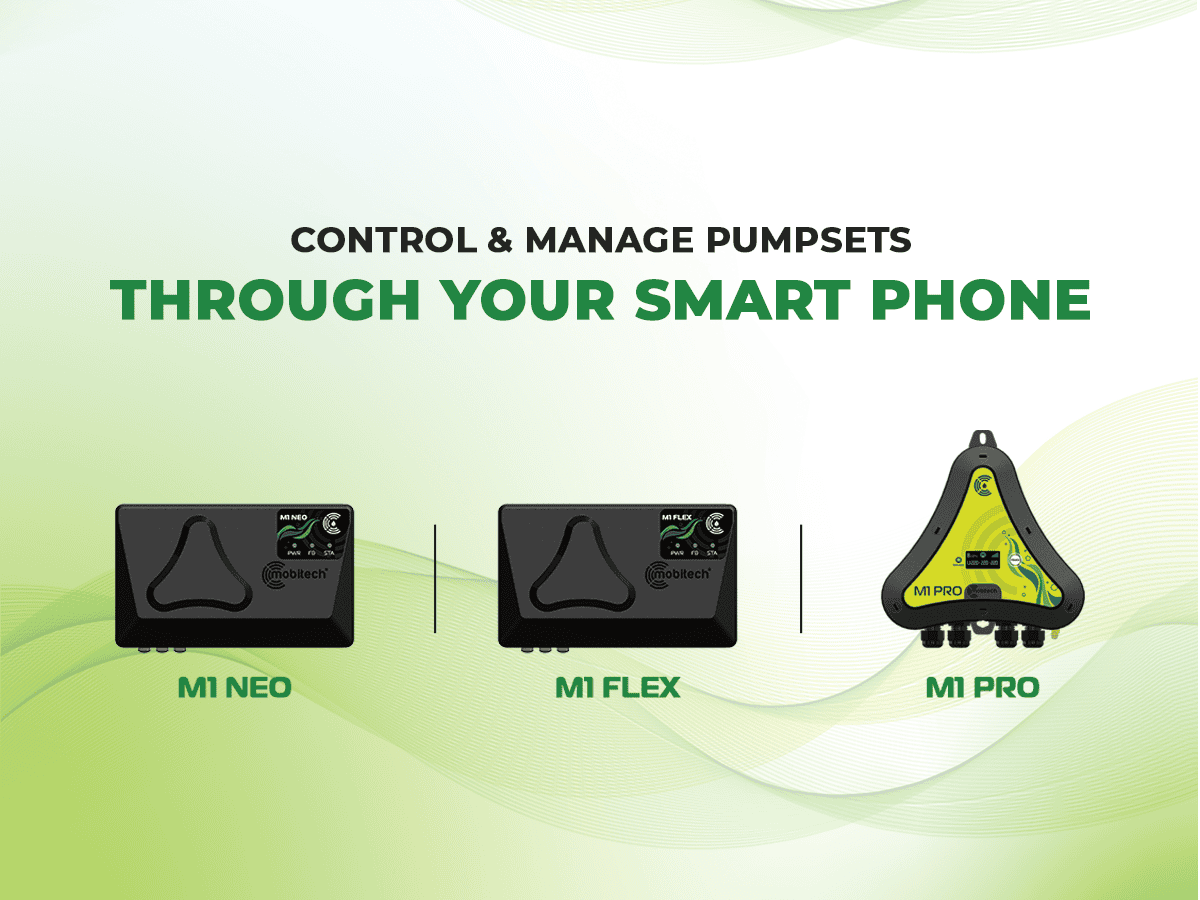
Remote access is one of the major advantages of modern smart irrigation systems. Instead of travelling to the farm to perform every irrigation operation, farmers can use connected systems to monitor and control supported equipment remotely.
Mobile Control
Valve Management
Motor Control
Alerts
System Monitoring
Scheduling
6. Which Irrigation System Is Better for Large Farms?
For small farms with a simple irrigation layout, traditional irrigation may still be practical. However, managing several motors, irrigation zones, valves, and large cultivated areas manually can become increasingly difficult.
For larger farms, a smart irrigation system can provide better operational control by connecting pumps, valves, schedules, and monitoring into a more organized irrigation management system.
| Farm Requirement | Traditional Irrigation | Smart Irrigation |
|---|
| Small farm with simple layout | Can be practical | Optional |
| Multiple irrigation zones | More manual management | Better control |
| Multiple valves | Manual operation can be time-consuming | Automated/remote control possible |
| Multiple motors | Requires greater manual supervision | Centralized control can simplify operations |
| Remote farm management | Limited | Strong advantage |
7. Benefits of Smart Irrigation for Modern Farming
Modern irrigation automation can help farmers improve operational efficiency and manage irrigation activities more systematically.
- Better water management
- Reduced manual intervention
- Remote irrigation control
- Automated valve management
- Remote pump operation
- Irrigation scheduling
- Real-time notifications
- Improved irrigation monitoring
- Better control over irrigation zones
8. Common Challenges of Traditional Irrigation
- Frequent manual operation of pumps and valves
- Higher dependence on farm labour
- Difficulty managing multiple irrigation zones
- Limited remote monitoring
- Fixed schedules may not match changing field conditions
- Greater difficulty scaling operations as the farm expands
- More time required for routine irrigation supervision
9. How to Choose Between Smart and Traditional Irrigation
The right choice depends on the individual farm rather than simply choosing the newest technology. Farmers should evaluate their irrigation requirements before investing in automation.
Crop Type
Farm Size
Water Source
Number of Valves
Number of Motors
Need for Remote Control
Budget
Future Expansion
✓
For farms with multiple irrigation zones, several valves or motors, large cultivated areas, or a need for remote management, smart irrigation can provide significant operational advantages.
10. Is Smart Irrigation Better Than Traditional Irrigation?
There is no universal answer for every farm. Traditional irrigation can remain suitable where the farm is small, the irrigation layout is simple, and manual operation is manageable.
However, when farms become larger or irrigation operations become more complex, smart irrigation provides advantages in automation, remote monitoring, scheduling, and irrigation management.
Smart Irrigation Is Particularly Useful When:
- The farm has multiple irrigation zones.
- Several valves need to be controlled.
- Farmers need remote access.
- Multiple motors require monitoring.
- Manual irrigation takes significant time.
- The farm is expanding.
- Better irrigation scheduling is required.
Final Thoughts
The comparison between smart irrigation system vs traditional irrigation shows how modern technology can improve the way irrigation is managed. Traditional irrigation can still work effectively for simple farming operations, but it depends more heavily on manual labour and physical supervision.
A smart irrigation system provides greater control through automation, scheduling, remote monitoring, and automated valve and pump management. These capabilities can be especially valuable for modern farms with multiple irrigation zones and complex irrigation infrastructure.
For farmers looking to improve irrigation management, reduce manual effort, and gain better control over farm operations, smart irrigation is a practical step toward more connected and efficient farming.