SMART AGRICULTURE • KARUR
Karur Farmers Face Water Uncertainty: Can Smart Irrigation Improve Water Management?
For farmers in Karur, irrigation is not simply about having access to water. It is about knowing when to irrigate, where to irrigate and how much water to use. Smart irrigation can help farmers improve control, scheduling and monitoring through modern irrigation automation.
When Water Is Available, But Managing It Is the Real Challenge
For a farmer, water can never be treated as an unlimited resource. A borewell may have water today, rainfall may support the field during one period, and irrigation demand can increase when dry conditions continue.
Karur has a diverse agricultural landscape, with farming activities spread across areas such as Aravakurichi, Kadavur, Krishnarayapuram, Kulithalai, K. Paramathi and Thogamalai. Different farms can have different crops, soil conditions, water sources and irrigation requirements.
This makes one question increasingly important:
THE IMPORTANT QUESTION
How can farmers manage available water more intelligently instead of simply increasing irrigation?
This is where automated irrigation can become part of a more controlled farm-management approach.
WHY WATER MANAGEMENT BECOMES DIFFICULT
💧
Changing Water Availability
Water availability can change with rainfall, groundwater conditions and seasonal irrigation demand.
⏰
Fixed Irrigation Routines
Following the same irrigation routine may not always match changing crop and weather conditions.
🚜
Manual Field Visits
Farmers may need to travel to the pump or field repeatedly to operate irrigation equipment.
🌦️
Weather Changes
Rainfall and dry periods can change the irrigation requirement of a crop.
KARUR FARMING CONTEXT
Why Better Irrigation Control Matters in Karur
Agricultural conditions are not identical across Karur district. Farmers cultivate different crops under different irrigation arrangements, making farm-level water management important.
Groundwater assessment is also an important part of agricultural water planning in Tamil Nadu. The Central Ground Water Board evaluates groundwater resources and extraction at assessment-unit level, reinforcing the importance of responsible groundwater management.
For an individual farmer, this does not mean simply using less water. It means trying to make every irrigation cycle more purposeful.
Right Time
Irrigate according to the farm’s planned irrigation schedule.
Right Zone
Manage different field sections according to their irrigation arrangement.
Right Duration
Avoid relying only on guesswork when deciding how long irrigation should operate.
THE SMART FARMING APPROACH
What Is Smart Irrigation?
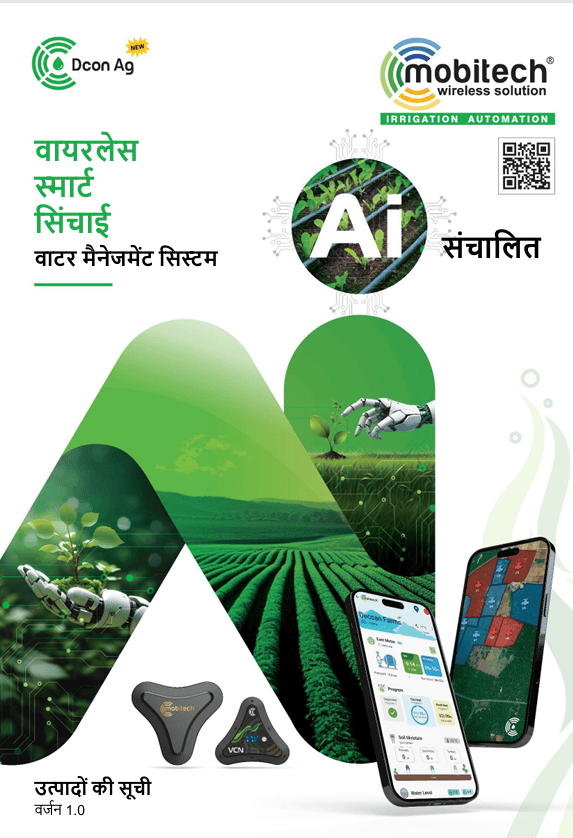
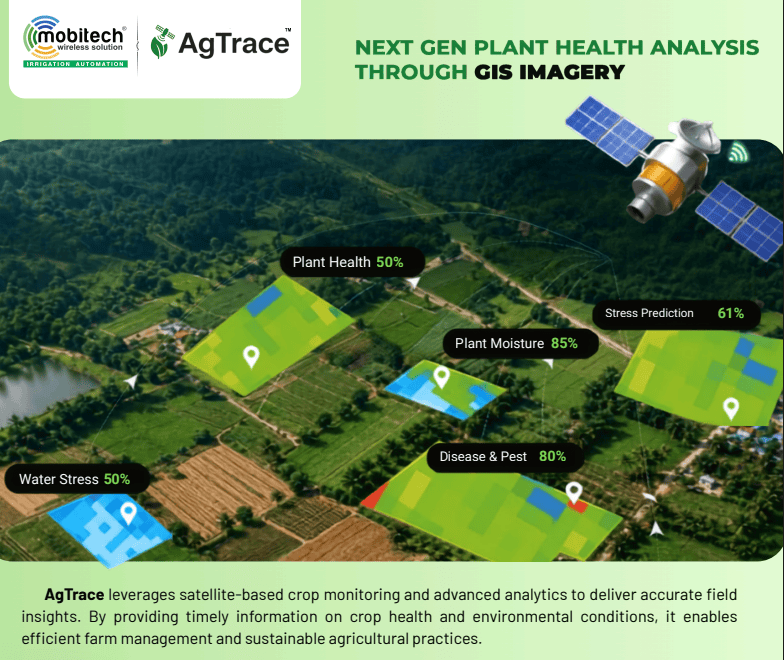
Smart irrigation combines irrigation equipment with automation, control and monitoring technologies to help farmers manage water delivery more systematically.
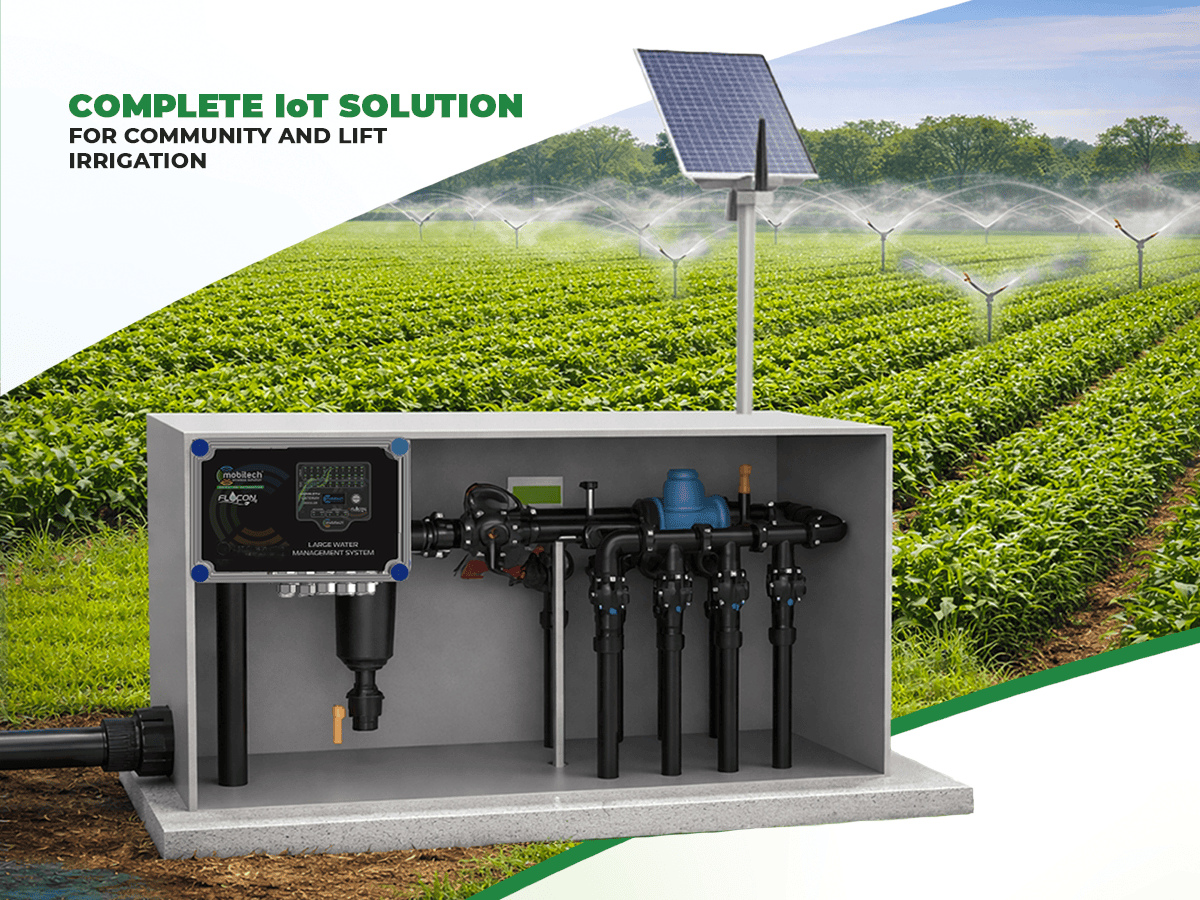
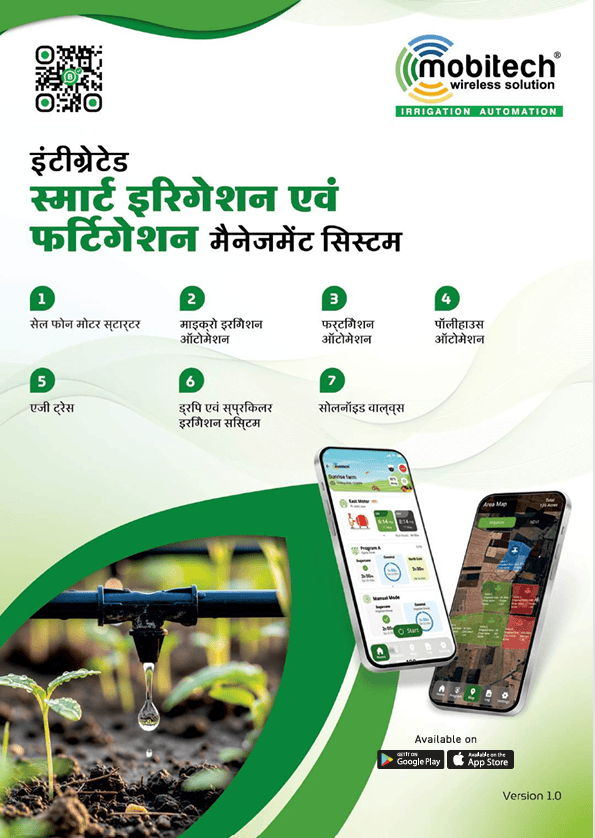
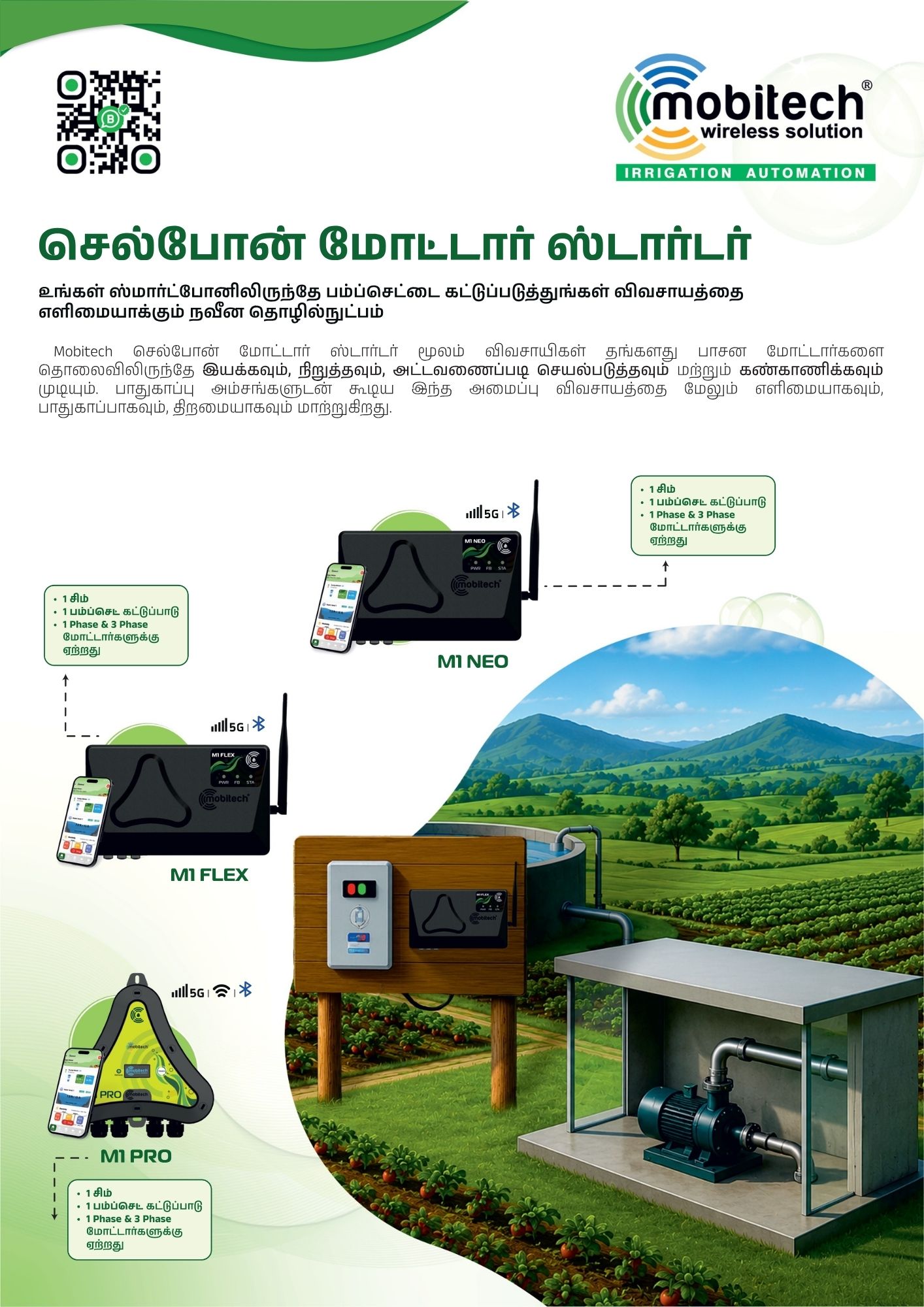
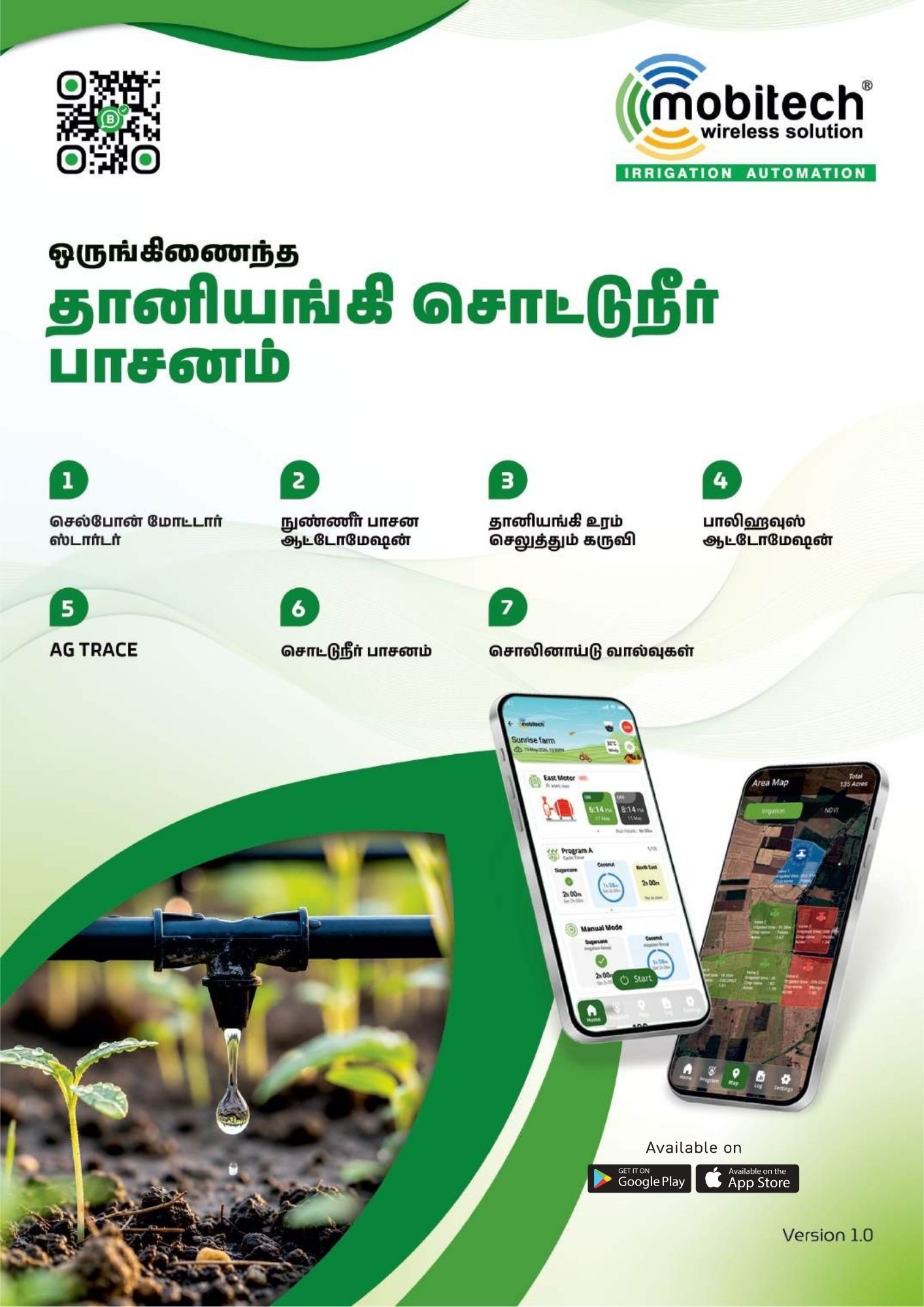
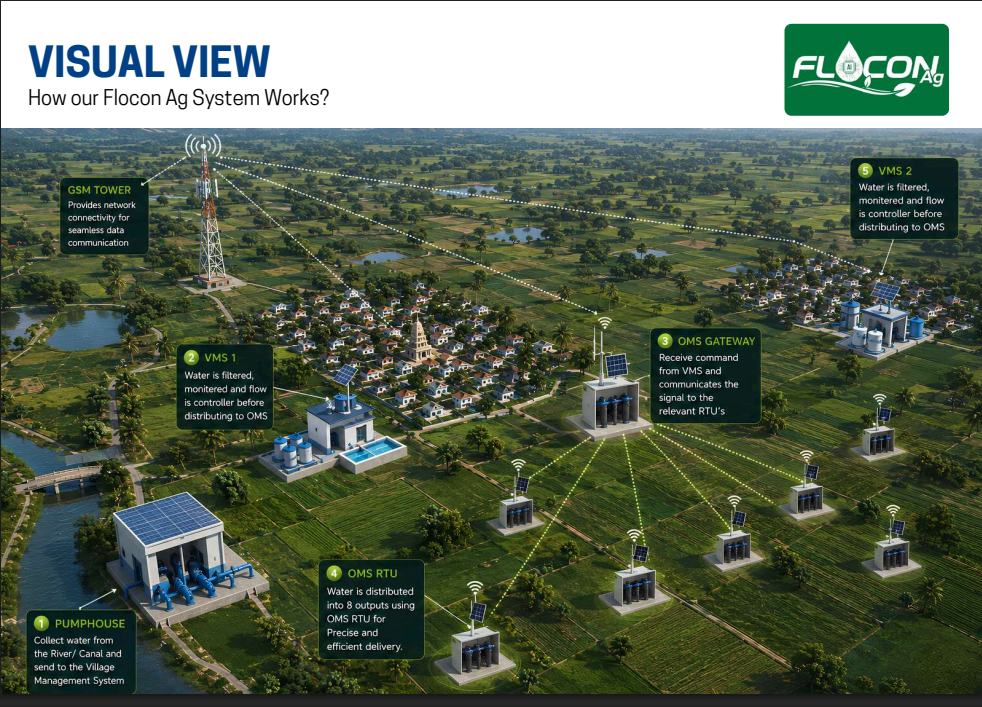
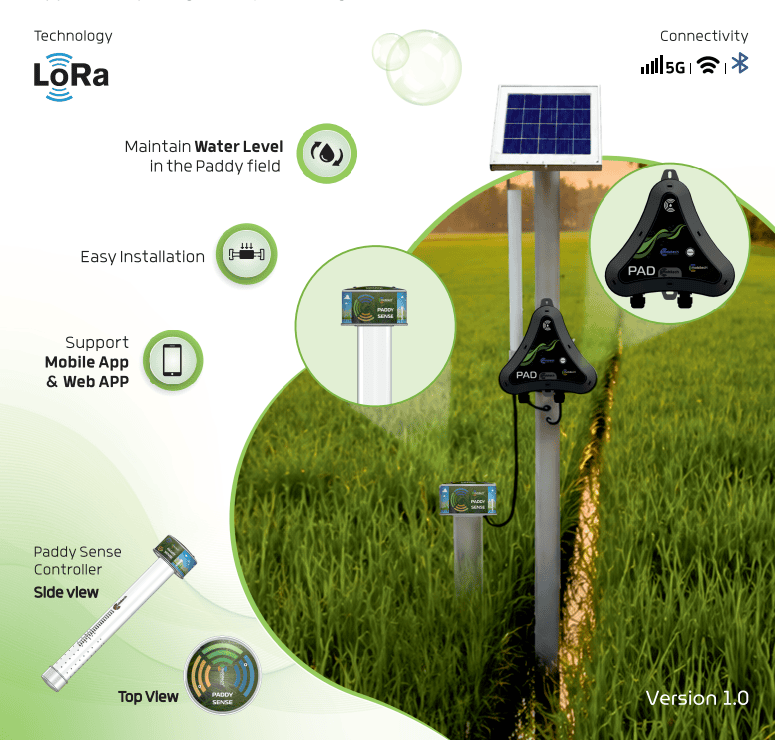
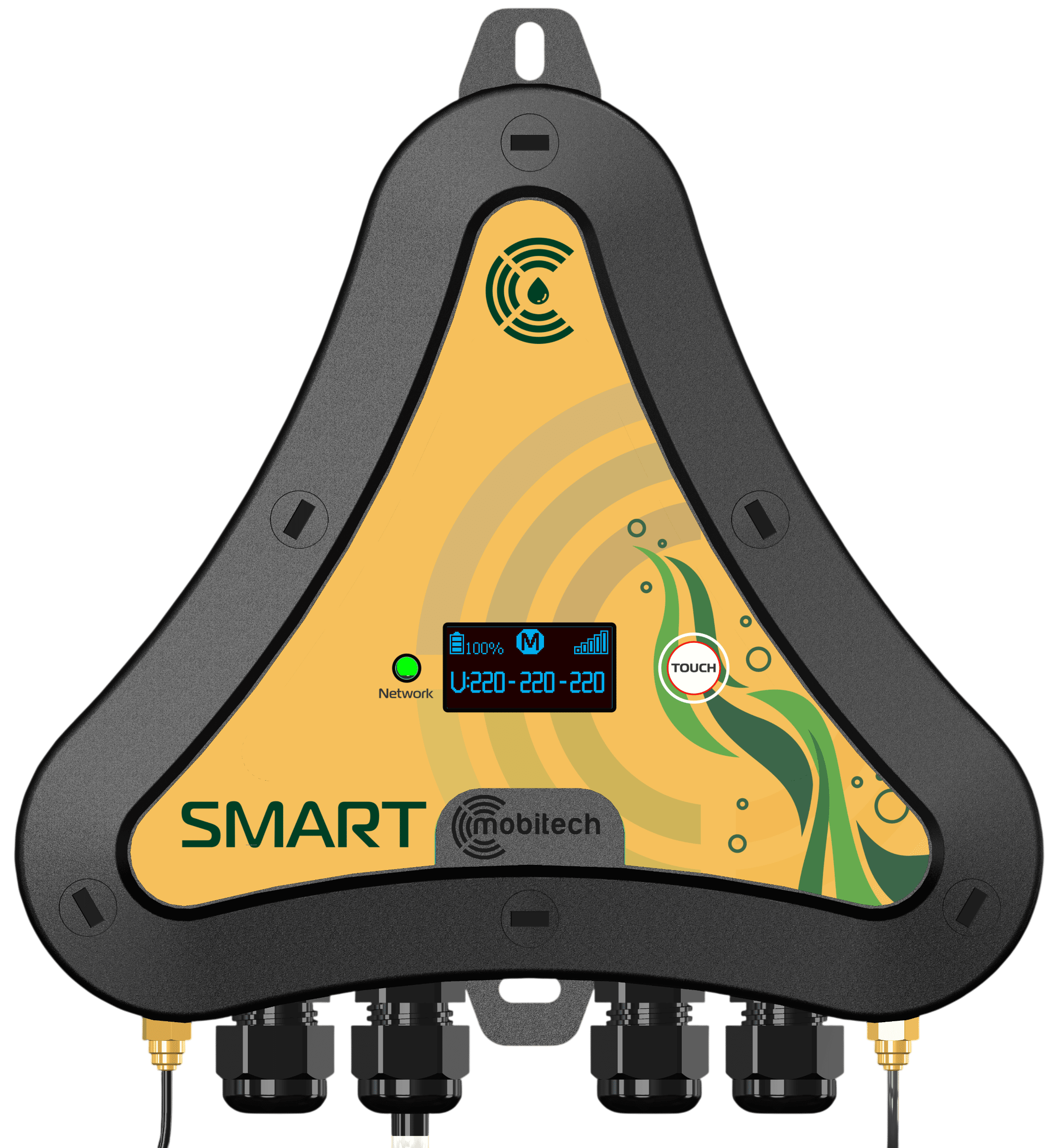
A smart irrigation system can connect components such as irrigation motors, valves, controllers and supported sensors. Depending on the system, farmers can automate irrigation schedules, operate equipment remotely and monitor relevant field or irrigation conditions.
The goal is not to irrigate more. The goal is to have better control over irrigation.
HOW THE SYSTEM CONNECTS THE FARM
From Water Source to Controlled Irrigation
Water Source
→
Pump & Valves
→
Automation
→
Monitoring
→
Controlled Irrigation
01 / PRACTICAL BENEFITS
How Automated Irrigation Can Help Farmers
01
Remote Irrigation Control
Farmers can operate supported irrigation equipment remotely instead of depending entirely on physical switching.
02
Scheduled Irrigation
Automation can help farmers follow planned irrigation timings instead of manually starting every cycle.
03
Better Water Control
Automated control can help align irrigation operation with the farm’s planned water-management strategy.
04
Less Manual Dependency
Automation can reduce repetitive trips to the pump and simplify routine irrigation management.
02 / REAL FARM SCENARIO
What Happens When the Farmer Is Not Near the Field?
Imagine a farmer in Karur starts irrigation before attending another farm activity. The motor needs to run for the planned duration, but the farmer cannot remain near the pump.
With a traditional setup, the farmer may need to return to the motor location to stop the irrigation. If the schedule changes, another field visit may be required.
With suitable automation and remote-control features, the farmer can manage supported irrigation operations more systematically.
MANUAL VS SMART
The Difference Is Control
TRADITIONAL APPROACH
Manual Irrigation
- Manual motor switching
- Repeated field visits
- Dependence on memory and routine
- Limited remote control
- More manual involvement
SMART APPROACH
Automated Irrigation
- Automated irrigation control
- Scheduled operation
- Remote monitoring and control
- Zone-based management where supported
- Better visibility of irrigation operation
03 / FARM APPLICATIONS
Where Can Automated Irrigation Be Used?
The technology can be adapted to different farm situations when the irrigation infrastructure is properly designed.
| Farm Type | Potential Application | Automation Benefit |
|---|
| Coconut Farms | Scheduled irrigation | More systematic irrigation operation |
| Banana Farms | Automated irrigation cycles | Supports consistent irrigation scheduling |
| Vegetable Farms | Zone-based irrigation | Allows different areas to be managed separately |
| Mixed-Crop Farms | Controlled irrigation zones | Supports crop-specific irrigation planning |
04 / SMART + EFFICIENT IRRIGATION
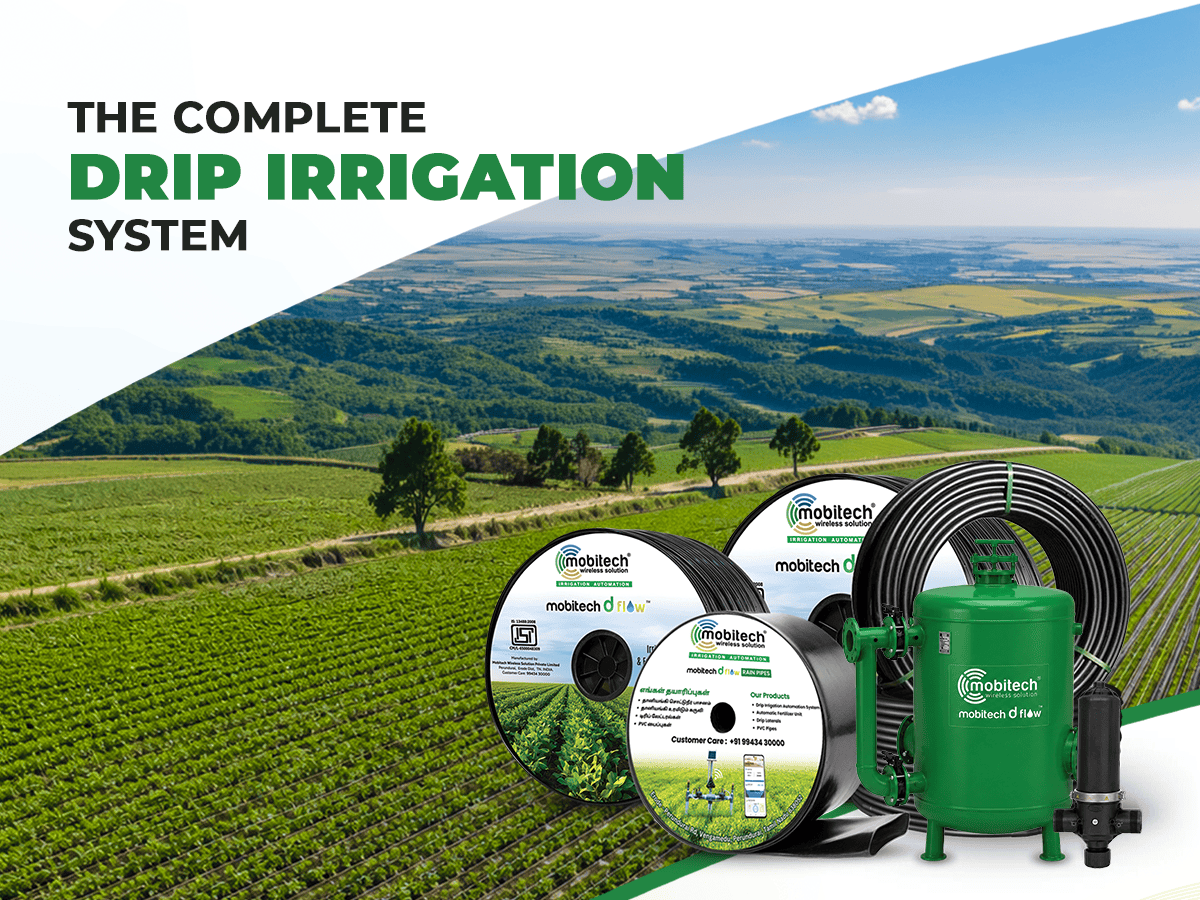
Why Combine Smart Irrigation With Drip Irrigation?
Drip irrigation and automation solve different parts of the water-management process.
Drip Irrigation
Provides a controlled method of delivering water close to the crop root zone.
Irrigation Automation
Helps automate, schedule, monitor and control the irrigation process.
Together:
controlled water delivery + intelligent irrigation management.
05 / SMART FARM FEATURES
What Should Farmers Look for in a Smart Irrigation System?
Motor Automation
Check whether the system supports the farm’s motor and starter configuration.
Valve Control
For multi-zone farms, consider how irrigation valves can be managed.
Scheduling
Scheduled irrigation can reduce dependence on manual start and stop routines.
Connectivity
Choose connectivity that suits the farm location and operating conditions.
FROM MANUAL TO DATA-INFORMED FARMING
The Future of Irrigation Is About Better Decisions
Smart farming does not mean replacing the farmer. It means giving the farmer better control over repetitive irrigation tasks and better visibility into the operation.
Observe
Understand the farm’s irrigation requirements.
Plan
Create an irrigation schedule based on crop and farm conditions.
Automate
Use automation for suitable irrigation tasks.
Improve
Use operational information to improve future irrigation decisions.
IRRIGATION AUTOMATION FOR KARUR FARMS
Bringing Irrigation Automation to the Farm
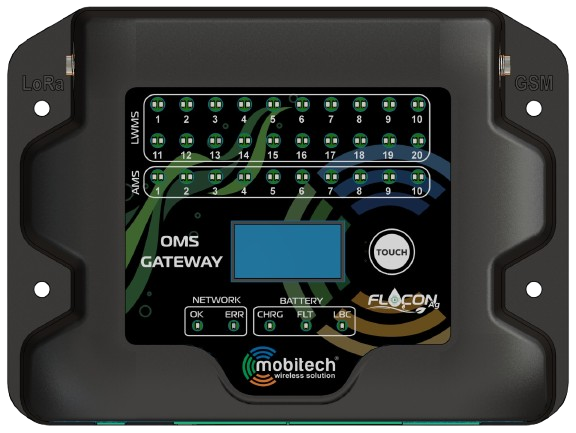
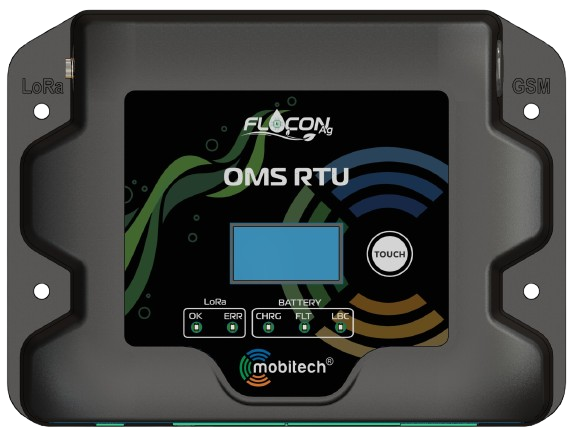
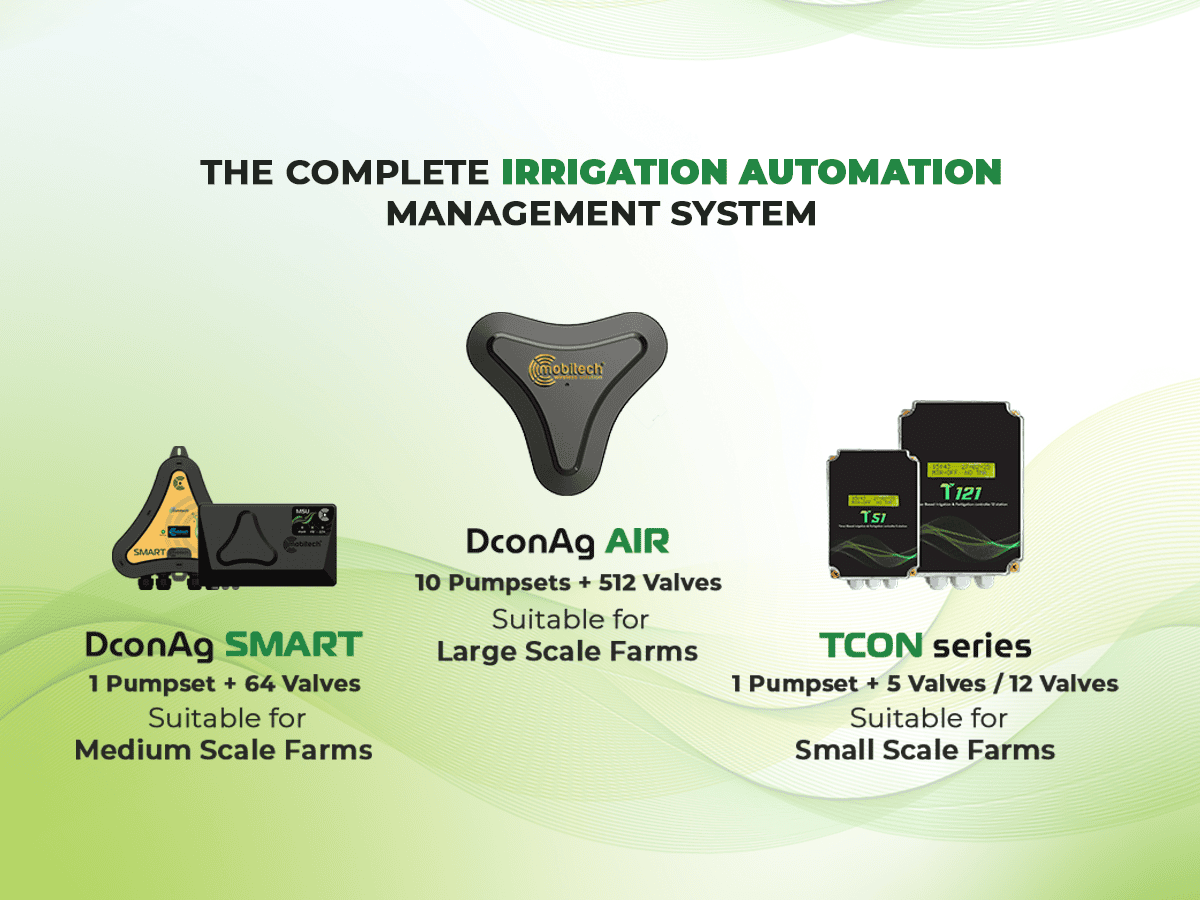
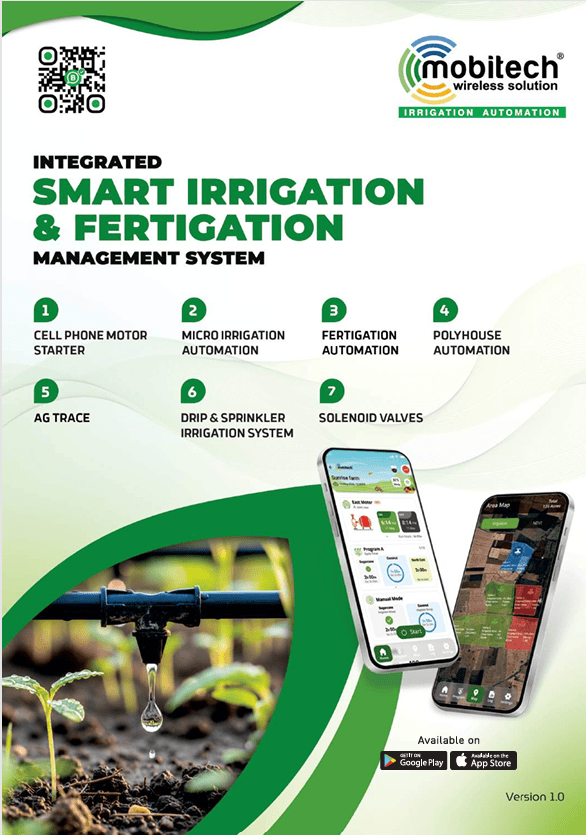
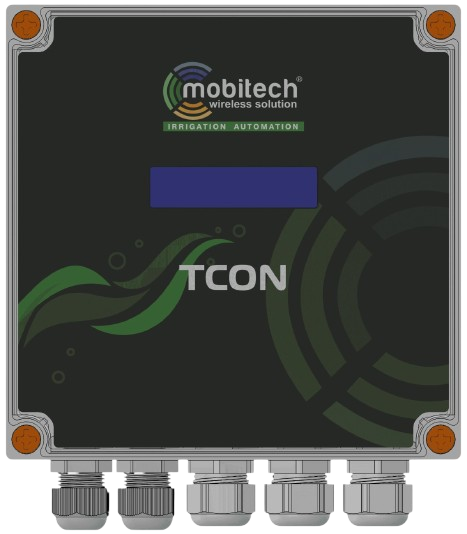
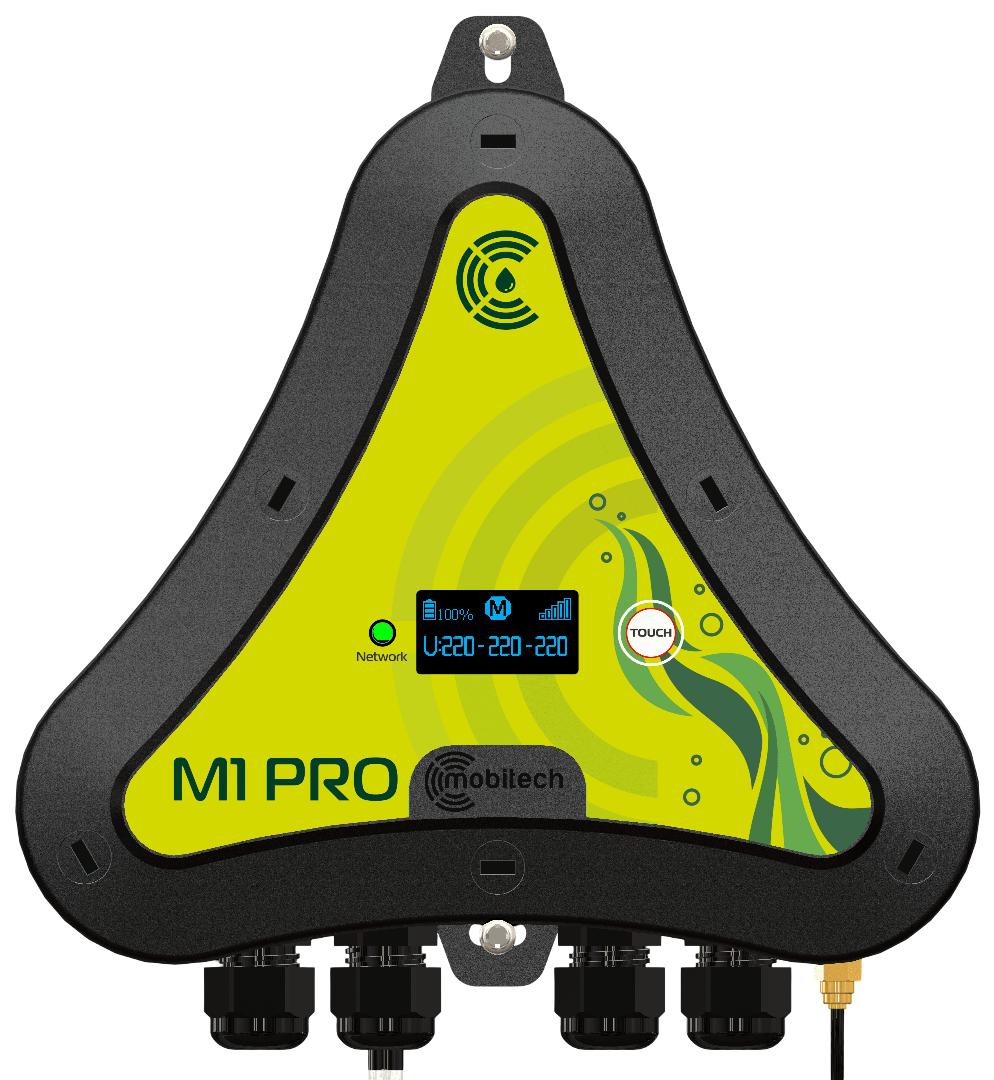
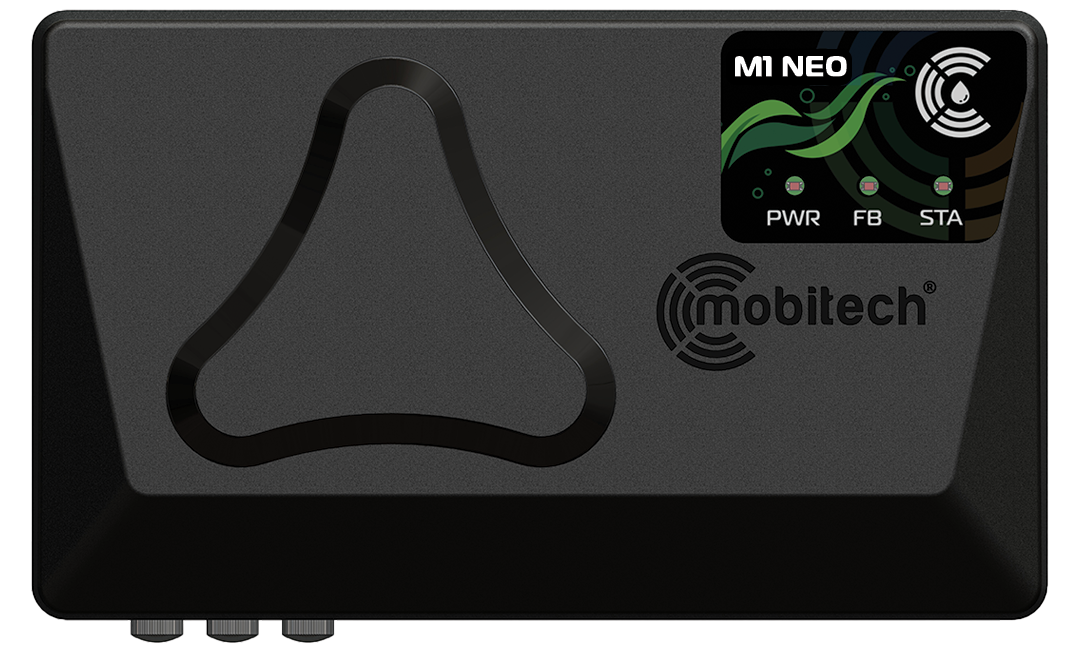
For farmers looking to move beyond completely manual irrigation, Mobitech Wireless Solution provides irrigation automation solutions for agricultural applications.
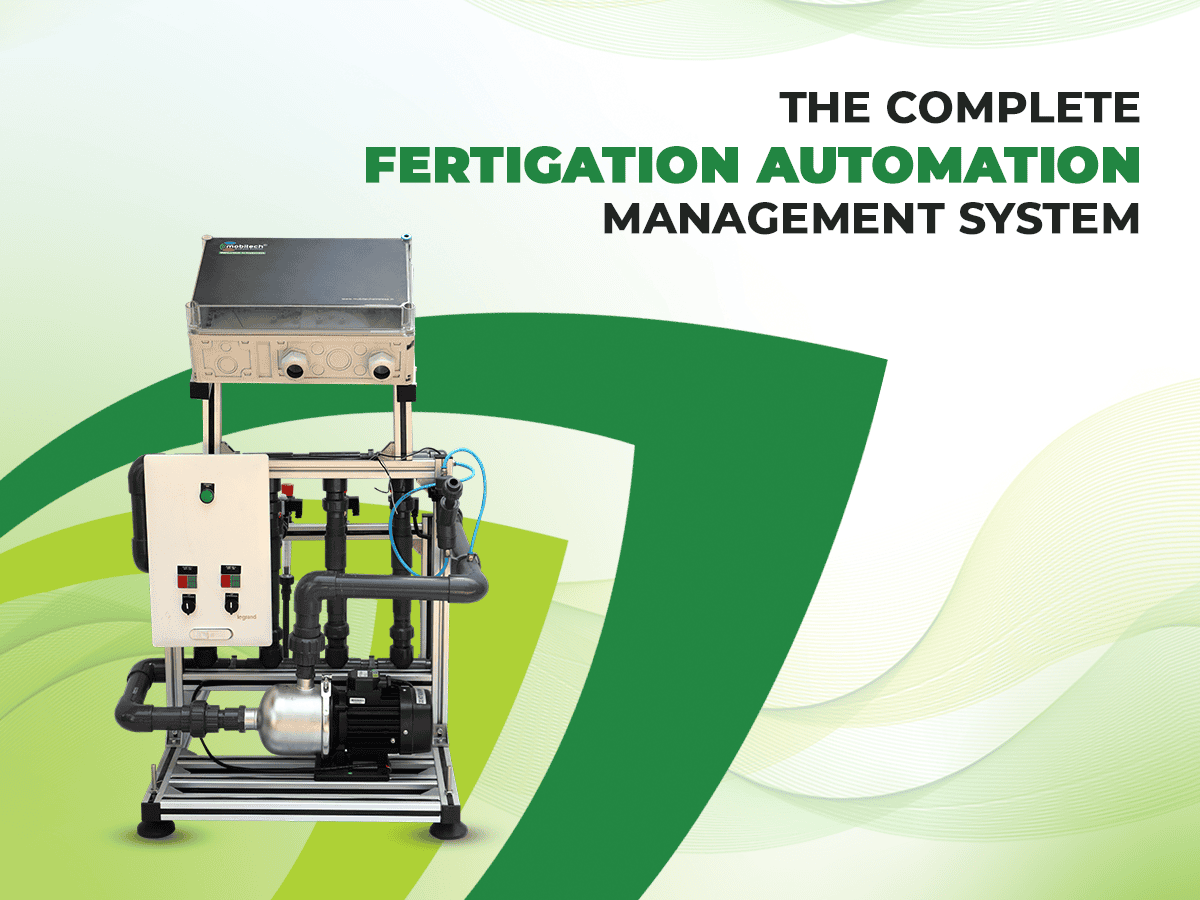
Depending on the farm’s requirements, an automated setup can bring together irrigation motors, valves, controllers and connected monitoring technologies. The appropriate configuration depends on factors such as farm size, crop, number of irrigation zones, motor arrangement, water source and existing irrigation infrastructure.
For Karur farmers: the first step is not simply choosing a controller. It is understanding the farm’s water source, irrigation layout and actual operating requirements.
Conclusion: Can Smart Irrigation Improve Water Management in Karur?
Water uncertainty is not always about a complete lack of water. In many cases, the bigger challenge is managing available water at the right time and in the right way.
For Karur farmers, smart irrigation can provide a more controlled approach to agricultural water management by bringing together automation, scheduling, remote operation and monitoring.
It cannot control rainfall or create groundwater. But it can help farmers make irrigation operation more systematic.
The smarter approach: Understand the water source → plan irrigation → automate suitable tasks → monitor operation → improve water management.
EXPLORE SMART FARMING
Ready to Make Farm Irrigation Smarter?
Explore Mobitech irrigation automation solutions for automated motor and valve control, irrigation scheduling and connected farm management.
Explore Irrigation Automation Solutions →