































Table of Contents

Irrigation Automation System in Coimbatore for a 13-Acre Banana Farm
Discover how an Irrigation Automation System in Coimbatore can help farmers manage motors, irrigation zones, and watering operations more efficiently while reducing routine manual work.
Introduction
An Irrigation Automation System in Coimbatore is helping modern farmers manage irrigation with greater convenience and control. As agricultural farms become larger and water management becomes increasingly important, automation can reduce repetitive manual operations and make irrigation scheduling more organized.
Traditional irrigation often requires farmers or farm workers to visit the field, switch pumps ON and OFF, operate valves, and monitor irrigation manually. On larger farms, repeating these tasks every day can consume considerable time and labour.
With a suitable Irrigation Automation System in Coimbatore, farmers can automate compatible irrigation operations and manage different irrigation zones more systematically. The technology can be configured according to farm size, crop type, number of motors, valves, and irrigation requirements.
13-Acre Banana Farm in Coimbatore
A successful wireless irrigation automation installation was completed for Mr. Venugopal at his 13-acre banana farm in Coimbatore, Tamil Nadu. The system was designed to make irrigation management more convenient and reduce the need for continuous manual operation.
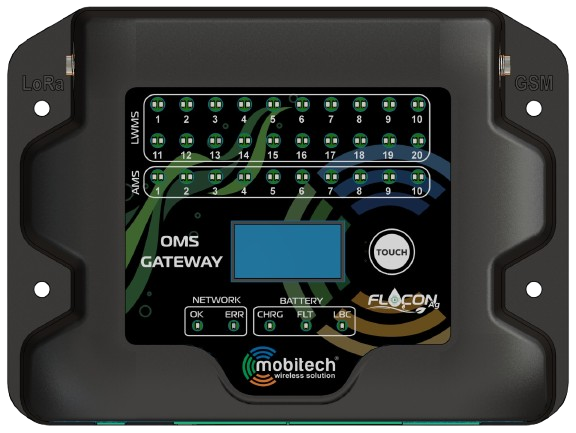
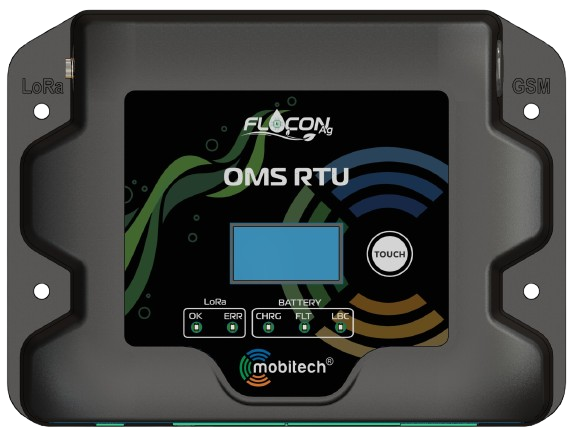
Installation Details
Customer Feedback
“I’m very satisfied with the Mobitech team. The irrigation automation works perfectly on my farm and has made irrigation management much easier.”
– Mr. VenugopalWhy Is Irrigation Automation Important for Banana Farms?
Banana cultivation requires regular and consistent irrigation. Depending on the farm layout, farmers may need to manage multiple irrigation sections and operate pumps or valves according to the crop’s requirements.
Manual irrigation management can become difficult when the farm is spread across several acres. An automated system can help organize irrigation operations and reduce repetitive tasks, allowing farmers to spend more time on other important farm activities.
Benefits of an Irrigation Automation System in Coimbatore
Efficient Water Management
Automation helps farmers manage irrigation according to predefined schedules and farm requirements, helping avoid unnecessary watering.
Reduced Labour Dependency
Automated irrigation can reduce the need for workers to repeatedly operate pumps and irrigation valves manually.
Convenient Motor Control
Compatible irrigation motors can be managed through an automation system, reducing the need for routine physical operation.
Better Irrigation Scheduling
Farmers can configure irrigation schedules according to crop requirements and the layout of different farm zones.
Remote Monitoring Options
Depending on the system configuration, farmers can monitor and control compatible irrigation equipment remotely.
Improved Farm Management
Bringing motors, valves, schedules, and monitoring into one system can make routine irrigation management more organized.
How Does Irrigation Automation Work?
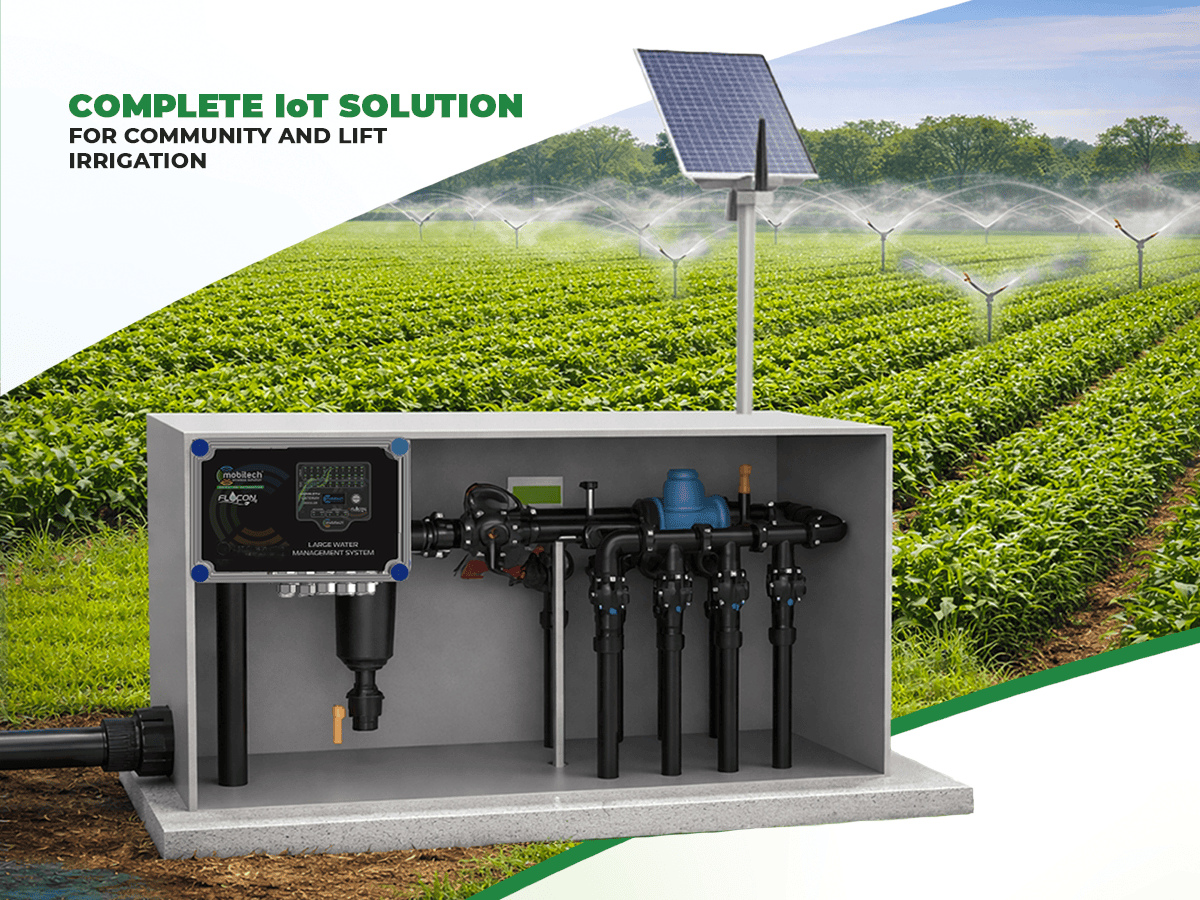
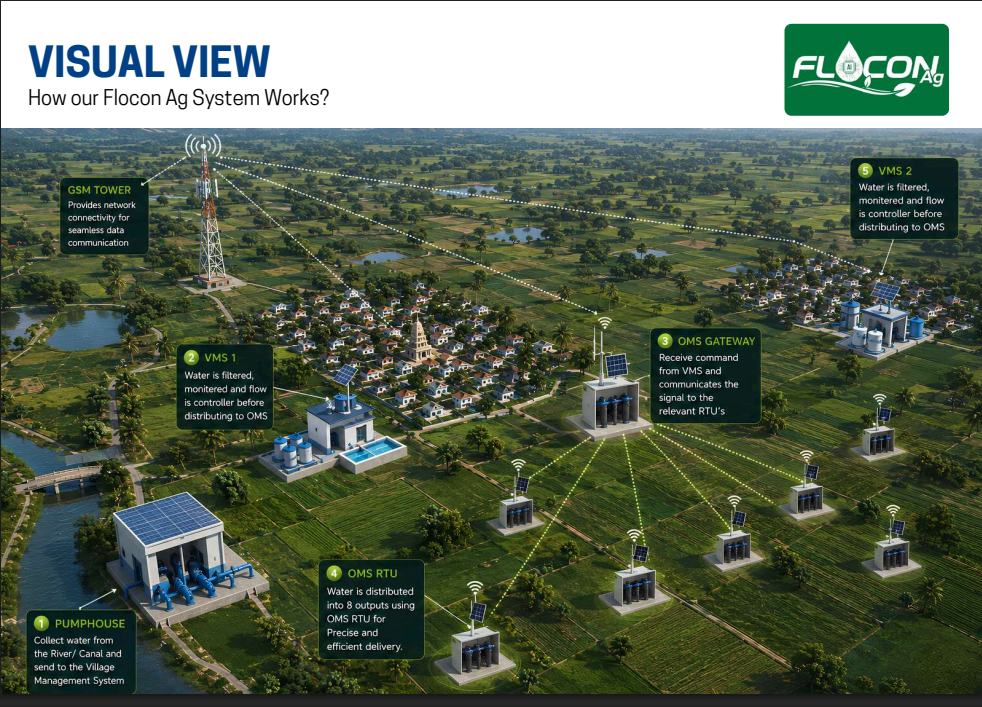
An irrigation automation system connects irrigation equipment with a controller that manages different operations according to configured requirements. Depending on the installation, the system can include motor control, irrigation valves, sensors, communication equipment, and monitoring features.
Irrigation Requirements Are Identified
The farm layout, crop type, motors, irrigation zones, valves, and water sources are considered before designing the automation setup.
The Controller Manages Irrigation
The automation controller manages connected irrigation equipment according to configured schedules and operating conditions.
Motors and Valves Operate
Compatible motors and irrigation valves can be operated automatically, helping manage different irrigation sections of the farm.
Farmers Monitor the System
Where remote monitoring is included, farmers can check irrigation status and operate supported equipment without being physically present at the farm.
Irrigation Automation for Farms in Coimbatore
Coimbatore has a wide range of agricultural activities, including banana, coconut, vegetables, turmeric, and other crops. Farms can vary significantly in size, irrigation method, water source, and number of irrigation zones.
Because every farm has different requirements, an irrigation automation solution should be selected based on the actual field conditions. Farm size, number of motors, number of valves, communication requirements, water sources, and crop type can all influence the system design.
What Should Farmers Consider Before Automation?
Consider the total area that needs irrigation automation.
Identify how many irrigation pumps need to be controlled.
Calculate how many irrigation zones need independent control.
Check the distance between controllers, valves, sensors, and other field devices.
Consider borewells, tanks, reservoirs, and other available water sources.
Different crops may require different irrigation schedules and zone configurations.
Traditional Irrigation vs Irrigation Automation
| Feature | Traditional Irrigation | Automated Irrigation |
|---|---|---|
| Motor Operation | Mostly manual | Automated or remote options |
| Valve Operation | Manual | Automated control options |
| Monitoring | Physical inspection | Remote monitoring options |
| Scheduling | Manual | Automated scheduling options |
Smart Farming with Mobitech Wireless Solution
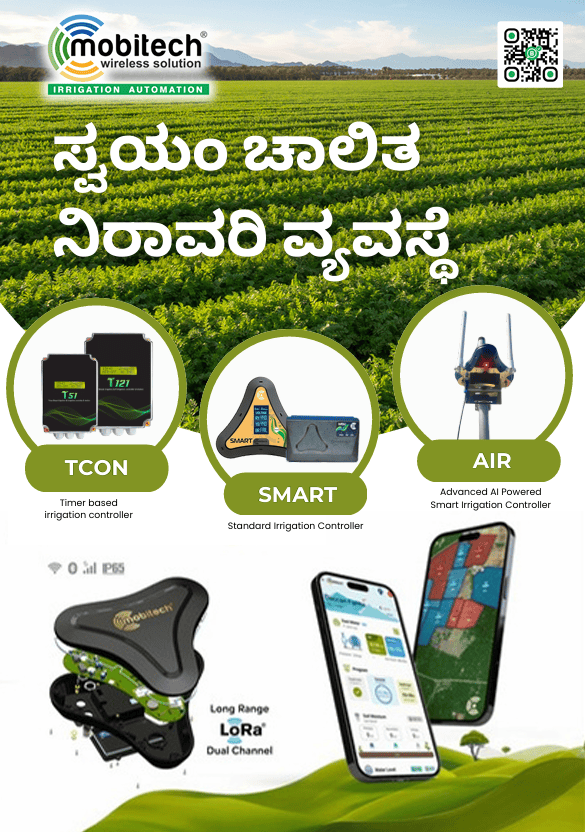
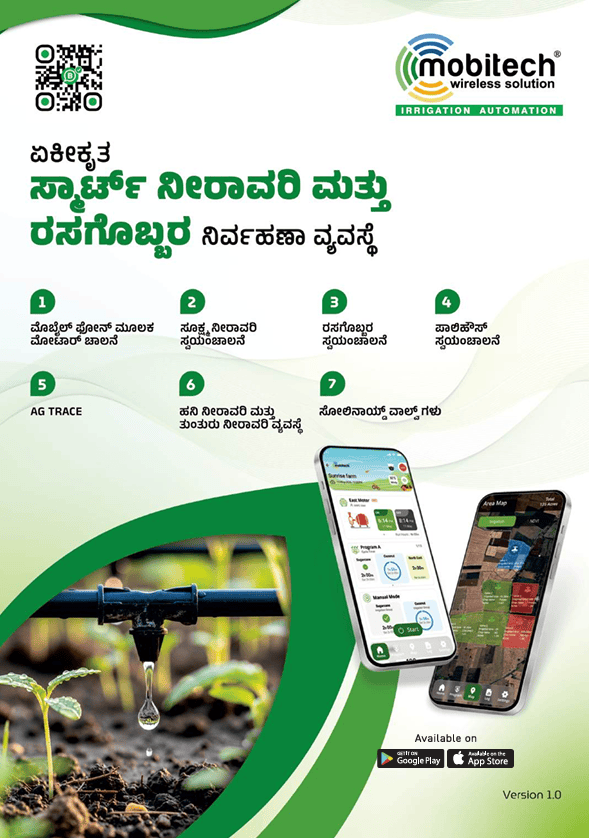
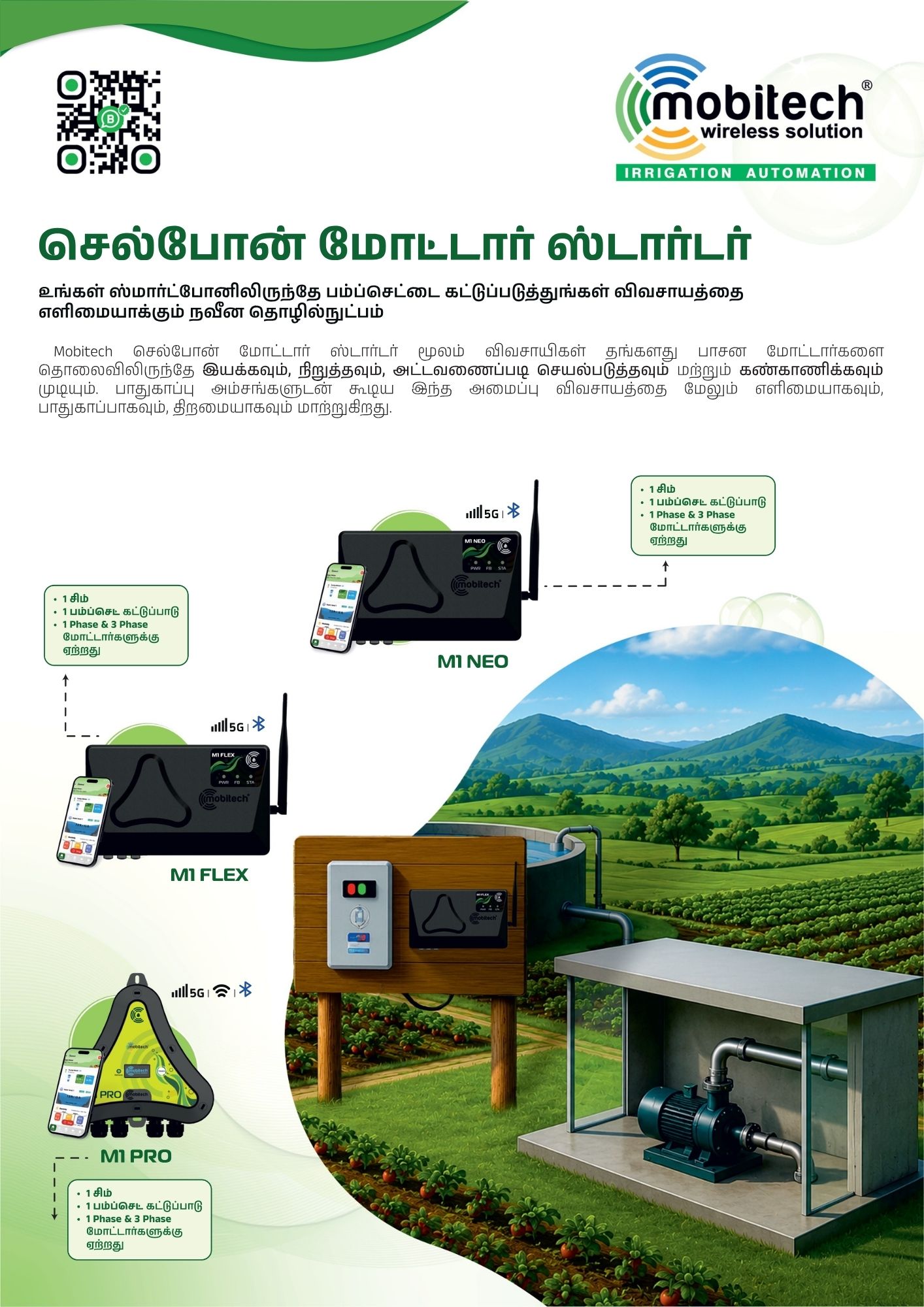
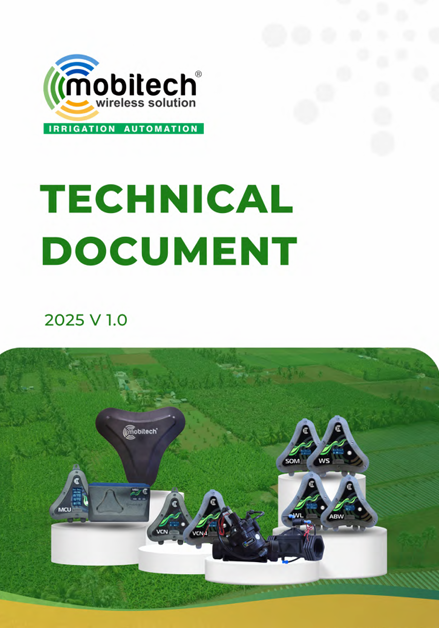
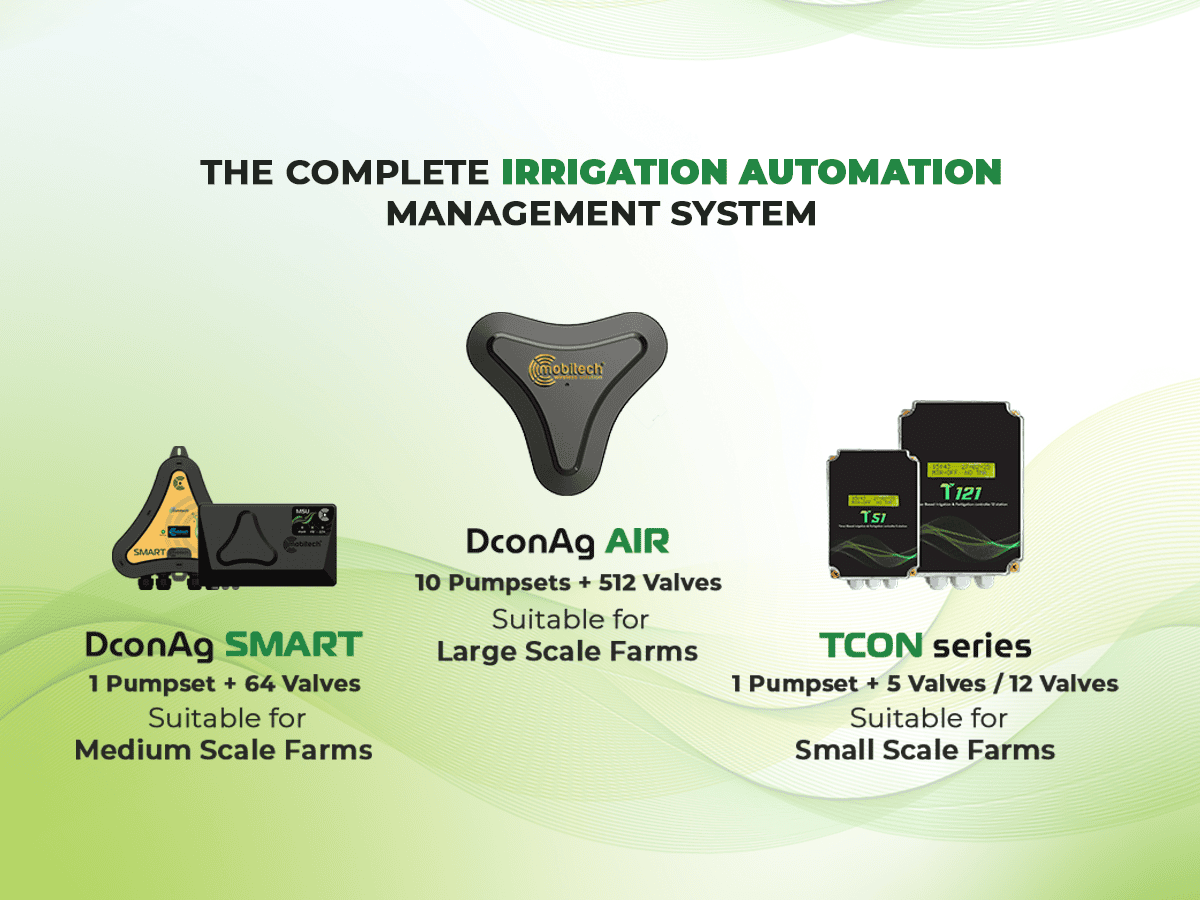
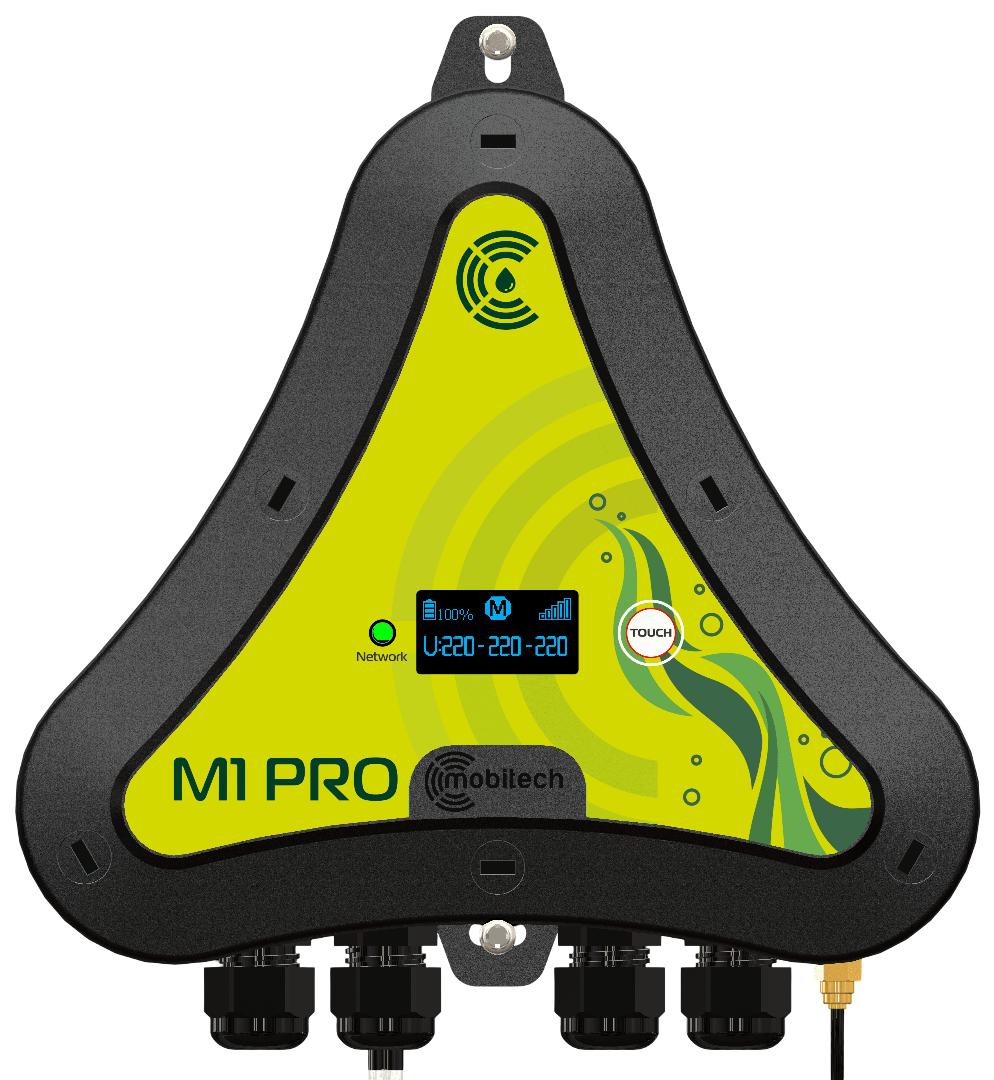
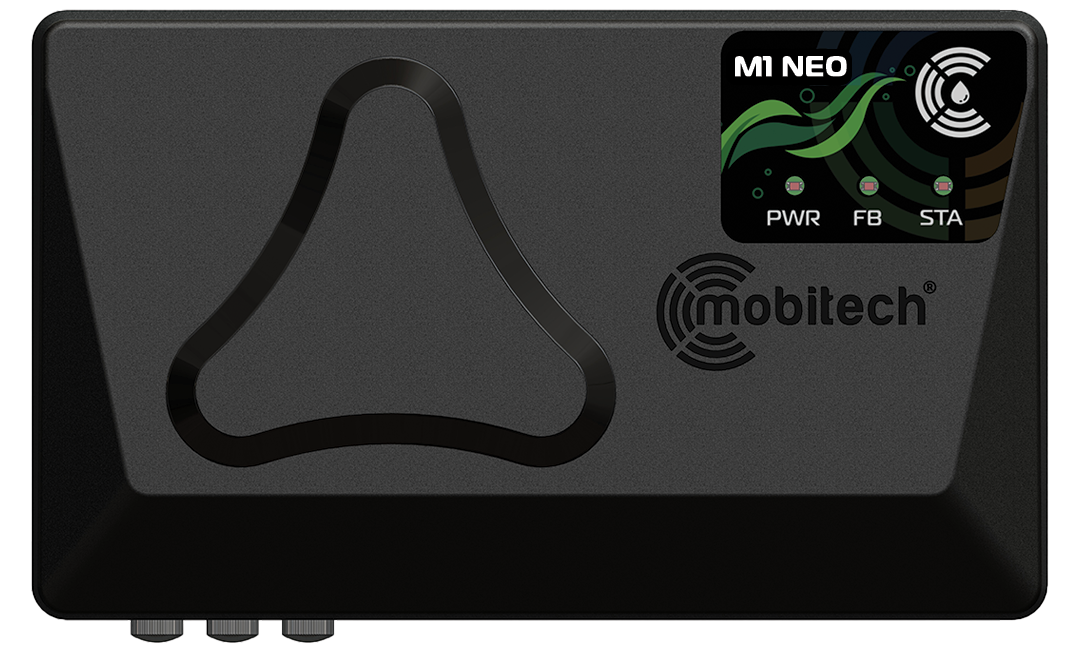
Mobitech Wireless Solution provides irrigation automation solutions designed for different agricultural applications. Depending on farm requirements, the solutions can support motor control, irrigation valve management, scheduling, wireless communication, and monitoring features.
For farms in Coimbatore and other agricultural regions, the right automation configuration can be planned based on the crop, farm area, irrigation layout, number of motors, number of valves, and required level of control.
The Future of Irrigation Automation in Coimbatore
As farms become larger and farmers look for more efficient ways to manage water and labour, irrigation automation is becoming an important part of modern agriculture.
Connected irrigation technologies can bring motor control, valve management, scheduling, sensors, and remote monitoring together into a more organized farm management system.
- Better Water Management: Organize irrigation according to farm requirements.
- Reduced Manual Work: Automate repetitive irrigation operations.
- Improved Monitoring: Gain better visibility into connected irrigation equipment.
- Scalable Automation: Design the system according to current and future farm requirements.
Conclusion
An Irrigation Automation System in Coimbatore can help farmers simplify routine irrigation management and improve control over agricultural operations. For a 13-acre banana farm like Mr. Venugopal’s installation, wireless automation can provide a practical way to manage irrigation with less dependence on repeated manual operation.
From motor operation and valve management to irrigation scheduling and remote monitoring, automation can be configured according to the specific requirements of each farm.
Smart irrigation is not about replacing the farmer. It is about giving farmers better tools, better control, and better visibility for managing their farms.
Want to Automate Your Farm?
Tell us about your farm, crop, motors, water sources, and irrigation zones to explore a suitable automation solution.
Talk to Our Irrigation Experts