IoT Based Smart Irrigation System: Water Your Crops Smarter, Even When You’re Miles Away
Discover how an IoT Based Smart Irrigation System helps farmers remotely monitor and control irrigation, automate watering, and manage farm water more efficiently.
Introduction
IoT Based Smart Irrigation System technology is changing the way farmers manage water, motors, valves, and irrigation schedules. Instead of visiting the field regularly to switch on the motor, open valves, check water flow, and stop irrigation manually, farmers can use connected technology to monitor and manage irrigation more efficiently.
But what if your farm is several kilometres away from your home? What if you need to manage irrigation while travelling or working in another city? This is where IoT-based technology can make a practical difference.
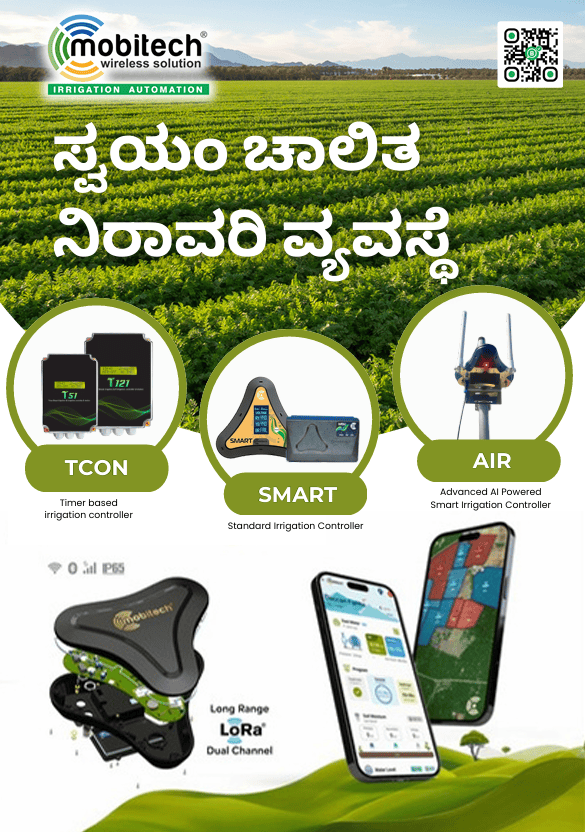
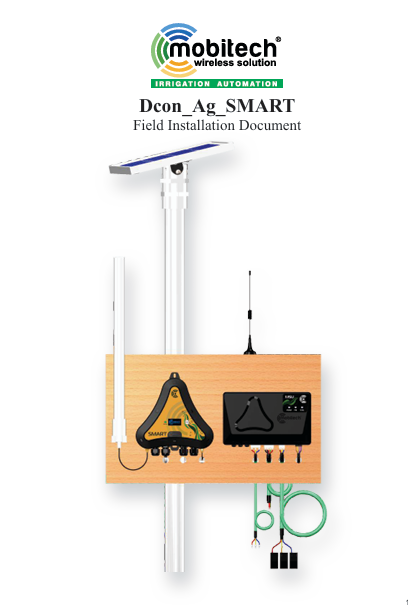
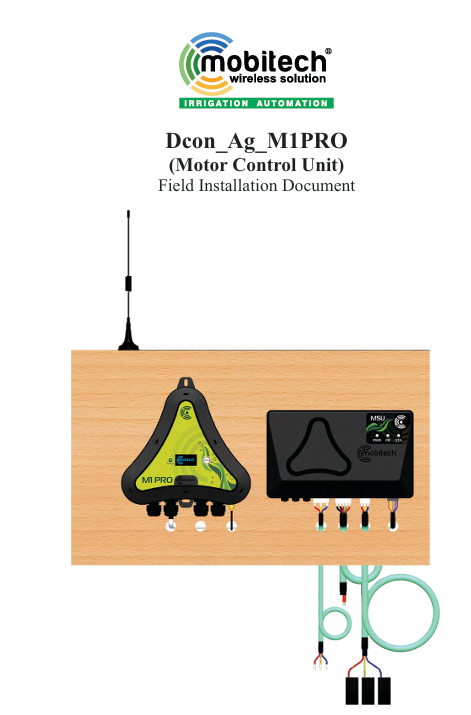
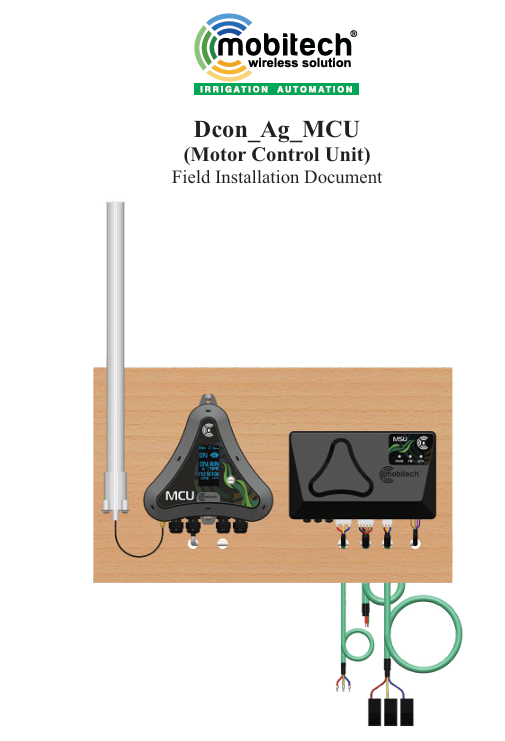
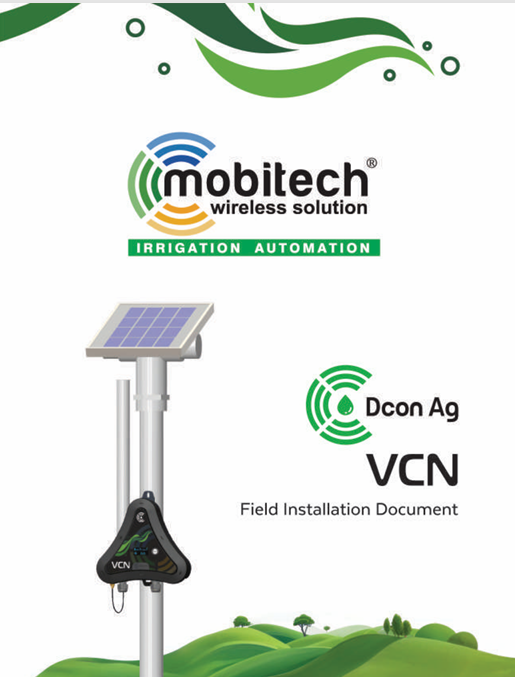
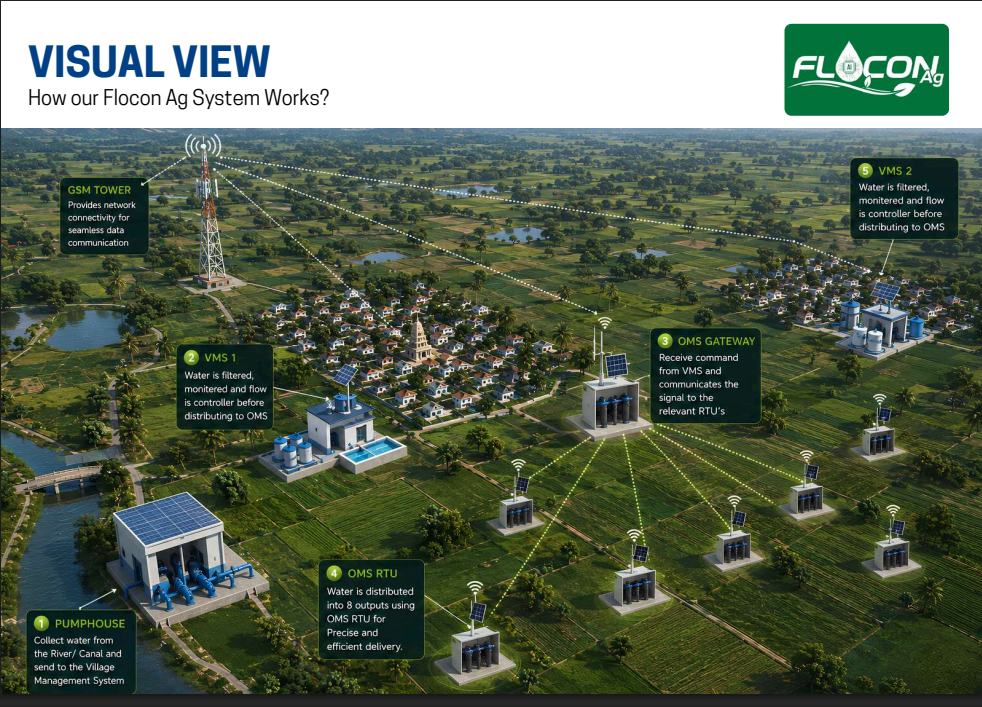
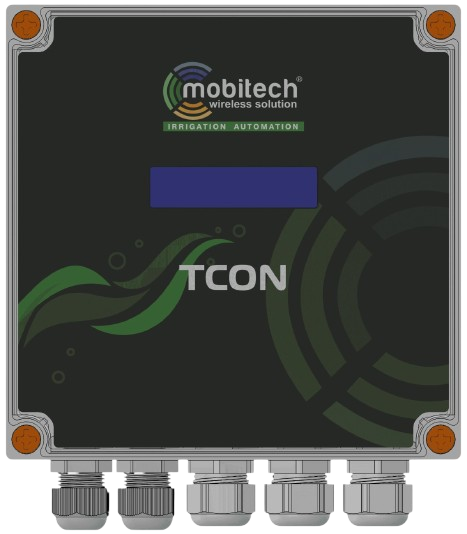
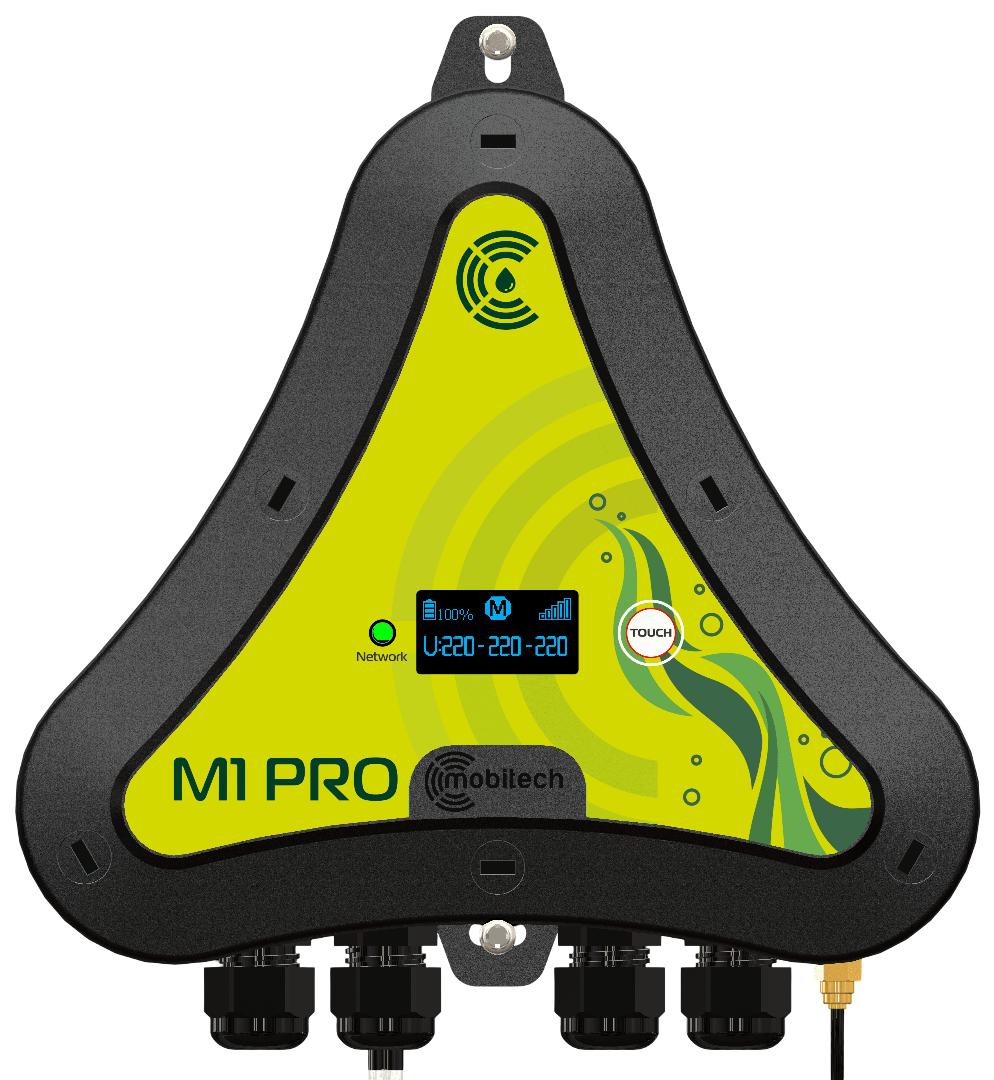
An IoT Based Smart Irrigation System connects irrigation equipment with smart controllers, sensors, communication technology, and remote monitoring platforms. Farmers can monitor important irrigation activities and control compatible equipment remotely, helping make farm irrigation more convenient, organized, and automated.
Smart irrigation connects the farm to the farmer.
With the right automation setup, irrigation equipment can be monitored and controlled remotely, reducing the need for routine manual operation.
What Is an IoT Based Smart Irrigation System?
An
IoT Based Smart Irrigation System is a connected irrigation solution that uses Internet of Things technology to monitor and control agricultural irrigation equipment.
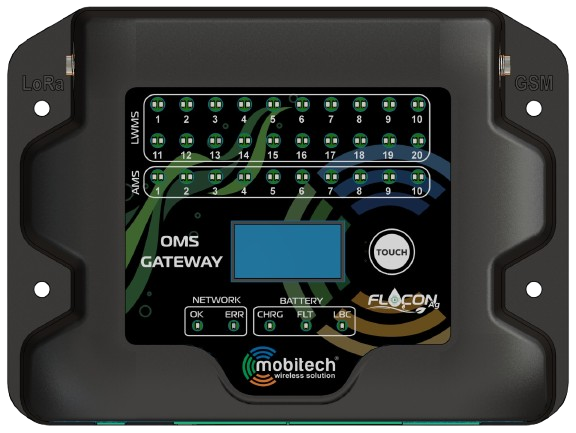
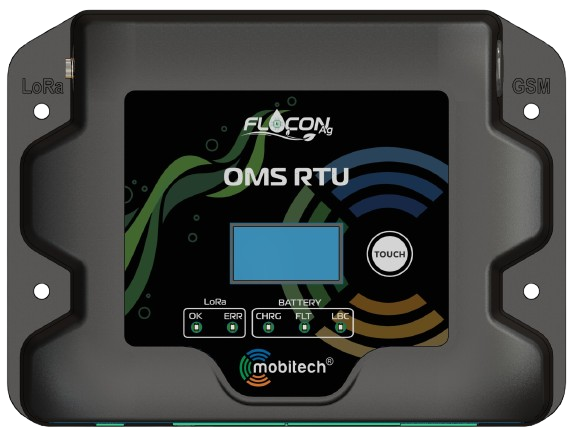
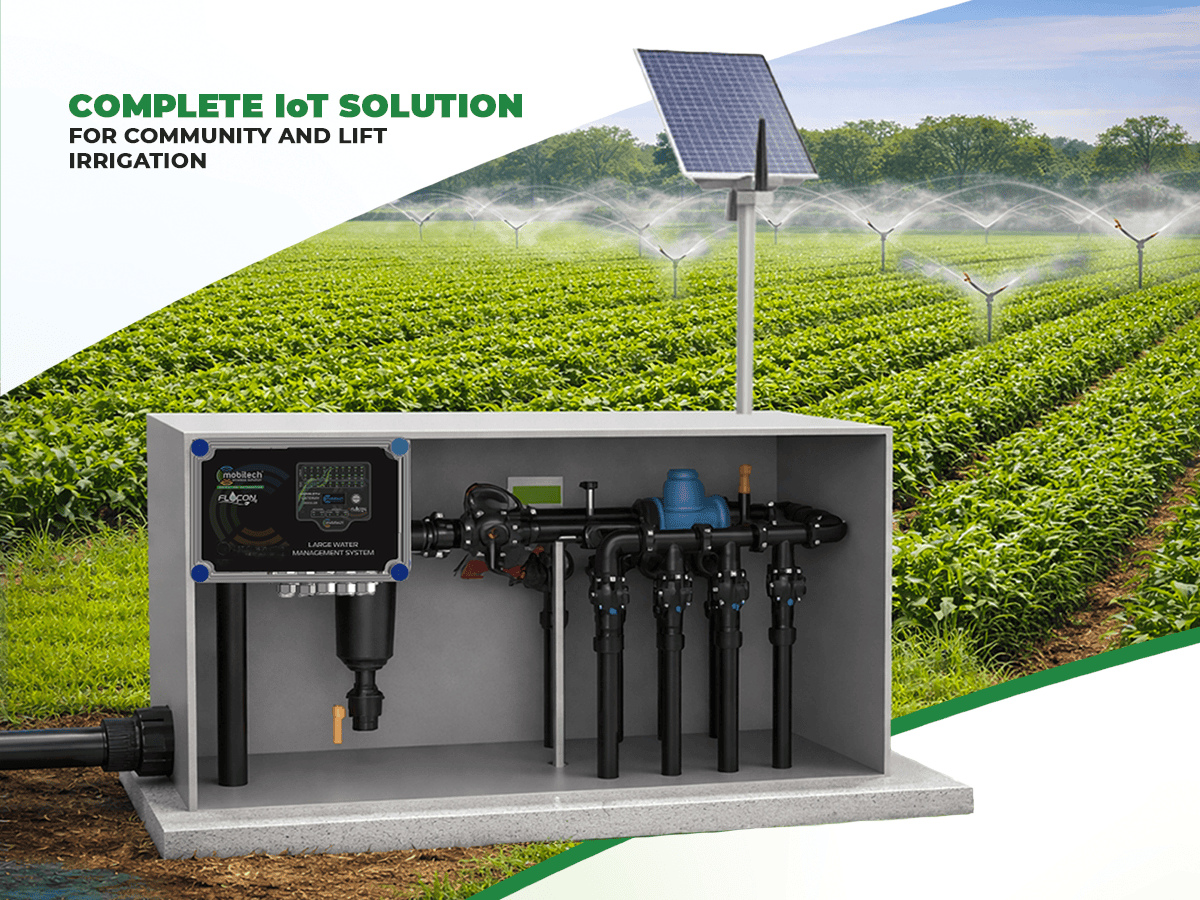
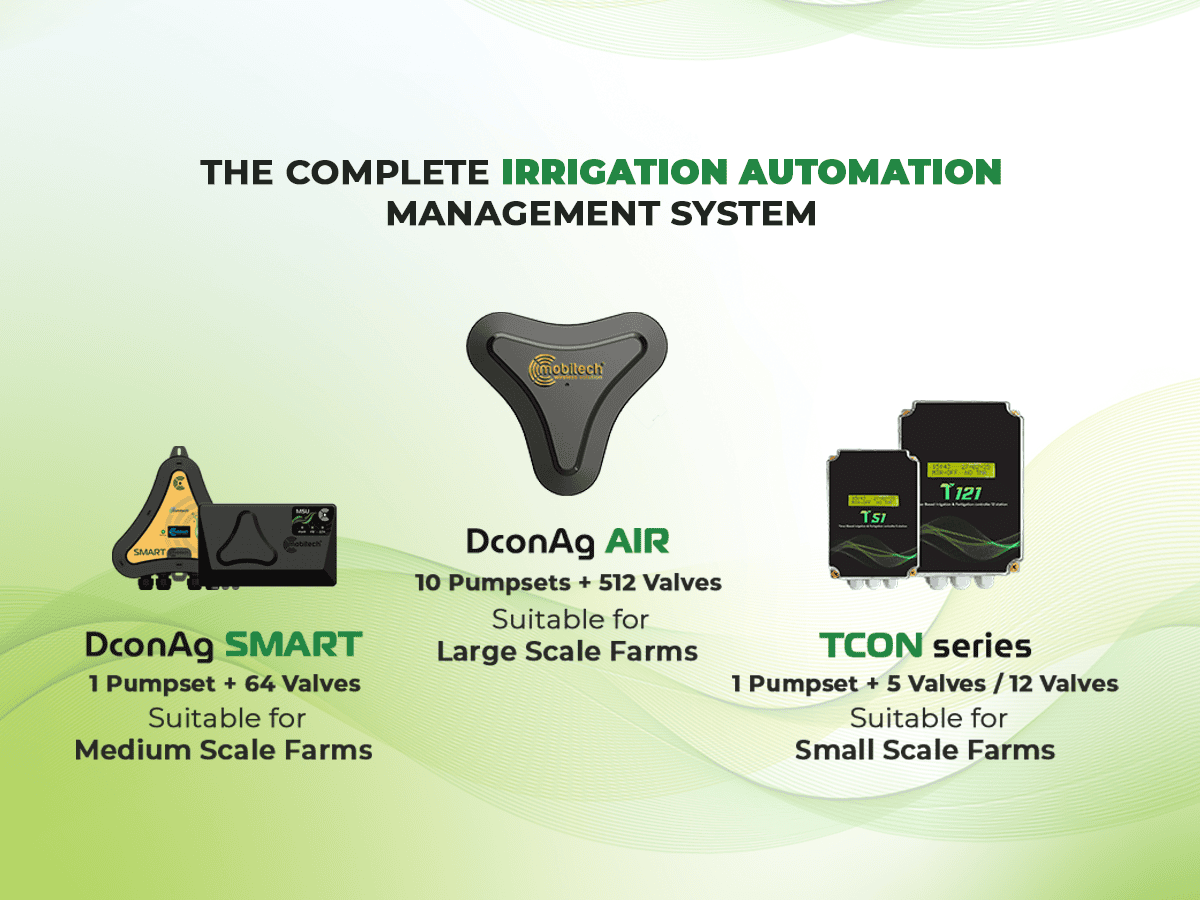
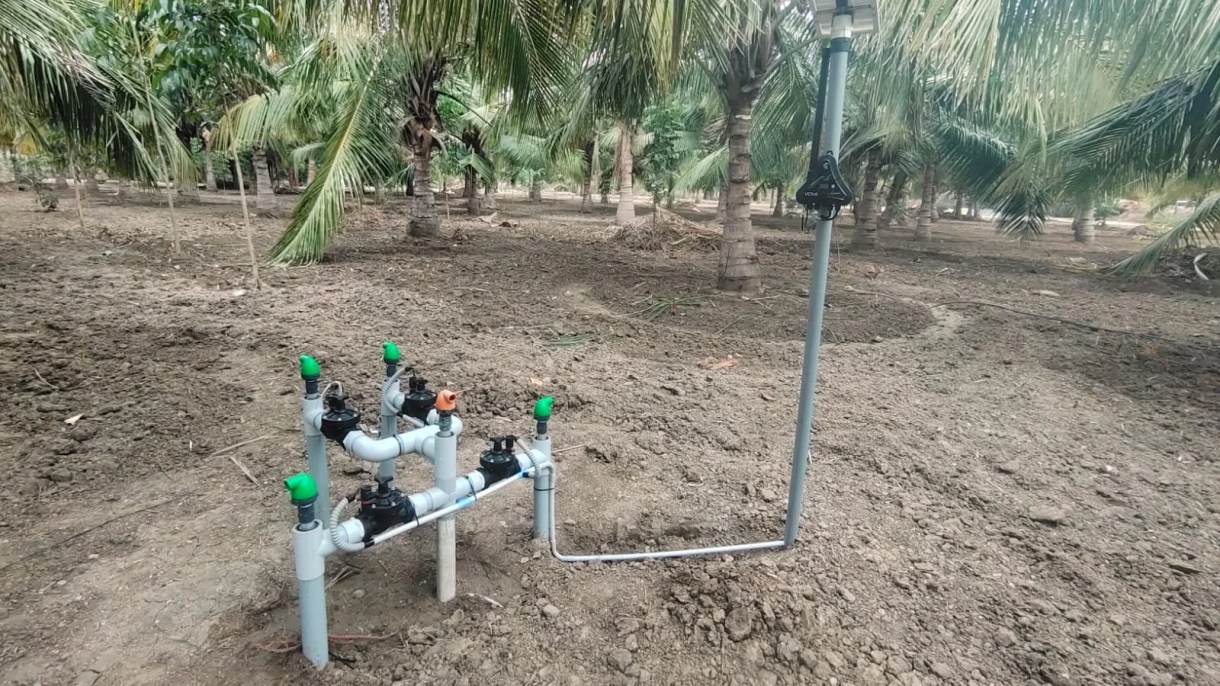
Instead of operating every component manually, farmers can connect devices such as irrigation controllers, motors, valves, water-level sensors, pressure sensors, and other field devices to a centralized system.
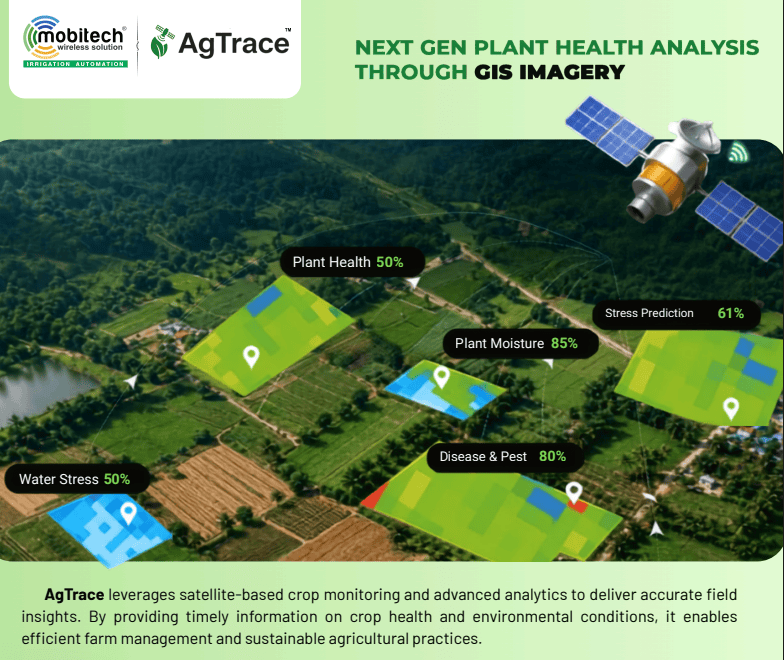
Depending on the system configuration, farmers can use a mobile or web-based platform to monitor irrigation status and operate connected equipment remotely.
A typical IoT smart irrigation setup may include:
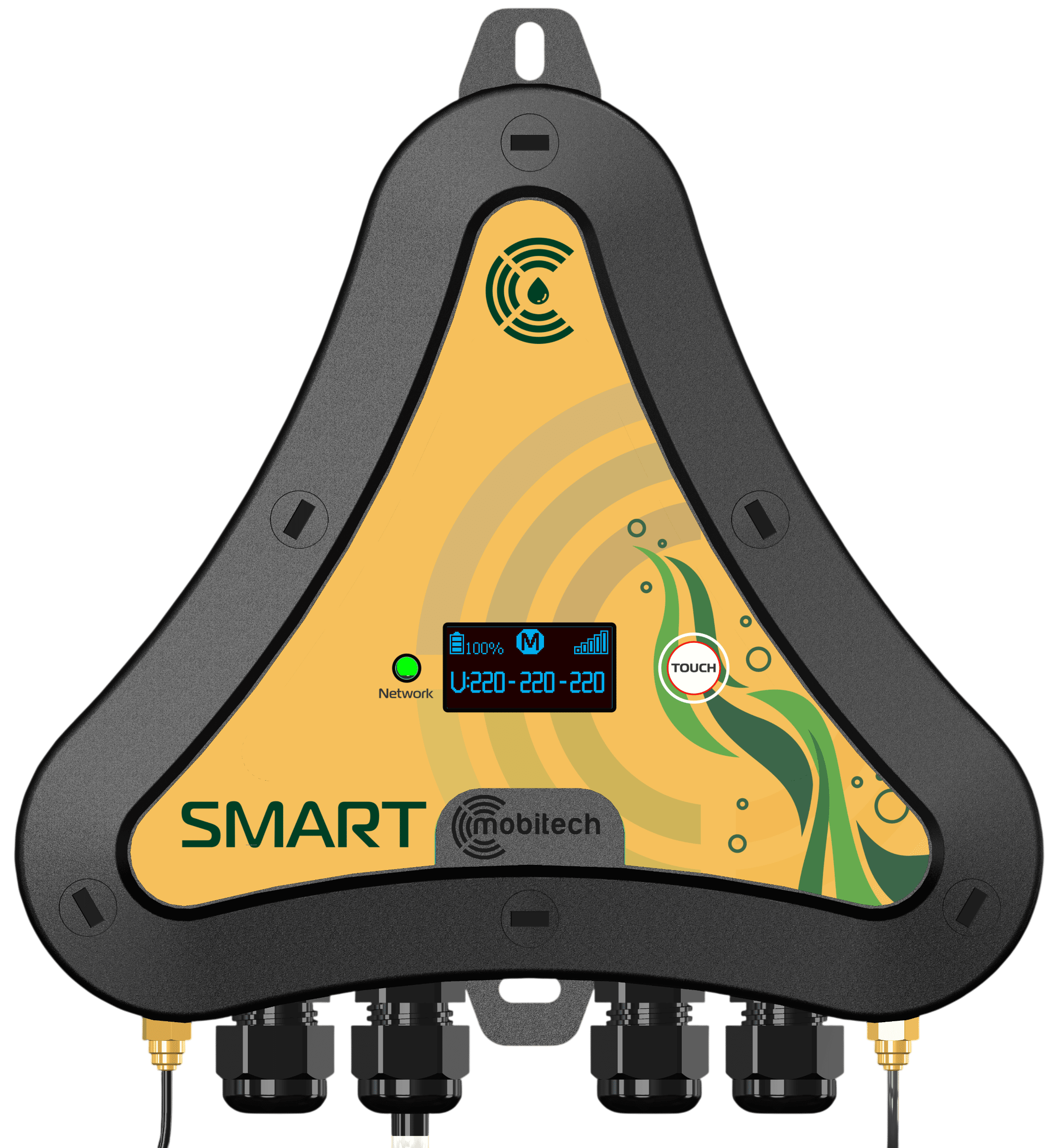
- Smart irrigation controller
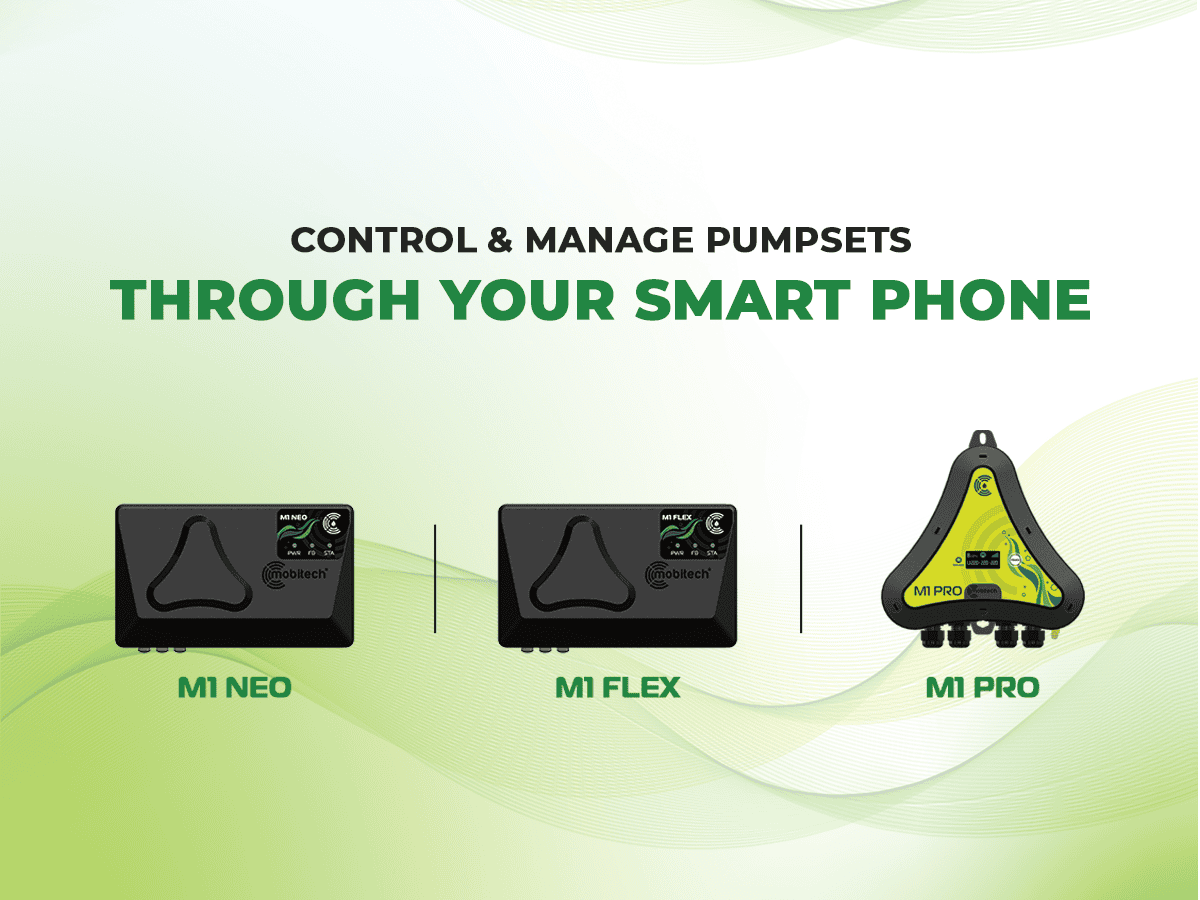
- Automatic motor control
- Wireless or wired irrigation valves
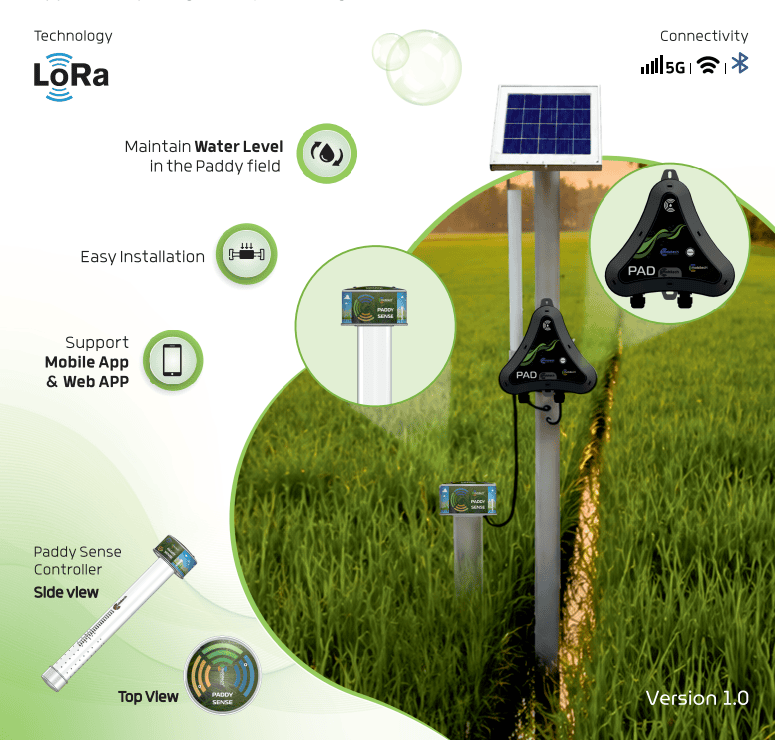
- Water-level monitoring
- Soil moisture monitoring
- Pressure monitoring
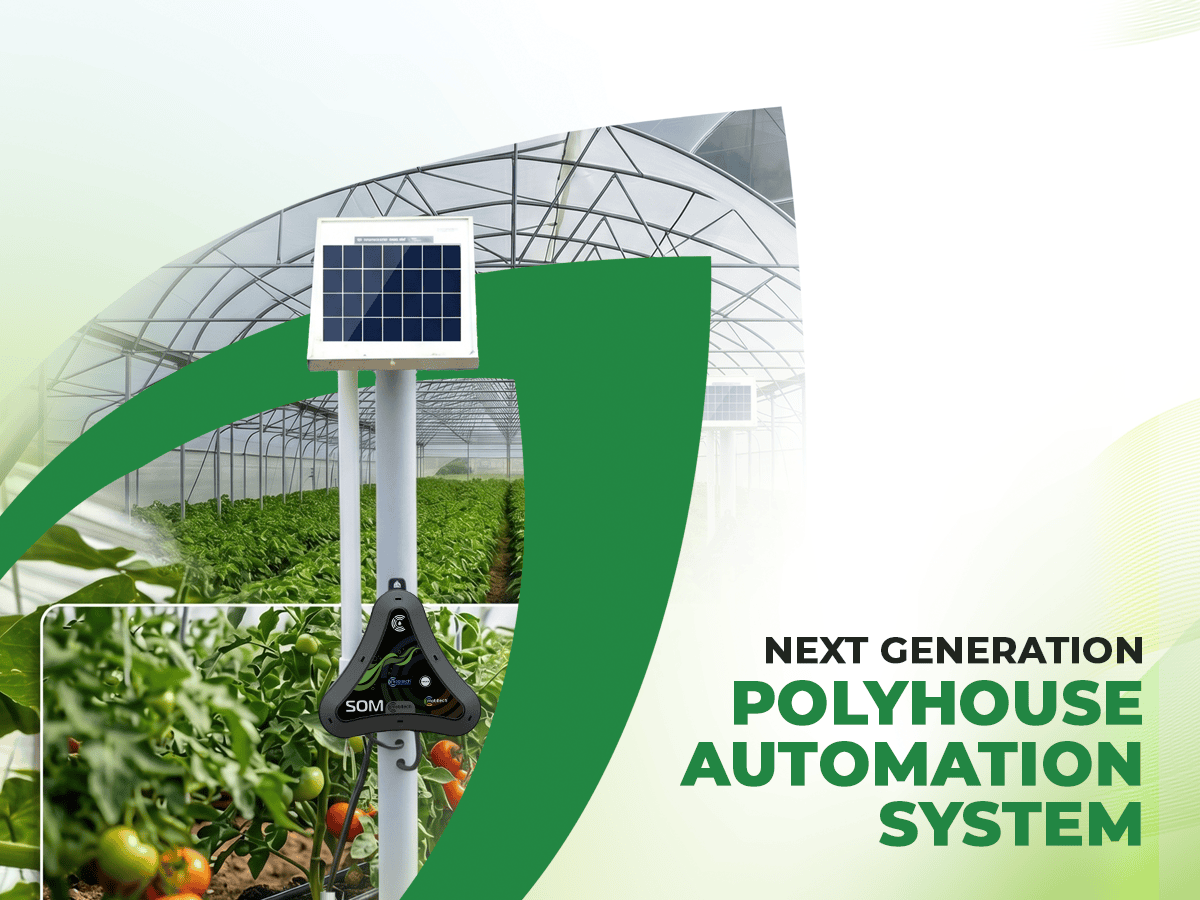
- Temperature and weather sensors
- Remote mobile monitoring
- Automated irrigation schedules
- Multiple irrigation zone control
How Does an IoT Based Smart Irrigation System Work?
The working principle of an
IoT Based Smart Irrigation System is based on connecting field equipment and collecting information that helps farmers manage irrigation more effectively.
STEP 01
Sensors Collect Field Information
Connected sensors can monitor conditions such as soil moisture, water level, temperature, pressure, and other parameters depending on the system installed on the farm.
STEP 02
The Controller Processes the Information
The irrigation controller receives information from connected devices and manages irrigation equipment according to configured settings, schedules, and farm requirements.
STEP 03
Motors and Valves Are Controlled
The system can operate compatible irrigation motors and valves. Different irrigation zones can be managed according to crop layout and irrigation requirements.
STEP 04
Farmers Monitor Irrigation Remotely
Through a connected mobile or web platform, farmers can check irrigation status and control supported equipment without always being physically present at the farm.
STEP 05
Irrigation Can Be Automated
Predefined irrigation schedules can automate repetitive watering operations and reduce the need for farmers to manually operate the same irrigation process every day.
Why Do Farmers Need IoT Smart Irrigation?
Managing irrigation manually becomes increasingly difficult as farm size increases. A farm may have several motors, irrigation zones, valves, borewells, tanks, and different crop sections.
Without automation, farmers may have to travel to the field just to perform simple tasks such as starting a motor or changing an irrigation zone.
An
IoT Based Smart Irrigation System brings these operations into a connected environment. It can help farmers monitor irrigation remotely, automate repetitive operations, and gain better visibility into what is happening in the field.
Benefits of an IoT Based Smart Irrigation System
Operate compatible irrigation motors remotely through a connected platform instead of travelling to the pump location for every irrigation cycle.
Smart Valve Management
Manage different irrigation zones using smart valves according to the farm’s irrigation requirements.
Automated Scheduling
Configure irrigation schedules based on crop requirements, irrigation methods, and farm conditions.
Monitor suitable water sources remotely when compatible water-level sensors are installed.
Fewer Routine Farm Visits
Remote monitoring can reduce trips required for routine irrigation operations.
Better Irrigation Visibility
Bring motors, valves, sensors, and schedules into a connected irrigation management environment.
Manage Your Farm Even When You Are Miles Away
Imagine that your farm is located 50 kilometres away from your home. Every time irrigation is required, you may need to travel to the farm, start the motor, open the required valves, monitor irrigation, and return later to stop the system.
This repeated process can consume considerable time and effort.
With an IoT Based Smart Irrigation System, compatible irrigation equipment can be connected to a remote control platform. Instead of physically visiting the farm for every routine operation, you can monitor and control supported irrigation functions remotely.
IoT Based Smart Irrigation for Different Crops
An IoT-based irrigation solution can be adapted to different types of farms depending on crop requirements, irrigation methods, farm size, and the number of irrigation zones.
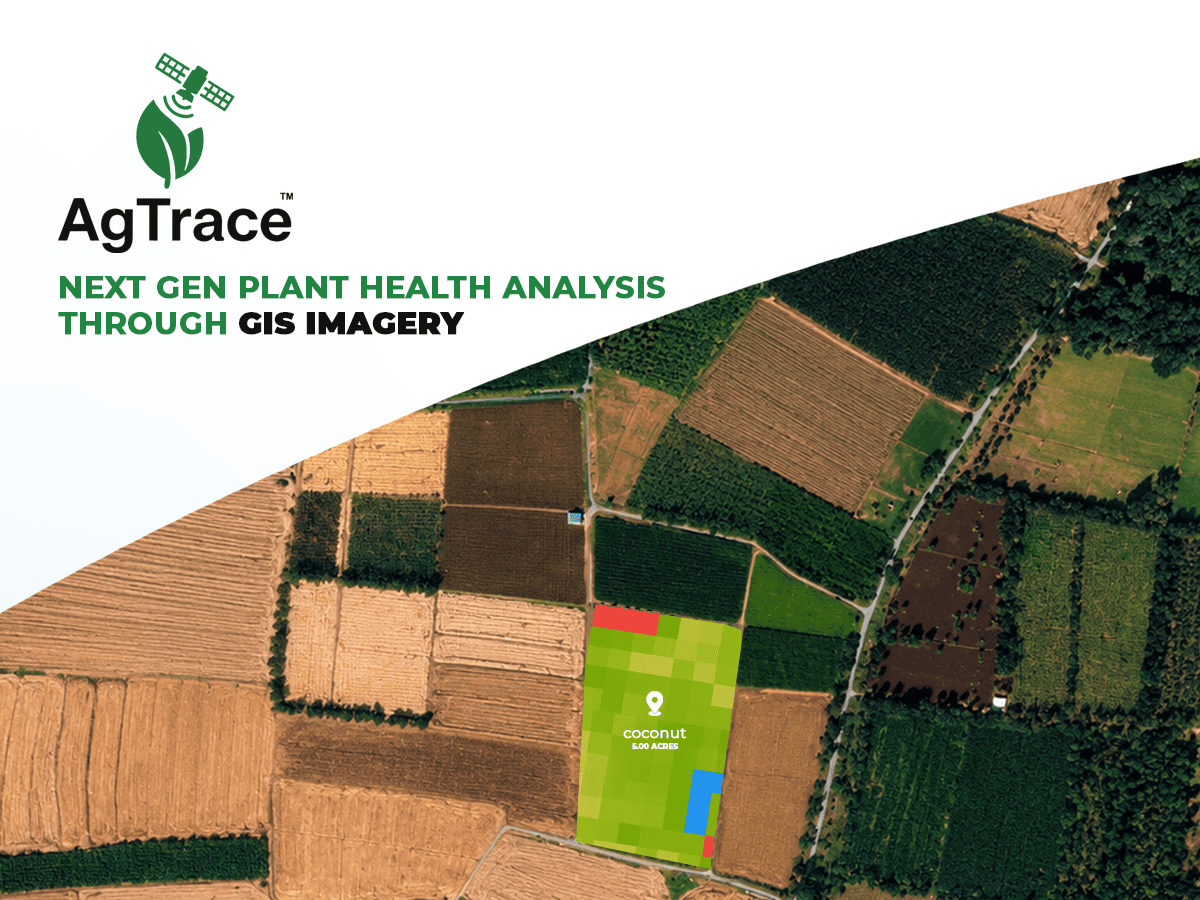
- Coconut Farms: Manage multiple irrigation sections with smart valve and motor control.
- Mango Orchards: Control irrigation zones systematically across orchard sections.
- Banana Farms: Use automated schedules for regular irrigation management.
- Pomegranate Farms: Manage irrigation zones and monitor important field conditions.
- Oil Palm Farms: Centralize irrigation management across larger plantation areas.
- Vegetable Farms: Schedule and manage irrigation according to crop requirements.
Key Features to Look For
- Remote motor ON/OFF control
- Multiple valve control
- Automatic irrigation scheduling
- Water-level monitoring
- Soil moisture monitoring
- Pressure monitoring
- Mobile or web-based monitoring
- Wireless communication options
- Multiple irrigation zone management
- System expansion for future farm requirements
How to Choose the Right IoT Irrigation System
Every farm has different irrigation requirements. Therefore, choosing a smart irrigation controller should begin with understanding the farm rather than simply selecting a product based on features.
Farm Size
Determine the total area requiring irrigation automation.
Number of Motors
Identify how many irrigation pumps need control.
Number of Valves
Calculate the number of irrigation zones.
Communication Range
Check distances between controllers, valves, and sensors.
Water Sources
Consider borewells, tanks, reservoirs, and other sources.
Crop Type
Different crops may require different irrigation schedules.
Traditional Irrigation vs IoT Smart Irrigation
| Feature |
Traditional Irrigation |
IoT Smart Irrigation |
| Motor Control |
Mostly manual |
Remote and automated options |
| Valve Control |
Manual |
Smart/remote control |
| Monitoring |
Physical inspection |
Remote monitoring |
| Scheduling |
Manual |
Automated schedules |
The Future of Smart Farming
IoT technology is becoming an important part of modern agriculture. As farms become larger and water management becomes more important, connected irrigation solutions can help farmers manage their resources with greater visibility.
The future of irrigation is moving beyond simply switching a motor ON and OFF. Smart farming can combine sensors, automation, remote control, data, and intelligent decision-making to create more connected agricultural operations.
An
IoT Based Smart Irrigation System is one step toward building this connected farm environment.
Conclusion
An
IoT Based Smart Irrigation System can transform the way farmers monitor and manage irrigation. From remote motor control and smart valve operation to automated scheduling and water-level monitoring, connected technology can simplify many routine irrigation tasks.
For farmers managing fields from a distance, the ability to stay connected with the farm can make irrigation management more convenient and organized.
Smart irrigation is not about replacing the farmer. It is about giving the farmer better control, better visibility, and smarter tools for managing the farm.
Want to Automate Your Farm?
Tell us about your farm, crop, motors, and irrigation zones to explore a suitable smart irrigation solution.
Talk to Our Team