



























Table of Contents

The Importance of Irrigation Automation in Modern Farming
Agriculture is the backbone of many economies, and adopting modern technology is essential for sustainable growth. The importance of irrigation automation is increasing rapidly as farmers look for efficient ways to manage water resources, reduce dependency on manual labor, and significantly improve overall crop productivity.
Automation transforms traditional agricultural practices into smart farming operations. By integrating modern controllers, these systems manage irrigation efficiently, allowing farmers to maintain complete control over their fields remotely without continuous manual intervention.
For both small and large-scale agricultural applications, adopting automation today means securing a more resilient, profitable, and sustainable future for farming.
Why is Irrigation Automation Important?
The true value of automation lies in its ability to optimize vital resources. Water scarcity and labor shortages are becoming serious concerns in rural areas. Without accurate control, farmers may waste water, under-irrigate crops, or spend excessive time manually opening and closing valves.
Automated systems provide continuous, precise water delivery, allowing farmers to manage their fields independently, overcome workforce challenges, and make data-driven decisions that directly boost long-term profit.
What is Irrigation Automation?
Irrigation automation is the use of smart technology to control water flow in agricultural fields without manual intervention. These systems utilize a network of sensors, advanced controllers, and mobile applications to schedule and distribute water efficiently.
Depending on the setup, farmers can supply the exact amount of water needed at the optimal time. The collected data is converted into actionable insights, accessible directly from a smartphone or computer.
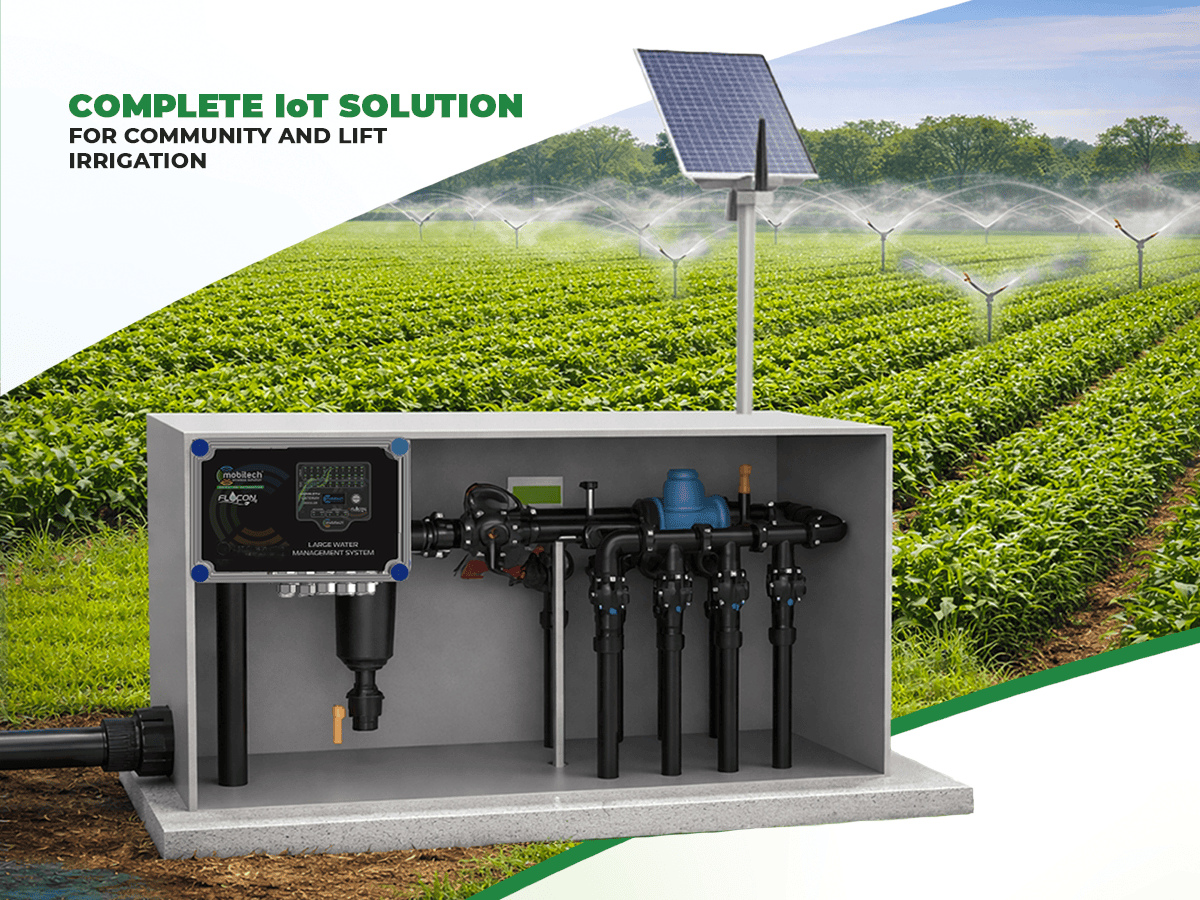
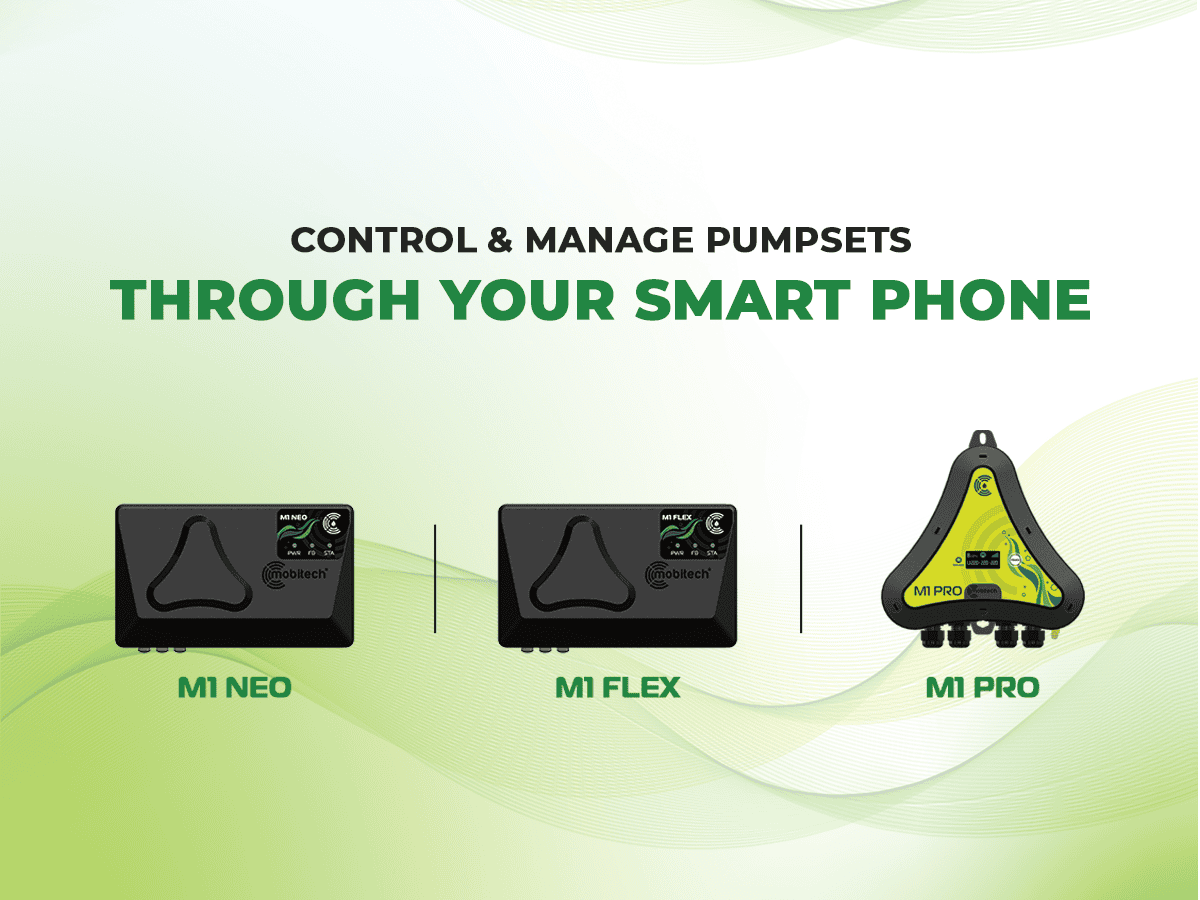
For modern farms, this technology can seamlessly integrate with motor starters, wireless valves, and fertigation systems, establishing a fully connected, high-efficiency farm management network.
How Does Smart Irrigation Automation Work?
A modern irrigation system uses controllers and field sensors to detect conditions, analyze requirements, and physically control water flow through motorized valves and pumps.
Monitor
Field sensors provide real-time data on soil moisture, weather conditions, and precise crop requirements.
Process
The smart controller analyzes the data and predefined schedules to determine the exact water volume needed.
Execute
Automated valves and motors activate automatically to distribute water efficiently across targeted zones.
Track
Farmers track operations, receive alerts, and adjust settings via a mobile application from anywhere.
Core Pillars of Irrigation Automation
Automating a farm involves several critical benefits that directly tackle modern agricultural challenges.
Supply the right amount of water at the right time, drastically reducing wastage and preserving scarce resources.
Eliminate the need for manual irrigation, allowing farmers to independently manage large fields with ease.
Access live data regarding soil conditions and weather to make informed, instant farm management decisions.
Lower operational expenses by minimizing excess water usage, electricity consumption, and labor costs.
Maintain optimal soil moisture consistently, which directly improves overall crop health and total production.
Build a scalable, technology-driven foundation necessary for long-term food production and farm success.
Where Can Irrigation Automation Be Applied?
Smart irrigation technology is highly adaptable and can be scaled across various farming environments.
- Open field agriculture and row crops
- High-density orchards and vineyards
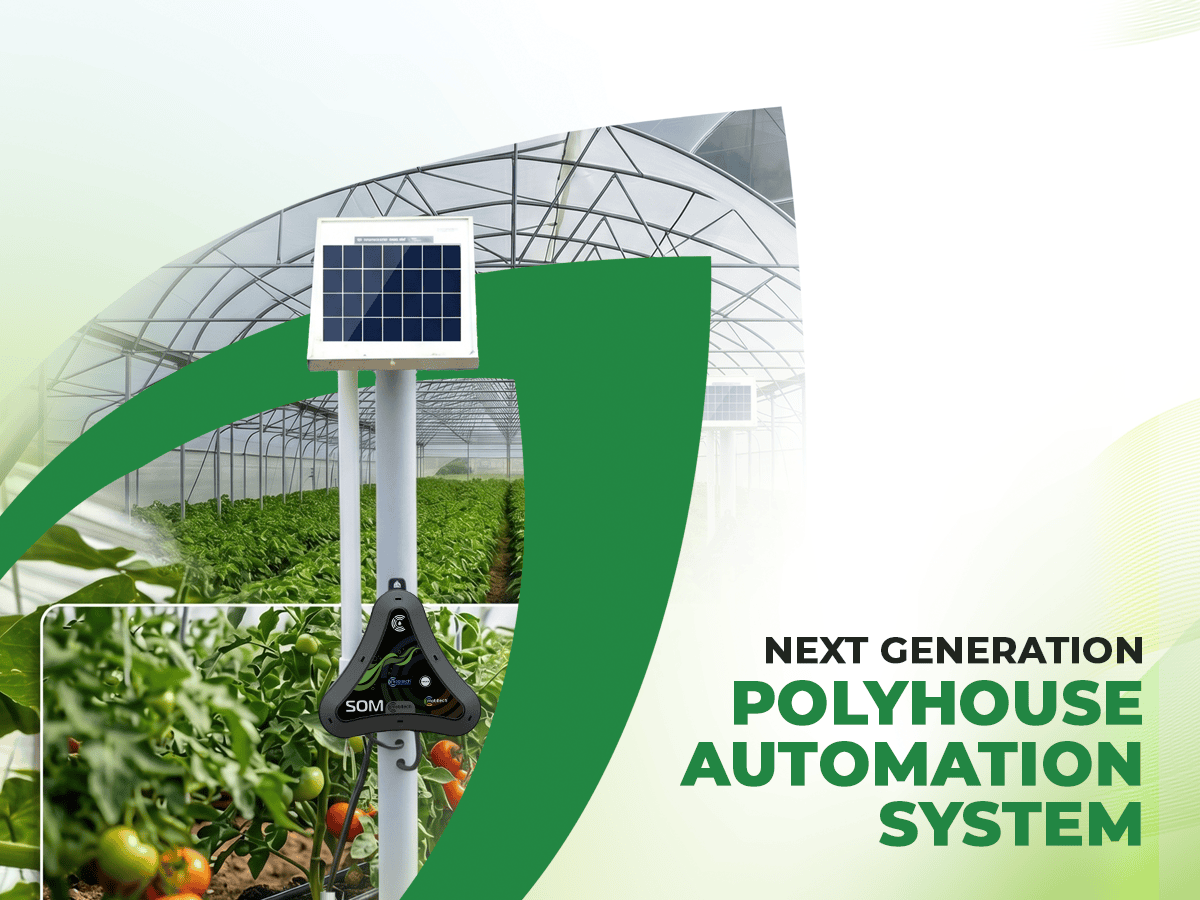
- Greenhouses and polyhouses
- Commercial precision farming setups
- Nurseries and landscape management
Important Implementation Tip
Initial setup is crucial for success. Ensure your farm is mapped accurately into irrigation zones, and verify that wireless controllers have adequate signal strength across the field for uninterrupted communication with pumps and valves.
Benefits of Automation in Agriculture
1. Eliminates Water Wastage
Precise scheduling ensures crops only receive water when needed, preventing runoff and deep percolation.
2. Overcomes Labor Challenges
With labor becoming scarcer, automation handles the physical task of operating field valves and starting motors.
3. Better Crop Health
Consistent moisture levels prevent the stress of under or over-watering, leading to robust plant growth.
4. Significant Cost Savings
While initial investment is required, reduced utility bills and lower wages quickly offset the costs.
5. Mobile Convenience
Manage your entire farm’s irrigation cycles from the palm of your hand, anytime and anywhere.
Irrigation Automation for Different Methods
| Method | Automation Advantage |
|---|---|
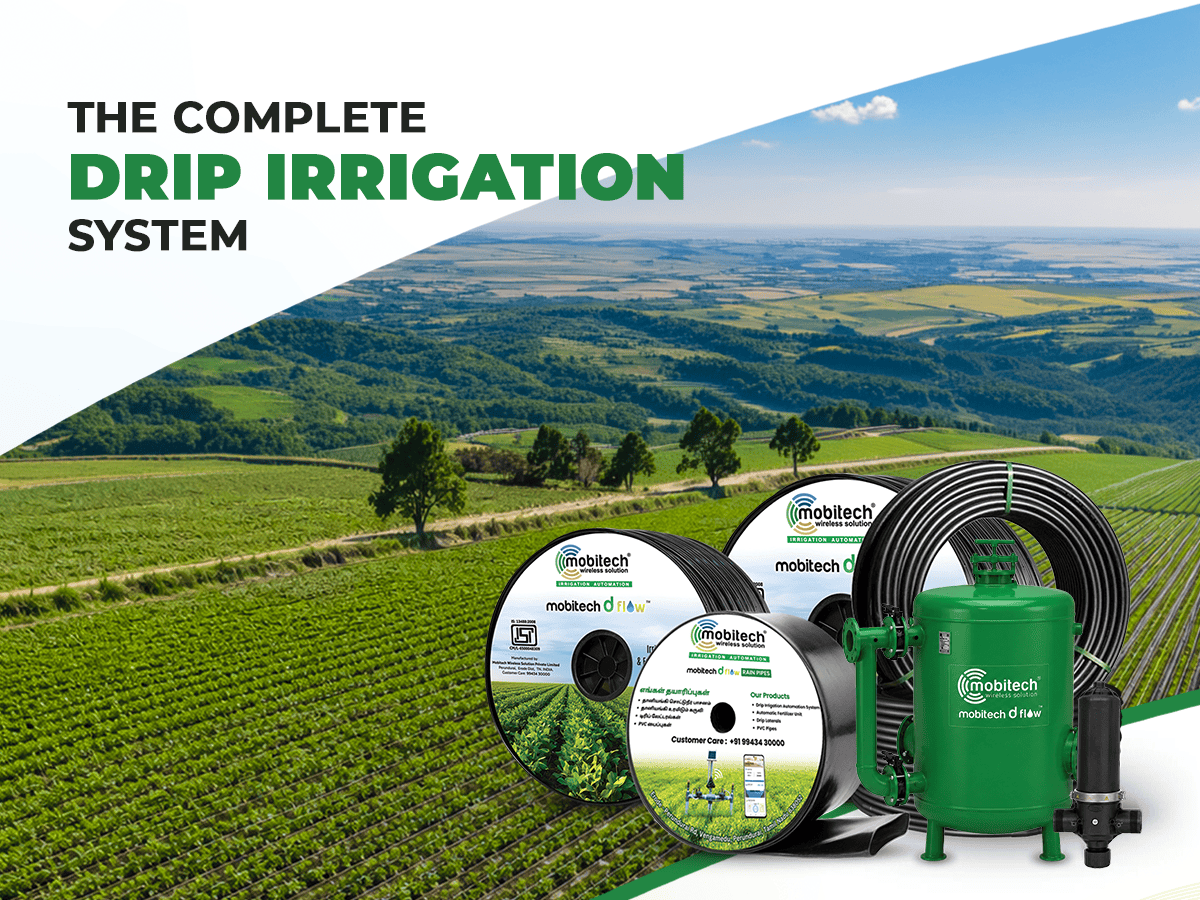
| Drip Irrigation | Delivers micro-doses of water directly to plant roots with maximum efficiency via timed zones. |
| Sprinkler Systems | Automates wide-area coverage based on wind and weather data to prevent evaporation loss. |
| Fertigation | Mixes and injects precise nutrient formulas seamlessly into the main irrigation line. |
| Greenhouse Control | Integrates watering schedules alongside climate, humidity, and ventilation controls. |
Common Irrigation Automation Mistakes to Avoid
To maximize the return on your smart farming investment, avoid these common implementation errors.
1. Ignoring Soil Variations
Applying uniform watering schedules without configuring zones for different soil water retention rates.
2. Poor Filtration
Failing to install or clean water filters can lead to debris clogging expensive automated solenoid valves.
3. Disregarding Connectivity
Deploying wireless nodes in remote areas without verifying GSM or LoRa signal strength first.
4. “Set and Forget” Mentality
Relying purely on static timers instead of dynamically adjusting schedules based on real-time crop feedback.
Which is the Best Irrigation Automation System?
The ideal automation system depends on the scale of your farm, crop variety, connectivity options, and whether you need integrated fertigation and motor control capabilities.
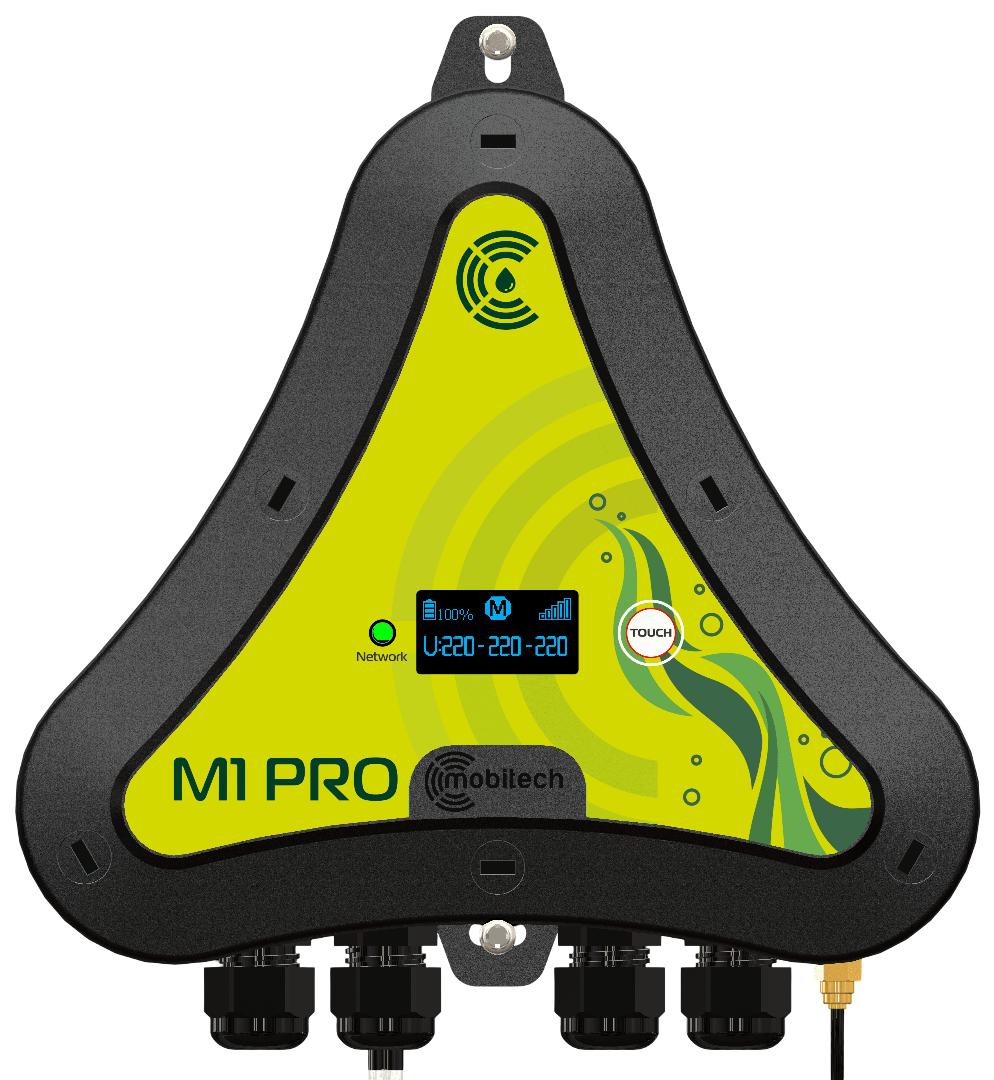
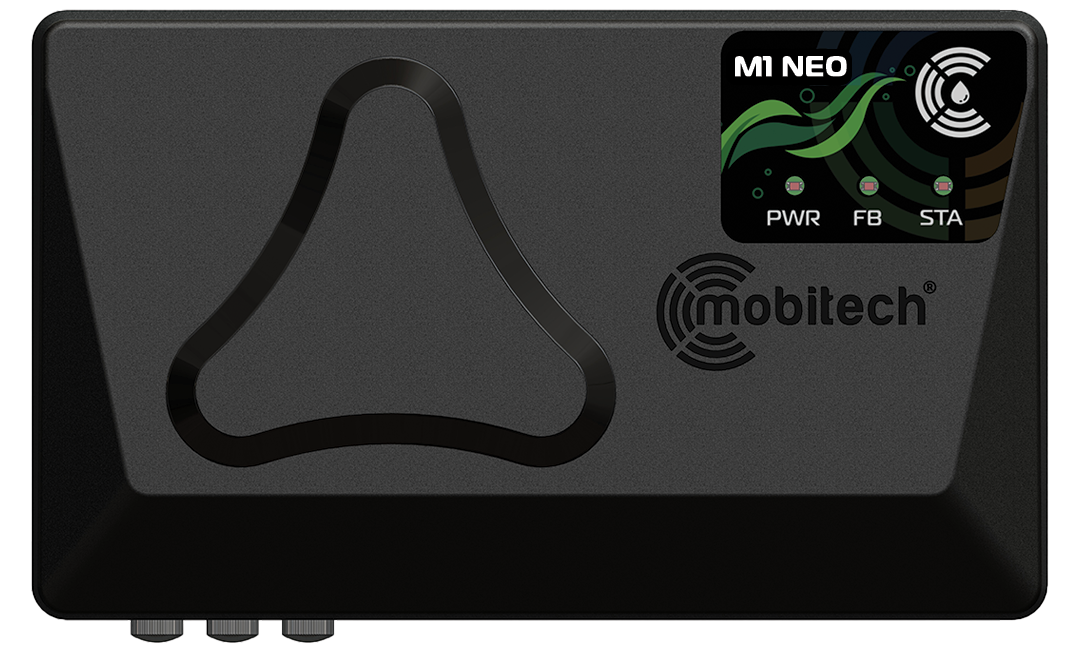
For agricultural applications, an IoT-enabled ecosystem provides immense value by allowing farmers to merge water management, weather tracking, and hardware control into a single interface. innovators like Mobitech Wireless Solution have specialized in delivering highly dependable automation platforms built specifically for modern agricultural demands.
Final Thoughts on Smart Farming
Automate Your Farm Smarter with Mobitech Wireless Solution
Take complete control of your irrigation, optimize resources, and boost crop yields with advanced agricultural automation.
Key Features
The Future of Farming Starts Here
Eliminate water waste, manage labor challenges, and monitor your entire irrigation system directly from your phone with Mobitech Wireless Solution.
How much water can an automated system actually save?
By delivering water only when and where it is needed, automated systems can reduce water usage by up to 30% to 50%. This prevents runoff, evaporation, and overwatering, making it a highly efficient solution for water-scarce farming regions.
Is smart irrigation only for large commercial farms?
How do field sensors improve my crop yield?
Sensors measure real-time soil moisture, temperature, and humidity. By feeding this data directly to the automated controller, the system ensures crops never experience drought stress or waterlogging, creating the perfect continuous environment for maximum root growth.
Can I expand the automated system later if I increase my farm size?
Can my farm manager and I both control the system from our own phones?
Yes. Most smart irrigation platforms allow multi-user access. You can grant access to your farm manager, agronomist, or family members. .