How to Improve Crop Yield in Farming: Proven Methods for Higher Production
Improve crop yield is one of the most important goals for farmers who want to increase productivity and earn better profits. With the growing population and increasing demand for food, it has become essential to produce more crops using limited land and resources. Farmers today face challenges like climate change, water scarcity, and rising labor costs. By adopting modern farming techniques, proper planning, and efficient resource management, it is possible to improve crop yield and ensure sustainable agriculture.
Why Is Improving Crop Yield Important?
Improving crop yield helps farmers produce more food from available farmland while making better use of water, fertilizers, labor, and other agricultural resources.
By combining traditional farming knowledge with modern technology, farmers can improve productivity, reduce unnecessary costs, and build more sustainable farming practices.
1. Choose High-Quality Seeds
One of the first steps to improve crop yield is selecting high-quality seeds. Seeds play a crucial role in determining the overall productivity of crops. Certified and disease-resistant seeds have better germination rates and can withstand environmental stress. Farmers should choose seeds that are suitable for their soil type and climatic conditions. Investing in good quality seeds ensures a strong foundation for healthy crop growth and higher yield.
2. Maintain Soil Health
Soil health is the backbone of successful farming. To improve crop yield, farmers must regularly test their soil to understand nutrient levels and pH balance. Adding organic matter such as compost, farmyard manure, and green manure improves soil fertility and structure. Healthy soil supports better root development and nutrient absorption, which directly contributes to higher crop production.
3. Use Proper Irrigation Techniques
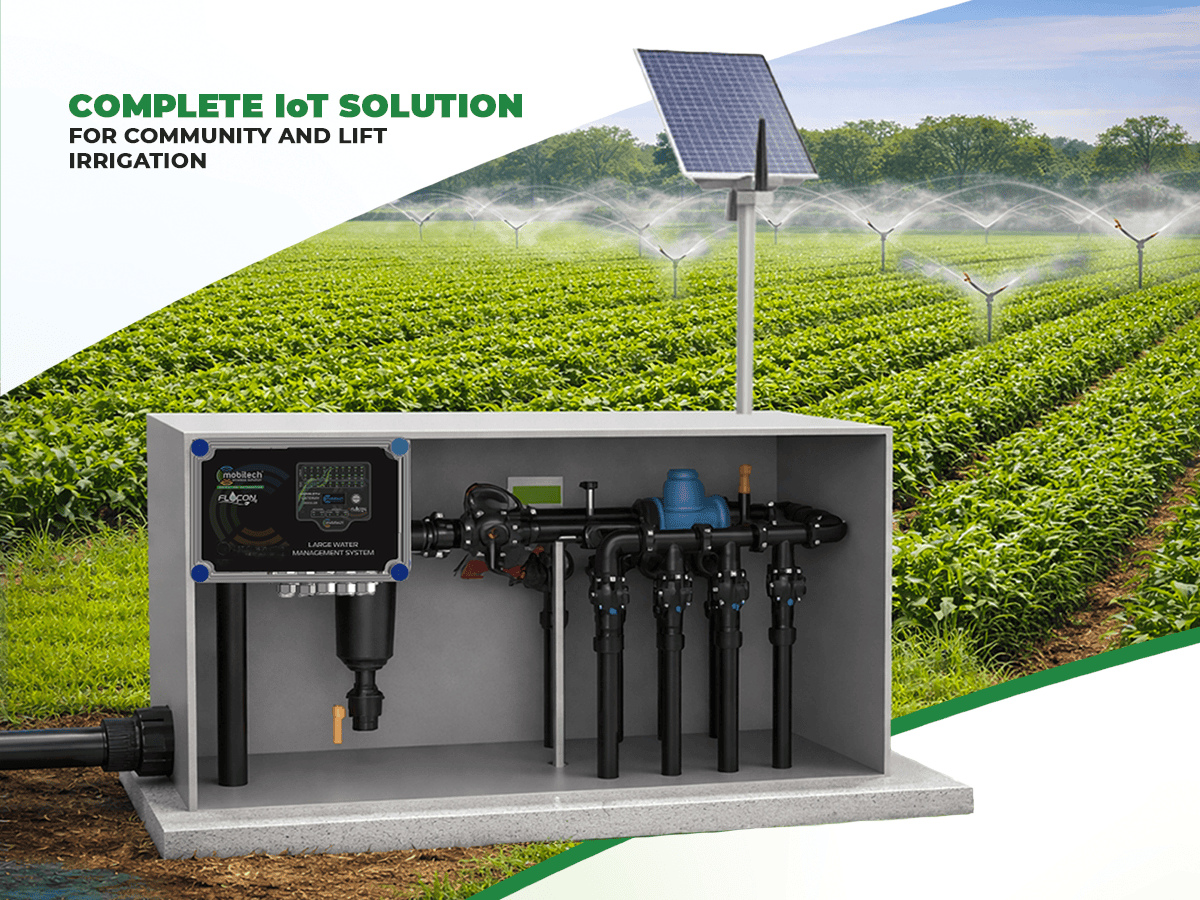
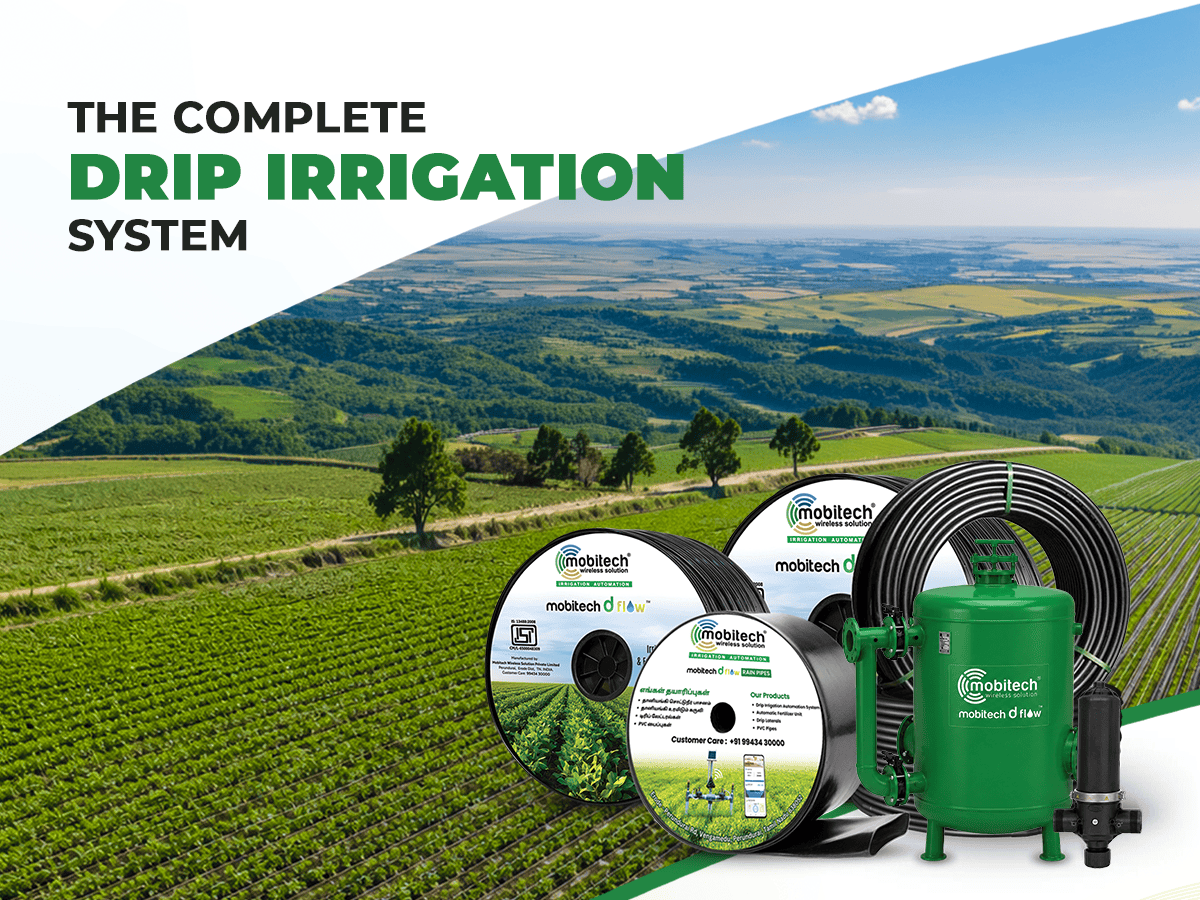
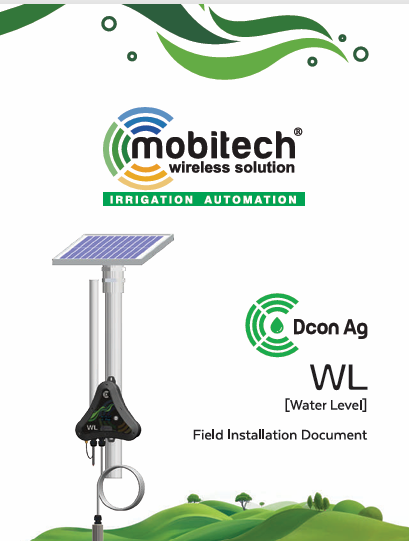
Efficient water management is essential to improve crop yield. Techniques like drip irrigation and sprinkler systems ensure that crops receive the right amount of water at the right time. Overwatering can damage roots, while underwatering can stress plants and reduce growth. Balanced irrigation helps maintain optimal soil moisture, leading to healthier crops and improved productivity.
💡 Smart Irrigation Tip
Providing the right amount of water at the right time can support healthier crop growth and improve water-use efficiency.
4. Apply Fertilizers Wisely
Fertilizers provide essential nutrients required for crop growth. However, excessive or improper use can harm both plants and soil. Farmers should apply fertilizers based on soil test results to ensure balanced nutrition. Using the right amount of nitrogen, phosphorus, and potassium helps improve crop yield while maintaining long-term soil health.
5. Adopt Modern Farming Technology
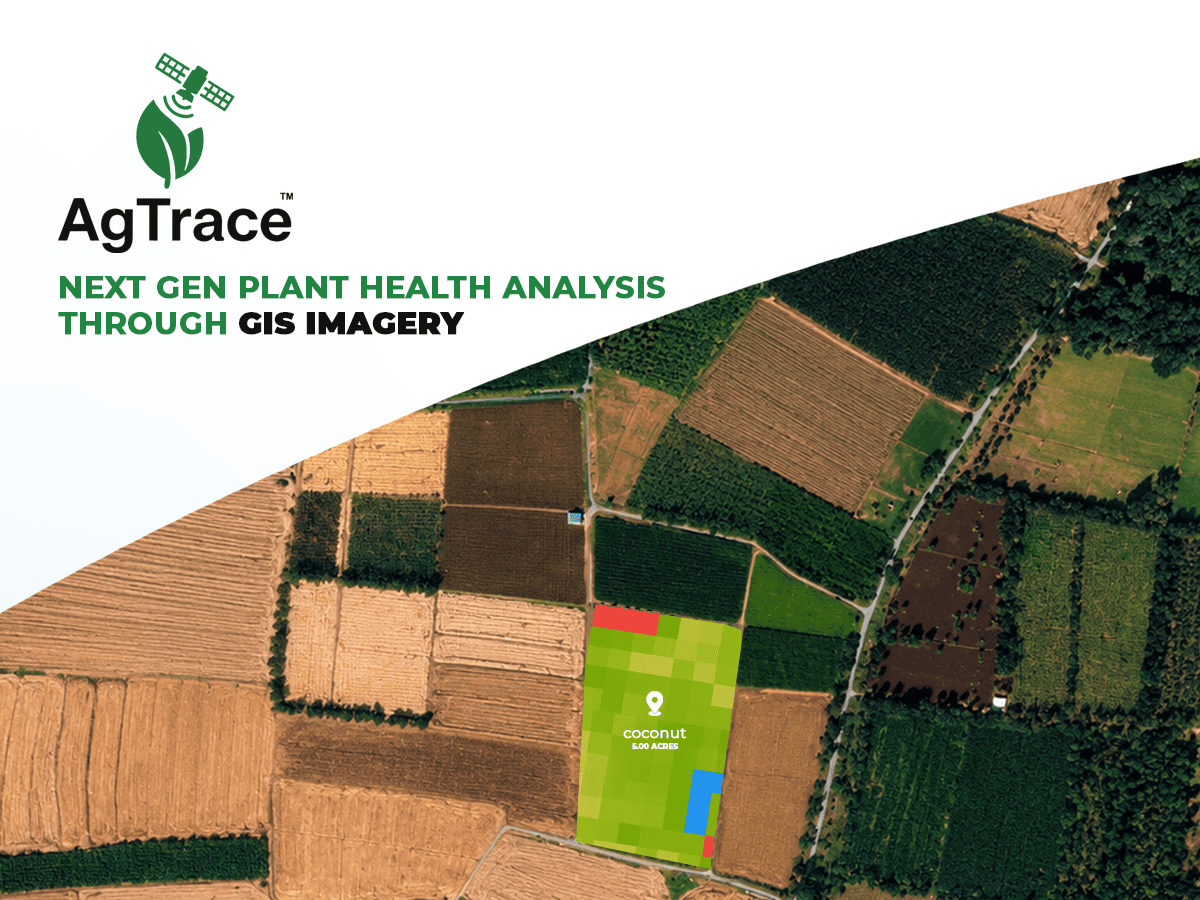
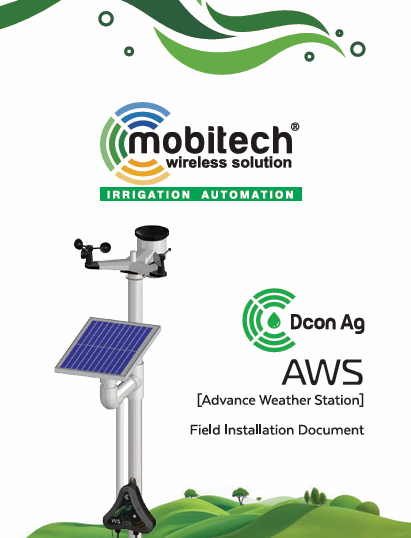
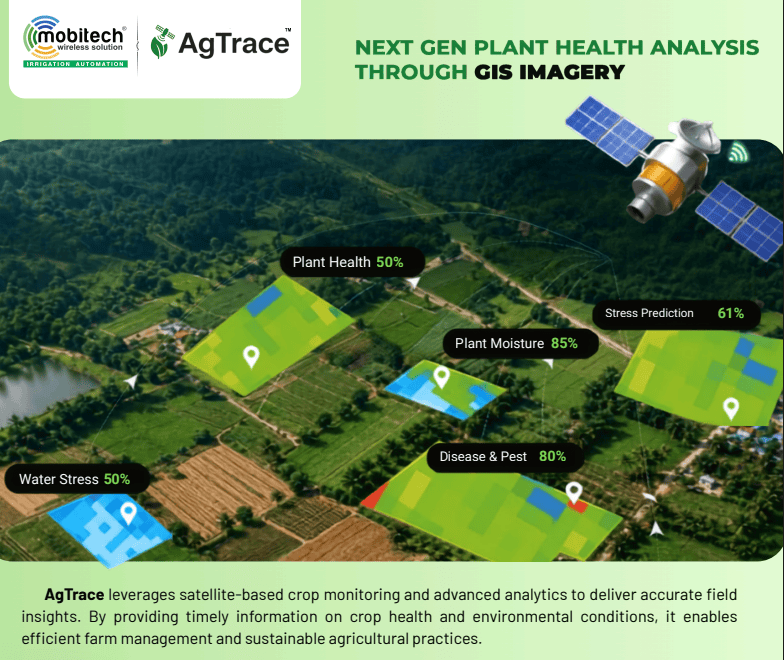
Modern technology is transforming agriculture and helping farmers improve crop yield more efficiently. Tools like sensors, drones, and automated systems provide real-time information about crop health and field conditions. By using these technologies, farmers can make informed decisions and take timely actions to increase productivity.
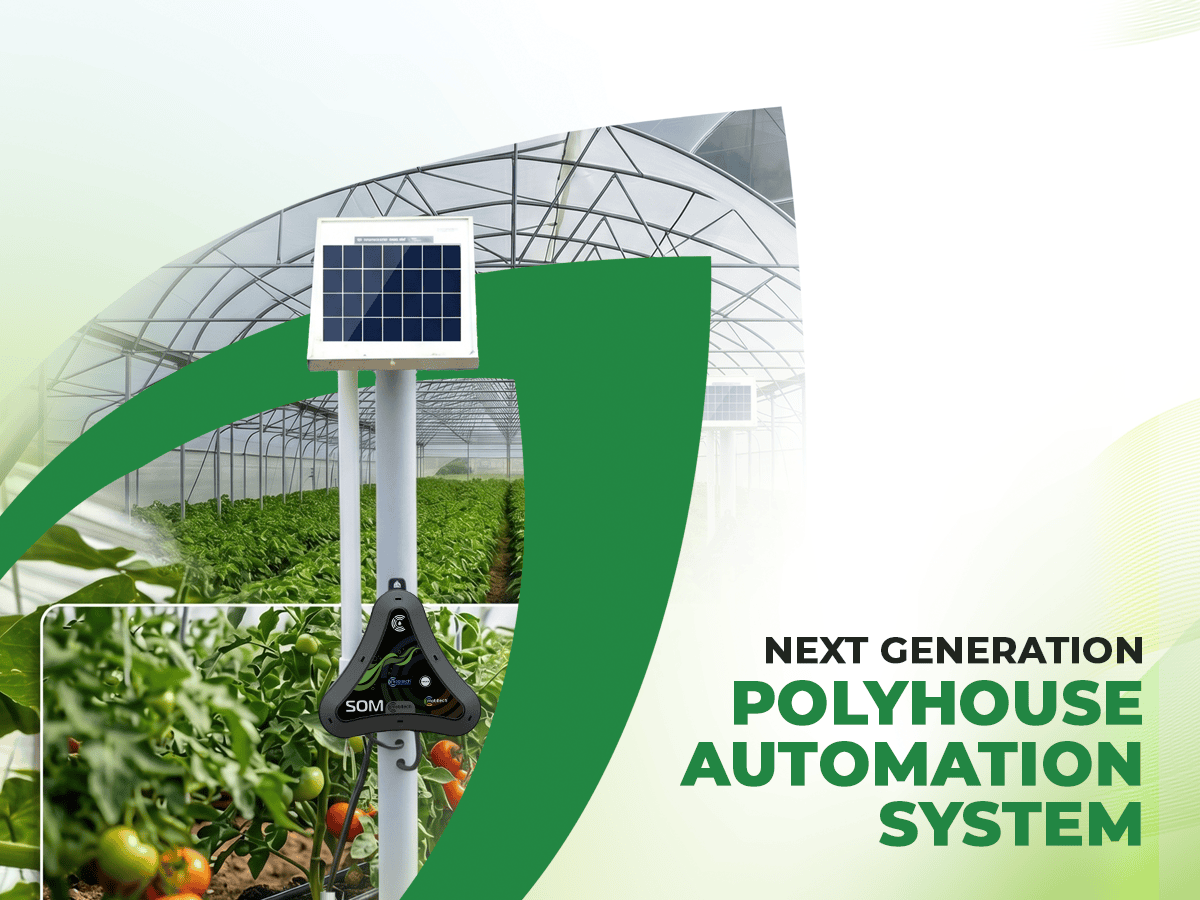
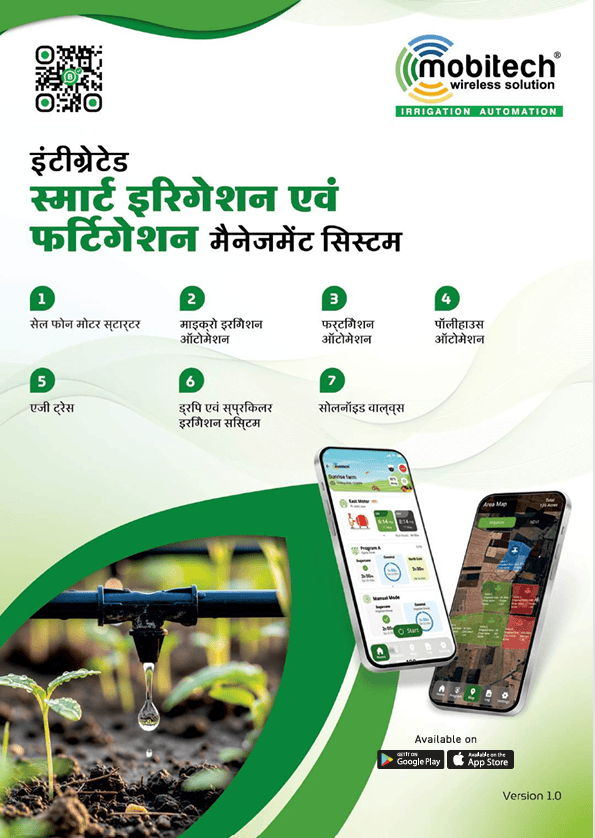
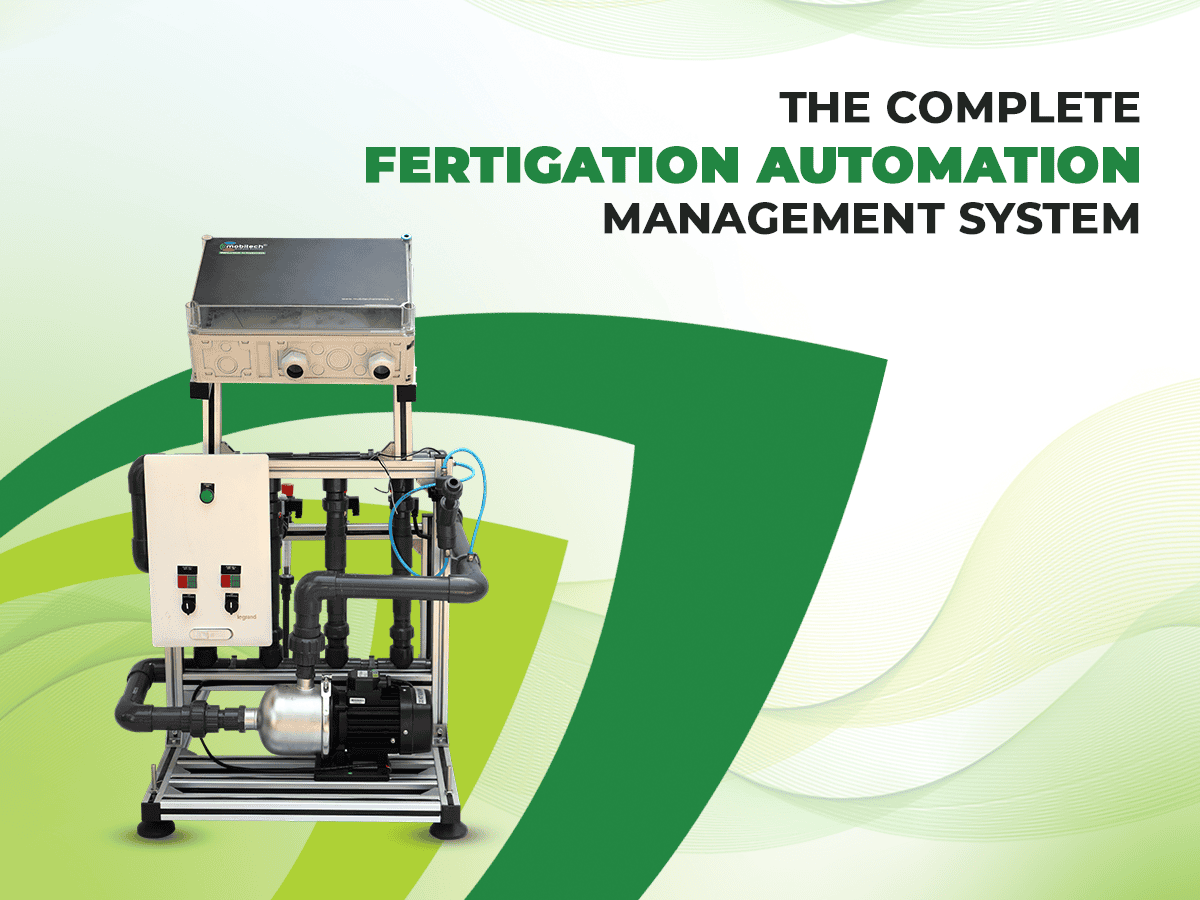
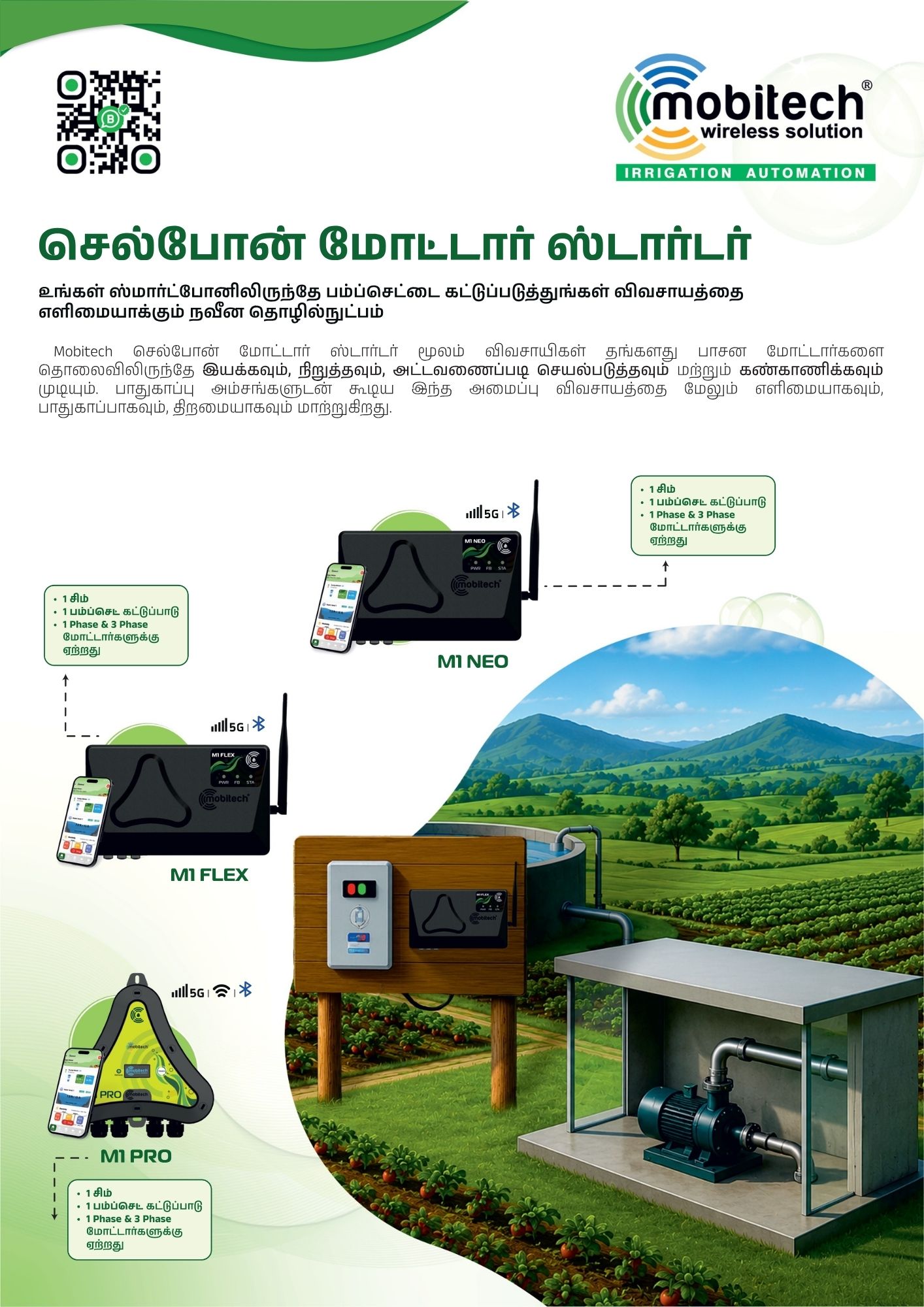
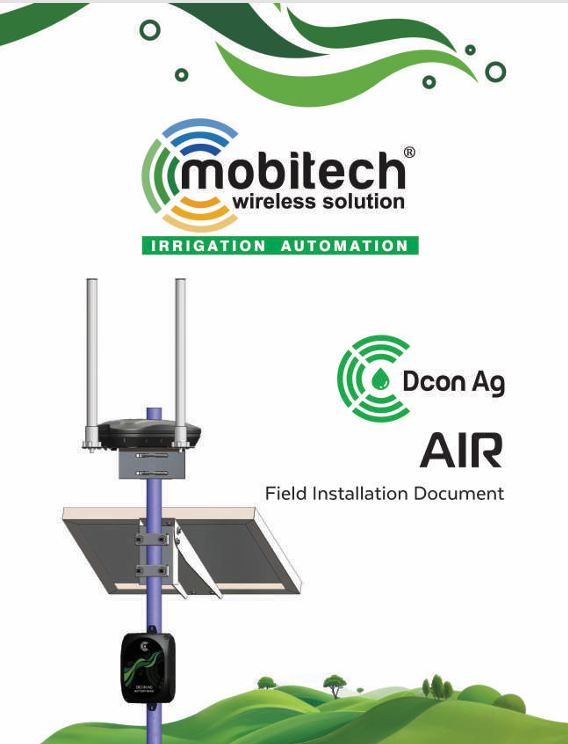
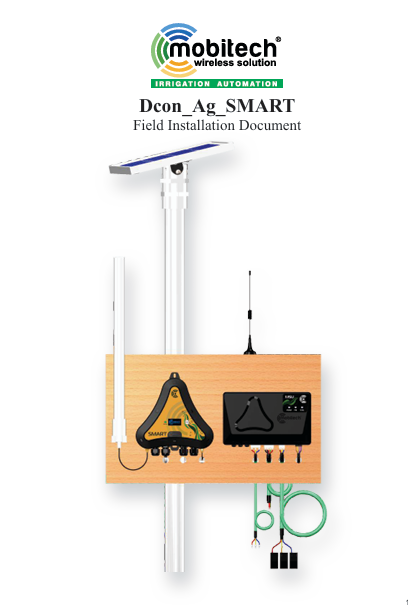
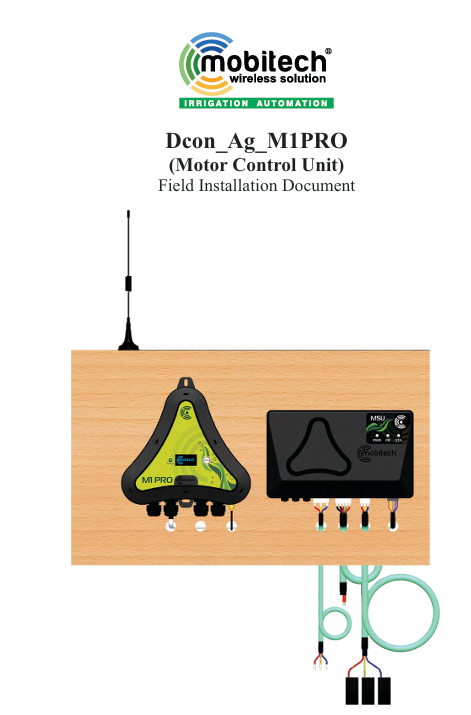
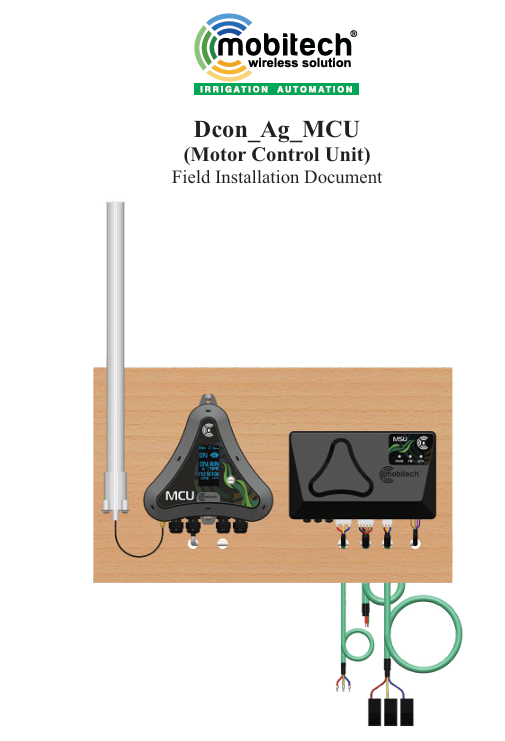
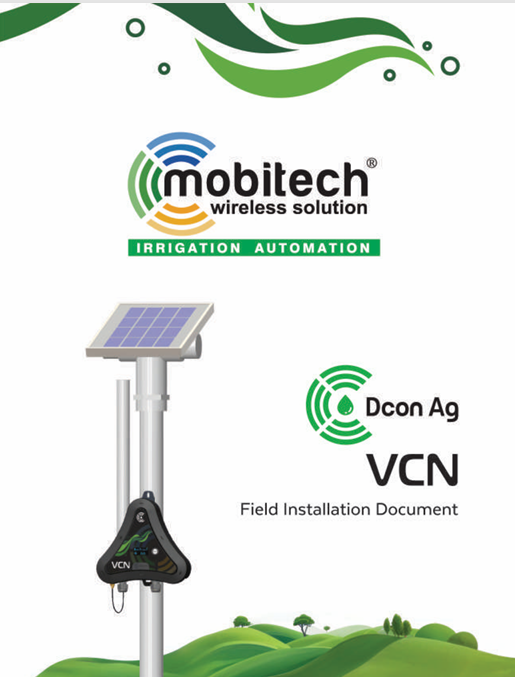
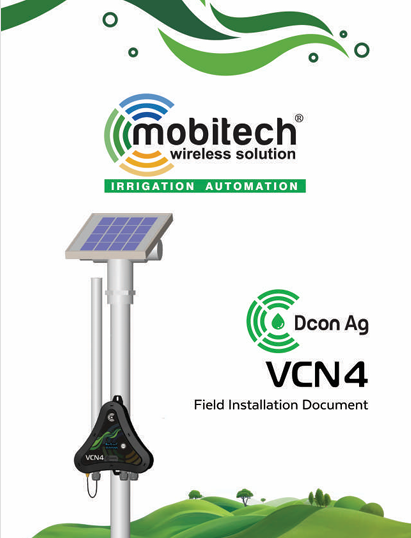
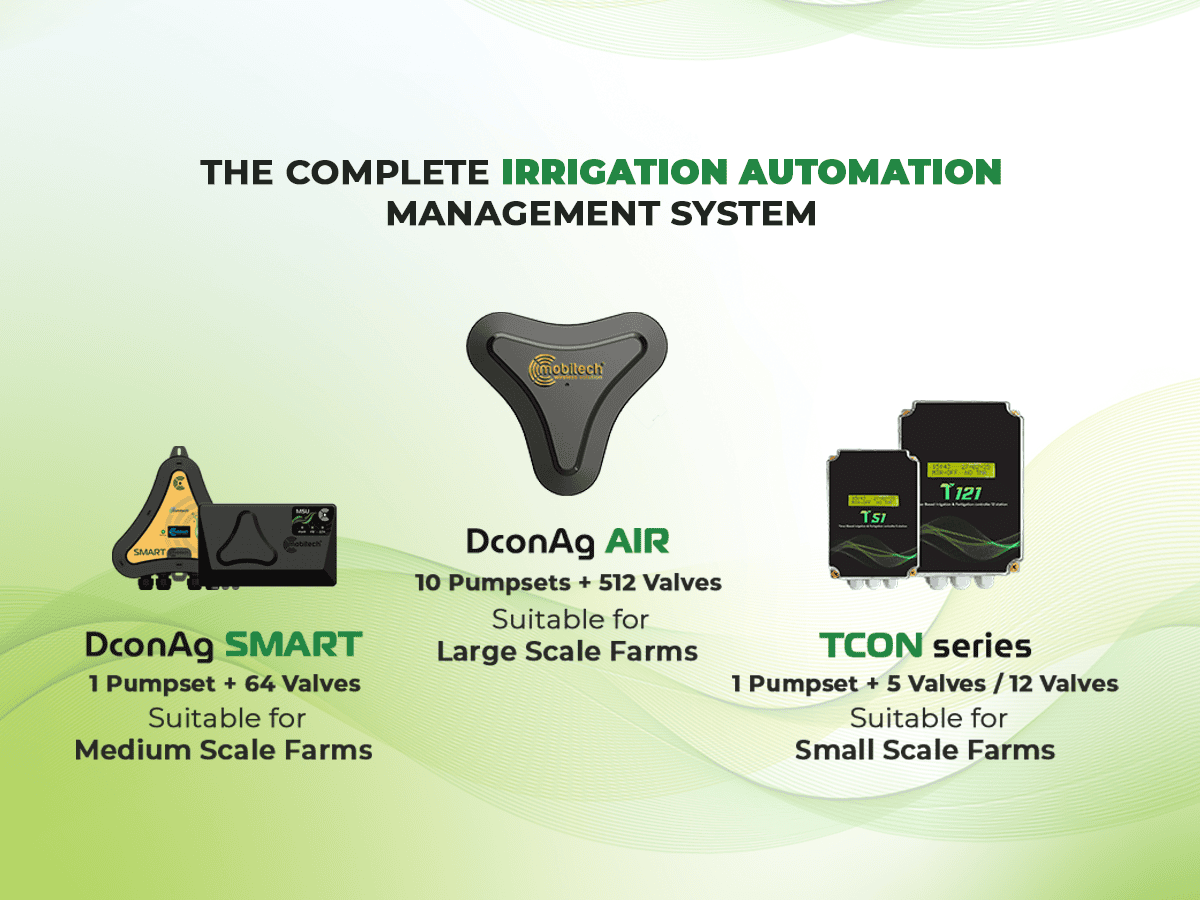
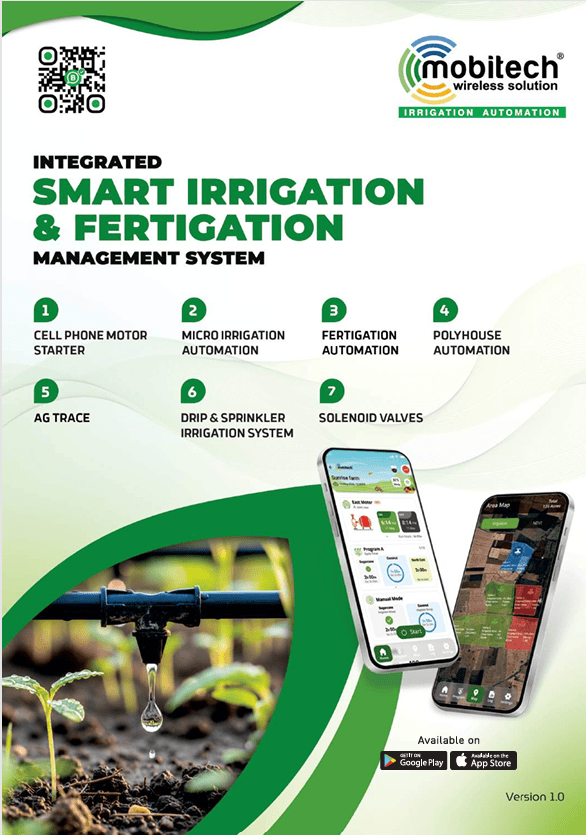
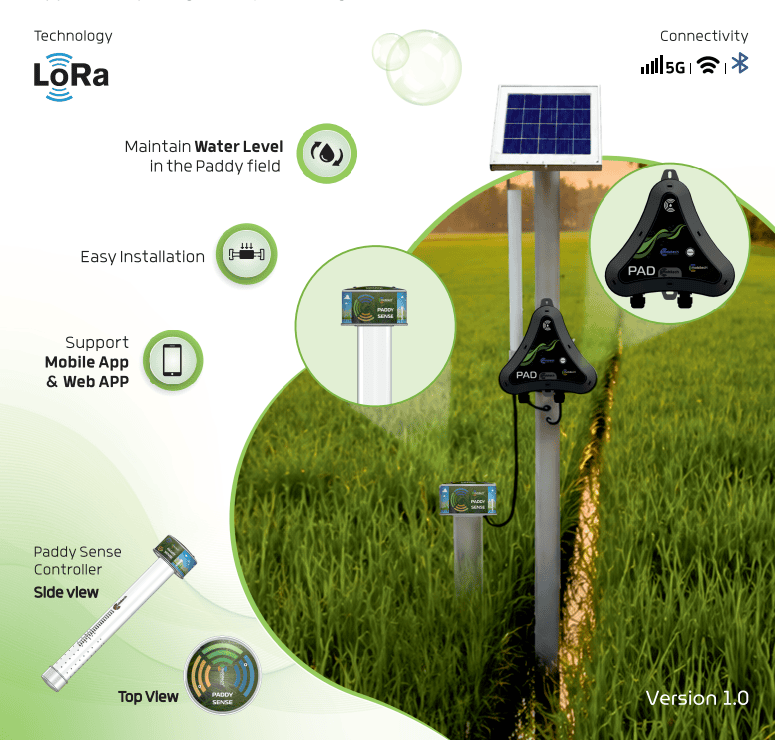
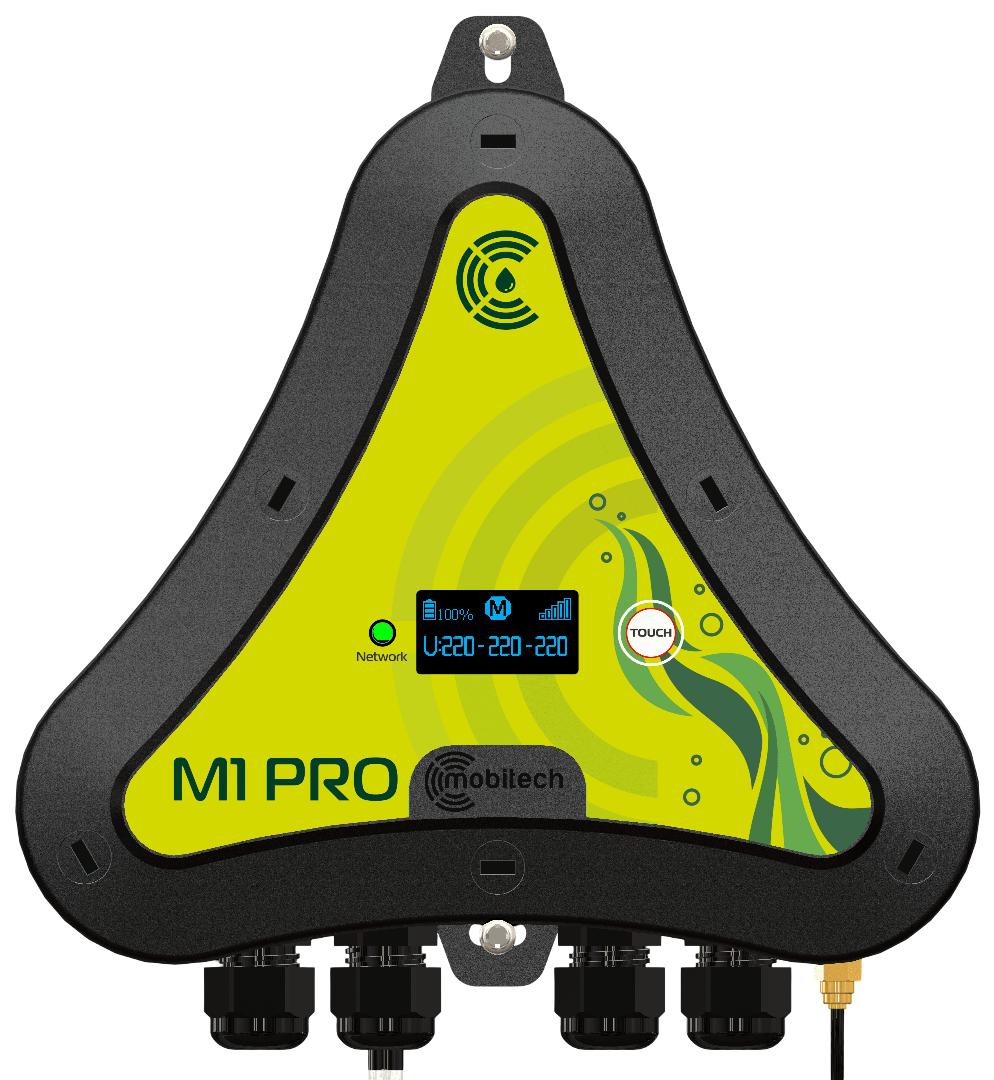
In addition to these advancements, agriculture automation plays a key role in improving farming efficiency. Smart irrigation systems allow farmers to monitor soil moisture, automate watering schedules, and control operations remotely through mobile devices. This reduces water wastage, lowers labor costs, and ensures crops receive the right care at the right time. By adopting automation solutions, farmers can significantly improve crop yield while making farming more convenient and profitable.
6. Practice Crop Rotation
Crop rotation is an effective traditional method to improve crop yield. Growing different types of crops in succession helps maintain soil nutrients and reduces the risk of pests and diseases. This practice improves soil fertility and structure, leading to better crop performance over time.
7. Control Pests and Diseases
Pests and diseases can cause major losses in agriculture. Regular field monitoring and early detection are essential to protect crops. Farmers can use organic pesticides and integrated pest management techniques to control pests without harming the environment. Effective pest control helps improve crop yield and ensures healthy crop growth.
8. Weed Management
Weeds compete with crops for nutrients, water, and sunlight, which can reduce productivity. Proper weed management techniques such as mulching, manual removal, and controlled use of herbicides help reduce competition. Keeping fields weed-free supports better crop growth and helps improve crop yield.
9. Optimize Planting Time
Planting crops at the right time is crucial for achieving maximum yield. Farmers should consider weather conditions, soil temperature, and seasonal patterns before sowing seeds. Timely planting allows crops to grow under favorable conditions, resulting in stronger plants and higher productivity.
10. Use Organic Farming Practices
Organic farming methods help improve soil health and reduce dependence on chemical inputs. Using natural fertilizers, compost, and eco-friendly pest control methods supports sustainable agriculture. These practices not only improve crop yield but also protect the environment and ensure long-term farming success.
11. Proper Farm Management
Good farm management practices are essential for improving productivity. Farmers should regularly monitor their fields, maintain records, and plan their activities effectively. By analyzing past performance and making necessary adjustments, farmers can continuously improve crop yield and overall farm efficiency.
Key Takeaways to Improve Crop Yield
- Choose high-quality and suitable seeds.
- Maintain healthy and fertile soil.
- Use efficient irrigation techniques.
- Apply fertilizers based on crop and soil requirements.
- Adopt smart farming and automation technologies.
- Manage pests, diseases, and weeds effectively.
- Choose the right planting time.
- Maintain proper farm records and management practices.
Conclusion
To improve crop yield, farmers must combine traditional knowledge with modern farming techniques. From selecting quality seeds to adopting smart technology and automation, every step plays a vital role in increasing productivity. By following these proven methods, farmers can achieve higher yields, reduce costs, and ensure sustainable agriculture for the future.
Ready for Smarter Farming?
Explore agriculture automation solutions that can help you manage irrigation more efficiently and make farming easier.
Explore Agriculture Automation →