





































Reduce Electricity Bills with Automated Irrigation: How Smart Farmers Are Saving Thousands Every Year
Farmers across India are constantly looking for ways to reduce farming costs while improving productivity. One of the most effective ways to reduce electricity bills with automated irrigation is by ensuring that pumps operate only when crops actually need water. Automated irrigation systems help farmers save electricity, reduce water wastage, lower labor requirements, and improve overall farm profitability through smarter irrigation management.
Many farmers focus on fertilizer costs, labor expenses, and market prices but often overlook one of the biggest hidden expenses on the farm—electricity consumption. Every day, irrigation pumps and borewell motors run across thousands of farms. While irrigation is essential for crop growth, inefficient irrigation practices often cause motors to run longer than necessary. This results in higher electricity bills, groundwater depletion, and increased maintenance costs. The good news is that modern irrigation automation technology is helping farmers reduce electricity bills with automated irrigation while simultaneously conserving water and improving crop performance.Why More Farmers Want to Reduce Electricity Bills with Automated Irrigation
Electricity is one of the most important resources in modern agriculture. Across India, agriculture consumes a significant portion of the nation’s electricity, with most of that energy being used to pump groundwater for irrigation. Several challenges are increasing electricity consumption on farms:- Declining groundwater levels
- Longer motor operating hours
- Manual irrigation management
- Over-irrigation of crops
- Labor shortages
- Lack of irrigation planning
- Frequent field visits to operate pumps

The Hidden Cost of Manual Irrigation
Many farmers still rely on manual pump operation. A motor is switched ON before irrigation and manually switched OFF later. While this method has been used for decades, it often leads to unnecessary electricity consumption. Common situations include:- Forgetting to switch the motor OFF
- Running pumps longer than required
- Over-irrigating crops as a precaution
- Labor not arriving on time
- Busy farm schedules delaying motor shutdown
| Calculation | Value |
|---|---|
| Motor Capacity | 7.5 HP |
| Power Consumption | 5.6 Units Per Hour |
| Extra Runtime | 1 Hour Daily |
| Annual Electricity Usage | 2,044 Units |
| Estimated Cost @ ₹7/Unit | ₹14,308 Per Year |
Why Do Farmers Often Over-Irrigate?
Over-irrigation is one of the biggest causes of unnecessary electricity consumption.
Many farmers irrigate based on routine rather than actual crop requirements.
As a result, both water and electricity are wasted.

How Automated Irrigation Helps Reduce Electricity Bills
Automated irrigation systems remove guesswork from irrigation management.
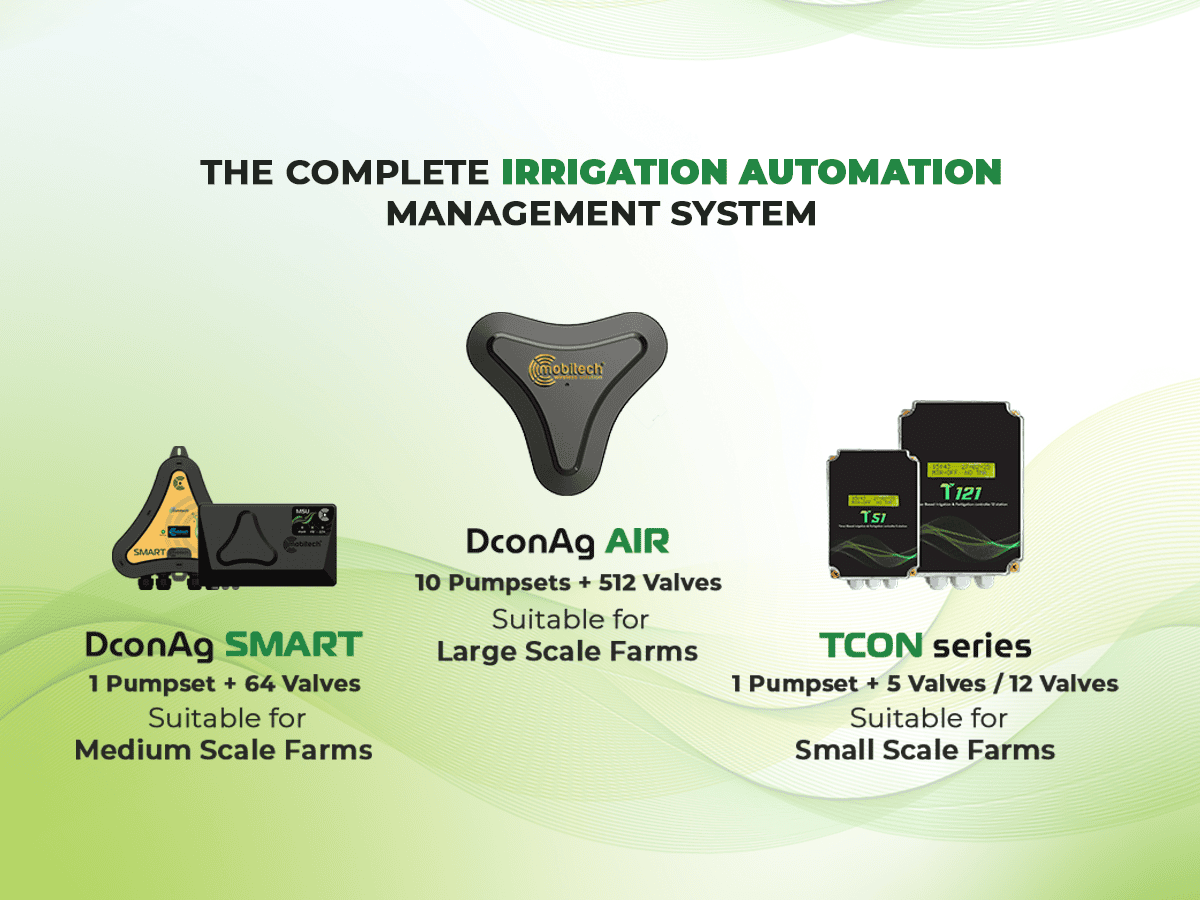
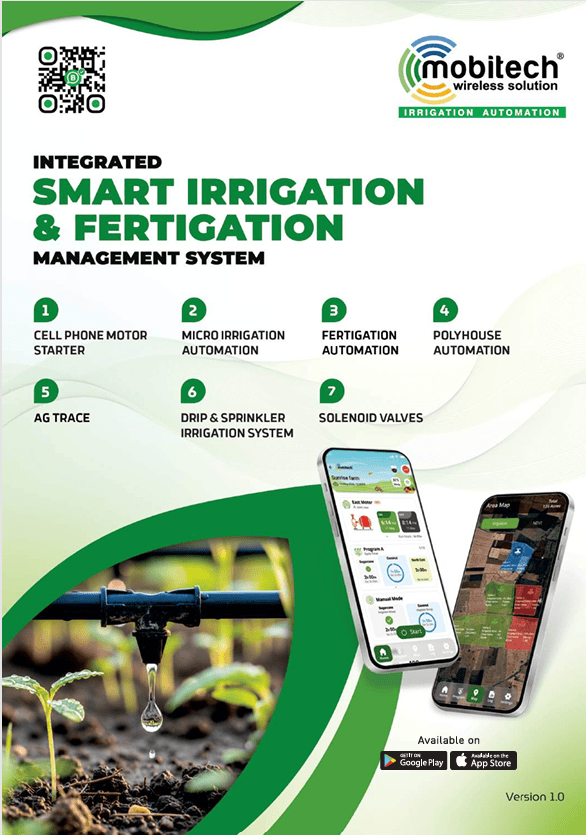
Instead of manually operating pumps, farmers can automate irrigation schedules and remotely control pumps through mobile applications.
Key features include:
The system ensures that pumps operate only when necessary and only for the required duration.
This is one of the most effective ways to reduce electricity bills with automated irrigation.
Real Farm Example: Reduce Electricity Bills with Automated Irrigation
Consider a 5-acre sugarcane farm using a 7.5 HP irrigation motor.
| Before Automation | After Automation |
|---|---|
| 6 Hours Irrigation Daily | 4.5 Hours Irrigation Daily |
| Manual Operation | Automatic Scheduling |
| Daily Field Visits | Remote Mobile Control |
| Higher Water Usage | Optimized Irrigation |
Results achieved:
- 1.5 Hours Less Pump Runtime Daily
- 3,066 Units Electricity Saved Annually
- More Than ₹21,000 Saved Per Year
- Reduced Labor Requirements
- Lower Groundwater Extraction
- Improved Crop Health
- Better Irrigation Efficiency
The Strong Connection Between Water and Electricity
Many farmers do not realize that saving water automatically saves electricity.
Every litre of water pumped from a borewell requires energy.
Traditional irrigation often wastes water through:
- Overwatering
- Runoff losses
- Uneven irrigation
- Poor scheduling
- Extended motor operation
When water wastage decreases, electricity consumption decreases as well.
This is why farmers who reduce electricity bills with automated irrigation also achieve better water conservation.
Additional Benefits of Automated Irrigation
The Future of Farming: Reduce Electricity Bills with Automated Irrigation
Agriculture is rapidly changing.
Climate change, groundwater depletion, rising labor costs, and increasing energy consumption are forcing farmers to adopt smarter technologies.
Automated irrigation is no longer a luxury.
It is becoming an essential tool for modern farming.
By reducing unnecessary pump operation and improving water management, automated irrigation helps farmers become more productive while using fewer resources.
The farms that will thrive in the future will be those that use electricity, water, and labor more efficiently.
Conclusion
Reducing electricity bills in agriculture is not simply about consuming less power. It is about managing water more intelligently.
Farmers who reduce electricity bills with automated irrigation can save thousands of rupees every year while improving crop health, conserving groundwater, and reducing labor dependency.
As water becomes more valuable and electricity costs continue to rise, irrigation automation offers one of the most effective solutions for sustainable and profitable farming.
If you want to reduce electricity bills with automated irrigation, now is the right time to adopt smart farming technology. Every unnecessary hour of pumping wastes money, but automation ensures that every unit of electricity and every drop of water is used efficiently.