Fertilizer management is an important part of modern farming. Applying the right nutrients at the right time can help crops maintain healthy growth, but traditional fertilizer application often requires considerable manual work. Farmers may need to prepare fertilizer mixtures, monitor irrigation, operate equipment and make repeated field visits.
Fertigation automation provides a smarter approach by combining fertilizer application with irrigation management. Instead of relying completely on manual fertilizer delivery, an automated system can help control fertigation according to configured schedules, irrigation requirements and available field inputs.
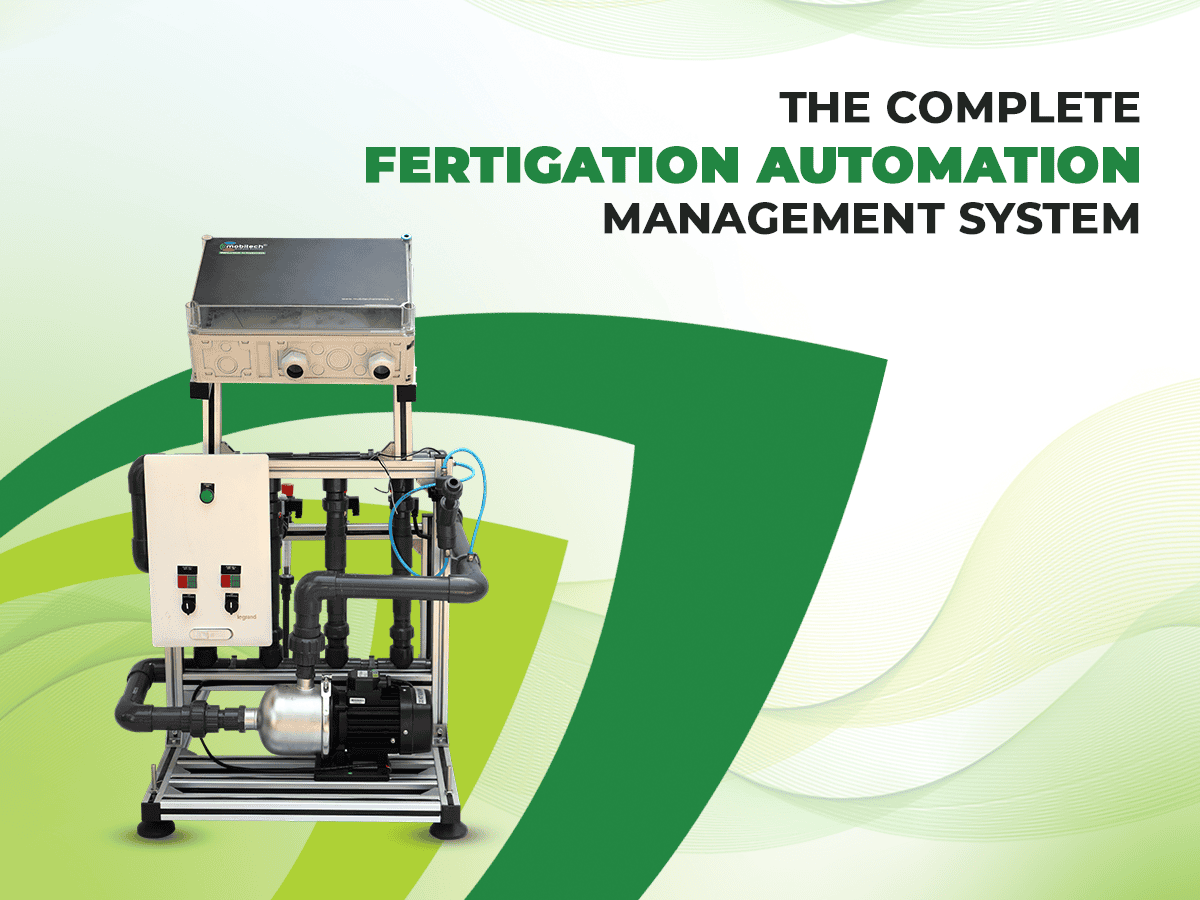
For farms looking to improve fertilizer and irrigation management, the Dcon Ag FRT is a fertigation control unit designed to support automated fertigation operations.
Why Is Fertigation Automation Important?
Traditional fertilizer application can involve multiple manual steps. Farmers may need to prepare nutrients, operate fertigation equipment and monitor when fertilizer should enter the irrigation system.
Fertigation automation helps simplify this process by coordinating fertilizer delivery with irrigation operations. This can make nutrient application more consistent, reduce repeated manual intervention and support better farm resource management.
What Is Fertigation Automation?
Fertigation automation is the use of automated control systems to manage the delivery of fertilizers through an irrigation system. Fertilizers are supplied along with irrigation water so that nutrients can be distributed through the irrigation network.
Instead of depending entirely on manual operation, an automated fertigation system can coordinate fertilizer application based on programmed schedules, irrigation cycles and compatible field conditions.
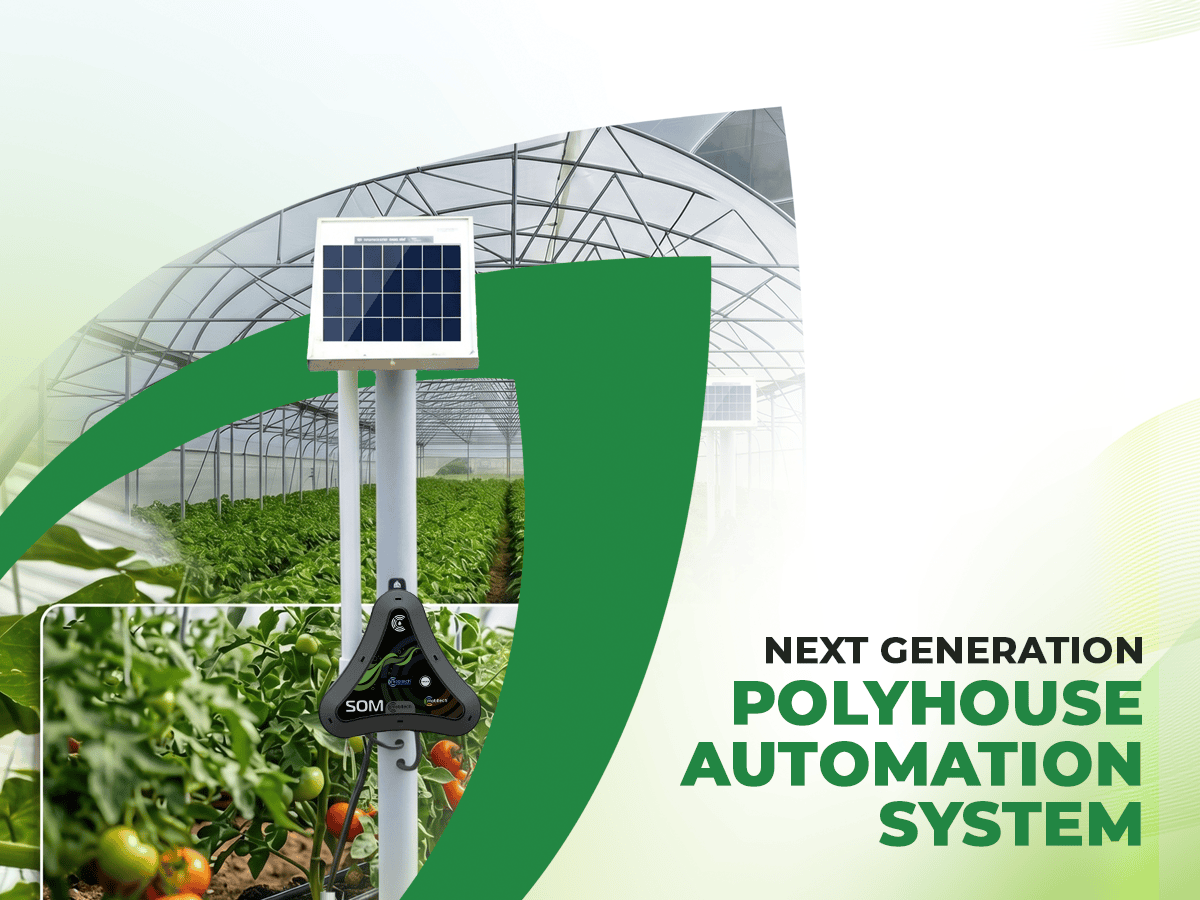
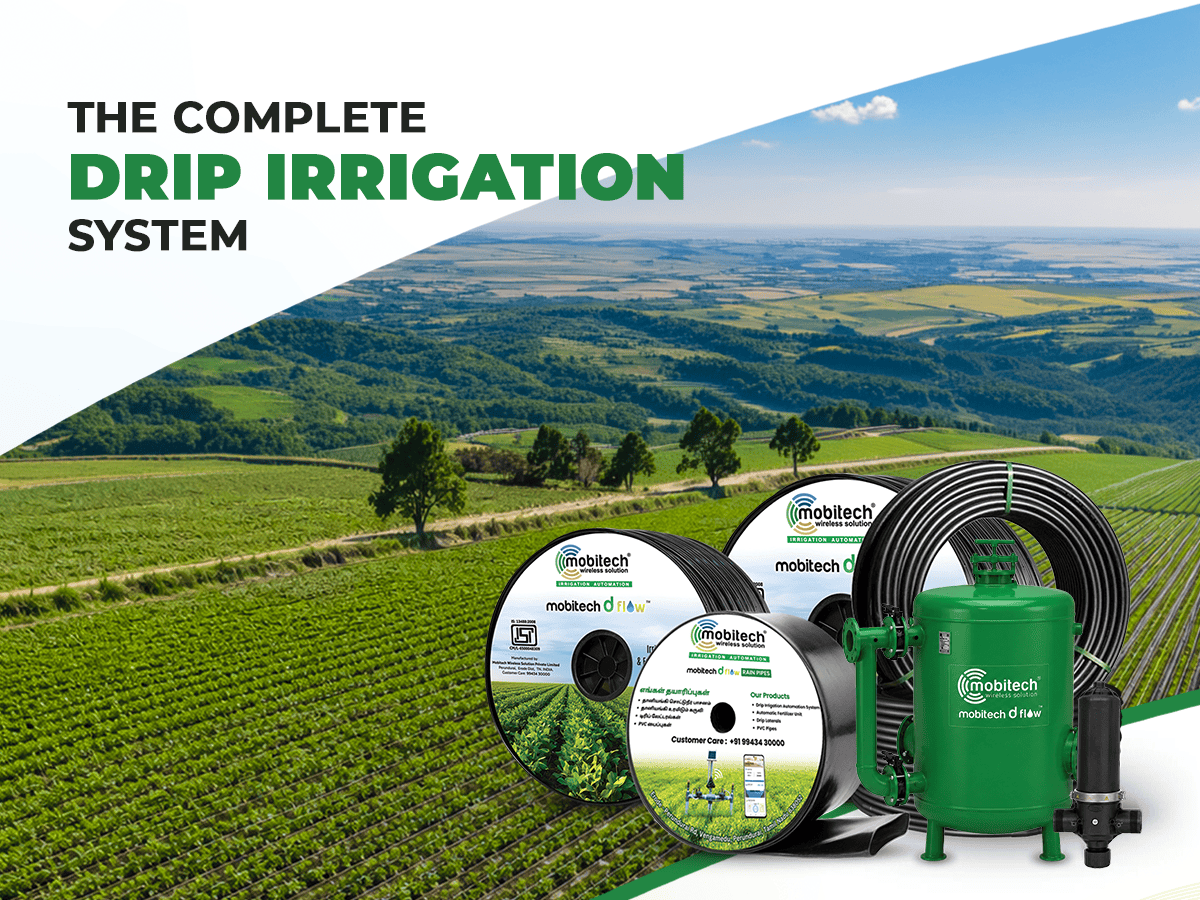
This approach can be particularly useful for farms using drip irrigation, protected cultivation, orchards, plantations and other irrigation systems where controlled nutrient delivery is important.
How Does Fertigation Automation Work?
A fertigation automation system coordinates irrigation and fertilizer delivery through a controller and connected equipment. The exact process depends on the farm layout, fertigation equipment and control configuration.
Phase 01
Plan
The fertigation schedule is planned according to crop requirements, irrigation timing and the farm’s nutrient management strategy.
Phase 02
Irrigate
The irrigation system starts according to the selected schedule or operating condition.
Phase 03
Fertigate
The fertilizer solution is introduced into the irrigation flow according to the configured fertigation operation.
Phase 04
Complete & Monitor
After the configured operation is completed, the system can stop the fertigation process and allow the farmer to monitor the operation.
What Problems Can Fertigation Automation Solve?
Manual fertilizer application can create several challenges, particularly on farms where irrigation and nutrient management need to be performed frequently.
Manual Fertilizer Application
Automation can reduce the amount of manual intervention required during routine fertigation operations.
Uneven Nutrient Delivery
Controlled fertigation can help maintain a more systematic approach to delivering nutrients through irrigation.
Repeated Farm Visits
Automated control can reduce the need for farmers to repeatedly visit equipment for routine operation.
Timing Difficulties
Scheduled fertigation can help coordinate fertilizer application with planned irrigation cycles.
Labour Requirement
Automation can reduce routine labour involved in operating fertigation equipment.
Resource Management
Better control over irrigation and fertilizer application can support more organized farm resource management.
Benefits of Fertigation Automation in Agriculture
1. More Consistent Fertilizer Delivery
One of the key advantages of fertigation automation is the ability to manage fertilizer delivery according to a planned irrigation process. This can support more consistent nutrient application across the irrigation system.
2. Saves Farmer Time
Automated fertigation can reduce repeated manual operations and help farmers spend less time managing routine fertilizer application.
3. Supports Better Nutrient Management
Fertigation allows nutrients to be supplied through irrigation water. Automation can help farmers coordinate this process with their irrigation schedules and crop management practices.
4. Reduces Manual Intervention
Instead of manually operating fertigation equipment during every irrigation cycle, farmers can use programmed control where suitable.
5. Improves Irrigation Coordination
When fertilizer application is coordinated with irrigation, farmers can manage water and nutrient delivery as part of a more organized farm operation.
6. Supports Modern Precision Farming
Fertigation automation can become part of a broader smart farming system where irrigation, fertilizer application, sensors and farm equipment work together.
Manual Fertigation vs Automated Fertigation
Understanding the difference between manual and automated fertigation can help farmers decide which approach is suitable for their farm.
| Factor | Manual Fertigation | Automated Fertigation |
|---|
| Operation | Requires regular manual operation | Can operate according to configured control |
| Timing | Depends on manual scheduling | Can follow programmed schedules |
| Labour | More routine manual involvement | Can reduce routine intervention |
| Monitoring | Primarily manual | Can support connected monitoring |
| Scalability | More difficult as farm operations increase | Better suited to structured automated operations |
Dcon Ag FRT: Fertigation Control Unit for Automated Fertilizer Management
For farms looking to introduce fertigation automation, the Dcon Ag FRT is designed as a dedicated fertigation control unit.
The system is designed to deliver nutrients efficiently through irrigation while helping farmers manage fertilizer application with greater control. It can integrate with existing irrigation setups and adapt to different crop and field requirements.
The Dcon Ag FRT also supports advanced fertigation management with precise pH and NPK control, helping farmers manage nutrient application as part of a more organized agricultural automation system.
Why Consider Dcon Ag FRT?
Dcon Ag FRT combines automated fertigation management with precise nutrient control, application flexibility and digital monitoring. Its configurable injector capacity and app-based access make it suitable for different agricultural fertigation requirements.
Dcon Ag FRT Key Features
The Dcon Ag FRT is designed to provide flexible and controlled fertigation management for modern agricultural irrigation systems.
Precise pH & NPK Control
Advanced fertigation automation supports precise pH and NPK control to help manage nutrient delivery according to crop and field requirements.
1–20 Customizable Injectors
The system supports 1 to 20 injectors, allowing the fertigation setup to be configured according to the farm’s application requirements.
5–60 m³/h Main Flow Range
The main flow range of 5 to 60 cubic metres per hour provides flexibility for different irrigation and fertigation system requirements.
250–1000 L/h Injector Capacity
Injector capacity ranges from 250 to 1000 litres per hour, providing configurable fertilizer injection according to system requirements.
Customizable Number of Tanks
The number of fertilizer tanks can be configured according to the farm’s fertigation requirements and system design.
Android, iOS & Web App
The fertigation system can be accessed through Android, iOS and Web applications, providing convenient digital access to farm operations.
IP65 Dust & Water Resistant
The Dcon Ag FRT enclosure is rated IP65, providing protection against dust and water exposure in suitable agricultural operating environments.
PDF & Excel Reports
Farmers can download fertigation-related reports in PDF and Excel formats for easier record keeping and analysis.
Wireless Data Integration
Dcon Ag FRT can wirelessly receive data from the irrigation automation system and fertigation controller to support integrated fertigation automation.
Applications of Fertigation Automation in Agriculture
Fertigation automation can be useful across different types of agricultural operations where irrigation and nutrient delivery need to be coordinated.
- Drip irrigation systems
- Fruit orchards
- Vegetable cultivation
- Greenhouse and protected cultivation
- Plantation crops
- Commercial agricultural farms
- Precision agriculture systems
Important Fertigation Tip
Fertilizer type, concentration, application timing and irrigation requirements should be determined according to the crop, soil, water quality and agronomic recommendations. Automated equipment should be installed and configured correctly to suit the farm’s irrigation and fertigation system.
How to Choose the Right Fertigation Automation System?
Before selecting a fertigation automation system, farmers should consider the size and requirements of the farm, irrigation infrastructure and level of automation required.
Farm Size
Consider the size of the cultivated area and number of irrigation zones.
Irrigation System
Check compatibility with the existing drip or other irrigation infrastructure.
Fertilizer Requirement
Understand how fertilizer needs to be delivered and managed on the farm.
Automation Level
Decide whether you need scheduled, automated, sensor-based or connected control.
Monitoring
Consider whether the system provides the monitoring capabilities required for your operation.
Future Expansion
Choose a solution that can support the farm as irrigation and automation requirements grow.
Conclusion
Make Fertilizer Delivery Smarter
Fertigation automation provides a smarter way to coordinate fertilizer application with irrigation. By reducing repetitive manual operations and supporting controlled nutrient delivery, automation can make fertigation management more convenient and systematic. For farms looking to introduce automated fertigation control, the
Dcon Ag FRT can be considered as part of a modern agricultural automation setup.
Dcon Ag FRT
Automate Fertigation for Smarter Farm Management
Manage fertilizer delivery more systematically with precise nutrient control, configurable injection capacity and digital fertigation management.
Key Benefits
✓ Precise pH & NPK Control
✓ 1–20 Customizable Injectors
✓ 5–60 m³/h Main Flow
✓ 250–1000 L/h Injector Capacity
✓ Customizable Tank Configuration
✓ Android, iOS & Web App
✓ IP65 Dust & Water Resistant
✓ PDF & Excel Reports
Ready to Automate Fertigation?
Discover how the Dcon Ag FRT can help bring precise and automated fertigation control to your agricultural irrigation system.