















































Crop Water Requirement: How Much Water Do Coconut, Banana & Sugarcane Really Need?
Crop Water Requirement is one of the most important factors affecting crop yield, water conservation, and farming profitability. Water is one of the most valuable resources on every farm, yet many farmers still irrigate based on experience rather than the actual crop water requirement of their crops. While some believe that applying more water leads to higher yields, others reduce irrigation to save electricity and groundwater. Unfortunately, both approaches can negatively impact crop health, reduce productivity, and increase farming costs.
The reality is simple—every crop has different water requirements. A coconut tree doesn’t require the same amount of water as a banana plant, while sugarcane consumes significantly more water throughout its growing season. Understanding the crop water requirement of each crop helps farmers save water, reduce electricity bills, improve crop quality, prevent water stress, and maximize yields.
What is Crop Water Requirement?
Crop Water Requirement refers to the total quantity of water required by a crop during its entire growth period to achieve healthy growth and optimum yield. It varies depending on several environmental and crop-specific factors.

Coconut Water Requirement
Coconut trees require a consistent water supply throughout the year. Unlike occasional flood irrigation, frequent moderate irrigation helps maintain healthy roots, improves flowering, and increases nut production.
Signs of Water Stress
- Yellowing leaves
- Smaller coconuts
- Premature nut fall
- Reduced flowering
Common Mistake: Flood irrigation often wastes large amounts of water because much of it evaporates or moves beyond the active root zone.

Banana Water Requirement
Banana is among the most water-demanding fruit crops. Due to its shallow root system and large leaves, the plant loses moisture rapidly and requires regular irrigation throughout its growth cycle.
| Growth Stage | Water Requirement |
|---|---|
| Planting Stage | 5–10 Liters/day |
| Vegetative Stage | 15–20 Liters/day |
| Flowering | 20–25 Liters/day |
| Fruit Development | 25–30 Liters/day |

Sugarcane Water Requirement
Sugarcane is one of the most water-intensive commercial crops. Its seasonal water requirement generally ranges between 1,500 mm and 2,500 mm, depending on climate, soil conditions, and rainfall.
Crop Water Requirement Comparison
Coconut
Water: 55–70 Liters/tree/day
Frequency: Daily or Alternate Day
Banana
Water: 15–30 Liters/plant/day
Frequency: Daily
Sugarcane
Water: 1500–2500 mm/season
Frequency: Every 5–10 Days
Does Rainfall Reduce Crop Water Requirement?
Yes—but not always. Many farmers stop irrigation immediately after rainfall, assuming their crops have received enough water. In reality, only sufficient rainfall that reaches the active root zone and is retained by the soil contributes to crop water needs.
Always Check Before Stopping Irrigation:
- Soil moisture level
- Rainfall quantity
- Root zone moisture depth
- Weather forecast
Factors Affecting Crop Water Requirement
Irrigation Method Efficiency
| Method | Water Efficiency |
|---|---|
| Flood Irrigation | Low |
| Furrow Irrigation | Moderate |
| Sprinkler Irrigation | Good |
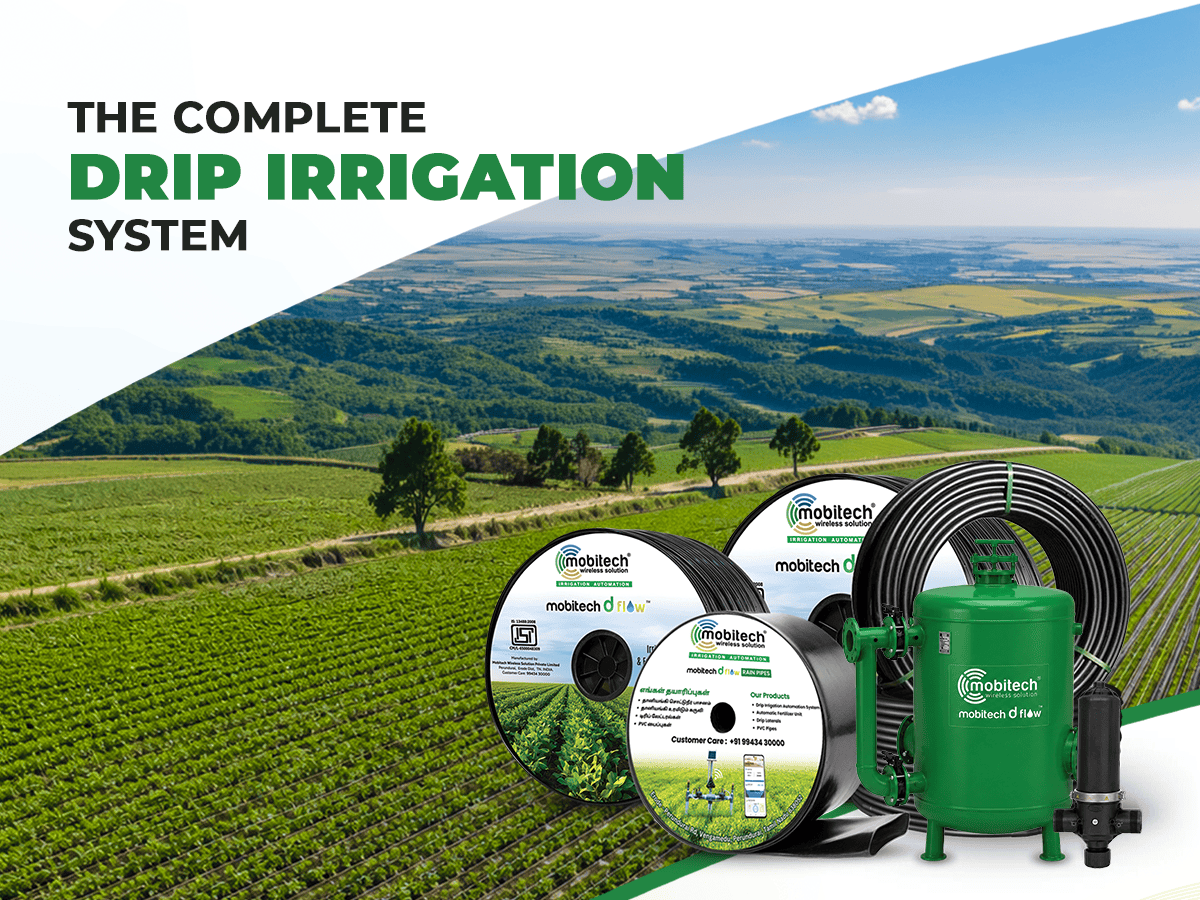
| Drip Irrigation | Excellent (30–60% Water Saving) |
Smart Irrigation: The Better Approach
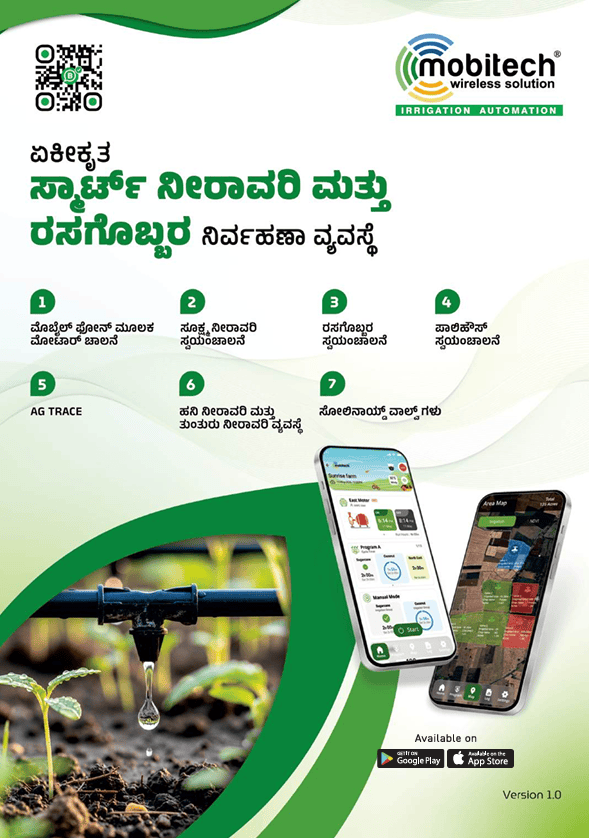
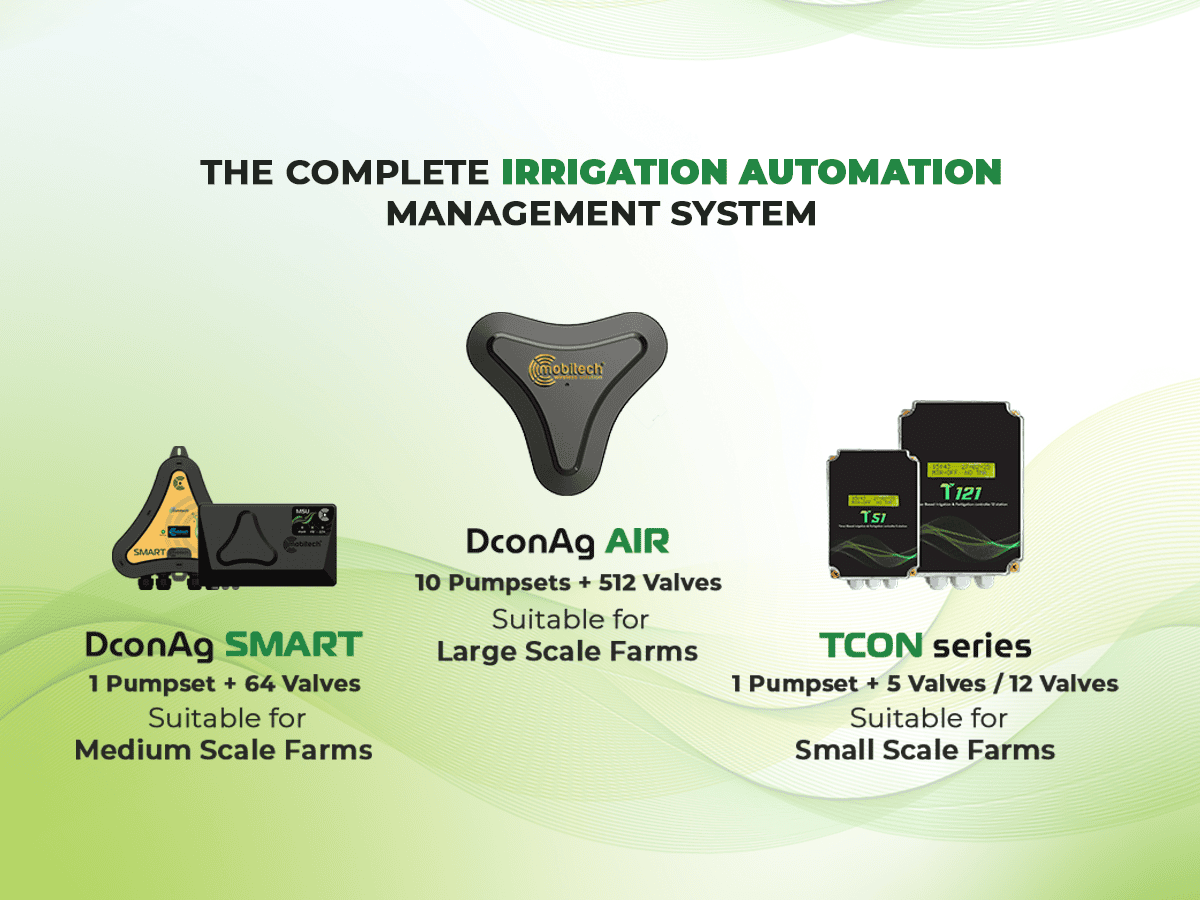
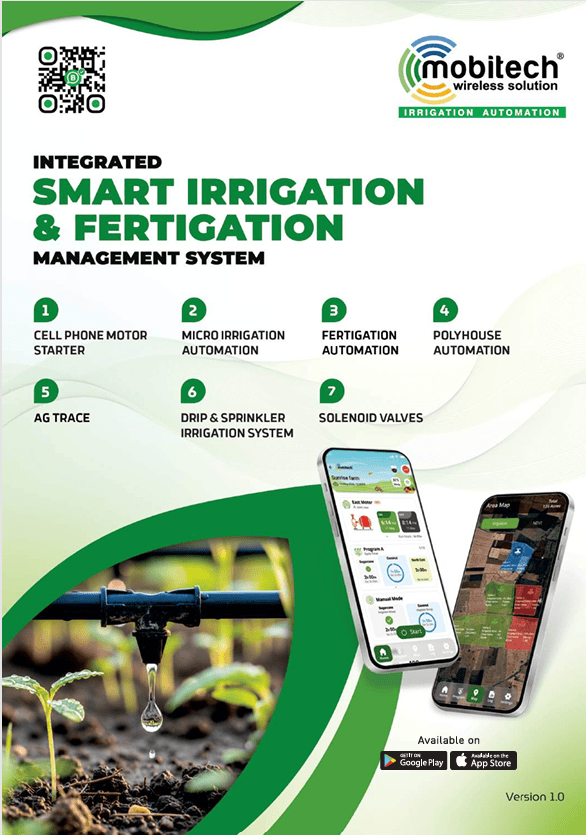
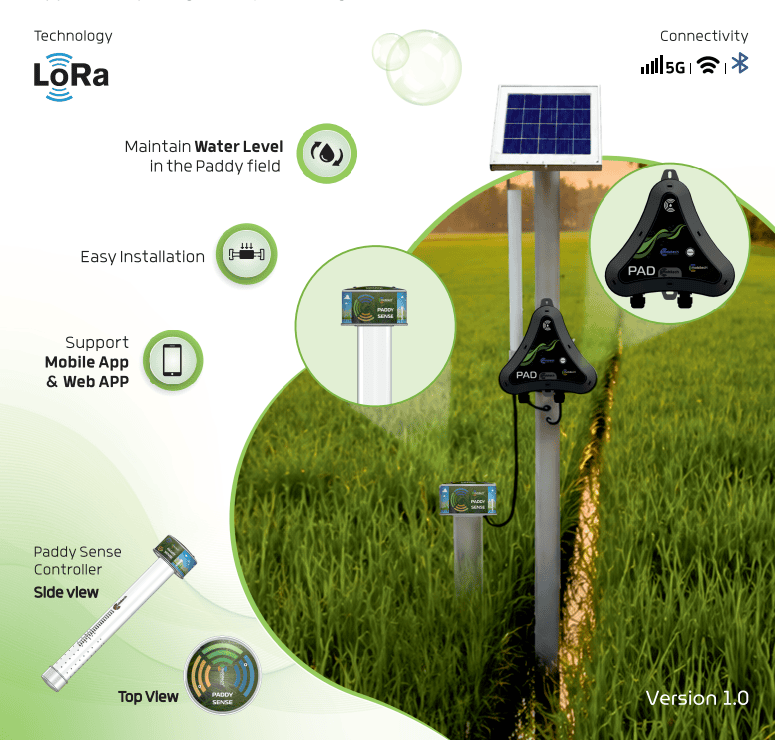
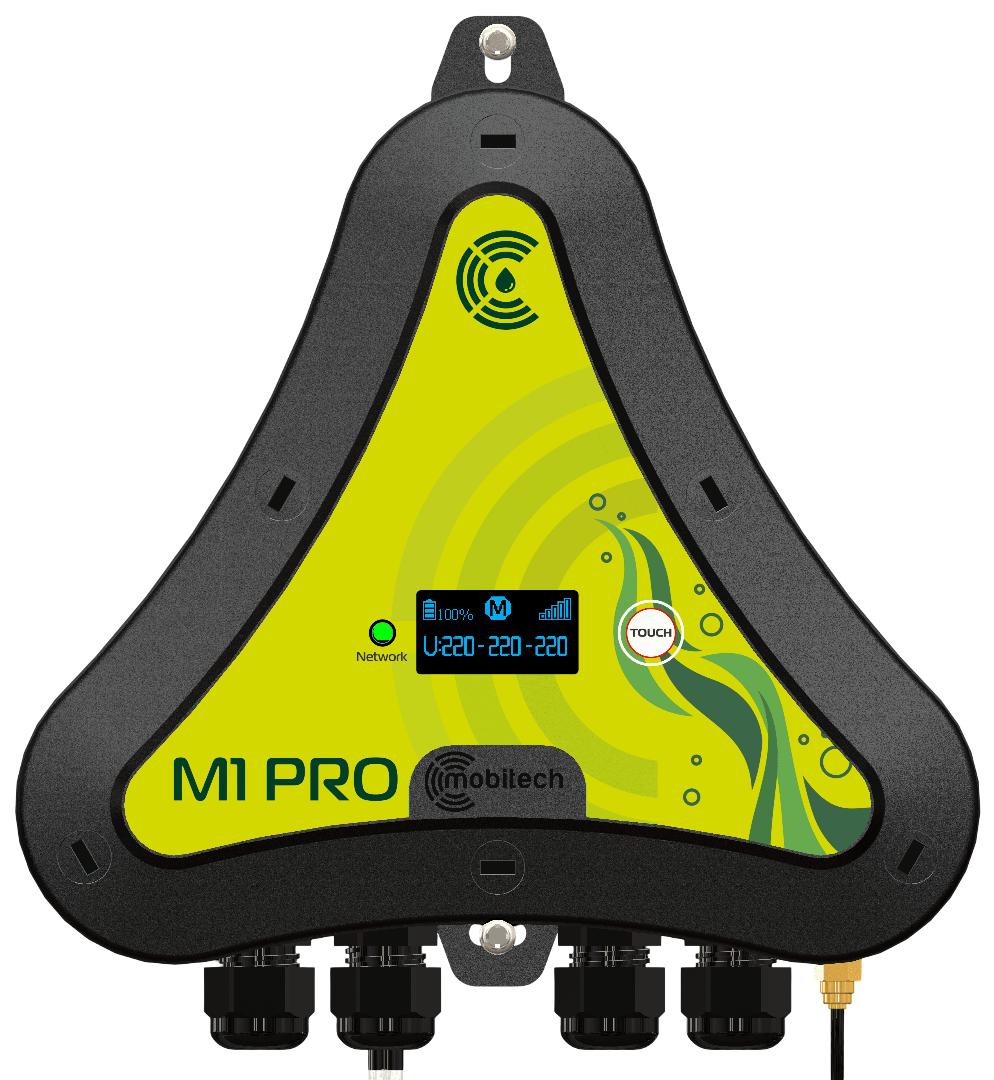
Instead of following fixed irrigation schedules, smart irrigation systems apply water based on actual field conditions. Modern systems monitor soil moisture, rainfall, temperature, water tank levels, and irrigation schedules automatically.
Tips to Reduce Water Usage Without Reducing Yield
- Use drip irrigation wherever possible.
- Irrigate early morning or evening to reduce evaporation.
- Apply mulch around plants to conserve soil moisture.
- Monitor soil moisture regularly.
- Avoid unnecessary irrigation after rainfall.
- Repair leaking irrigation systems immediately.
- Adjust irrigation according to crop growth stages.
Conclusion
Understanding the crop water requirement of coconut, banana, and sugarcane is one of the easiest ways to improve productivity while conserving water. Rather than irrigating based on guesswork, farmers should consider crop stage, soil moisture, weather conditions, and efficient irrigation methods. By adopting drip irrigation and smart irrigation technologies, every drop of water can contribute directly to healthier crops, lower production costs, and higher farm profits.