



































Automatic Weather Station for Agriculture: Benefits, Features & Working
Learn how Automatic Weather Station for Agriculture helps farmers monitor weather, improve irrigation efficiency, reduce farming risks, and increase crop productivity using smart farming technology.
Introduction
Automatic Weather Station for Agriculture is transforming modern farming with real-time weather monitoring and smart farming technology. Automatic Weather Station for Agriculture helps farmers monitor environmental conditions accurately and improve irrigation planning.
However, traditional farming methods often rely on assumptions instead of accurate weather monitoring data. As a result, farmers may face water wastage, crop damage, and poor irrigation management.
Therefore, using an Automatic Weather Station for Agriculture helps farmers make better farming decisions using smart agriculture technology and precision agriculture systems.

What is an Automatic Weather Station?
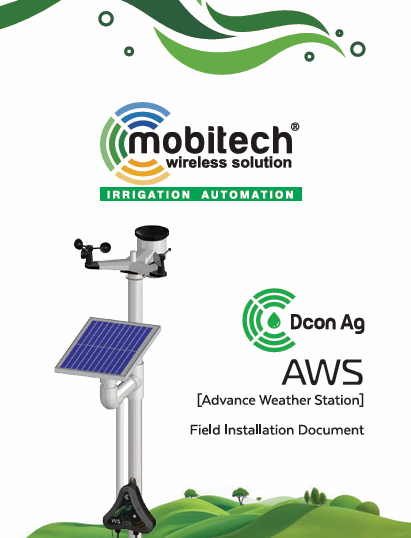
An Automatic Weather Station for Agriculture is a smart electronic weather monitoring system designed to collect and monitor real-time weather data automatically.
Automatic Weather Station for Agriculture uses advanced sensors to measure:
- Temperature
- Humidity
- Rainfall
- Wind Speed
- Wind Direction
- Atmospheric Pressure
The collected weather data is transmitted wirelessly to mobile apps, cloud platforms, or monitoring systems for easy access and analysis.
Moreover, Automatic Weather Station for Agriculture supports precision agriculture, smart irrigation systems, and real-time weather monitoring for farmers.
Why Weather Monitoring is Important in Agriculture
Weather changes can significantly impact agricultural productivity. Sudden rainfall, extreme heat, high humidity, and strong winds may damage crops and reduce farm efficiency.
As a result:
- Irrigation planning becomes difficult
- Crop diseases increase
- Water usage becomes inefficient
- Spraying operations get affected
- Crop yield decreases
Therefore, modern farmers are shifting toward Automatic Weather Station for Agriculture and smart weather monitoring solutions for better farm management.
How Automatic Weather Stations Work
- First, Automatic Weather Station for Agriculture sensors collect weather data continuously
- Then, the information is processed automatically
- The weather data is transmitted wirelessly
- Farmers can monitor reports remotely using mobile apps
- As a result, farming decisions become faster and more accurate
Moreover, Automatic Weather Station for Agriculture helps farmers respond quickly to climate changes and improve smart farming efficiency.
Benefits of Automatic Weather Stations for Smart Farming
Using an Automatic Weather Station for Agriculture offers several important advantages.
- Real-Time Weather Monitoring for accurate climate tracking
- Improved Irrigation Management for efficient water usage
- Reduced Crop Risk through weather-based decisions
- Water Saving with smart irrigation planning
- Higher Crop Productivity using real-time weather monitoring
- Smart Farming Support with data-driven agriculture technology

Therefore, farmers can increase productivity while reducing operational costs using Automatic Weather Station for Agriculture technology.
Sensors Used in Automatic Weather Stations
Automatic Weather Station for Agriculture systems use multiple advanced sensors to monitor environmental conditions accurately.
- Temperature Sensor
- Humidity Sensor
- Rain Gauge Sensor
- Wind Speed Sensor
- Wind Direction Sensor
- Solar Radiation Sensor
Because of these sensors, Automatic Weather Station for Agriculture provides complete real-time weather monitoring data for smart agriculture and precision farming.
Applications of Automatic Weather Stations
Automatic Weather Station for Agriculture systems are widely used in:
- Smart Farming
- Precision Agriculture
- Greenhouse Farming
- Crop Monitoring
- Weather Forecasting
- Research and Environmental Monitoring
Therefore, Automatic Weather Station for Agriculture technology is becoming essential in modern agriculture and smart farming systems.


