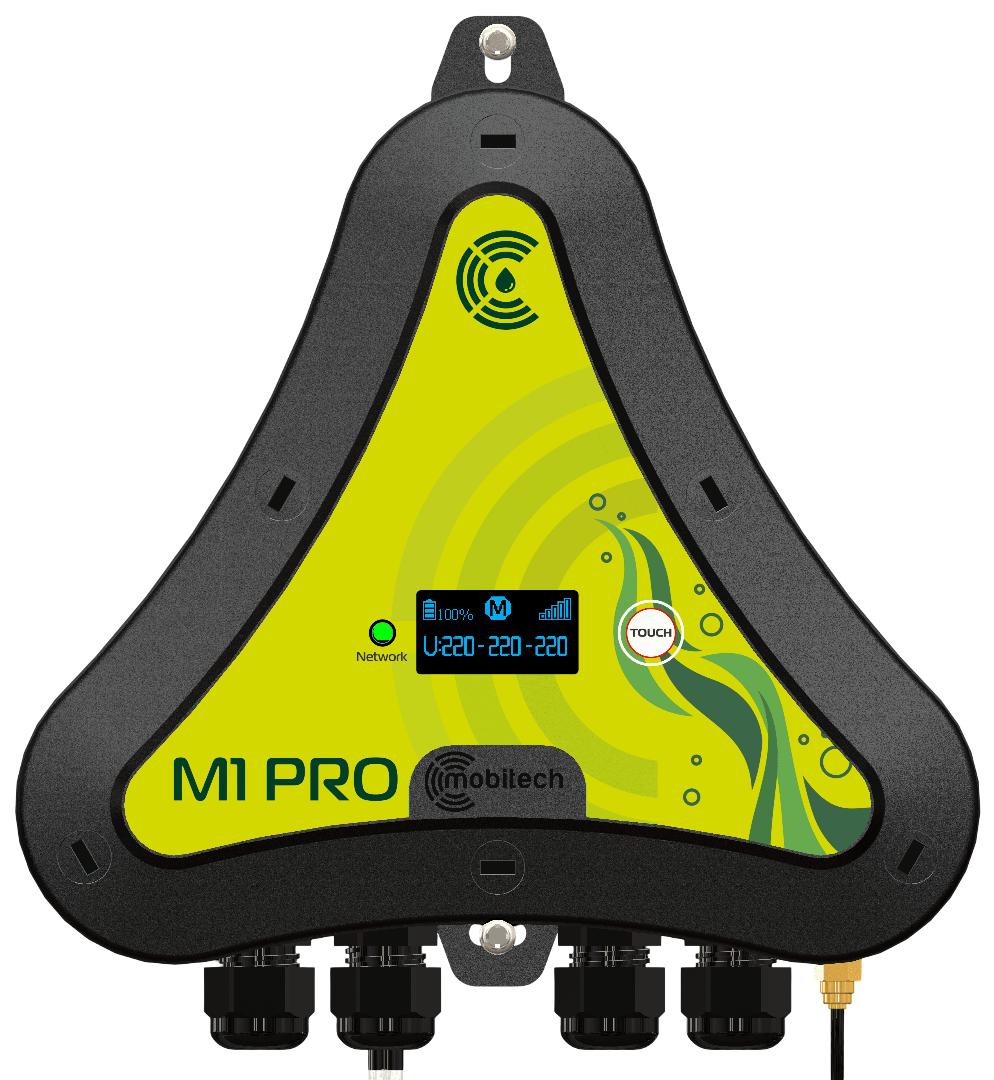
Automated Drip Irrigation System in Karnataka: Save Water, Time & Labour
Automated Drip Irrigation System in Karnataka is becoming an essential solution for farmers looking to improve water management and reduce irrigation costs. With unpredictable rainfall, declining groundwater levels, and rising labour costs, traditional irrigation methods often result in water wastage and unnecessary manual effort.
An Automated Drip Irrigation System in Karnataka offers a smart and efficient solution by supplying the right amount of water directly to the crop root zone while automating irrigation schedules. Modern automation helps farmers reduce water consumption, minimize labour dependency, and improve irrigation efficiency.
This guide explains how an Automated Drip Irrigation System in Karnataka works, its key components, major benefits, and why it is becoming an essential part of smart farming across the state.
Why Farmers in Karnataka Need Automated Drip Irrigation
Karnataka cultivates a wide variety of crops including arecanut, coconut, sugarcane, pomegranate, banana, vegetables, grapes, and coffee. Many of these crops require regular and controlled irrigation for healthy growth.
An Automated Drip Irrigation System in Karnataka helps farmers manage irrigation more efficiently by delivering water only where and when it is required, reducing unnecessary water loss and improving crop management.
What Is an Automated Drip Irrigation System?
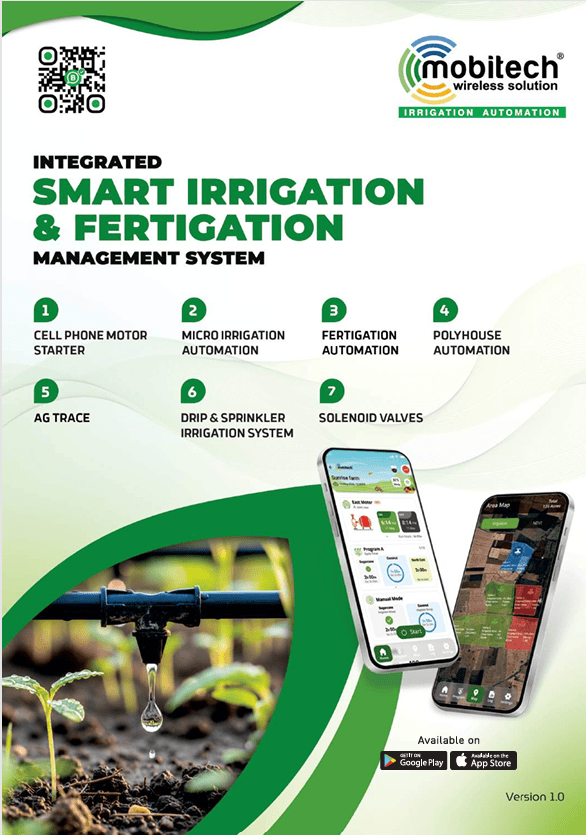
An Automated Drip Irrigation System in Karnataka combines drip irrigation with automation technology to manage irrigation without continuous manual intervention.
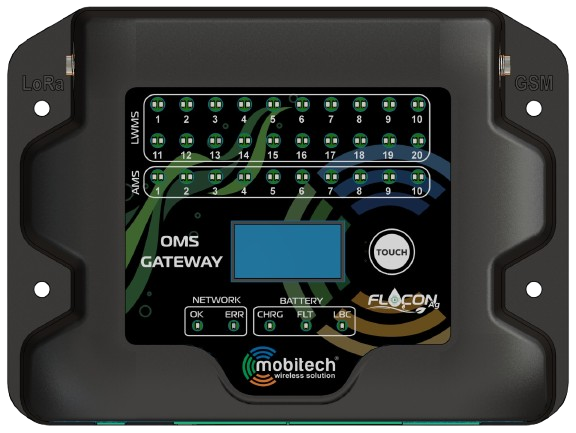
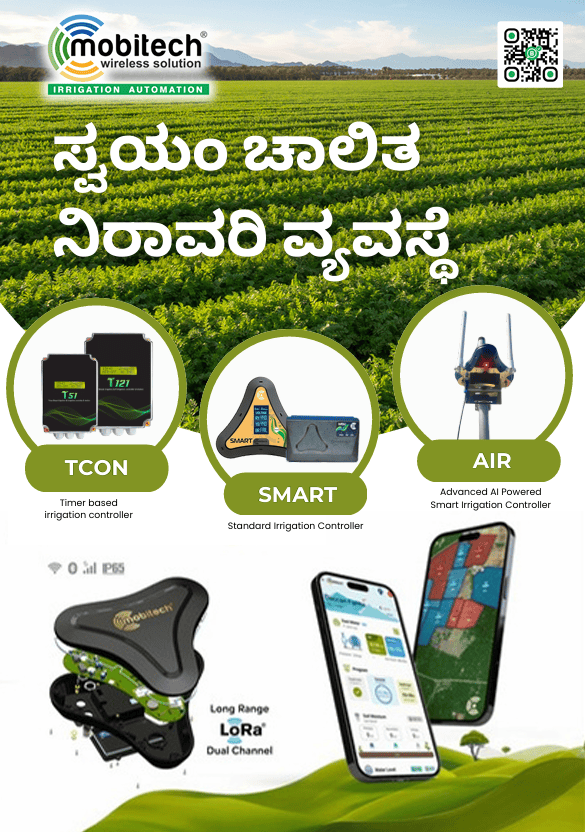
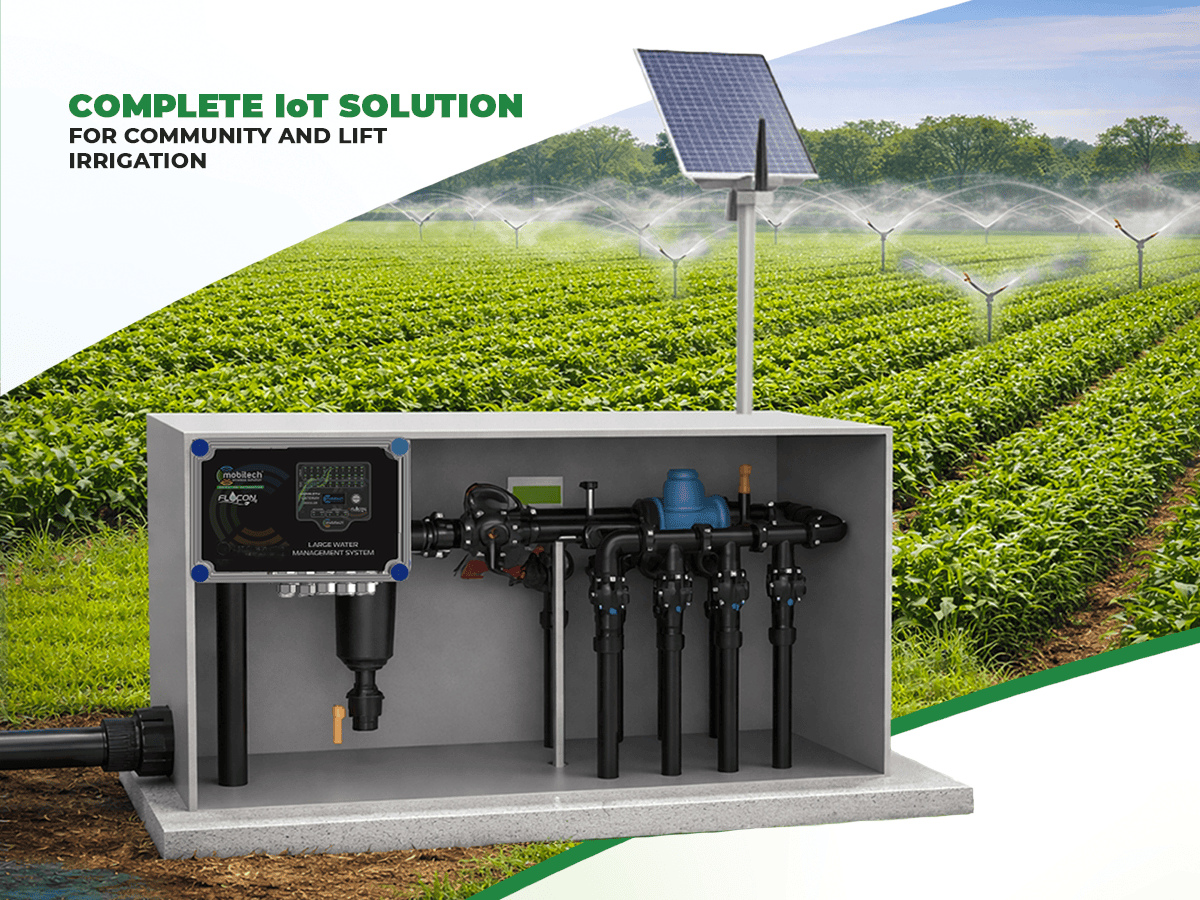
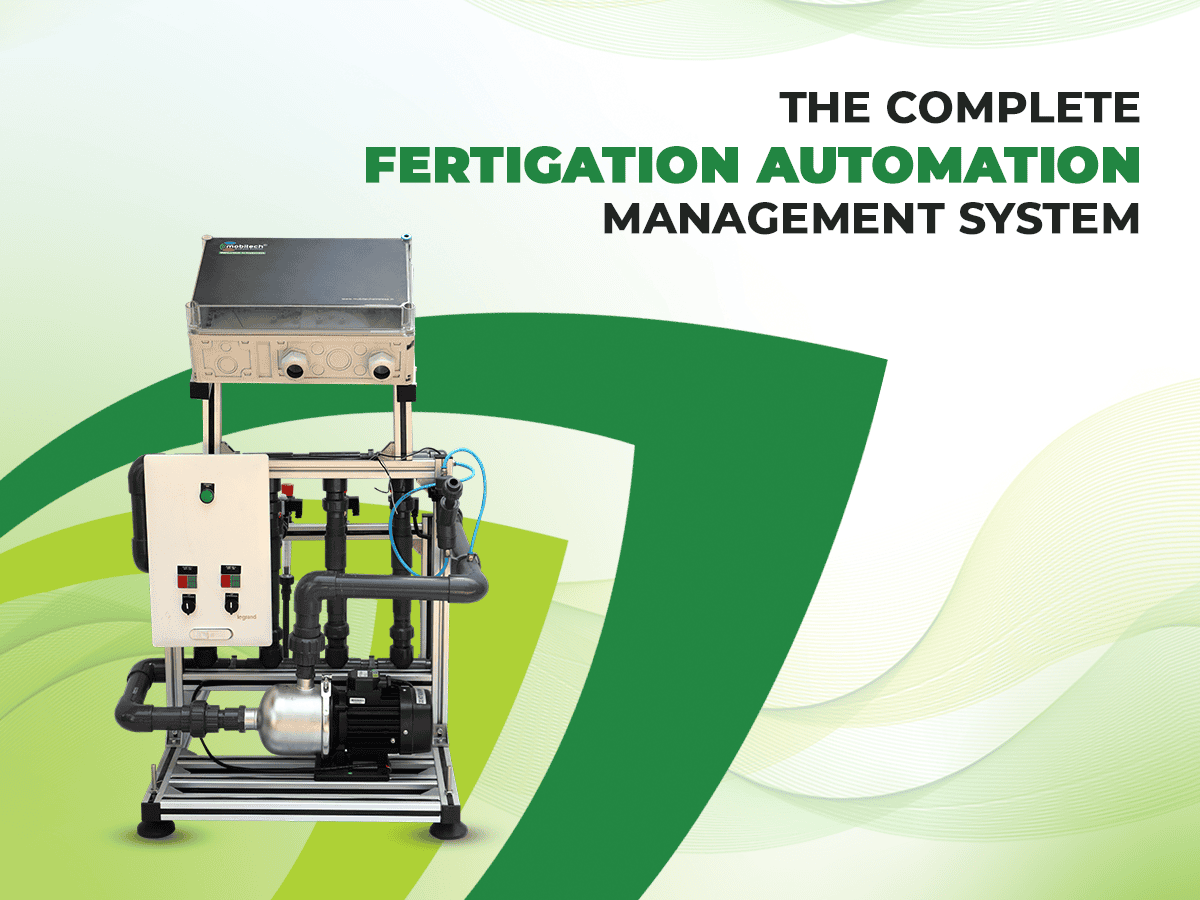
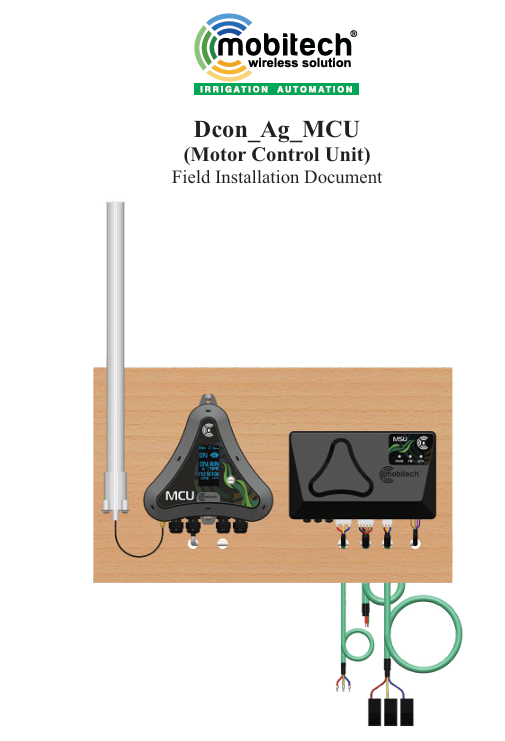
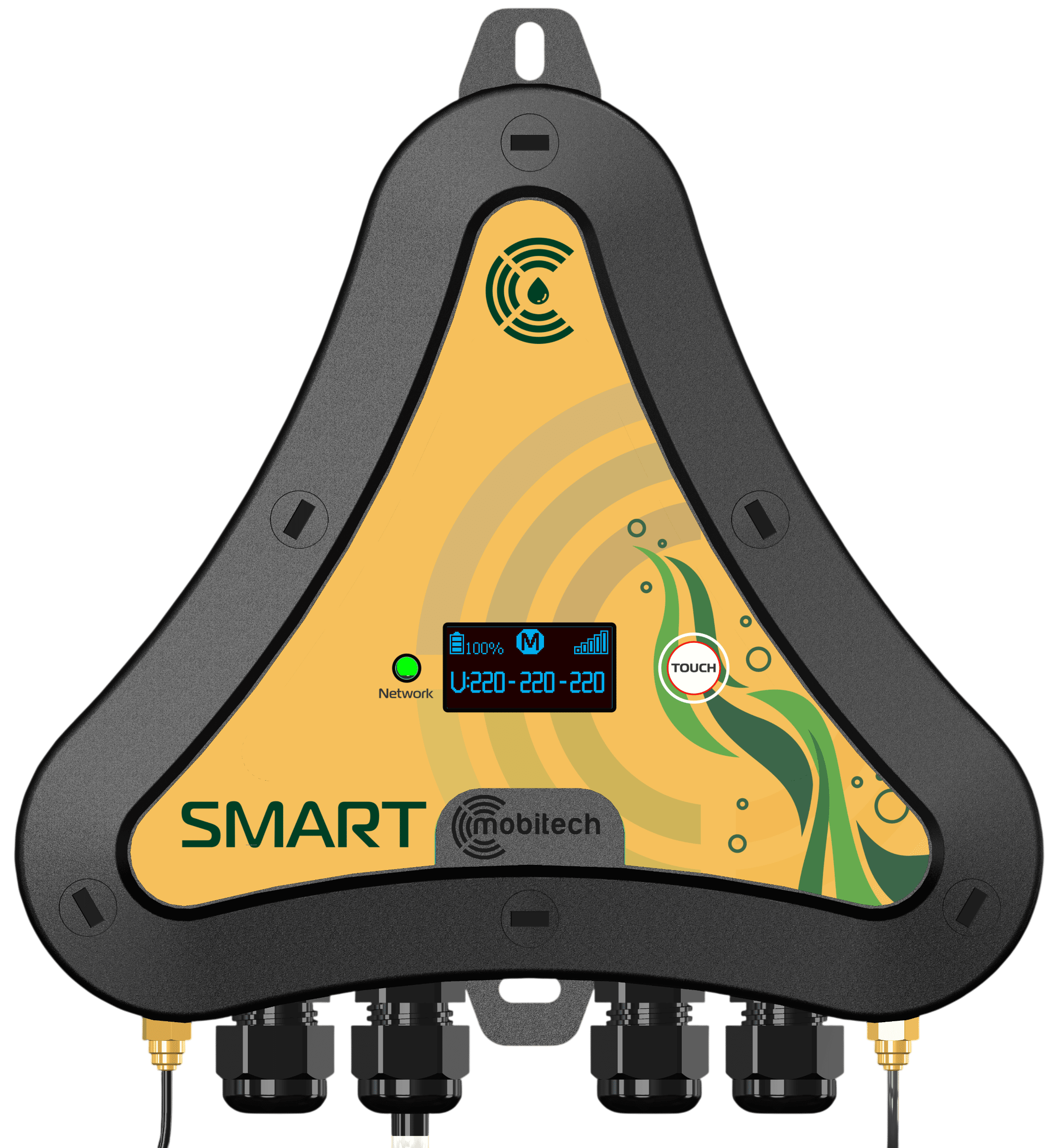
The system can include automatic controllers, sensors, motor starters, solenoid valves, and remote monitoring features. Based on configured schedules or field conditions, the system automatically controls irrigation operations.
This helps farmers maintain consistent irrigation while reducing manual work and improving overall water management.
How an Automated Drip Irrigation System Works
1. Water Source
Water is supplied from a borewell, open well, canal, or storage tank.
2. Automatic Controller
The controller manages irrigation schedules or responds to sensor inputs.
3. Pump & Valves
The system automatically starts the pump and controls irrigation valves.
4. Drip Network
Water is delivered directly to the crop root zone through drip emitters.
Main Components of an Automated Drip Irrigation System in Karnataka
Automatic Irrigation Controller
Controls the complete irrigation process.
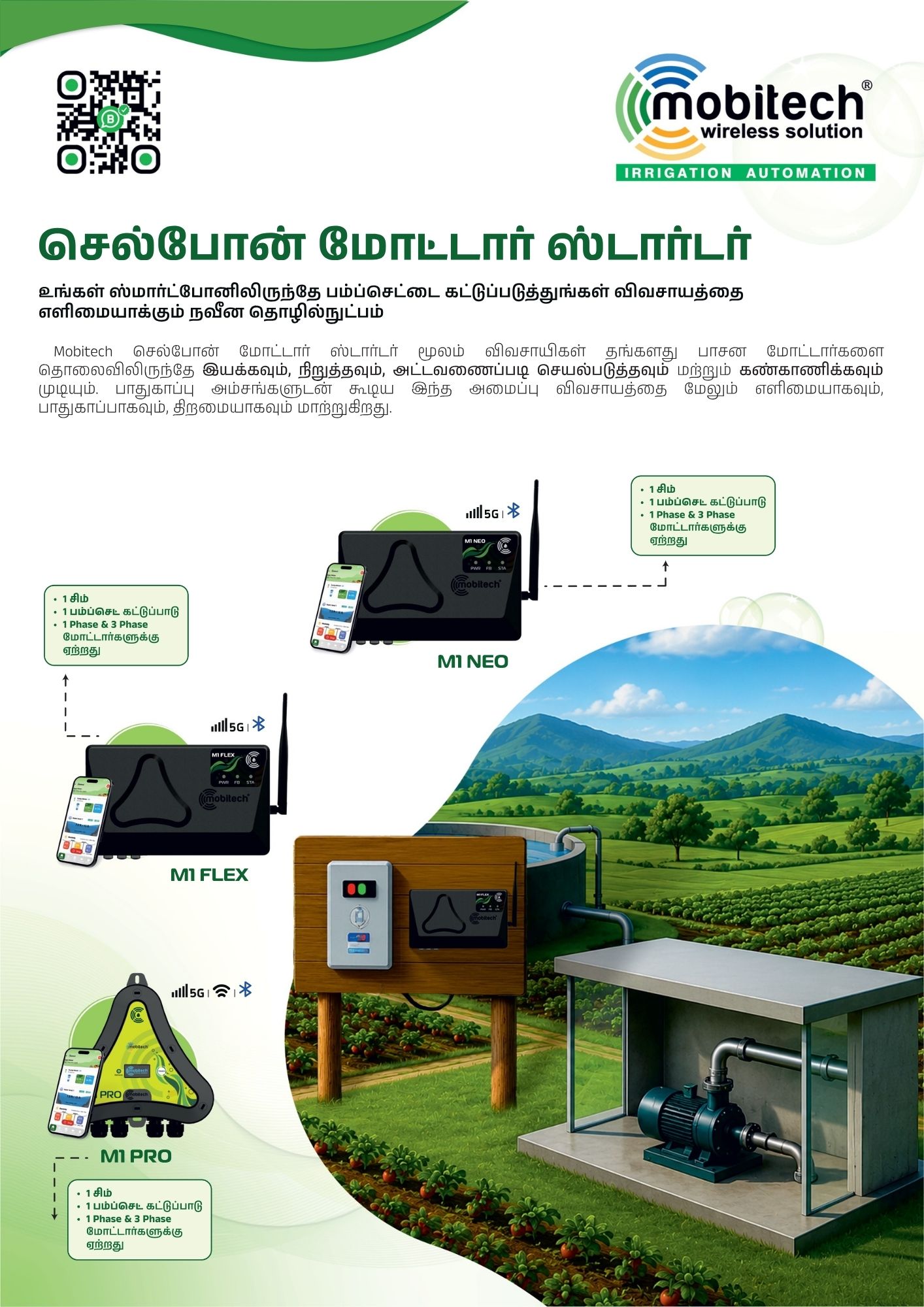
Motor Starter
Automatically starts and stops irrigation pumps.
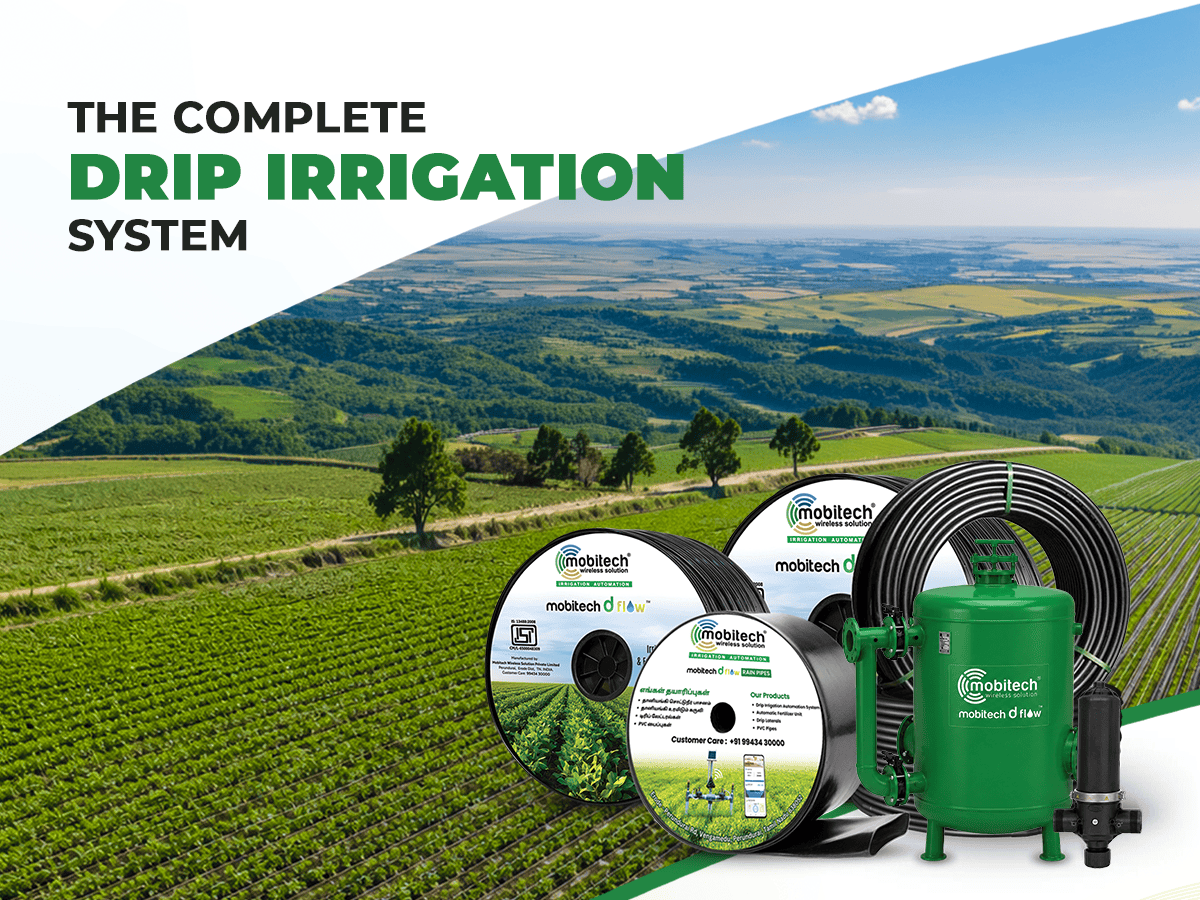
Drip Irrigation Lines
Deliver water directly to plant roots.
Automatic Valves
Control multiple irrigation zones independently.
Water Filters
Protect drip emitters from clogging.
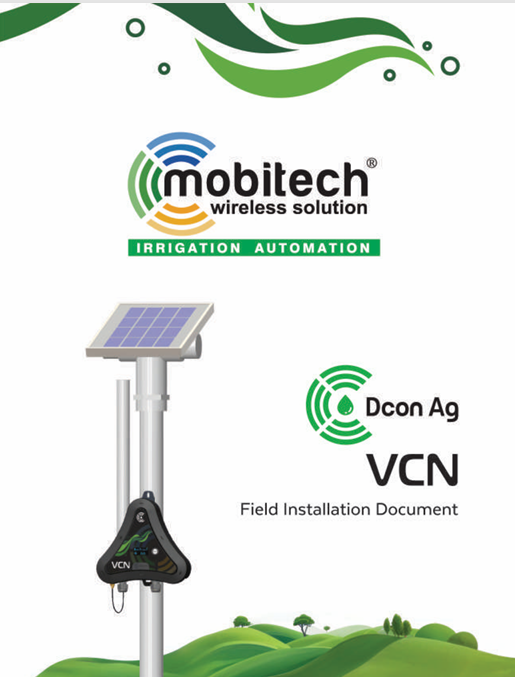
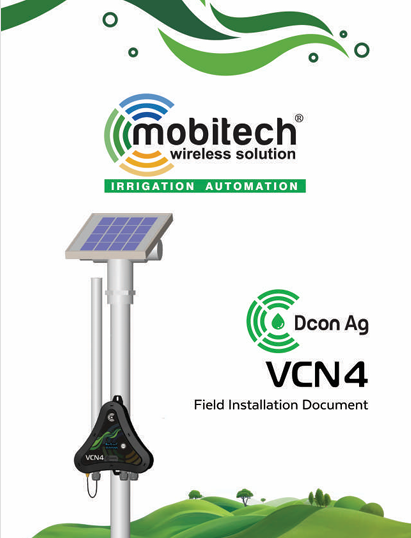
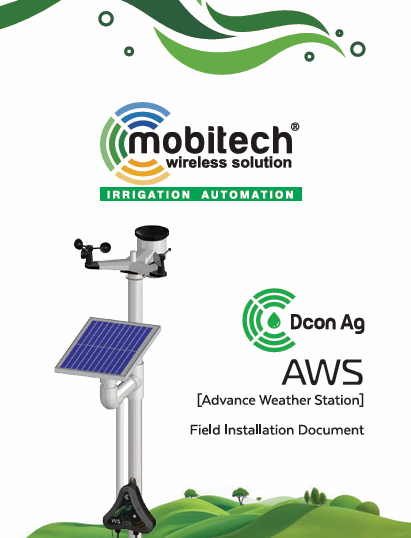
Optional Sensors
Soil moisture, water level, and weather sensors can improve automation.
Top Benefits of an Automated Drip Irrigation System in Karnataka
1. Saves Water
Drip irrigation applies water directly to the root zone, significantly reducing evaporation and runoff compared to conventional irrigation.
2. Reduces Labour Requirements
Automation eliminates the need for manually operating pumps and valves every day.
3. Improves Irrigation Efficiency
Water is supplied more uniformly across the field, supporting better crop growth.
4. Saves Time
Farmers spend less time managing irrigation and can focus on other important farming activities.
5. Reduces Electricity Consumption
Avoiding unnecessary irrigation cycles can reduce pump operating hours and improve energy efficiency.
6. Supports Smart Farming
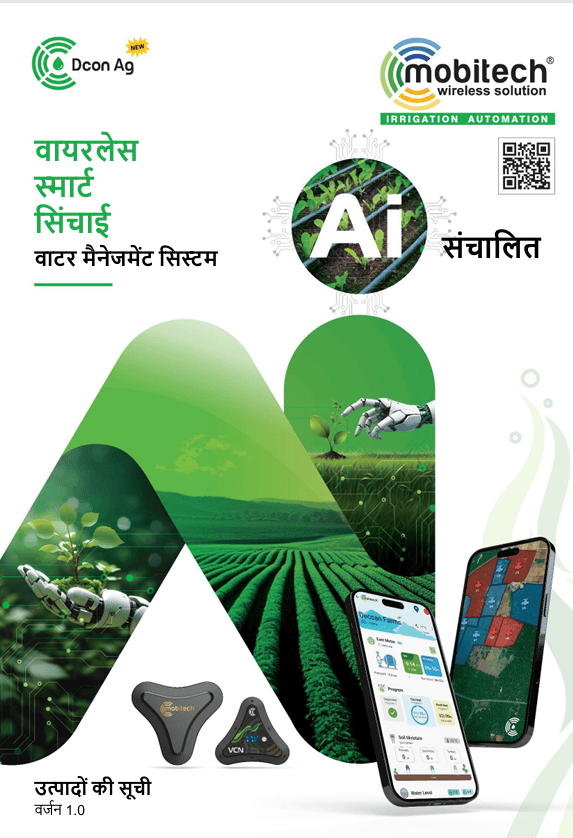
Modern automation systems offer remote monitoring, scheduling, and mobile-based irrigation management.
7. Suitable for Different Farm Sizes
Whether managing a small orchard or a large commercial plantation, automated drip irrigation can be customized to suit different farm requirements.
Manual Irrigation vs Automated Drip Irrigation System in Karnataka
| Feature | Manual Irrigation | Automated Drip Irrigation |
|---|
| Water Usage | Higher | More Efficient |
| Labour Requirement | High | Lower |
| Pump Operation | Manual | Automatic |
| Water Distribution | Variable | Uniform |
| Remote Monitoring | Not Available | Available in Smart Systems |
Applications of Automated Drip Irrigation in Karnataka
🥥 Coconut Farms
🌴 Arecanut Plantations
🍇 Grape Vineyards
🥭 Mango Orchards
🍌 Banana Farms
☕ Coffee Estates
🌶️ Vegetable Farms
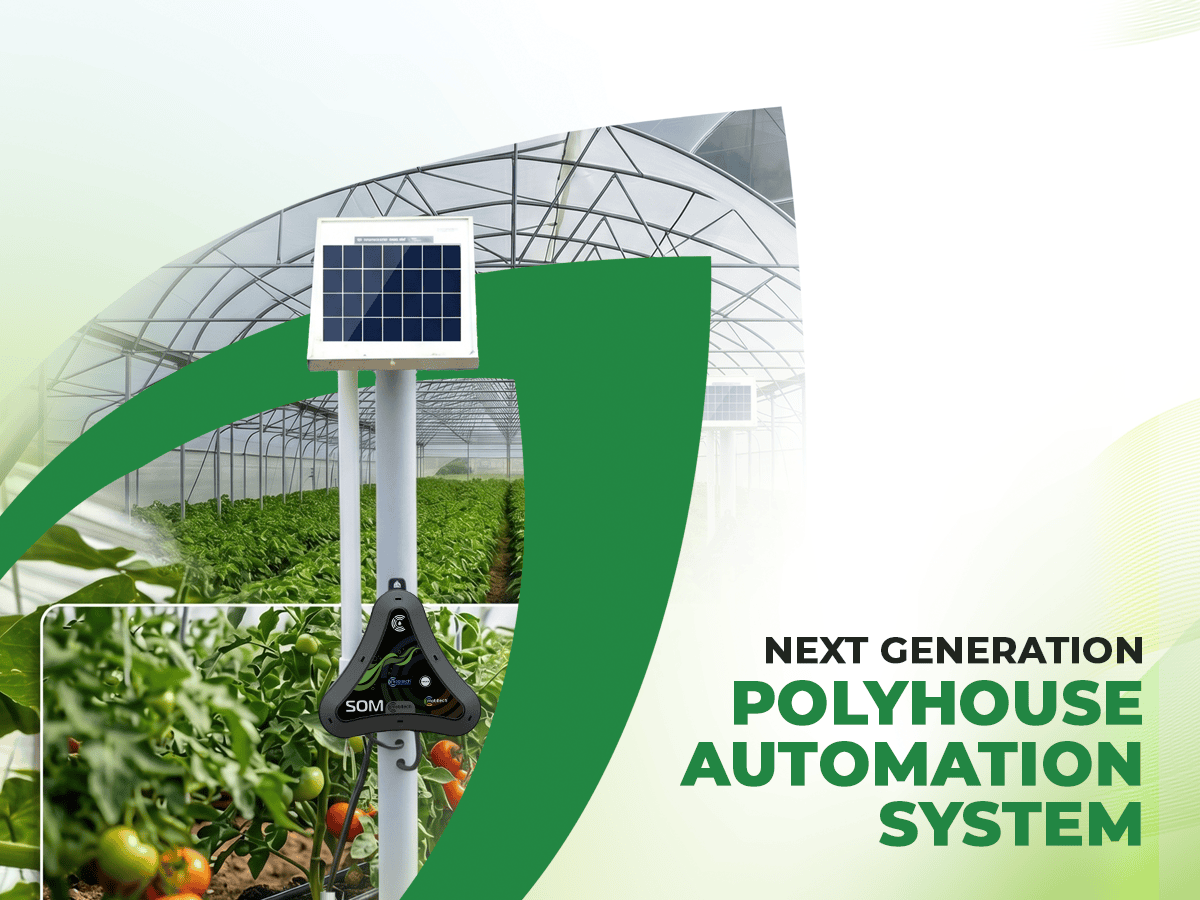
🏡 Greenhouses & Polyhouses
Things to Consider Before Installing an Automated Drip Irrigation System in Karnataka
- Crop Type: Different crops require different irrigation schedules.
- Soil Type: Water retention varies across sandy, loamy, and clay soils.
- Farm Size: System design depends on field area.
- Water Availability: Assess borewell or storage capacity.
- Automation Requirements: Select controllers, sensors, and remote monitoring features according to farm needs.
- Future Expansion: Choose a scalable system for additional irrigation zones.
Common Mistakes to Avoid
Avoid These Common Errors
- Ignoring proper filter maintenance.
- Incorrect drip line placement.
- Not dividing large farms into irrigation zones.
- Using incorrect irrigation schedules.
- Failing to inspect emitters regularly.
- Skipping periodic system maintenance.
Final Thoughts
An Automated Drip Irrigation System in Karnataka is transforming modern agriculture by helping farmers use water more efficiently while reducing labour and saving valuable time. As water scarcity and labour shortages continue to impact farming, automation provides a practical solution for sustainable irrigation management.
Whether you’re cultivating coconut, arecanut, coffee, vegetables, banana, grapes, or horticultural crops, investing in an Automated Drip Irrigation System in Karnataka can improve irrigation efficiency, support healthier crop growth, and simplify day-to-day farm operations.
Choosing the right automation solution based on your crop, soil conditions, water source, and farm size can help maximize the long-term benefits of smart irrigation.