














































Andhra Pradesh Floods Damaged 8 Lakh Hectares: Why Crop Insurance Is No Longer Optional
The Andhra Pradesh Floods of 2021 became one of the most devastating agricultural disasters in recent Indian history. While the floods caused widespread crop destruction, inadequate crop insurance coverage and limited access to farm-level weather records made financial recovery even more difficult for many affected farmers. The disaster highlighted why modern agriculture needs not only irrigation but also insurance preparedness, weather monitoring, and smart farm management.
When Floodwaters Destroyed More Than Crops
In November 2021, Andhra Pradesh experienced one of the most severe flood events in recent years. Torrential rainfall, overflowing rivers, and reservoir breaches submerged vast stretches of farmland across multiple districts.
For thousands of farmers, the floods did not simply damage crops. They wiped out months of hard work, significant investments, and expected seasonal income. Many crops were just days away from harvest when floodwaters arrived.
While the floods caused the physical destruction, many farming families faced an additional challenge—recovering financially after the disaster.

What Happened During the Andhra Pradesh Floods?
In mid-November 2021, a depression over the Bay of Bengal brought extremely heavy rainfall to southern Andhra Pradesh.
The continuous rainfall resulted in:
- Overflowing rivers
- Reservoirs reaching dangerous levels
- Flash floods across multiple districts
- Agricultural lands remaining submerged for days
- Breaches near the Annamayya Project
- Severe flooding from the Cheyyeru River
What began as a weather event quickly escalated into a large-scale agricultural disaster affecting thousands of farming families.
The Scale of the Damage
| Impact Category | Damage |
|---|---|
| Agriculture & Horticulture Area Damaged | 8 lakh hectares |
| Estimated Crop Loss | ₹3,000 crore |
| Villages Affected | 1,300+ |
| People Evacuated | 58,000+ |
| Human Lives Lost | 34 |
| Worst-Hit District | Kadapa |
To understand the scale, 8 lakh hectares equals approximately 1.98 million acres of farmland—more than 11 times the area of Chennai city.
Districts That Suffered the Most
| District | Crop Area Damaged |
|---|---|
| Kadapa | 126,167 ha |
| Anantapur | 90,498 ha |
| Nellore | 12,118 ha |
| Chittoor | 9,616 ha |
Kadapa emerged as the worst-affected district, with large agricultural areas remaining underwater for extended periods.

Crops Lost Just Before Harvest
The timing of the floods made the losses especially painful. Most farmers had already completed nearly an entire cultivation cycle and invested heavily in production.
- Seeds
- Fertilizers
- Labor
- Irrigation
- Pest Management
- Harvest Preparation
Major crops affected included:
Standing crops remained underwater for days, resulting in complete crop failure.
Prolonged waterlogging severely reduced productivity and quality.
Flood damage affected both yield and market value.
Ready-to-harvest crops were destroyed by excessive rainfall.
Large cultivated areas suffered extensive damage.
Fruit orchards and vegetable farms experienced significant losses.
The Financial Challenge Beyond Crop Loss
When crops are destroyed by floods, farmers often depend on crop insurance to recover financially. However, not every farmer has adequate insurance coverage, and many face challenges during claim assessment and verification.
As a result, many farming families must absorb a significant portion of the financial loss themselves.
Why Insurance Verification Can Be Difficult
Insurance providers and government agencies often require evidence to verify crop loss claims.
- Rainfall records
- Weather reports
- Field inspection data
- Crop damage assessments
- Historical farm information
Collecting and presenting such information can be difficult after a major disaster.

How Smart Farm Monitoring Can Help
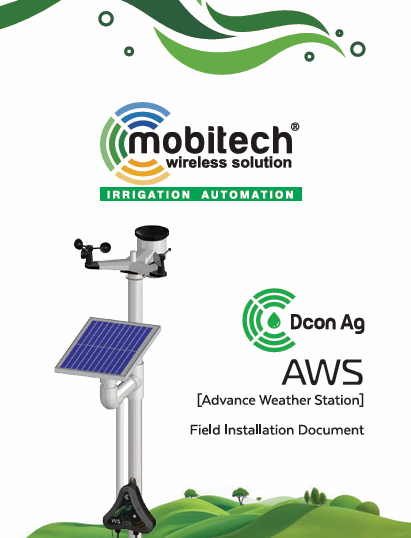
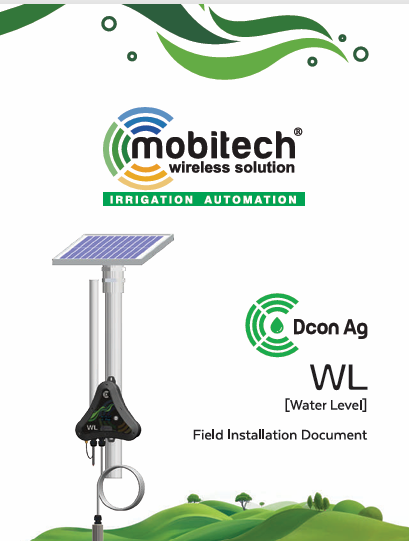
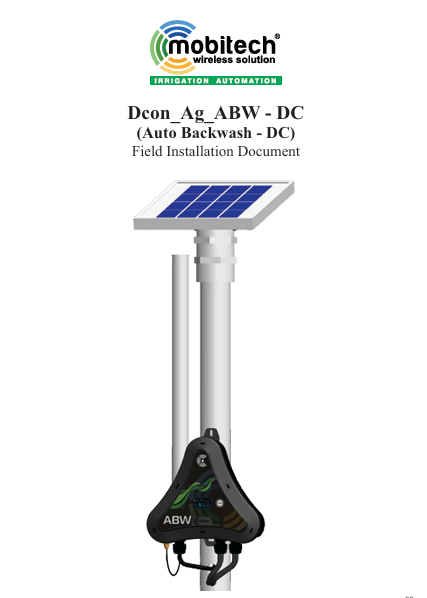
Modern agricultural automation systems can continuously monitor and record:
- Rainfall levels
- Wind speed
- Temperature
- Humidity
- Soil moisture
- Water flow
- Irrigation activity
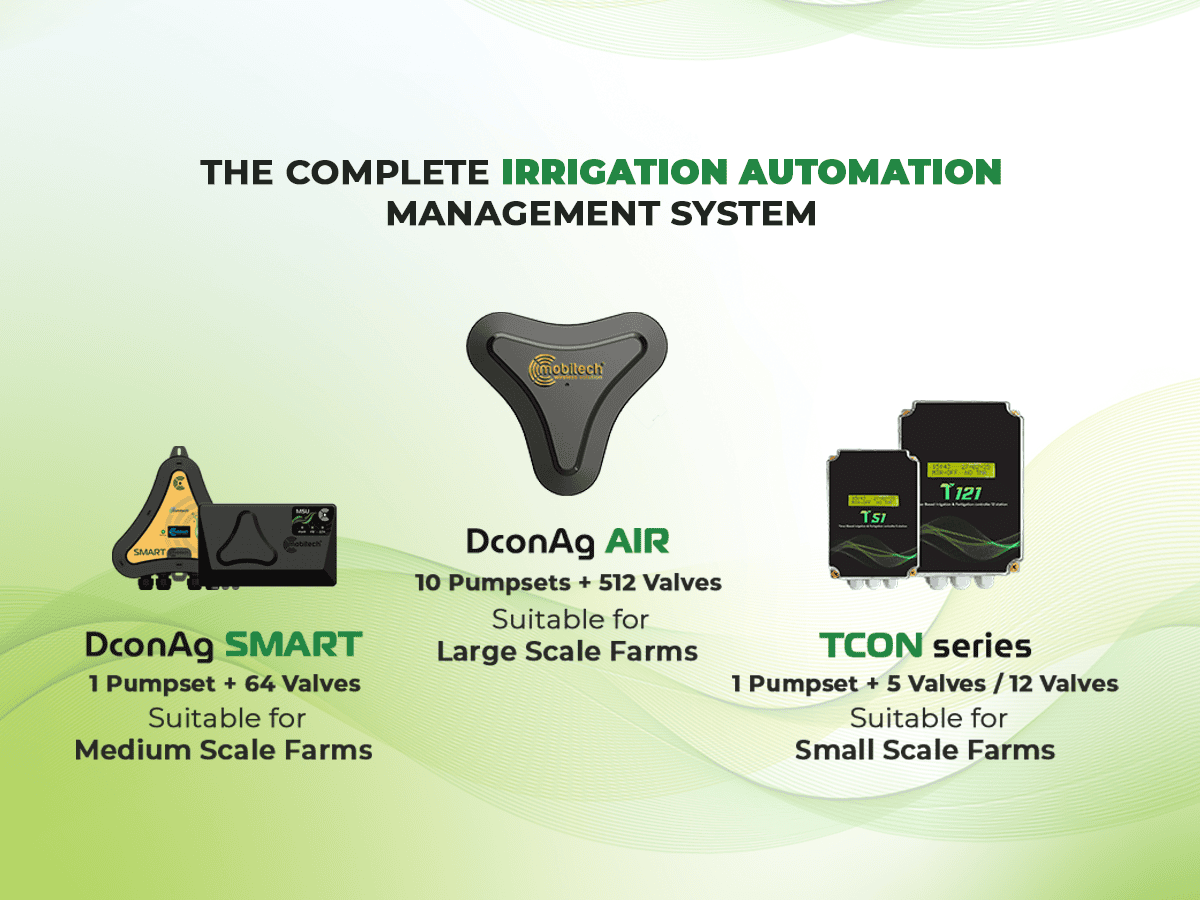
The data is automatically stored in cloud-based platforms and mobile applications, creating valuable historical records.
Smart Data Can Support Insurance Claims
With a agricultural automation smart monitoring system, farmers can access:
Such information can help support documentation requirements during insurance assessments and disaster recovery.
Conclusion
The Andhra Pradesh Floods of 2021 caused crop losses estimated at ₹3,000 crore and affected nearly 8 lakh hectares of farmland. The disaster highlighted how vulnerable agriculture can be to extreme weather events and why financial protection is just as important as crop production.
As farming becomes increasingly unpredictable, crop insurance, weather monitoring, and smart farm automation can play a critical role in helping farmers recover from future disasters.
The Andhra Pradesh Floods of 2021 showed that while floods can destroy crops in days, better insurance preparedness, accurate farm records, and smart monitoring technologies can help farmers recover more effectively from financial losses.