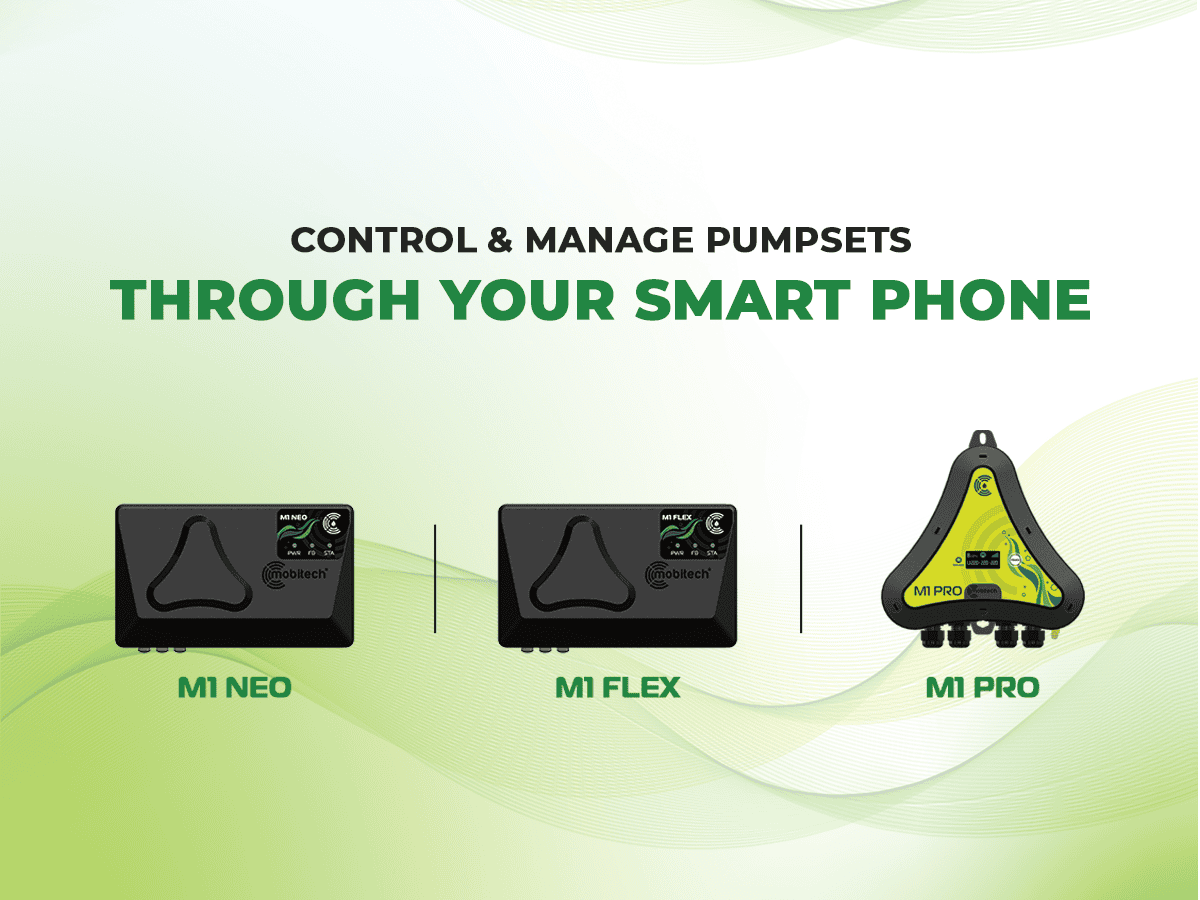
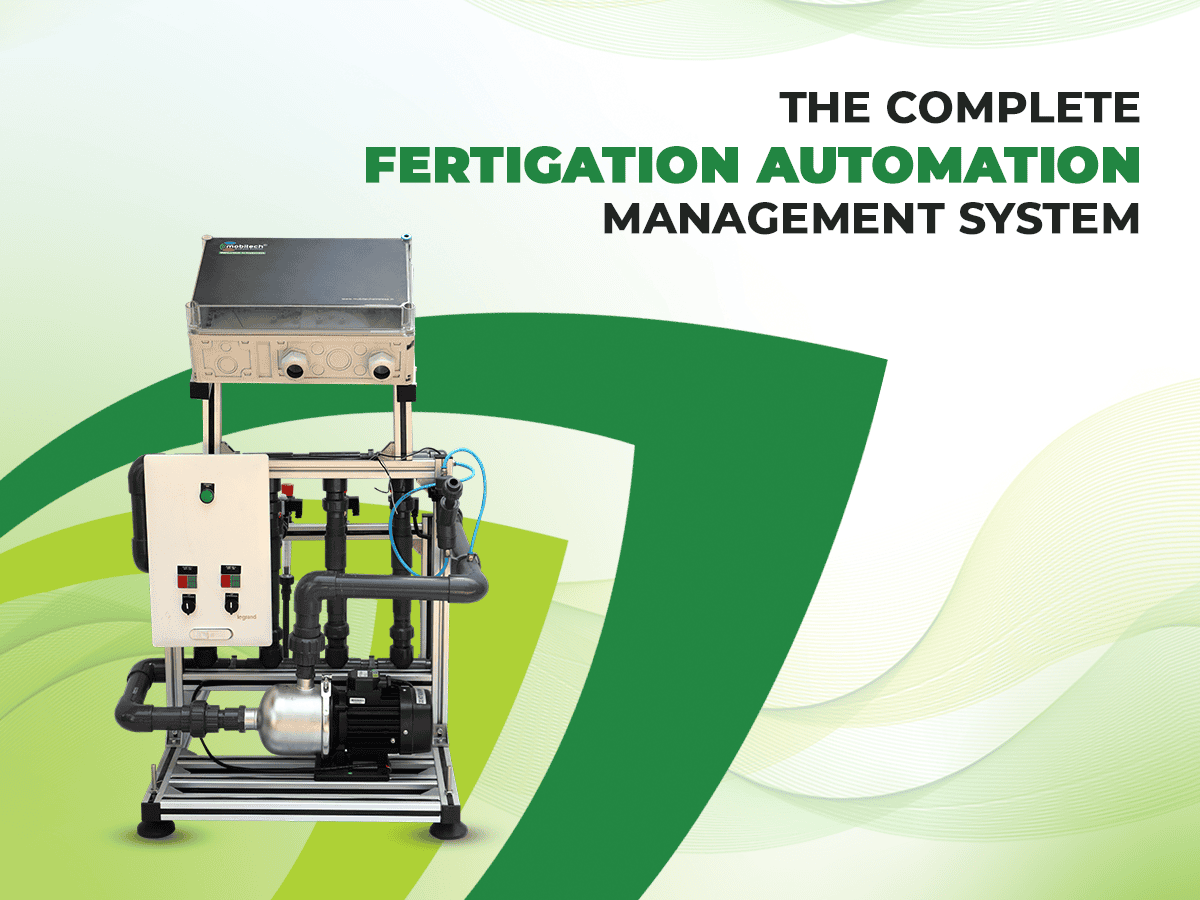
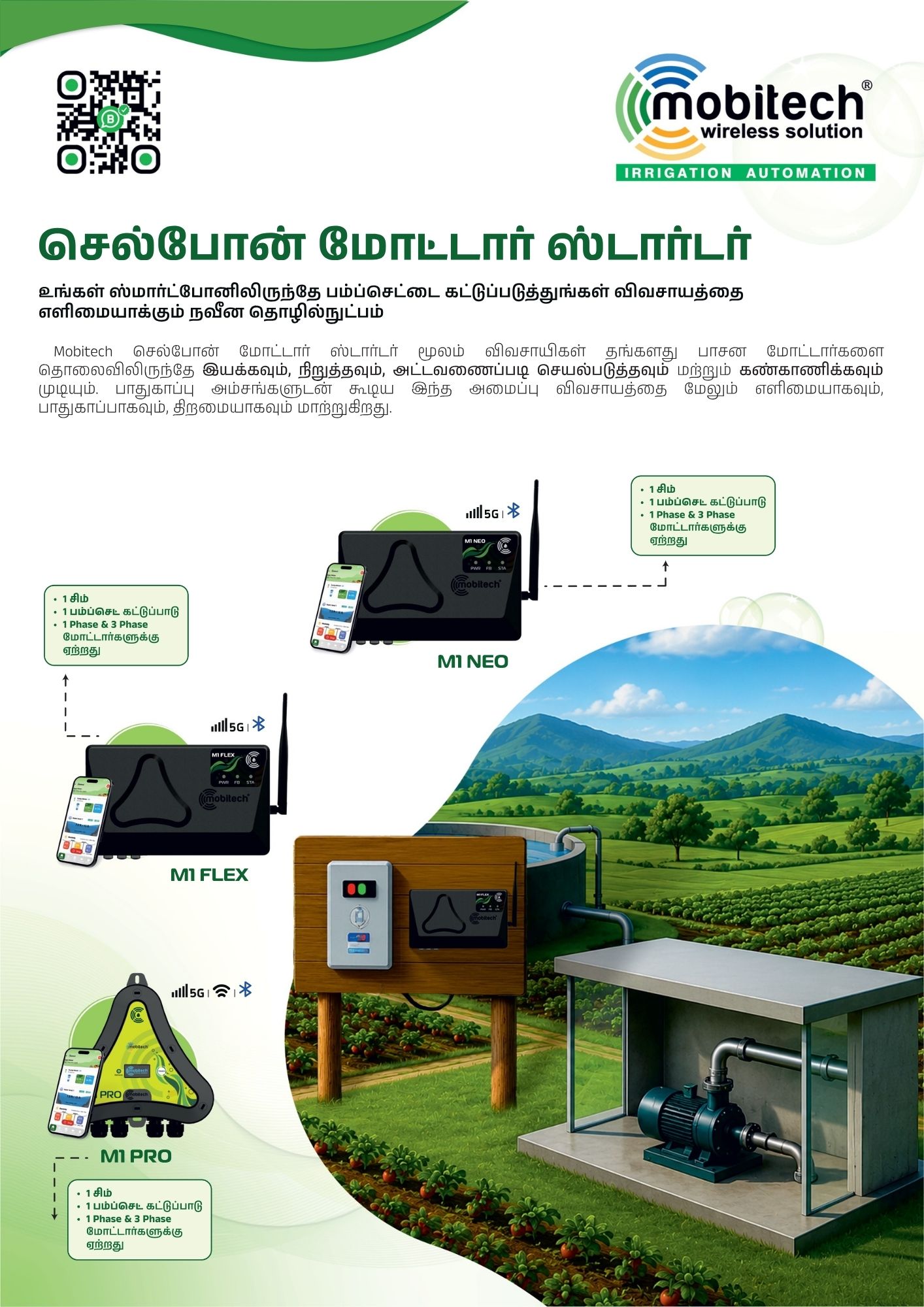
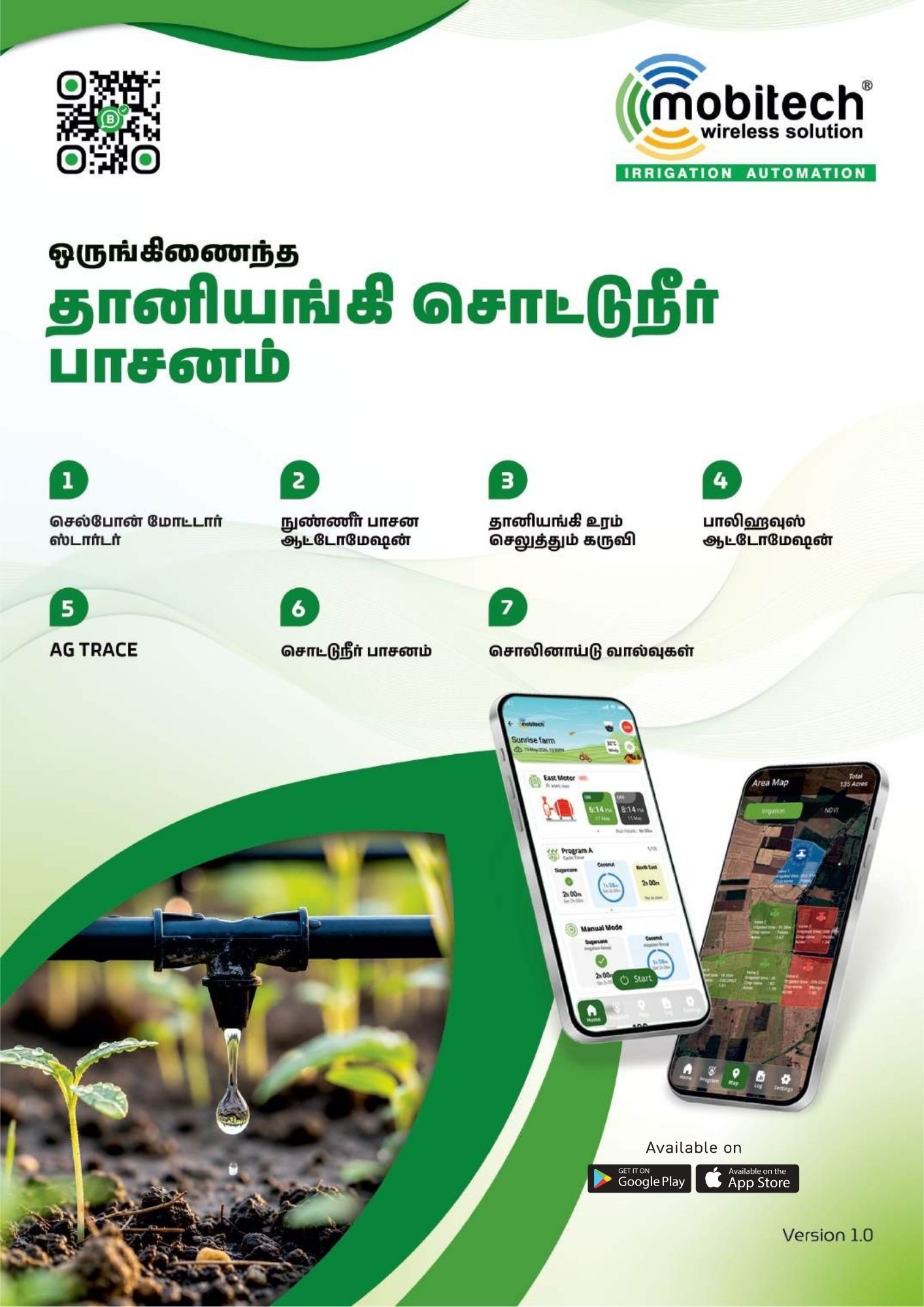
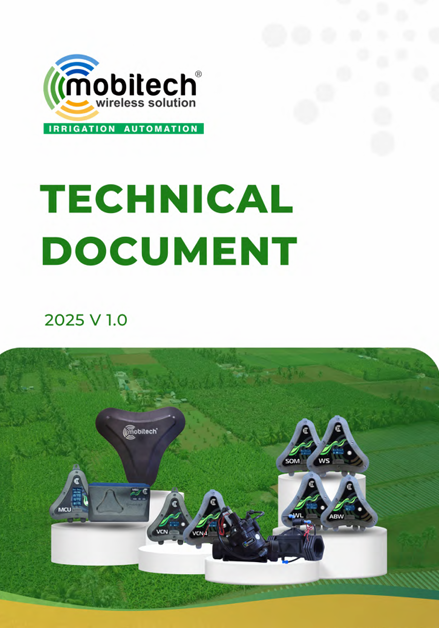
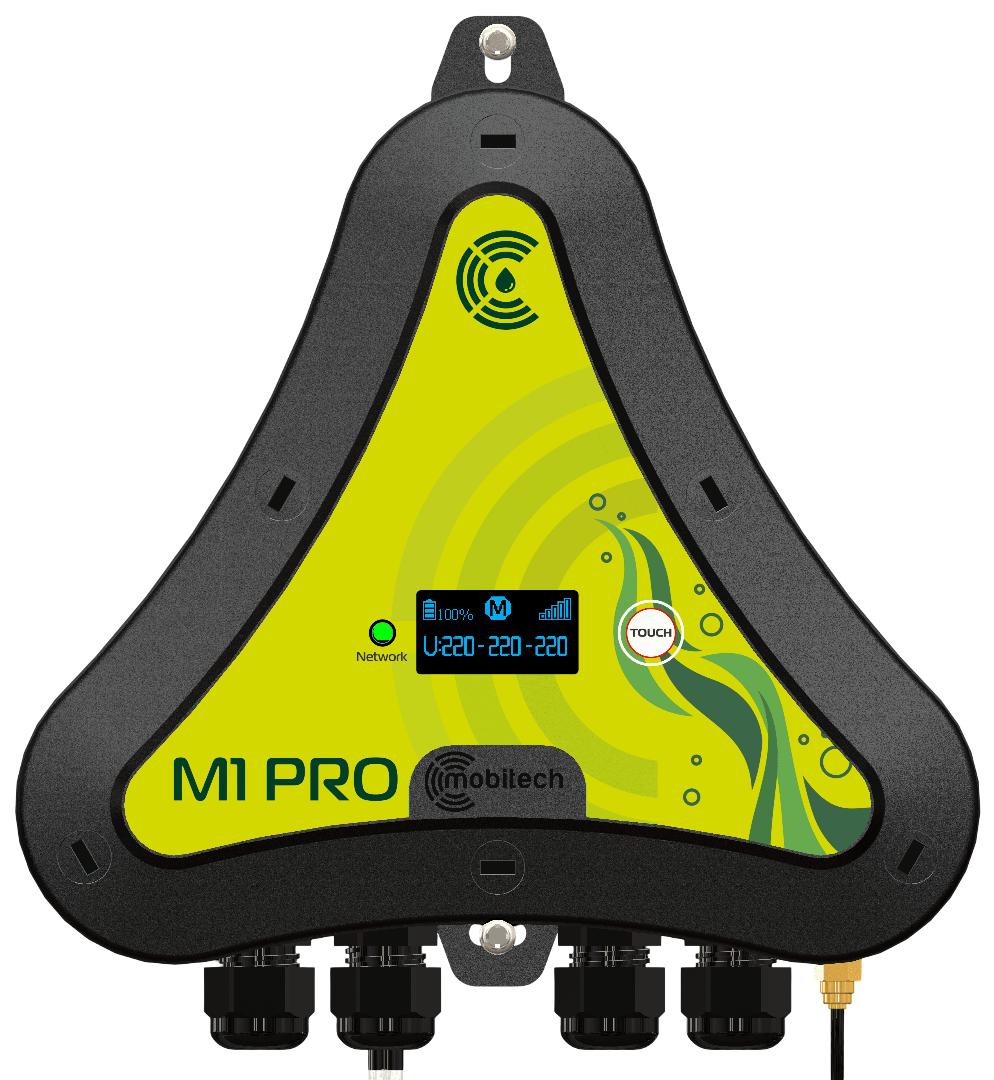
Dcon Ag M1 PRO

Pressure Release Valve
Automatically relieve excess pressure.

Pressure Sensor
Real-time pressure monitoring data.

Flow Meter
Measures total and instantaneous flow.
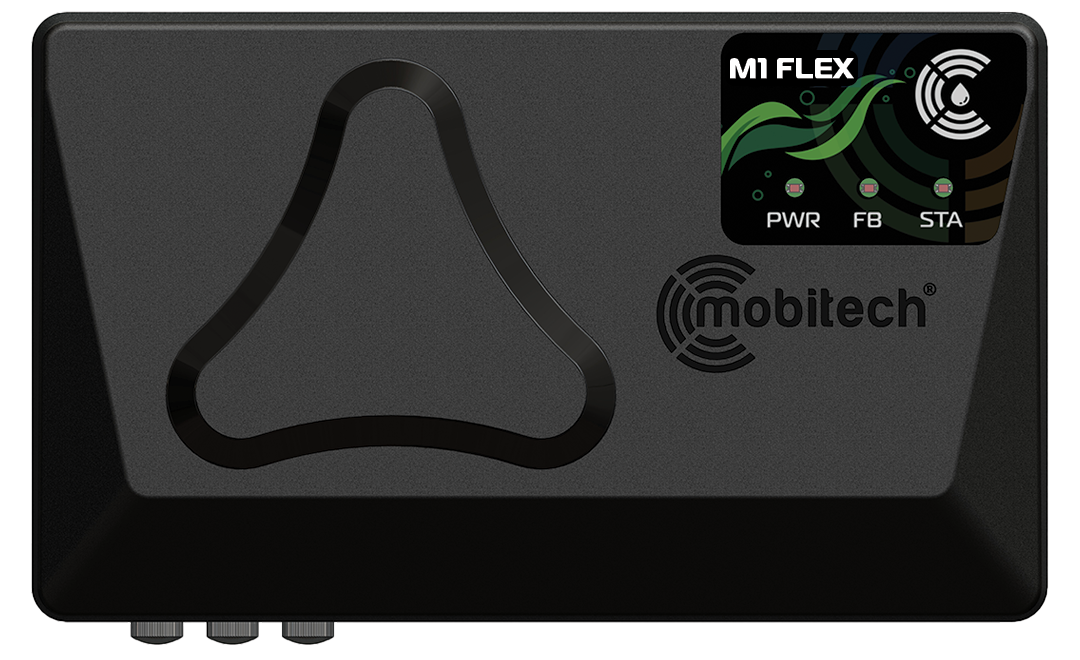
Dcon Ag M1 FLEX
Pressure Release Valve
Automatically relieve excess pressure.
Pressure Sensor
Real-time pressure monitoring data.
Flow Meter
Measures total and instantaneous flow.
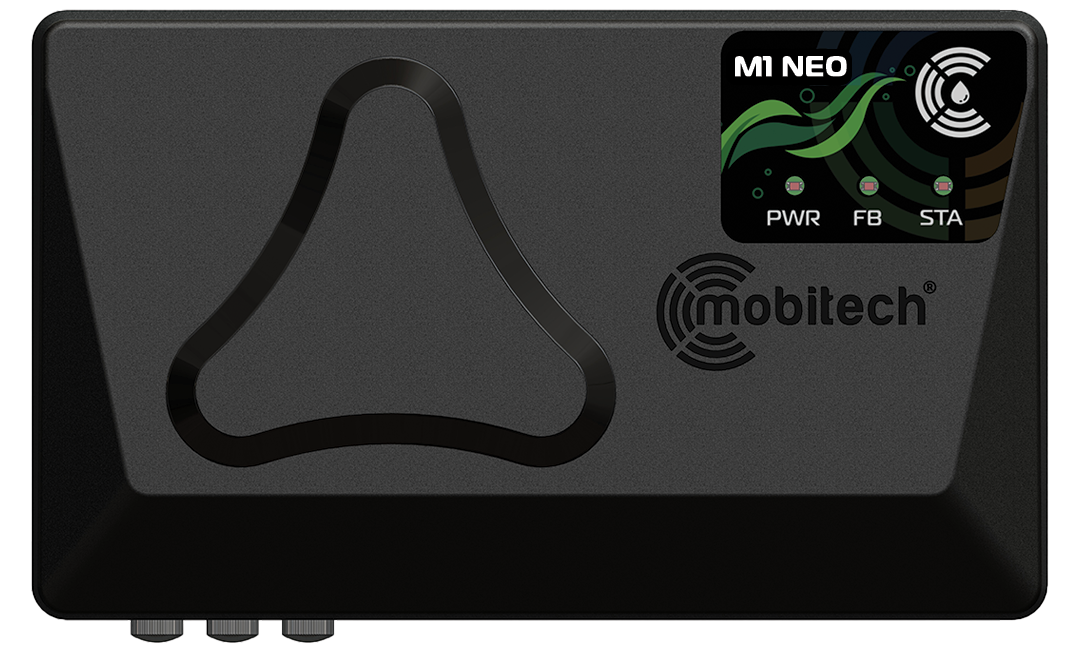
Dcon Ag M1 NEO
Pressure Release Valve
Automatically relieve excess pressure.
Pressure Sensor
Real-time pressure monitoring data.
Flow Meter
Measures total and instantaneous flow.
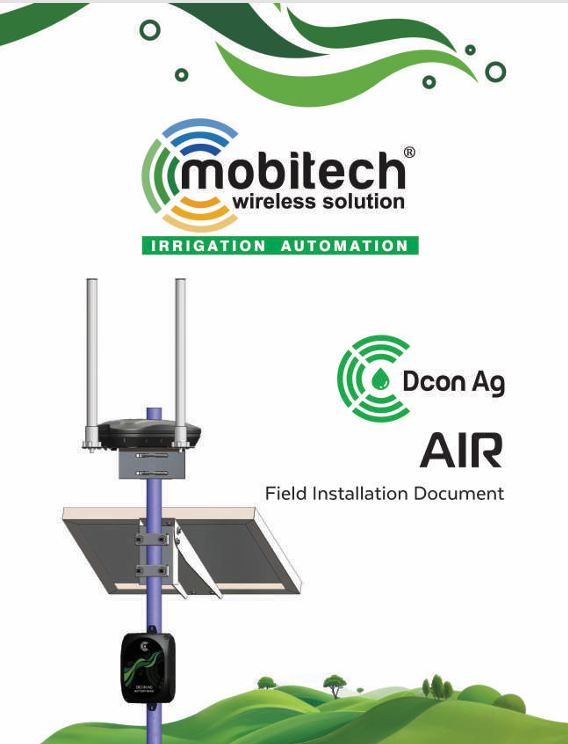
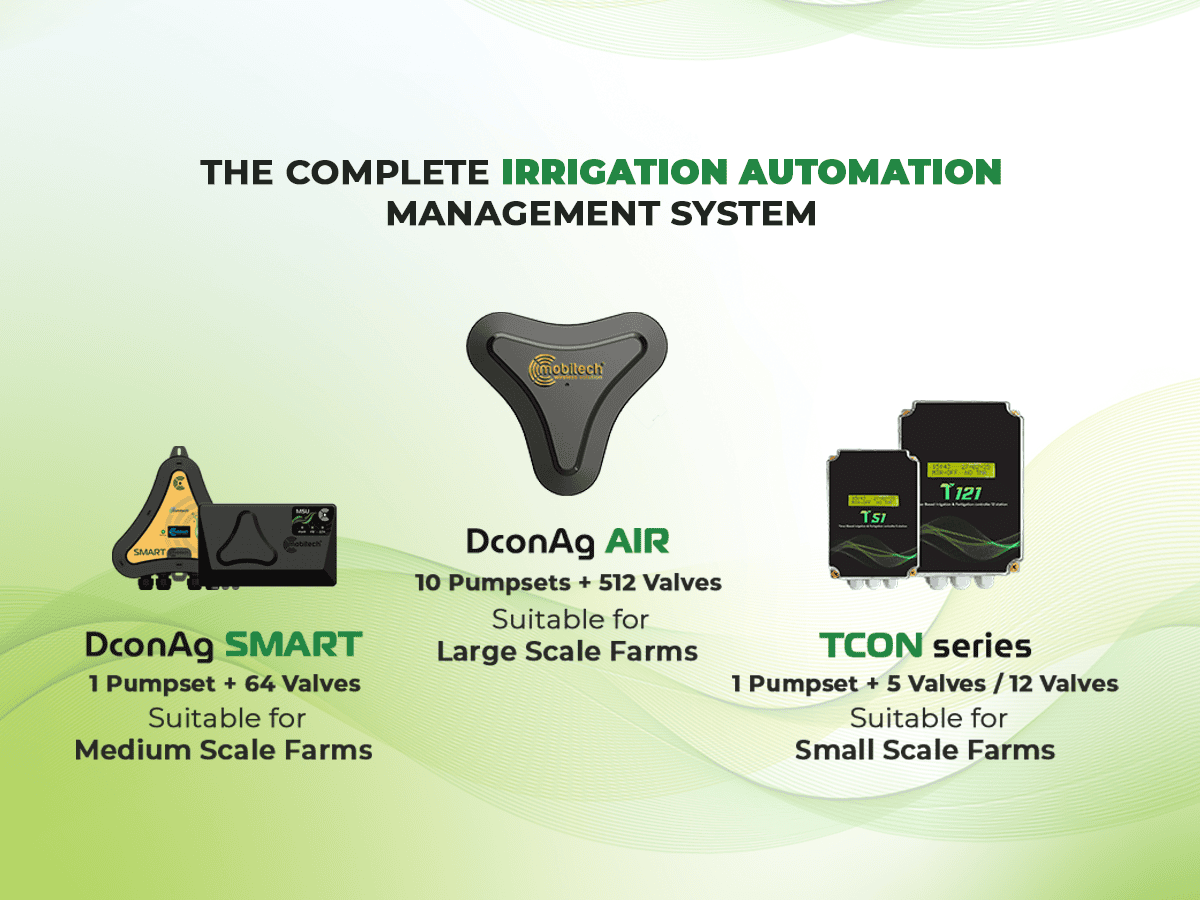
Dcon Ag AIR

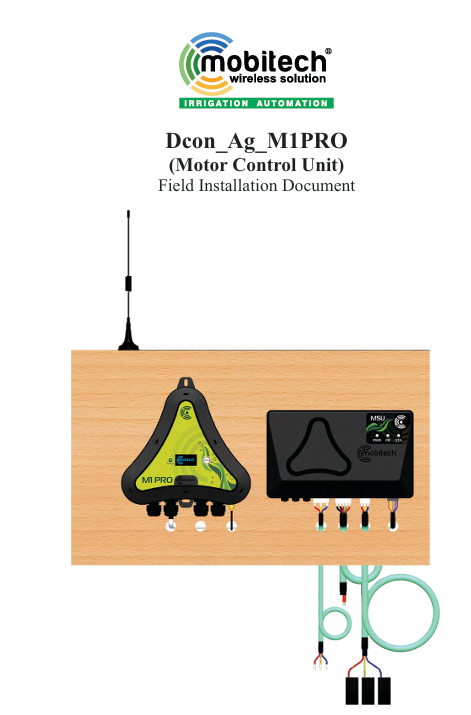
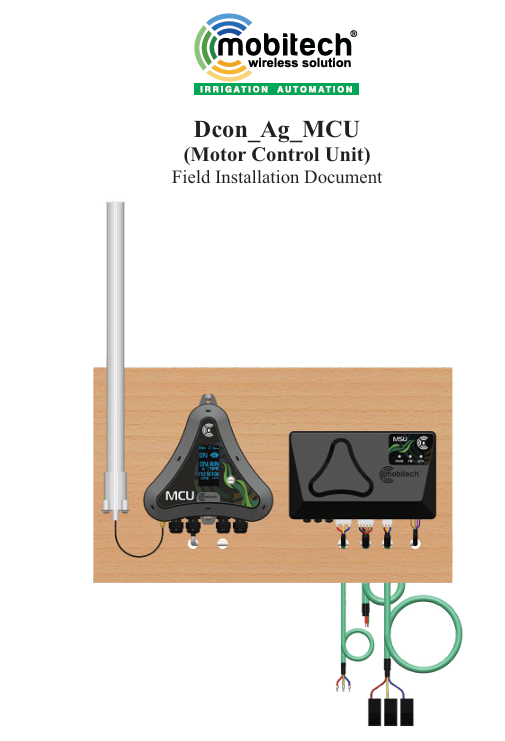
MCU & MSU (Motor Control)
Managing irrigation motors / Pumpsets.

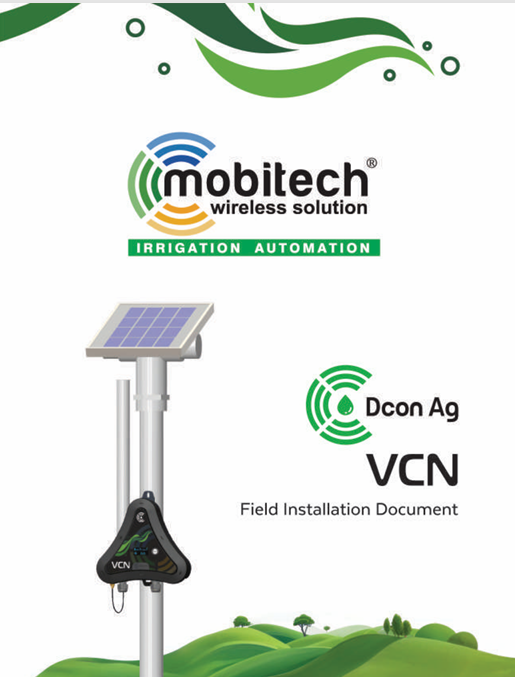
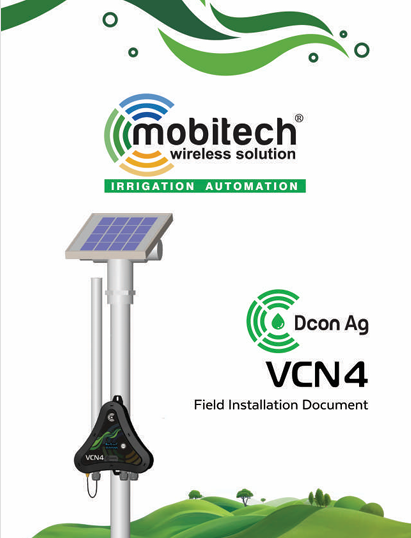
VCN & VCN4 (Valve Control)
Operate DC solenoid valves wirelessly.

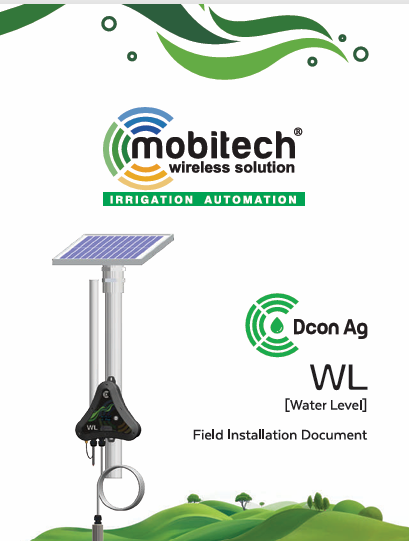
WL (Water Level Control)
Measure water level in well / tanks.

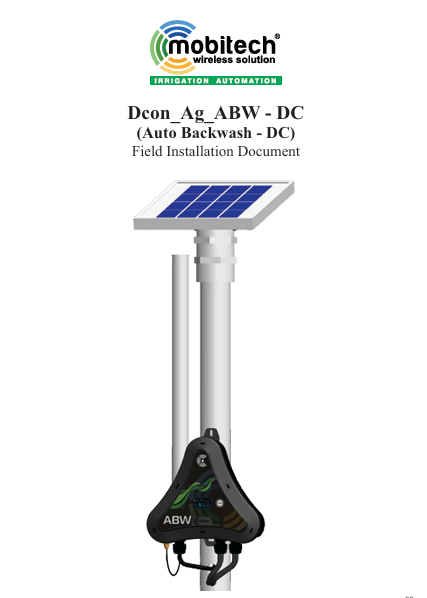
ABW (Automatic Backwash)
Cleans filters by reversing flow automatically.

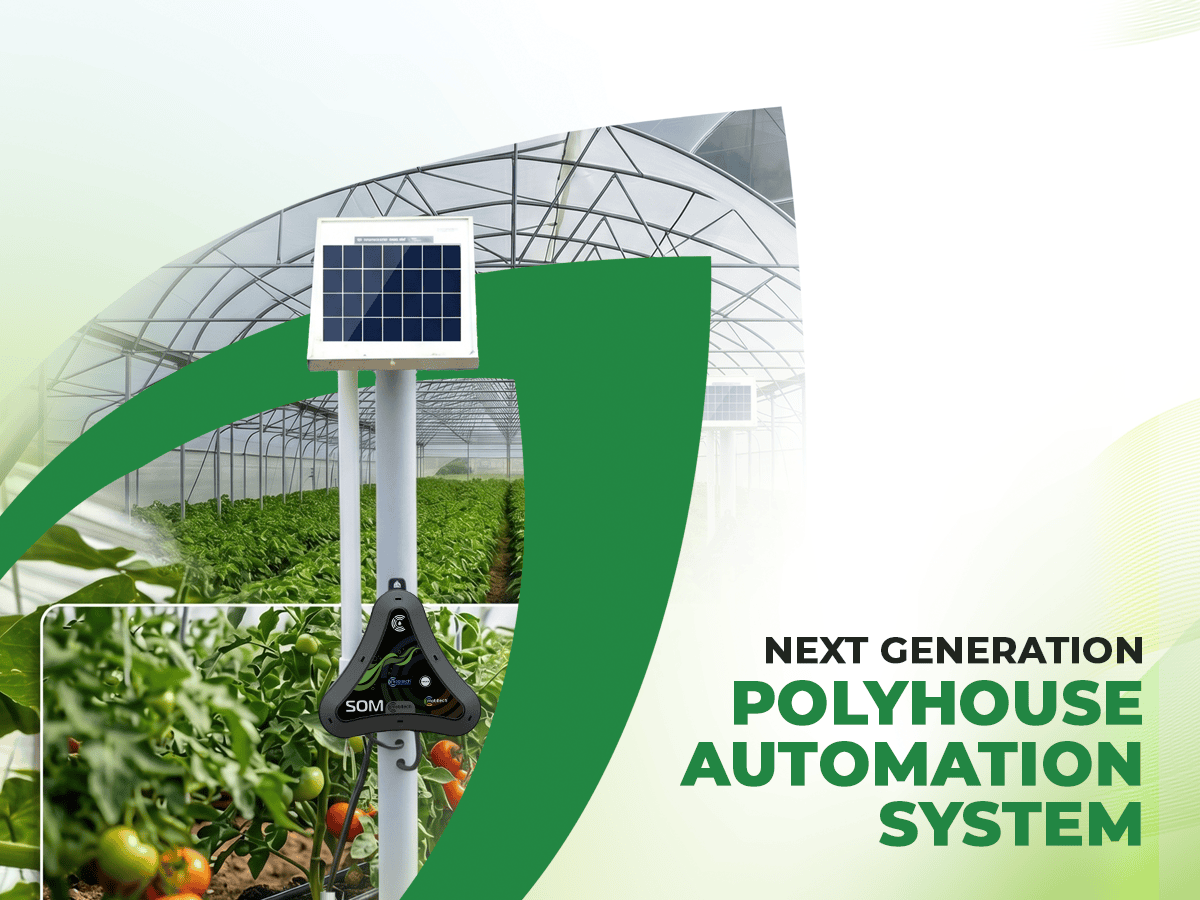
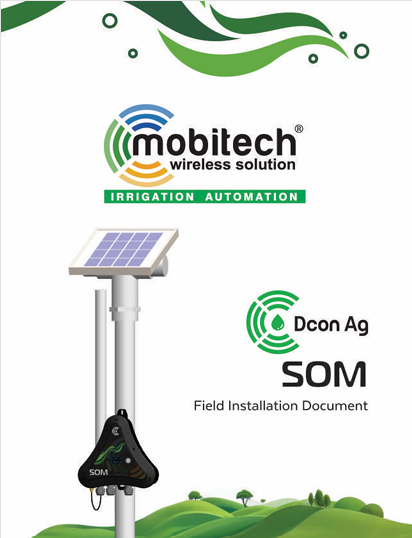
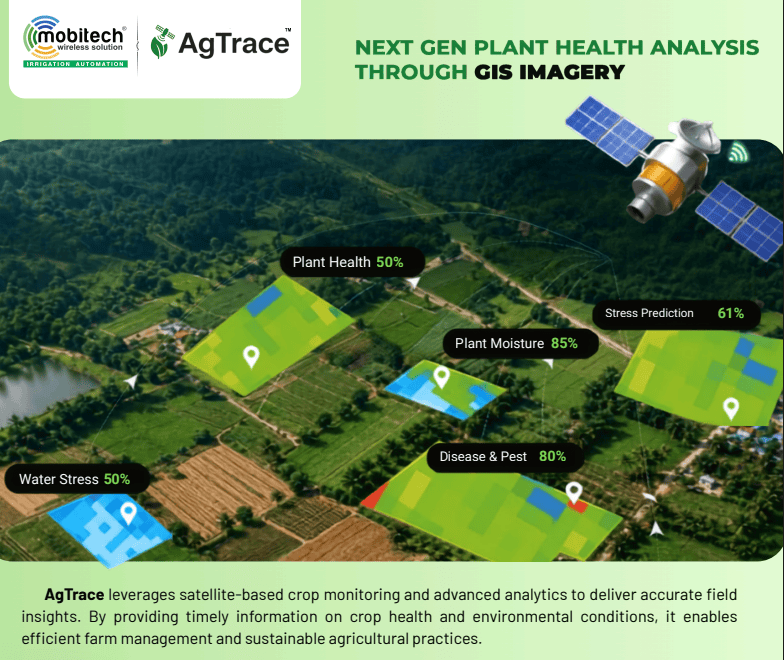
SOM (Soil Moisture Monitor)
Measures soil moisture, temperature & atmosphere.

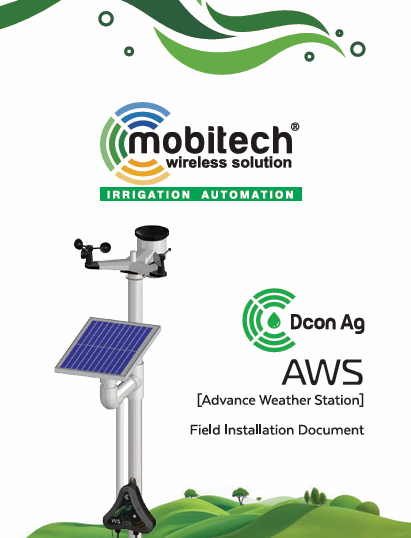
WS (Weather Station Monitor)
Monitors wind, humidity, rainfall & weather forecasts.

FRT (Fertigation Control Unit)
Wireless data sync for precise fertigation automation.

AC10
Wired Irrigation controller - 10 Station.

Solenoid Valves
Electricity-controlled rapid response valves.
Pressure Release Valve
Automatically relieve excess pressure.
Pressure Sensor
Real-time monitoring of system pressure data.
Flow Meter
Measures total and instantaneous flow for analytics.
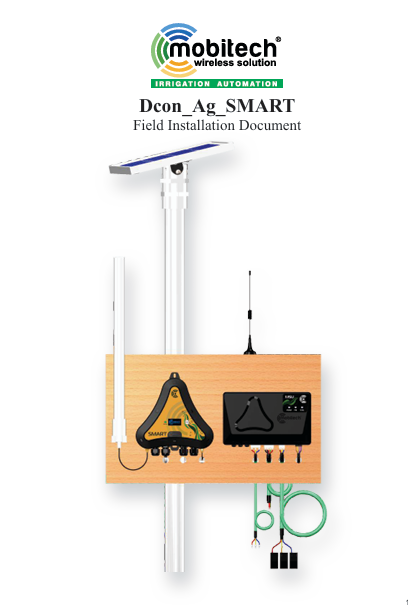
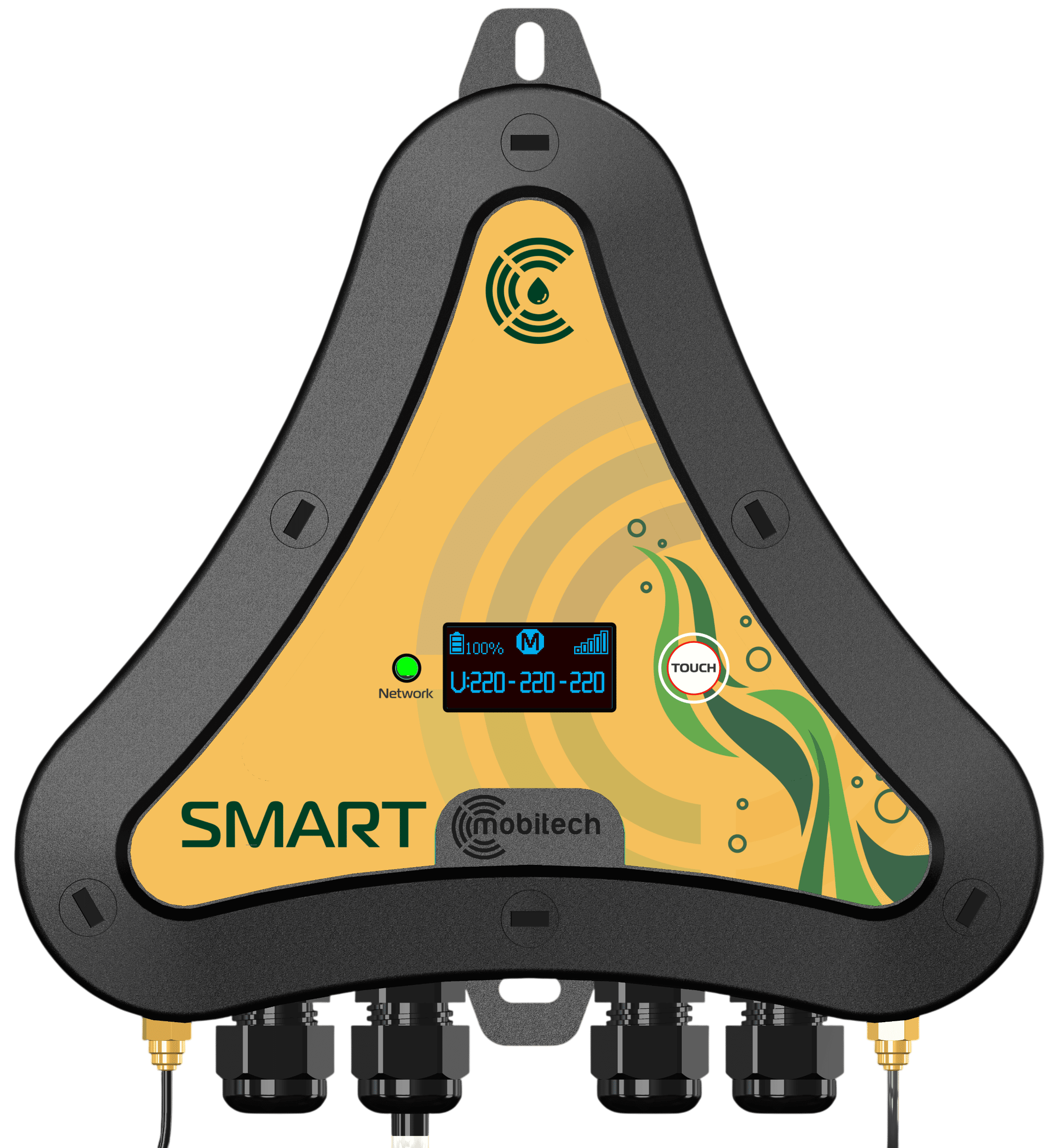
Dcon Ag SMART
VCN & VCN4 (Valve Control)
Connects to SMART to operate valves.
WL (Water Level Control)
Measure water level in well / tanks.
ABW (Automatic Backwash)
Cleans filters by reversing flow automatically.
SOM (Soil Moisture Monitor)
Measures soil moisture, temperature & atmosphere.
WS (Weather Station Monitor)
Monitors wind, humidity, rainfall & weather forecasts.
FRT (Fertigation Control Unit)
Wireless data sync for precise fertigation automation.
AC10
Wired Irrigation controller - 10 Station.
Solenoid Valves
Electricity-controlled rapid response valves.
Pressure Release Valve
Automatically relieve excess pressure.
Pressure Sensor
Real-time monitoring of system pressure data.
Flow Meter
Measures total and instantaneous flow for analytics.
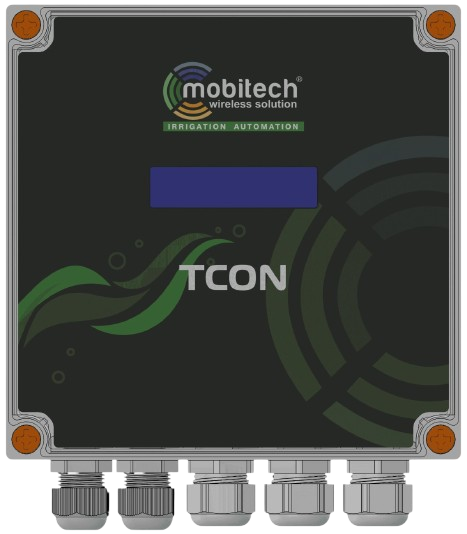
TCON
Solenoid Valves
Electricity-controlled rapid response valves.
Pressure Release Valve
Automatically relieve excess pressure.
Pressure Sensor
Real-time monitoring of system pressure data.
Flow Meter
Measures total and instantaneous flow for analytics.
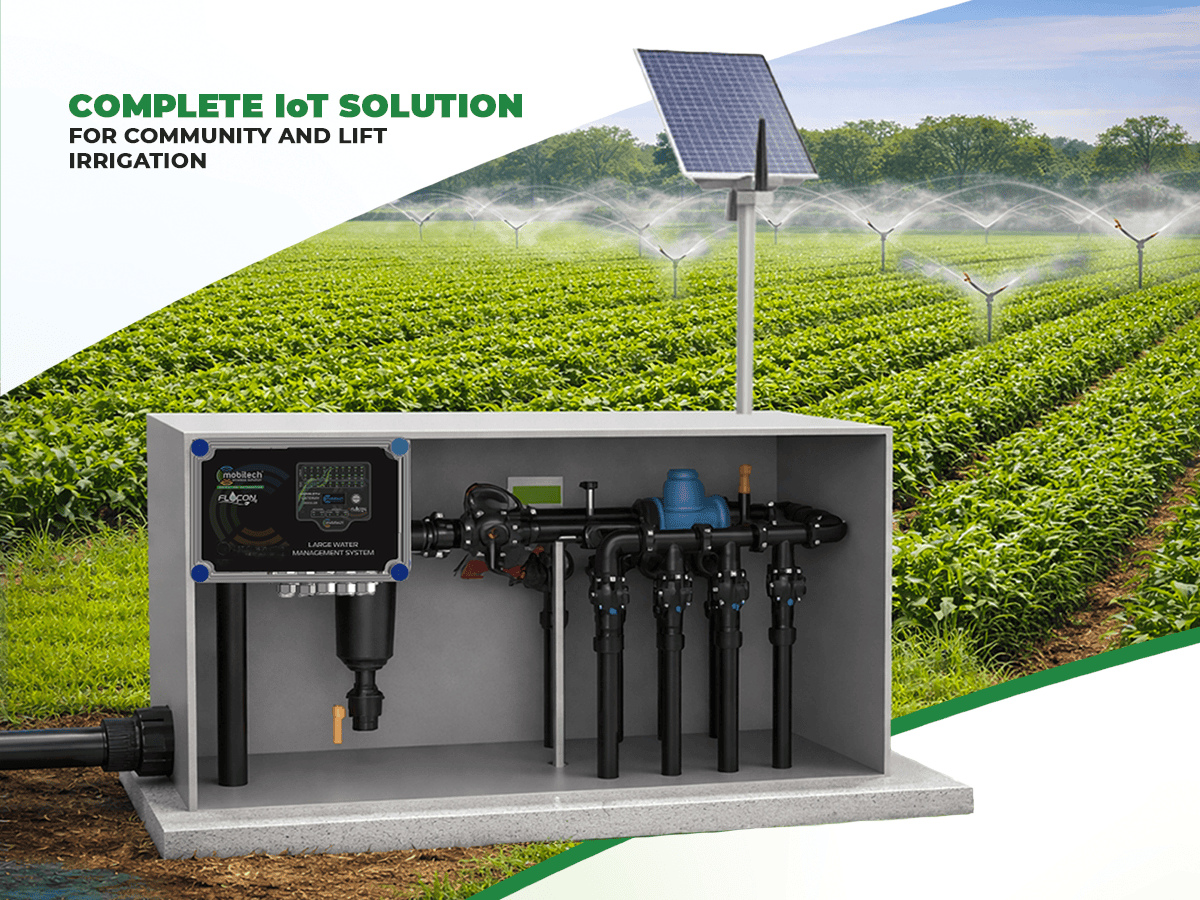
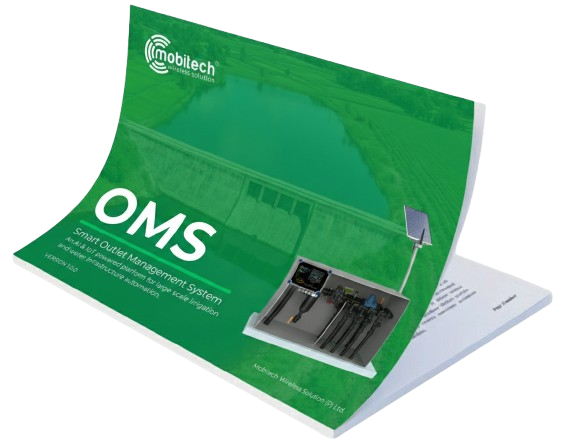
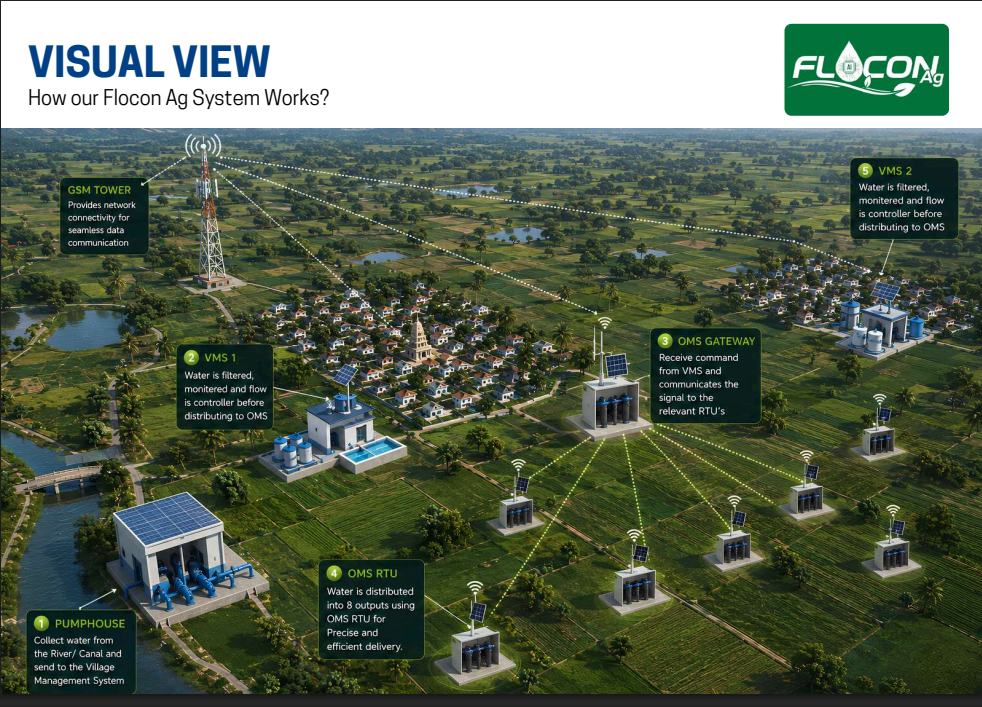
OMS Gateway
The core intelligence hub of your automation network. The OMS Gateway aggregates real-time data from field sensors, ensuring seamless connectivity and reliable, AI-driven decision-making for your entire water distribution ecosystem.
Read More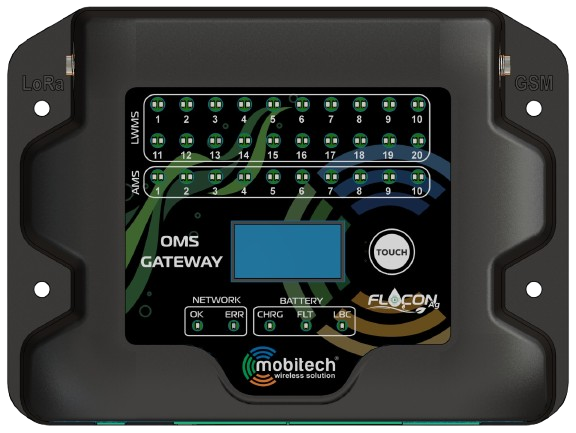
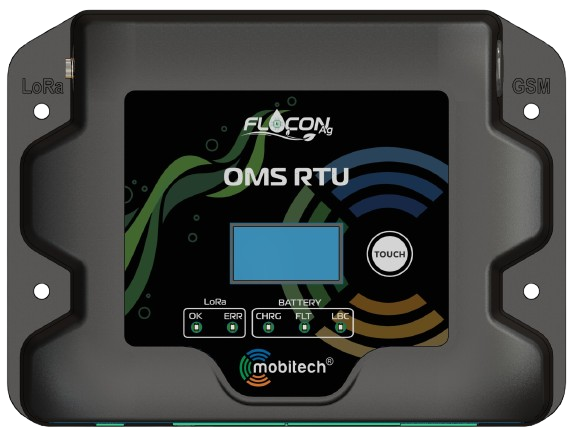
OMS RTU
The Remote Terminal Unit (RTU) is designed for rugged field performance. It precisely monitors and executes commands at individual outlet points, bridging the gap between your centralized controls and your actual field irrigation infrastructure.
Read More