GROUNDWATER CONSERVATION · SMART FARMING
Borewell Water Levels Dropping in Salem? 7 Smart Ways to Manage Farm Irrigation Efficiently
Borewell Water Levels are a growing concern for farmers in Salem, especially when borewell discharge reduces and crops depend on a reliable water supply. Imagine switching on your borewell motor early in the morning, expecting water to reach your crops. But instead, you notice reduced water flow, increasing pumping time or insufficient water to complete irrigation across your entire farm.
Groundwater availability is becoming a serious concern for farmers in Salem. With increasing pressure on borewells and changing rainfall patterns, managing every drop of available water has become more important than ever. Discover seven practical ways to improve irrigation efficiency and manage farm water resources more intelligently.
Salem Groundwater
Water Conservation
Smart Irrigation
GROUNDWATER REPORT · SALEM DISTRICT
Salem Groundwater Situation: The Numbers Farmers Should Know
Groundwater concerns in Salem are supported by recent assessments. According to the Central Ground Water Board’s 2025–26 assessment findings reported in October 2026, 13 out of Salem’s 14 taluks are classified as over-exploited.
13 / 14
Taluks Over-Exploited
Reported in the CGWB 2025–26 assessment findings.
1.68 m
Groundwater Decline
Salem’s reported year-on-year decline in February 2026 compared with February 2025.
147.5%
Extraction Stage
Salem district’s 2024–25 groundwater extraction stage.
99%
Well-Based Irrigation
Share of irrigated farmland supplied by wells in 2024–25 district data.
What do these numbers mean?
The extraction stage measures annual groundwater extraction against the assessed annual extractable resource. A figure above 100% indicates extraction exceeds the assessed annual availability. It does not mean that every individual borewell has the same water level.
Sources: CGWB 2025–26 assessment findings reported by DT Next on 26 October 2026; Tamil Nadu groundwater monitoring data reported on 24 March 2026; Salem Neer Vazhvu Atlas, 2024–25 district assessment.
01
UNDERSTAND THE WATER PROBLEM
Why Are Borewell Water Levels Becoming a Concern in Salem?
Farmers across Salem depend on groundwater to support different agricultural activities. Borewells and open wells are important water sources, particularly in areas where canal irrigation is limited.
However, continuous groundwater extraction, increasing agricultural requirements and insufficient recharge can put pressure on underground water resources.
When Borewell Water Levels decline, farmers may experience reduced borewell discharge, longer pumping periods and difficulties maintaining regular irrigation schedules. Tracking these changes helps farmers plan water use before irrigation becomes difficult.
Common reasons behind groundwater pressure:
💧
Excessive Extraction
Continuous pumping beyond sustainable groundwater availability.
🌦️
Rainfall Variations
Irregular rainfall can affect natural groundwater recharge.
🚜
Increasing Demand
Growing agricultural and domestic water requirements.
🌱
Inefficient Irrigation
Unnecessary watering and poor water distribution practices.
02 / FIRST SMART SOLUTION
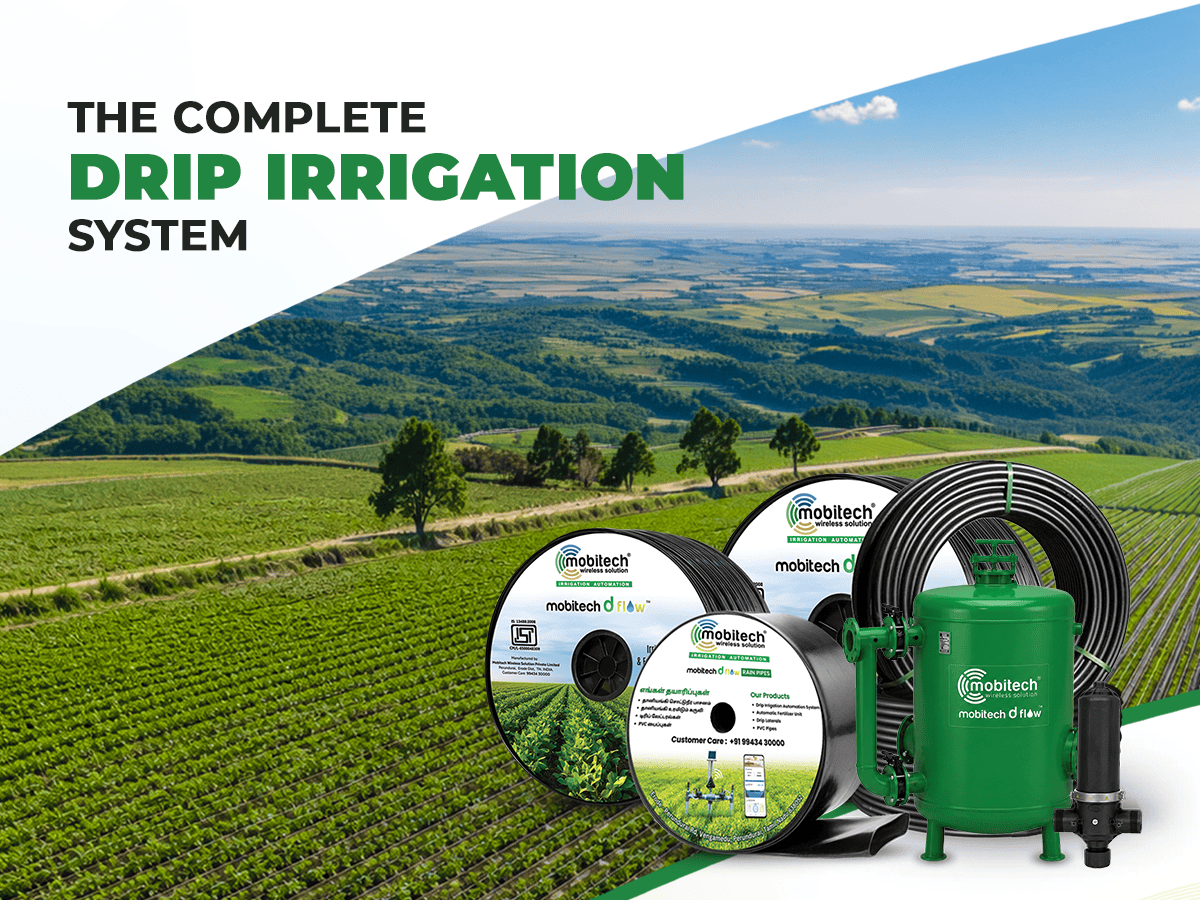
How Drip Irrigation Helps Manage Borewell Water Levels
One of the practical ways to improve water management is to choose an irrigation method that distributes water efficiently.
Traditional flood irrigation spreads water across larger portions of the field. Depending on soil conditions and field design, some water may be lost through runoff, deep percolation and evaporation.
Drip irrigation delivers water closer to the plant’s root zone through pipes and emitters. This allows farmers to control water distribution more precisely and make better use of the water available when Borewell Water Levels are low.
💧
Targeted Water Delivery
Delivers water near the plant’s root zone.
🌱
Better Soil Moisture
Helps maintain suitable moisture around crops.
📉
Reduced Water Loss
Can reduce unnecessary water application when properly designed.
🌳
Suitable for Orchards
Useful for crops such as mango, coconut and arecanut.
Smart tip:
Choose drip irrigation based on crop spacing, soil type, water availability and emitter discharge. Regularly clean filters and inspect drip lines to maintain proper water distribution.
03 / SMART WATER SCHEDULING
Plan Crop-Based Irrigation When Borewell Water Levels Are Low
Should farmers irrigate their fields every day? Not necessarily. Water requirements differ according to crop type, growth stage, soil conditions and weather.
Following the same irrigation schedule for every crop may lead to unnecessary water usage. Instead, farmers should plan irrigation according to actual crop requirements and available water. This becomes especially important when Borewell Water Levels fluctuate between seasons or during extended dry periods.
Examples of crop-based irrigation planning:
🥭
Mango Farming
Adjust irrigation according to tree age, growth stage, rainfall and soil moisture.
🥥
Coconut Farming
Maintain suitable root-zone moisture, particularly during dry periods.
🌾
Turmeric Farming
Plan irrigation according to crop growth and soil moisture conditions.
🥬
Vegetable Farming
Use suitable irrigation intervals to avoid both water stress and overwatering.
Farmers can also divide their land into separate irrigation zones. This makes it easier to provide water according to the requirements of different crops and field sections.
04 / SOIL MOISTURE MONITORING
Monitor Soil Moisture to Manage Borewell Water Levels Efficiently
One common irrigation challenge is knowing when the soil actually needs water.
Some farmers follow fixed timings, while others depend on visual observations. However, moisture conditions may differ between field sections, even within the same farm.
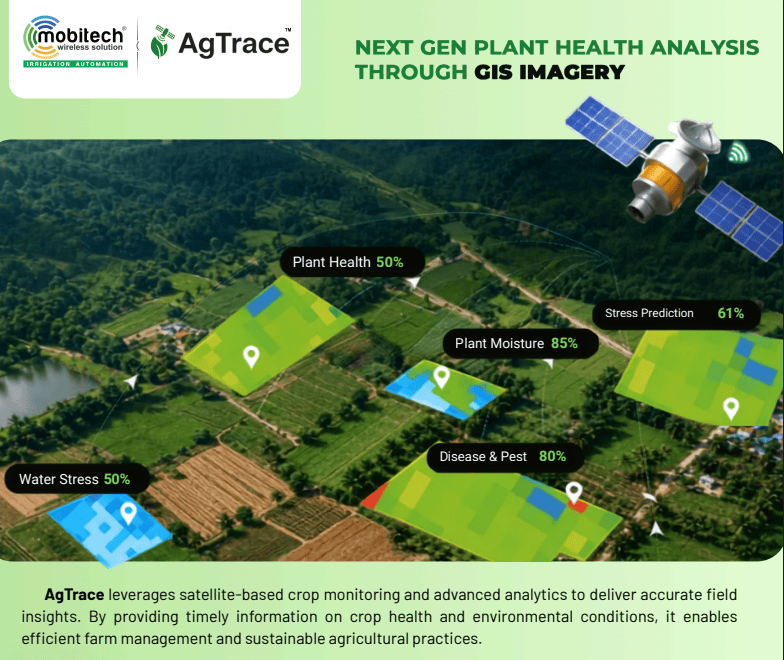
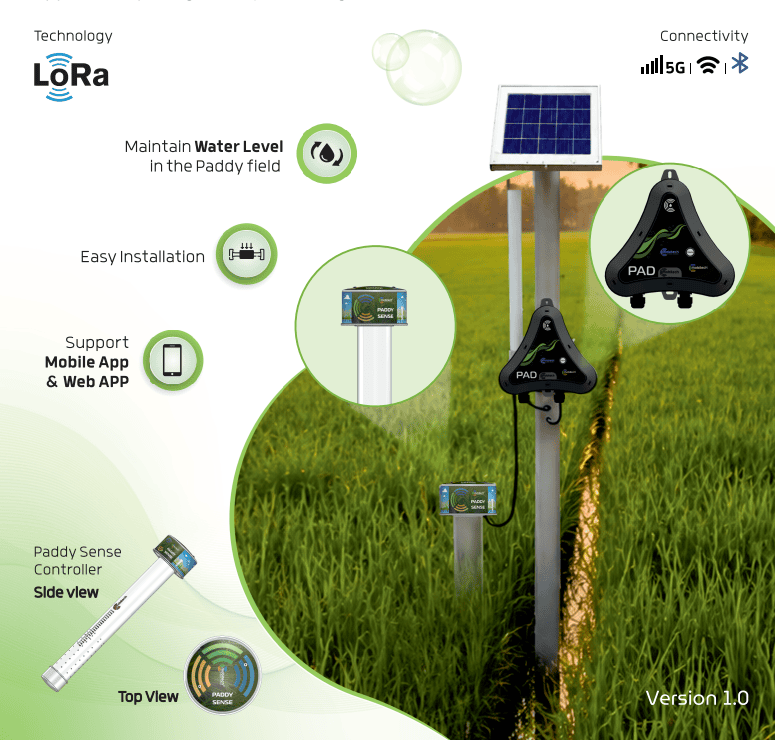
Soil moisture sensors help measure water availability in the soil near the crop root zone. This information can support better irrigation decisions and reduce avoidable watering when Borewell Water Levels are under pressure.
📊
Measure Soil Moisture
Understand moisture conditions around the root zone.
⏱️
Better Irrigation Timing
Identify suitable times to provide water.
🌱
Support Crop Health
Help avoid unnecessary watering and moisture stress.
How does automation help?
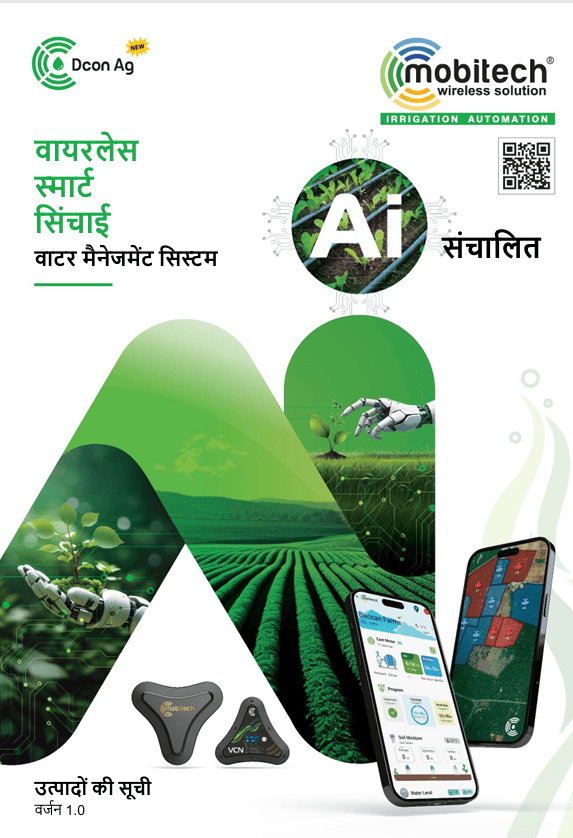
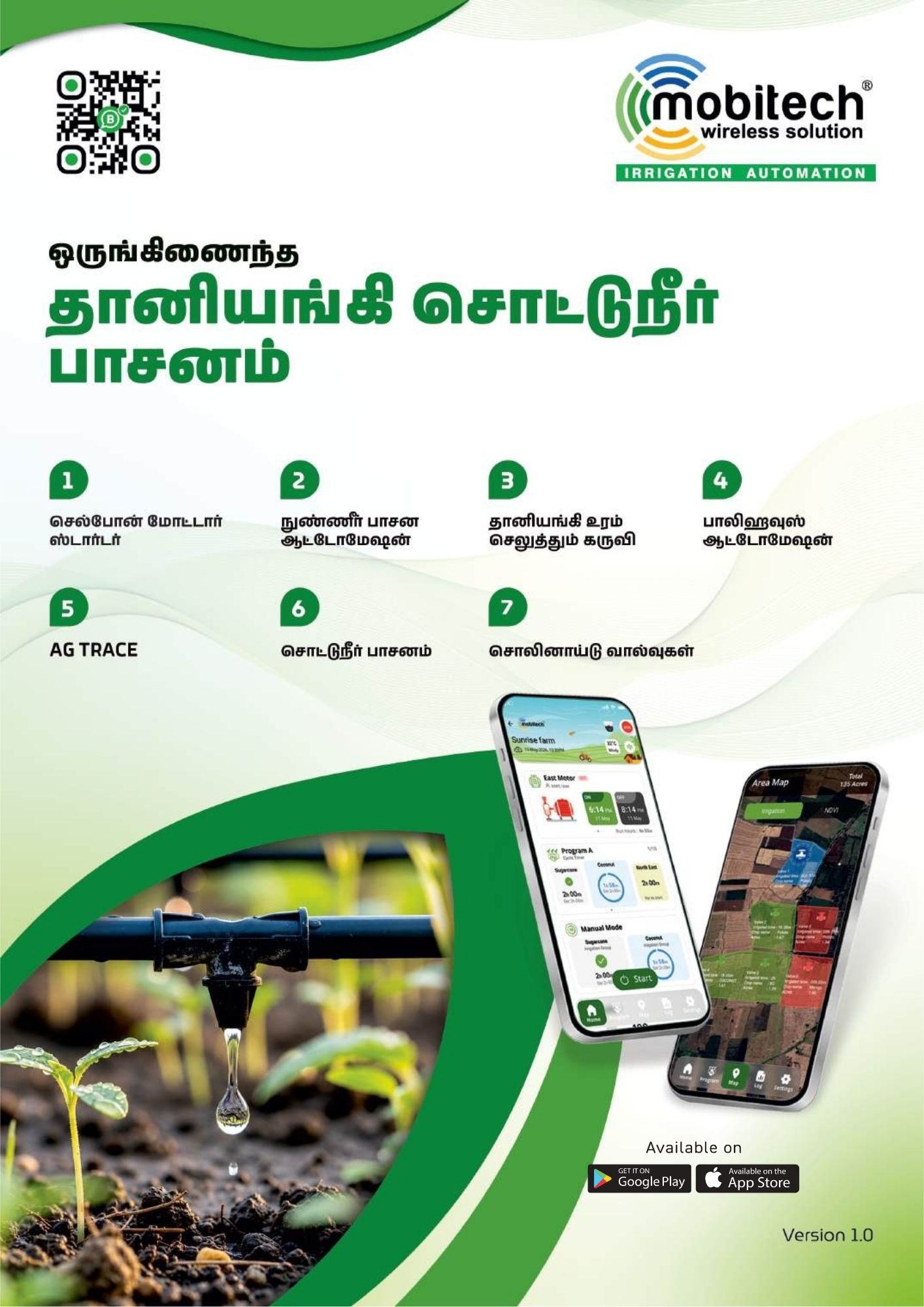
When compatible soil moisture sensors are integrated with an irrigation automation system, configured irrigation operations can respond to sensor readings. This helps farmers move beyond fixed-time watering towards condition-based irrigation management.
05 / IRRIGATION AUTOMATION
Use Irrigation Automation When Borewell Water Levels Are Declining
Imagine managing five or ten irrigation sections across your farm. Every time you need to change a valve, start a motor or adjust irrigation timings, manual operation takes time and effort.
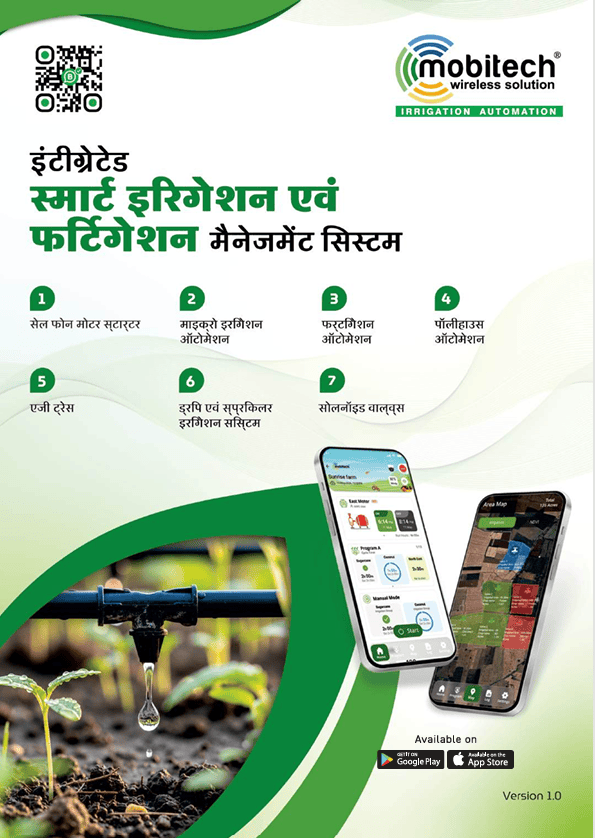
This is where irrigation automation can make everyday farm management more convenient, particularly when Borewell Water Levels are declining and farmers need to plan water distribution carefully.
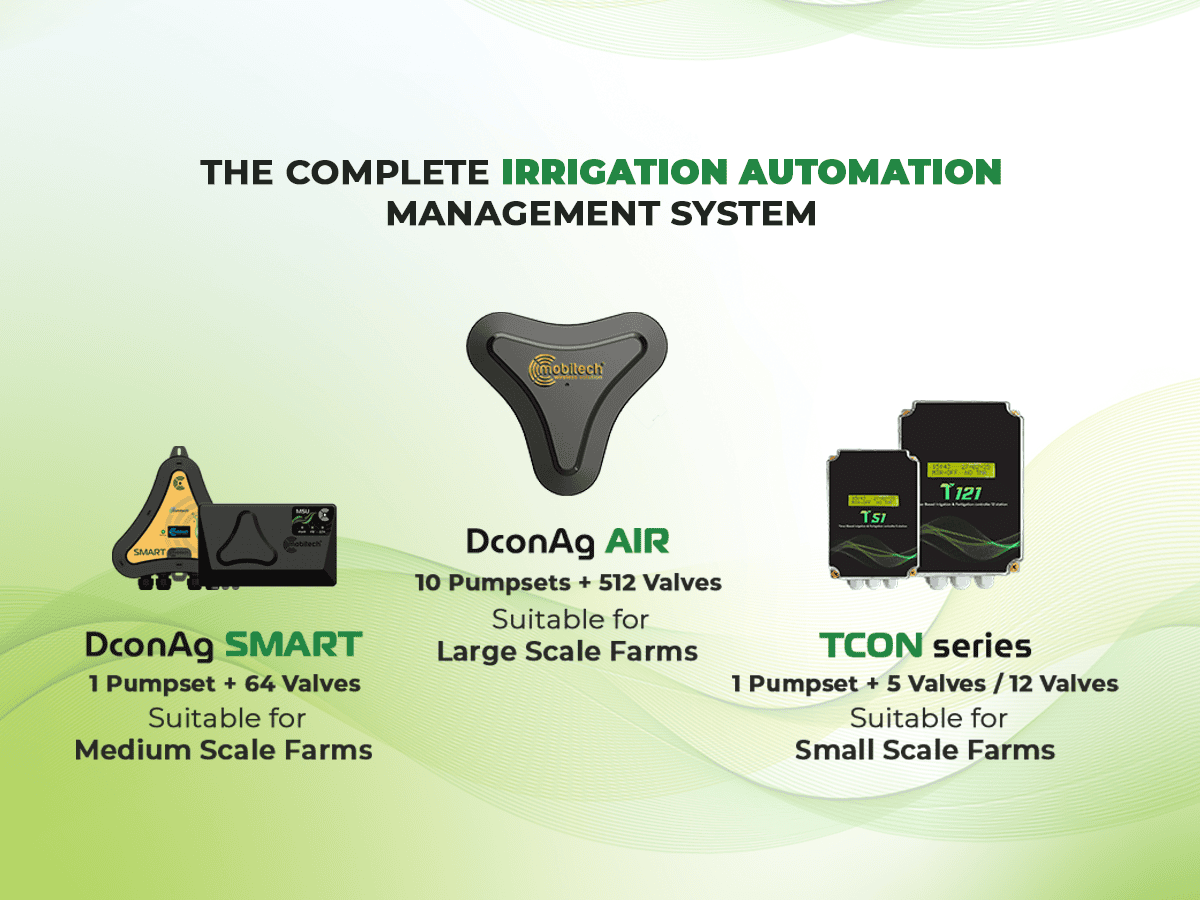
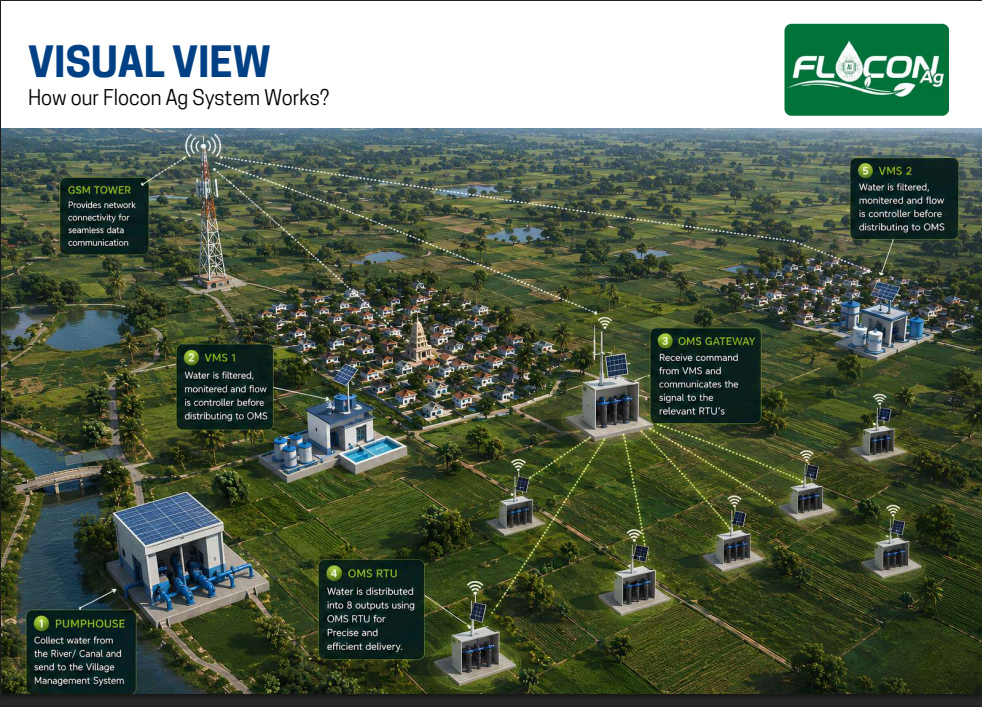
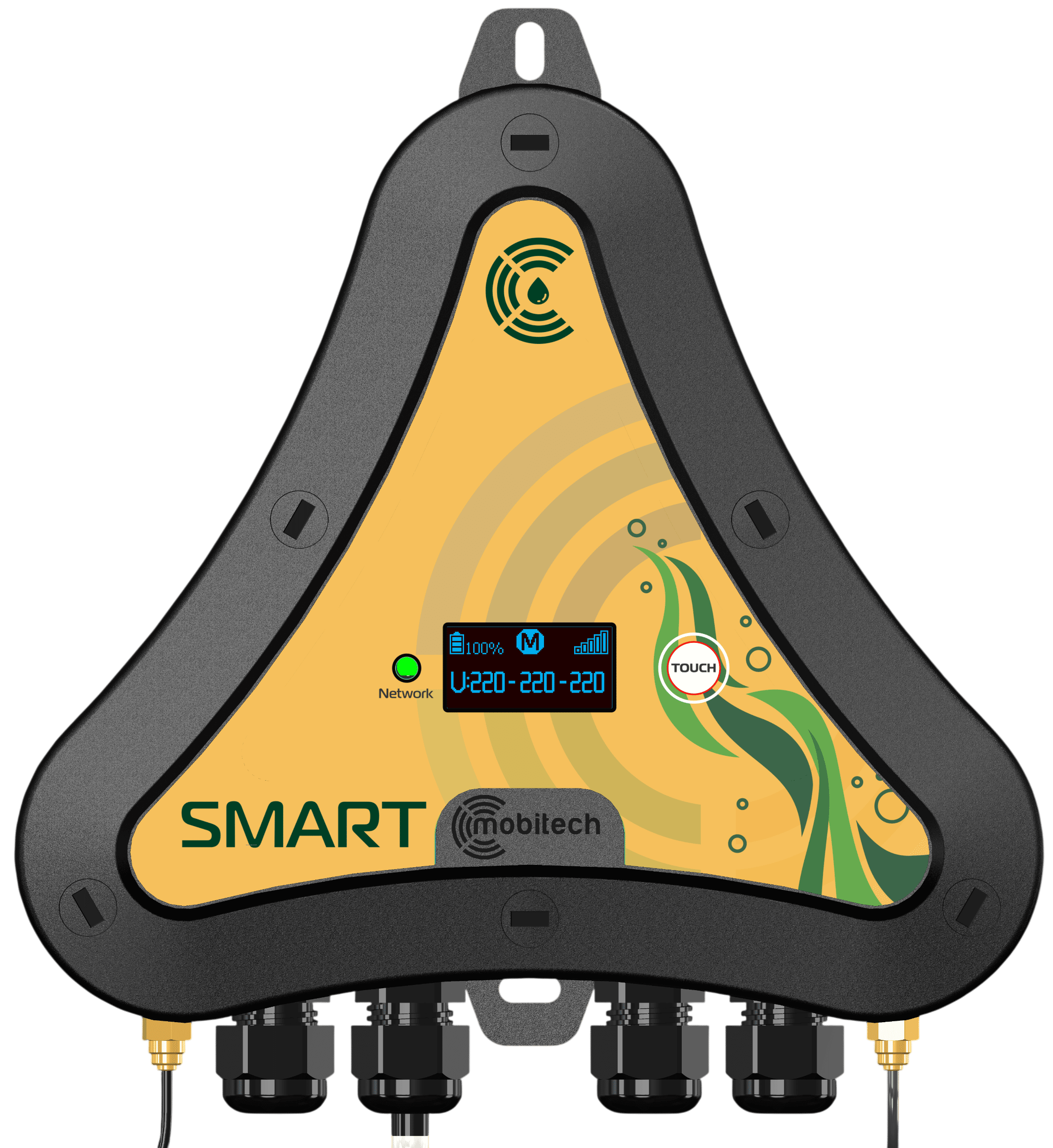
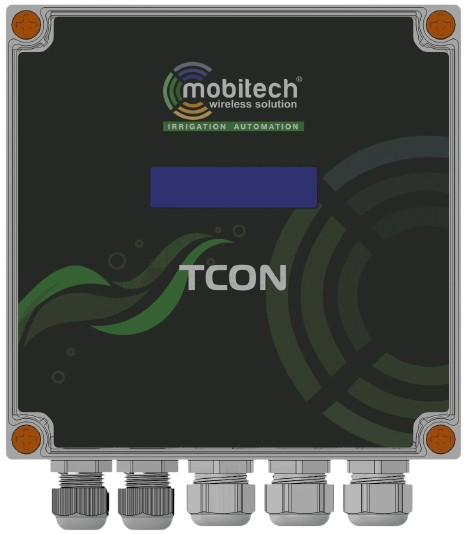
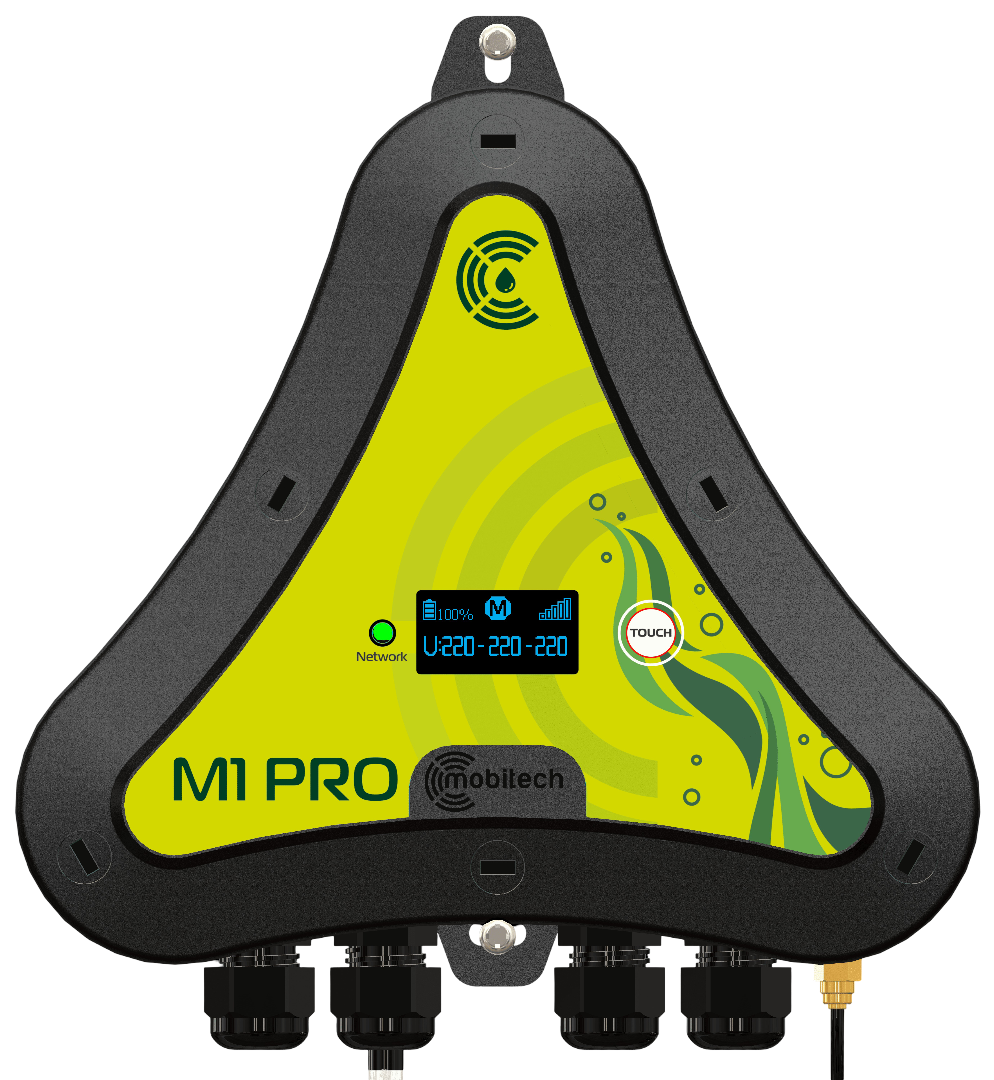
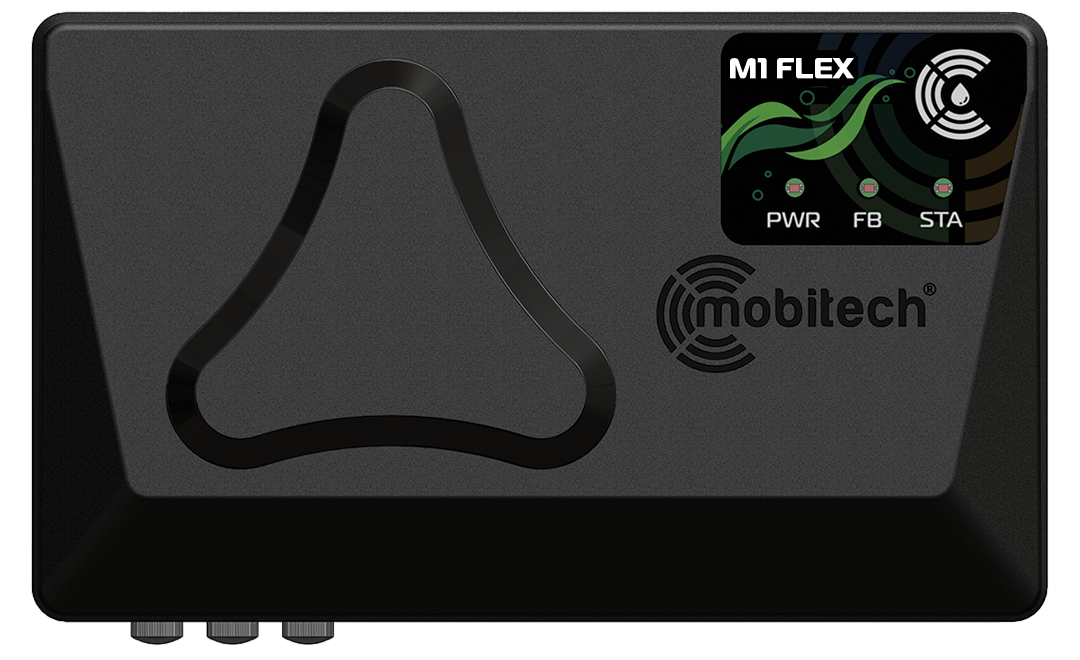
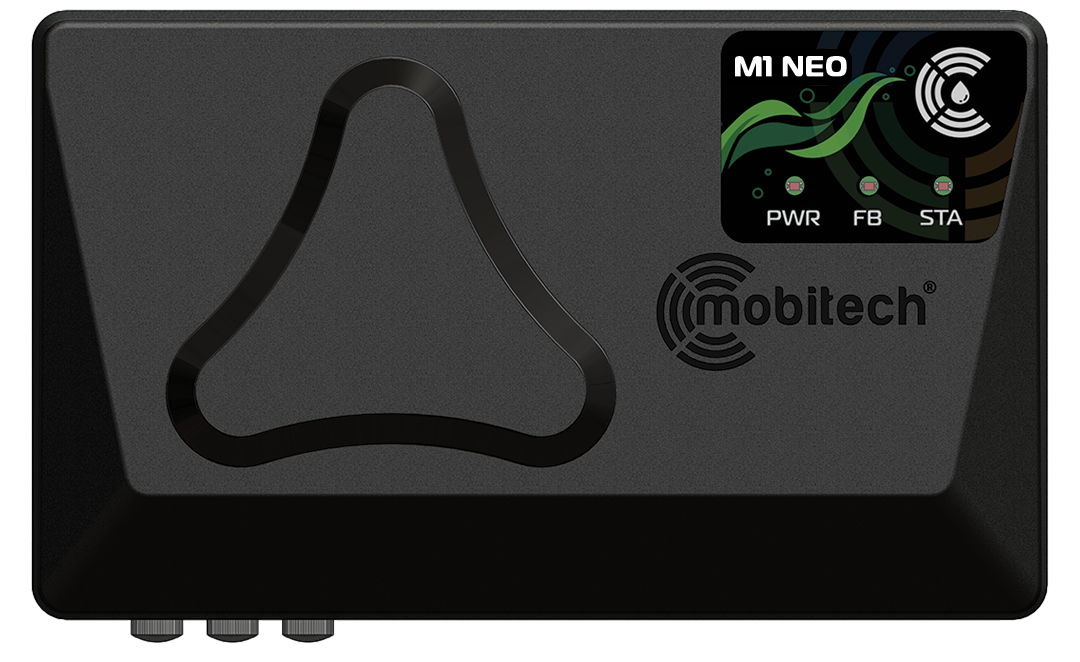
Modern irrigation controllers help farmers manage compatible motors, valves and irrigation schedules through configured automated operations.
What can irrigation automation help manage?
⚙️
Motor Control
Manage compatible motor starting and stopping operations.
💧
Wireless Valve Control
Manage compatible valves across different irrigation sections.
🕒
Irrigation Scheduling
Organise irrigation cycles according to planned requirements.
📱
Remote Management
Use supported connected controls to manage irrigation operations.
Why is this important for Salem farmers?
When borewell water availability is limited, controlling when and where water is distributed becomes important. Automation helps organise irrigation operations, but it does not increase groundwater availability or replace the need for proper water budgeting.
06 / GROUNDWATER RECHARGE
Harvest Rainwater to Support Borewell Water Levels
Saving groundwater is important, but replenishing underground water resources is equally necessary. Although rainwater harvesting cannot guarantee an immediate rise in Borewell Water Levels, suitable recharge measures can support long-term groundwater replenishment.
Rainwater harvesting helps collect rainfall before it flows away from agricultural land. Depending on the farm’s soil and geological conditions, suitable recharge structures can help improve groundwater replenishment.
🏞️
Farm Ponds
Collect and store suitable surface runoff for planned farm use.
💦
Recharge Pits
Allow collected rainwater to percolate into suitable ground formations.
🌧️
Contour Bunds
Slow surface runoff and support soil and water conservation.
🏠
Rooftop Harvesting
Collect rainwater from suitable farm buildings and structures.
Farmers should consider suitable rainwater harvesting structures before the monsoon season. Regular maintenance is also necessary to prevent silt and debris from blocking water collection systems.
Important:
Recharge structures should be designed according to local hydrogeology, soil conditions and water quality. Avoid directing untreated runoff or contaminated water into borewells.
07 / SOIL MOISTURE & WATER MONITORING
Use Mulching and Monitor Borewell Water Levels Regularly
Improving irrigation efficiency is not only about controlling the motor. Farmers should also focus on retaining soil moisture and understanding how their borewell performs over time.
A. Use Mulching to Retain Soil Moisture
Direct sunlight can increase moisture loss from exposed soil. Mulching helps cover the soil surface and reduce evaporation.
Farmers can use dry leaves, coconut husks, straw and suitable organic crop residues around plants.
Benefits of mulching:
- Helps reduce direct soil moisture loss.
- Supports better soil moisture retention.
- Helps suppress unwanted weed growth.
- Supports healthier soil management.
B. Monitor Borewell Water Usage and Performance
Many farmers check their borewell only when water supply becomes a problem. However, regular monitoring of Borewell Water Levels, discharge and pumping hours can help identify changes earlier.
Water Level
Record static and pumping water levels using suitable measurement methods.
Water Discharge
Observe how much water the borewell supplies over a given period.
Pump Operating Hours
Maintain records of motor running time and irrigation cycles.
Water Pressure
Monitor pressure and check for possible irrigation system issues.
If a borewell takes longer to deliver the same amount of water, farmers should check pump performance, water level and discharge rate rather than assuming that groundwater depth alone is responsible.
SMART FARMING COMPARISON
Borewell Water Levels: Traditional Irrigation vs Smart Irrigation
Traditional irrigation often depends on manual operation and fixed schedules. Smart irrigation combines better planning, suitable equipment and monitoring to organise water distribution.
TRADITIONAL METHOD
Manual Irrigation
- Fixed irrigation timings.
- Manual valve operations.
- Repeated pump-room visits.
- Limited soil moisture monitoring.
- Manual water distribution management.
SMART IRRIGATION
Controlled Irrigation
- Crop-based irrigation scheduling.
- Automated compatible valve control.
- Configured motor automation.
- Soil moisture-based decisions.
- More organised water distribution.
Actual water savings depend on the existing irrigation method, crop requirements, farm layout, equipment configuration and operating practices. Automation alone does not guarantee a specific percentage of water savings.
A PRACTICAL FARM EXAMPLE
How Can a Five-Acre Farm Manage Low Borewell Water Levels?
Consider a hypothetical five-acre farm in Salem with a limited borewell water supply. The farmer grows different crops across multiple sections and depends on one borewell for irrigation.
Earlier, the farmer followed fixed irrigation timings and manually operated valves across the farm. Some sections received water even when the soil already had sufficient moisture.
After reviewing the irrigation arrangement, the farmer could consider a more organised approach.
EARLIER APPROACH
Fixed Irrigation Routine
All sections managed through fixed timings and manual operation.
IMPROVED APPROACH
Planned Water Distribution
Separate irrigation zones, suitable schedules and regular moisture monitoring.
The main objective
Use available water according to crop requirements, avoid unnecessary irrigation and monitor borewell performance regularly.
Illustrative example only. This is not a measured farm trial or a guaranteed water-saving result.
ACTION PLAN FOR FARMERS
Five Steps to Manage Borewell Water Levels in Salem
01. Check Borewell Performance
Record water levels, discharge rate and pumping hours to understand changes over time.
02. Improve Irrigation Infrastructure
Check pipes, filters, drip lines and valves for leaks or blockages.
03. Plan Water Distribution
Divide the farm into suitable irrigation zones and plan watering according to crop needs.
04. Invest in Water Conservation
Consider drip irrigation, mulching and suitable rainwater harvesting structures.
05. Explore Irrigation Automation
Consider compatible automation systems to manage motors, valves and irrigation schedules more efficiently.
CONCLUSION
Borewell Water Levels in Salem: Every Drop Matters
Declining borewell water availability is an important challenge for farmers in Salem. With groundwater extraction exceeding assessed annual availability in several taluks, managing existing water resources efficiently has become increasingly important.
Farmers can take practical steps by adopting drip irrigation, following crop-based schedules, monitoring soil moisture, harvesting rainwater and checking borewell performance regularly. Regularly tracking Borewell Water Levels can also help them make informed decisions about the water available for each irrigation cycle.
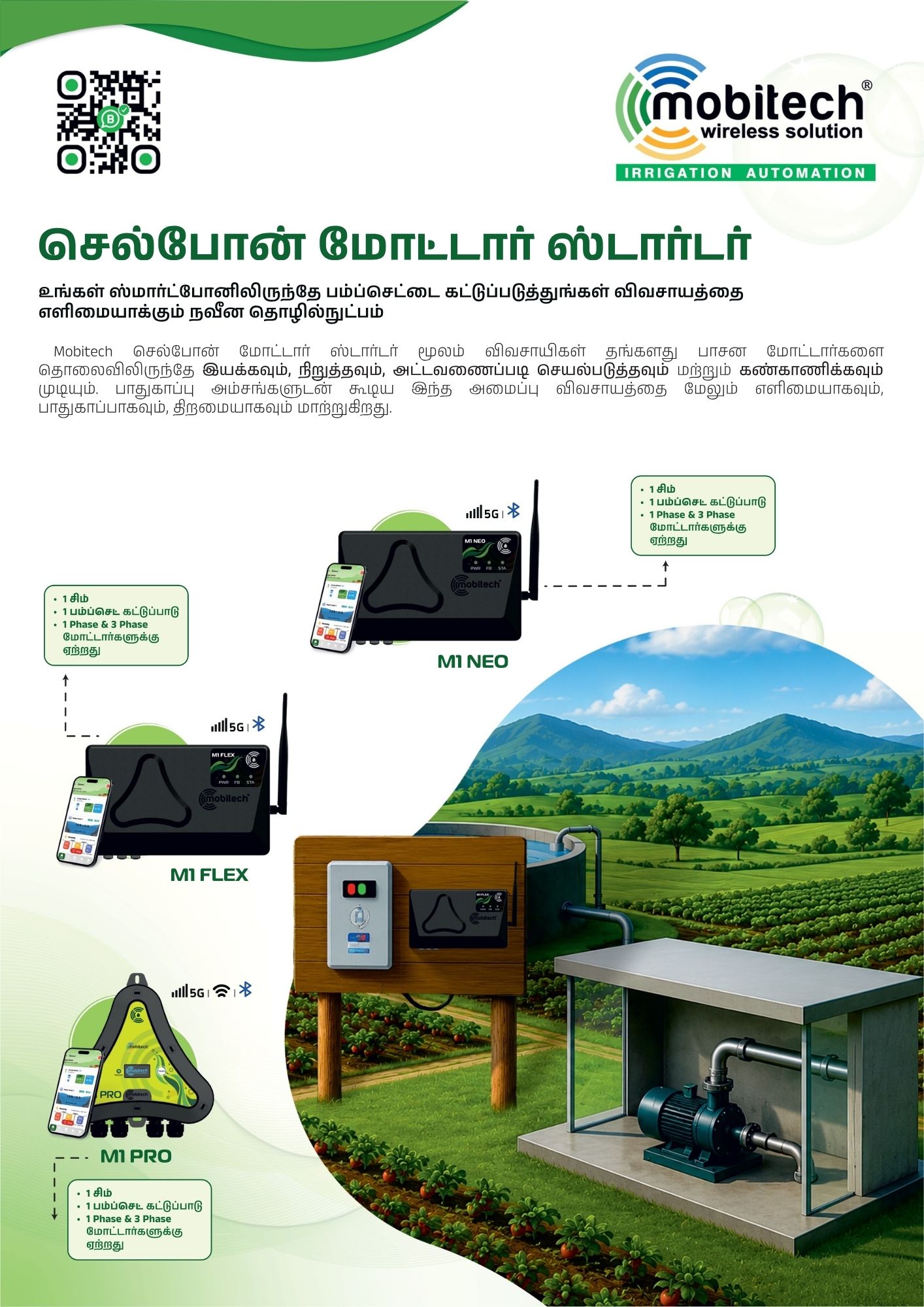
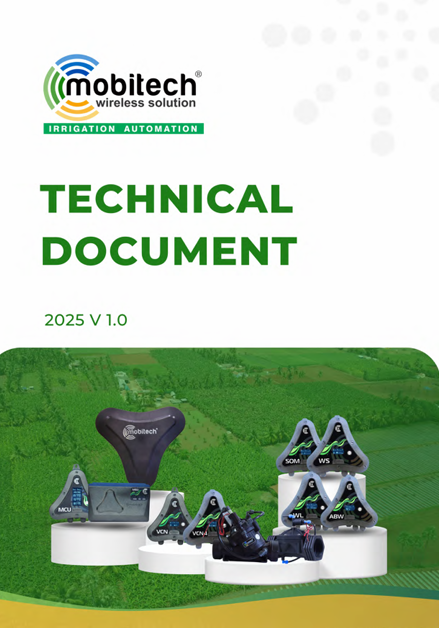
Technology also has an important role to play. Irrigation automation can help farmers organise motor operations, manage valves and control water distribution across different sections of their farms.
The future of farming is not about using more water. It is about managing every available drop more intelligently.
MAKE EVERY DROP COUNT
Ready to Manage Your Farm Irrigation More Efficiently?
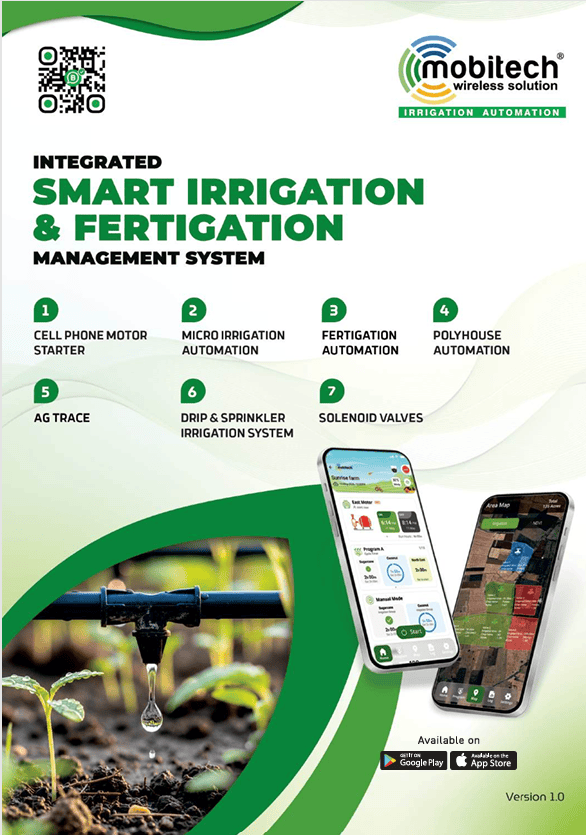
Explore smart irrigation automation solutions designed to help farmers manage motors, wireless valves and irrigation schedules with greater convenience.
Explore DCON AG AIR →
Mobitech Wireless Solution – Smarter Irrigation. Better Farming.