A FARMER’S JOURNEY · SMART FARMING
A Farmer’s Journey: Overcoming Labour Shortages and Reducing Manual Farm Work with Smart Agriculture Technology
Every farmer has a story. Behind every successful harvest are early mornings, long working hours and countless responsibilities. But what happens when finding agricultural workers becomes difficult and managing everyday farm activities starts taking more time?
This is the journey of a farmer who faced labour shortages, struggled with repetitive irrigation work and explored how Smart Agriculture Technology could help make everyday farm management more convenient.
Farmer’s Experience
Labour Challenges
Smart Agriculture Technology
A Farmer with a Dream and a Farm Full of Responsibilities
Consider Kumar, a farmer managing a 10-acre agricultural farm. Farming has always been an important part of his life. Every day, he works towards maintaining his crops, managing water resources and ensuring that his agricultural activities run smoothly.
Like many farmers, Kumar believes that successful farming requires patience, experience and hard work. But as his responsibilities increased, managing everything became more challenging.
His day started early in the morning with a visit to the fields. He checked crop conditions, planned irrigation and coordinated workers for the day’s activities. Even before completing one task, another responsibility was waiting.
His everyday responsibilities included:🌱
Crop Management
Inspecting crops and checking field conditions.
👷
Worker Coordination
Arranging workers and assigning daily tasks.
💧
Water Management
Operating motors and managing irrigation.
📋
Farm Supervision
Monitoring equipment and agricultural activities.
02 / THE FIRST CHALLENGE
When Finding Agricultural Workers Became Difficult
Initially, Kumar managed his farm with the help of available agricultural workers. But gradually, arranging enough people for daily activities became a concern.
During busy farming periods, he needed workers for different operations. Sometimes, the people he expected did not arrive. On other days, he had to spend additional time finding replacements.
This created difficulties in managing his daily schedule. Certain activities were delayed, and Kumar had to take responsibility for additional work himself.
01
Workers Were Not Always AvailableFinding sufficient workers at the right time became difficult, especially during important agricultural activities.
02
Labour Expenses IncreasedDaily wages and additional expenses made it harder to manage the farm budget.
03
Daily Work Was DelayedWhen workers were unavailable, Kumar found it difficult to complete all planned activities on time.
04
More Responsibilities Fell on HimHe had to manage additional activities whenever sufficient manpower was not available.
03 / THE BIGGEST DAILY STRUGGLE
Irrigation Management Was Taking Away His Time
Among all his daily responsibilities, irrigation was one of the most repetitive activities. Kumar’s farm had different irrigation sections, and each section required attention at the appropriate time.
To water the crops, he had to visit the pump room, switch ON the motor, open the required valves and check whether water was reaching the fields properly.
After completing irrigation in one section, he had to manage the next section. This routine continued regularly, sometimes requiring several visits throughout the day.
Even when he had other agricultural activities to complete, irrigation operations required his attention.
01
Motor Operations
Visiting the pump room to start and stop the motor.
02
Manual Valve Handling
Opening and closing valves across different sections.
03
Water Distribution
Checking water flow and irrigation progress.
04
Repeated Field Visits
Moving between the pump room and irrigation sections.
04 / A TURNING POINT
He Realised That His Farming Routine Needed to Change
One morning, Kumar had several activities planned. He needed to inspect his crops, arrange workers for field maintenance and complete irrigation in multiple sections.
However, the workers he expected were unavailable. At the same time, irrigation could not be postponed indefinitely. He had to manage the motor, handle the valves and supervise the other activities.
By the end of the day, he realised that too much of his time was going into repetitive operations.
He started thinking about a better approach. Instead of personally handling every routine activity, could some of these operations be managed more conveniently?
A question that changed his approach“Can I manage my irrigation activities in a better way and spend more time focusing on my crops instead of repeatedly handling the same operations?”
05 / SEARCHING FOR A SOLUTION
Small Changes Helped, but He Needed Something More
Kumar first tried improving his daily farm management. He prepared activity schedules, organised irrigation sections and focused on maintaining his agricultural equipment.
These changes helped him plan his work better. But he still had to spend considerable time operating irrigation equipment manually.
He then started learning about different ways to manage irrigation operations. During this search, he discovered that modern agricultural systems could help control selected farm activities through automation.
He became interested in solutions that could support motor operations, valve management and irrigation scheduling without requiring him to perform every step manually.
📝
Better Planning
Organising daily and weekly farm activities.
🔧
Equipment Maintenance
Checking motors, filters, pipes and valves.
💧
Irrigation Organisation
Dividing the farm into manageable sections.
06 / DISCOVERING SMART AGRICULTURE
How Smart Agriculture Technology Changed His Thinking
As Kumar explored different options, he discovered how Smart Agriculture Technology could support farmers in managing selected agricultural activities.
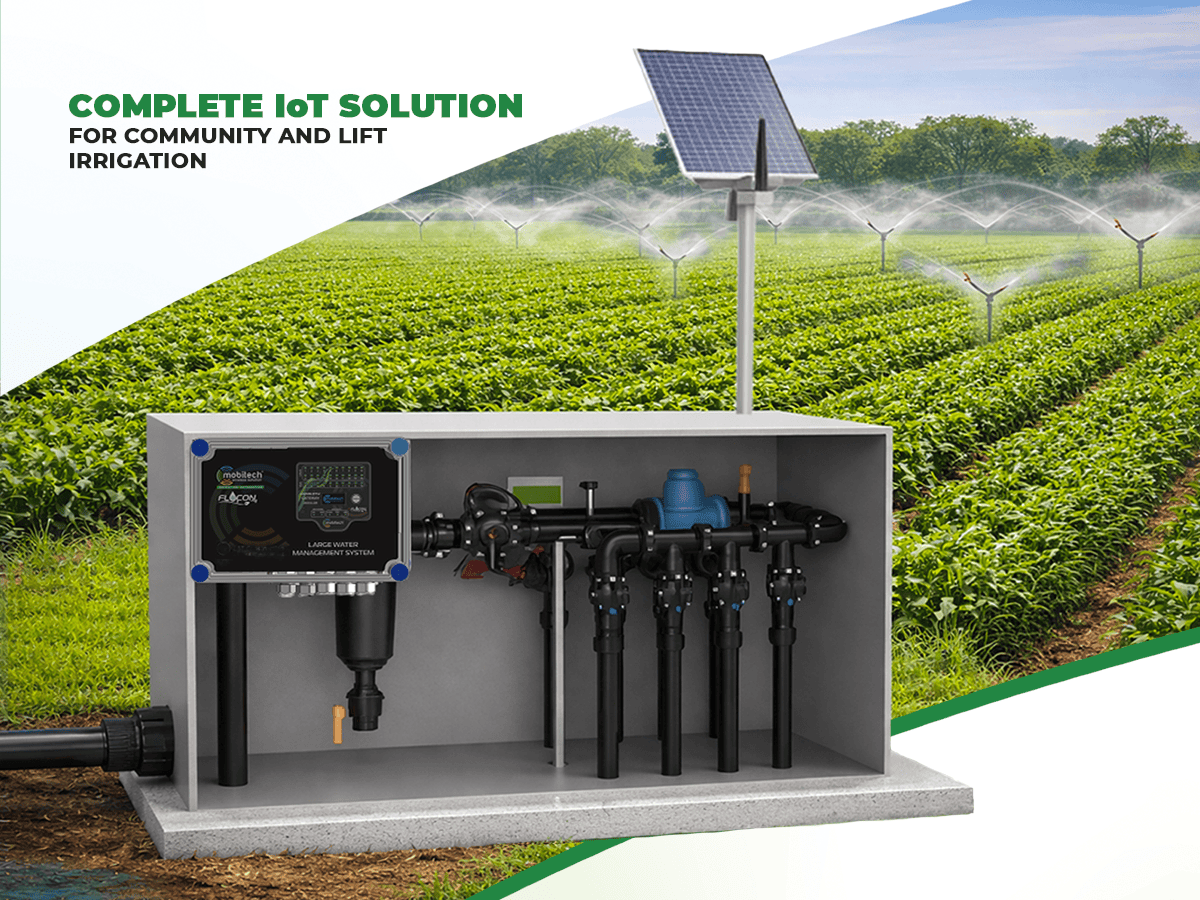
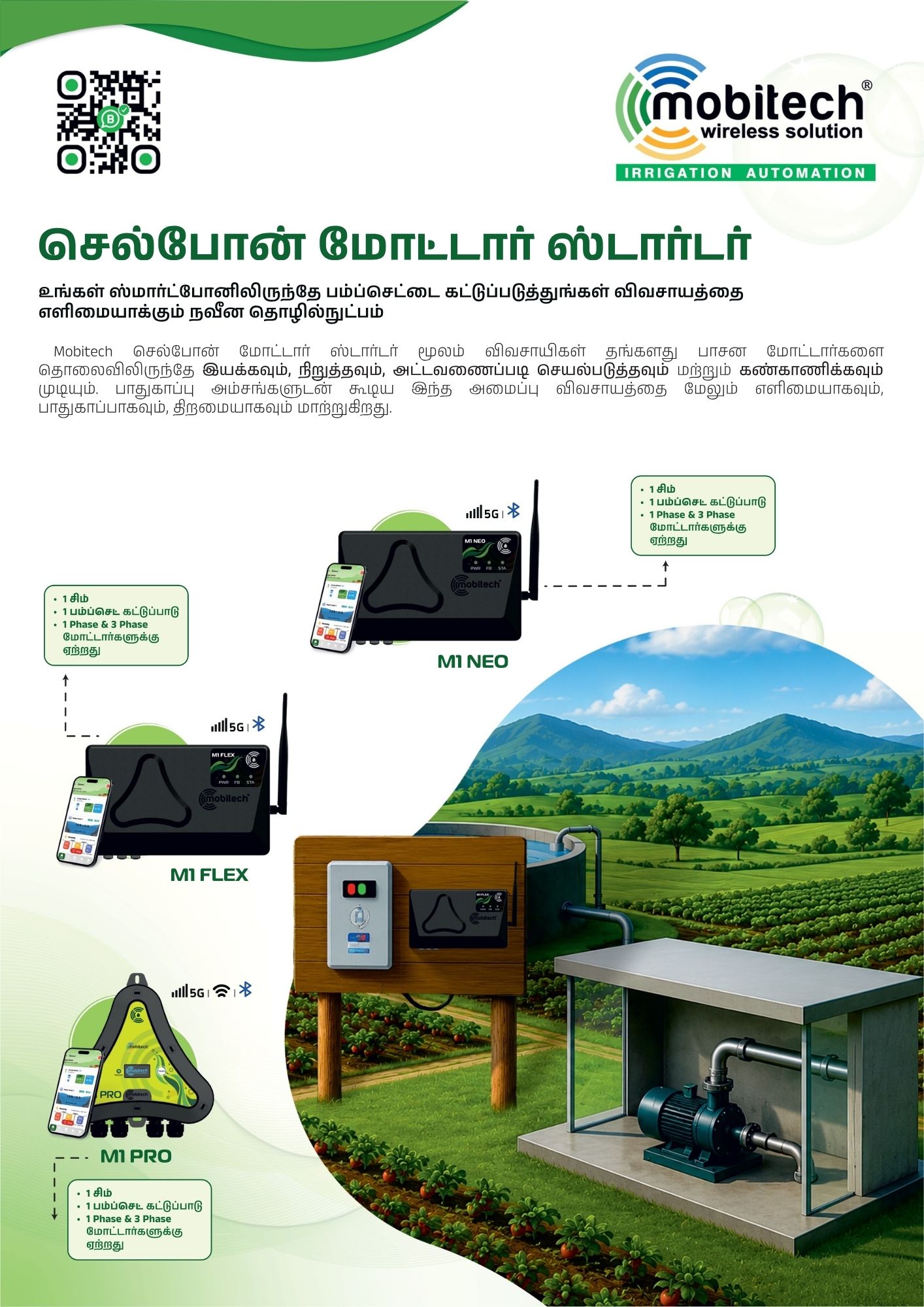
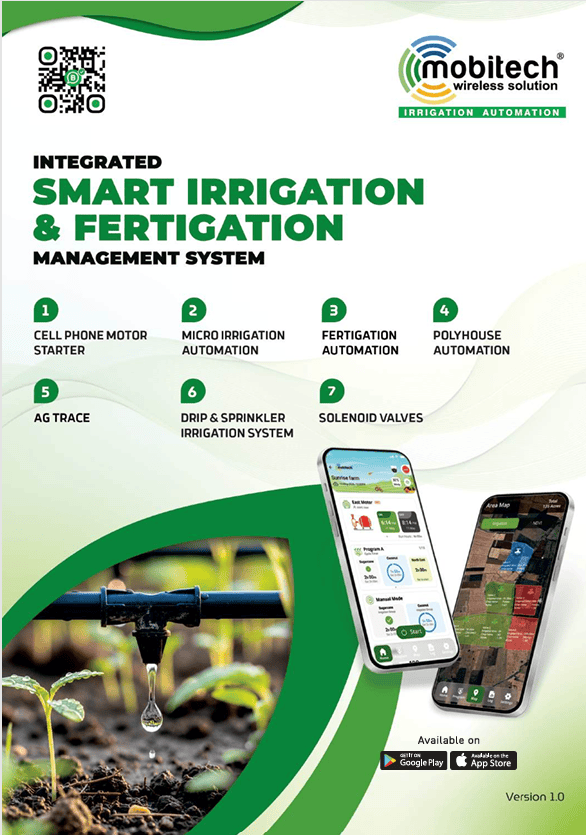
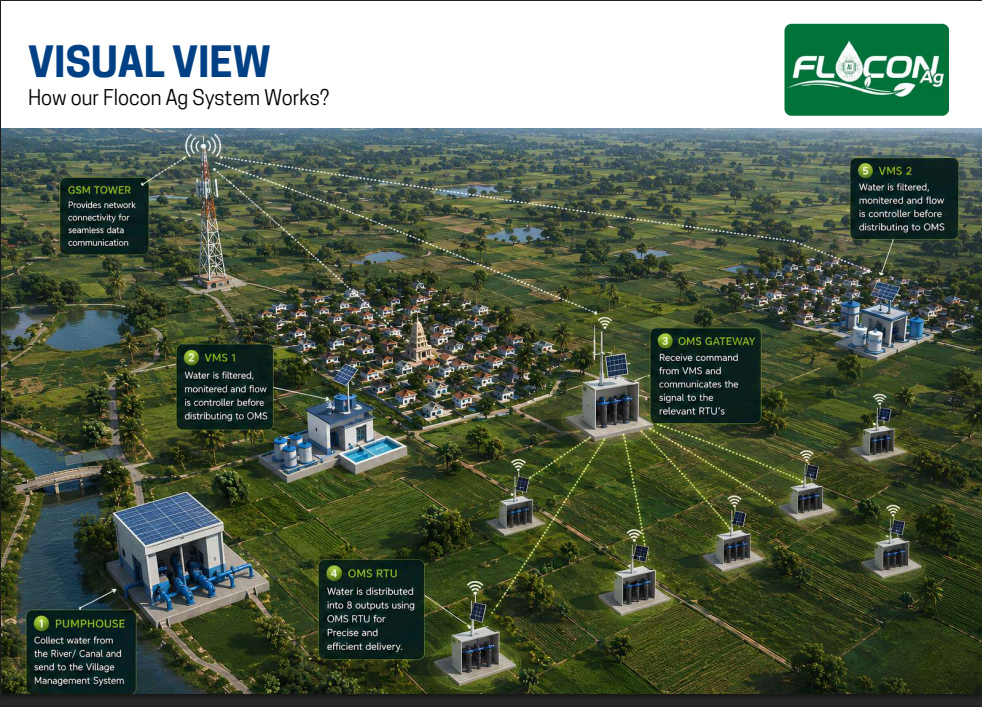
He learned that irrigation automation systems could connect controllers, motors and compatible valves to simplify routine irrigation operations.
Instead of manually managing every operation, farmers could use configured controls and schedules to organise their irrigation activities.
He became particularly interested in four areas:
⚙️
Motor Automation
Manage compatible irrigation motor operations through configured control systems.
💧
Wireless Valve Control
Control compatible irrigation valves across different farm sections.
🕒
Irrigation Scheduling
Organise watering activities according to suitable farm schedules.
📱
Remote Monitoring
Access supported irrigation information and control functions through connected devices.
What Kumar understoodAutomation does not replace farming knowledge or eliminate the need for workers. It can help reduce selected repetitive operations and make everyday farm management more convenient.
07 / A NEW WAY OF FARMING
From Manual Irrigation to More Organised Farm Operations
After understanding the available options, Kumar explored an irrigation automation system suitable for his farm’s requirements.
With the appropriate system configuration, selected irrigation operations could be managed through scheduled and controlled processes. He no longer needed to personally handle every compatible motor or valve operation.
This gave him a more organised approach to irrigation management and helped him plan his other agricultural responsibilities.
BEFORE
Manual Irrigation Routine
- Repeated motor switching.
- Manual valve operations.
- Frequent pump-room visits.
- More time spent on routine irrigation.
AFTER
Organised Irrigation Management
- Configured motor automation.
- Supported wireless valve control.
- Scheduled irrigation operations.
- More convenient routine management.
The actual benefits depend on the farm layout, selected system, irrigation infrastructure and operating conditions.
08 / THE BIGGER PICTURE
What Other Farmers Can Learn from His Journey
Kumar’s experience highlights an important point: managing a farm efficiently is not only about completing more work. It is also about identifying repetitive activities and finding practical ways to simplify them.
Farmers facing similar challenges can consider a few important steps:
01. Understand Your Farm RequirementsIdentify activities that consume the most time and determine which operations can be better organised.
02. Plan Irrigation ProperlyCreate suitable irrigation schedules based on crop needs, water availability and field conditions.
03. Maintain Equipment RegularlyInspect motors, filters, pipes and valves to reduce unexpected equipment problems.
04. Explore Suitable AutomationConsider automation options that match your farm size, irrigation setup and operational requirements.
05. Focus on Important Farm ActivitiesSpend more attention on crop inspection, soil conditions, plant health and important agricultural decisions.
CONCLUSION
A Farmer’s Journey Towards Smarter Farming
Kumar’s journey started with a common agricultural challenge: finding enough workers and managing several daily responsibilities with limited time.
As irrigation activities became more demanding, he realised that continuing with the same manual routine was not the only option. By improving his planning and exploring suitable automation, he found a more organised way to manage selected farm operations.
This is where Smart Agriculture Technology can make a difference. It helps farmers simplify repetitive tasks, manage irrigation more conveniently and focus on important agricultural activities. The future of farming is not about replacing farmers’ hard work. It is about supporting their experience with better tools and smarter decisions.
TAKE THE NEXT STEP
Ready to Make Your Farm Management Easier?
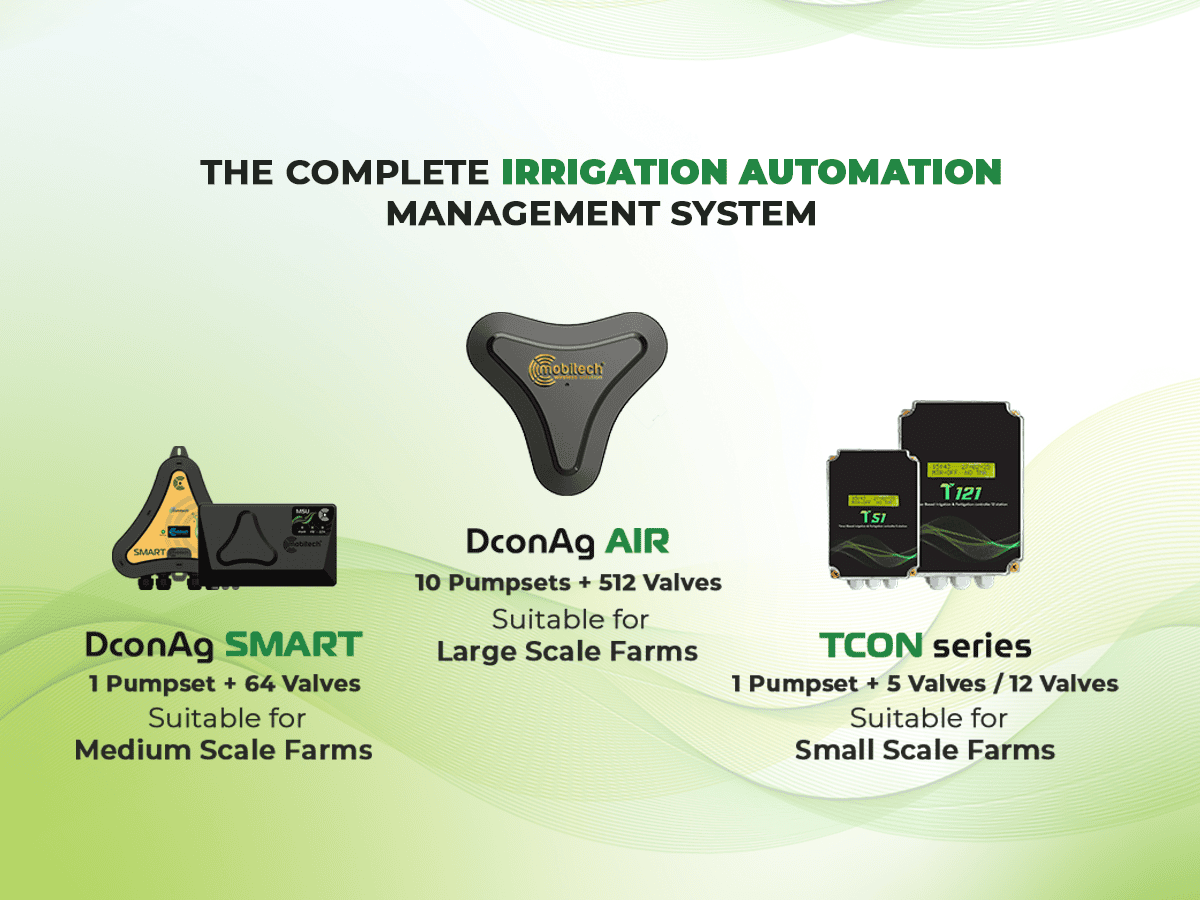
Explore irrigation automation solutions designed to help farmers manage motors, valves and irrigation schedules with greater convenience.
Explore Smart Irrigation Solutions →