


















Table of Contents
Tired of Checking Water Levels Manually? Here’s a Smarter Solution for Farmers!
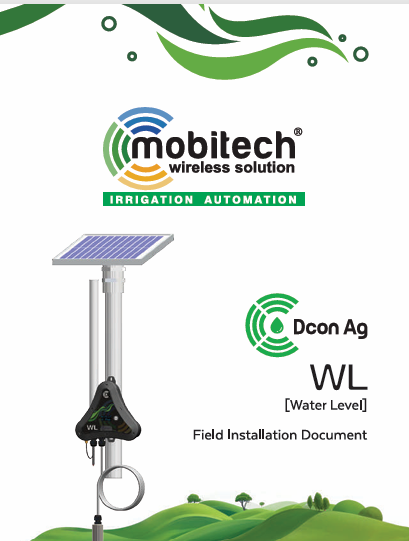
Water level monitoring helps farmers keep track of water availability in tanks, sumps and reservoirs without relying only on repeated manual checks. Checking farm water tanks can take time, especially when tanks are far from the house, fields or pump room. A tank may overflow before someone reaches it, while a low water level can disrupt irrigation plans. Depending on the equipment installed, monitoring technology can provide level information remotely, support alerts and work with compatible pump-control systems.
Tank-Level Awareness
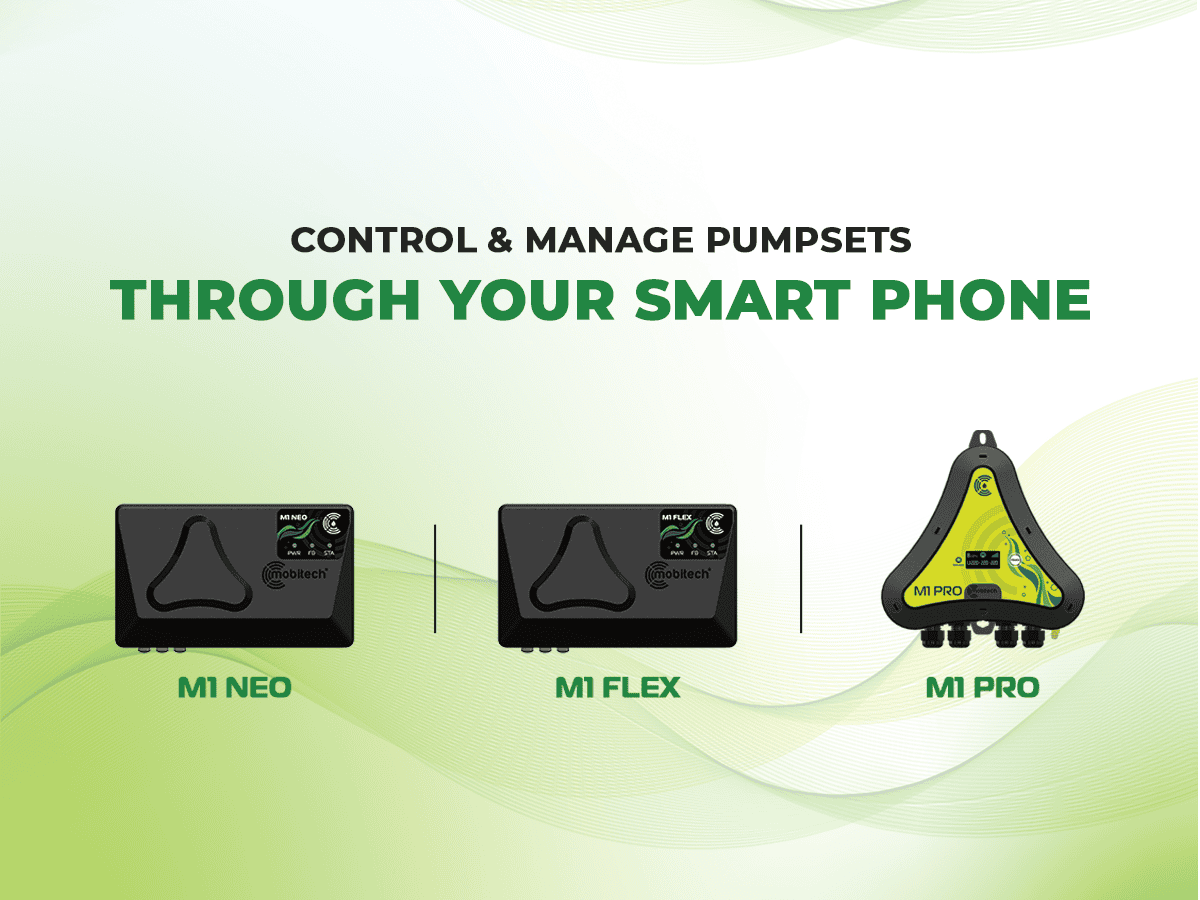
Smarter Pump Management
What Is Water Level Monitoring for Farms?
Water level monitoring is the process of checking or measuring how much water is available in a tank, sump or reservoir. Depending on the system, farmers may be able to view water-level information through a connected controller or mobile interface instead of relying only on physical inspections.
When integrated with compatible alerts or pump controls, a suitable monitoring setup can help farmers respond to high or low water levels and manage water storage more conveniently.
Why Manual Water-Level Checking Becomes Difficult
Manual checks may seem manageable when a farm has one nearby tank. But repeated inspections can become inconvenient when the storage tank is far away, the farm covers a large area or several water points need attention.
Repeated Trips to the Tank
Farmers may need to walk or travel to the tank several times a day just to confirm the available water level.
Tank Overflow
If a pump continues filling a tank after it reaches capacity, water can overflow when nobody is available to switch it off.
Unexpected Low Water
A tank may run low before the next irrigation cycle, making it harder to plan water availability for the field.
Multiple Water Points
Checking several tanks, sumps or reservoirs individually can add to routine farm-management work.
How Does Smart Water-Level Monitoring Work?
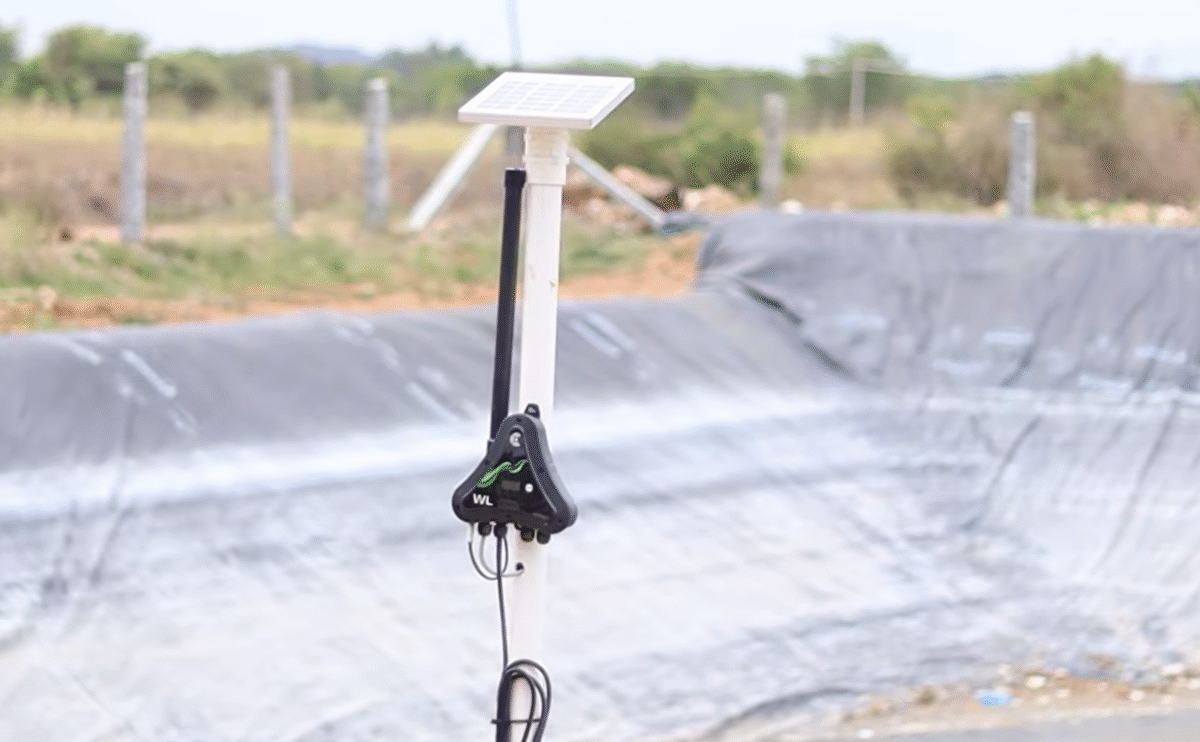
A typical setup uses a suitable sensor and monitoring unit to identify water-level conditions. Depending on the system, that information can be made available locally or remotely and may be used to trigger alerts or compatible pump-control actions.
A Sensor Detects the Water Level
A compatible sensor measures or detects water at selected points in the tank or storage structure.
The Monitoring Unit Receives Information
The connected unit processes the sensor signal according to the equipment’s design and configuration.
The Farmer Checks the Status
Where remote access is supported, water-level information can be viewed through a compatible phone app or monitoring interface.
Alerts or Pump Actions May Be Configured
Supported systems may provide high- or low-level alerts, or control a compatible pump when configured conditions are met.
Benefits of Water Level Monitoring for Farmers
Water-level visibility can support everyday decisions about storage and irrigation. The benefits depend on how the monitoring system is configured and used.
Less Manual Checking
Remote viewing can reduce the need to visit a tank just to check its level, where connectivity and remote access are available.
Better Overflow Awareness
High-level alerts or compatible automatic shut-off controls can help farmers respond before a tank overflows.
Improved Irrigation Planning
Knowing the available water level helps farmers assess whether storage is sufficient for upcoming irrigation needs.
Pump Management Support
When connected to compatible controls, monitoring can support better decisions about when a pump should run or stop.
Visibility Across Locations
Suitable systems can help farmers check multiple connected storage points without inspecting each one in person.
More Informed Decisions
Water-level information gives farmers another useful input when coordinating water storage and irrigation activities.
What Should Farmers Check Before Choosing a Monitoring Solution?
Every farm has different storage, power and connectivity requirements. Before choosing a system, review the following points.
✓ Sensor suitability
Confirm that the sensor is appropriate for the tank, reservoir, water conditions and required measurement range.
✓ Remote monitoring options
Check whether the system supports remote viewing, mobile access or notifications, and what connectivity is required.
✓ Alerts and automation
Verify whether high- and low-level alerts, automatic pump switching or other control functions are included.
✓ Pump and controller compatibility
Make sure the monitoring equipment can work safely with the intended pump-control arrangement.
✓ Power and connectivity reliability
Consider field power availability, communication coverage, maintenance and what happens if connectivity is interrupted.
✓ Future expansion
If you plan to monitor more tanks or integrate irrigation automation later, check the system’s expansion options.
Manual Water-Level Checking vs Smart Monitoring
A monitoring system changes how water-level information is accessed. Actual capabilities depend on the installed equipment and its configuration.
| Factor | Manual Checking | Smart Monitoring |
|---|---|---|
| Checking levels | Often requires a physical visit | Remote viewing may be available |
| Overflow awareness | Depends on timely inspection | Alerts or automatic controls may be configured |
| Low-level awareness | May only be noticed during inspection | Low-level status or alerts may be supported |
| Pump operation | Often relies on manual action or separate controls | Automation is possible with compatible equipment |
| Multiple tanks | May require separate visits | Centralised viewing may be available |
Smart monitoring does not remove the need for equipment maintenance, periodic inspections or appropriate pump-protection measures.
Can Monitoring Help Prevent Overflow and Dry Running?
Water-level monitoring can help farmers identify high or low tank levels, but overflow prevention and pump dry-run protection are different functions.
Preventing Tank Overflow
A high-level sensor, alert or compatible automatic shut-off arrangement can help stop filling at a configured level. Correct installation and testing are important.
Managing Dry-Run Risk
Dry-run protection may require separate sensors or a pump controller designed to detect inadequate water supply. A tank-level monitor alone does not guarantee dry-run protection.
How Tank-Level Monitoring Fits into Irrigation Automation
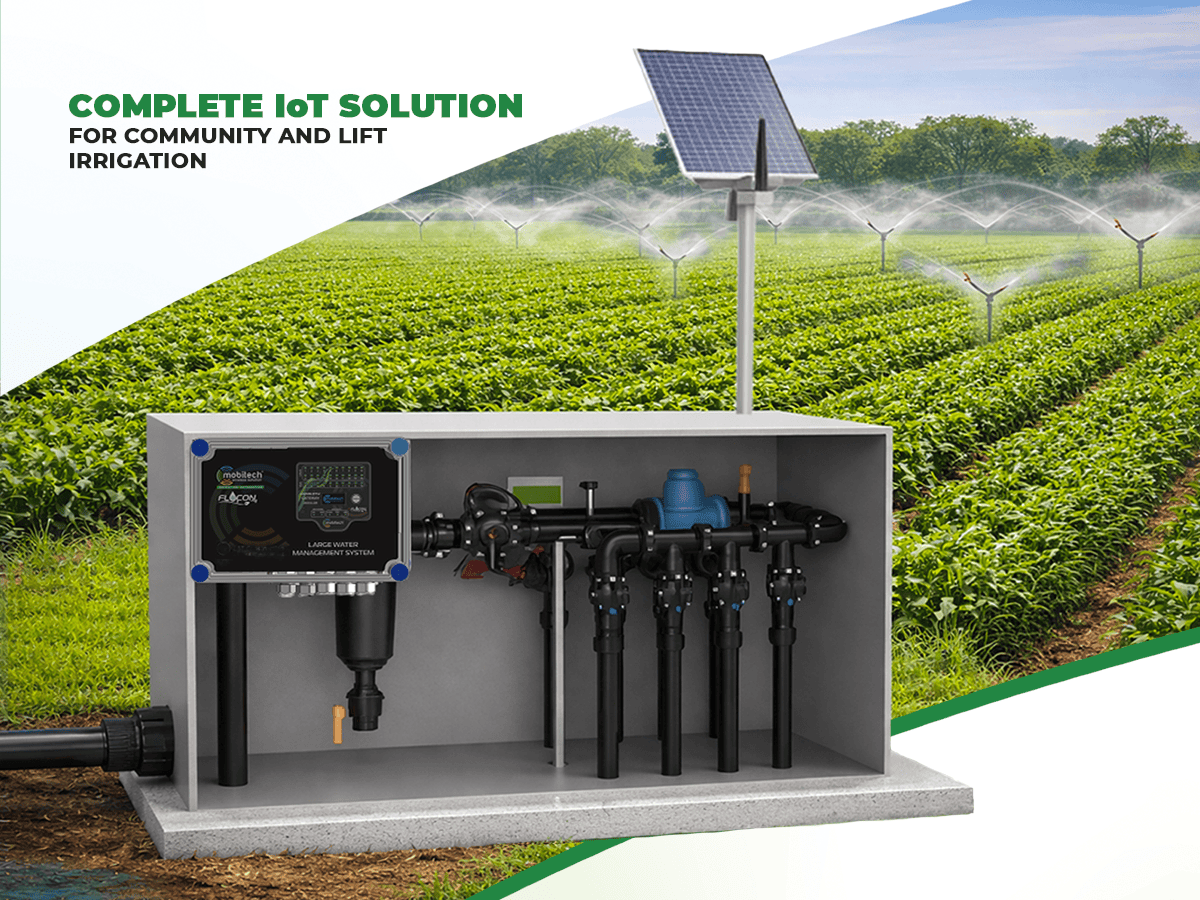
For farms that need more than tank-level visibility, monitoring may be integrated with a broader irrigation automation setup. Depending on equipment compatibility, this can bring together pump operation, valve control and irrigation scheduling.
For example, a farmer may use tank-level information to understand water availability before running an irrigation cycle. Compatible controls may also help manage pump operation based on configured conditions. The exact functions available vary by product and installation.
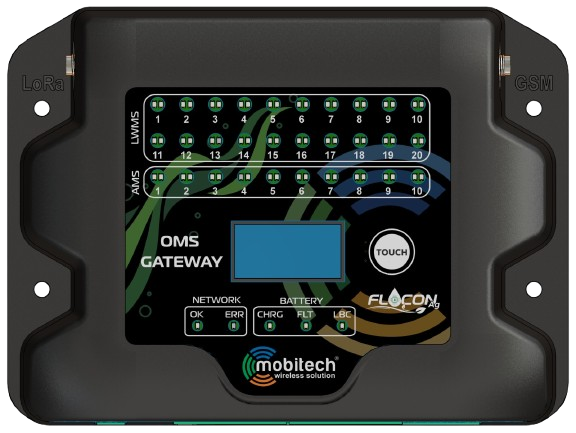
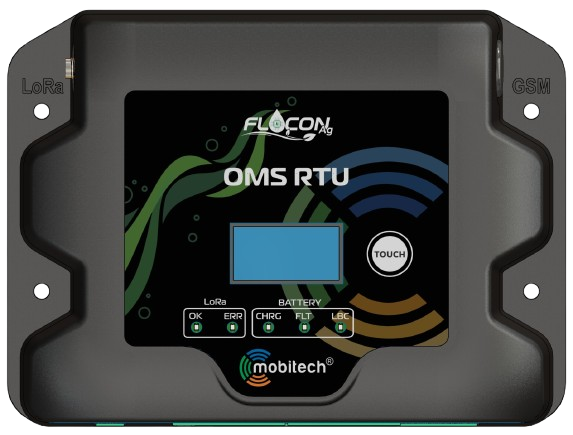
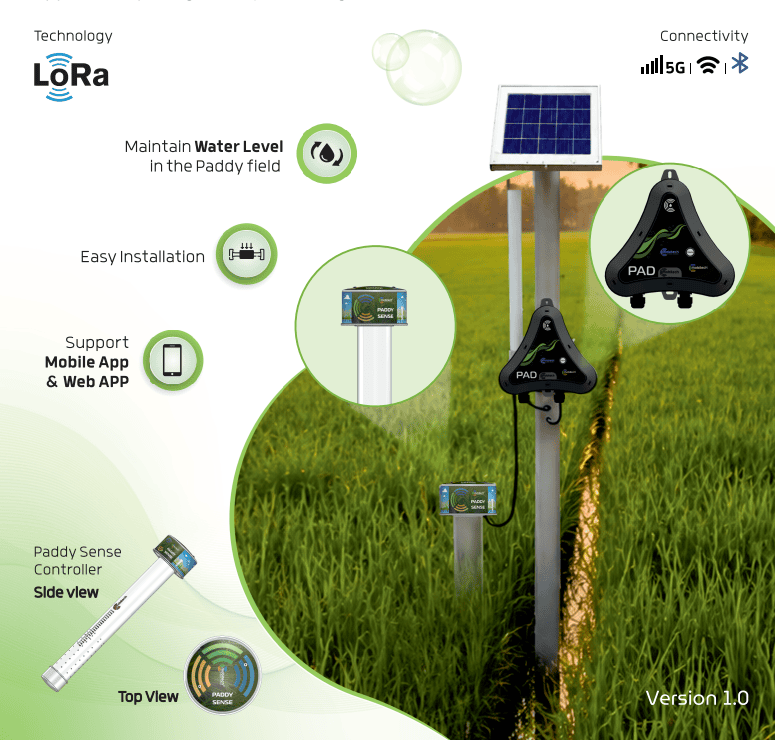
If you are exploring a dedicated solution, read more about Mobitech’s farm water monitoring solution and review the features relevant to your farm.
Make Farm Water Management Smarter with Better Monitoring
Repeatedly checking tanks manually can take time and make it harder to respond promptly to changing water levels. A suitable farm monitoring setup can provide better visibility into water availability and may support alerts or pump automation when compatible equipment is installed.
Choose a system based on your tank, water source, connectivity and pump-control requirements. With the right setup, water-level monitoring can become a practical part of a more organised farm water-management process.
Explore Smarter Water Monitoring for Your Farm
Want to reduce repeated manual tank checks and improve visibility into water availability? Explore the water level monitoring options available for agricultural applications.
If you have any questions about this , kindly fill in the form below.
What is a water level monitoring system?
Can water level monitoring prevent tank overflow?
Is water level monitoring useful for agricultural irrigation?
What is a high-water-level alert?
A high-water-level alert notifies the farmer when the water reaches a configured threshold, provided the system supports alerts. It can help farmers respond before a tank overflows.