













Table of Contents

Large-Scale Water Distribution System: Connecting Water Sources to Agricultural Fields
Managing water across dams, reservoirs, canals and agricultural fields requires careful coordination, particularly when multiple farms depend on the same water source. A Large-Scale Water Distribution System connects these resources through an integrated network that helps regulate water movement from the source to the soil. Modern monitoring and control technologies help irrigation authorities and farming communities monitor water flow, manage distribution outlets and coordinate water supply across large agricultural areas. This guide explores how smart water management works and how Mobitech Wireless’s Flocon Ag supports modern irrigation networks.
Centralised Monitoring
Community Irrigation
What Is a Large-Scale Water Distribution System?
A Large-Scale Water Distribution System manages the movement of water from sources such as dams and reservoirs to canals, interconnected tanks, distribution sumps and agricultural fields. It combines physical infrastructure with monitoring and control technologies to coordinate water supply across multiple locations.
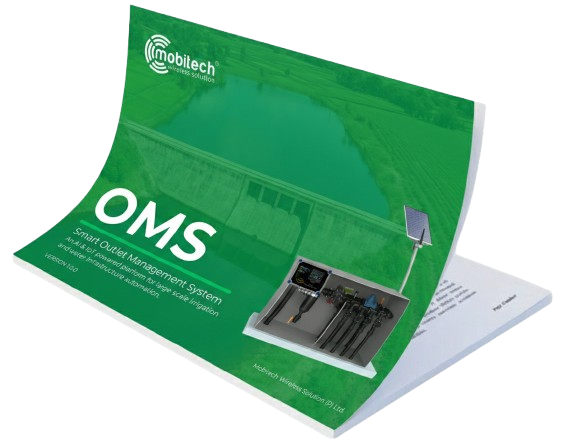
An advanced system can use an Outlet Management System (OMS) to connect field equipment with a central platform. By integrating water-flow monitoring, remote access, scheduling and compatible motor and valve controls, operators can manage connected infrastructure through a unified system.
Effective water distribution depends on coordinated infrastructure, accurate monitoring, suitable controls and well-planned water allocation.
How Water Travels from Sources to Agricultural Fields
A large irrigation network contains several connected stages. Water must move from the source through storage and distribution infrastructure before reaching the intended agricultural area. Monitoring these stages helps operators coordinate supply and respond to changing conditions.
Dams and Reservoirs
Water is collected and stored before distribution. Monitoring storage levels and inflow and outflow conditions helps operators understand availability and plan water release.
Pumping Stations
Pumping stations move water through pipelines or to higher elevations in lift irrigation projects. Coordinated pump operation helps manage supply across the connected network.
Canals and Distribution Networks
Main canals, branch channels and pipelines transport water across different locations and direct it towards designated distribution points.
Tanks, Sumps and Farm Outlets
Interconnected storage tanks, distribution sumps and outlets help deliver water to designated agricultural areas according to operating schedules and allocation requirements.
Common Challenges in Large-Scale Agricultural Water Distribution
When water must be distributed across several reservoirs, canals and farms, manual coordination can become increasingly complex. A lack of timely information may also make it difficult to understand the condition of the entire network.
Limited Water-Flow Visibility
Without appropriate monitoring, operators may struggle to identify changes in water flow, understand distribution conditions or locate unusual operating patterns across distant outlets.
Uncoordinated Distribution
Multiple farms may depend on a shared source, making scheduling and water allocation important for maintaining an organised distribution process.
Manual Operation of Pumps and Valves
Repeated physical operation of equipment across a large network can increase routine workload and make coordinated control more difficult.
Water Losses and Equipment Faults
Leaks, abnormal flow, equipment malfunctions and overflow risks can affect network performance if problems are not identified and addressed promptly.
Understanding the OMS Architecture for Centralised Water Management
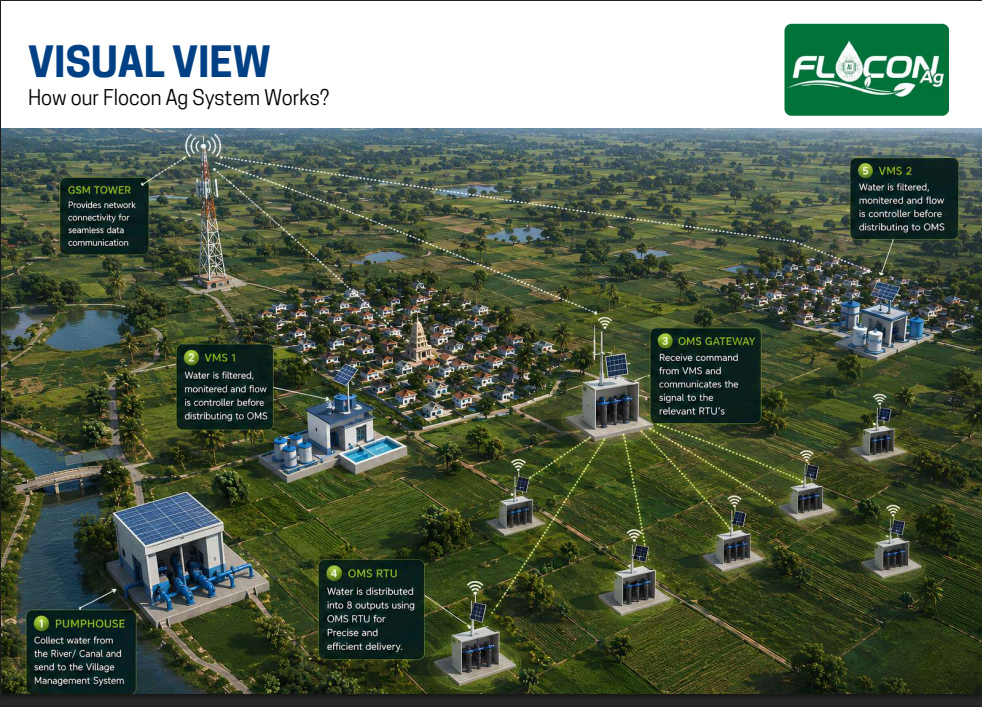
The Outlet Management System (OMS) provides a technology framework for managing connected water distribution infrastructure. By linking centralised management with field-level equipment, the system helps coordinate monitoring and control across multiple locations.
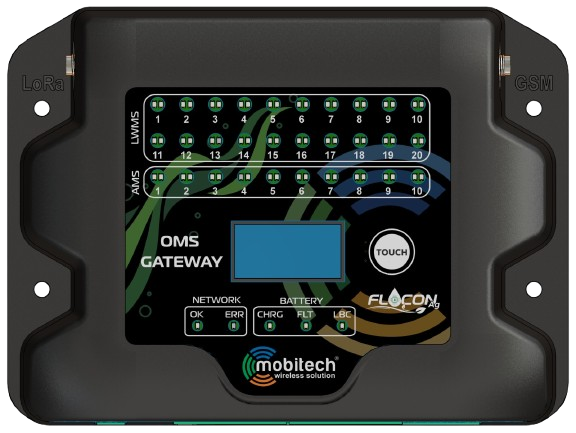
OMS Gateway

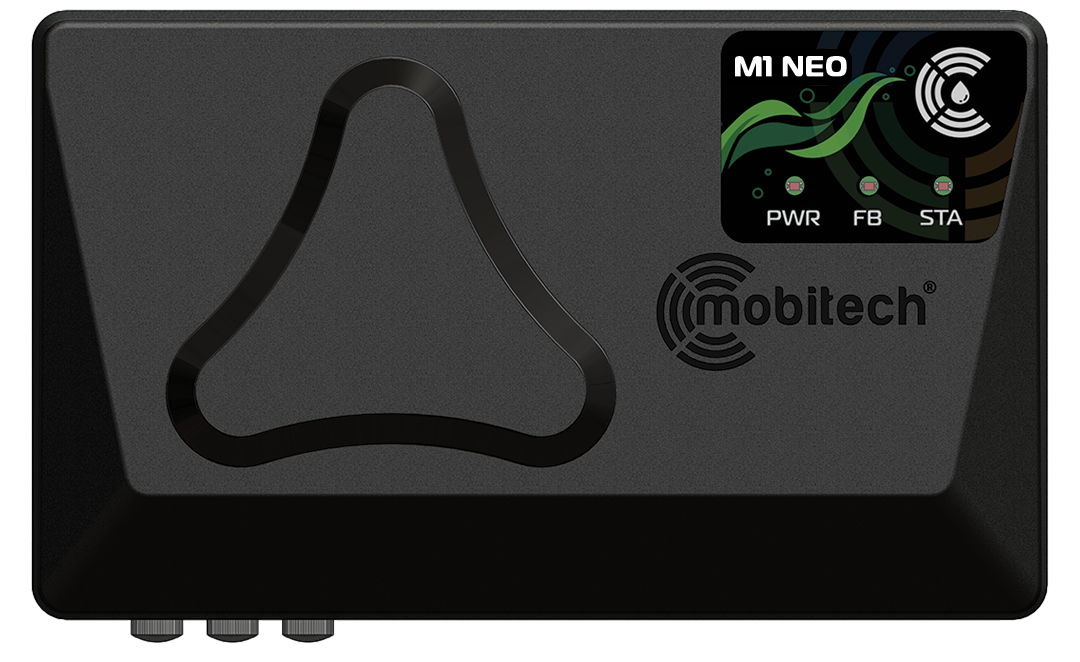
The OMS Gateway serves as the central communication component of the water management network. It helps connect field-level units with the management platform, supporting centralised visibility and coordination across connected distribution infrastructure.
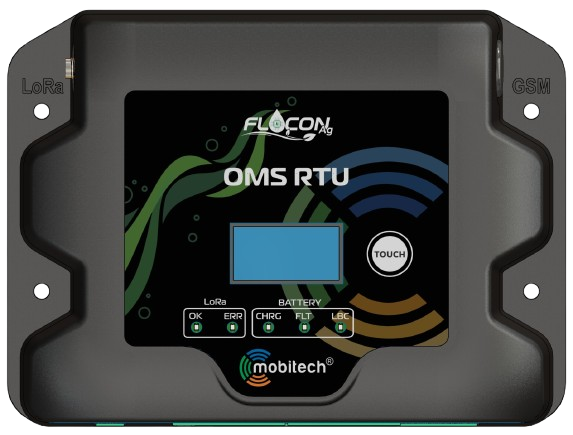
OMS RTU

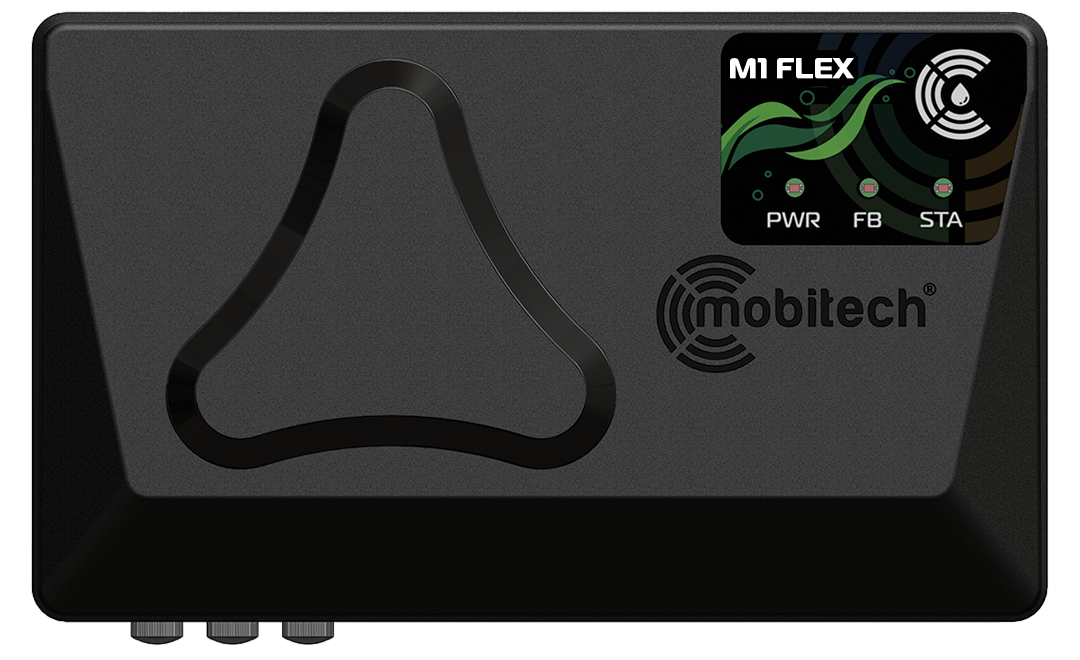
The OMS Remote Terminal Unit connects compatible field equipment to the central management network. It supports field-level monitoring and the execution of authorised control commands according to the installed configuration.
How they work together:
The Gateway and RTU architecture links centralised management with field-level operations, helping operators coordinate connected distribution points through a unified water management approach.
Applications of a Large-Scale Water Distribution System
A centralised water management platform can support different types of water infrastructure, from large reservoirs and interconnected irrigation tanks to canal networks and agro-industrial estates. The system configuration depends on the operating requirements of each application.
Dam Automation and Reservoir Management
Dam and reservoir management requires visibility into storage conditions, inflow, outflow and water-release operations. An integrated monitoring and control platform can help operators coordinate these activities according to operating requirements.
- Monitor available water levels and configured operating parameters.
- Coordinate compatible gates and control equipment.
- Support informed water-release decisions based on storage and demand.
- Help identify selected abnormal conditions through configured alerts.
Cluster Tank Irrigation Projects
Cluster tank projects use interconnected tanks to distribute water across large command areas serving multiple agricultural communities. Centralised monitoring can help operators coordinate water movement between storage points and downstream distribution networks.
- Monitor connected tanks and storage conditions.
- Coordinate water transfer between designated distribution points.
- Improve visibility into water availability across the network.
- Support more organised supply scheduling for participating farms.
Canal and Distribution Network Management
Large canal networks distribute water across multiple zones and agricultural areas. Remote monitoring and compatible valve controls can help operators coordinate delivery and investigate potential distribution problems.
- Monitor water flow at selected points.
- Operate compatible distribution valves remotely.
- Identify unusual flow conditions that may indicate leakage or blockage.
- Support organised water delivery across designated zones.
Government and Smart Water Boards
Irrigation departments and water authorities manage extensive networks that require coordinated monitoring and transparent distribution processes. A centralised platform can bring information from reservoirs, canals and distribution points into a common operational view.
- Monitor connected water infrastructure through a unified platform.
- Support allocation policies and scheduled distribution.
- Review water availability, usage information and network performance.
- Help authorities make informed decisions during periods of high demand or limited supply.
Agro-Industrial Water Systems
Agricultural estates, agro-industrial clusters and cooperative farms may require coordinated operation of multiple pumps, valves, storage points and distribution networks. Centralised management can help operators oversee these components more consistently.
- Coordinate compatible pumps and distribution valves.
- Monitor water levels, flow rates and pressure where suitable sensors are installed.
- Support scheduled supply across large cultivation areas.
- Improve operational visibility across connected infrastructure.
Rural and Peri-Urban Water Distribution Projects
Rural and peri-urban distribution networks may serve scattered communities and locations that are difficult to monitor manually. Connected monitoring and compatible controls can help operators oversee remote water infrastructure with less routine manual intervention.
- Monitor water levels and operating conditions at connected locations.
- Coordinate compatible pumps, valves and distribution points.
- Improve visibility across dispersed infrastructure.
- Support more consistent supply management through centralised oversight.
Manual Water Distribution vs Centralised Management
Centralised management changes how operators access information and manage connected infrastructure. The practical differences depend on the existing network and the capabilities of the installed system.
| Factor | Manual Management | Centralised Management |
|---|---|---|
| Monitoring | May require physical inspection | Connected monitoring at equipped locations |
| Outlet control | Manual operation or local controls | Remote operation of compatible equipment |
| Scheduling | Relies on operator coordination | Supports configured operating schedules |
| Network visibility | Information may be spread across locations | Connected information can be consolidated |
| Fault notifications | Often depends on inspection and reporting | Configured alerts for supported conditions |
| Operational planning | Manual records and coordination | Centralised data can support decisions |
Centralised management does not eliminate the need for field inspections, maintenance, appropriate engineering or water allocation procedures.
Benefits of a Smart Water Distribution System
A properly designed water management platform can help irrigation authorities, operators and farming communities coordinate their shared infrastructure. Its main value comes from combining reliable field equipment with useful operational information.
Improved Water Visibility
Monitoring available water levels and flow conditions can help operators understand the status of connected distribution points.
More Organised Distribution
Centralised information and scheduled controls can support coordinated delivery across multiple farms and distribution zones.
Reduced Routine Manual Intervention
Remote monitoring and compatible automatic controls can reduce the need for repeated physical operation of every connected outlet.
Earlier Fault Awareness
Configured monitoring and alerts can help operators identify selected abnormal conditions that require investigation.
Energy Management
Coordinated pump scheduling and suitable operating practices can support efforts to manage pumping energy use.
Sustainable Water Use
Better monitoring and distribution planning can help reduce avoidable losses and encourage responsible use of available water.
What to Consider Before Implementing a Large-Scale Water Distribution System
Choosing an appropriate system requires an assessment of water infrastructure, operating requirements, monitoring needs and long-term maintenance. Consider the following factors before planning a new installation or upgrading an existing network.
✓ Water source and storage capacity
Assess available supply, reservoir capacity, seasonal changes and distribution demand.
✓ Network design and hydraulic requirements
Review canals, pipelines, elevations, pressure requirements, flow capacity and outlet locations.
✓ Sensor and equipment compatibility
Confirm the compatibility of monitoring devices, flow meters, motors, valves and controllers.
✓ Communication and power requirements
Evaluate connectivity, communication distance, field power availability and backup requirements.
✓ Distribution policies and scheduling
Define operating schedules, allocation rules, authorised controls and procedures for responding to supply changes.
✓ Maintenance and future expansion
Plan servicing, operator training, fault response and the addition of future distribution points.
Flocon Ag: Large Water Management System for Connected Irrigation Networks
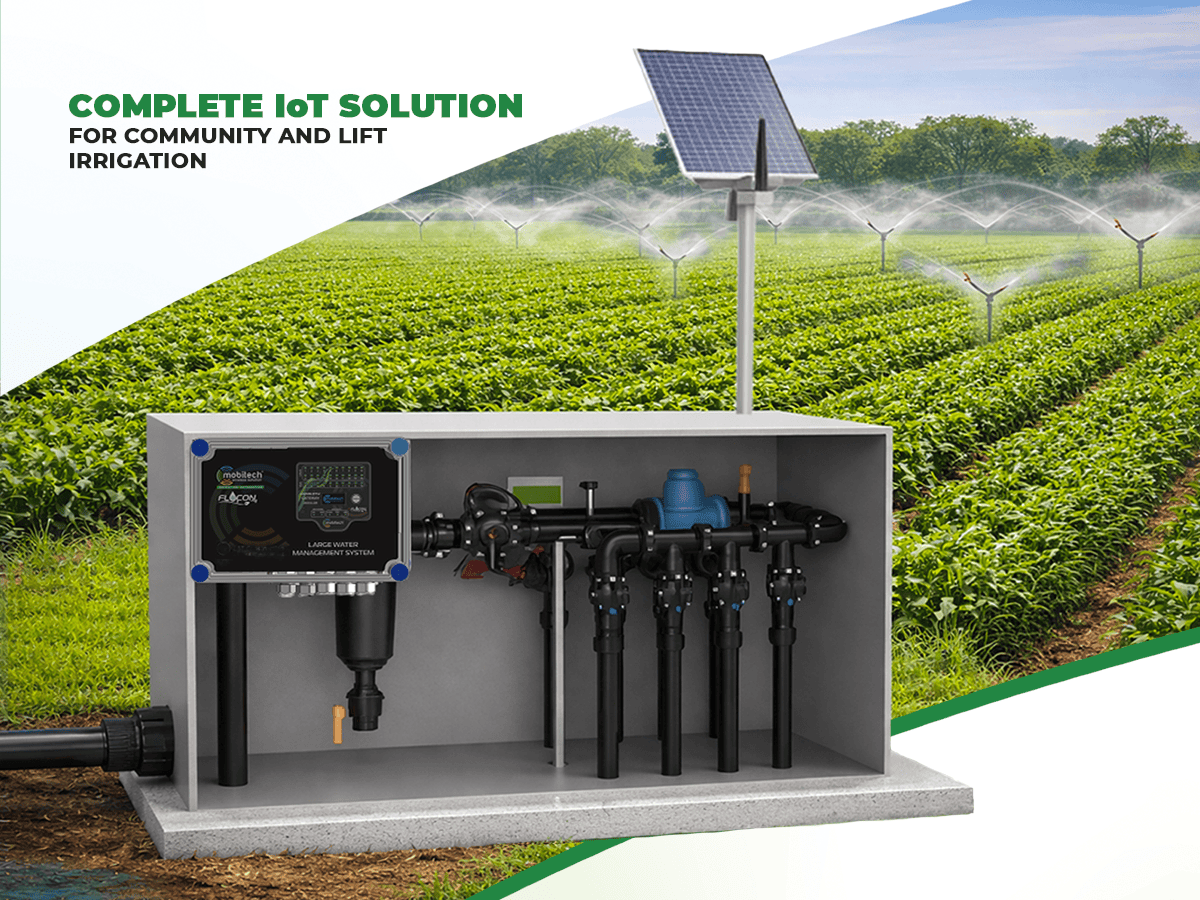
Mobitech Wireless Solution Flocon Ag provides a Large Water Management System designed for dams, reservoirs, interconnected tanks, sumps and irrigation distribution networks. Using an OMS-based architecture, the platform supports centralised monitoring, scheduled operations and control across connected water infrastructure.
The solution is designed for large-scale operations and can support networks serving 50+ farms, according to Mobitech’s product information. Its Gateway and RTU architecture connects network-level management with field-level operations.
For irrigation departments, water authorities, community irrigation projects and agro-industrial networks, the system offers an approach to managing connected distribution infrastructure from a central platform.
Connecting Water Sources to Agricultural Fields Through Smart Water Management
A Large-Scale Water Distribution System is essential for coordinating water movement from dams and reservoirs through canals, interconnected tanks and distribution outlets to agricultural fields. As irrigation networks expand, centralised monitoring and suitable control systems can help operators manage connected infrastructure with better visibility and more organised operations.
Water-flow monitoring, remote access, scheduled distribution, compatible motor and valve controls, configured alerts and centralised information can help operators understand network conditions and coordinate water supply. When combined with appropriate infrastructure and effective operating procedures, these capabilities can contribute to more efficient water management.
Mobitech Wireless’s Flocon Ag Large Water Management System uses OMS Gateway and OMS RTU technology to support centralised monitoring and control across large irrigation networks. Selecting a suitable configuration helps align water management technology with the needs of reservoirs, distribution networks and agricultural communities.
Explore Flocon Ag for Large-Scale Water Management
Looking to manage dams, reservoirs, interconnected tanks or agricultural water distribution networks? Explore Mobitech Wireless’s Flocon Ag solution for centralised monitoring and OMS-based water management.
If you have any questions about this , kindly fill in the form below.
What is a Large-Scale Water Distribution System?
How does a Large-Scale Water Distribution System work?
The system transports water through connected infrastructure such as pumping stations, canals, pipelines, storage tanks and distribution outlets. Monitoring equipment and centralised controls help operators track water conditions and coordinate distribution according to supply requirements.
What are the main applications of a large water management system?
Large water management systems are used in dam and reservoir management, cluster tank irrigation projects, canal networks, government water boards, agro-industrial estates and rural water distribution projects.
What is the difference between OMS Gateway and OMS RTU?
The OMS Gateway acts as a central communication component that connects field-level units with the management platform. The OMS Remote Terminal Unit (RTU) connects compatible field equipment to the network and supports monitoring and authorised control operations.
Can a large water management system serve multiple farms?
Yes. A properly configured system can coordinate water distribution across multiple farms connected to a shared network. Mobitech Wireless's Flocon Ag is designed to support large water management networks serving 50+ farms, depending on the project configuration.