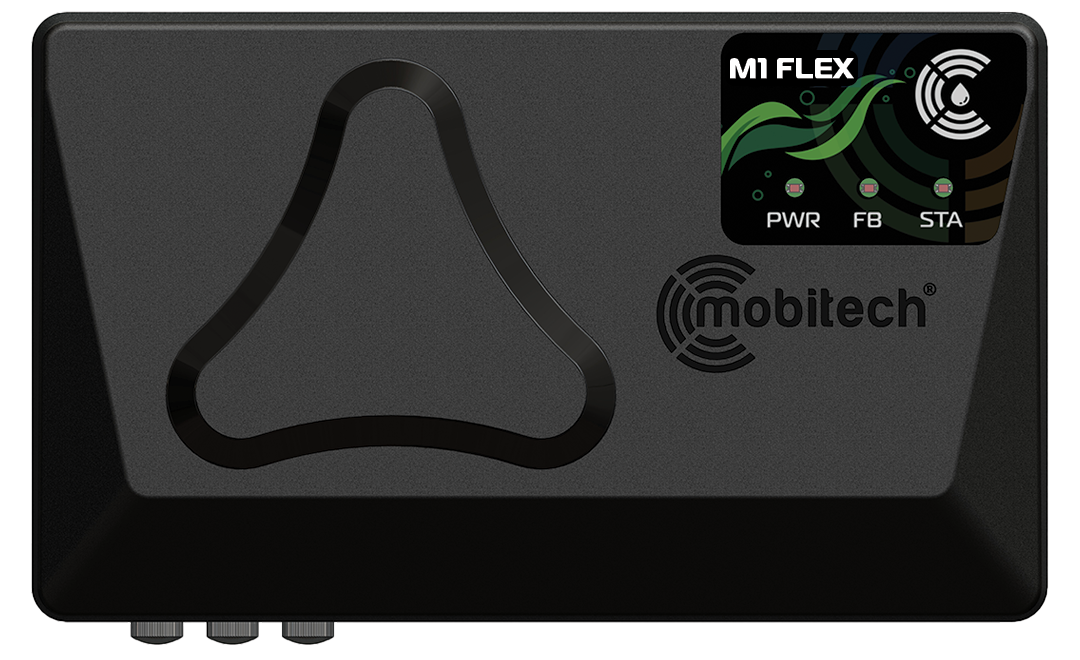
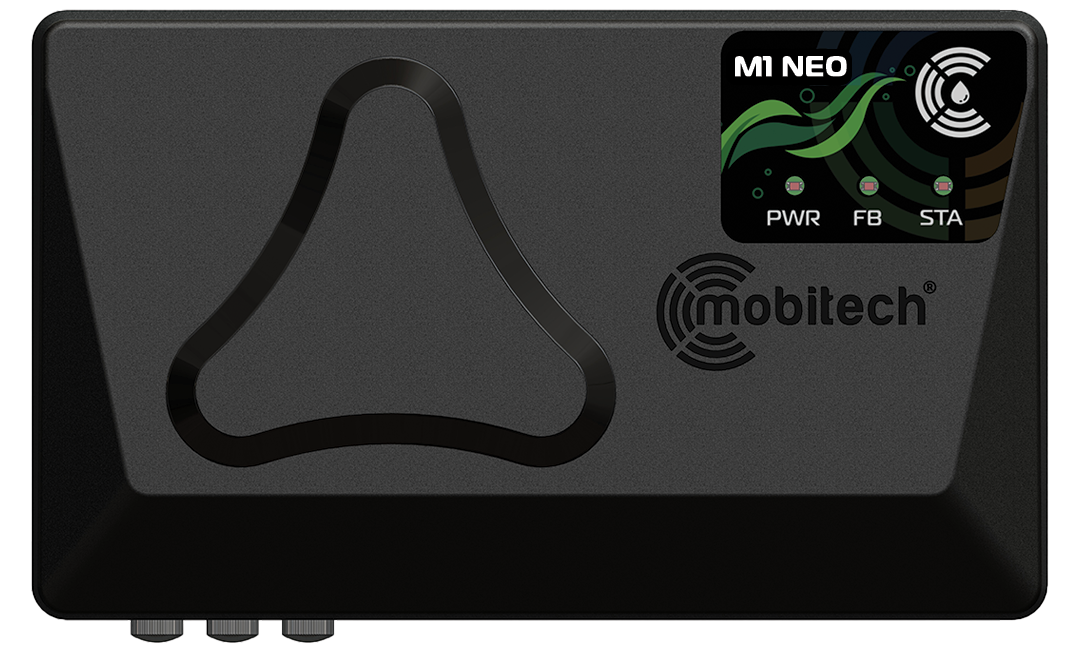
Why Every Farm Needs a Soil Moisture Unit for Smarter Farming
Water is one of the most important resources on a farm, but knowing exactly when and how much to irrigate can be difficult. A Soil Moisture Unit helps farmers understand what is happening beneath the soil surface and make better irrigation decisions based on real-time field conditions.
Introduction
Traditional irrigation often depends on fixed schedules, visual inspection, or personal experience. While these methods can work, they may not always show the actual moisture condition inside the root zone. Soil can appear dry on the surface while enough moisture is still available deeper down, or the surface may look wet while the root zone is becoming dry.
This is where a Soil Moisture Unit becomes useful. By monitoring soil conditions continuously, farmers can understand when crops actually need water instead of relying only on guesswork.
Simple idea:
Instead of asking, “Should I irrigate today?”, farmers can use soil data to ask,
“Does the crop actually need water right now?”
What Is a Soil Moisture Unit?
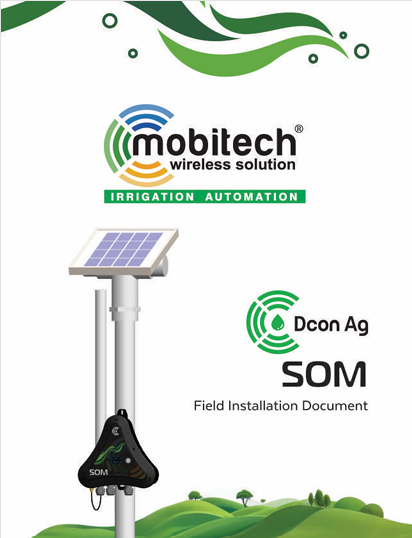
A Soil Moisture Unit is a field monitoring device designed to measure the moisture condition of soil. It helps farmers understand how much water is available around the crop root zone and supports more informed irrigation decisions.
Modern soil monitoring devices can also provide additional environmental information such as soil temperature and atmospheric temperature. This gives farmers a broader view of the conditions affecting crop growth.
Instead of checking the soil manually at different locations, farmers can use continuous digital measurements to understand changing field conditions.
What Can a Soil Moisture Unit Monitor?
Soil Moisture
Helps identify the moisture condition around the crop root zone and supports better irrigation timing.
Soil Temperature
Provides information about soil temperature, which can help farmers understand changing soil conditions.
Atmospheric Temperature
Tracks ambient temperature to provide additional information about the farm environment.
Field Conditions
Continuous measurements help farmers observe how conditions change throughout the day.
Irrigation Requirements
Moisture information can help farmers decide when irrigation may be required.
Historical Conditions
Digital monitoring and reports can help farmers review changing soil conditions over time.
Why Is Soil Moisture Important for Farmers?
Crop roots need the right amount of water for healthy growth. Too little water can cause plant stress, while excessive irrigation can result in water wastage and poor root-zone conditions.
Soil moisture monitoring helps farmers understand this balance more clearly. Instead of following the same irrigation schedule every day, farmers can make decisions based on actual field conditions.
Reduce Water Wastage
Irrigation can be better aligned with actual soil moisture conditions.
Avoid Over-Irrigation
Farmers can avoid watering simply because a fixed schedule says it is time to irrigate.
Support Crop Growth
Maintaining suitable moisture conditions can support healthier crop development.
Save Time
Digital monitoring reduces the need for repeated manual soil checking.
Improve Irrigation Planning
Soil information can support more informed irrigation planning throughout the crop cycle.
How Does a Soil Moisture Unit Work?
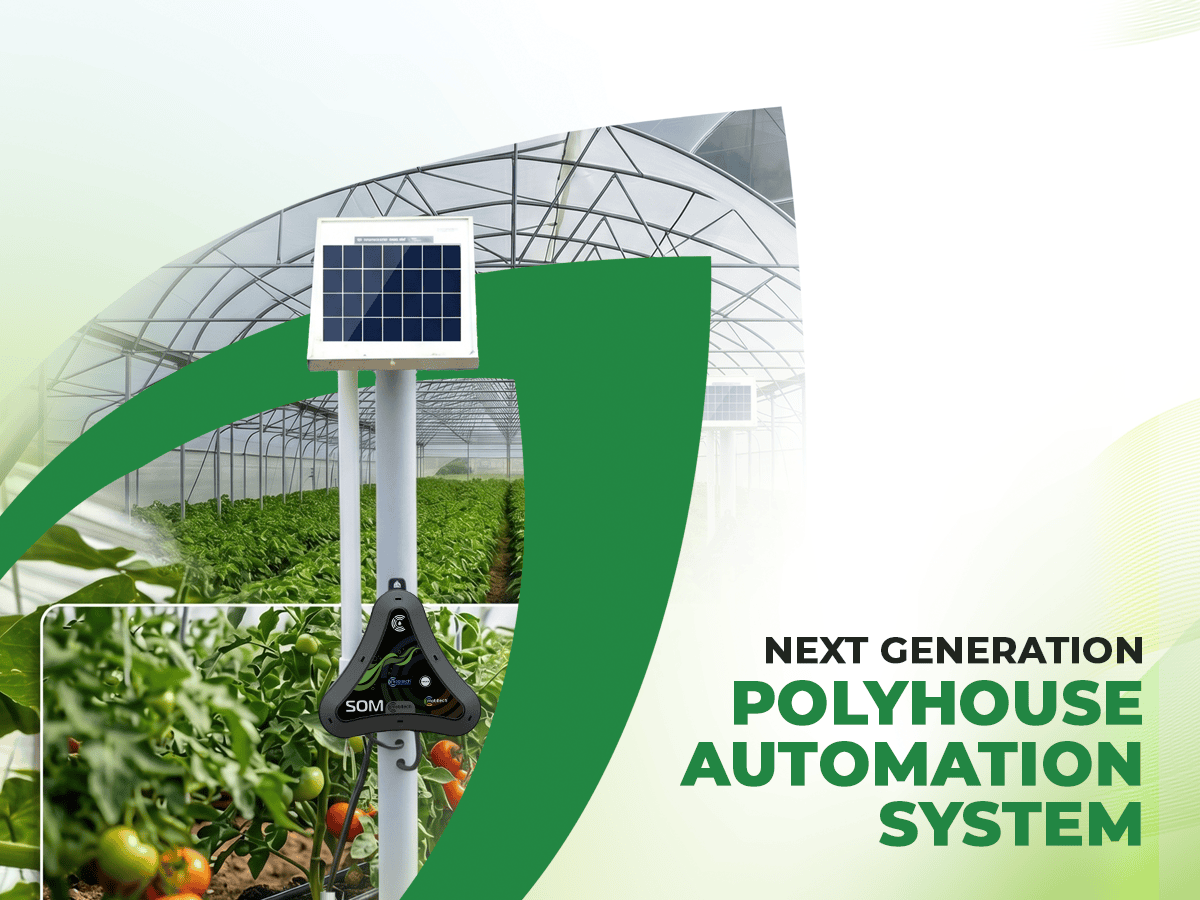
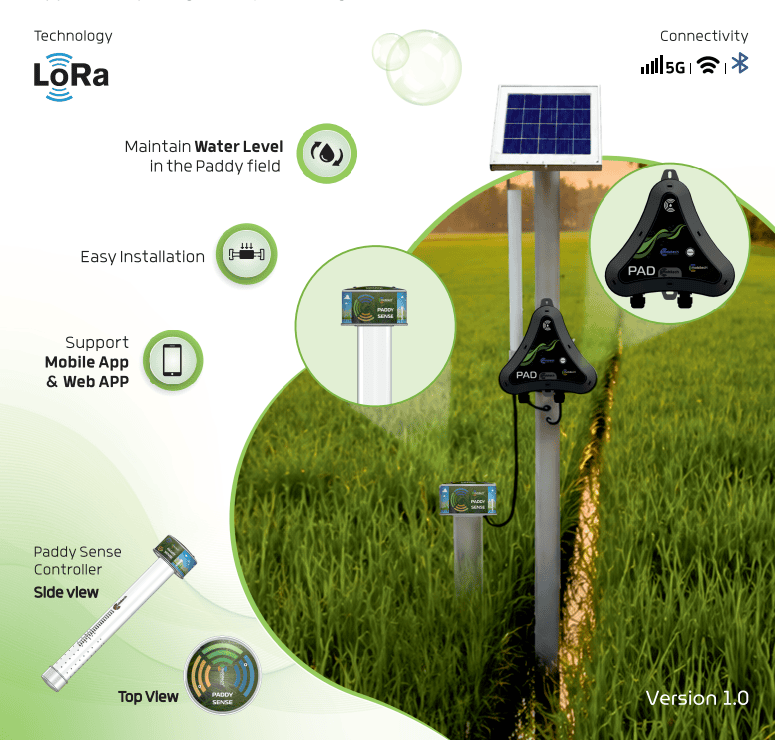
A Soil Moisture Unit uses a sensor placed in the soil to monitor moisture conditions. The sensor measures changes in the soil environment and sends the collected information to a monitoring platform.
Depending on the system, communication technologies such as LoRa and Bluetooth can be used to transmit information. Farmers can then view the data digitally instead of physically checking the soil every time.
Soil Sensor
↓
Field Data Collection
↓
Wireless Communication
↓
Digital Monitoring
What Information Can a Soil Moisture Unit Provide?
A modern monitoring system can provide more than just a single moisture reading. Depending on the sensor configuration, farmers can monitor multiple conditions that influence crop and irrigation management.
1. Soil Moisture Data
Shows the moisture condition of the soil and helps identify changes in water availability.
2. Soil Temperature
Provides useful information about the temperature conditions below the soil surface.
3. Atmospheric Temperature
Helps farmers understand the surrounding environmental conditions.
4. Digital Reports
Data can be reviewed through digital platforms and, where supported, exported for further analysis.
Smart Features to Look for in a Soil Moisture Unit
Not every farm has the same soil, crop, climate, or irrigation requirement. When selecting a Soil Moisture Unit, farmers should consider practical field requirements rather than focusing only on the sensor itself.
Real-Time Monitoring
Real-time information helps farmers observe changing soil conditions more quickly.
Wireless Connectivity
Wireless communication can make it easier to collect data from field locations.
Long Battery Backup
Extended battery operation is useful when the sensor is installed in remote farm areas.
Weather-Resistant Design
A field device should be capable of handling dust, moisture, and changing outdoor conditions.
Mobile Access
Smartphone access allows farmers to check information without being physically beside the sensor.
Report Generation
Downloadable reports can help farmers review historical field information.
Technical Features That Matter in the Field
Field conditions can be challenging, so the physical design and communication capabilities of a Soil Moisture Unit are important. A practical monitoring device should be designed for outdoor agricultural environments.
| Feature | Why It Matters |
|---|
| Soil Moisture Monitoring | Helps understand water availability around the root zone. |
| Soil Temperature | Provides additional information about soil conditions. |
| Atmospheric Temperature | Helps monitor the surrounding farm environment. |
| Wireless Communication | Allows field information to be transmitted without traditional wired connections. |
| Battery Backup | Supports continued monitoring when external power is unavailable. |
| Weather Resistance | Important for long-term outdoor agricultural use. |
Soil Moisture Unit for Different Crops
Soil moisture monitoring can be useful across different types of farms because every crop has different water requirements and growing conditions.
Coconut
Monitor soil moisture around coconut root zones and support better irrigation planning.
Banana
Continuous moisture information can support irrigation decisions during different growth stages.
Mango
Monitoring soil conditions can help manage irrigation according to crop and seasonal requirements.
Oil Palm
Soil moisture information can help manage water requirements across larger plantations.
Vegetable Crops
Monitoring can help farmers respond to changing moisture conditions in vegetable-growing areas.
Fruit Orchards
Monitoring multiple field locations can provide useful information for orchard irrigation management.
Soil Moisture Monitoring vs Traditional Soil Checking
Manual soil checking can still be useful, but digital monitoring provides continuous information that is difficult to obtain through occasional physical inspection.
| Traditional Checking | Digital Monitoring |
|---|
| Usually performed manually | Continuous monitoring is possible |
| Limited number of observations | Regular field data collection |
| Depends heavily on personal judgement | Provides measurable data |
| Difficult to maintain historical records | Digital reports can support historical analysis |
| Requires physical presence | Remote digital access may be available |
How to Choose the Right Soil Moisture Unit
Choosing a Soil Moisture Unit should depend on the size of the farm, crop type, communication requirements, environmental conditions, and how the collected information will be used.
1. Farm Size
Larger farms may require wireless communication and monitoring across multiple locations.
2. Crop Type
Consider the crop’s water requirements and root-zone characteristics.
3. Communication Range
Choose a communication method that matches the farm’s physical layout and distance requirements.
4. Battery Life
Longer battery backup can be useful for remote monitoring locations.
5. Environmental Protection
Look for a field-ready design that can handle dust and water exposure.
6. Data Access
Mobile and web access can make field information easier to monitor and review.
How Soil Moisture Monitoring Supports Smart Irrigation
Soil moisture monitoring becomes even more useful when it is connected with an irrigation management system. Instead of running irrigation only according to a fixed timer, moisture information can be considered when deciding whether watering is required.
This approach can help farmers move from schedule-based irrigation toward condition-based irrigation.
Monitor Soil Moisture
↓
Understand Crop Water Requirement
↓
Make Better Irrigation Decisions
↓
Use Water More Efficiently
Why Digital Soil Moisture Reports Matter
Collecting soil data is useful, but being able to review that information later can provide additional value. Digital reports can help farmers understand patterns in field conditions and compare observations over time.
Track Changes
Review how soil conditions change over different days and periods.
Compare Field Conditions
Historical information can help identify differences between locations and growing periods.
Support Better Planning
Recorded information can support future irrigation and crop management decisions.
Conclusion
A Soil Moisture Unit can give farmers something that traditional irrigation methods cannot easily provide: continuous information about what is happening below the soil surface.
By monitoring soil moisture along with soil and atmospheric temperature, farmers can better understand field conditions and make more informed irrigation decisions. This can support efficient water management, reduce unnecessary irrigation, save time, and create a more data-driven approach to farming.
For farms looking toward smarter irrigation and precision agriculture, soil moisture monitoring can be an important step toward managing water based on actual crop and soil conditions rather than assumptions.
Ready to Make Irrigation Smarter?
Start monitoring soil conditions and make irrigation decisions based on real-time field information.
Talk to Our Team