


























Table of Contents

Automatic Irrigation System: Stop Wasting Water & Start Farming Smarter
Modern farming depends heavily on efficient water management. With rising water shortages, increasing labour costs, and changing weather conditions, farmers need better ways to manage irrigation. An Automatic Irrigation System helps farmers automate irrigation, reduce unnecessary water usage, and provide crops with the right amount of water at the right time.
Introduction
Instead of manually switching pumps and monitoring irrigation for every field, farmers can use automation technology to control motors, valves, irrigation schedules, and other important parameters. This makes farming more convenient while supporting better water management and consistent crop growth.
Smart irrigation brings better control to the farm.
Automation can reduce repetitive manual operations while helping farmers manage irrigation schedules, motors, valves, and different field zones more systematically.
What Is an Automatic Irrigation System?
An Automatic Irrigation System is a smart irrigation solution that automatically controls water distribution across a farm based on predefined schedules, field requirements, or connected sensors.
Traditional irrigation often requires farmers or workers to manually start the motor, open valves, monitor water flow, and switch everything off after irrigation. This can become difficult when farms are large or divided into multiple irrigation zones.
With an automatic system, these operations can be managed through automated controllers. Depending on the system configuration, farmers can control different parts of the irrigation process.
An automatic irrigation setup can include:
Irrigation Schedules
Program irrigation according to the farm’s requirements.
Motor Control
Automate compatible pump or motor operation.
Automatic Valves
Control different irrigation zones independently.
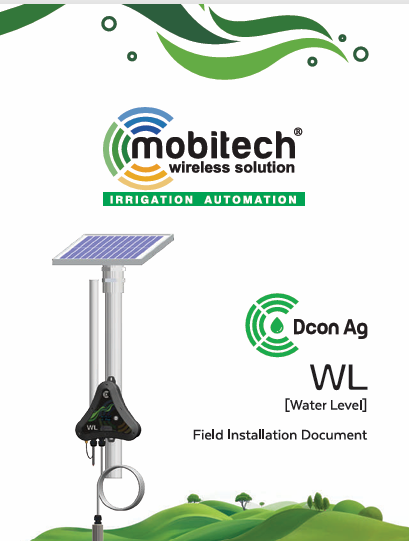
Water-Level Monitoring
Monitor suitable water sources with compatible sensors.
Pressure Monitoring
Monitor pressure where supported by the irrigation setup.
Remote Operation
Connected systems can support remote irrigation control.
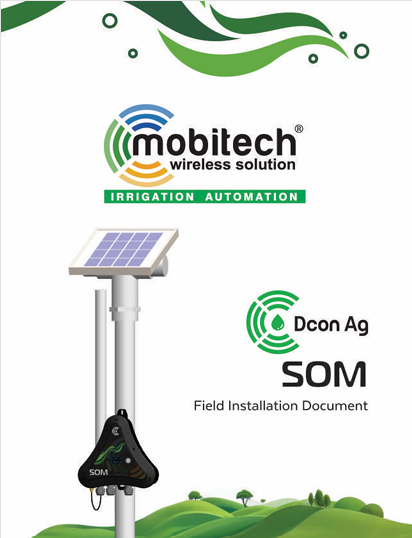
Soil Moisture
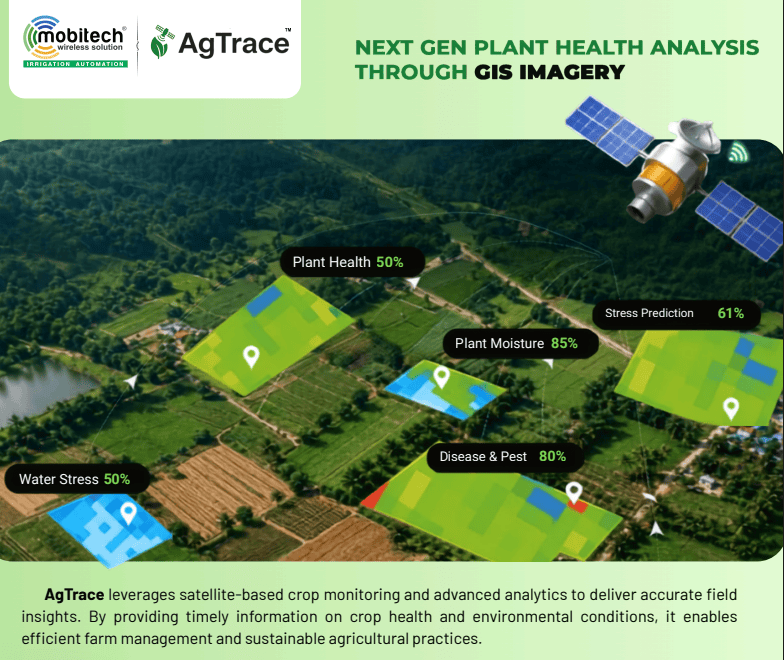
Compatible sensors can provide additional field information.
Dry-Run Protection
Some systems can provide motor protection features.
Why Is an Automatic Irrigation System Important for Farmers?
Water is one of the most valuable resources in agriculture. Over-irrigation can waste water, increase electricity consumption, and potentially affect crop health. Under-irrigation can also affect plant growth and productivity.
An Automatic Irrigation System helps create a more controlled irrigation process by delivering water according to the requirements of the farm.
1. Reduces Water Wastage
Manual irrigation can sometimes result in excessive watering because pumps or valves may continue running longer than necessary. Automation allows farmers to set irrigation schedules and control individual irrigation zones.
2. Reduces Manual Labour
Large farms may have several irrigation sections, pumps, and valves. Automated controllers can handle repetitive operations based on programmed settings.
3. Provides Consistent Irrigation
Different crops and areas of a farm may require different amounts of water. Automation allows irrigation zones to operate according to predefined schedules.
4. Saves Time for Farmers
Farmers do not always need to be physically present near the motor or irrigation control panel when compatible remote-control features are available.
5. Helps Improve Energy Management
By controlling irrigation schedules and operating motors according to planned requirements, automation can help avoid unnecessary motor operation.
How Does an Automatic Irrigation System Work?
An Automatic Irrigation System generally combines an irrigation controller, motor control, valves, and other field devices.
Set Irrigation Schedule → Start Motor → Open Required Valve → Irrigate Zone → Close Valve → Stop Motor
For example, a farmer may divide a 10-acre farm into several irrigation zones. Instead of manually opening and closing each valve, the controller can operate the zones according to the programmed irrigation schedule.
Advanced systems can also integrate sensors and monitoring devices to provide additional information about field conditions.
Smart Features in Automatic Irrigation
Automatic Motor Control
The system can automatically start and stop the irrigation motor according to the selected irrigation schedule.
Automatic Valve Control
Multiple valves can be operated individually, allowing farmers to irrigate different sections of the farm according to their requirements.
Water Level Monitoring
Water-level monitoring can help farmers understand the availability of water in tanks, reservoirs, or other sources and support better motor operation decisions.
Dry-Run Protection
Some irrigation automation systems can provide protection against dry running of the motor, helping reduce the risk of damage when sufficient water is unavailable.
Remote Monitoring and Control
IoT-enabled irrigation systems can allow farmers to monitor and control irrigation remotely through connected devices. This can be especially useful for farmers who cannot regularly travel to their fields.
Automatic Irrigation System for Different Crops
An Automatic Irrigation System can be used across different types of agricultural applications.
Coconut Farms
Manage irrigation across different coconut cultivation zones.
Banana Plantations
Automate regular irrigation schedules across plantation sections.
Mango Orchards
Control irrigation zones systematically across orchard areas.
Oil Palm Farms
Manage irrigation operations across larger plantation areas.
Vegetable Farms
Schedule irrigation according to crop and field requirements.
Fruit Plantations
Automate irrigation across multiple plantation sections.
The irrigation setup can be configured according to crop type, farm size, water source, number of irrigation zones, and existing irrigation infrastructure.
Automatic Irrigation vs Manual Irrigation
| Feature | Manual Irrigation | Automatic Irrigation |
|---|---|---|
| Motor Operation | Manual | Automated |
| Valve Operation | Manual | Automated |
| Irrigation Scheduling | Manual | Programmable |
| Labour Requirement | Higher | Lower for repetitive operations |
| Remote Control | Usually unavailable | Available with connected systems |
| Water Management | Depends on manual monitoring | More controlled |
| Multi-Zone Irrigation | Requires manual operation | Can be automated |
The right solution depends on the farm’s size, irrigation method, crop requirements, water availability, and automation needs.
Choosing the Right Automatic Irrigation System
Farmers should consider several factors before selecting an irrigation automation solution.
Farm Size
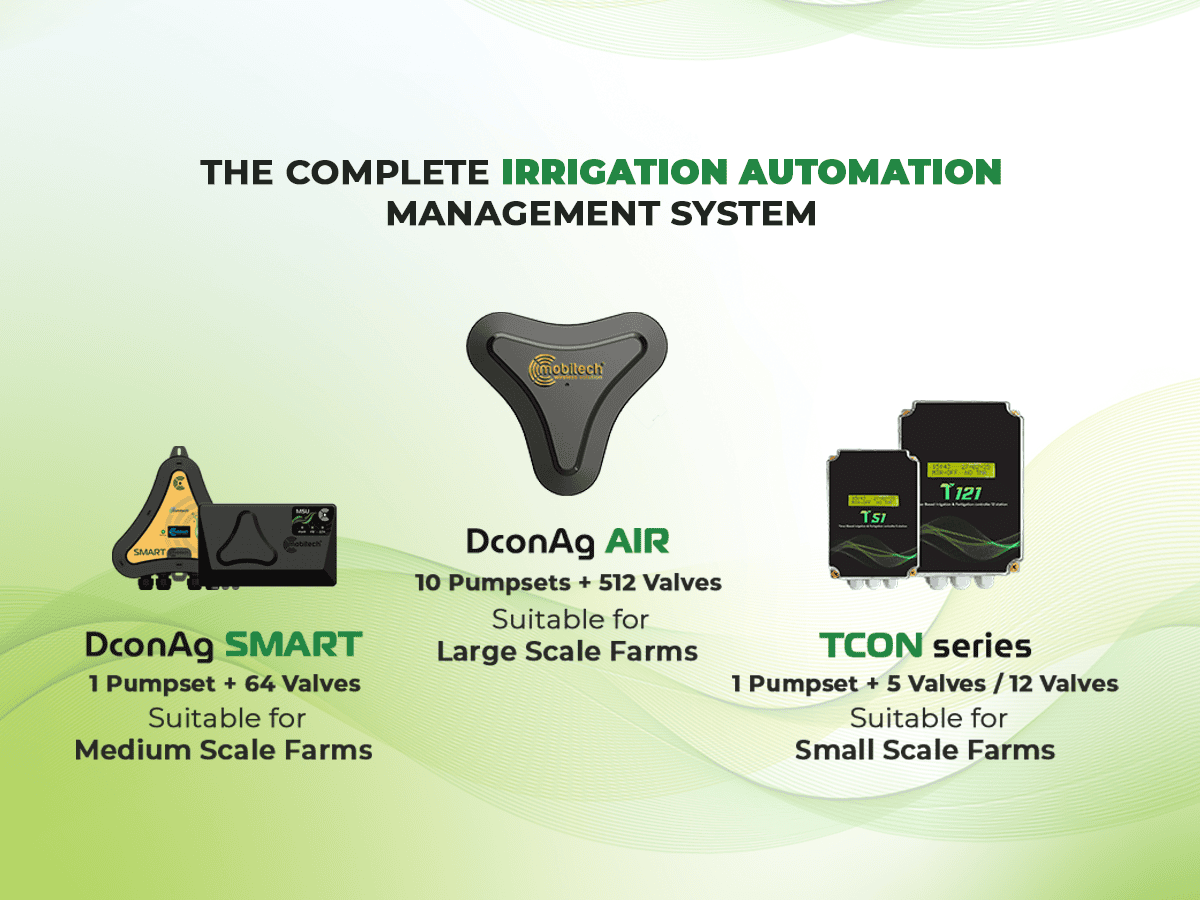
A small farm may require a simple controller, while a large farm with multiple irrigation zones may need a more advanced automation system.
Number of Valves
The controller should support the required number of irrigation valves and allow future expansion if additional zones are planned.
Motor Capacity
The automation system should be compatible with the farm’s motor and electrical setup.
Irrigation Method
The system should work with the existing drip, sprinkler, or other irrigation infrastructure.
Remote Access
Farmers who want remote operation can consider IoT-enabled solutions with mobile or web-based monitoring.
Future Expansion
An expandable system can make it easier to add irrigation zones, sensors, or automation features as the farm grows.
Smarter Water Management with Mobitech Wireless Solution
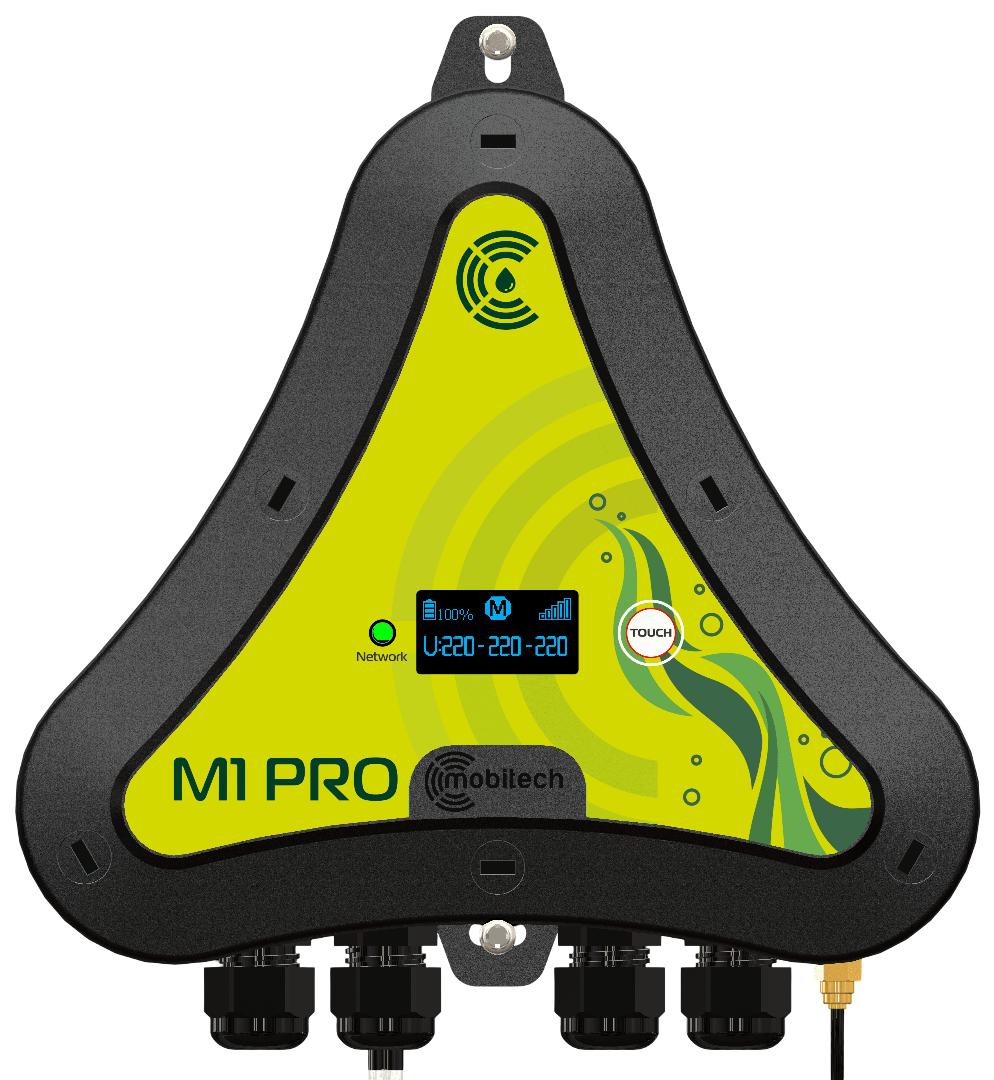
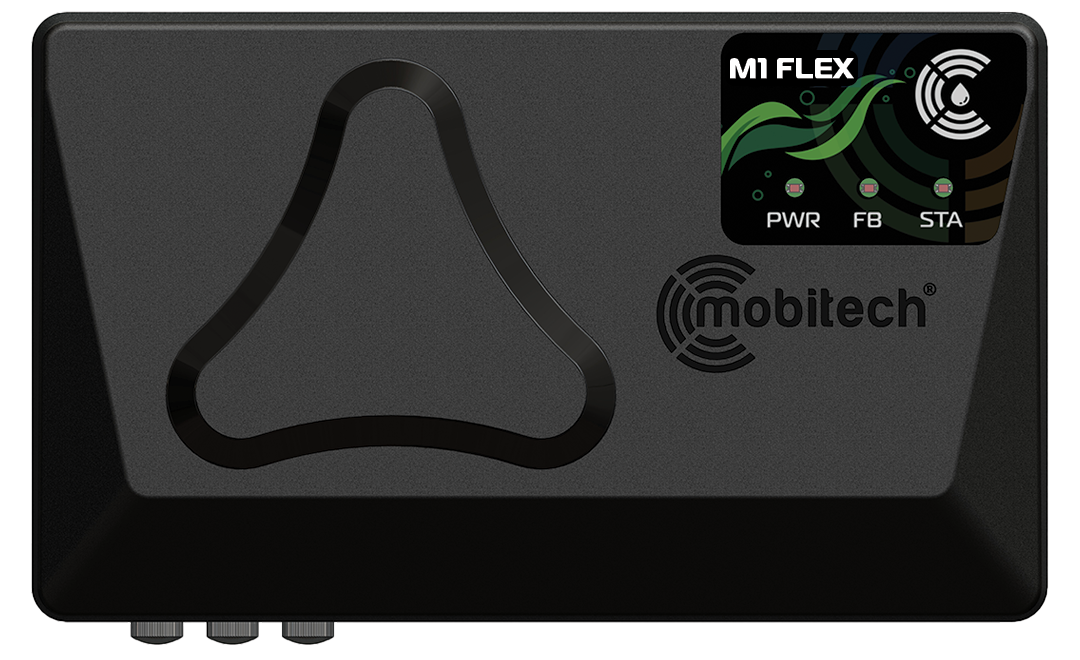
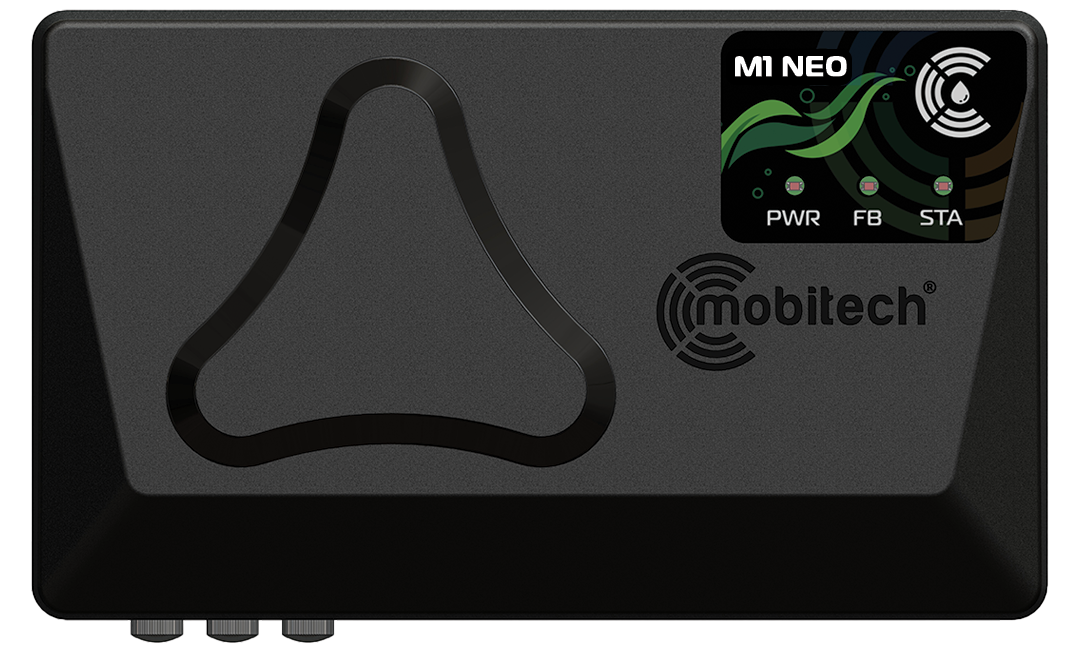
Farmers looking to implement an Automatic Irrigation System can consider modern irrigation automation solutions from Mobitech Wireless Solution.
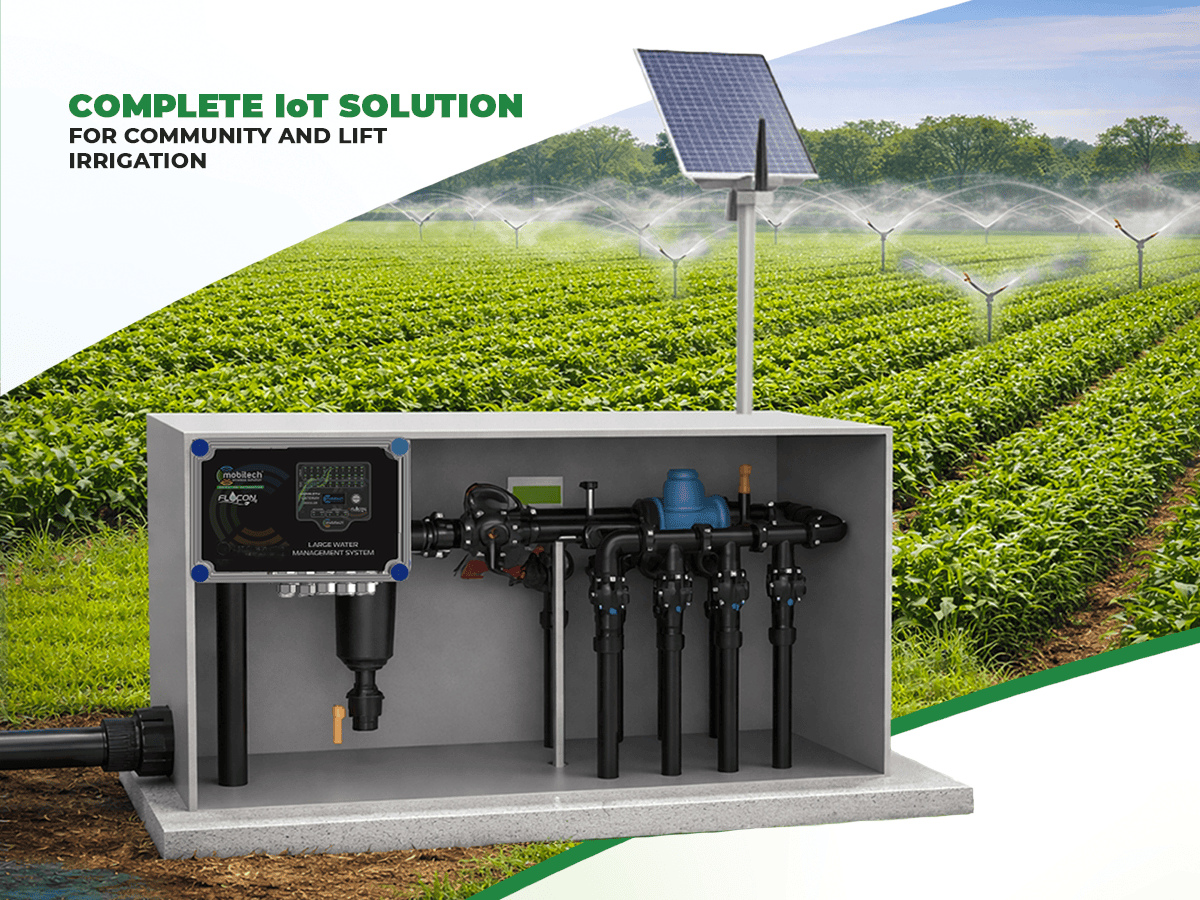
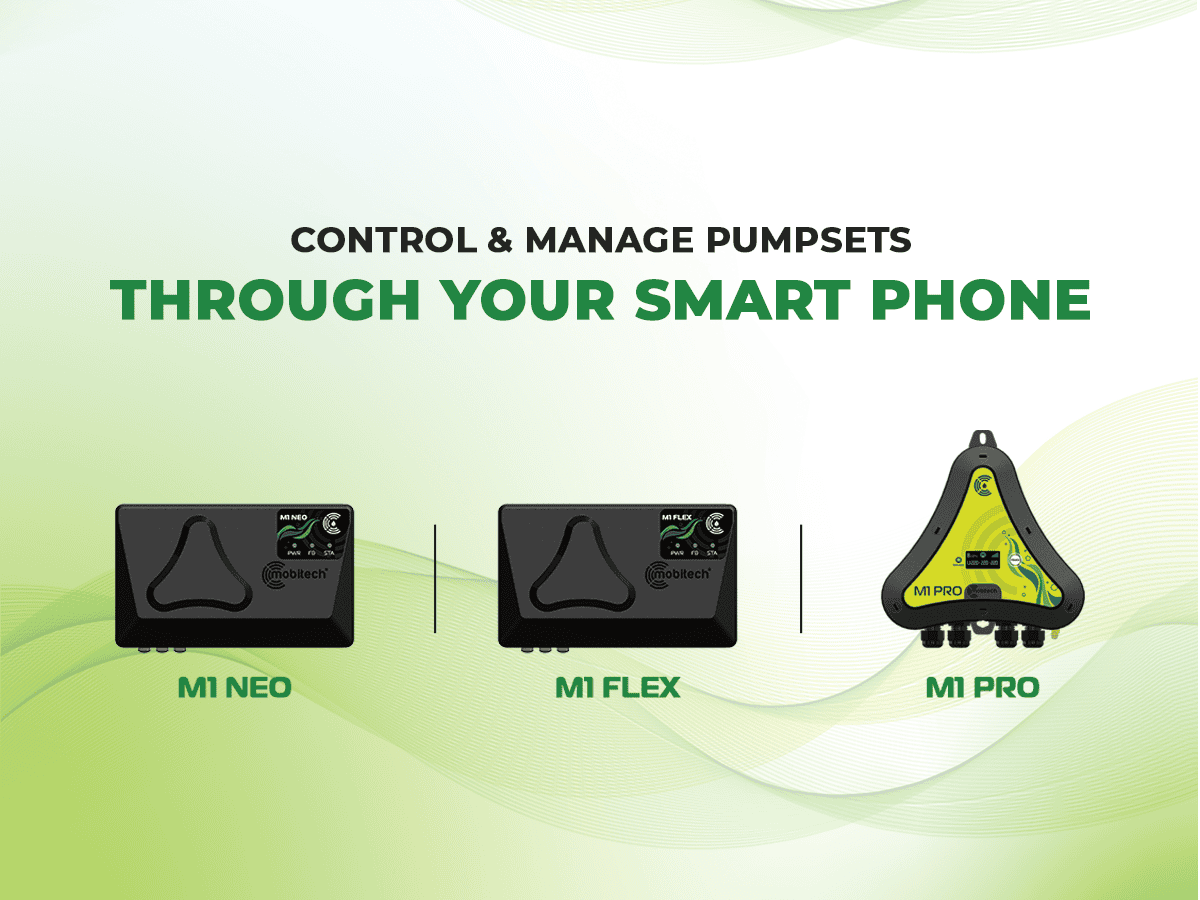
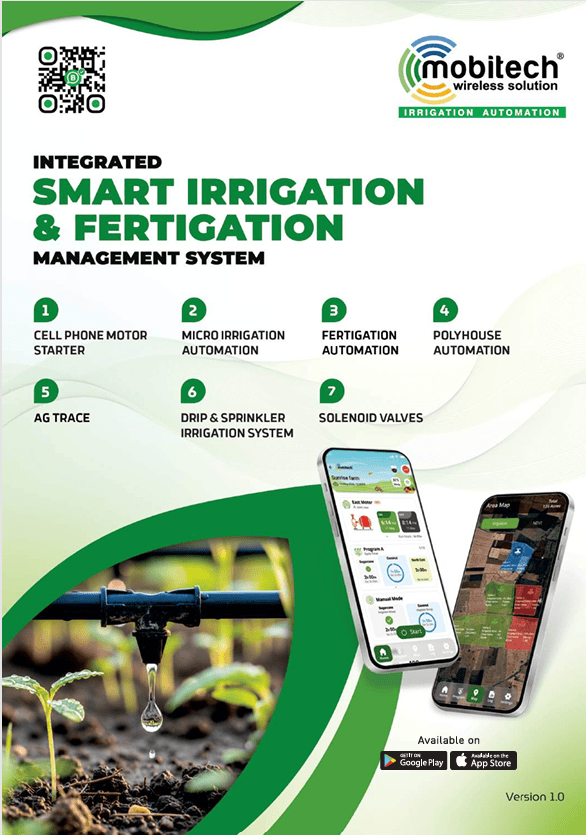
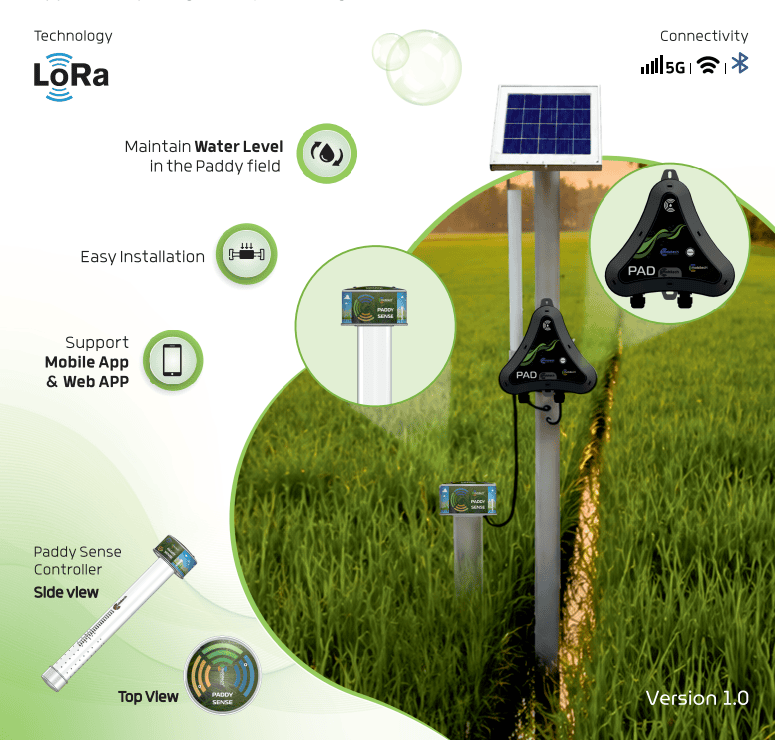
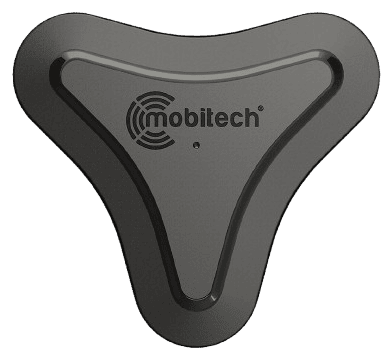
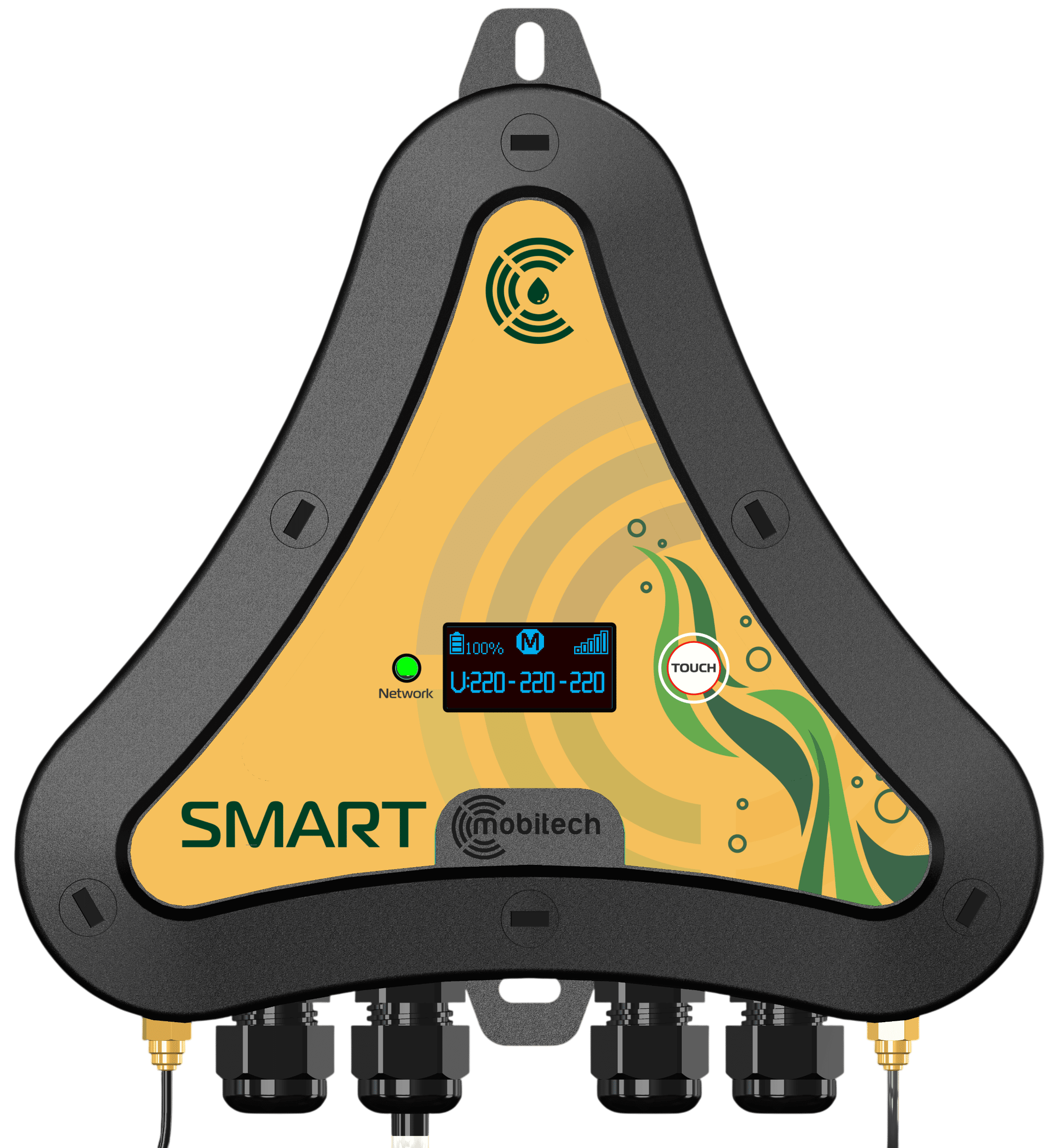
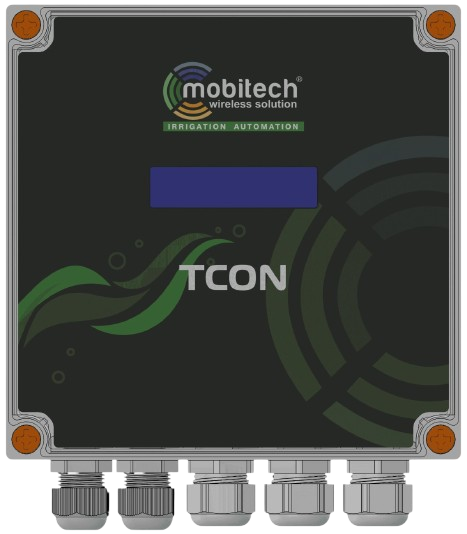
Mobitech Wireless provides irrigation automation solutions designed for different agricultural requirements, including motor control, valve automation, wireless communication, monitoring, and remote irrigation management.
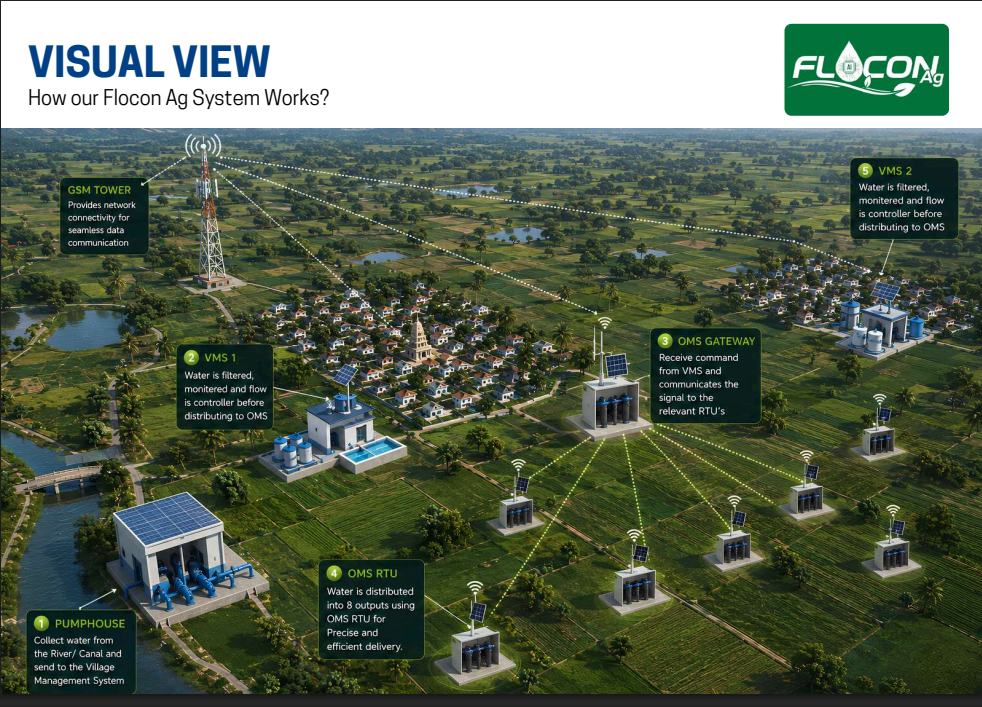
For farms where running cables across large areas is difficult, wireless irrigation automation can help connect field devices with the central controller. This can simplify installation and provide flexible control across different irrigation zones.
The right configuration depends on the farm size, number of motors and valves, irrigation infrastructure, and the level of automation required.
Conclusion
An Automatic Irrigation System can transform the way farmers manage water and irrigation. By automating motors, valves, schedules, and monitoring functions, farmers can reduce repetitive manual work and gain better control over irrigation operations.
The goal is not simply to automate irrigation but to make water management more organized, efficient, and responsive to farm requirements. As agriculture continues to adopt smart technologies, automatic irrigation can become an important part of modern farming.
If you are planning to upgrade your farm from manual irrigation to an automated solution, evaluate your farm size, crop requirements, number of irrigation zones, water source, motor capacity, and future expansion needs before selecting the right system.
Ready to Automate Your Farm?
Tell us about your farm, crop, motors, valves, and irrigation zones to explore a suitable automatic irrigation solution.
If you have any questions about this , kindly fill in the form below.
Does an Automatic Irrigation System save water?
Yes. By controlling irrigation schedules, zones, and water distribution more systematically, an Automatic Irrigation System can help avoid unnecessary irrigation and reduce water wastage. Actual water savings depend on the crop, soil, irrigation method, and farm conditions.
Is an Automatic Irrigation System suitable for large farms?
Yes. Automatic irrigation solutions can be designed for small, medium, and large farms. The system configuration depends on factors such as farm size, number of irrigation zones, motors, valves, water sources, and the required level of automation.
Where can I get an Automatic Irrigation System for my farm?
Farmers can explore irrigation automation solutions from Mobitech Wireless Solution, with configurations available for different farm sizes, motors, valves, irrigation zones, and automation requirements.
Can an Automatic Irrigation System prevent dry running of the motor?
Yes. Some advanced irrigation automation systems, such as solutions from Mobitech Wireless Solution, can include dry-run protection to help protect the irrigation motor or pump when sufficient water is not available. This feature can monitor the operating conditions and help prevent the motor from running without adequate water, depending on the system configuration and available monitoring inputs.
Why should farmers automate irrigation?
Farmers may choose irrigation automation to reduce repetitive manual operations, improve control over irrigation schedules, manage multiple zones, and make water and farm operations easier to monitor.
What should I check before installing an Automatic Irrigation System?
Before installation, evaluate the farm area, crop type, water source, motor capacity, number of irrigation zones, number of valves, existing irrigation infrastructure, power availability, communication requirements,