Agricultural Weather Station: How It Works, Sensors, Benefits & Uses in Smart Farming
An Agricultural Weather Station is an essential component of modern precision agriculture. It continuously monitors real-time weather conditions directly from the farm, enabling farmers to make informed decisions about irrigation, spraying, fertilization, harvesting, and overall crop management.
Unlike public weather forecasts that cover broad geographical regions, an on-farm weather station provides localized weather information specific to your field. This allows farmers to improve irrigation efficiency, reduce crop losses, optimize input usage, and increase productivity.
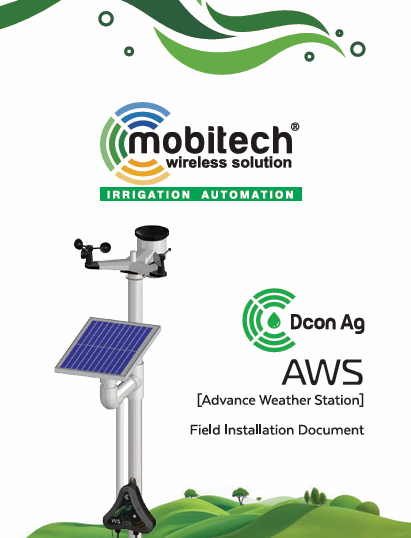
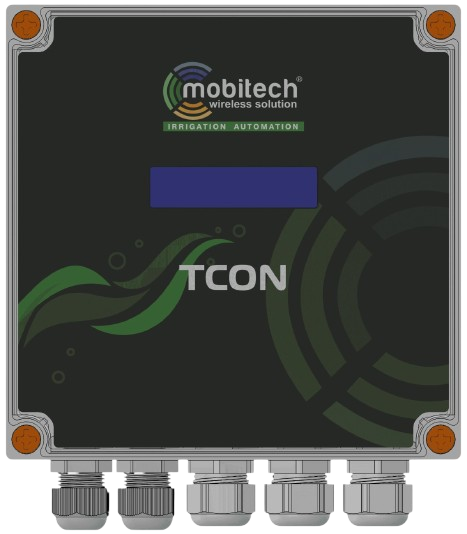
The Dcon Ag WS Weather Station Monitor Unit combines advanced weather sensors with IoT connectivity to deliver accurate weather intelligence through cloud and mobile applications, helping farmers make smarter farming decisions every day.
Why is an Agricultural Weather Station Important?
Weather influences nearly every agricultural activity, including irrigation scheduling, pesticide spraying, fertilizer application, disease management, and harvesting. Depending solely on regional weather reports often results in inaccurate decisions because weather conditions can vary significantly even within short distances.
An Agricultural Weather Station continuously measures weather conditions directly from your farm, allowing precise planning while improving water conservation, crop protection, operational efficiency, and farm productivity.
What is an Agricultural Weather Station?
A Agricultural Weather Station is an IoT-enabled weather monitoring system designed specifically for agriculture. It consists of multiple environmental sensors that continuously collect weather data from the field and transmit it to cloud software or mobile applications.
The system accurately measures wind speed, wind direction, temperature, humidity, rainfall, and weather forecasts, providing farmers with real-time weather intelligence for precision farming.
By integrating weather information with irrigation automation, farm management software, and smart agricultural equipment, farmers can optimize farming operations while reducing labor, water usage, and operational costs.
How Does an Agricultural Weather Station Work?
The Agricultural Weather Station continuously collects environmental data through multiple weather sensors installed in the field. The Weather Station Monitor Unit processes the collected information and securely transmits it to cloud servers using GSM, LoRa, Wi-Fi, or other wireless communication technologies. Farmers can then monitor weather conditions in real time through a web dashboard or mobile application.
1. Weather Monitoring
Sensors continuously measure environmental conditions in the farm.
2. Data Processing
The Weather Station Monitor Unit processes all sensor readings.
3. Wireless Communication
Weather data is transmitted securely to cloud servers.
4. Cloud Monitoring
Real-time and historical weather data are available on mobile and web dashboards.
5. Smart Farming Decisions
Farmers use weather information for irrigation, spraying, harvesting, and crop management.
Weather Parameters Measured by Agricultural Weather Station
Wind Speed
The advanced anemometer continuously measures wind speed in real time. Accurate wind speed information helps farmers determine the ideal time for irrigation and pesticide spraying while minimizing spray drift and chemical losses.
Wind Direction
The wind direction sensor continuously tracks airflow across the farm, helping farmers reduce pesticide drift, improve crop protection, and better manage pest and disease spread.
Temperature & Humidity
The system monitors ambient temperature and relative humidity to help maintain optimal crop conditions. These measurements support irrigation scheduling, disease prediction, and improved crop growth.
Rainfall
The integrated rain gauge accurately records rainfall received by the farm, allowing farmers to avoid unnecessary irrigation, conserve water, and maintain optimum soil moisture.
Weather Forecast
Localized weather forecasts help farmers prepare irrigation schedules, spraying activities, harvesting operations, and crop protection measures before weather conditions change.
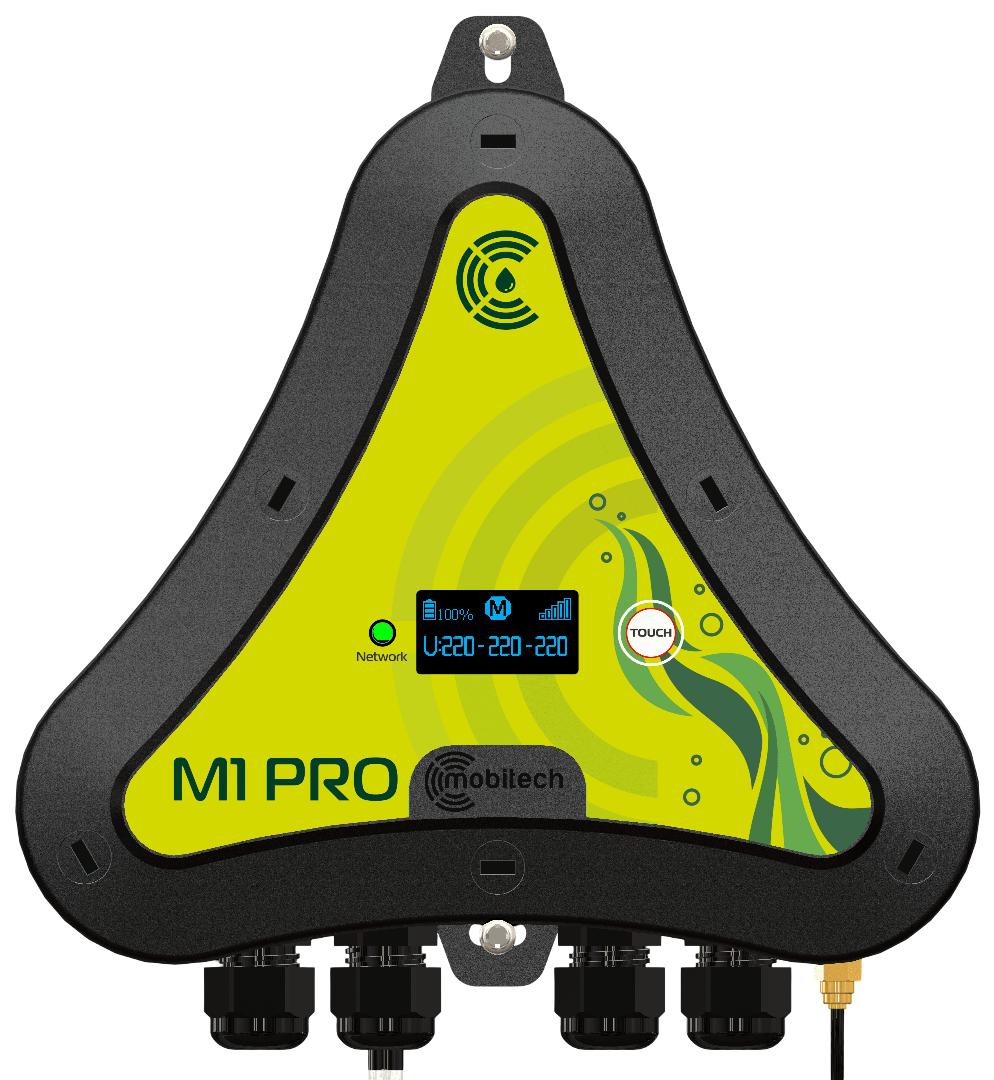
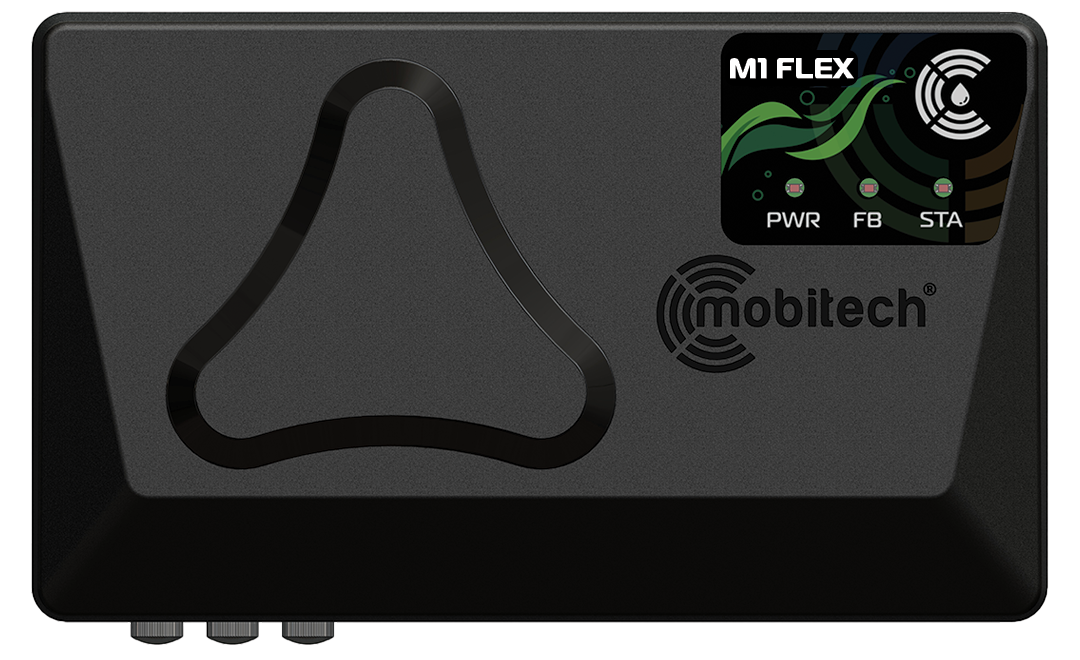
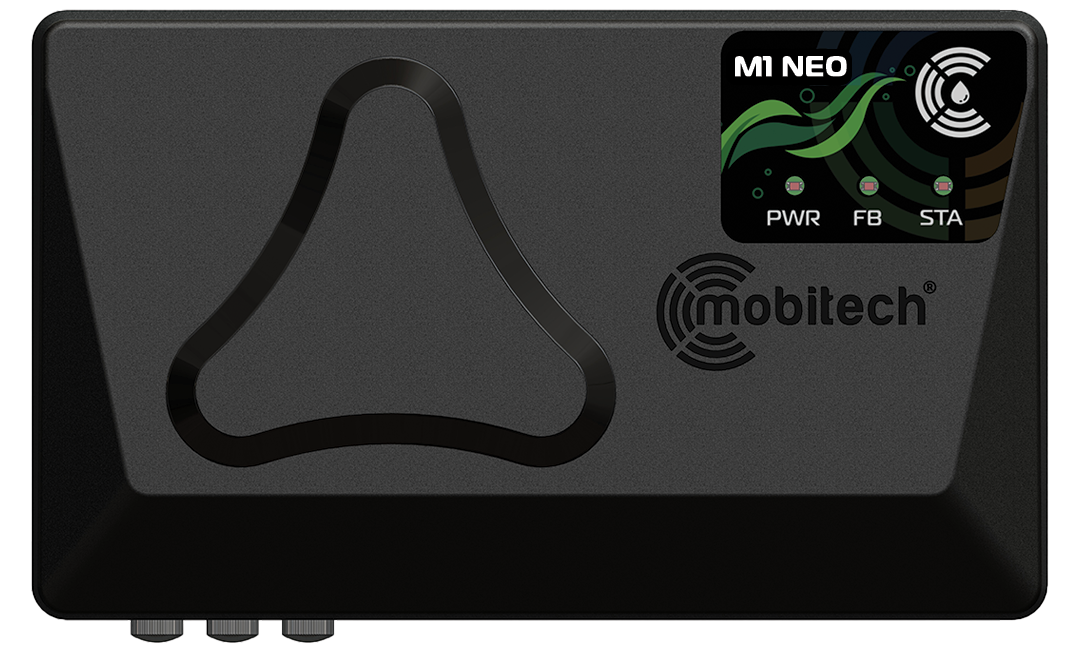
Weather Station Monitor Unit
Collects, processes, and transmits weather information.
Wind Speed Sensor
Measures wind velocity accurately.
Wind Direction Sensor
Tracks changing wind directions.
Temperature & Humidity Sensor
Monitors environmental conditions continuously.
Rain Gauge
Measures rainfall received by the farm.
Cloud Dashboard & Mobile App
Provides real-time monitoring and historical weather reports.
Benefits of Using Agricultural Weather Station
1. Improves Irrigation Planning
Weather-based irrigation scheduling improves water efficiency and crop health.
2. Saves Water
Rainfall monitoring helps prevent unnecessary irrigation.
3. Optimizes Pesticide Spraying
Wind monitoring reduces chemical drift and improves spraying effectiveness.
4. Improves Crop Protection
Weather information supports better pest and disease management.
5. Reduces Operational Costs
Automation reduces labor, water consumption, and chemical wastage.
6. Remote Farm Monitoring
Monitor weather conditions anytime through cloud and mobile applications.
7. Supports Precision Agriculture
Provides accurate data for smarter farming and improved crop productivity.
Applications of Agricultural Weather Stations
- Smart irrigation systems
- Precision agriculture
- Fruit orchards
- Coffee plantations
- Tea plantations
- Vegetable farming
- Banana cultivation
- Cotton farming
- Sugarcane farming
- Greenhouse monitoring
- Crop disease prediction
- Weather-based farm automation
Things to Consider Before Installing an Agricultural Weather Station
- Installation Location: Install the weather station in an open area free from trees and buildings.
- Sensor Accuracy: Select high-quality agricultural-grade sensors.
- Power Source: Use solar-powered systems for remote farms.
- Communication: Ensure reliable GSM, LoRa, or Wi-Fi connectivity.
- Maintenance: Clean and inspect sensors periodically.
- Cloud Access: Verify mobile and web monitoring capabilities.
- Future Expansion: Choose a scalable solution for future farm automation.
Common Mistakes to Avoid
Avoid These Common Errors
- Installing the weather station near tall buildings or trees.
- Ignoring periodic sensor cleaning and calibration.
- Using unreliable communication networks.
- Ignoring rainfall data while scheduling irrigation.
- Not utilizing weather forecasts for farm operations.
- Skipping software updates and cloud backups.
- Failing to integrate weather information into daily farming decisions.
Final Thoughts
The Dcon Ag WS Agricultural Weather Station delivers accurate, real-time weather intelligence that empowers farmers to make informed decisions throughout the crop cycle. By continuously monitoring wind speed, wind direction, temperature, humidity, rainfall, and weather forecasts, it improves irrigation efficiency, enhances crop protection, reduces resource wastage, and increases farm productivity.
Integrated with IoT technology, cloud monitoring, and smart irrigation systems, Dcon Ag WS provides a complete weather monitoring solution for modern agriculture and precision farming.
Whether you manage orchards, plantations, vegetable farms, cereal crops, or commercial agriculture, Dcon Ag WS helps transform weather data into smarter decisions, sustainable farming practices, and higher yields.