Automatic Irrigation System Using Soil Moisture Sensor: How It Works & Benefits
Agriculture requires careful water management because crop water requirements can change depending on soil type, weather, crop stage, rainfall, and farm conditions. Traditional irrigation often depends on fixed schedules or manual observation, which may not always reflect the actual moisture condition of the soil.
An automatic irrigation system using a soil moisture sensor provides a smarter approach by monitoring the moisture condition around the crop root zone. The sensor provides information to an irrigation controller, which can then manage irrigation according to predefined conditions.
This guide explains how a soil moisture sensor-based irrigation system works, its major components, benefits, applications, and how it can support modern irrigation automation.
Why Soil Moisture Is Important for Irrigation
The moisture available around the crop root zone plays an important role in plant growth. When the soil becomes too dry, crops may experience water stress. On the other hand, applying water when the soil already has sufficient moisture can result in unnecessary irrigation.
Monitoring soil moisture allows farmers to understand the condition of the soil and make irrigation decisions based on actual field conditions rather than relying only on a fixed schedule.
What Is an Automatic Irrigation System Using Soil Moisture Sensor?
An automatic irrigation system using a soil moisture sensor is a system that uses a sensor installed in the soil to monitor moisture conditions around the crop root zone.
The sensor sends moisture information to an irrigation controller. Based on the configured moisture threshold and irrigation settings, the controller can manage the pump, motor, or irrigation valves.
This allows irrigation automation to respond to soil conditions instead of depending entirely on a fixed irrigation schedule.
How Does a Soil Moisture Sensor Work?
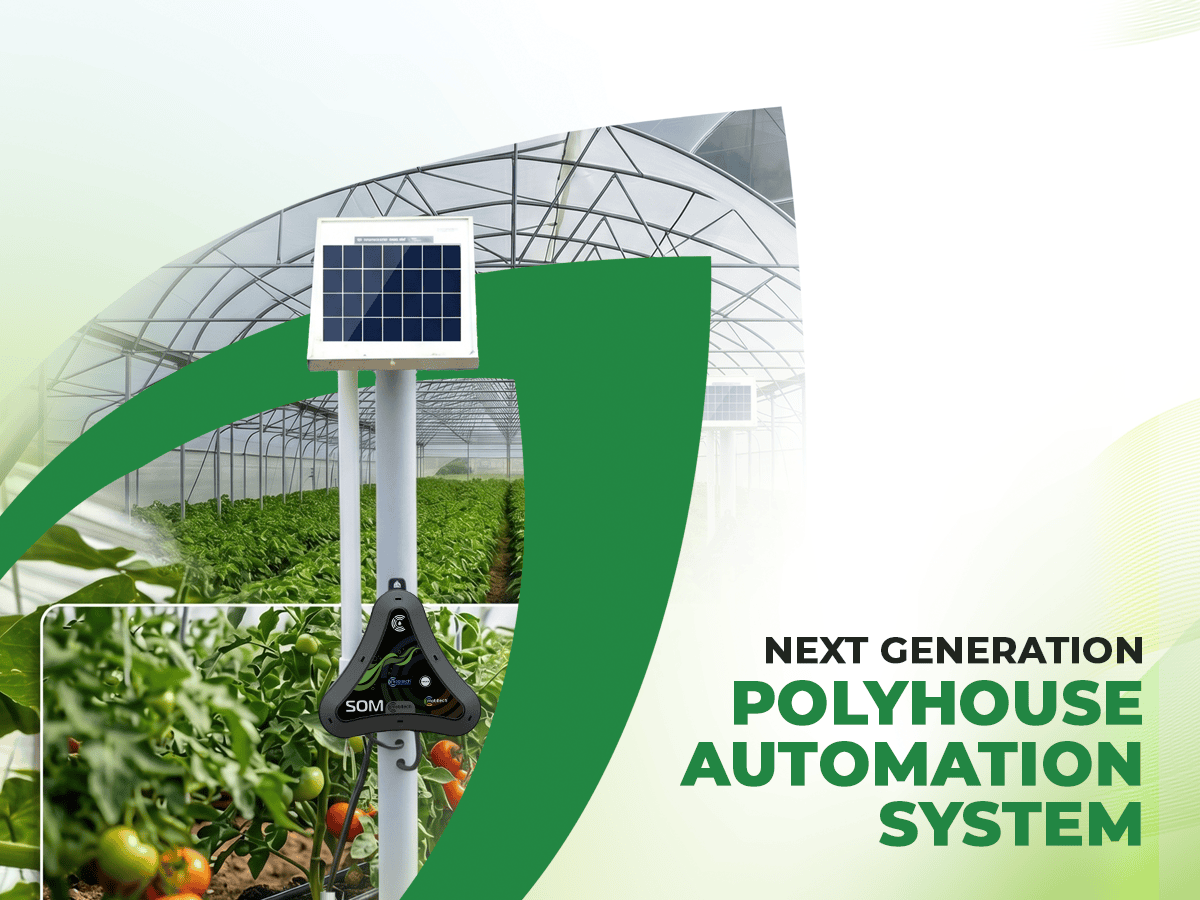
A soil moisture sensor measures the moisture condition of the soil where it is installed. The sensor is normally positioned at a suitable depth within the crop root zone so that the reading represents the moisture available to the plants.
The basic working process includes:
- Soil Moisture Measurement: The sensor detects the moisture condition of the soil.
- Data Transmission: The sensor sends the moisture information to the controller.
- Threshold Comparison: The controller compares the reading with the configured irrigation condition.
- Irrigation Control: If irrigation is required, the controller can activate the appropriate irrigation equipment.
- System Management: The irrigation system operates according to the configured control logic.
The exact control method can vary depending on the sensor, controller, irrigation equipment, crop, soil, and farm requirements.
Automatic Irrigation System Using Soil Moisture Sensor: How It Works
A soil moisture-based irrigation system can be explained through a simple sequence from soil monitoring to irrigation control.
1. Soil Monitoring
The soil moisture sensor continuously or periodically monitors the moisture condition of the selected crop zone.
2. Sensor Reading
The sensor provides a moisture reading that represents the condition of the soil around the sensor location.
3. Controller Decision
The irrigation controller evaluates the sensor information according to the configured irrigation conditions.
4. Irrigation Operation
The controller can manage the motor, pump, or irrigation valves when irrigation is required.
Main Components of a Soil Moisture-Based Irrigation System
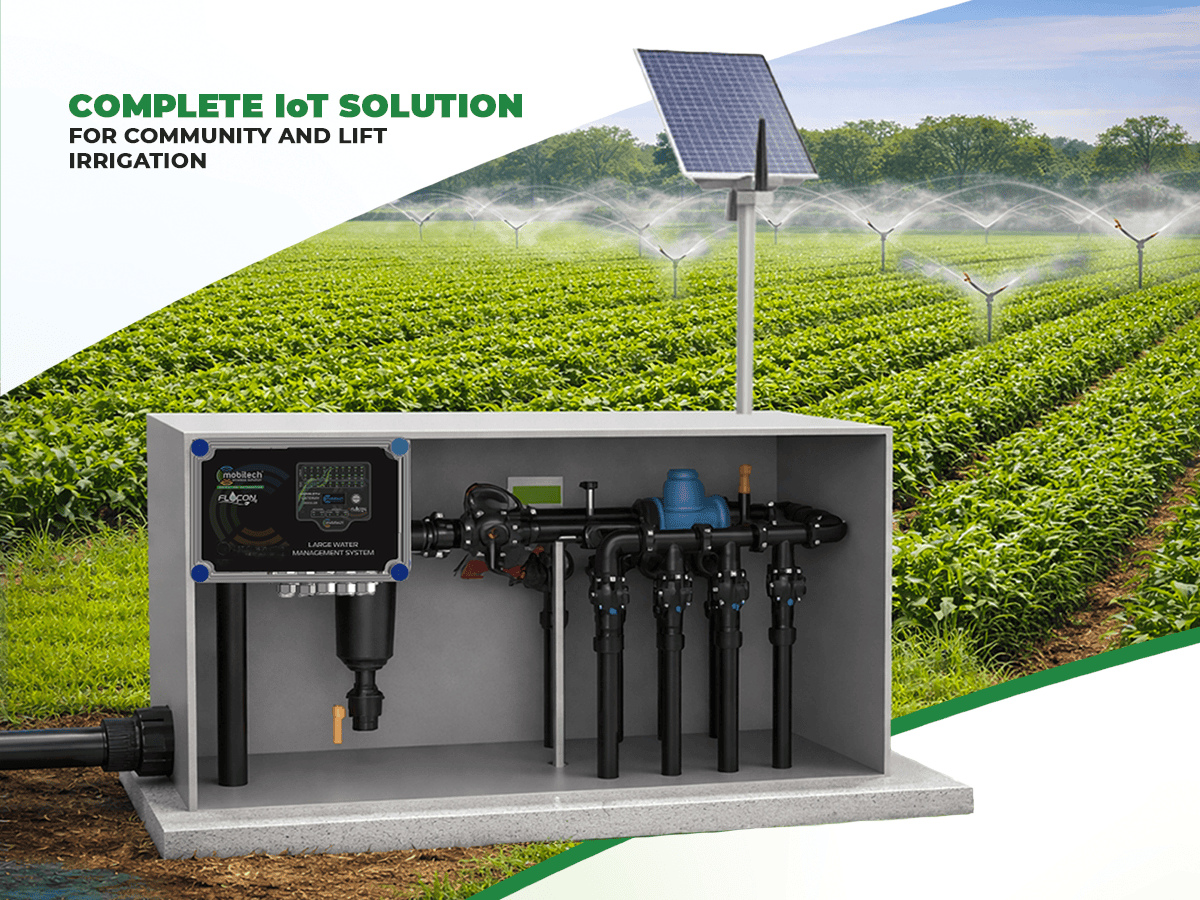
A complete automatic irrigation system can combine soil moisture monitoring with irrigation control equipment and communication technologies.
Soil Moisture Sensor
Measures moisture conditions around the crop root zone.
Irrigation Controller
Processes sensor information and manages irrigation according to configured conditions.
Motor / Pump Control
Controls the irrigation motor or pump through suitable control equipment.
Automatic Valves
Controls individual irrigation zones when multiple sections need to be managed.
Irrigation Network
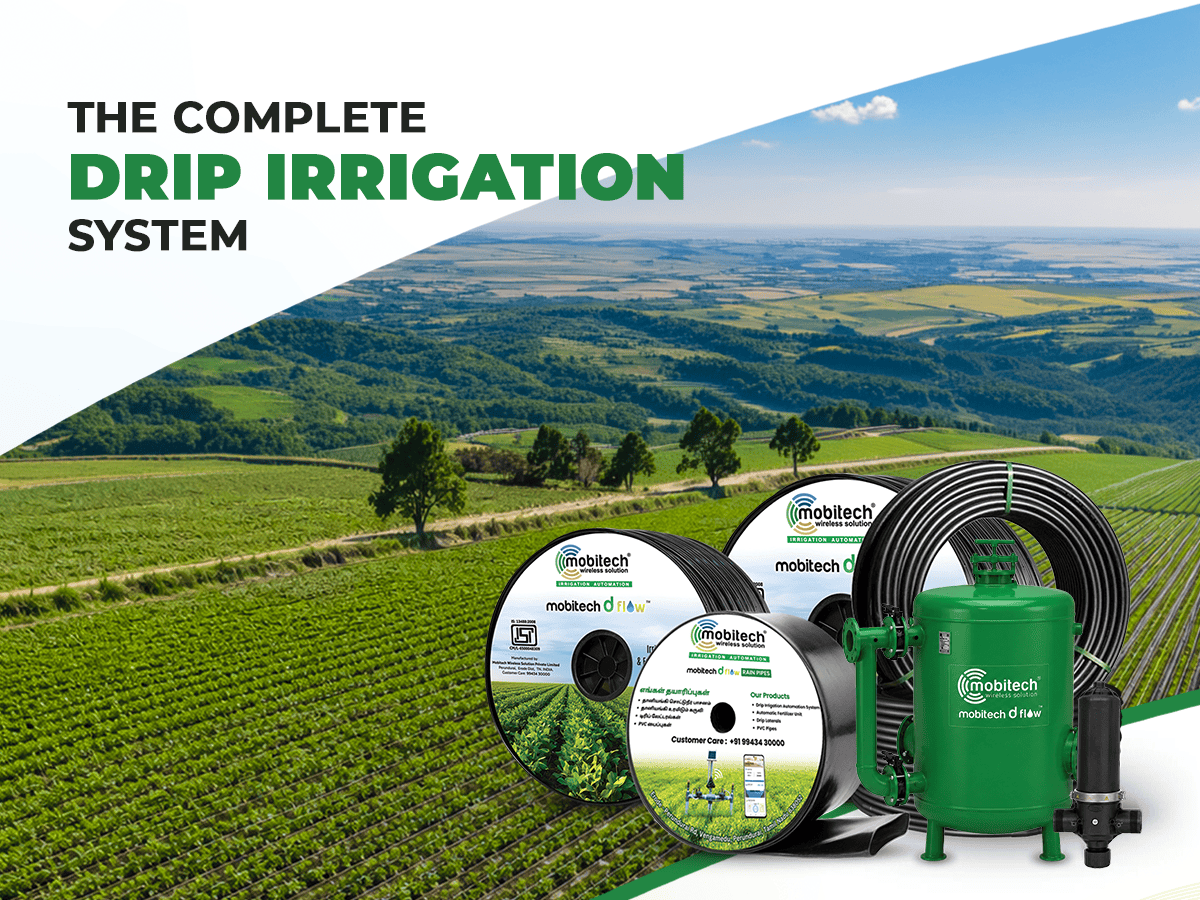
Delivers water to crops through drip, sprinkler, or other irrigation infrastructure.
Remote Monitoring
Connected systems can provide remote monitoring and control of irrigation operations.
7 Benefits of Automatic Irrigation Using Soil Moisture Sensors
1. Helps Reduce Unnecessary Irrigation
A soil moisture sensor provides information about the actual moisture condition of the soil. This can help farmers avoid irrigation when the soil already has sufficient moisture.
2. Reduces Manual Irrigation Work
Automation can reduce the need for farmers to repeatedly inspect soil conditions and manually operate irrigation equipment. This can make routine irrigation management easier.
3. Supports Better Water Management
Soil moisture information can help farmers make more informed irrigation decisions and manage available water according to crop and field conditions.
4. Helps Avoid Over-Irrigation
Applying excessive water can result in unnecessary water movement, runoff, or drainage below the crop root zone. Soil moisture monitoring can help support better irrigation decisions.
5. Can Help Reduce Pumping Requirements
When unnecessary irrigation cycles are avoided, the motor or pump may operate less frequently. This can potentially reduce energy used for irrigation pumping.
6. Supports Smart Farming
Combining soil moisture sensors with controllers, automatic valves, motor control, and remote monitoring can turn conventional irrigation into a more connected smart irrigation system.
7. Makes Irrigation Easier to Monitor
Connected irrigation systems can provide better visibility into irrigation operations, helping farmers monitor different zones and manage irrigation activities remotely.
Soil Moisture Sensor vs Manual Irrigation
Traditional manual irrigation depends on farmers checking field conditions and operating pumps or valves themselves. A soil moisture-based irrigation system uses sensor data to help monitor soil conditions and automate irrigation operations.
| Feature | Manual Irrigation | Soil Moisture-Based Irrigation |
|---|
| Irrigation Decision | Based on manual observation | Supported by soil moisture readings |
| Soil Monitoring | Manual checking | Sensor-based monitoring |
| Motor Operation | Manually operated | Can be automated with a compatible controller |
| Manual Effort | Higher | Can be reduced |
| Remote Monitoring | Generally limited | Possible with connected systems |
| Irrigation Management | Depends on farmer intervention | Can be automated based on configured conditions |
Where Can Soil Moisture Sensor-Based Irrigation Be Used?
Soil moisture-based irrigation can be used across different types of farms and crops. The appropriate sensor placement and irrigation settings should be selected according to the specific crop and farm conditions.
🥥 Coconut Farms
🌴 Arecanut Plantations
🥭 Mango Orchards
🍌 Banana Plantations
🌶️ Vegetable & Chilli Farms
🌱 Nurseries
🏡 Greenhouses
🚜 Large Agricultural Farms
How to Install a Soil Moisture Sensor for Irrigation
Correct sensor placement is important because the sensor should provide a representative reading of the moisture condition around the crop root zone.
- Choose the right location: Install the sensor in a representative part of the irrigation zone.
- Choose the appropriate depth: Position the sensor according to the crop’s active root zone.
- Consider soil variation: Different areas of a farm may have different moisture conditions.
- Configure suitable thresholds: Irrigation settings should match crop, soil, and farm requirements.
- Monitor the readings: Regularly review sensor readings and irrigation performance.
Factors to Consider Before Installing a Soil Moisture Sensor
🌱 Crop Type
🌍 Soil Type
💧 Irrigation Method
📐 Root Zone Depth
🚜 Farm Size
📍 Sensor Location
✓
For reliable irrigation automation, select the sensor location, installation depth, irrigation threshold, and control method according to your crop, soil, irrigation system, and farm conditions.
Common Mistakes to Avoid
Common Soil Moisture Sensor Mistakes
- Installing the sensor in an unrepresentative location.
- Choosing an unsuitable sensor depth for the crop root zone.
- Using the same moisture threshold for every crop and soil type.
- Ignoring soil variation across different farm zones.
- Depending entirely on sensor readings without considering field conditions.
- Not maintaining the sensor and irrigation equipment properly.
Final Thoughts
An automatic irrigation system using soil moisture sensor provides a smarter way to monitor soil conditions and manage irrigation. Instead of depending only on fixed schedules, farmers can use soil moisture information to support more informed irrigation decisions.
When soil moisture monitoring is combined with automatic motor control, irrigation valves, drip or sprinkler systems, and remote monitoring, it can become an important part of modern irrigation automation.
The right solution should always be selected according to the crop, soil, water source, irrigation method, farm size, and specific farm requirements.