Best Irrigation System for Coconut Farmers in Karnataka
Karnataka is one of India’s largest coconut-producing states, with thousands of farmers depending on coconut cultivation for their livelihood. Major coconut-growing districts such as Tumakuru, Hassan, Mysuru, Mandya, Chikkamagaluru, Shivamogga, Davanagere, Chamarajanagar, Udupi, Dakshina Kannada, and Uttara Kannada contribute significantly to India’s coconut production.
However, farmers today face several challenges, including water scarcity, rising electricity costs, unpredictable rainfall, labour shortages, and the need to maximize productivity from every acre. Traditional irrigation methods often waste water and require constant manual supervision.

Why Coconut Farms Need Smart Irrigation
A mature coconut tree requires regular irrigation throughout the year, especially during the summer months. Inconsistent watering can lead to:
- Reduced flowering
- Poor nut formation
- Lower copra production
- Weak tree growth
- Increased plant stress
- Lower overall farm income
Maintaining the right soil moisture level is essential for achieving consistent coconut production.
Challenges Faced by Coconut Farmers in Karnataka
Many farmers still rely on conventional irrigation methods that create several critical problems on the ground:
- Excessive Water Wastage: Traditional methods like flood irrigation lead to heavy runoff and deep percolation losses, depleting scarce groundwater resources.
- High Electricity Bills & Power Irregularities: Frequent and erratic three-phase power supply schedules force farmers to visit fields late at night just to switch on motors.
- Manual Operation & Human Errors: Relying completely on manual motor ON/OFF switching often results in over-irrigation or dry fields due to forgetfulness.
- Uneven Water Distribution: Large plantations struggle to supply equal amounts of water to trees located far away from the water source.
- Severe Labour Shortage: Finding skilled farmhands for daily valve shifting, fertilizer application, and pump monitoring has become extremely difficult and expensive.
- Long Travel Distances: Farmers owning fragmented or large acreage waste valuable time commuting back and forth just to check pump statuses or water levels.
- Summer Water Shortages: Depleting borewell yields during peak summer seasons make every single drop of water precious, requiring precise rationing.
Overcoming these ground-level hurdles requires a shift from conventional practices to intelligent, automated management systems.
Which Irrigation System is Best for Coconut Farming?
| Irrigation Method | Efficiency | Description & Verdict |
|---|
| 1. Flood Irrigation | Low | Inexpensive to install, but wastes large amounts of water and encourages weed growth. No longer recommended for commercial coconut farming. |
| 2. Basin Irrigation | Moderate | Improves water distribution around the tree but still requires manual labour and consumes more water than necessary. |
| 3. Sprinkler Irrigation | Moderate | Works well for certain crops but is generally less efficient for coconut plantations due to high evaporation losses. |
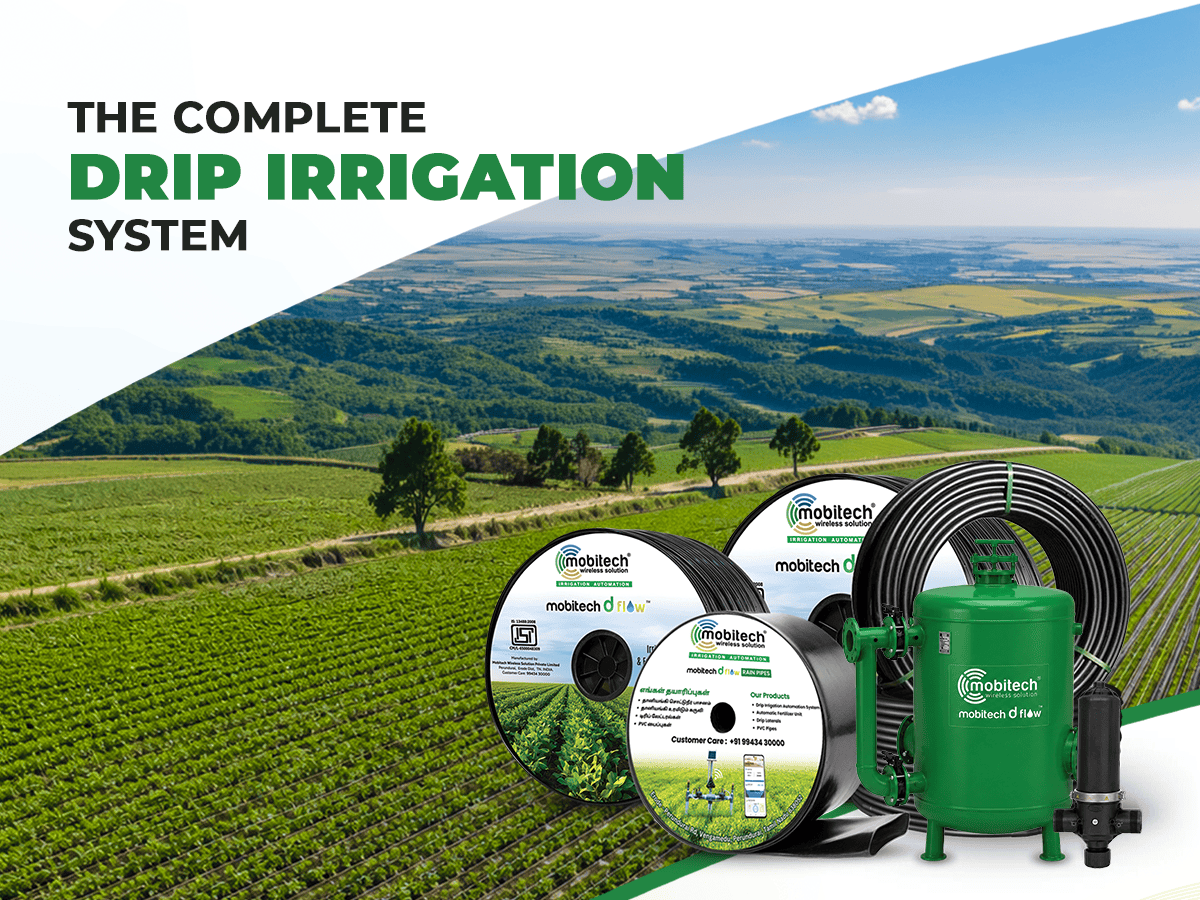
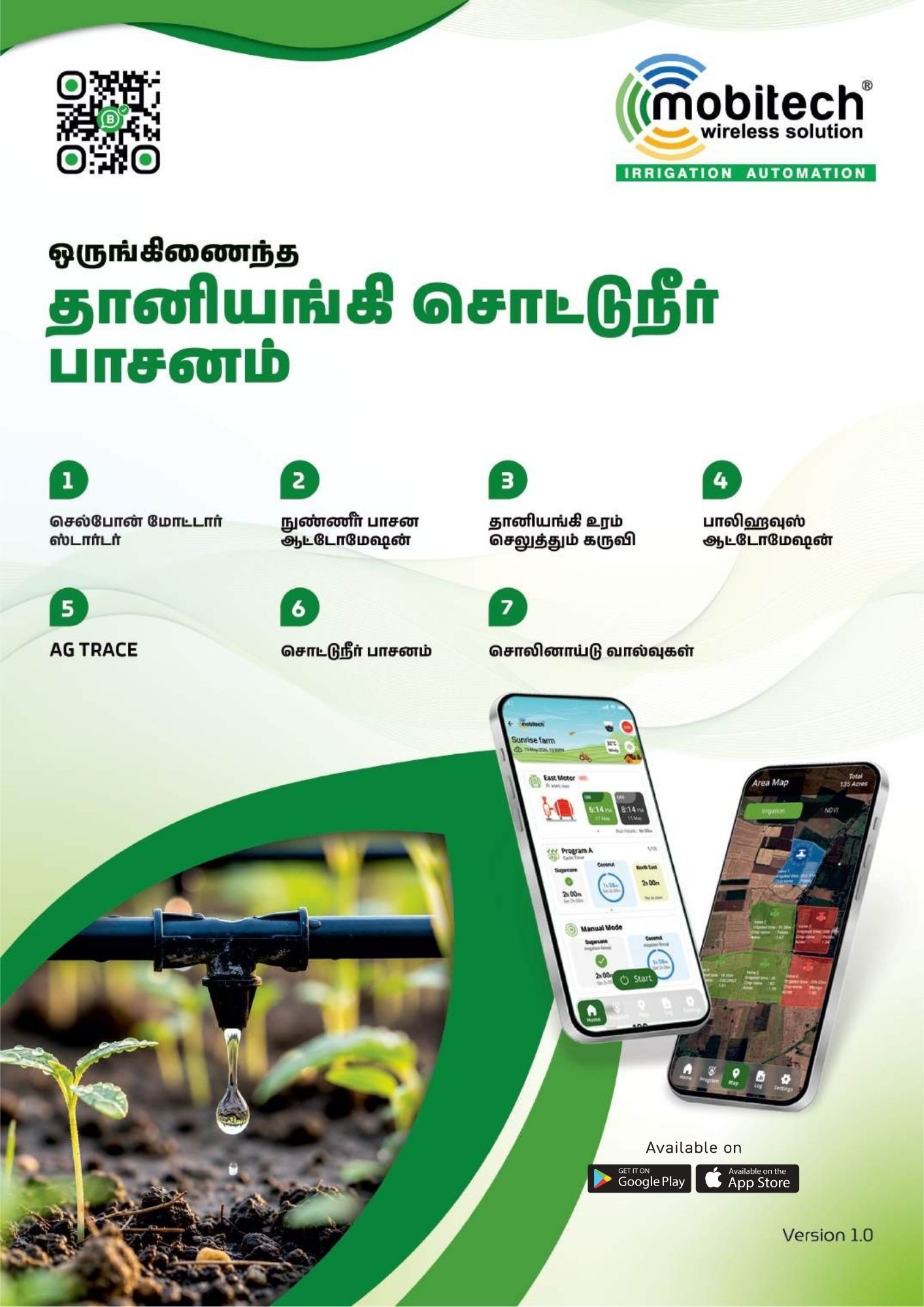
| 4. Drip Irrigation | High (Recommended) | Delivers water directly to the root zone, minimizing wastage, reducing weeds, improving nutrient absorption, and increasing coconut yield. |
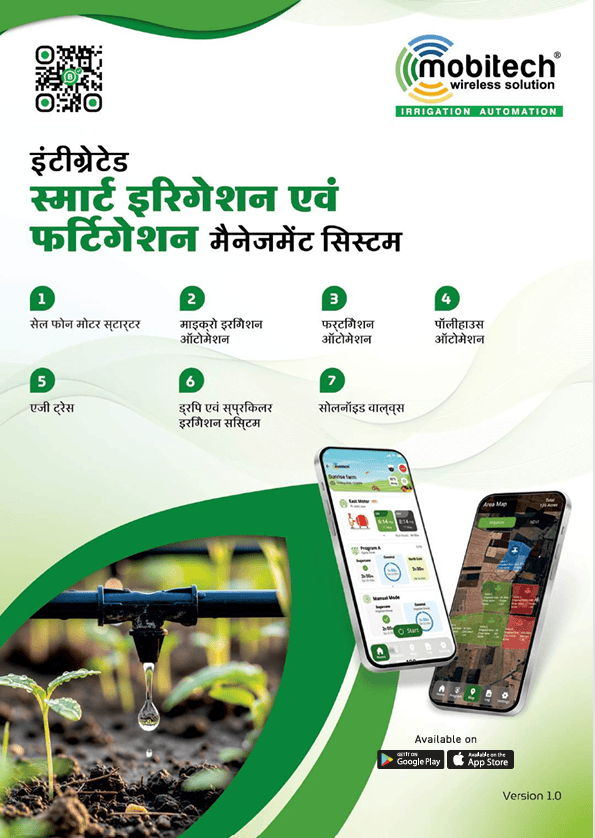
The Ultimate Solution: Smart drip irrigation paired with irrigation automation. By combining drip setups with advanced technologies like remote pump control, wireless valve management, soil moisture monitoring, and weather-based scheduling, coconut farmers can completely bypass manual operational hurdles. One of the most advanced solutions available today is the
Dcon Ag AIR Smart Irrigation Automation System from Mobitech Wireless Solution, designed specifically to tackle these exact agricultural challenges on medium and large farms.
Take Drip Irrigation to the Next Level with Dcon Ag AIR
Installing drip irrigation is only the first step. Modern farms require automation to maximize efficiency.
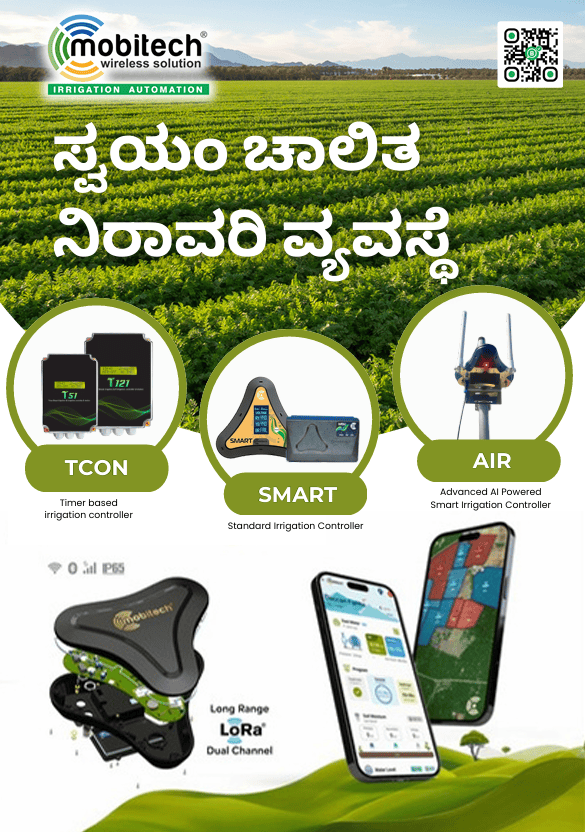
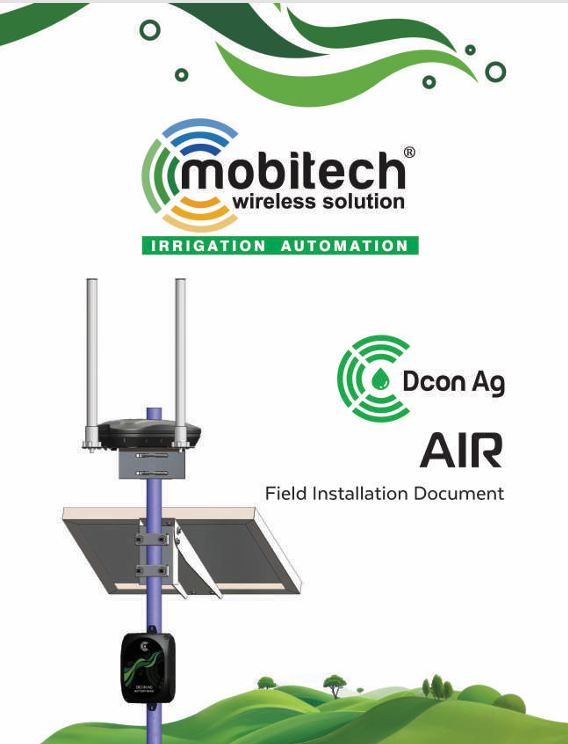
Dcon Ag AIR Smart Irrigation Automation System
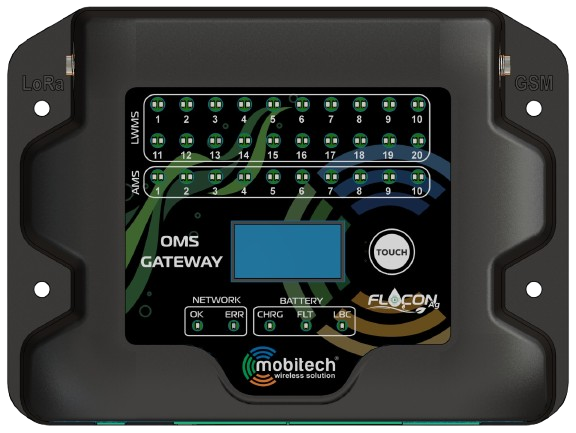
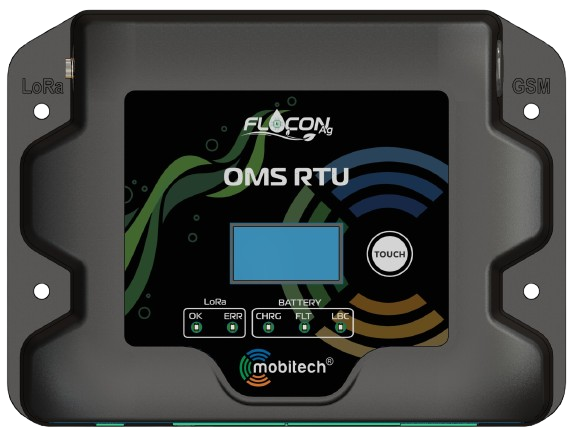
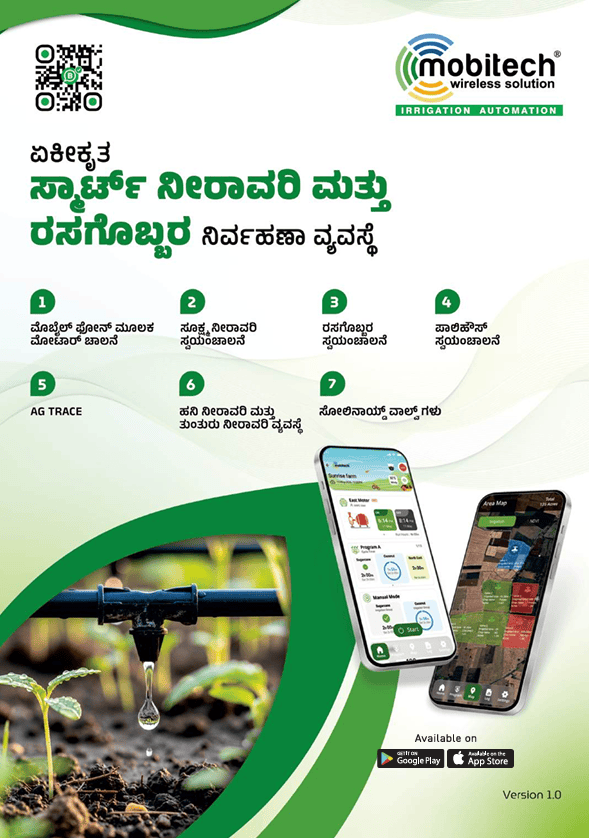
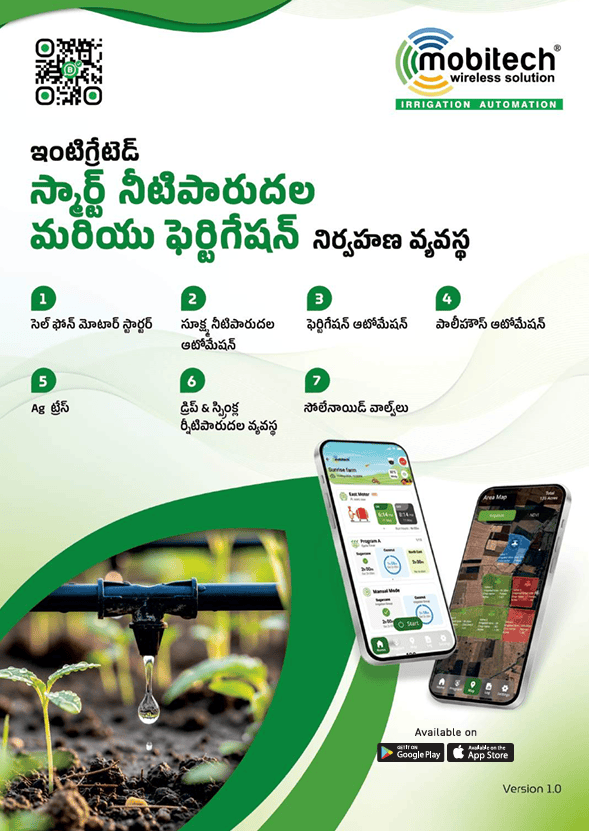
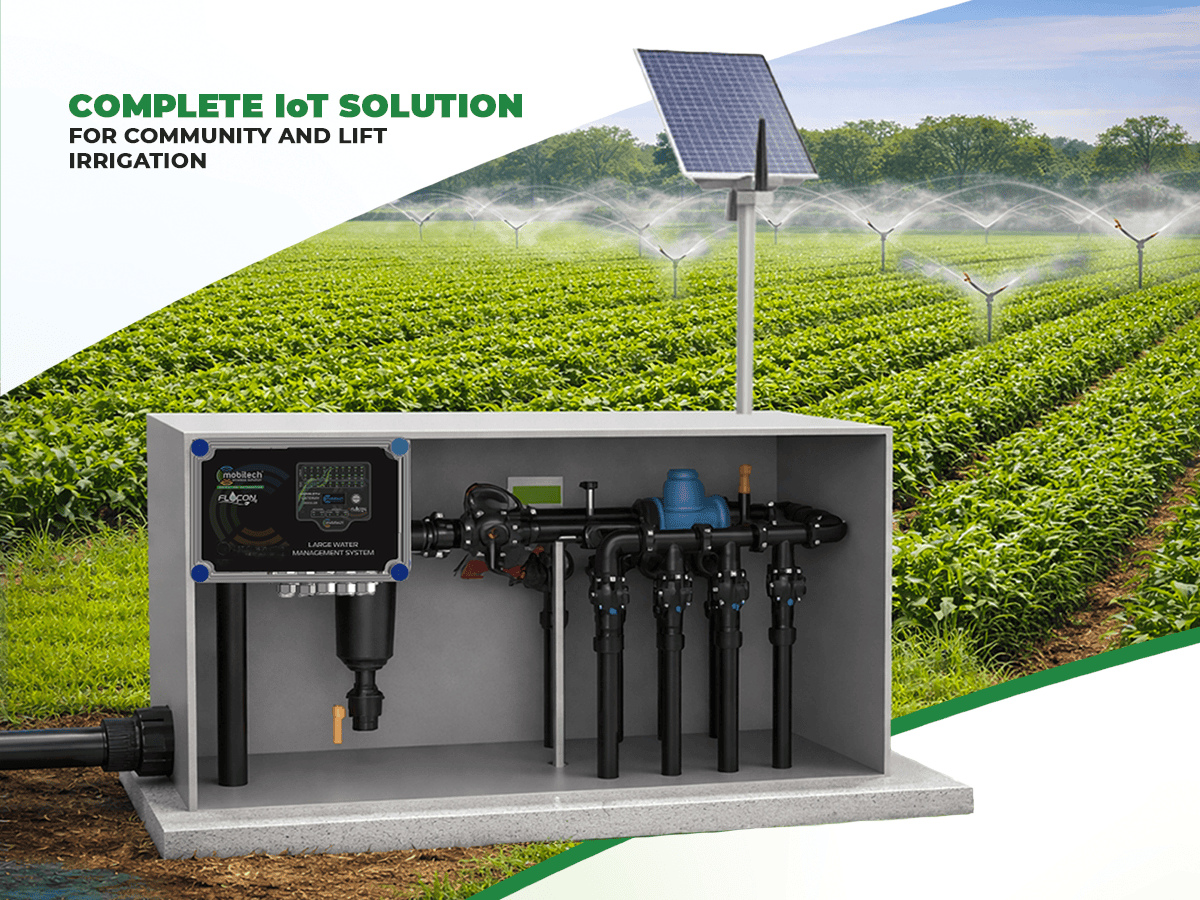
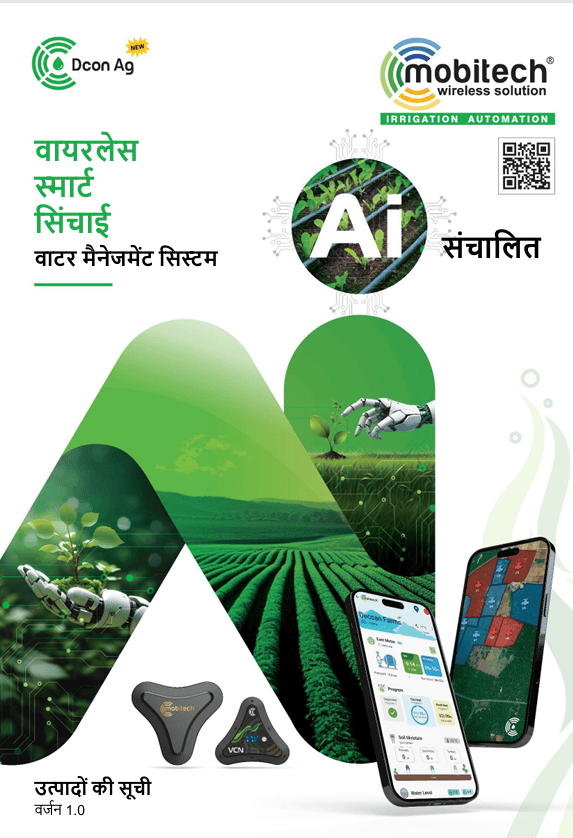
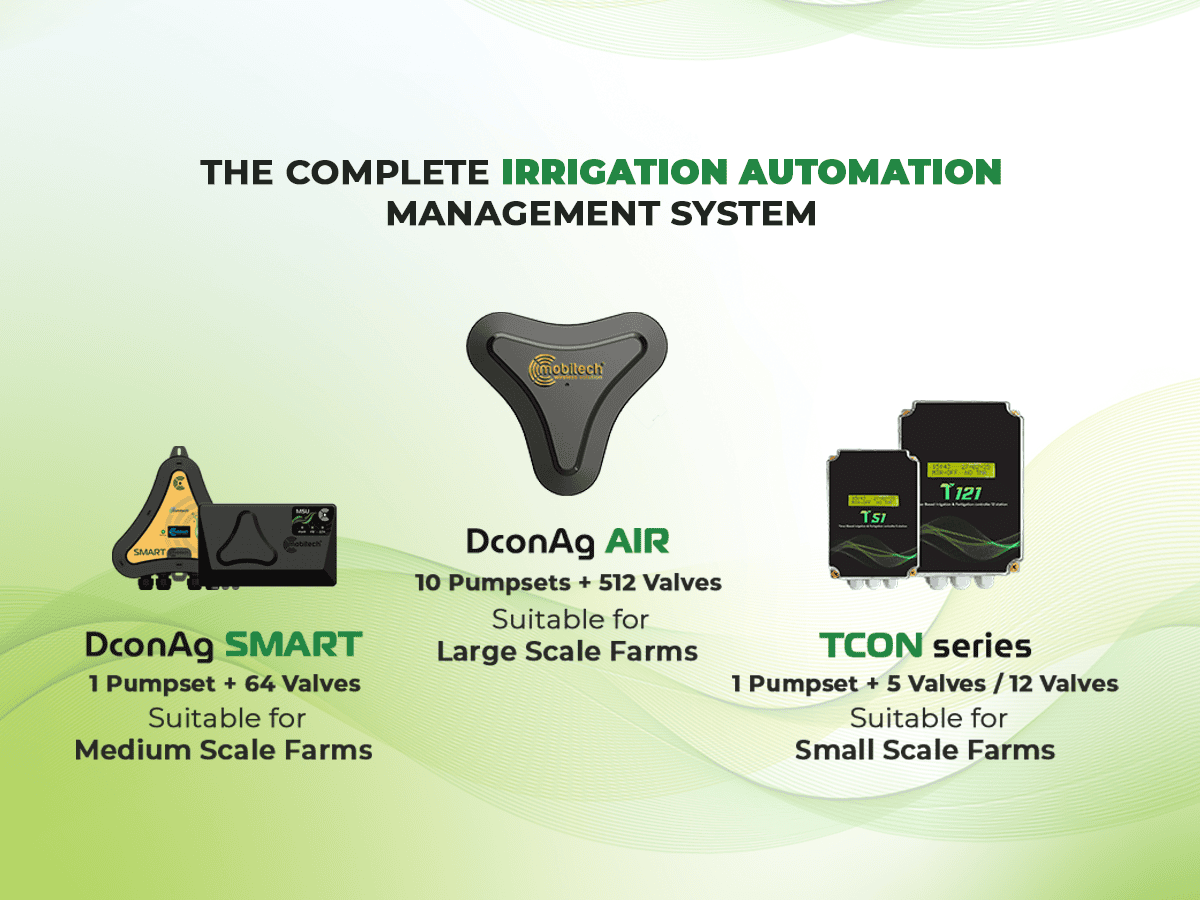
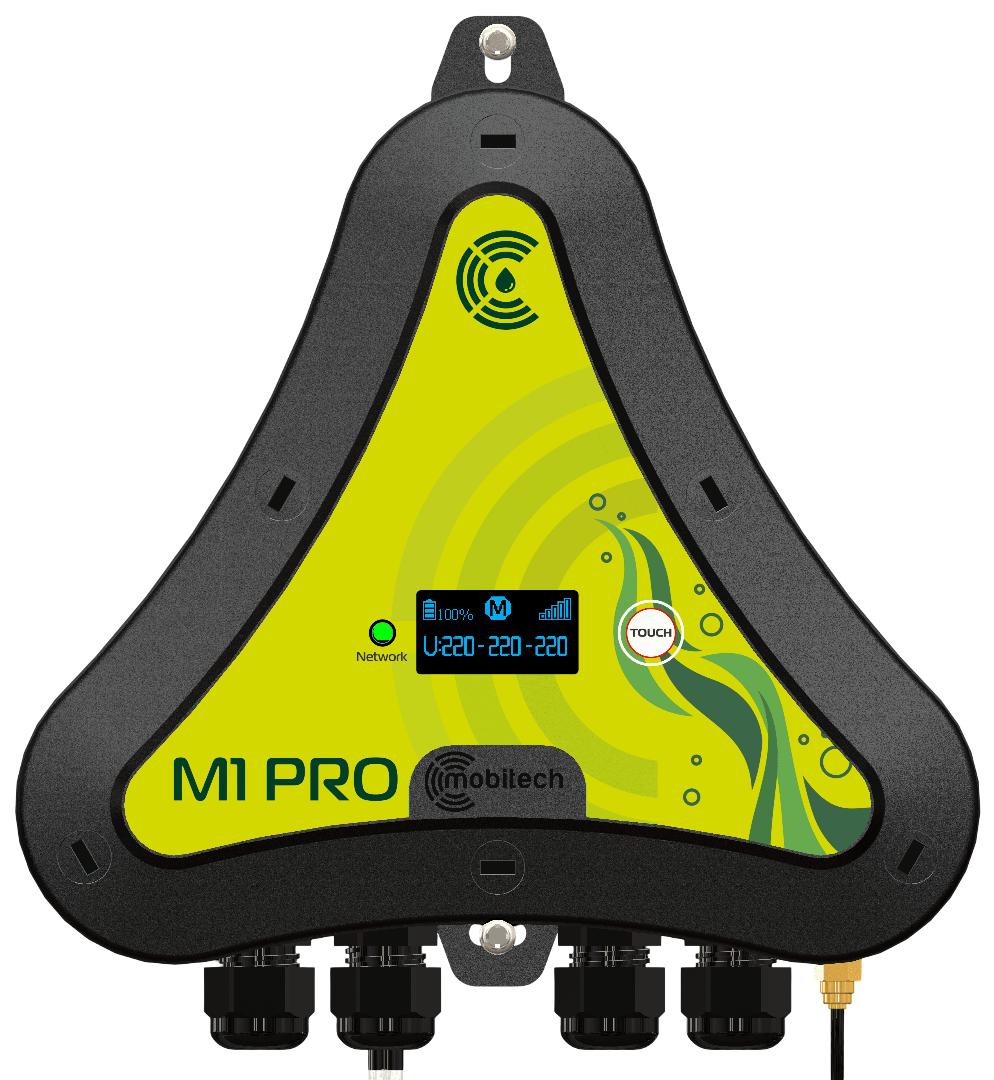
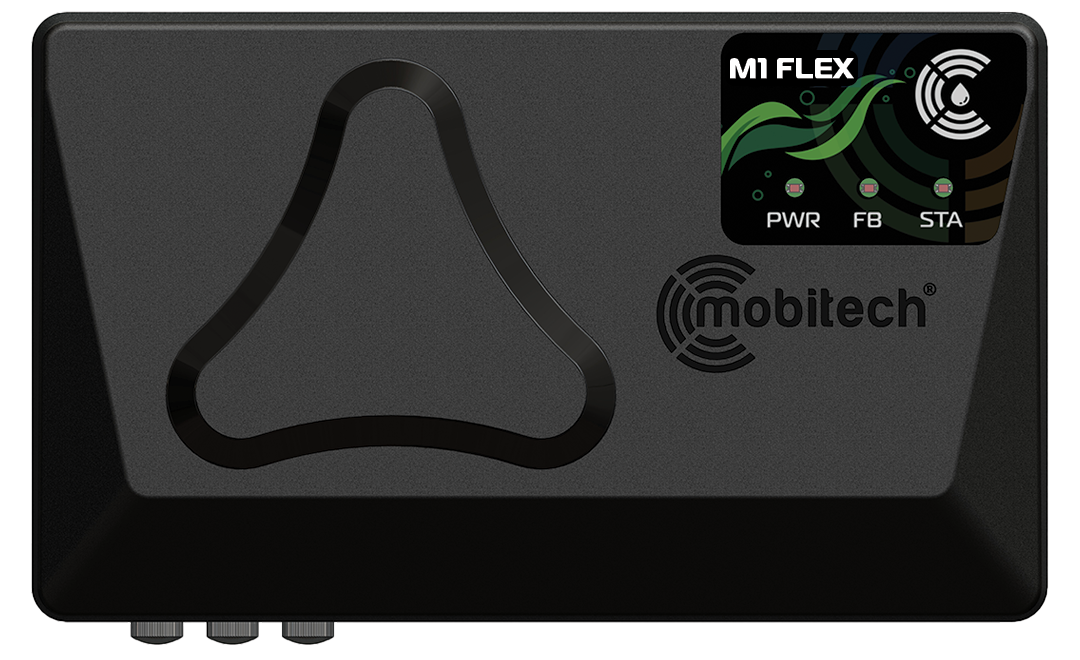
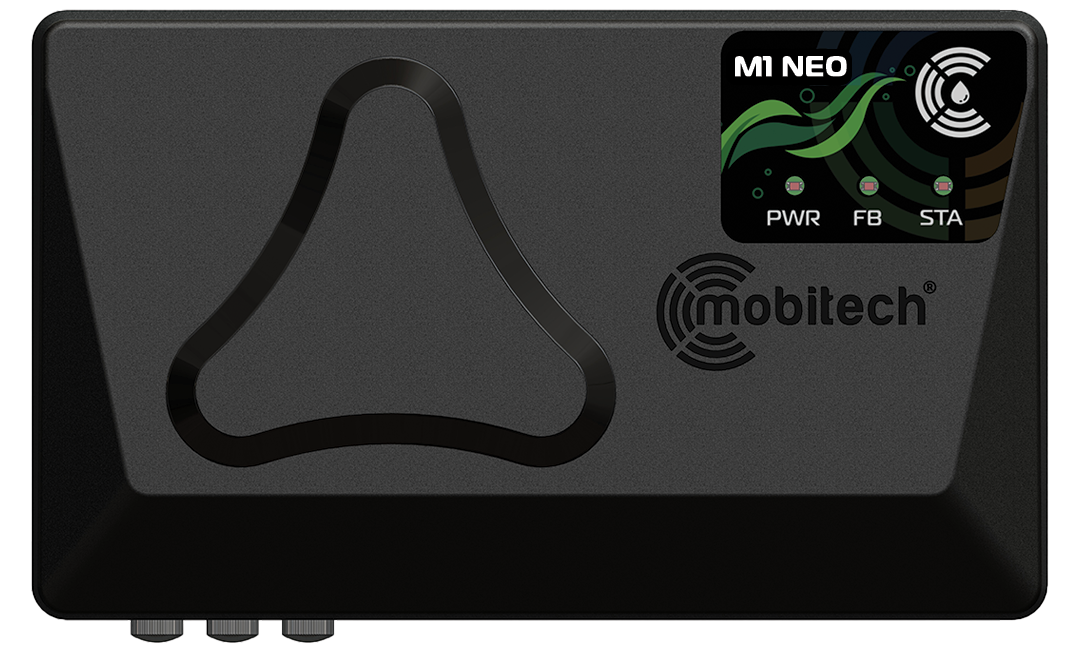
The Dcon Ag AIR from Mobitech Wireless is an advanced wireless irrigation automation system developed for medium and large farms. It combines irrigation control, fertigation, sensor integration, weather monitoring, and remote farm management into a single intelligent platform.
Unlike conventional irrigation controllers, Dcon Ag AIR allows farmers to monitor and operate their entire irrigation system from anywhere using a mobile phone or computer.
Key Features of Dcon Ag AIR
- Control Multiple Pumps: Supports up to 10 pumpsets, making it suitable for farms with multiple borewells or irrigation sources.
- Manage Up to 512 Irrigation Valves: Large coconut plantations often have multiple irrigation zones. Dcon Ag AIR can control up to 512 wireless solenoid valves for precise farm-wide irrigation.
- Long-Range Wireless Communication: Powered by LoRa wireless technology up to 2 kilometres, eliminating extensive underground wiring.
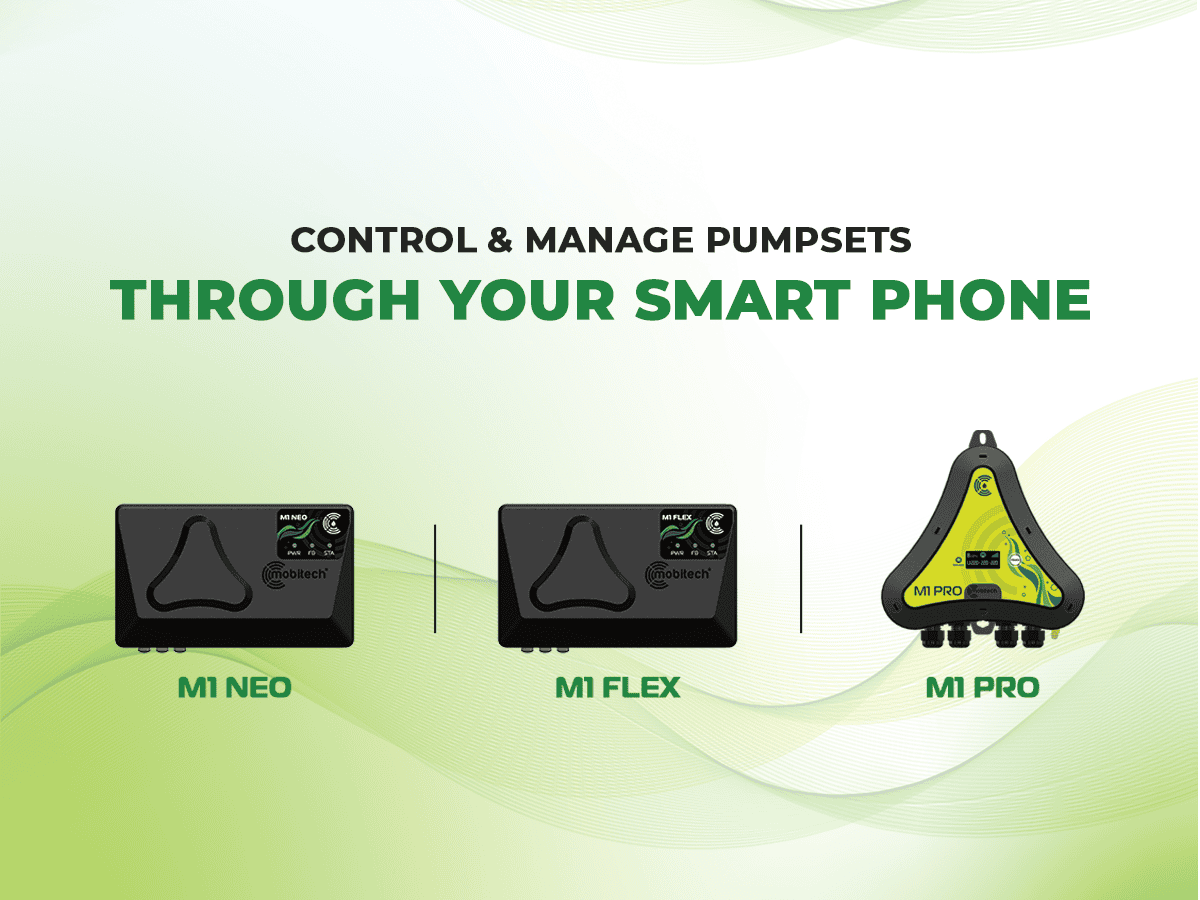
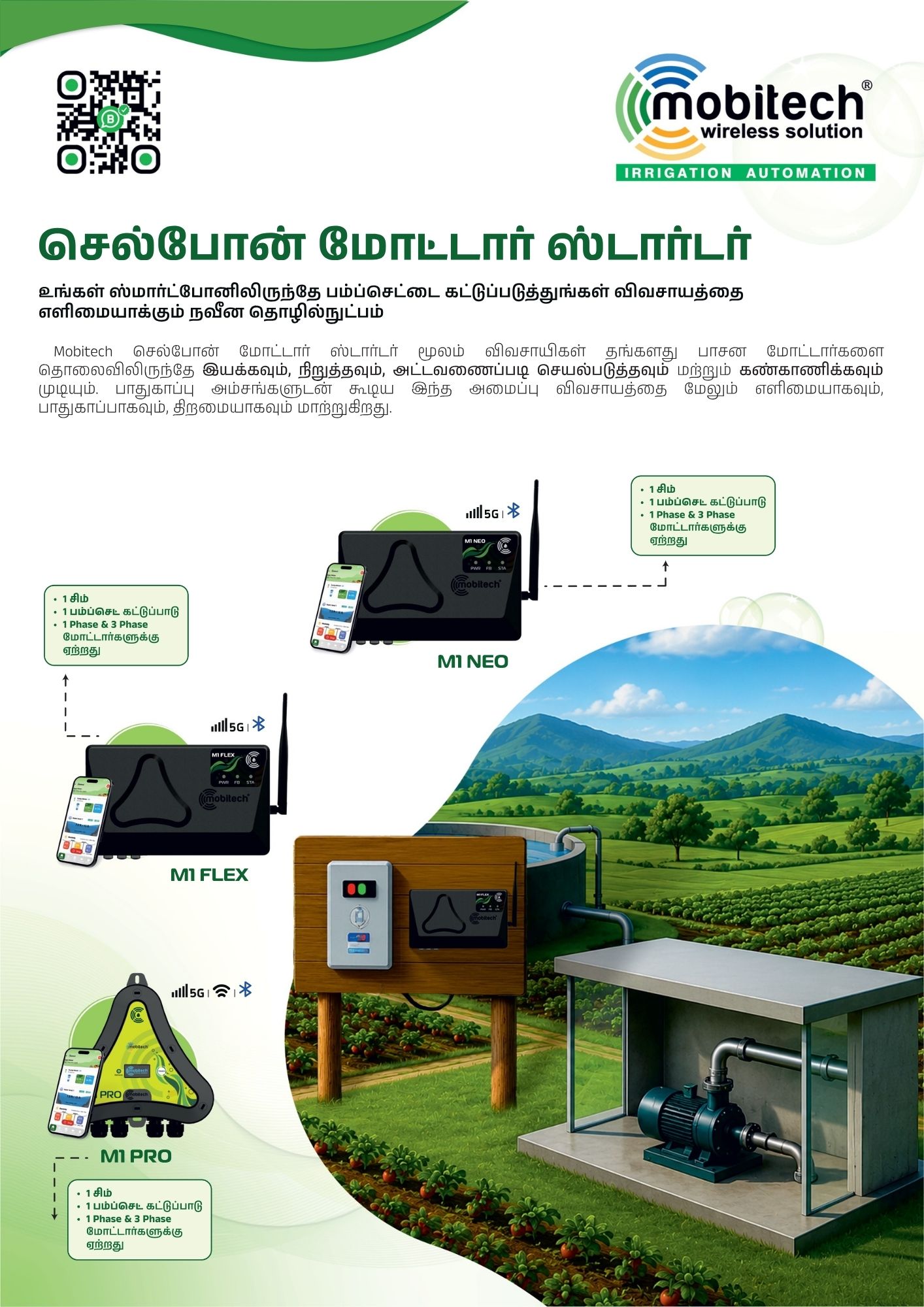
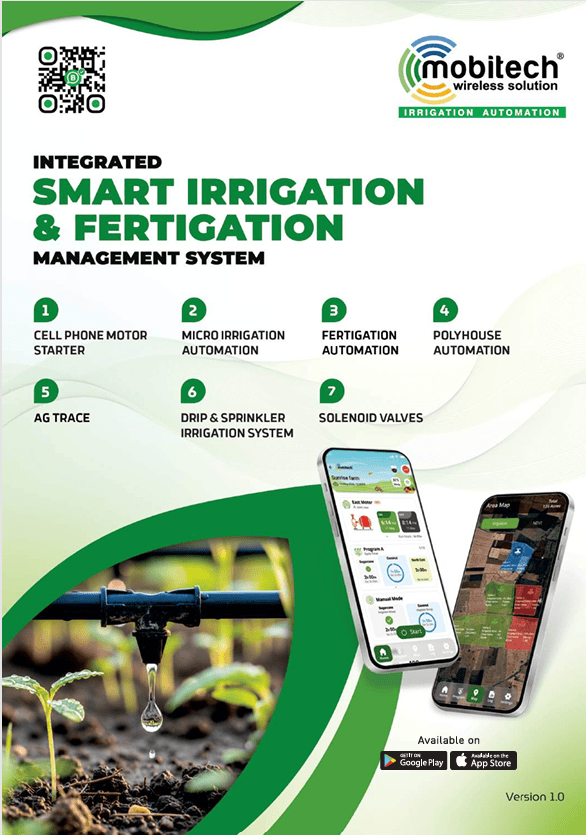
- Remote Monitoring Through Mobile App: Start/stop pumps, open/close valves, monitor schedules, and view farm status via Android, iPhone, or Web apps.
- Automatic Irrigation Scheduling: Create schedules based on time, day, crop requirement, and zones without manual intervention.
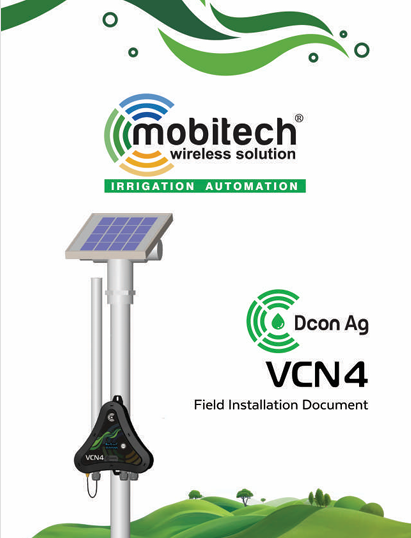
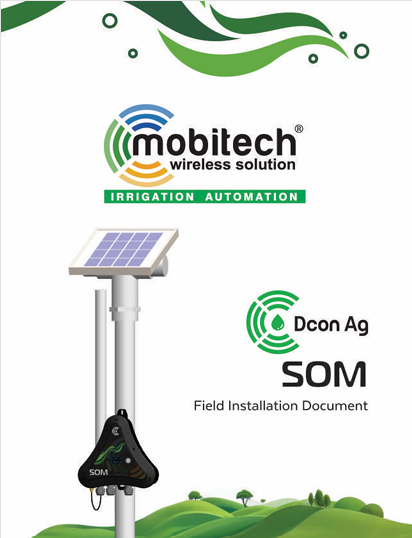
- Soil Moisture-Based Irrigation: Integrates with soil moisture sensors to measure actual conditions, automatically delaying irrigation when sufficient moisture is present.
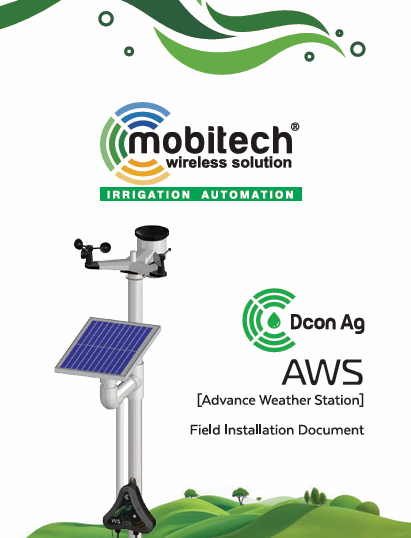
- Weather-Based Smart Irrigation: Supports weather stations monitoring rainfall, temperature, humidity, wind speed, and solar radiation.
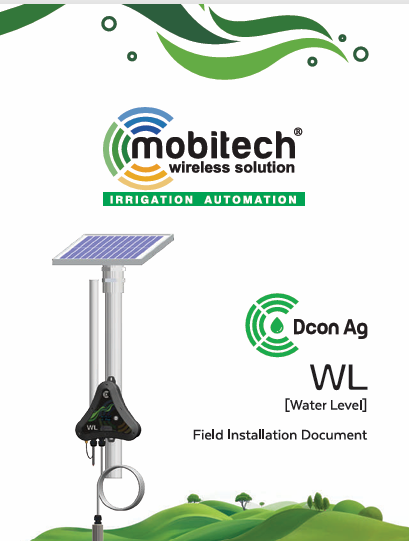
- Water Level Monitoring: Monitor overhead tanks, farm ponds, and borewells in real time with automatic dry-run protection.
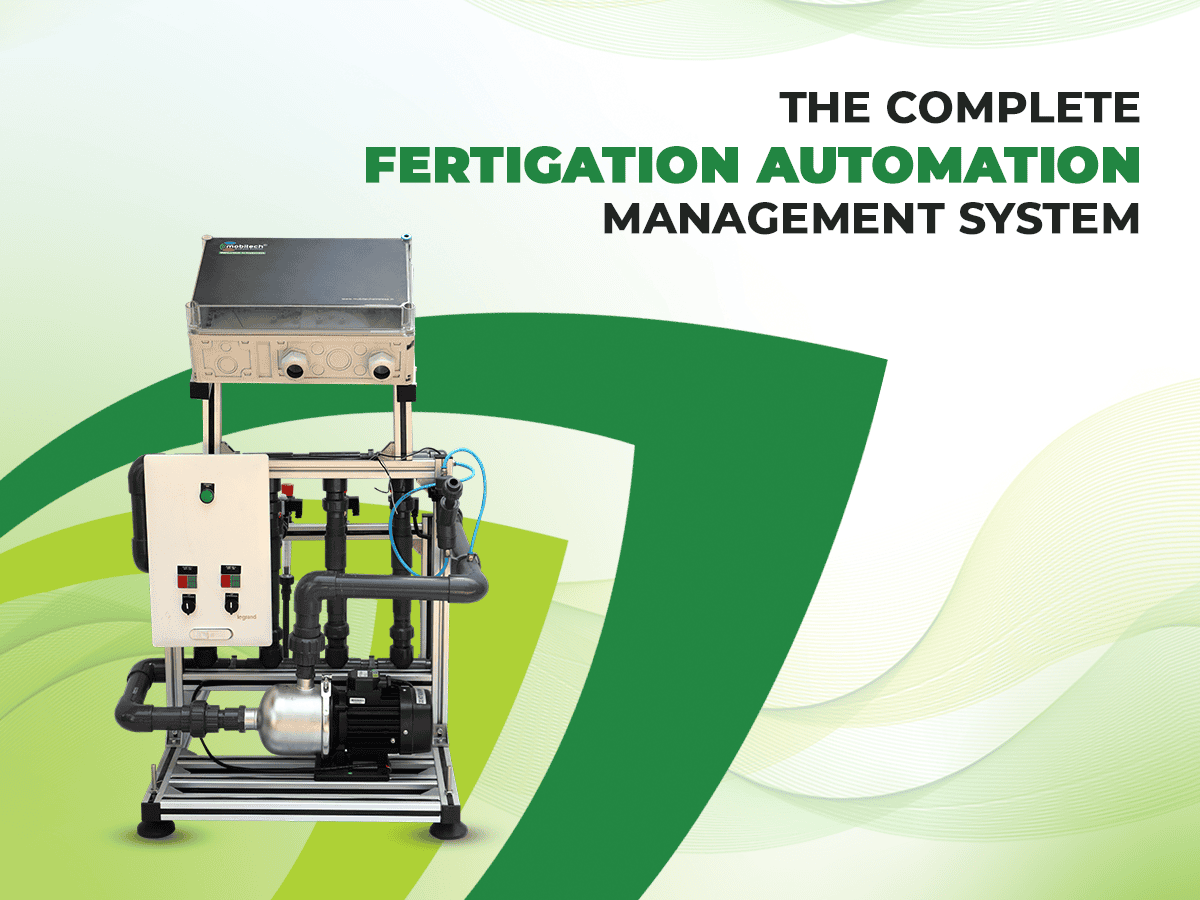
- Fertigation Automation: Deliver fertilizers accurately through the drip system with reduced wastage.
- Solar Powered Backup: Solar-operated with a 72-hour battery backup for uninterrupted performance during power cuts.
- Rugged Design: IP65-rated enclosure ensuring reliable operation under harsh outdoor agricultural conditions.
Benefits for Coconut Farmers
💧 Save Water: Smart irrigation schedules and sensor-based control help reduce unnecessary water usage.
👷 Reduce Labour: No need to visit the farm every day to switch pumps ON or OFF.
⚡ Lower Electricity Bills: Operate pumps only when required.
📈 Improve Yield: Consistent irrigation promotes healthy tree growth, flowering, and nut development.
🧪 Save Fertilizer: Accurate fertigation minimizes fertilizer wastage.
📱 Remote Farm Management: Monitor multiple farms from a single mobile application.
⚠ Receive Instant Alerts: Get notifications for power failure, pump status, completion, water levels, and sensor anomalies.
Why Karnataka Farmers Choose Dcon Ag AIR
Farmers across Karnataka prefer Dcon Ag AIR because it offers wireless automation, mobile phone motor control, multi-zone management, real-time sensing, cloud connectivity, and seamless scalability for future farm expansion.
Best Practices for Coconut Irrigation
- Irrigate during early morning or evening.
- Apply organic mulch around coconut trees to retain moisture.
- Inspect drip emitters regularly to prevent clogging.
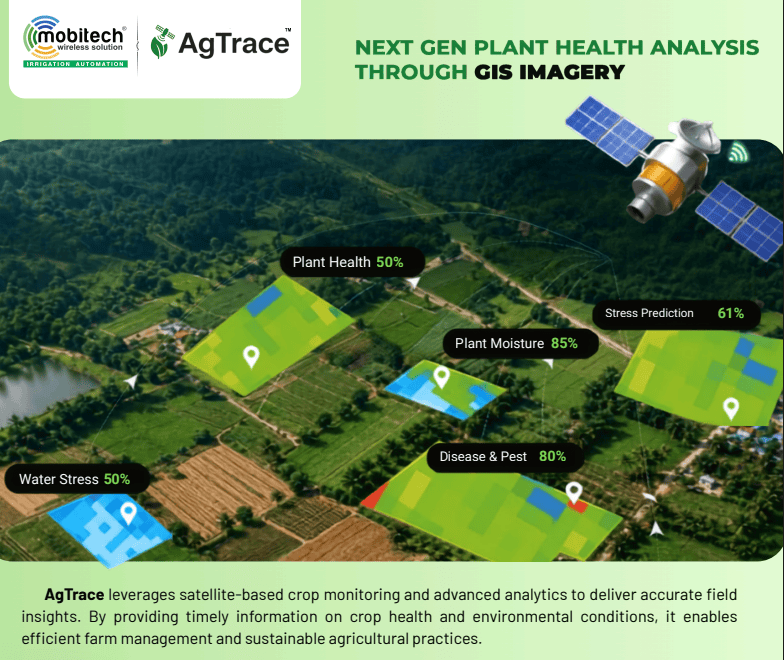
- Use soil moisture sensors for accurate irrigation scheduling.
- Divide large plantations into distinct irrigation zones.
- Schedule watering according to specific crop growth stages.
- Regularly maintain pumps, valves, and filtration units.
Why Choose Mobitech Wireless Solution?
Mobitech Wireless Solution has been helping farmers modernize irrigation with innovative automation solutions designed for Indian agricultural conditions. Their systems are built to improve water-use efficiency, reduce labour dependency, and simplify farm management through smart technology. Whether you manage a small coconut orchard or a large commercial plantation, Mobitech’s automation solutions are designed to make irrigation more efficient and reliable.
Conclusion
As water resources become increasingly limited and labour costs continue to rise, adopting smart irrigation is no longer optional—it is essential for sustainable coconut farming.
While drip irrigation provides the foundation for efficient water management, combining it with an advanced automation platform like Dcon Ag AIR enables farmers to take complete control of their irrigation system. For coconut farmers in Karnataka looking to increase yields, save water, reduce electricity costs, and simplify farm operations, Dcon Ag AIR from Mobitech Wireless Solution is one of the most comprehensive smart irrigation solutions available.