









































How El Niño Affects Agriculture: What Every Farmer Should Know
Weather has always played a crucial role in farming, but in recent years, climate patterns have become increasingly unpredictable. One of the biggest weather phenomena that significantly impacts agriculture worldwide is El Niño. For farmers, understanding El Niño is no longer optional—it is essential. Whether you grow paddy, sugarcane, coconut, banana, vegetables, or other crops, El Niño can directly affect rainfall, irrigation, crop health, and overall farm profitability. In this guide, we’ll explain what El Niño is, how it affects agriculture, and how smart irrigation automation can help farmers adapt to changing climate conditions.
What Is El Niño?
El Niño is a natural climate pattern that occurs when the surface water of the central and eastern Pacific Ocean becomes warmer than normal. Although this warming happens thousands of kilometers away, it influences weather patterns across the globe.
In India, El Niño is often associated with:
- Reduced southwest monsoon rainfall
- Higher temperatures
- Longer dry spells
- Increased drought risk
- Lower groundwater recharge
These changes create major challenges for agriculture.

How El Niño Affects Agriculture
1. Reduced Rainfall
One of the most significant impacts of El Niño is weaker monsoon rainfall. Less rainfall means dry agricultural fields, delayed sowing, reduced soil moisture, poor seed germination, and a higher dependence on borewells and irrigation systems. Rain-fed farming becomes especially vulnerable during El Niño years.
2. Water Scarcity
Water availability becomes one of the biggest concerns. Farmers often experience falling groundwater levels, dry ponds and lakes, reduced canal water supply, and increased competition for irrigation water. Without efficient water management, crop stress increases rapidly.
3. Higher Temperatures
El Niño usually brings hotter weather. High temperatures can cause faster evaporation, heat stress in crops, reduced photosynthesis, poor flowering, and lower fruit and grain formation. Even short periods of extreme heat can significantly reduce crop yields.
4. Lower Crop Productivity
Due to insufficient water and excessive heat, crops may experience slow growth, leaf drying, flower drop, fruit drop, smaller harvests, and reduced quality. The financial impact can be substantial for farmers.
5. Increased Pest and Disease Pressure
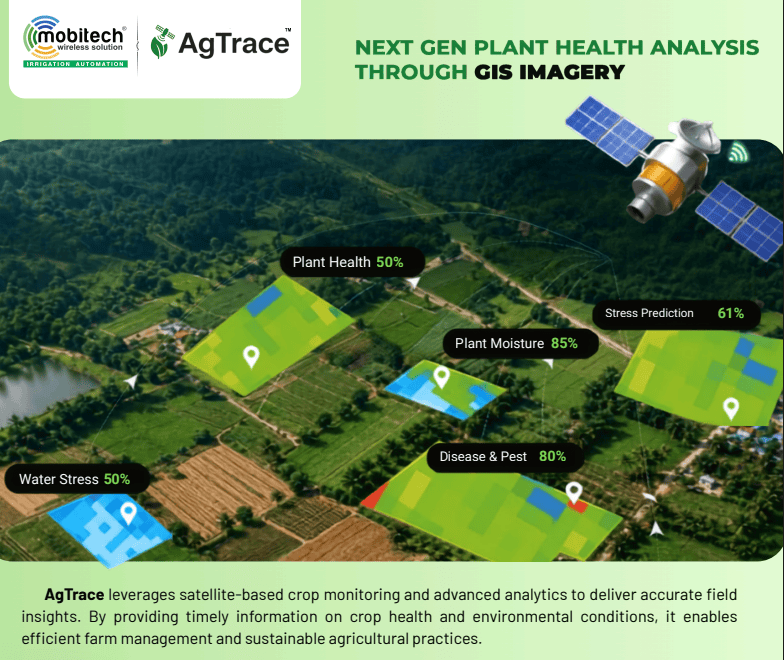
Changing weather conditions often create favorable environments for pests and diseases. Common problems include aphids, whiteflies, thrips, mites, and fungal infections after sudden rainfall. Regular field monitoring becomes even more important during El Niño years.
Crops Most Affected During El Niño
Although every region experiences different impacts, the following crops are generally more vulnerable because they require consistent moisture during critical growth stages:
- Paddy
- Sugarcane
- Cotton
- Groundnut
- Maize
- Banana
- Vegetables
- Coconut
- Arecanut
Warning Signs Farmers Should Watch
Summary of El Niño Challenges
| Condition | Impact on Agriculture |
|---|---|
| Reduced Rainfall | Dry fields, delayed sowing, and poor germination. |
| Water Scarcity | Depleting groundwater, drying ponds, and low canal supply. |
| Higher Temperatures | Heat stress, faster evaporation, and poor fruit formation. |
| Lower Yields | Leaf drying, flower drop, and reduced harvest quality. |
| Pest Attacks | Surge in aphids, whiteflies, thrips, and mites. |
How Farmers Can Prepare for El Niño
Use Water Efficiently
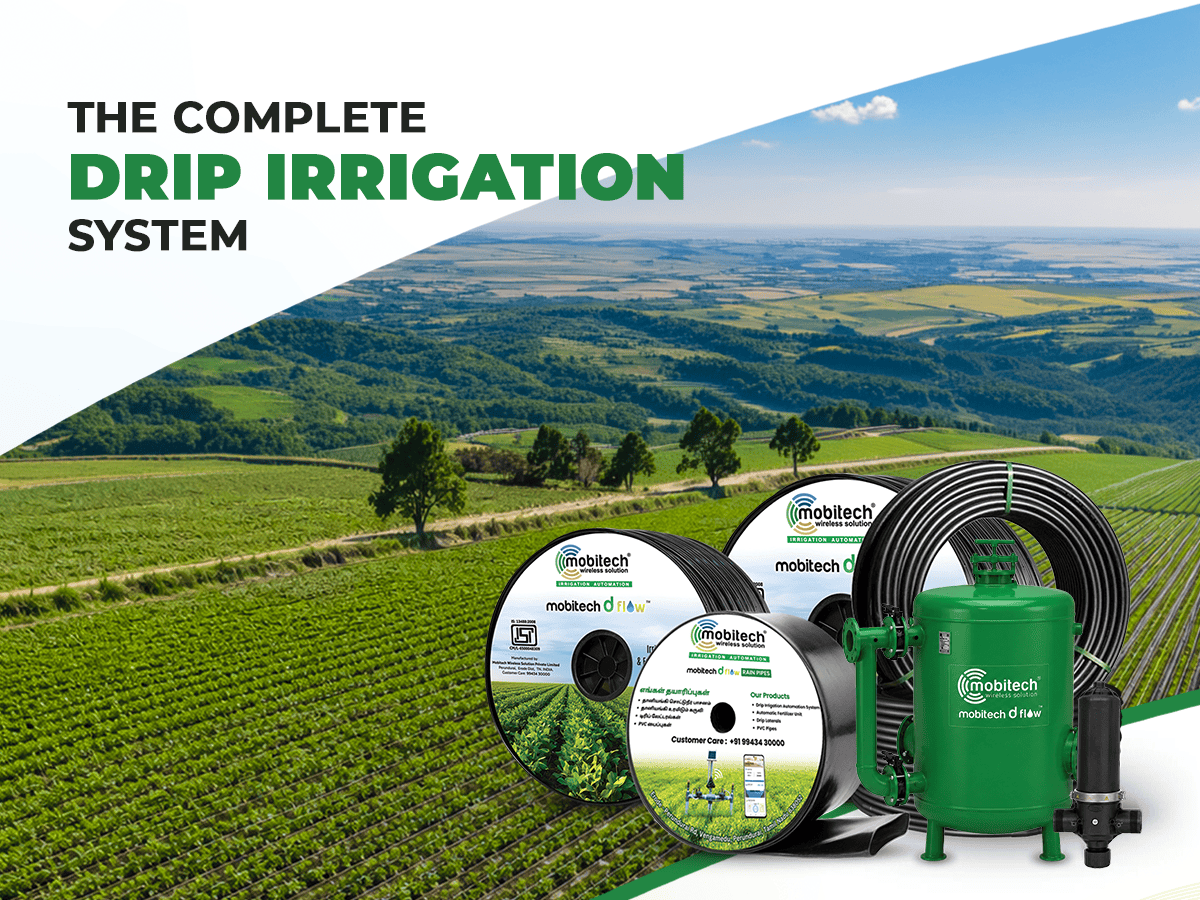
Every drop of water matters. Avoid flood irrigation whenever possible. Instead, use drip irrigation, micro irrigation, sprinklers, and scheduled irrigation. These methods improve water-use efficiency while reducing wastage.
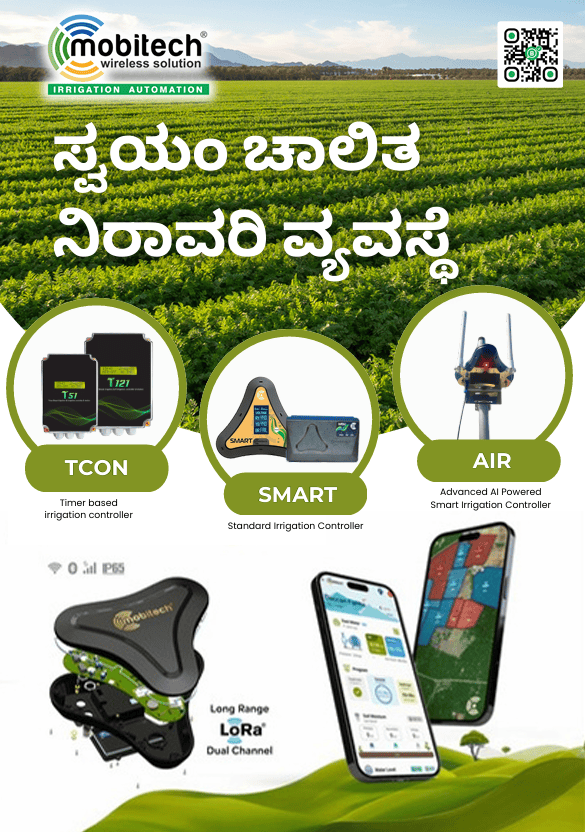
Install Smart Irrigation Automation
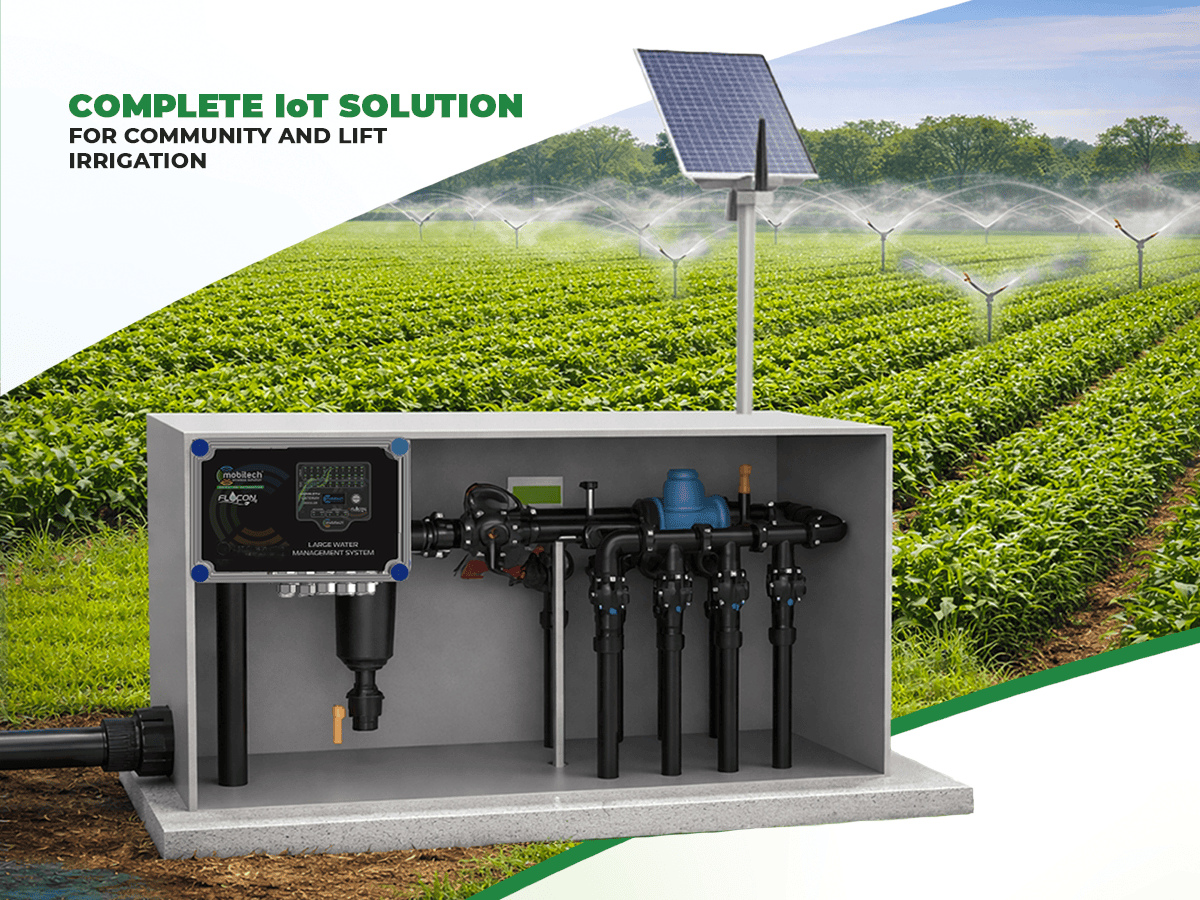
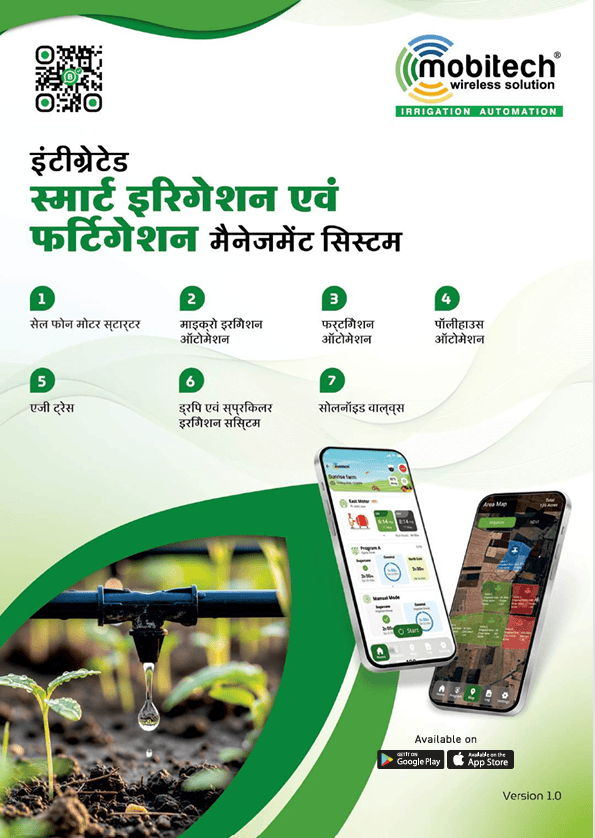
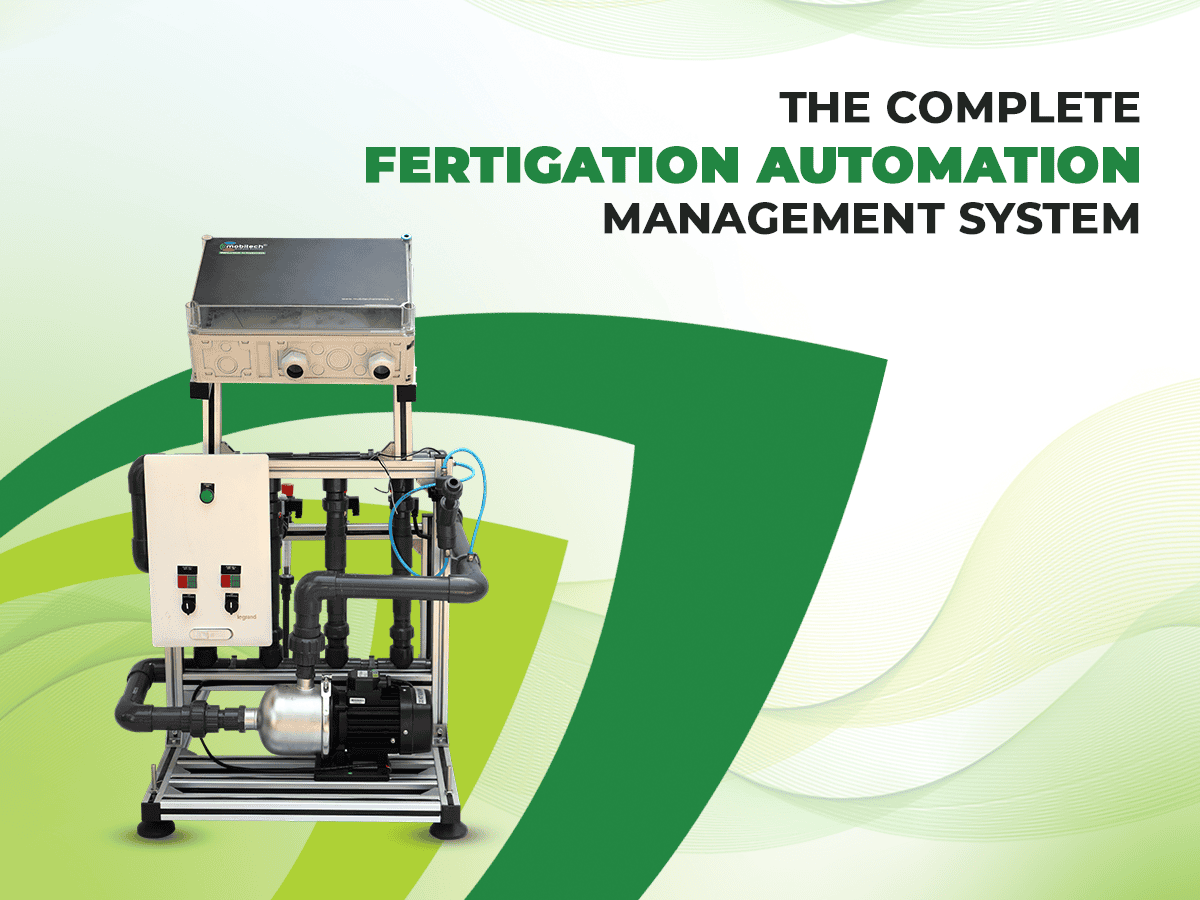
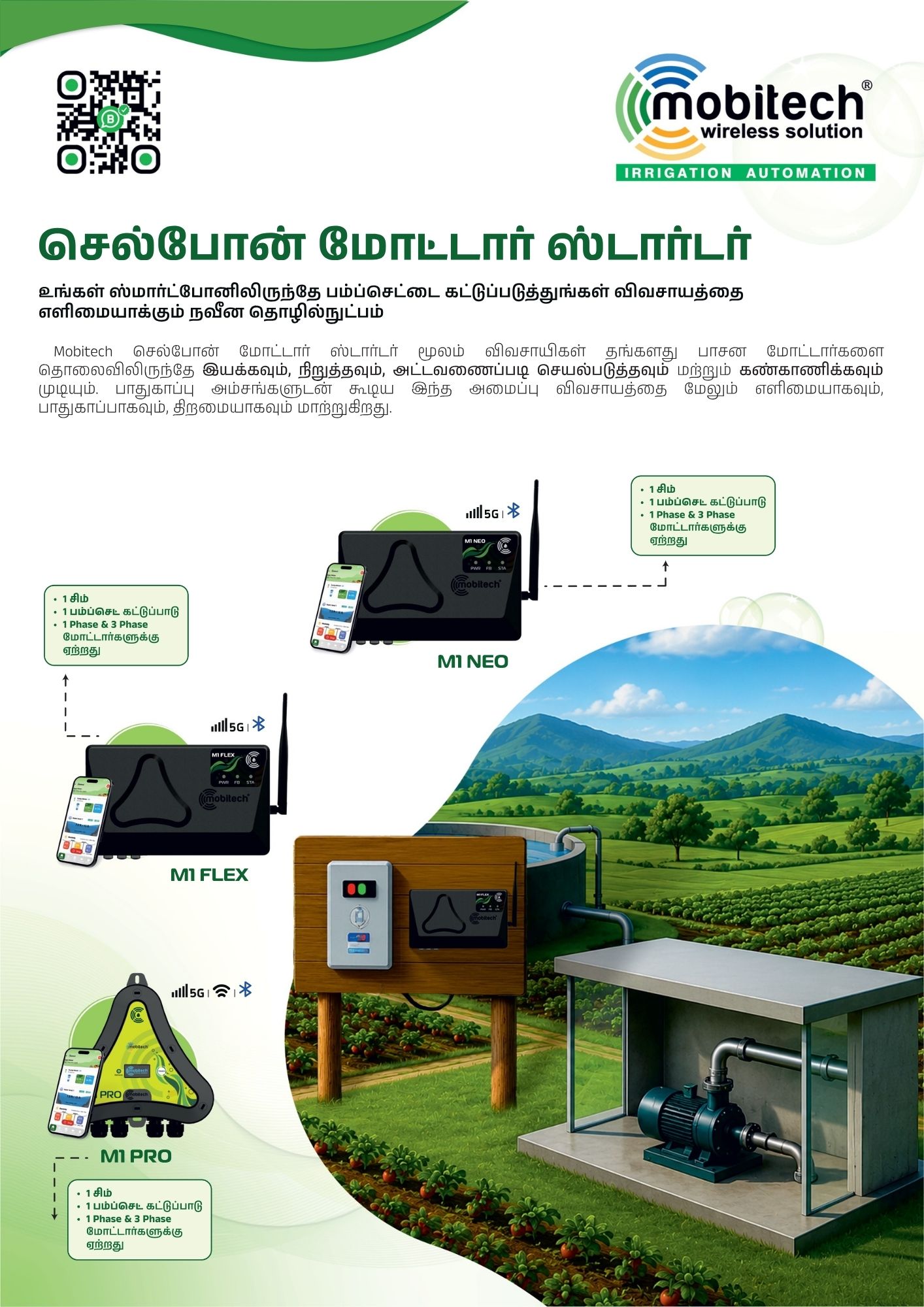
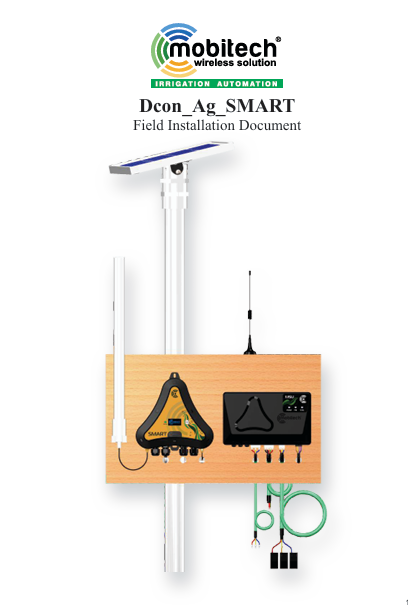
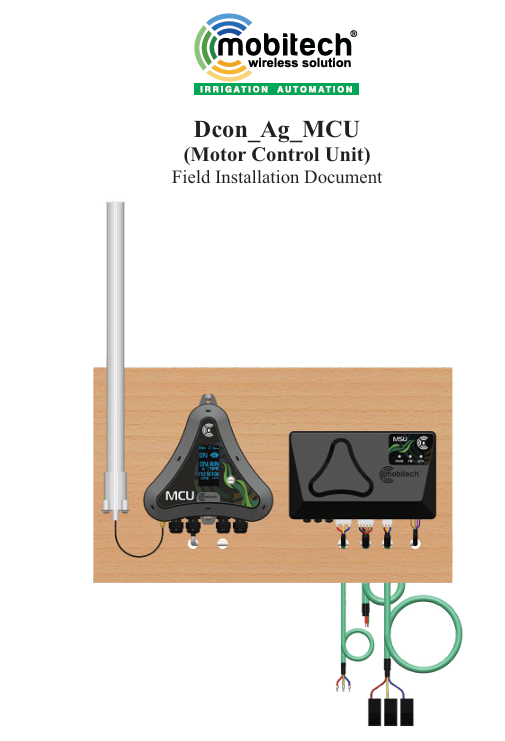
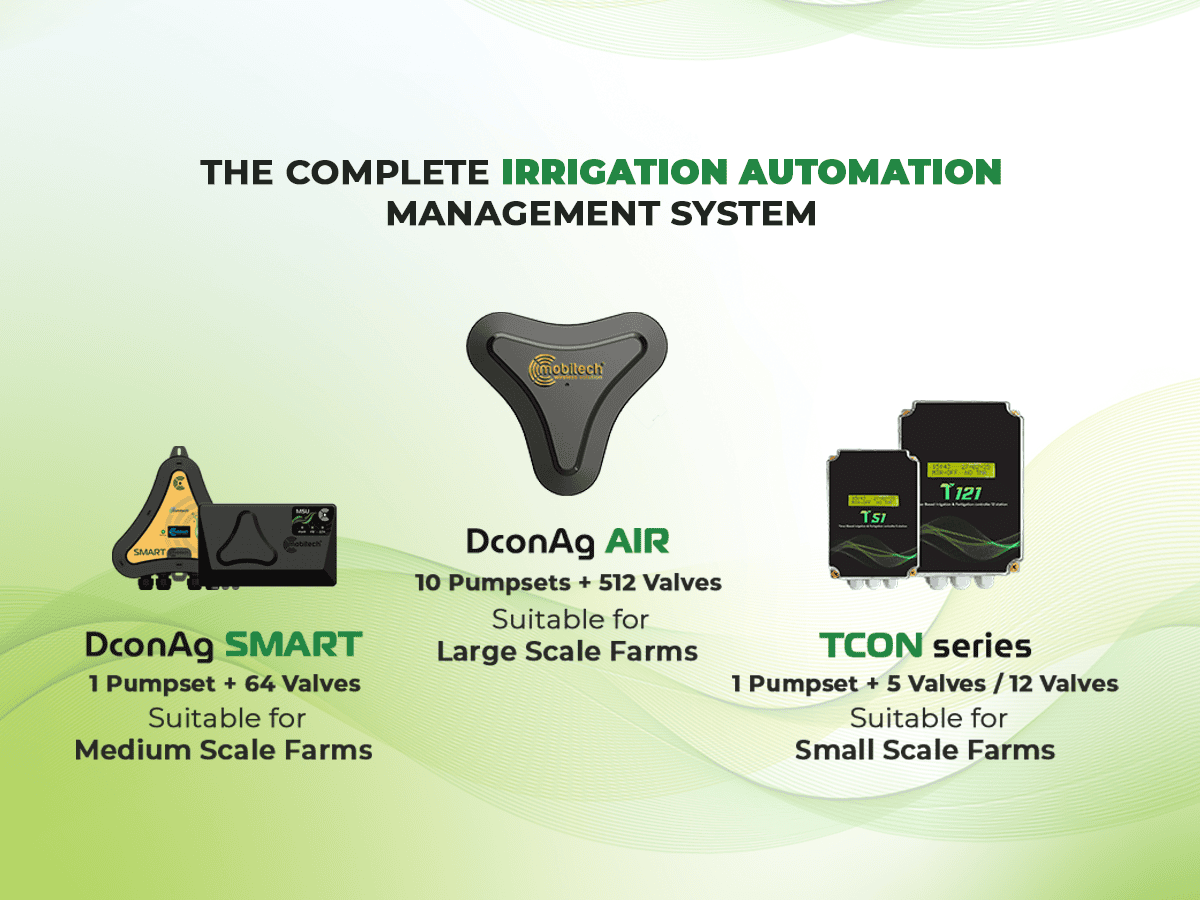
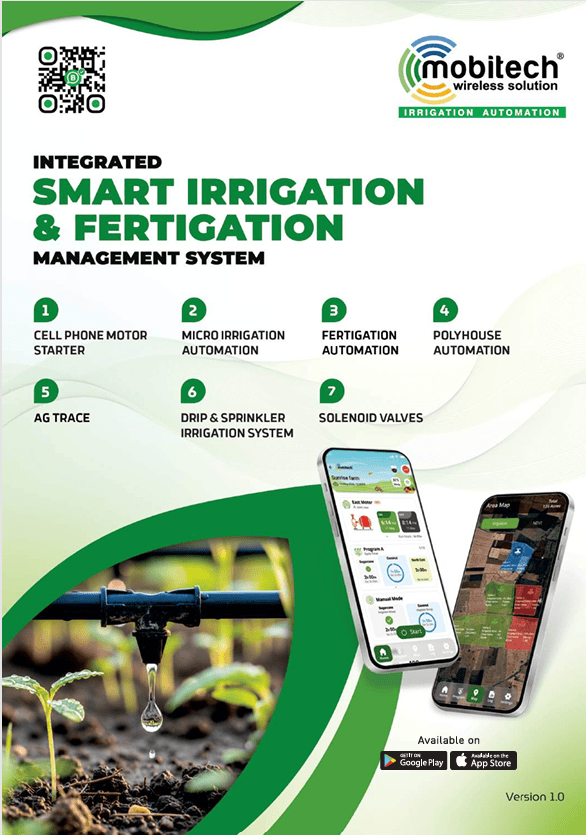
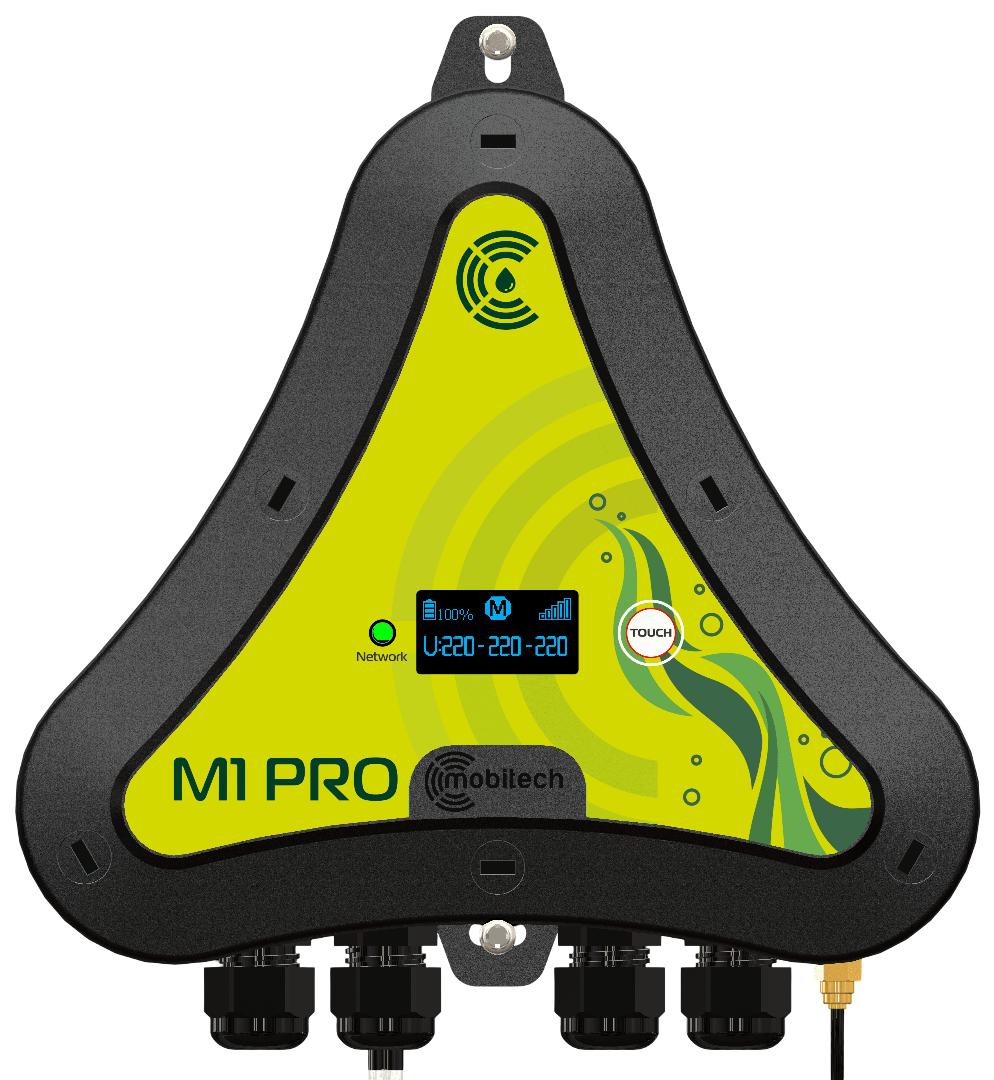
Modern irrigation automation allows farmers to irrigate crops only when needed. Benefits include reduced water wastage, automatic irrigation scheduling, remote motor control, timely irrigation, lower electricity consumption, reduced labor costs, and improved crop health. Automation becomes especially valuable during drought-prone seasons.
Monitor Soil Moisture
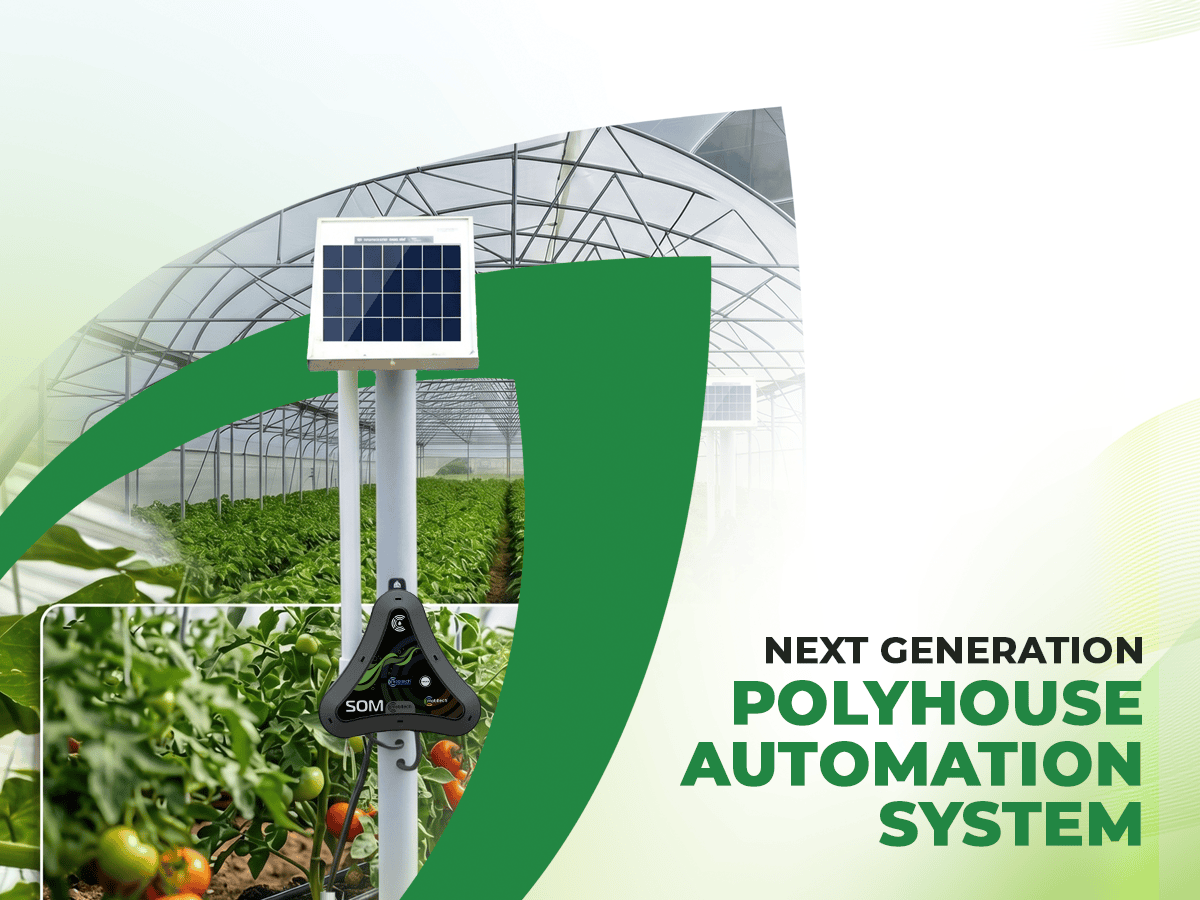
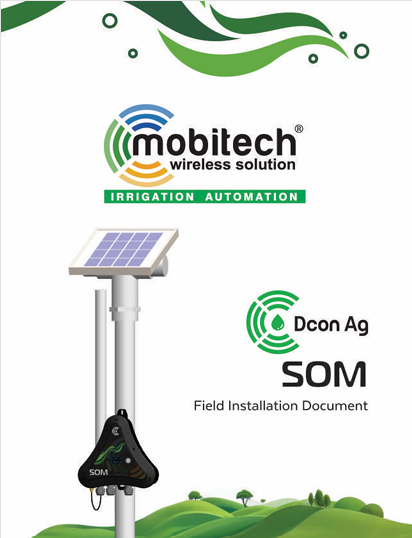
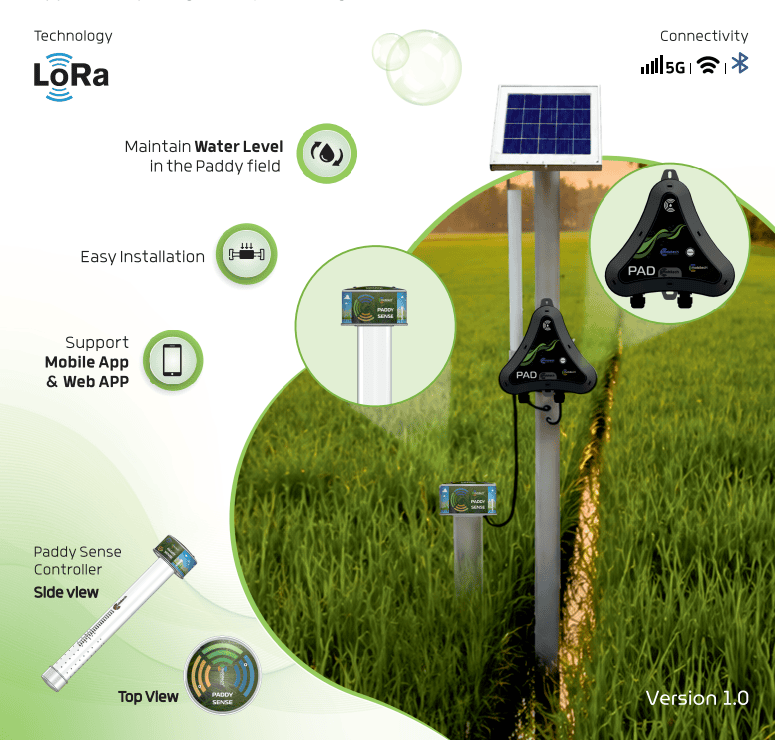
Instead of watering on fixed days, monitor actual soil moisture. Soil moisture sensors help farmers avoid overwatering, prevent underwatering, improve root health, and save groundwater.
Store Rainwater
Whenever rainfall occurs, harvest rainwater, recharge borewells, build farm ponds, and clean existing water storage structures. Stored water becomes extremely valuable during extended dry periods.
Choose Drought-Tolerant Varieties
Consult local agricultural experts about crop varieties that perform better under water-limited conditions. Improved varieties often survive dry spells better than traditional ones.
Follow Weather Forecasts
Regularly check rainfall predictions, temperature forecasts, and wind conditions. Planning irrigation and farm operations according to weather forecasts can reduce risks.
The Role of Smart Farming During El Niño
Technology is becoming an essential partner in agriculture. Smart farming solutions can help farmers:
- Monitor irrigation remotely
- Control pumps from mobile phones
- Schedule irrigation automatically
- Track soil moisture
- Measure water usage
- Reduce unnecessary pumping
- Improve crop productivity
These technologies help farmers use limited water resources more efficiently while reducing operational costs.
Long-Term Benefits of Preparing for El Niño
Farmers who prepare early often experience:
Final Thoughts
El Niño is a natural climate phenomenon, but its impact on agriculture can be significant if farmers are unprepared. Reduced rainfall, rising temperatures, and water shortages can affect crop growth, profitability, and long-term farm sustainability.
The good news is that modern farming practices—including efficient irrigation systems, soil moisture monitoring, rainwater harvesting, and irrigation automation—can help farmers overcome many of these challenges.
By understanding how El Niño affects agriculture and adopting smart water management techniques, farmers can protect their crops, conserve valuable water resources, and continue farming successfully even during difficult weather conditions.