Farm Configuration

Please fill all fields

    Go to Product Page

    Table of Contents

    Snake Bite Prevention


    The Hidden Risk in Every Field: Snake Bite Prevention Tips Every Farmer Should Know

    Every day, millions of farmers enter their fields with one goal—to grow healthy crops and provide food for the nation. But hidden among the crops is a danger that often goes unnoticed: snake bites.

    In India, snake bites remain one of the most serious occupational hazards for farmers. According to estimates, more than 3 million people are affected by snake bites each year, with over 58,000 deaths annually. Farmers account for a significant share of these cases because they spend long hours working in fields, irrigation channels, and pump rooms where snakes commonly hide.

    The good news is that many snake bite incidents are preventable. Through proper awareness, safe farming practices, and modern technologies like smart irrigation systems, farmers can significantly reduce their risk.


    Why Snake Bites Are Common on Farms

    Agricultural fields naturally attract snakes because they provide ideal living conditions. Snakes are drawn to:

    • Dense vegetation
    • Standing water
    • Irrigation canals
    • Borewells and pump rooms
    • Rodents, frogs, and insects
    • Crop residue and stone piles

    During the monsoon season, snake movement increases as fields remain wet and vegetation becomes thicker, making accidental encounters more common.

    Why Many Farmers Irrigate at Night

    Many farmers prefer irrigating their fields between 11 PM and early morning. This is mainly because:

    • Water evaporation is much lower at night.
    • More water reaches plant roots.

    • Irrigation becomes more efficient.

    • Electricity supply is often available during nighttime.

    However, this practice also forces farmers to walk through dark fields, irrigation channels, and pump rooms where snakes are most active. A simple trip to switch on a motor can become life-threatening.


    Common Situations Where Farmers Encounter Snakes

    • Harvesting crops
    • Walking through tall grass
    • Cleaning irrigation canals
    • Operating borewell pumps
    • Collecting crop residue or firewood
    • Moving stones or stored equipment
    • Working early in the morning or visiting fields late at night

    Why Snake Bite Prevention Matters

    Snake bites can cause severe pain and swelling, permanent disability, organ damage, loss of livelihood, or death if treatment is delayed. Since many farms are located far from hospitals, prevention is always safer than treatment.

    ⚠ Protects farmers and workers
    🚜 Reduces workplace accidents
    🏥 Improves emergency preparedness
    🌾 Creates a safer farming environment

    Warning Signs That Snakes May Be Nearby

    • Rodent activity around fields
    • Snake skins or shed scales
    • Small holes under rocks or bunds
    • Dense weeds around irrigation systems
    • Uncleared crop residue
    • Footprints or movement marks through wet soil

    Snake Bite Prevention Tips Every Farmer Should Follow

    Safety PracticeBenefit
    Wear boots and long pantsProtects feet and legs from bites
    Clear weeds regularlyRemoves snake hiding places
    Control rodentsReduces snake attraction
    Carry a flashlight at nightImproves visibility while walking
    Avoid placing hands into holesPrevents accidental encounters and bites
    Inspect irrigation equipment carefullySnakes often rest in cool shaded areas

    What To Do If You See a Snake

    • Stay calm and keep a safe distance.
    • Never try to catch or kill it.
    • Allow it to move away naturally.
    • Warn nearby workers.
    • Contact wildlife rescue if necessary.

    First Aid After a Snake Bite

    • Move the person away from danger.
    • Keep them calm and still to slow the spread of venom.
    • Immobilize the affected limb.
    • Remove tight clothing, rings, or jewelry.
    • Go to the nearest hospital immediately.
    • Do NOT cut the wound, suck the venom, apply a tourniquet, or use traditional remedies.
    Important: The only effective treatment for venomous snake bites is prompt medical care and antivenom administered by healthcare professionals.

    How Smart Irrigation Makes Farming Safer

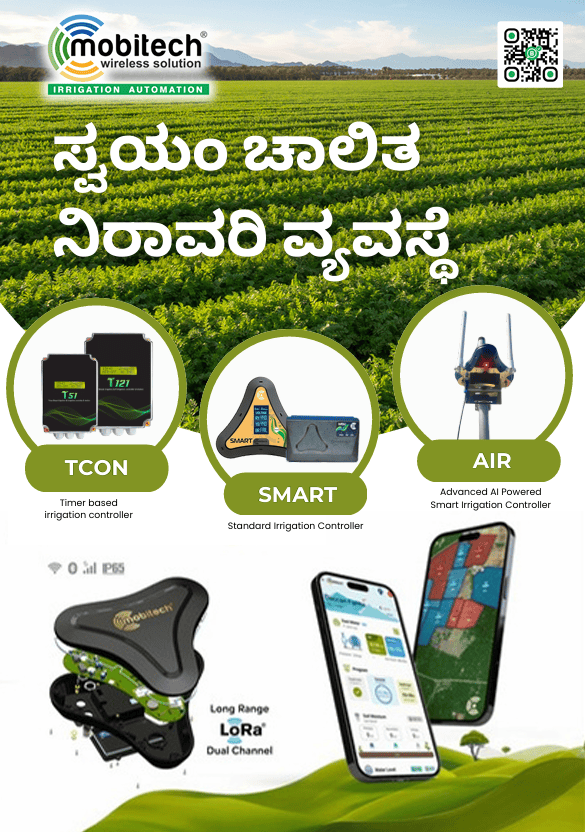
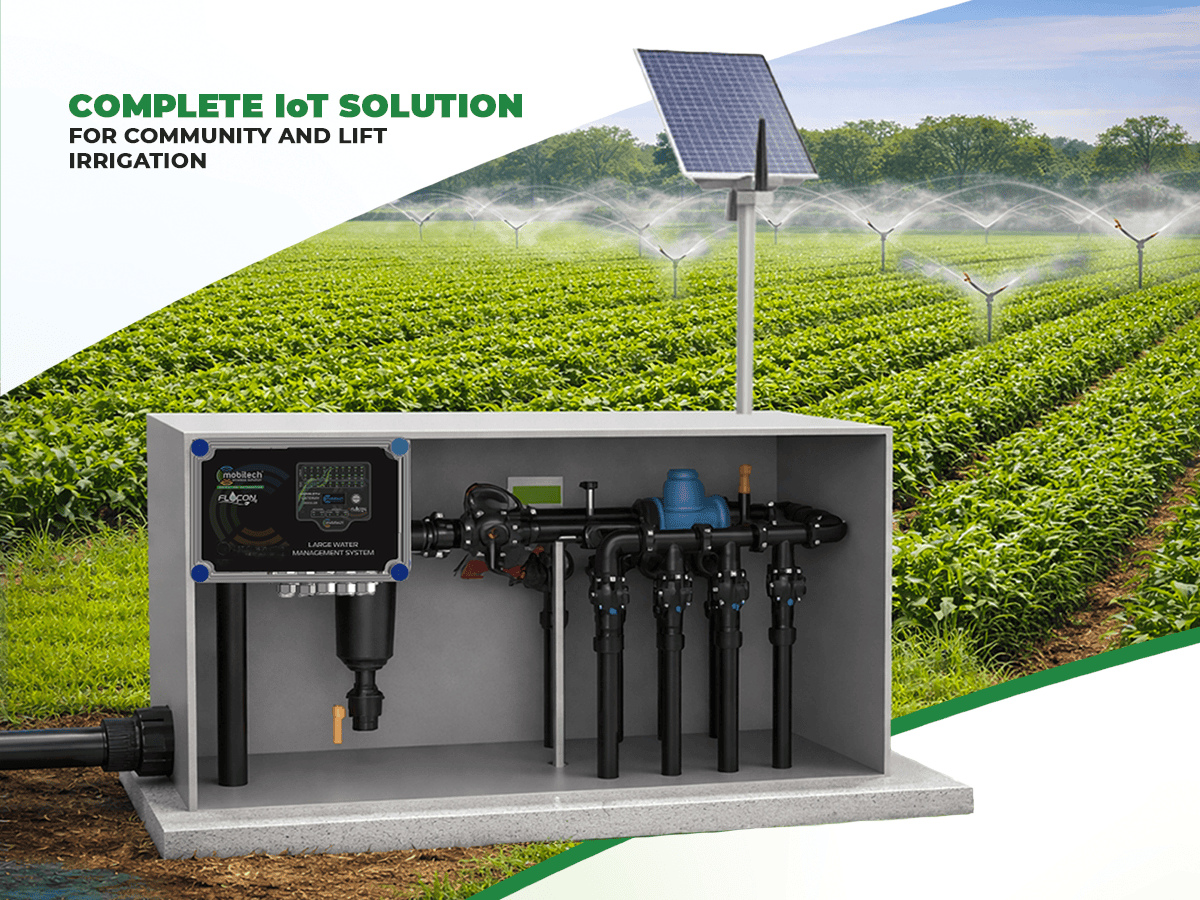
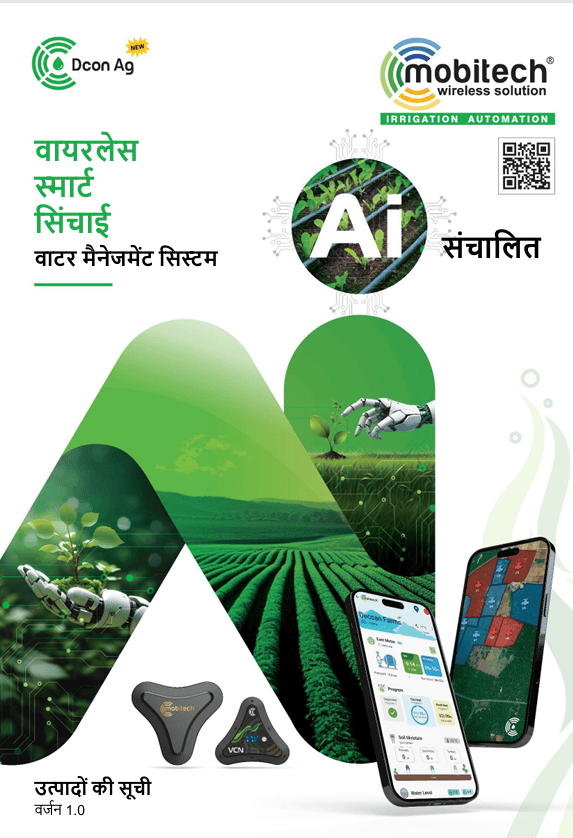
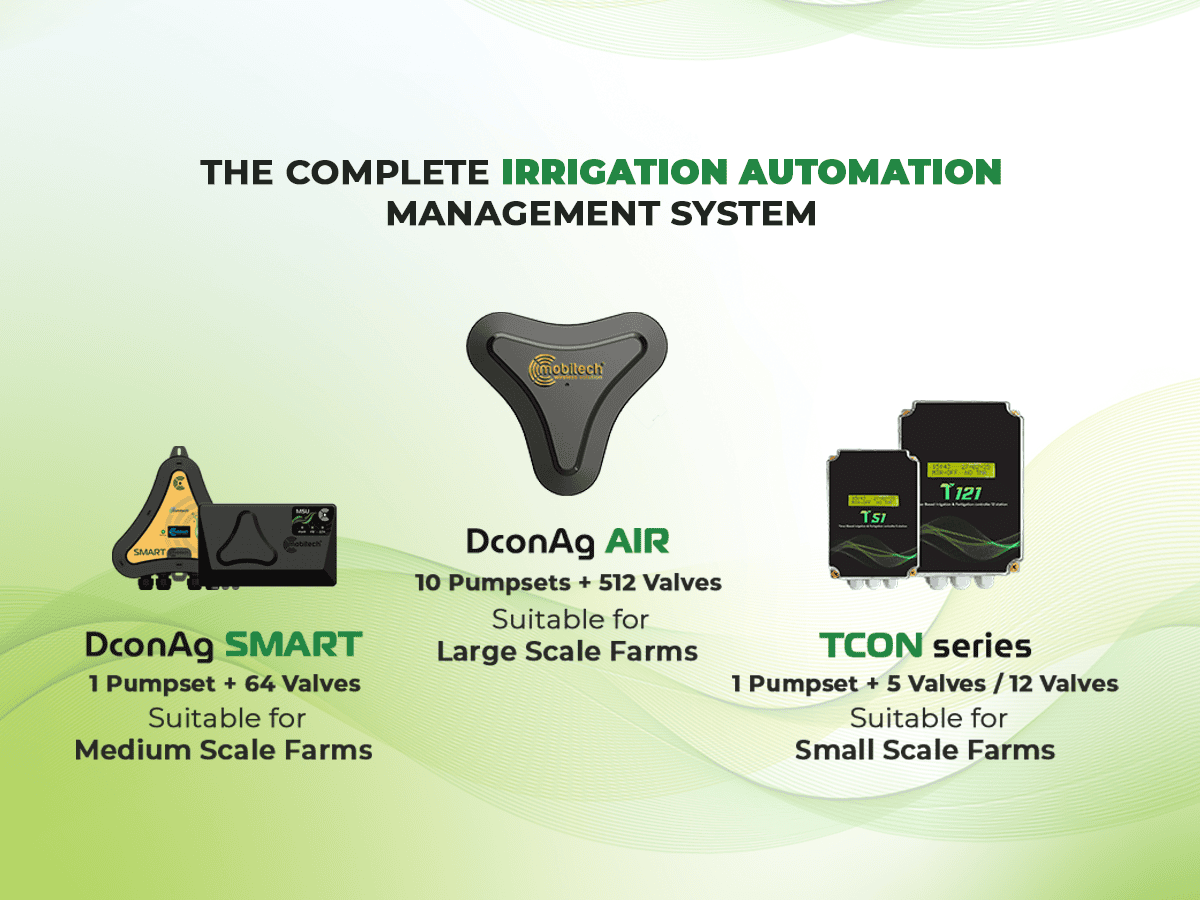
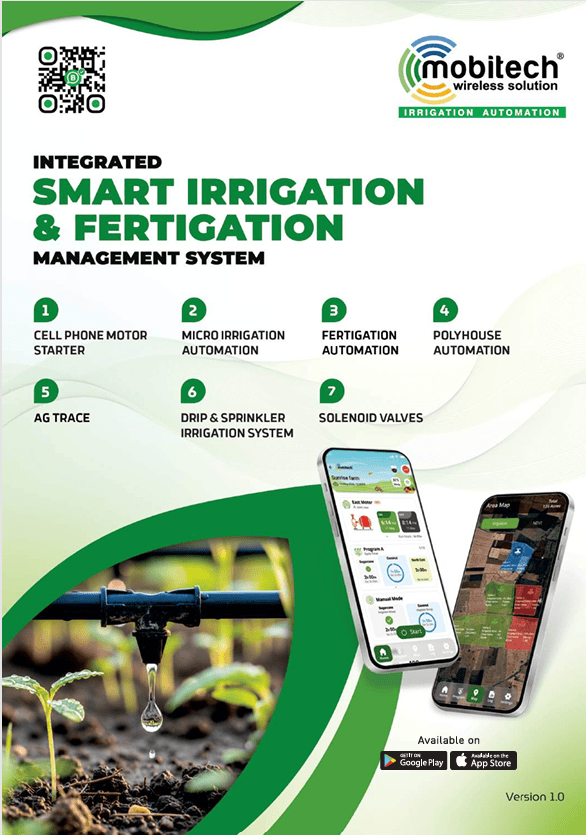
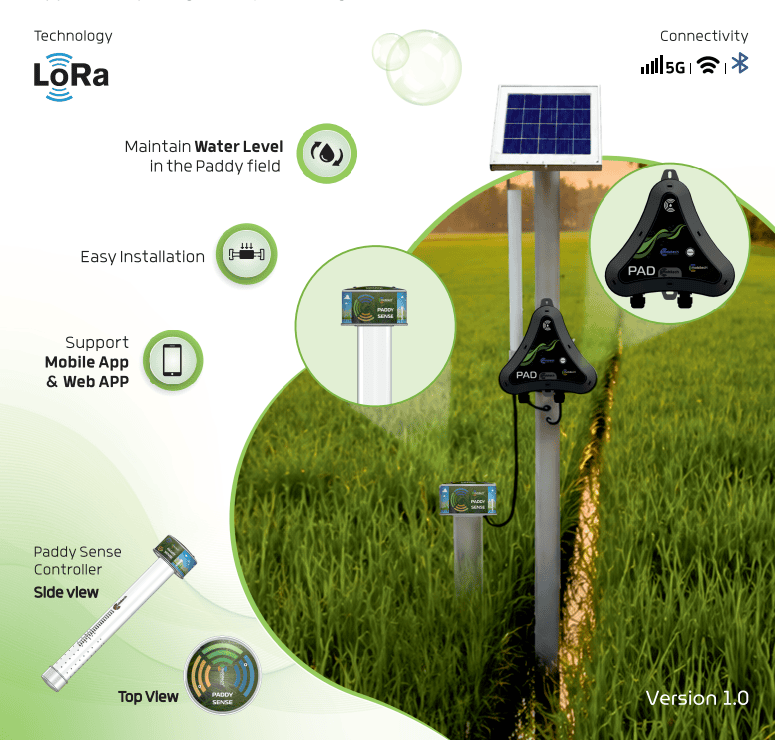
    Modern agriculture is not only about increasing crop yield—it is also about protecting farmers. Smart irrigation systems allow farmers to operate irrigation equipment remotely without visiting the field during dangerous hours.

    Instead of walking through dark fields at midnight, farmers can manage irrigation safely from their homes.

    Benefits of Smart Irrigation Beyond Safety

    • Reduced Snake Bite Risk: Fewer nighttime field visits mean fewer chances of encountering snakes.
    • Water Conservation: Water is supplied only when needed, reducing evaporation and wastage.
    • Better Crop Growth: Plants receive consistent irrigation based on actual field requirements.
    • Lower Labour Requirements: Automation reduces manual monitoring and motor operation.
    • Peace of Mind: Farmers spend less time worrying about irrigation and more time focusing on crop management.

    Conclusion: Creating a Safer Future for Farmers

    Snake bites remain one of the hidden dangers of agriculture, but they are largely preventable. Every farm should combine traditional farming knowledge with modern technology. Simple changes—like wearing protective footwear, keeping fields clean, learning first aid, and installing smart irrigation systems—can save lives.

    Technology should not only improve productivity—it should also protect lives. Every farmer deserves to return home safely after a day’s work.

    Farm safety begins with awareness, prevention, and smarter farming. A few simple precautions today can prevent a life-threatening emergency tomorrow.


    If you have any questions about this , kindly fill in the form below.

    Why are snake bites more common during the monsoon season?

    Snake bites increase during the monsoon because heavy rainfall causes snakes to leave their shelters, while thick vegetation, standing water, and increased rodent activity provide ideal conditions for them. Farmers also spend more time in the fields during this season, increasing the chances of encounters.

    What should I do immediately after a snake bite on the farm?

    If someone is bitten by a snake, keep them calm, move them away from the snake, immobilize the affected limb, remove any tight clothing or jewelry, and take them to the nearest hospital immediately. Do not cut the wound, suck out the venom, or apply a tourniquet, as these methods can make the injury worse.


    How can smart irrigation systems help improve farmer safety?

    Smart irrigation systems allow farmers to control pumps and irrigation schedules remotely, reducing the need for frequent visits to fields, pump rooms, and dense vegetation where snakes may hide. This minimizes exposure to potential snake habitats while improving irrigation efficiency and overall farm safety.


    Need Help?