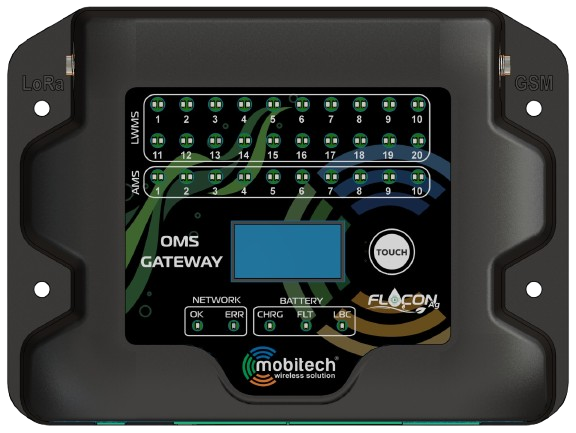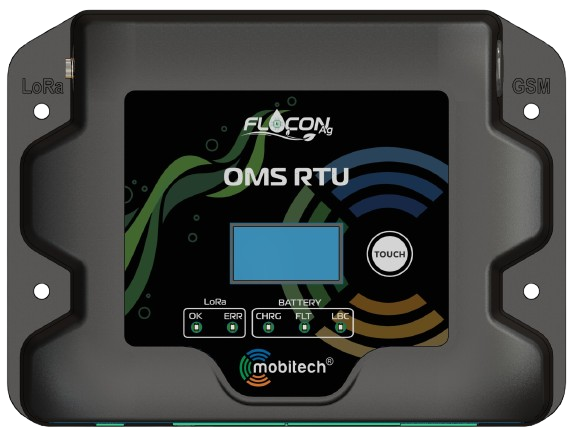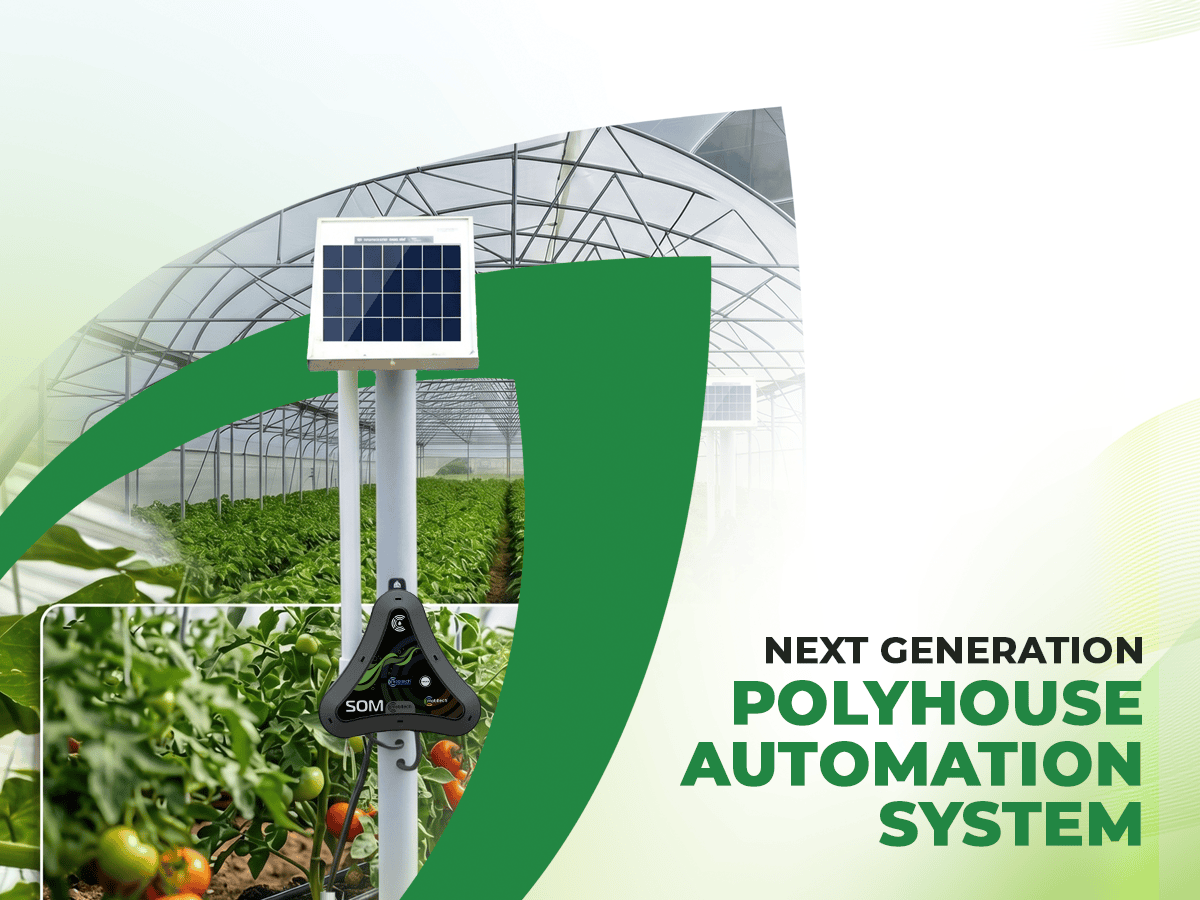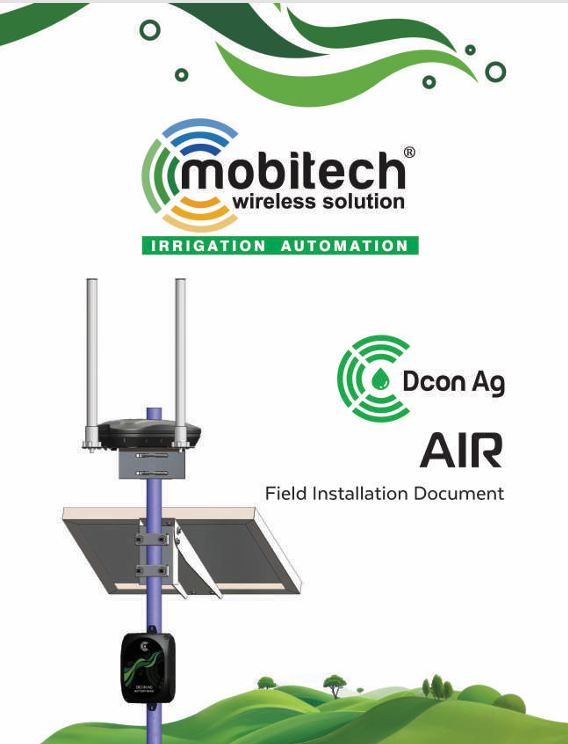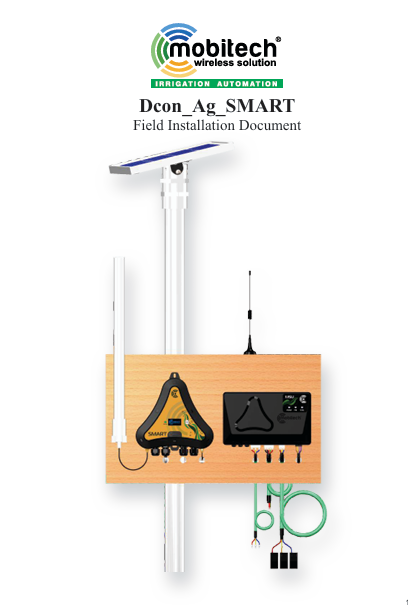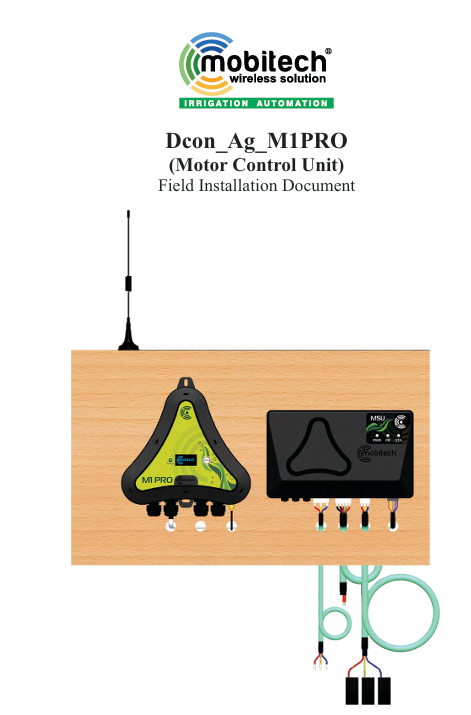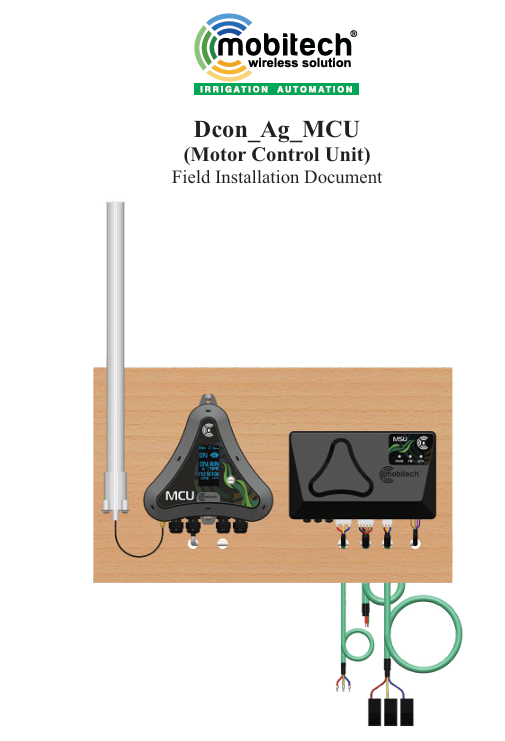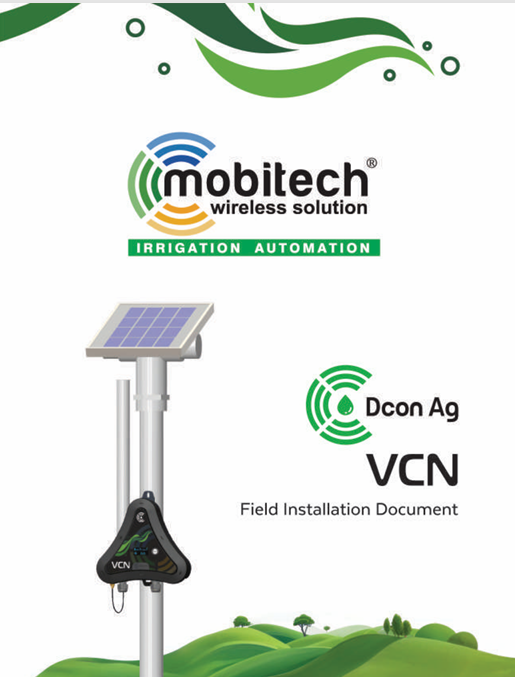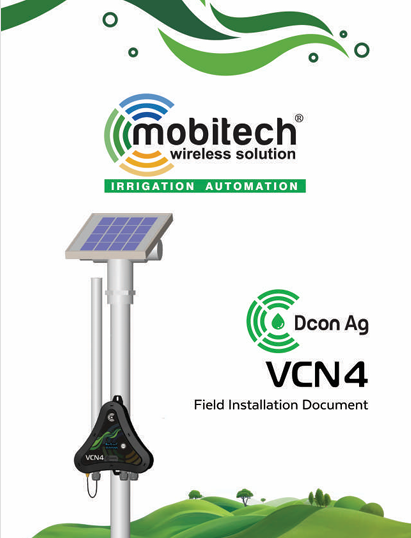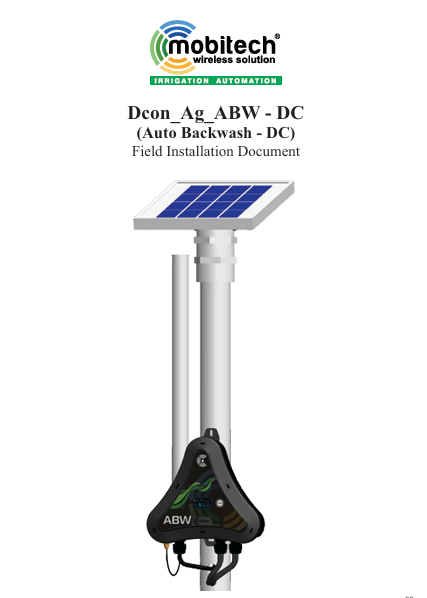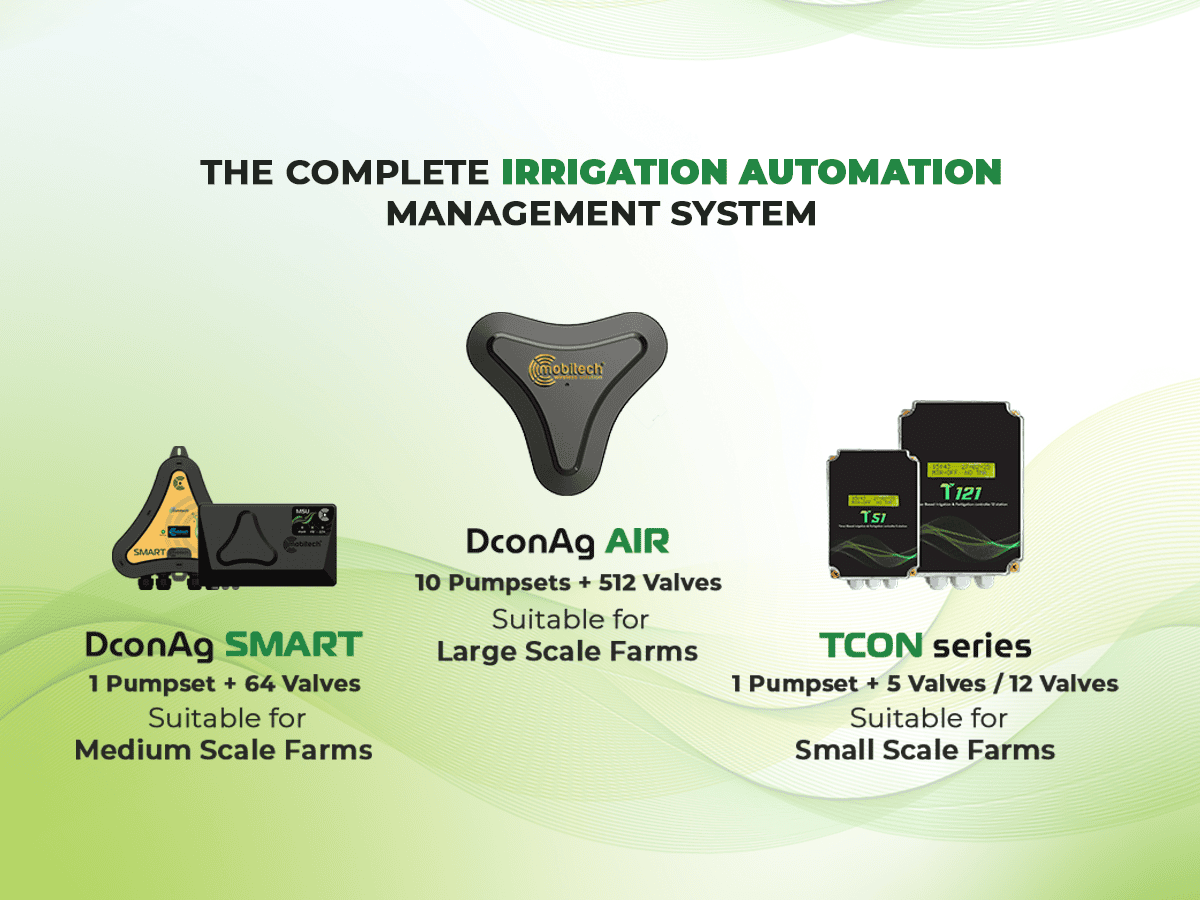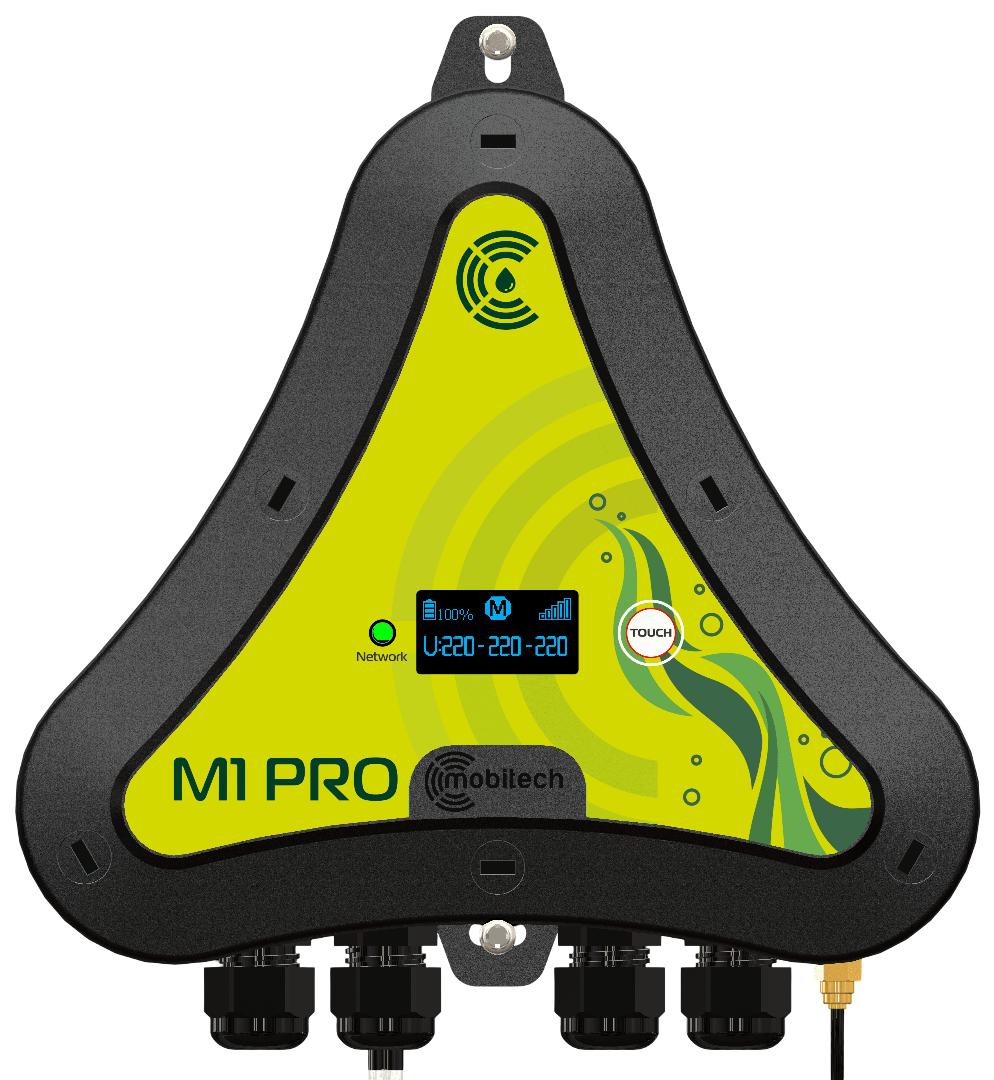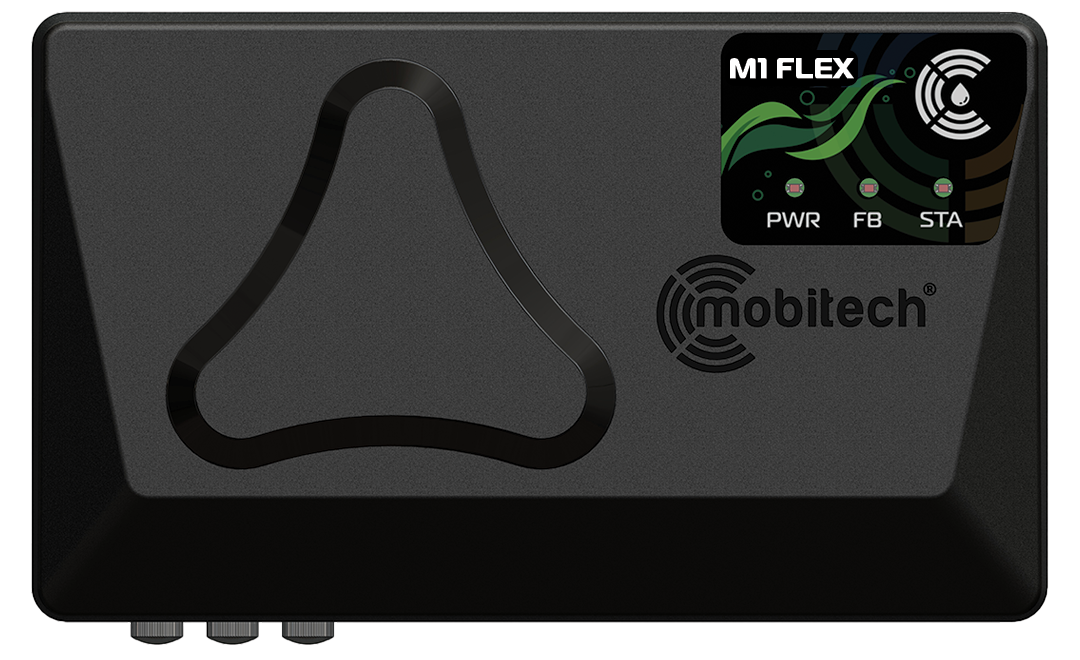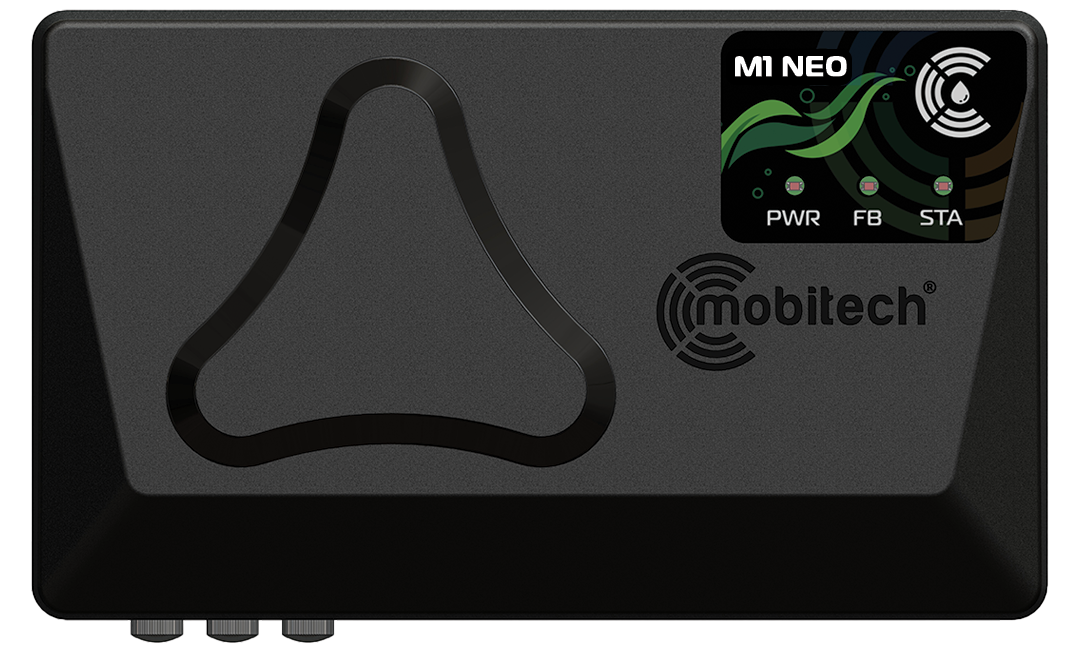
VCN and VCN4 wirelessly connect to AIR and operate DC solenoid valves.
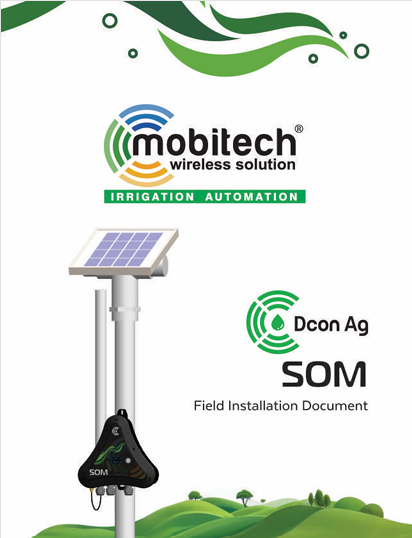
Measures soil moisture, soil temperature, and atmospheric temperature in real time.
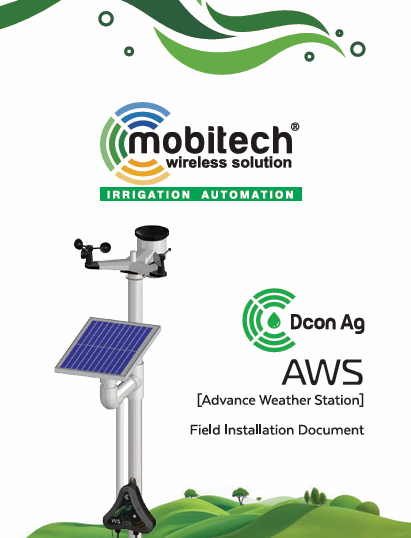
It monitors wind speed, wind direction, temperature, humidity, rainfall, and weather forecasts.
FRT wirelessly receives data from AIR and the fertigation controller to enhance automation.
VCN and VCN4 wirelessly connect to AIR and operate DC solenoid valves.
Measures soil moisture, soil temperature, and atmospheric temperature in real time.
It monitors wind speed, wind direction, temperature, humidity, rainfall, and weather forecasts.
FRT wirelessly receives data from AIR and the fertigation controller to enhance automation.
Micro Irrigation
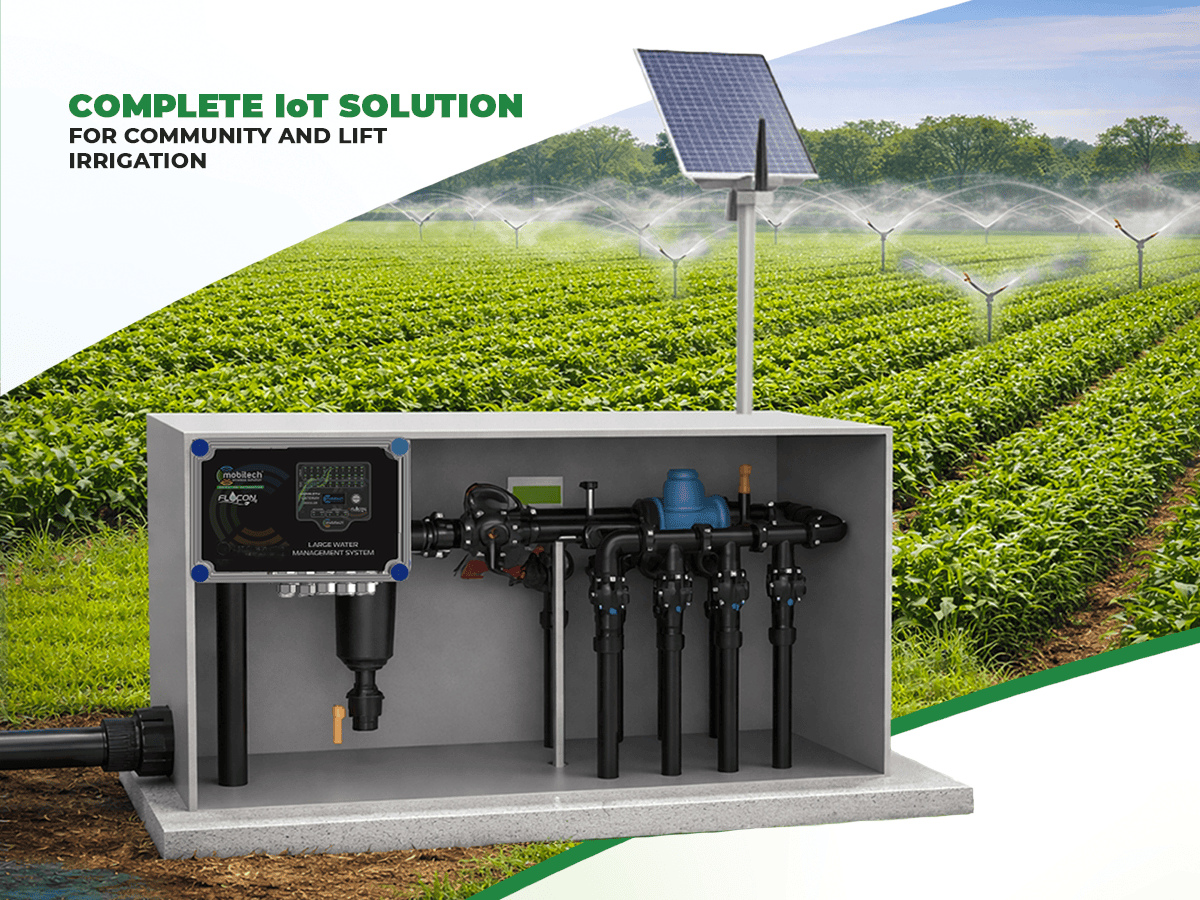
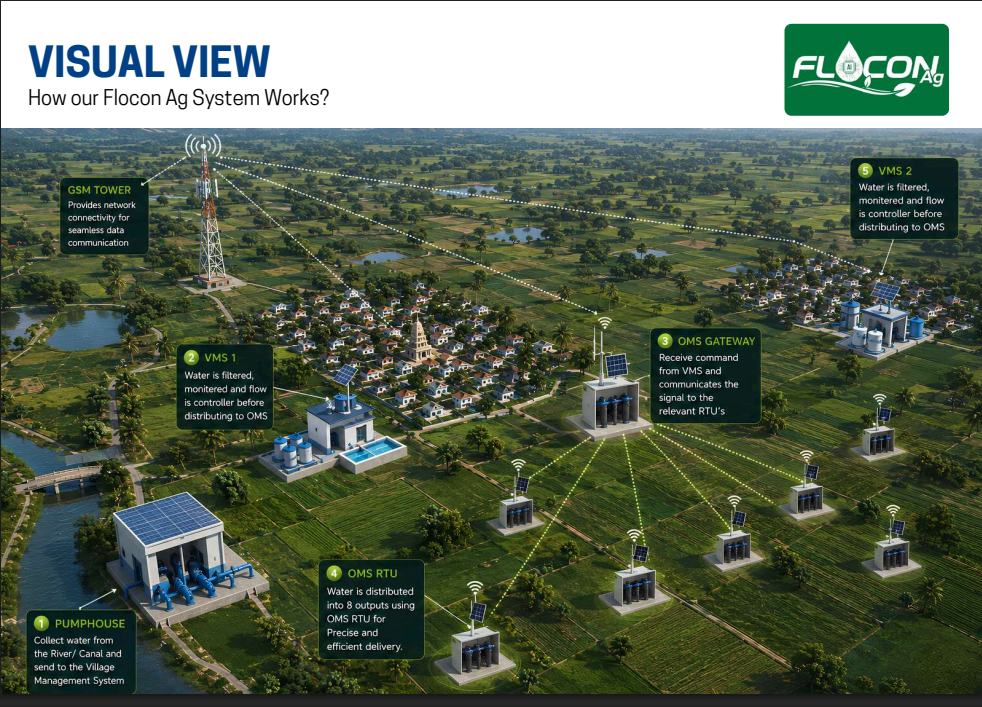
Large Water Management System
Discover how smart Water Level Monitoring Systems are helping farmers reduce stress, save water, automate irrigation, protect motors, and manage farms efficiently using IoT-based automation technology.
Many farmers still begin and end their day by checking water tanks, switching motors ON and OFF manually, and worrying about irrigation schedules.
Sometimes the water overflows.
Sometimes the motor runs dry.
Sometimes farmers wake up at midnight because electricity comes late at night.
For years, this has become part of farming life.
But today, smart automation is changing agriculture.
One small technology is making a huge difference inside farms — the Water Level Monitoring System.
It helps farmers monitor water automatically, reduce manual work, save electricity, and improve irrigation management through smart automation.

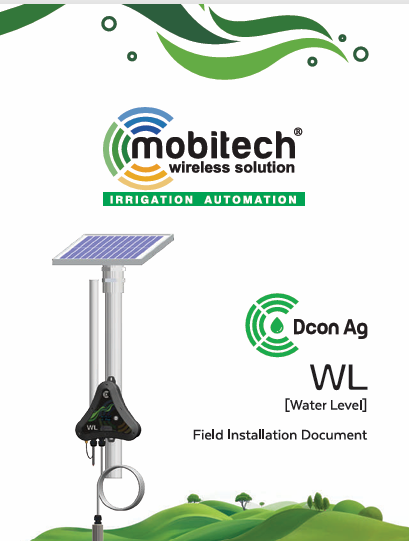
A Water Level Monitoring System is an automated solution that monitors water levels inside tanks, reservoirs, sumps, or irrigation storage systems using sensors and IoT technology.
The system automatically tracks:
Instead of manually checking water every few hours, farmers can automate monitoring and irrigation management easily.
In many farms, water management still depends completely on manual work.
Many farmers think these problems are unavoidable.
But automation proves otherwise.
Modern Water Level Monitoring Systems help automate irrigation and water management completely.
The system can:
This reduces manual dependency and gives farmers better control over irrigation systems.

Technology saves water.
But smart automation saves something even more important.
Peace of mind.
Farmers no longer need to:
Instead, the farm becomes smarter.
The system handles monitoring automatically while the farmer focuses on improving productivity.
Our IoT Based Water Level Monitoring Solution is specially designed for modern agriculture and village farming conditions.
The system provides:
The solution works efficiently for:
| Feature | Benefits for Farmers |
|---|---|
| Real-Time Monitoring | Track water levels instantly from anywhere |
| Automatic Motor Control | Prevents overflow and unnecessary motor running |
| Dry Run Protection | Protects motors and reduces maintenance costs |
| Mobile App Access | Remote farm management using smartphones |
| Water Saving | Reduces water wastage during irrigation |
| Labor Reduction | Less manual field monitoring required |
| Smart Irrigation | Improves irrigation efficiency and crop health |
| Peace of Mind | Reduces stress and simplifies daily farming operations |
| Parameter | Traditional / Manual Water Monitoring | IoT Smart Water Level Monitoring System |
|---|---|---|
| Water Monitoring | Manual tank checking and estimation | Real-time automatic water level tracking |
| Water Wastage | High overflow and excess water loss | Automatic overflow prevention system |
| Labor Requirement | Frequent field visits required | Remote monitoring with minimal labor |
| Motor Operation | Manual ON/OFF switching | Automatic motor control and scheduling |
| Dry Run Protection | High risk of motor damage | Automatic dry run safety protection |
| Electricity Usage | Unnecessary motor running increases EB cost | Optimized motor usage reduces electricity consumption |
| Irrigation Efficiency | Uneven irrigation management | Smart water-based irrigation control |
| System Monitoring | Manual inspection and field dependency | Mobile app based IoT monitoring and alerts |
| Response Time | Problems identified late manually | Instant alerts and real-time notifications |
| Water Management | Experience-based operation | Data-driven precision water management |
| Stress for Farmers | Continuous monitoring and night-time checking | Automated operation with peace of mind |
| Long-Term Cost | Higher labor, maintenance, and water wastage expenses | Lower operational cost with smart automation |
Modern agricultural automation research shows that smart water management systems significantly improve irrigation efficiency and reduce resource wastage compared to traditional manual monitoring methods.
Studies in precision agriculture indicate that IoT-based Water Level Monitoring Systems can:
In many farming regions, farmers still depend on manual tank monitoring and physical field visits for irrigation management.
This creates practical challenges such as:
Because of these daily farming challenges, permanent IoT-based smart water monitoring systems are becoming an important part of modern farm automation.
The future of modern farming depends heavily on smart irrigation, automation, and precision water management technologies.
As water scarcity and labor shortages continue to increase, farmers are rapidly moving toward automated water monitoring systems for better irrigation efficiency.
In the coming years, technologies such as:
will play a major role in transforming agriculture into a smarter, more sustainable, and water-efficient industry.
Water management has become one of the biggest challenges in modern agriculture.
For years, farmers have depended on manual monitoring, repeated field visits, and constant motor checking to manage irrigation systems. This not only wastes valuable time but also increases water loss, electricity consumption, and daily stress.
Today, IoT-based Water Level Monitoring Systems are changing the way farms operate.
With real-time monitoring, automatic motor control, mobile app access, and smart irrigation management, farmers can reduce manual work and improve overall farm efficiency significantly.
More importantly, automation gives farmers something beyond technology — confidence and peace of mind.
Instead of worrying about:
farmers can focus on improving productivity and crop growth through smarter water management.
As agriculture continues moving toward automation and precision farming, Water Level Monitoring Systems will become an essential part of sustainable and efficient farming practices.
Because the future of farming is not only about using more water.

It is about using water smarter.
Yes. IoT Water Level Monitoring Systems are suitable for almost all types of agricultural farms including drip irrigation farms, coconut farms, banana cultivation, sugarcane fields, vegetable farms, turmeric cultivation, borewell irrigation systems, and large-scale agricultural operations.


It reduces manual tank checking, prevents overflow, protects motors, and helps farmers monitor water levels remotely through smart automation.
Yes. The system is designed with simple mobile app controls and automatic operation, making it easy for farmers to monitor and manage irrigation systems.
Yes. IoT-based systems provide real-time alerts and notifications when water levels become too low or too high.