











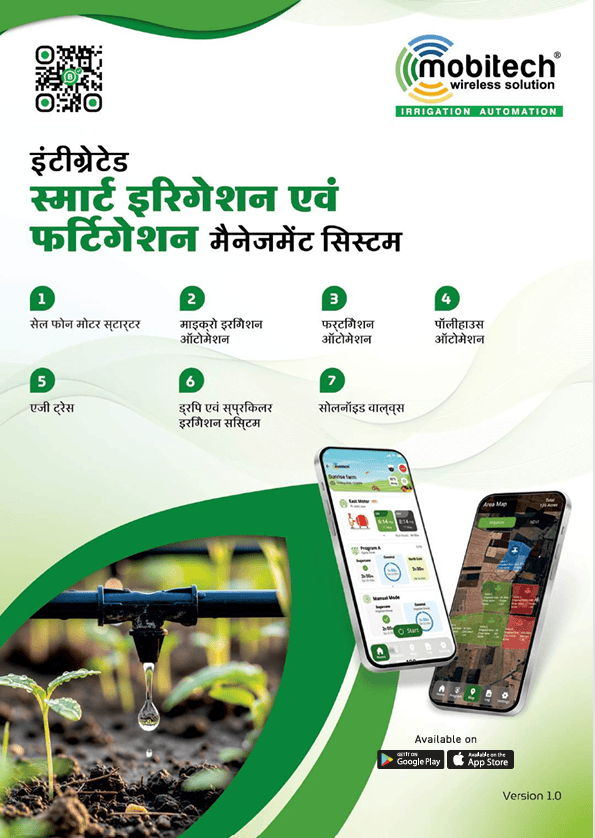













IoT Based Smart Fertigation System for Modern Farming
Discover how IoT Based Smart Fertigation Systems are transforming modern agriculture with automated fertilizer control, solar-powered irrigation, mobile app monitoring, and precision farming technology for higher productivity and lower operational costs.
Introduction
Agriculture is rapidly changing with smart automation technologies. Today, farmers are looking for better ways to reduce labor dependency, save water, optimize fertilizer usage, and improve crop productivity. One of the biggest innovations helping modern agriculture is the IoT Based Smart Fertigation System.
Traditional fertilizer application methods often waste water, increase labor costs, and create uneven nutrient distribution in the field. In many villages, farmers still depend on manual fertigation methods or drone spraying services that are expensive and not always available on time.
However, smart fertigation systems powered by IoT and solar automation are solving these problems through real-time monitoring and remote control technology.

What is a Smart Fertigation System?
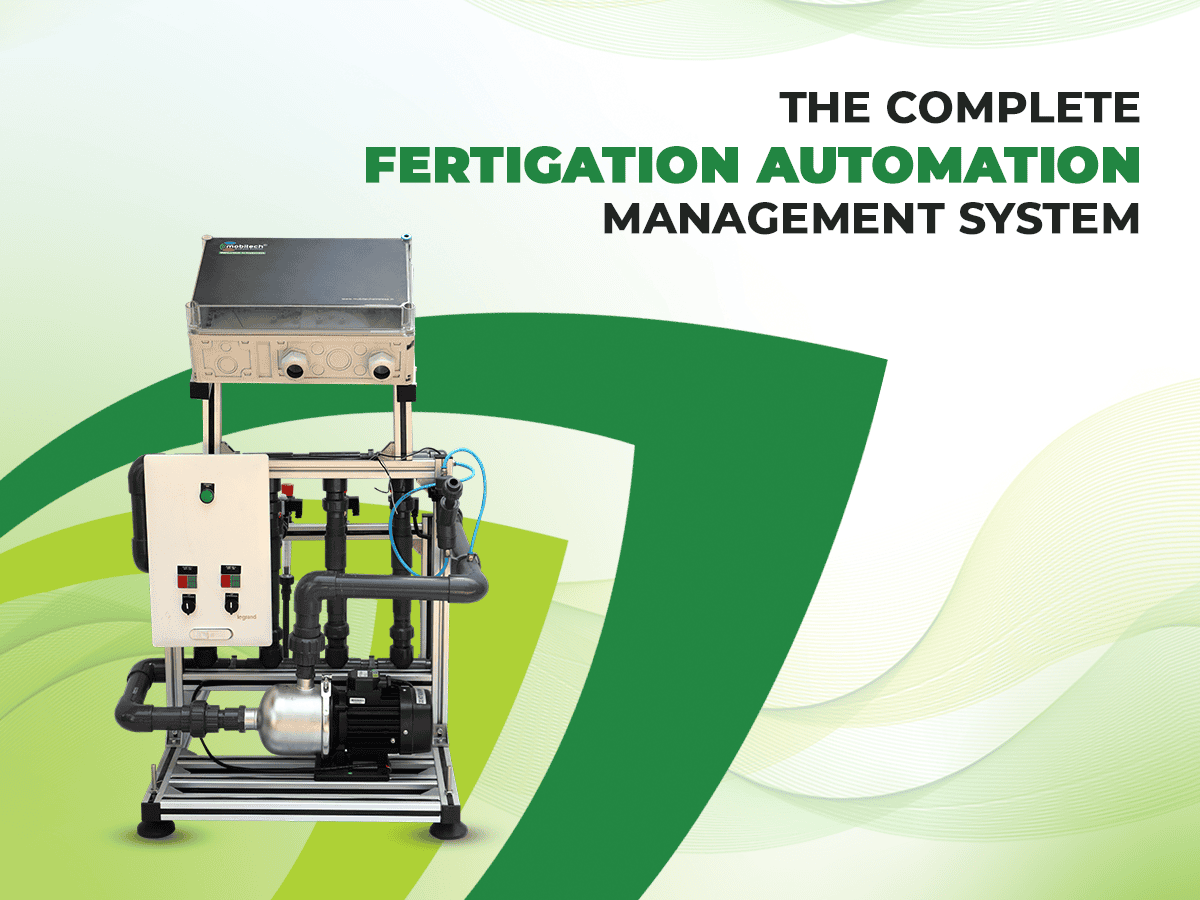
A Smart Fertigation System is an advanced agricultural automation solution that combines irrigation and fertilizer application using IoT technology, automation controllers, sensors, and mobile monitoring systems.
The system automatically controls:
- Water flow
- Fertilizer dosing
- Irrigation timing
- Motor operations
- Remote ON/OFF control
- Soil and crop-based fertigation scheduling
As a result, farmers can save water, reduce fertilizer wastage, improve crop growth, and manage farms remotely using smartphones.
Why Farmers are Moving Towards Smart Fertigation
Modern farming faces many challenges:
- Labor shortage in villages
- Increasing fertilizer prices
- Water scarcity
- High electricity costs
- Unpredictable climate conditions
- Difficulty in managing large farms manually
Many farmers now realize that manual irrigation and traditional fertilizer application are no longer efficient for large-scale agriculture.
This is why IoT Based Smart Fertigation Systems are becoming an important part of Precision Agriculture.
Problems with Drone Fertigation and Manual Methods
Recently, drone fertigation and spraying services have become popular in some regions. However, many farmers in rural villages still face practical problems while depending on drone-based operations.
- Drone services are not available in many village areas
- Some operators charge very high service costs
- Weather conditions affect drone operations
- Battery charging and maintenance increase expenses
- Manual fertigation requires constant labor support
- Uneven fertilizer distribution can affect crop growth
- Farmers must wait for external operators during urgent situations
Because of these challenges, many farmers are now shifting towards permanent automated fertigation systems that work continuously inside their own farms.

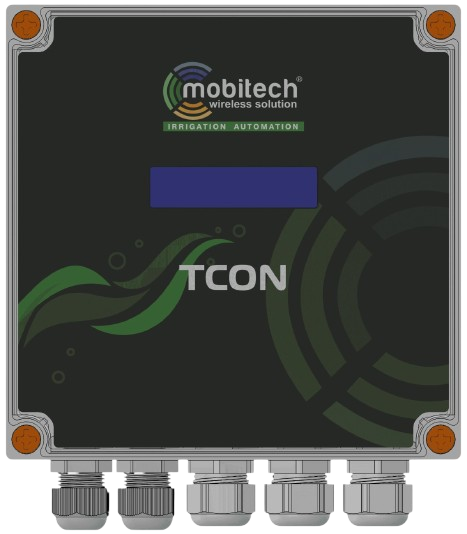
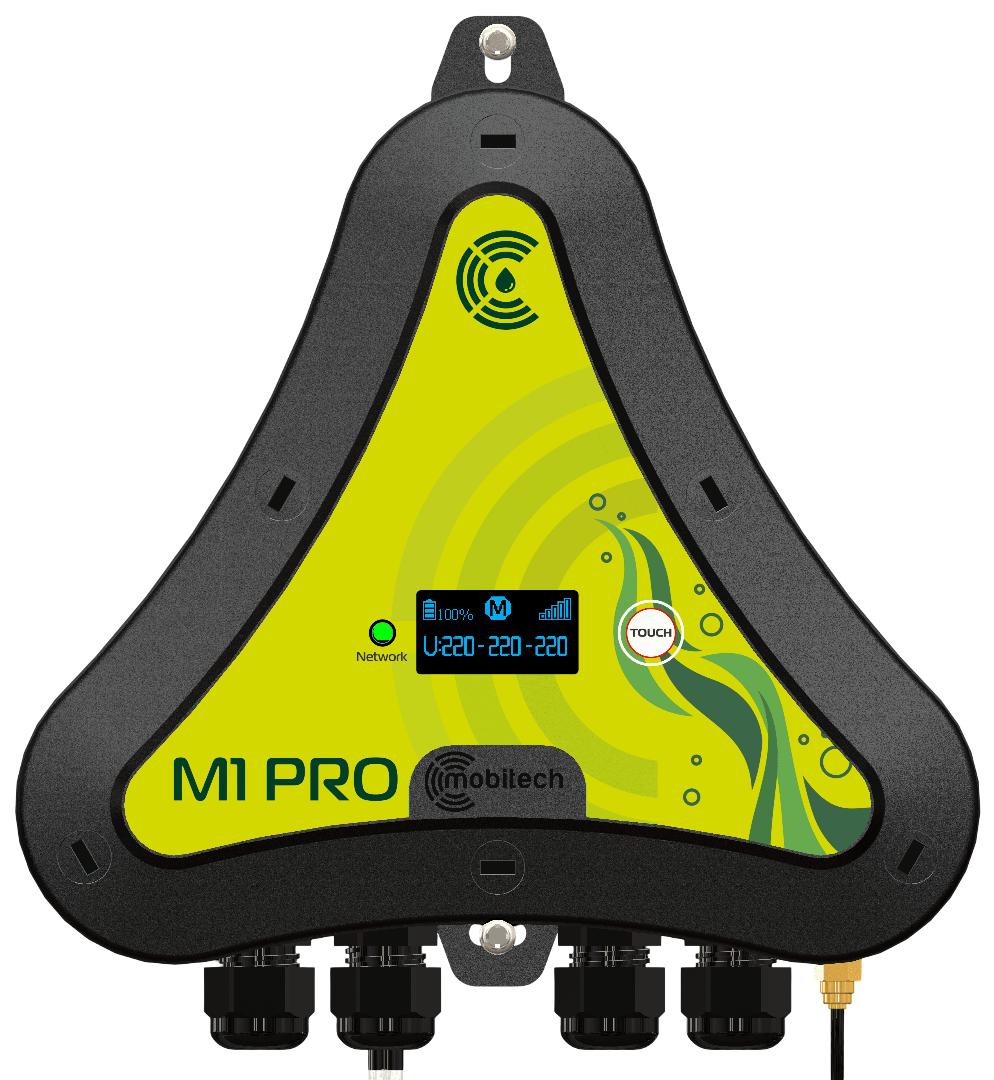
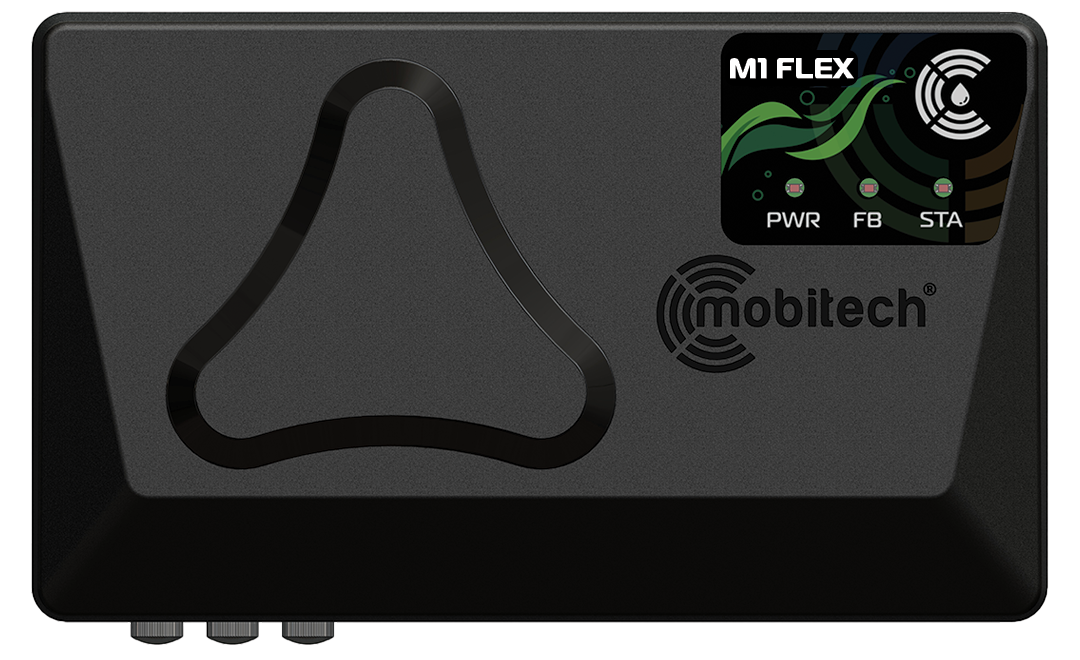
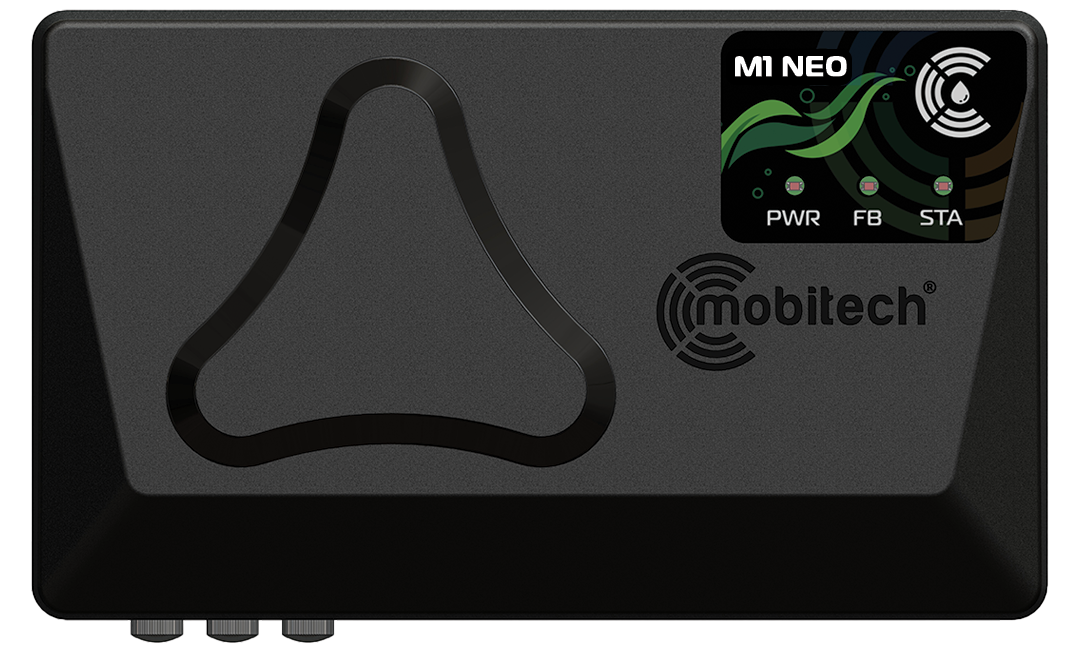
Mobitech IoT Based Smart Fertigation Solution
Our Smart Fertigation Automation System is designed especially for modern Indian agriculture and village farming conditions.
The system offers:
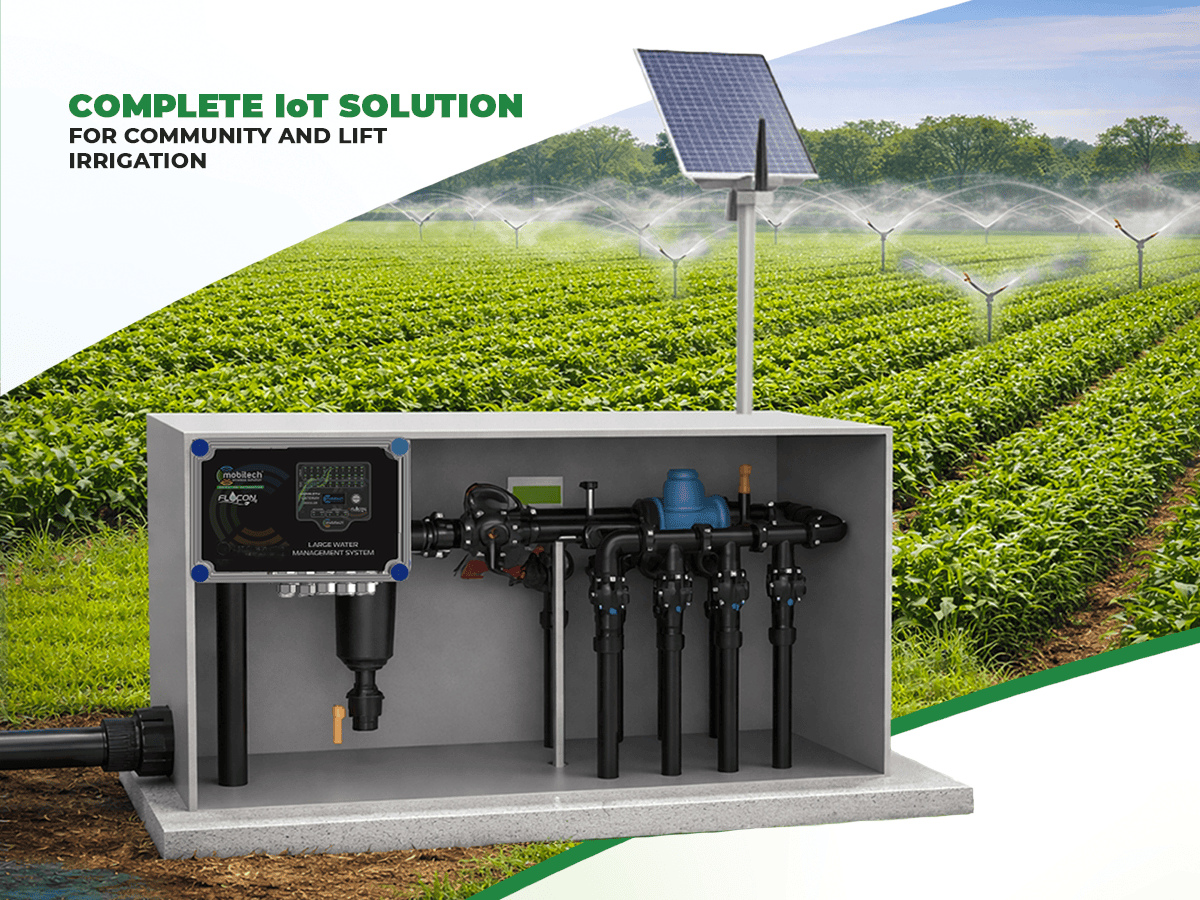
- Solar-powered operation for low electricity dependency
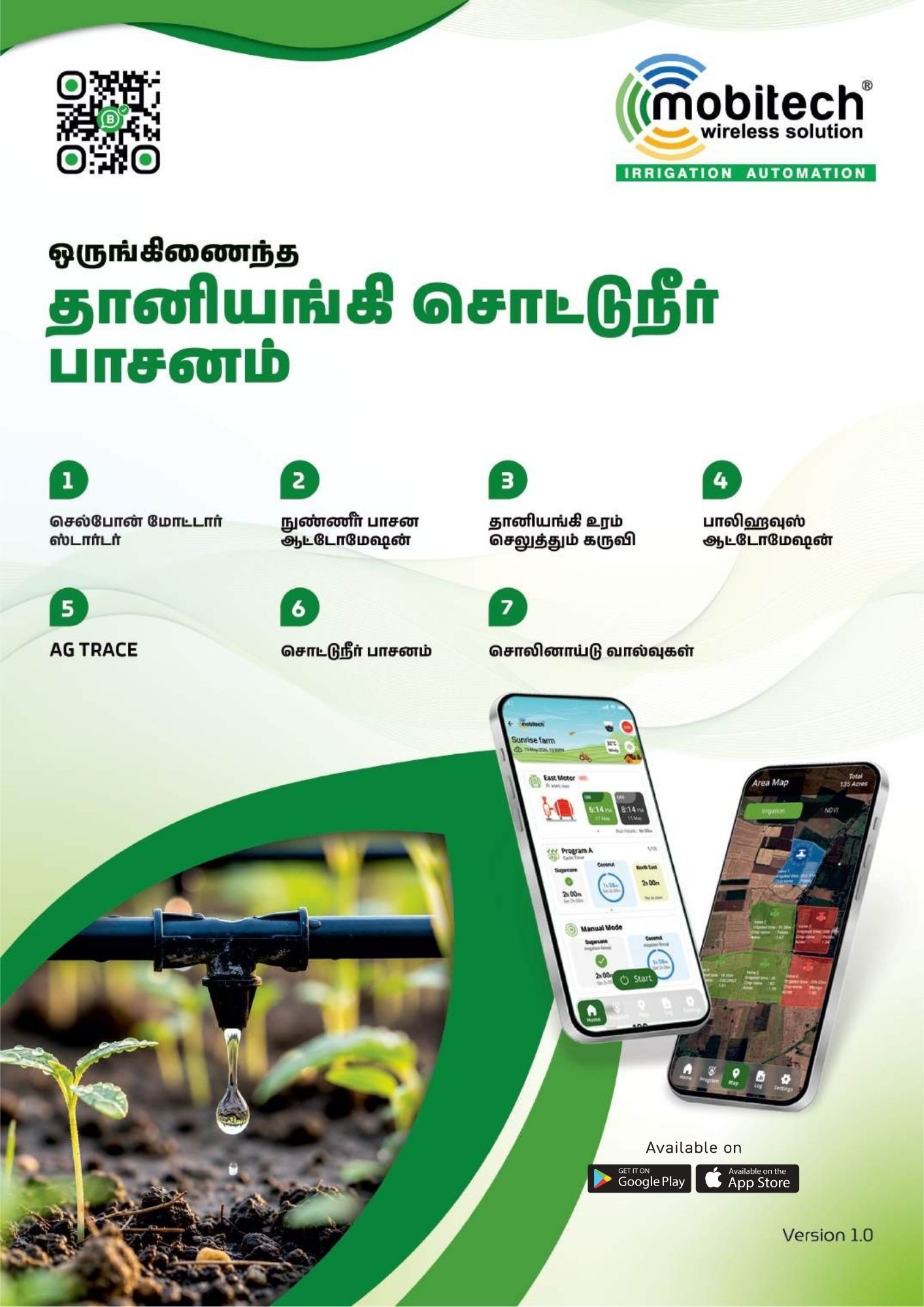
- Remote mobile app control from anywhere
- Automatic fertilizer mixing and dosing
- Automated irrigation scheduling
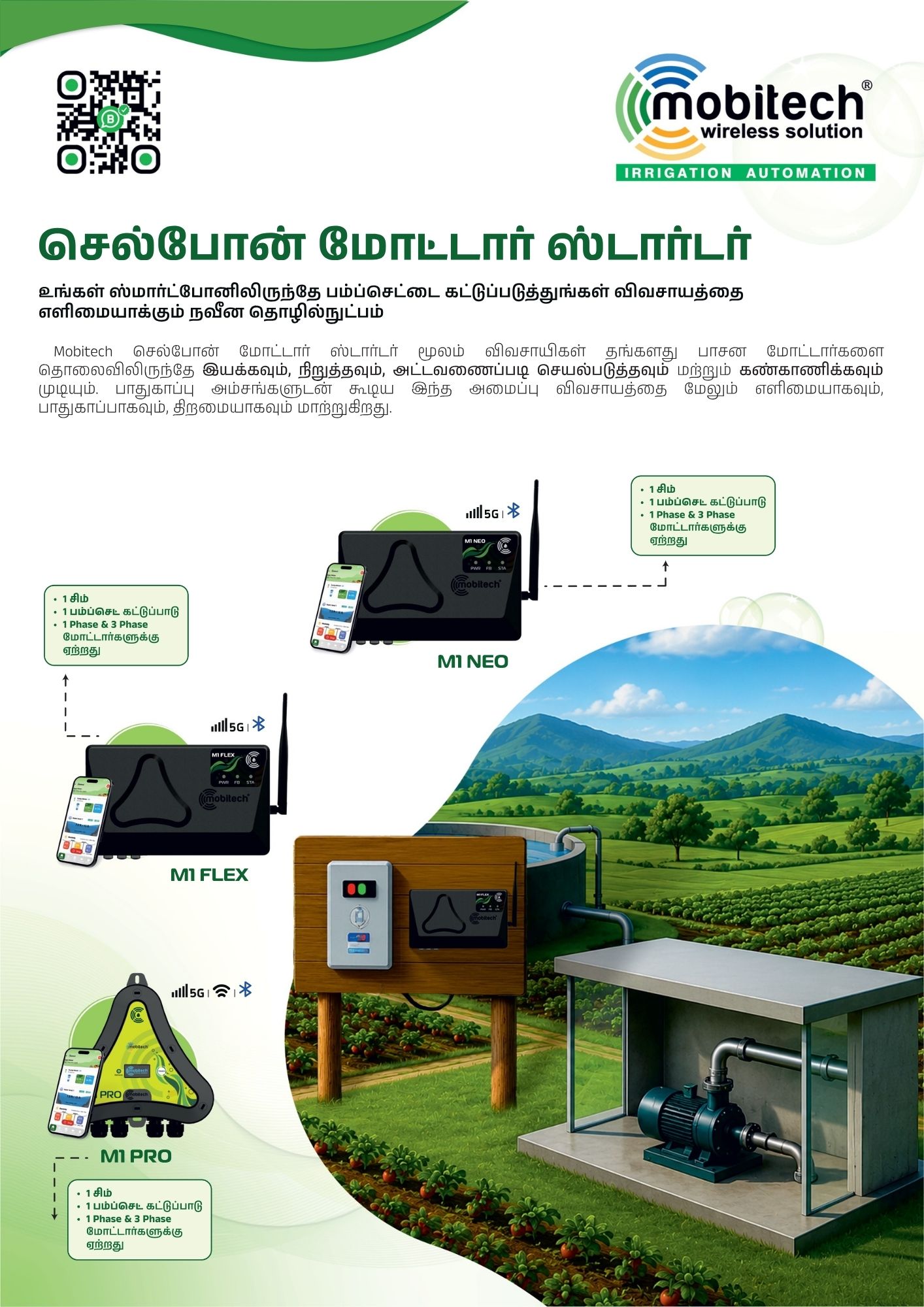
- Motor automation and protection
- Real-time monitoring and alerts
- Easy operation for farmers
- Suitable for drip irrigation systems
- Reduced labor dependency
Unlike temporary drone spraying services, our automation system works permanently inside the farm and provides continuous irrigation and fertigation management.
How IoT Smart Fertigation Works
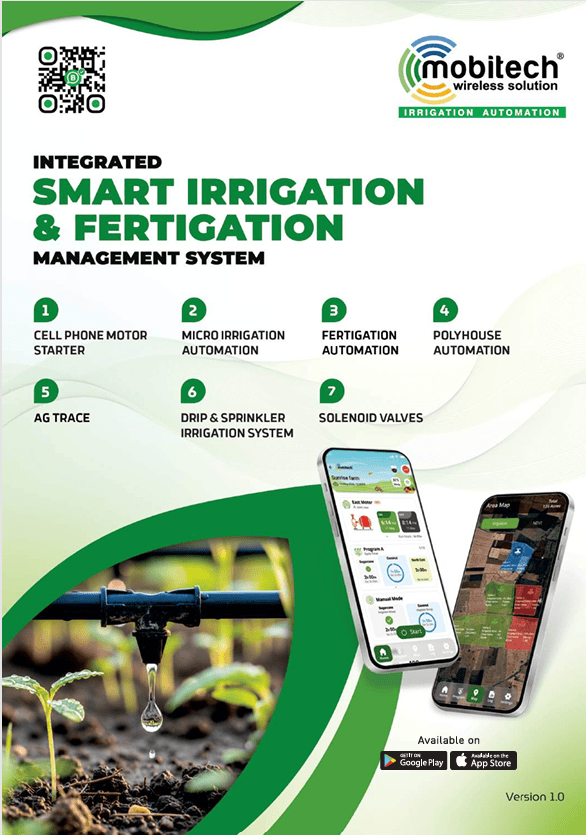
- The farmer sets irrigation and fertilizer schedules using a mobile app
- The controller automatically operates pumps and fertigation valves
- Fertilizers are injected into the irrigation pipeline precisely
- Water and nutrients are distributed evenly across crops
- Farmers receive real-time updates and notifications remotely
- The system reduces manual intervention and improves efficiency
Why Smart Automation is the Future of Farming
Many farmers spend hours every day managing motors, irrigation timing, fertilizer mixing, and field monitoring manually. During peak seasons, labor shortages create additional stress and delays.
Smart fertigation automation gives farmers something very important — control, efficiency, and peace of mind.
Even if the farmer is away from the field, irrigation and fertilizer management can continue remotely through mobile-based automation systems.
This is especially useful for:
- Banana Farms
- Coconut Farms
- Sugarcane Cultivation
- Turmeric Farms
- Vegetable Cultivation
- Drip Irrigation Projects
Benefits of IoT Based Smart Fertigation System
| Feature | Benefits for Farmers |
|---|---|
| IoT Automation | Remote monitoring and smart farm control |
| Solar Powered System | Reduced electricity dependency and operational cost |
| Automatic Fertigation | Precise fertilizer distribution across crops |
| Mobile App Control | Operate irrigation systems from anywhere |
| Water Saving | Efficient irrigation with reduced wastage |
| Labor Reduction | Less dependency on manual workers |
| Uniform Crop Growth | Better nutrient management and higher productivity |
| Cost Efficiency | Lower fertilizer, labor, and maintenance expenses |
