



























A Mango Farm Case Study
January 20, 2026


Research conducted by the Mobitech Research Team
Authors
Mobitech Research Team
This case study was researched and drafted by the Mobitech Research Team. The research was conducted from May 09, 2024 to November 09, 2024.
Abstract
This case study examines the implementation of a smart irrigation system at AKR Farms, Coimbatore, and its impact on coconut farming.
By comparing automated irrigation with traditional methods across a 3-acre automated farm and a 3-acre non-automated farm, the study highlights significant improvements in water conservation, yield, labor cost savings, and coconut quality.
Data collected over six harvest cycles showed a 53.1% reduction in water usage and a 59.1% increase in coconut yield per tree. Additionally, labor costs were reduced by 99% due to automation.
Enhanced coconut quality led to better market value, demonstrating the economic and environmental benefits of smart irrigation. The findings support wider adoption of automation for sustainable and profitable farming.
Introduction
AKR Farms, located in Coimbatore, Tamil Nadu, has been cultivating coconuts for over a decade using traditional irrigation methods.
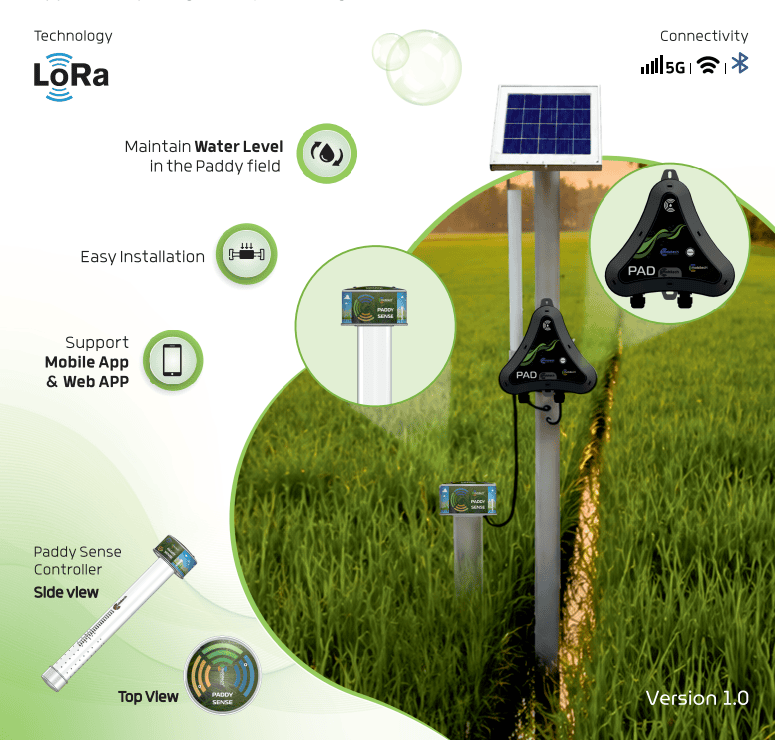
To optimize resource usage and enhance yield, a smart irrigation system was implemented on a 3-acre section of the farm, allowing for a comparative study between automated and non-automated irrigation systems of the same size.
The objective of this study was to assess the impact of smart irrigation on water usage, yield improvement, labor cost reduction, and overall profitability.
Methodology
Two sections of the coconut farm were selected:
- Traditional Irrigation Field (Non-Automated)
- Automated Irrigation Field (Smart Irrigation Installed)
Data was collected on a weekly basis for water consumption and on a 40-day harvest interval for yield assessment over a period of six harvest cycles.
A water flow meter was used to measure irrigation water usage. Financial parameters such as labor costs and maintenance expenses were also recorded.
Research on Key Parameters
1. Water Usage (Liters per Acre per Day)
2. Yield Improvement (Coconuts per Tree per Harvest Cycle)
Findings: The smart irrigation system increased coconut yield by an average of 59.1% per tree per harvest cycle due to optimized water supply and soil moisture consistency.
3. Impact on Coconut Quality and Market Value
- Taste & Nutrient Quality: The quality of coconut water improved due to consistent moisture levels maintained by the automated system.
- Market Price: Premium coconuts (larger and more uniform in size) fetched ₹3–5 more per coconut compared to those from the non-automated field.
4. Labor Cost Savings
Findings: The smart irrigation system eliminated the need for manual irrigation labor, leading to a 99% reduction in labor costs.
5. Return on Investment (ROI) Analysis
Findings: The one-time investment of ₹60,000 – ₹70,000 per acre pays off within 12–16 months, with steady profits in subsequent years.
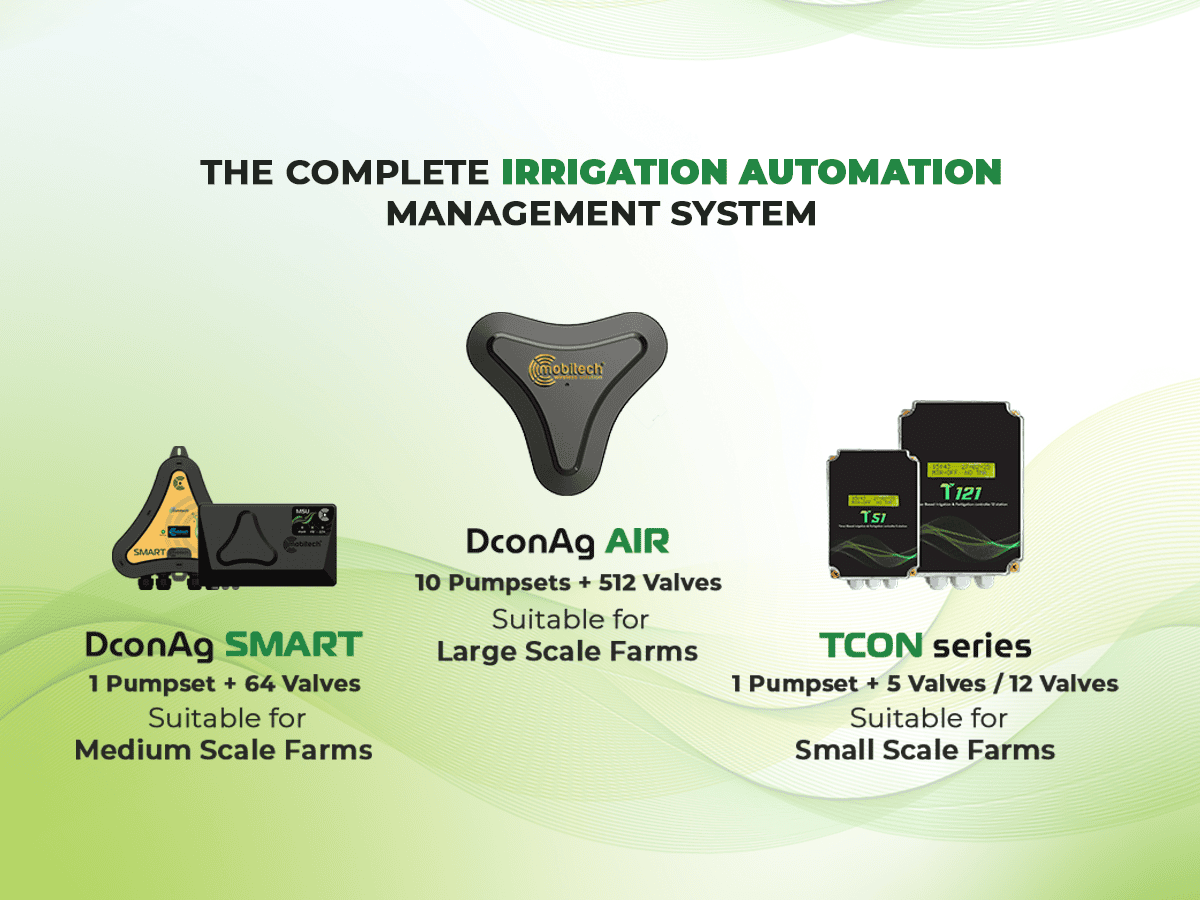
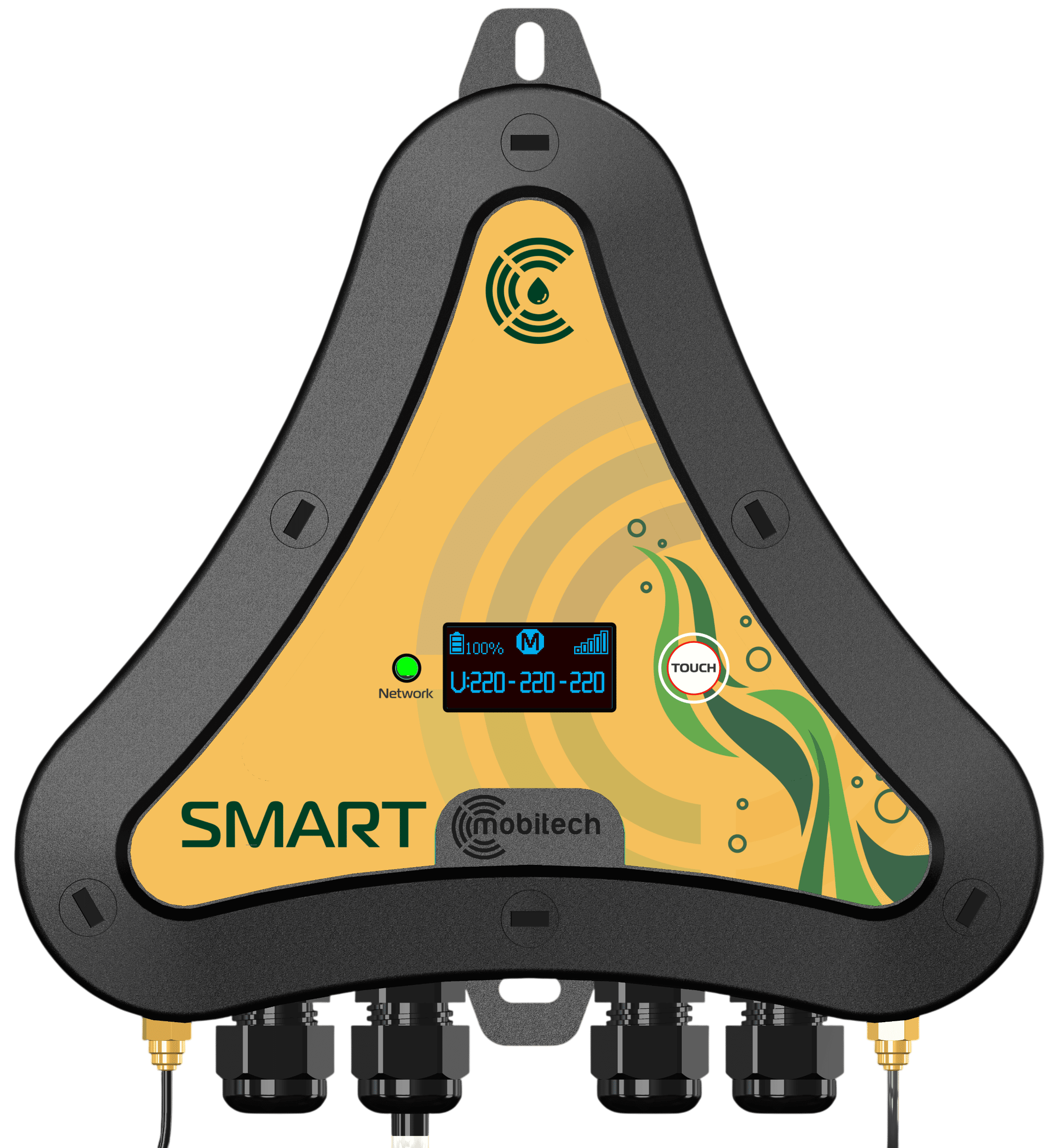
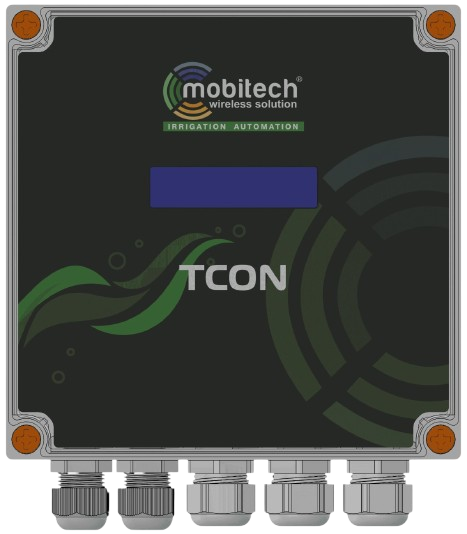
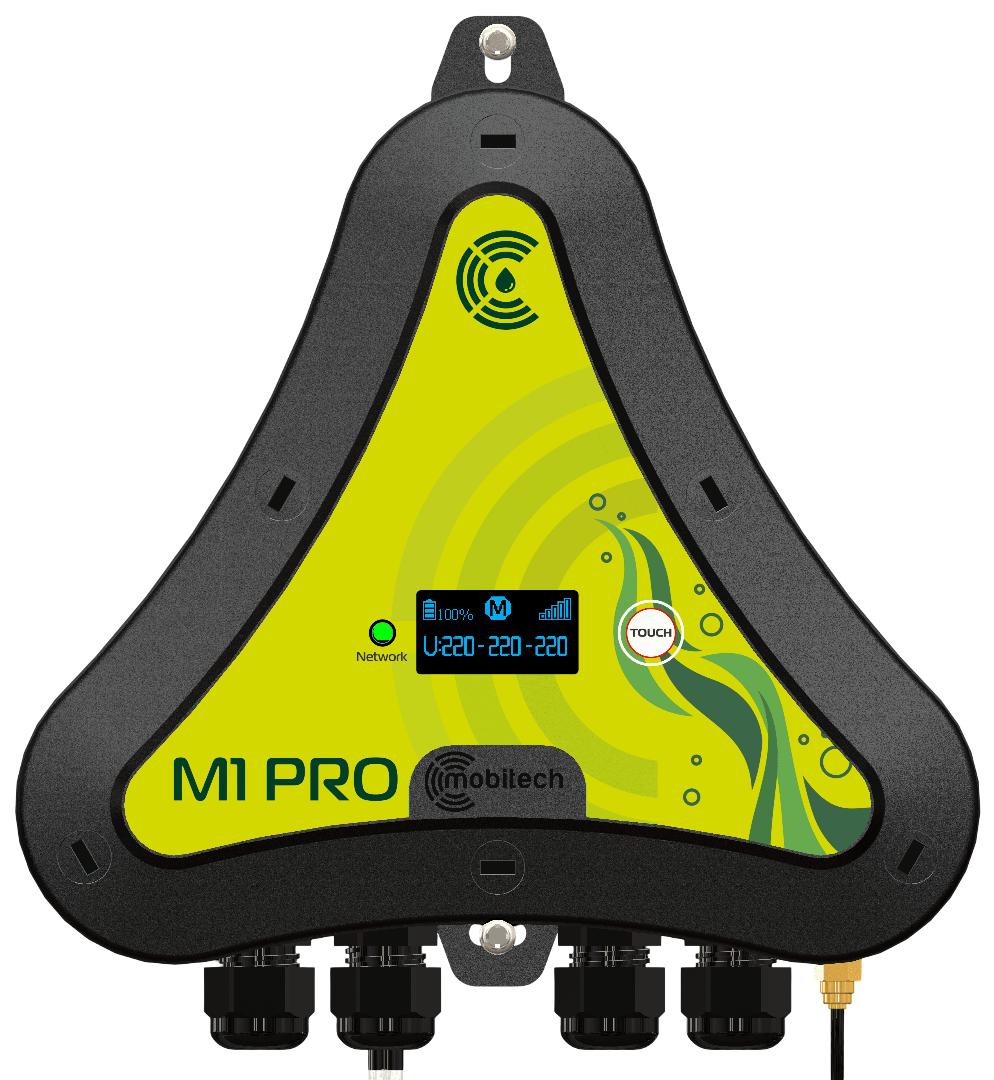
The implementation of smart irrigation at AKR Farms required a one-time investment of ₹60,000 – ₹70,000 per acre. This includes the cost of installing automated drip systems, sensors, controllers, and network connectivity.
Year 1: Initial Investment & Immediate Savings
In the first year, the farm eliminated labor costs of ₹22,000 per month (₹2,64,000 per year) and significantly reduced water usage.
Additionally, due to the increase in coconut yield (from an average of 28 coconuts per tree to 44 coconuts per tree), the extra income from increased yield amounted to approximately ₹1,95,000 per acre per year.
Combining labor savings and extra income, the total financial benefit in the first year was ₹3,59,000 – ₹3,69,000 per acre, achieving a full return on investment within 12–16 months.
Year 2: Maximized Profitability
By the second year, since the smart irrigation system was already installed, there was no additional investment required for infrastructure or setup.
The farm continued to save ₹2,64,000 per year through the elimination of manual irrigation labor costs.
At the same time, the improved coconut yield generated approximately ₹1,95,000 per year in additional income due to higher production and better coconut quality.
As a result, the cumulative financial benefit by the end of Year 2 increased to approximately ₹5,58,000 – ₹5,68,000 per acre, demonstrating the strong economic value of smart irrigation technology.
Year 3: Long-Term Returns
By the third year, the farm had already achieved complete recovery of its initial investment and continued to generate consistent profits through automation-driven farming practices.
With continuous labor savings, efficient water management, and higher crop productivity, the total financial gain reached approximately ₹8,22,000 – ₹8,32,000 per acre.
This indicates that an initial investment of ₹60,000 – ₹70,000 per acre generated more than ₹8 lakh in additional income within three years.
The findings clearly show that smart irrigation systems are not only sustainable but also highly profitable for long-term coconut farming operations, helping farmers reduce dependency on labor while significantly improving productivity and revenue.
Future Scope
- Further research can be conducted on soil health improvement and nutrient retention achieved through optimized irrigation practices.
- Integration with AI-based weather forecasting systems can help automate irrigation scheduling based on climate and rainfall predictions.
- The smart irrigation model can also be expanded to other crops to evaluate multi-crop adaptability, scalability, and commercial feasibility.
Overall, this case study demonstrates that smart irrigation technology is a game-changing advancement in modern coconut farming, ensuring sustainability, efficient resource management, higher productivity, and increased profitability for farmers.

