


































Soil Moisture Sensor for Agriculture: How It Works & Why Every Farmer Needs It
Learn how soil moisture sensors for agriculture help farmers save water, improve irrigation, and increase crop yield with smart farming technology.
Introduction
Soil moisture sensor for agriculture is a smart technology used to monitor soil water levels and improve irrigation efficiency. However, many farmers still depend on guesswork to decide watering schedules. As a result, this leads to water wastage and poor crop growth. Therefore, using a soil moisture sensor for agriculture helps farmers make better decisions. In addition, it ensures crops receive the right amount of water at the right time. Moreover, it reduces manual effort and improves overall productivity.
What is a Soil Moisture Sensor?
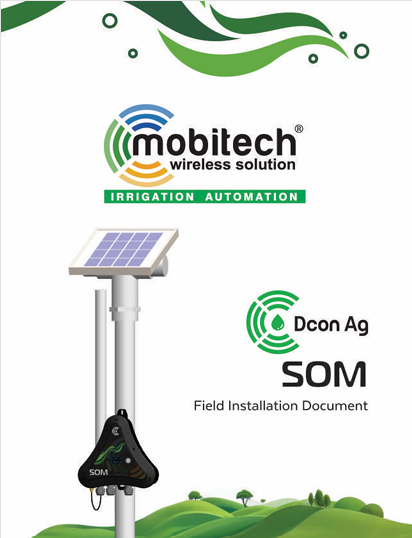
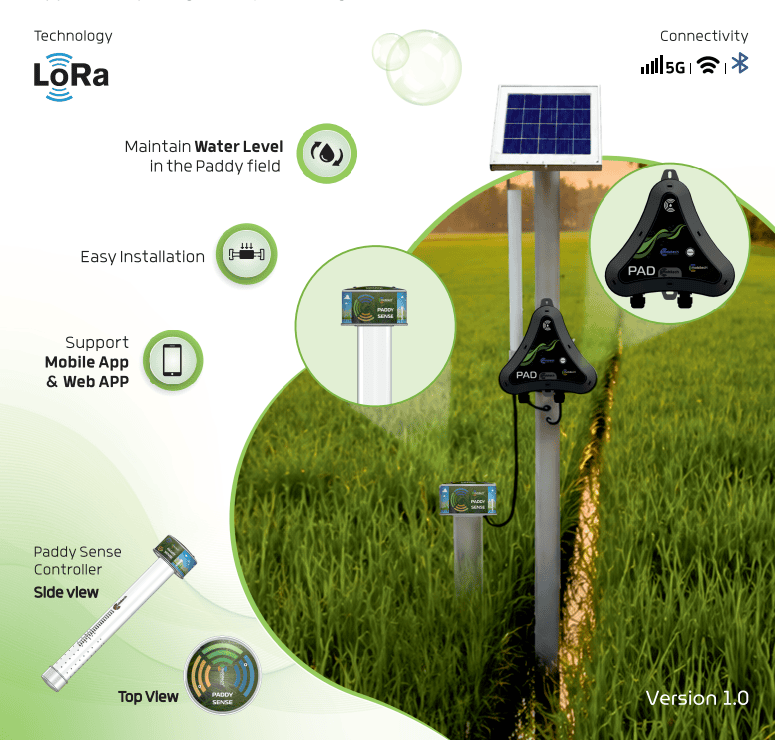
A soil moisture sensor for agriculture is a device that measures the water content present in soil. It helps farmers understand whether the soil is dry or wet. Because of this, irrigation can be done only when required.- Agriculture fields
- Smart irrigation systems
- Greenhouses
In addition, these sensors play a key role in improving water efficiency and supporting modern farming practices.
How Soil Moisture Sensor Works
- First, the sensor detects soil moisture
- Then, wet soil conducts electricity easily
- On the other hand, dry soil resists electricity
- Finally, the data is converted into readable values
Benefits of Soil Moisture Sensor for Agriculture
Using a soil moisture sensor for agriculture provides many benefits. First of all, it helps reduce water usage. In addition, it improves crop yield and quality.- Water Saving: Avoids unnecessary irrigation
- Better Yield: Maintains ideal moisture levels
- Less Labor: Reduces manual checking
- Energy Saving: Minimizes motor usage
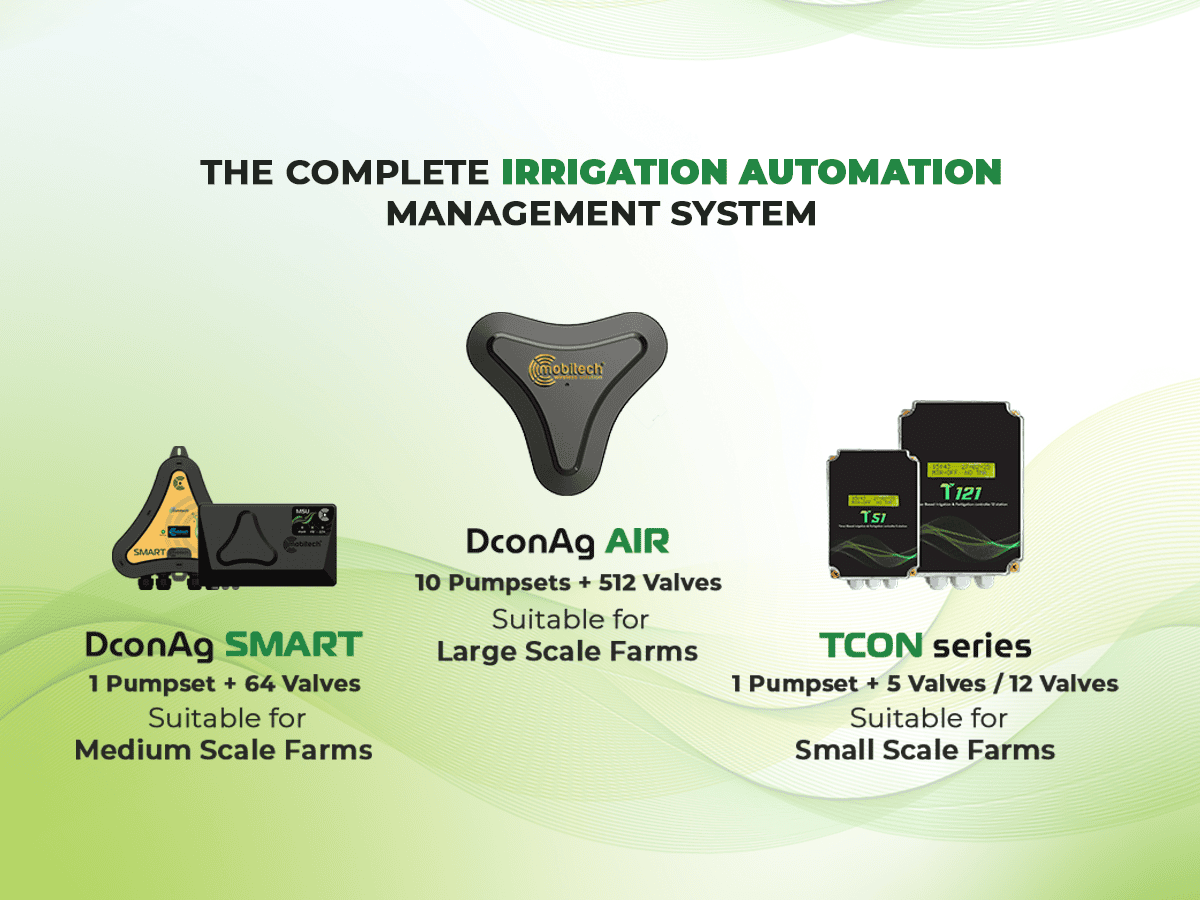
- Automation: Supports smart irrigation
 Therefore, farmers can increase productivity with less effort. Moreover, it supports sustainable farming practices.
Soil Moisture Sensor in Smart Irrigation
In smart irrigation systems, the soil moisture sensor for agriculture works automatically. When the soil becomes dry, irrigation turns ON. However, when the soil is wet, irrigation turns OFF. As a result, water usage becomes efficient.Common Problems Without Soil Moisture Sensor
Without a soil moisture sensor for agriculture, farmers face several issues. For example, overwatering can damage plant roots. On the other hand, underwatering can reduce crop growth.- Overwatering damages crops
- Underwatering reduces yield
- Water wastage increases cost
- Manual monitoring takes time


Applications of Soil Moisture Sensor in Agriculture
A soil moisture sensor for agriculture is widely used in different farming applications. For example, it is commonly used in drip irrigation systems. In addition, it is useful in greenhouse farming where water control is important.
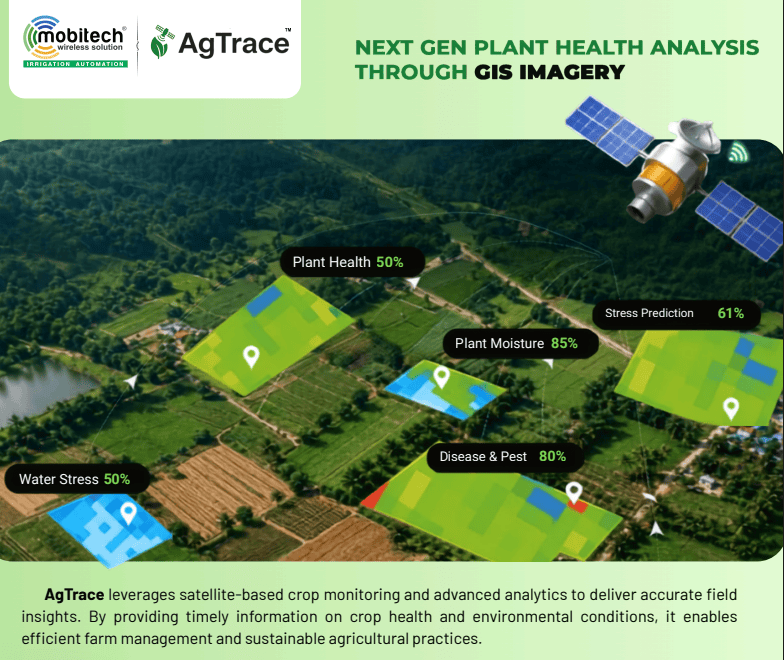
Moreover, large farms use this technology for precision agriculture. Therefore, farmers can monitor soil conditions across different areas. As a result, crop health improves and water usage becomes efficient.
- Drip irrigation systems
- Greenhouse farming
- Precision agriculture
- Vegetable cultivation
- Smart irrigation projects
Because of these benefits, the soil moisture sensor for agriculture is becoming essential in modern farming.
Traditional vs Smart Farming Comparison
| Parameter | Traditional Farm | Smart Farm (Soil Moisture Sensor) |
|---|---|---|
| Water Usage | High (100%) | Reduced (60–75%) |
| Water Saving | 0% | 25–40% |
| Crop Yield | Baseline | +20–27% |
| Water Use Efficiency | Low | High (+10–52%) |
| Irrigation Time | Long | Reduced by ~35% |
| Labor Requirement | High | Low |
Key Data Points (According to Research Studies)
Water Saving
- According to MDPI Sensors Journal, soil moisture sensor systems reduce water usage by ~28.8%
Crop Yield Improvement
- According to IEEE Xplore Smart Agriculture Papers, yield increases by 20–27%
Water Use Efficiency (WUE)
- According to SpringerLink Publications, WUE improves by 10–22%
Energy & Irrigation Time
- According to ResearchGate Studies, irrigation hours reduced by 35%
Cost & Efficiency
- According to World Bank Reports, costs are significantly reduced
How to Use Soil Moisture Sensor
- Insert sensor near roots
- Connect to controller
- Set threshold levels
- Automate irrigation
Soil Moisture Sensor Price in India
The price varies based on farm size and requirements.
- Farm size
- Land type
- Crop type
- Number of sensors

Future of Smart Farming
As technology grows, soil moisture sensors will become more advanced and essential.
Conclusion
In conclusion, soil moisture sensors help farmers save water, reduce effort, and improve productivity.