






























Irrigation Systems: Types, Methods & Benefits in Modern Agriculture
A complete guide to irrigation systems, water management techniques, and their role in improving agricultural productivity.
Introduction
In modern agriculture, irrigation systems play a vital role in ensuring consistent crop growth and efficient water utilization. With increasing water scarcity and changing climate conditions, relying solely on rainfall is no longer sufficient for sustainable farming. Irrigation systems help farmers deliver the right amount of water at the right time, improving crop yield, reducing waste, and enhancing overall farm productivity. Over the years, these irrigation systems have evolved from traditional manual methods to advanced automated and smart irrigation solutions.
Understanding Irrigation Systems
Irrigation systems refer to the controlled application of water to agricultural land using various techniques and equipment. Their primary goal is to supplement natural rainfall and maintain optimal soil moisture for plant growth.Efficient irrigation is not just about supplying water—it involves proper scheduling, distribution, and conservation to maximize crop yield while minimizing resource usage.
Types of Irrigation Systems
1. Surface Irrigation Systems
Surface irrigation is one of the oldest and most widely used methods. Water flows naturally across the field using gravity.- Flood irrigation
- Furrow irrigation
- Basin irrigation
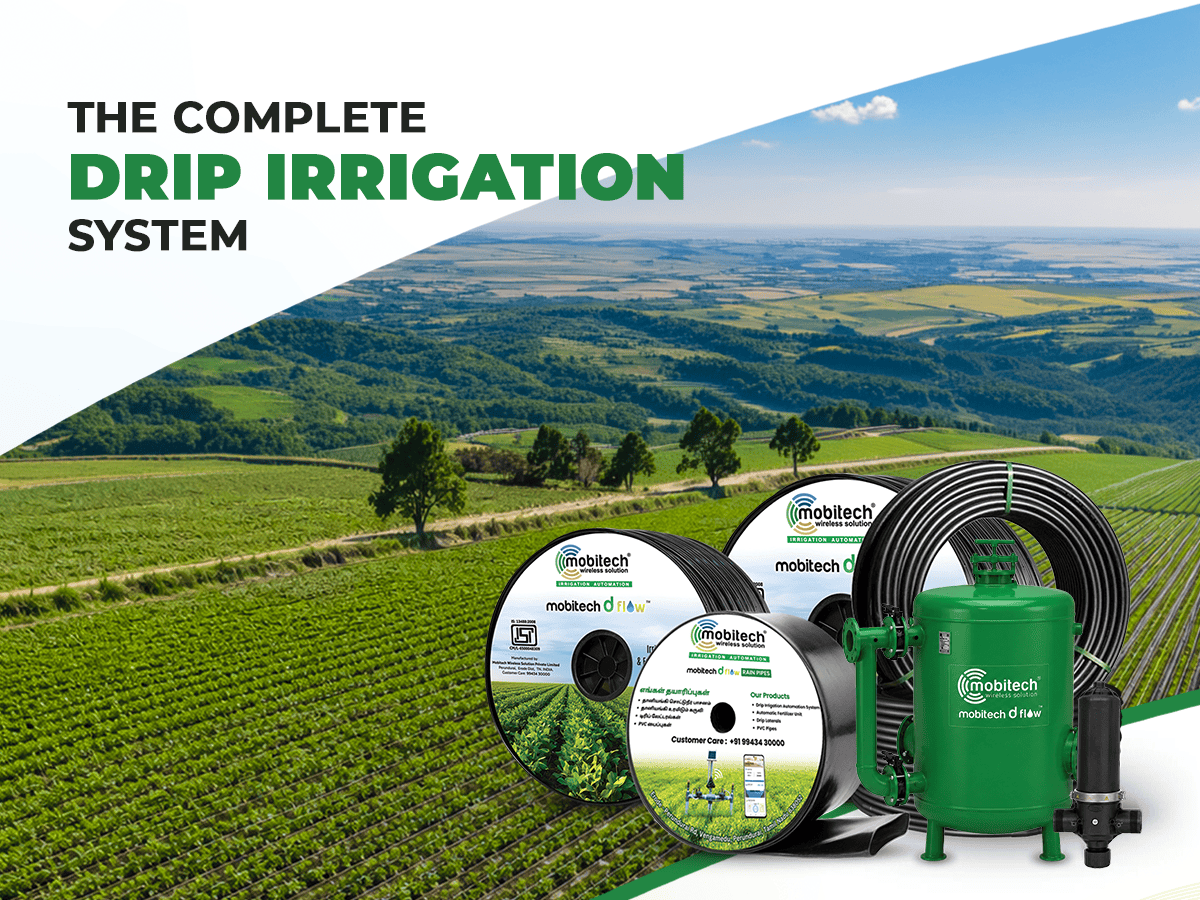
2. Drip Irrigation Systems
Drip irrigation delivers water directly to the root zone through pipes and emitters, making it one of the most efficient systems.- Significant water savings
- Reduced weed growth
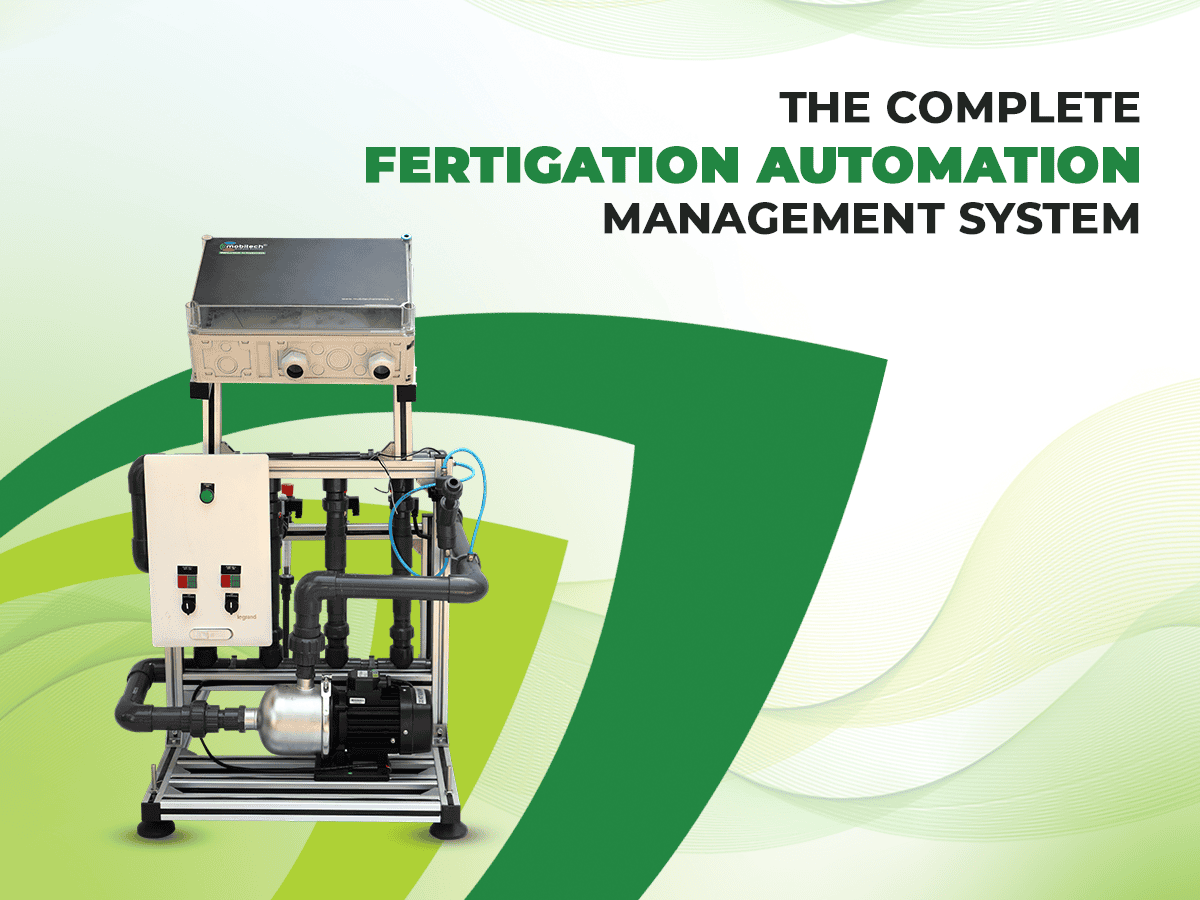
- Better fertilizer efficiency
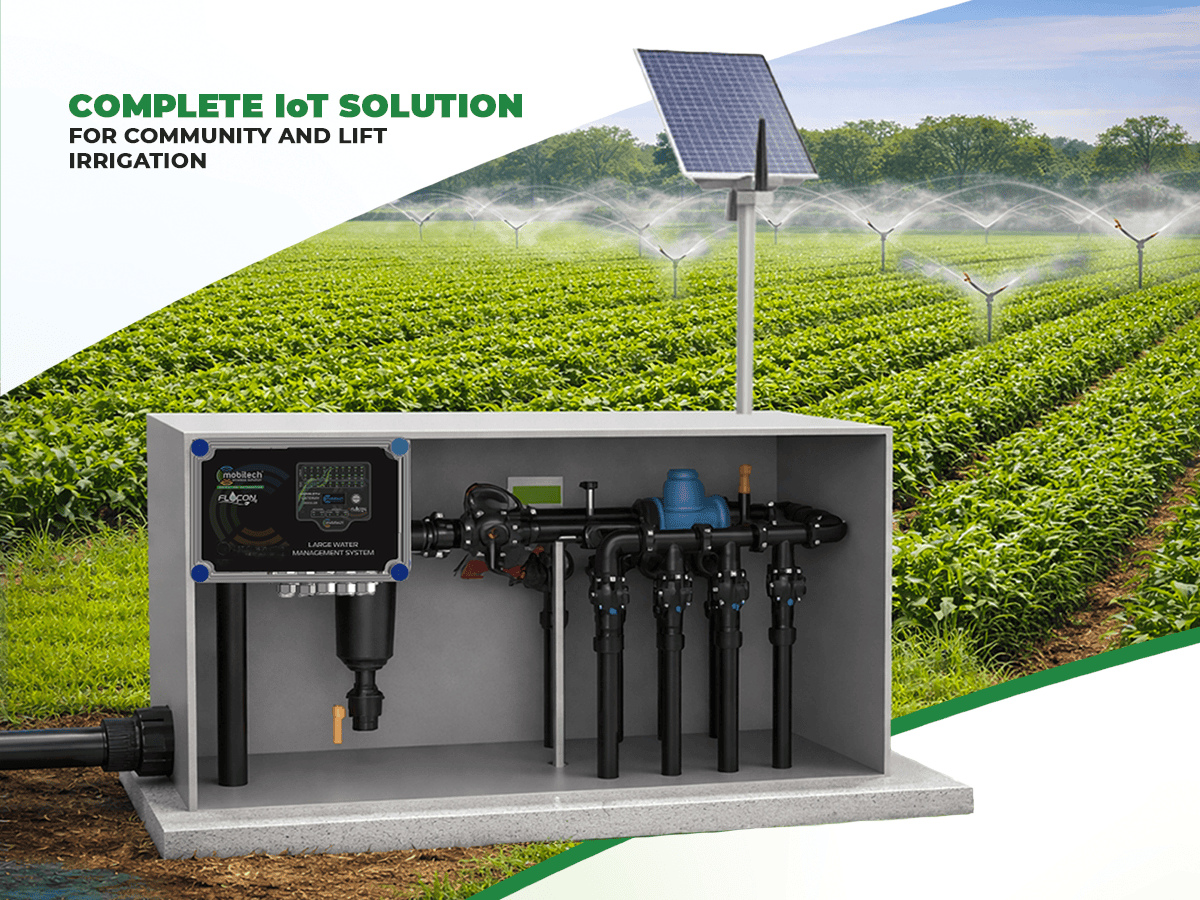
3. Sprinkler Irrigation Systems
Sprinkler systems spray water into the air, simulating natural rainfall and providing uniform distribution.- Suitable for uneven land
- Flexible and easy to install
- Uniform water coverage
4. Subsurface Irrigation Systems
Water is delivered below the soil surface directly to plant roots, reducing evaporation losses.- Improves root development
- Minimizes water wastage
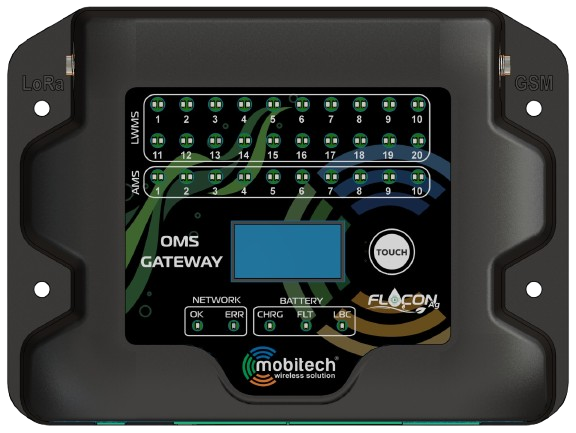
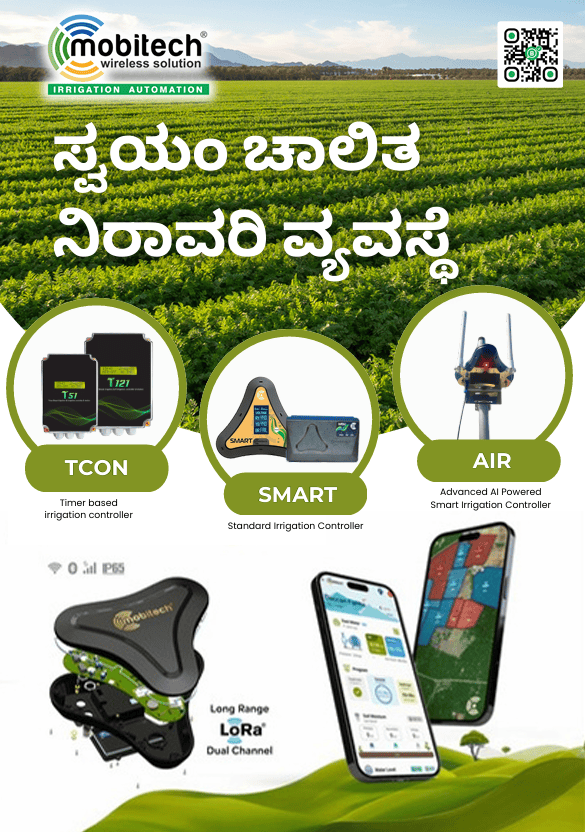
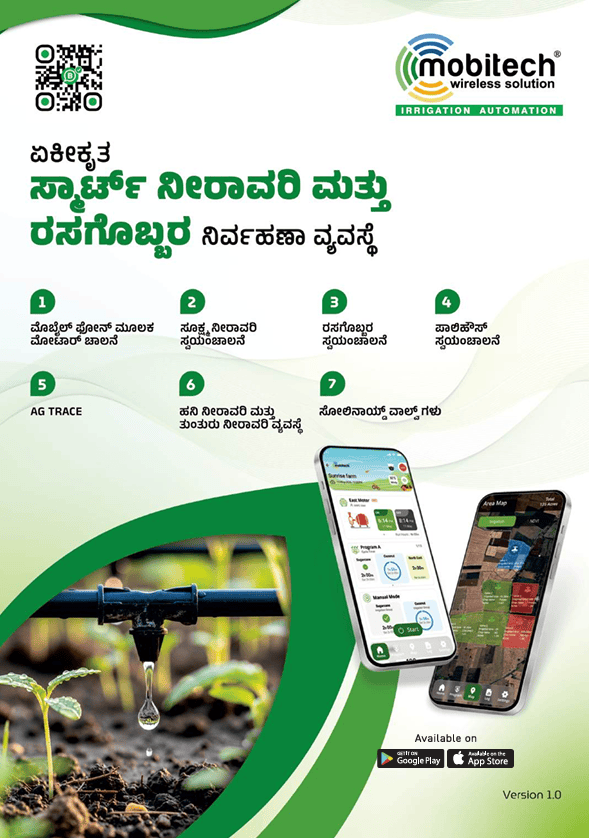
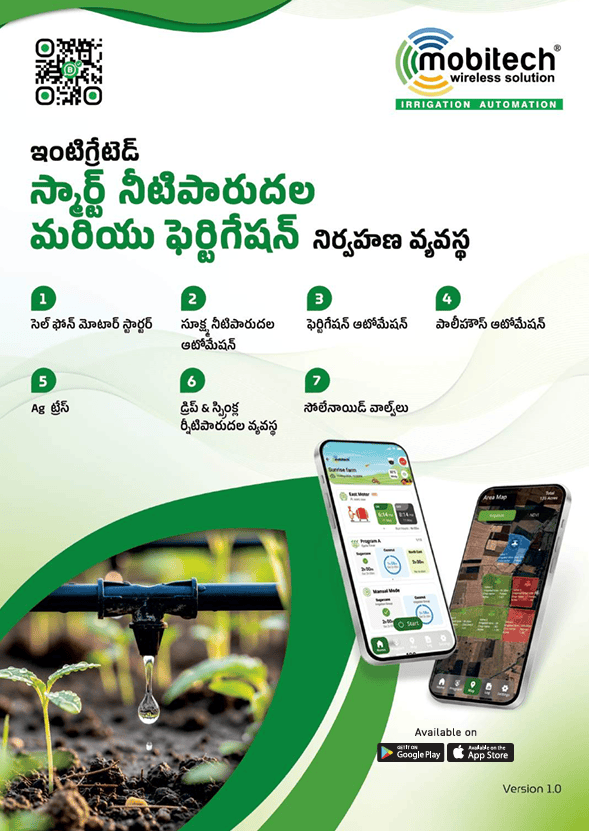
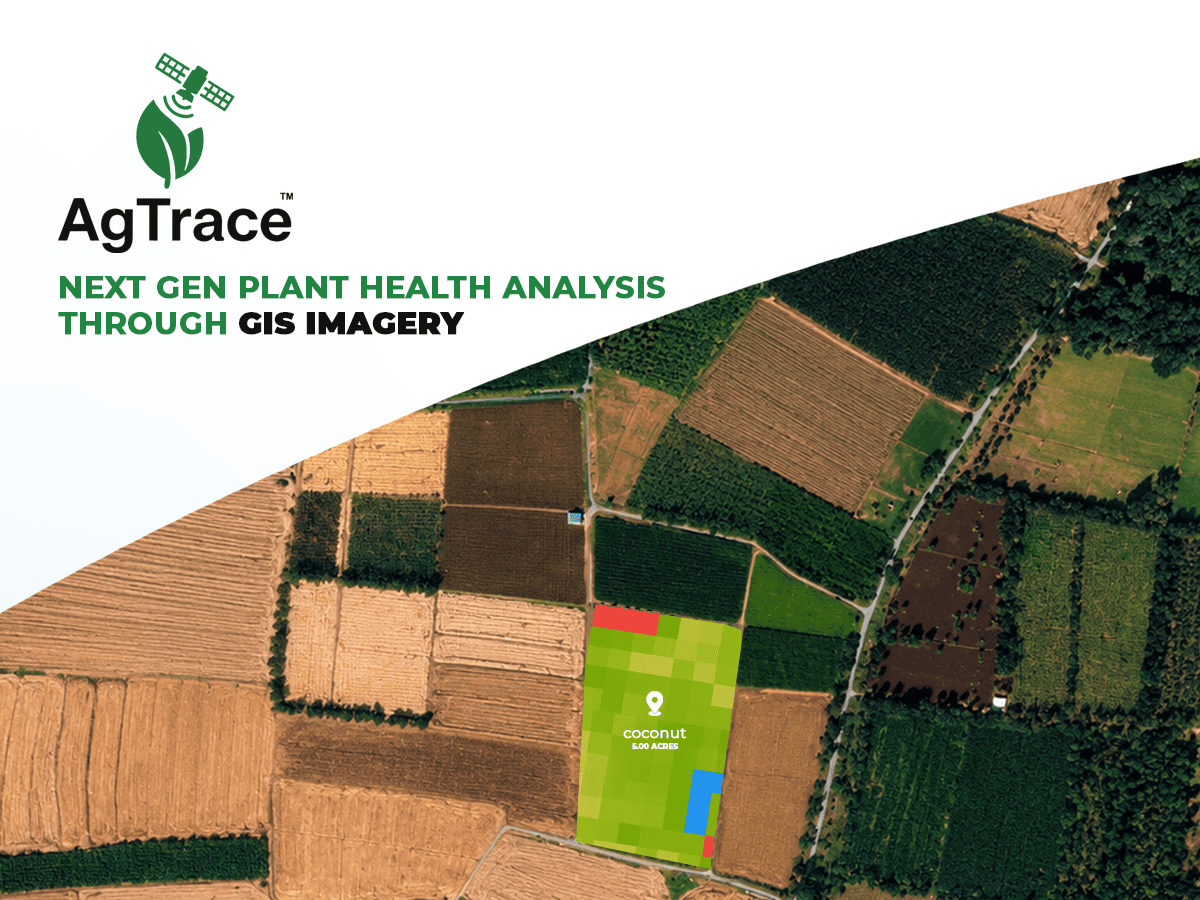
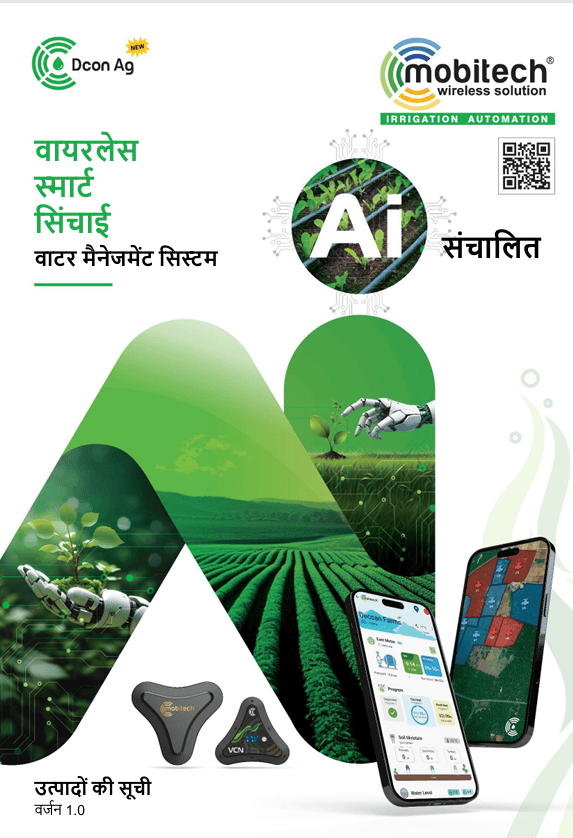
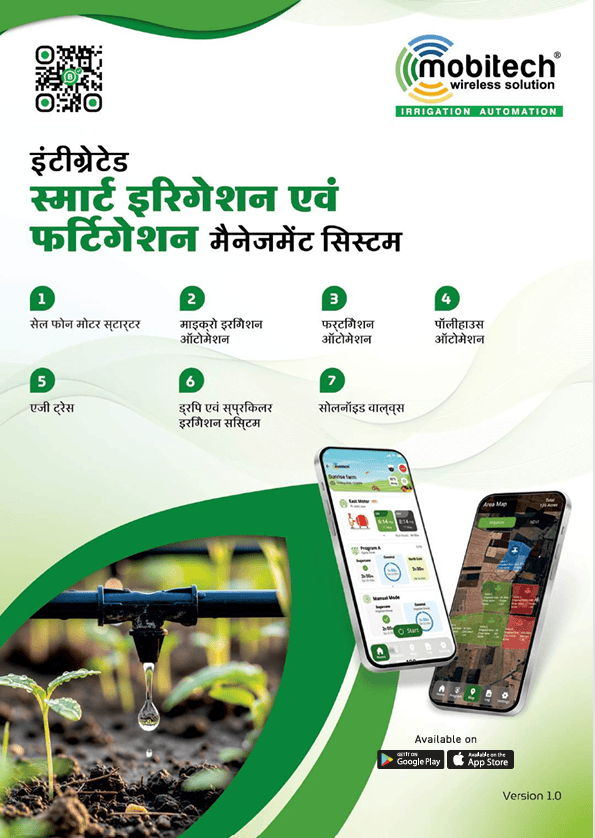
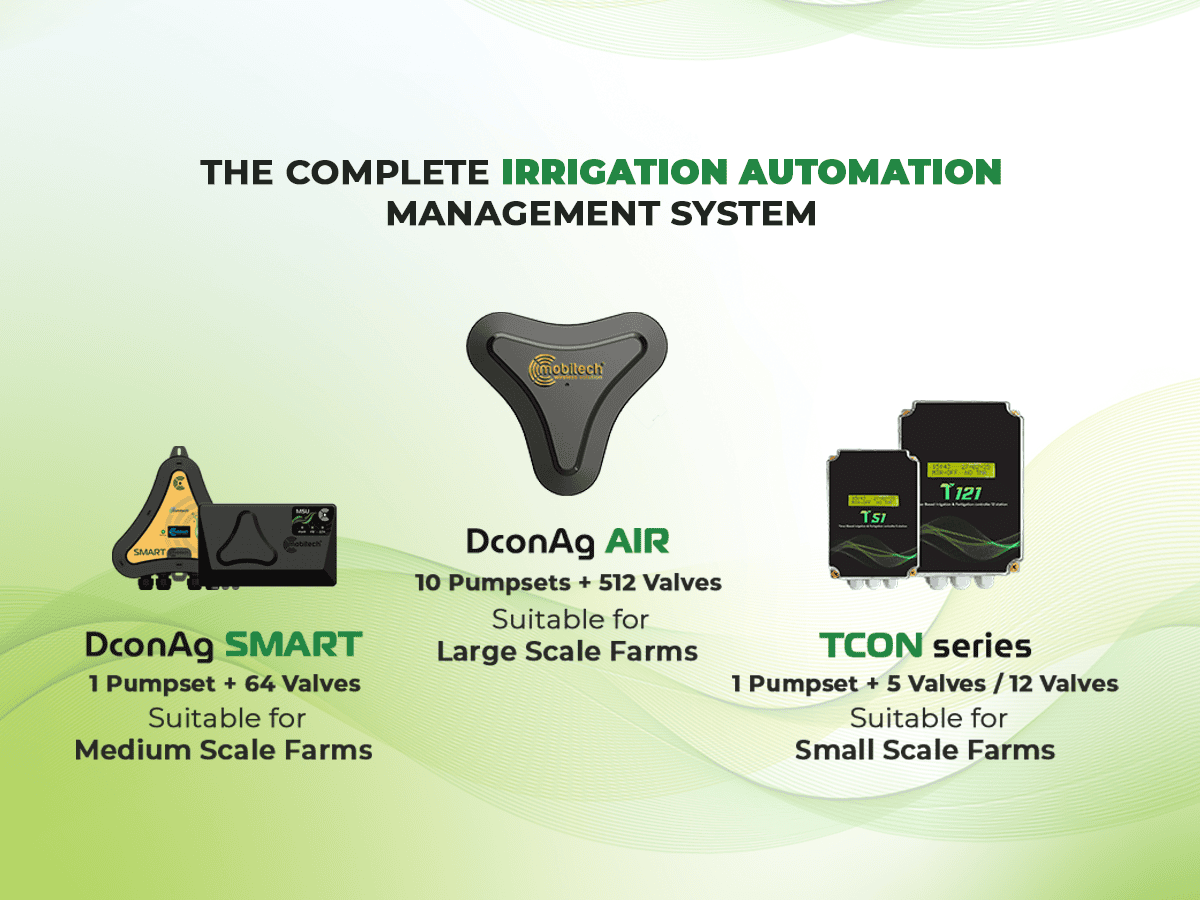
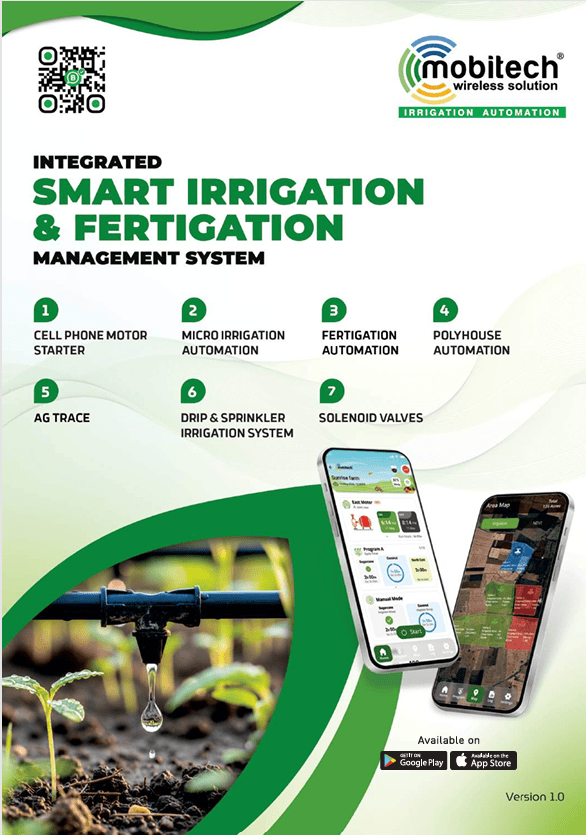
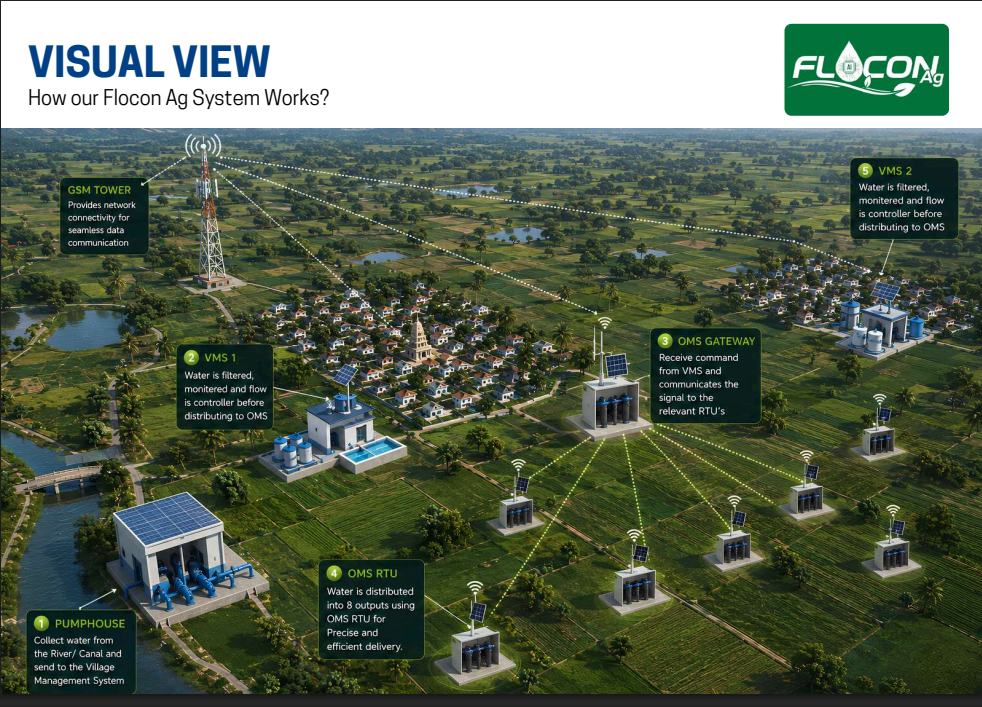
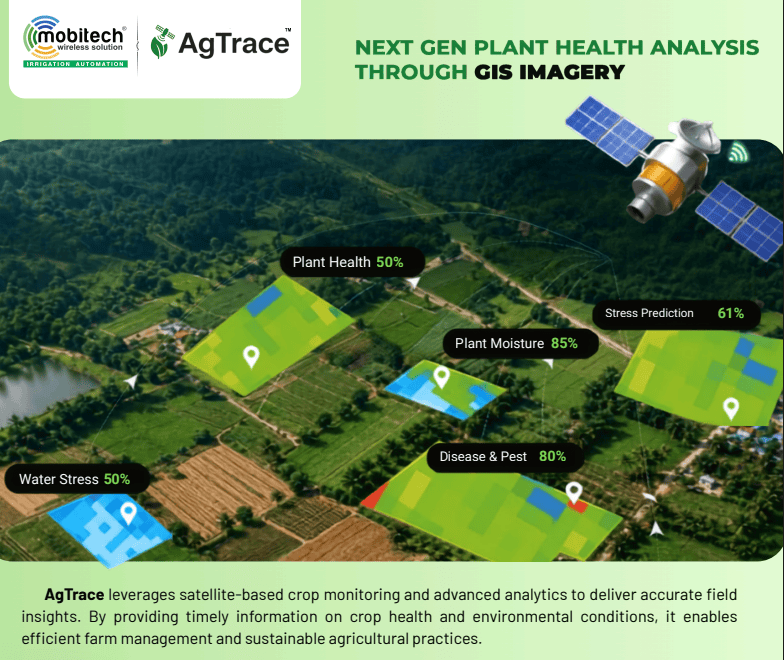
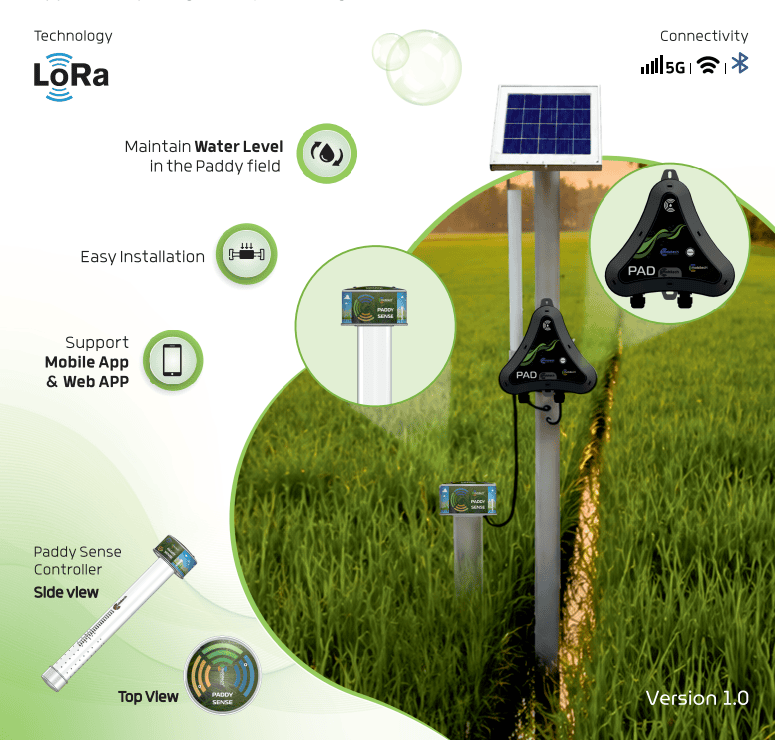
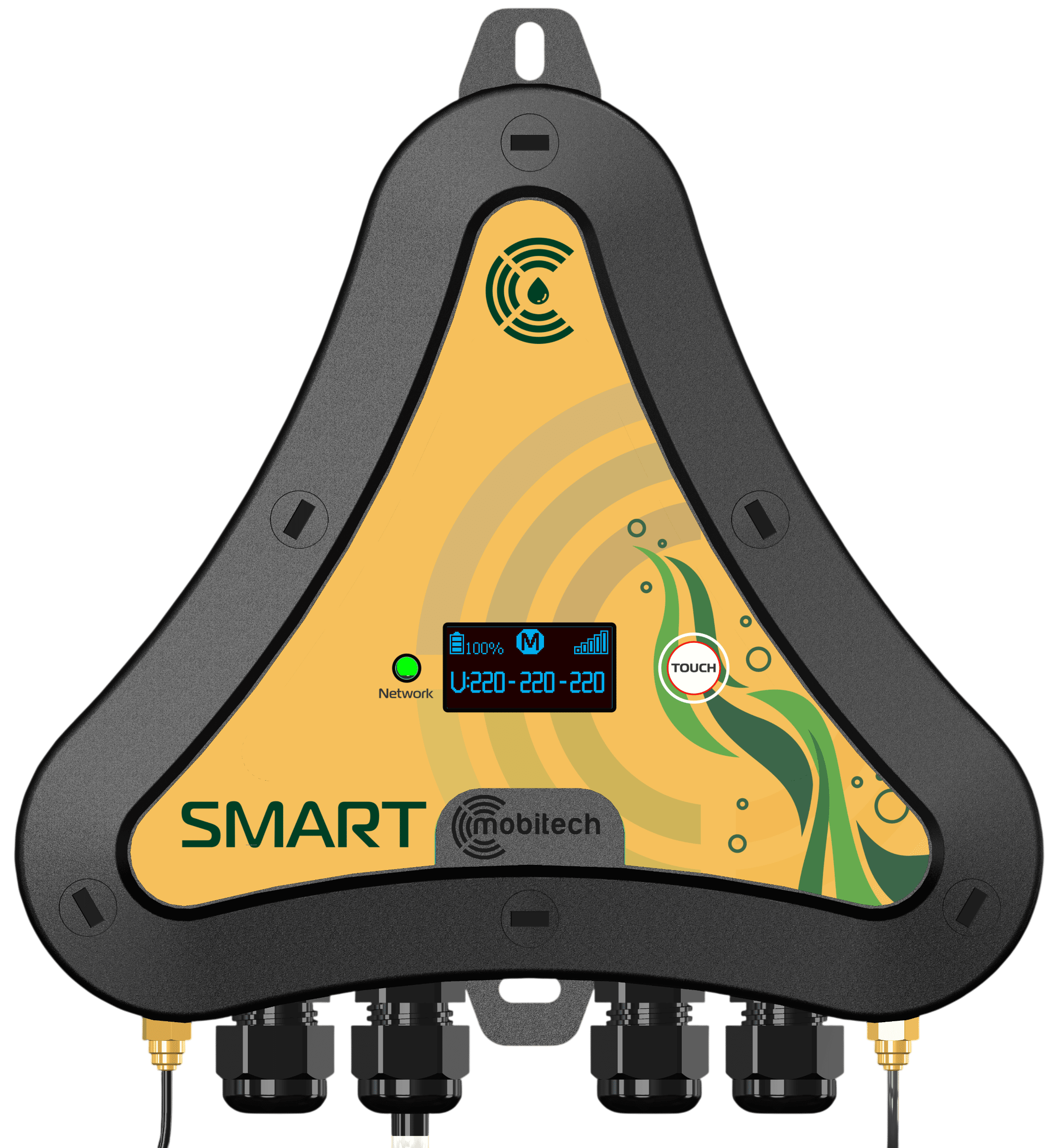
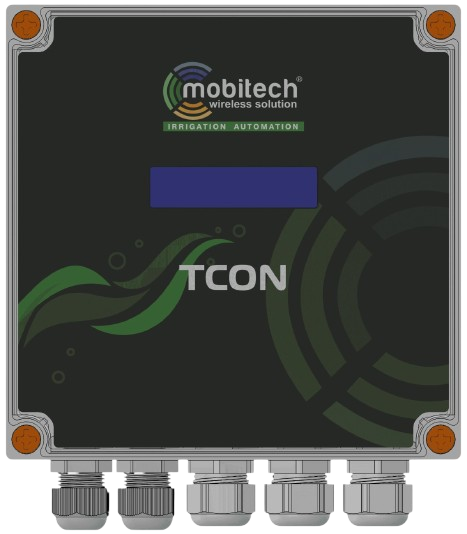
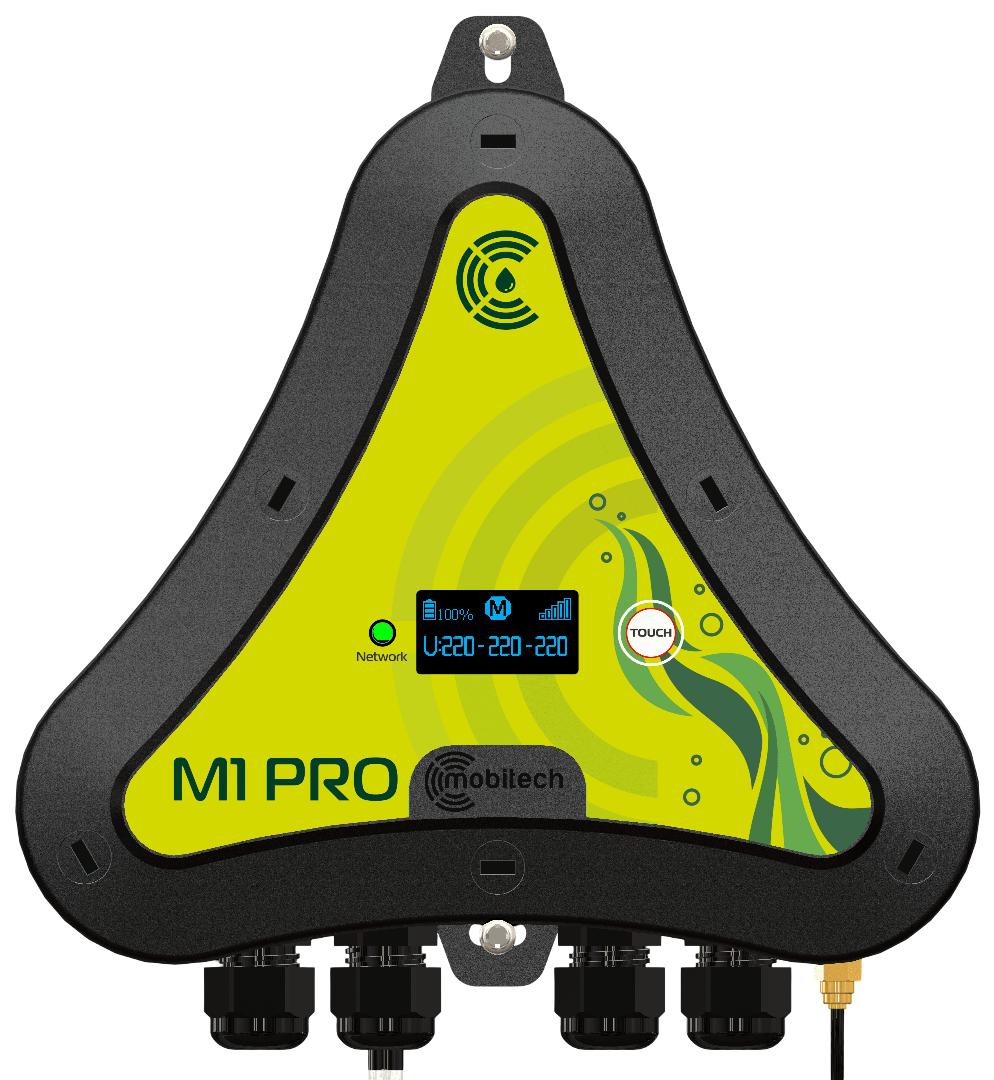
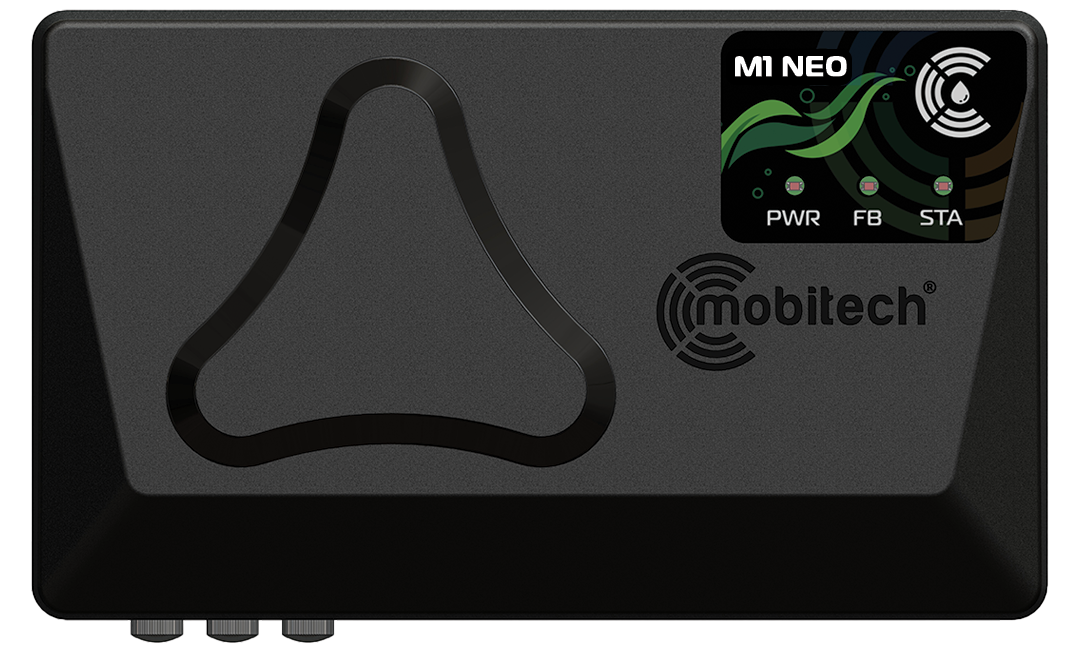
5. Smart Irrigation Systems
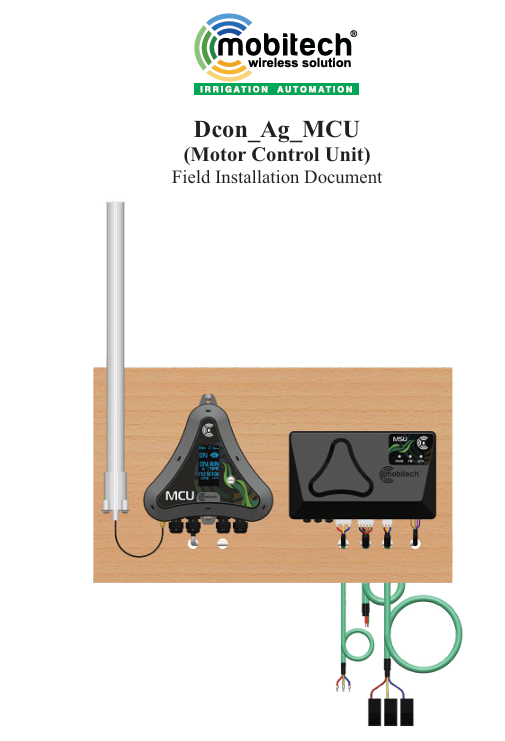
Smart irrigation systems use sensors, automation, and data analytics to optimize watering schedules.- Soil moisture monitoring
- Automated irrigation control
- Remote access via mobile

Methods of Irrigation
Traditional Methods: Manual watering, canal irrigation, and tank-based systems. These methods are simple but often inefficient. Modern Methods: Drip irrigation, sprinkler systems, and automated irrigation technologies designed for water efficiency and higher productivity.Benefits of Irrigation Systems in Agriculture
- Enhanced Crop Productivity: Ensures consistent water supply for better growth
- Efficient Water Management: Reduces wastage and improves usage
- Labor Reduction: Automation decreases manual work
- Improved Soil Health: Prevents erosion and maintains structure
- Climate Adaptability: Supports farming during drought conditions
- Cost Efficiency: Saves money in long-term operations
Choosing the Right Irrigation System
- Type of crops
- Soil condition
- Water availability
- Farm size
- Budget and investment capacity