Introduction
Smart Farming Kanniyakumari is transforming agriculture with modern technology. Farmers in this region face challenges like water scarcity, labor shortages, and unpredictable weather conditions. By adopting smart solutions like smart irrigation systems, they can improve productivity, save resources, and manage farms more efficiently while reducing manual effort. Smart farming is becoming essential for sustainable agriculture in today’s changing environment.
What is Smart Farming?
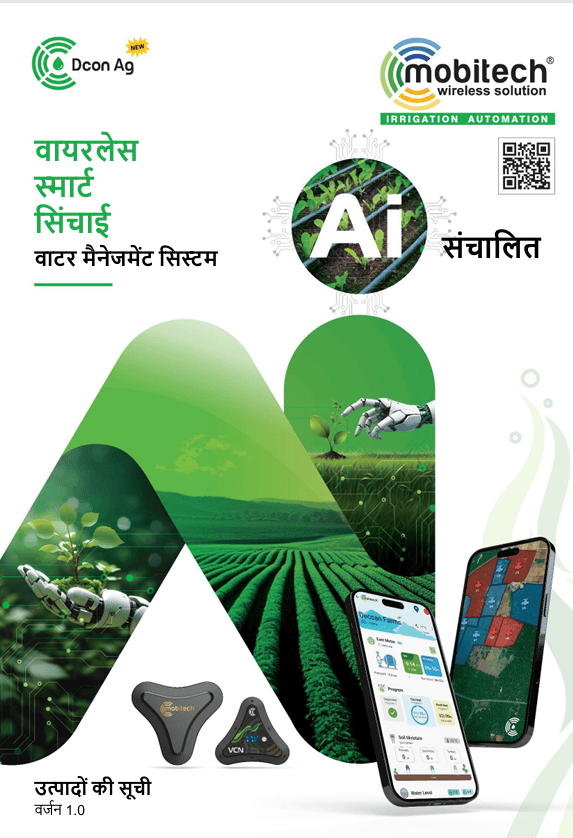
Smart farming refers to the use of modern technologies such as sensors, automation systems, artificial intelligence, and data analysis to improve agricultural practices. Farmers can monitor soil moisture, control irrigation schedules, and manage crops with greater precision. These advanced methods are widely used in modern agriculture to improve productivity and sustainability. By using data-driven insights, farmers can reduce risks and make better decisions.
Importance of Smart Farming in Kanniyakumari
Farmers in Kanniyakumari cultivate crops like coconut, banana, rubber, and paddy. Due to climate changes and irregular rainfall, traditional farming methods are becoming less reliable. Smart Farming Kanniyakumari helps farmers improve water management, reduce labor costs, and increase crop yield while ensuring better farm control and productivity. With proper technology adoption, farmers can make data-driven decisions that improve long-term sustainability and reduce crop losses.
Smart Irrigation Systems for Farmers
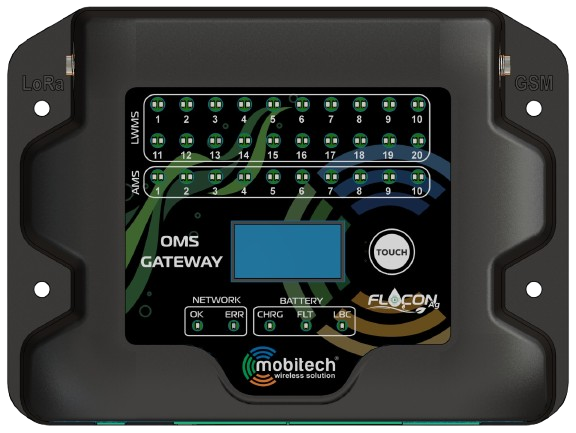
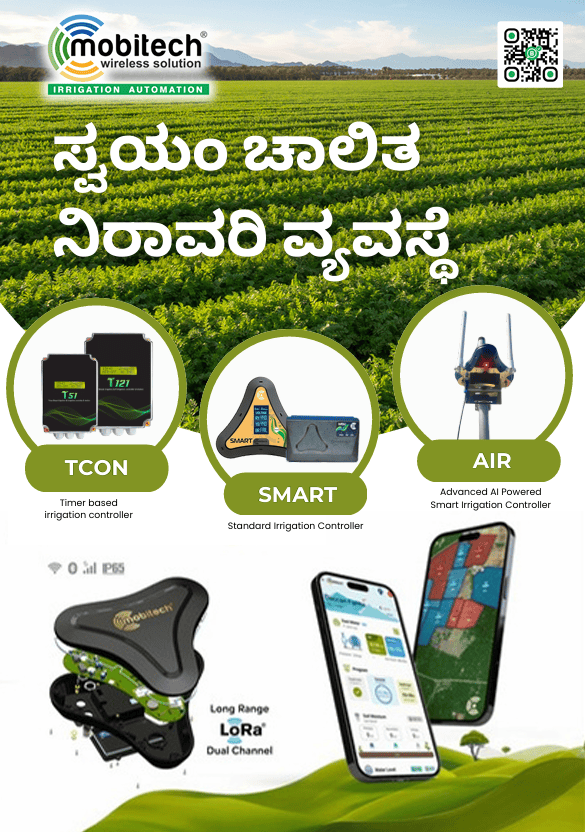
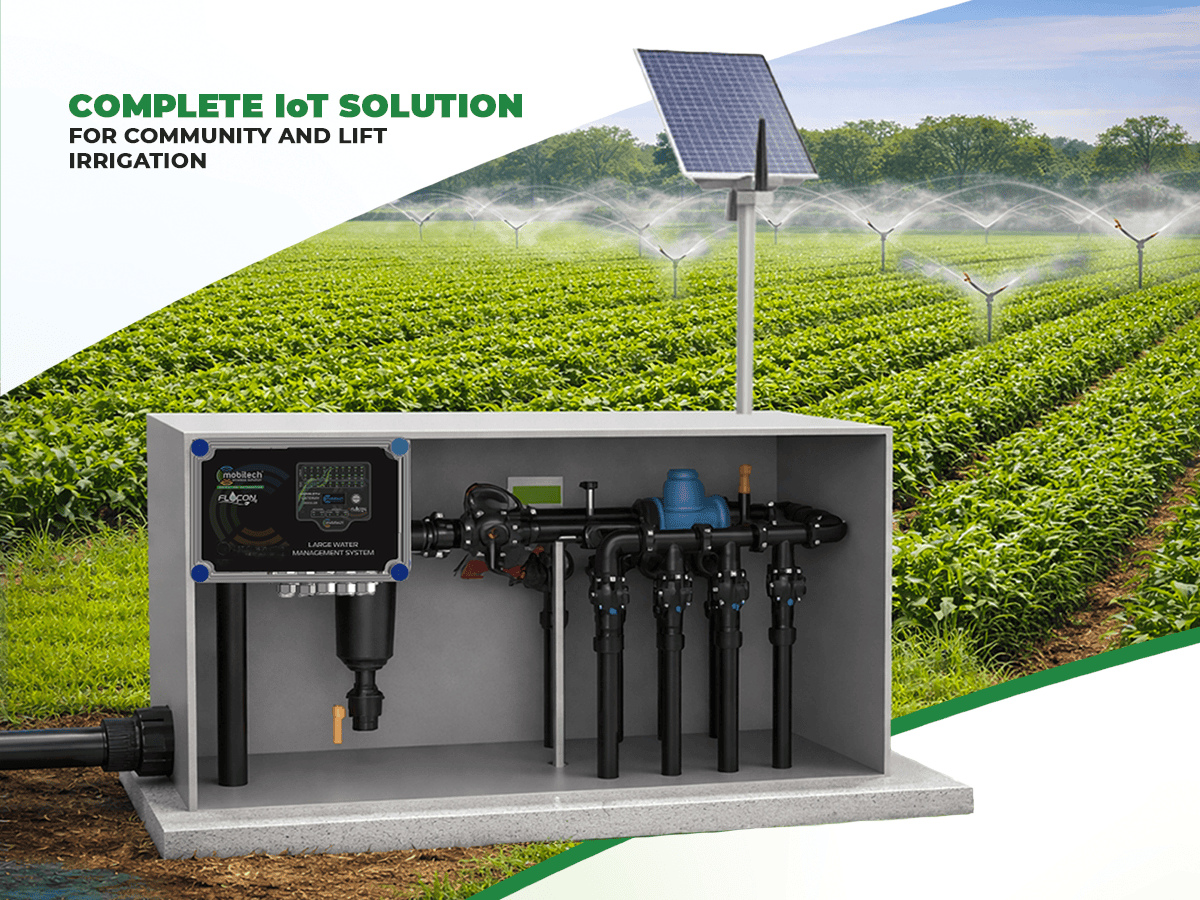
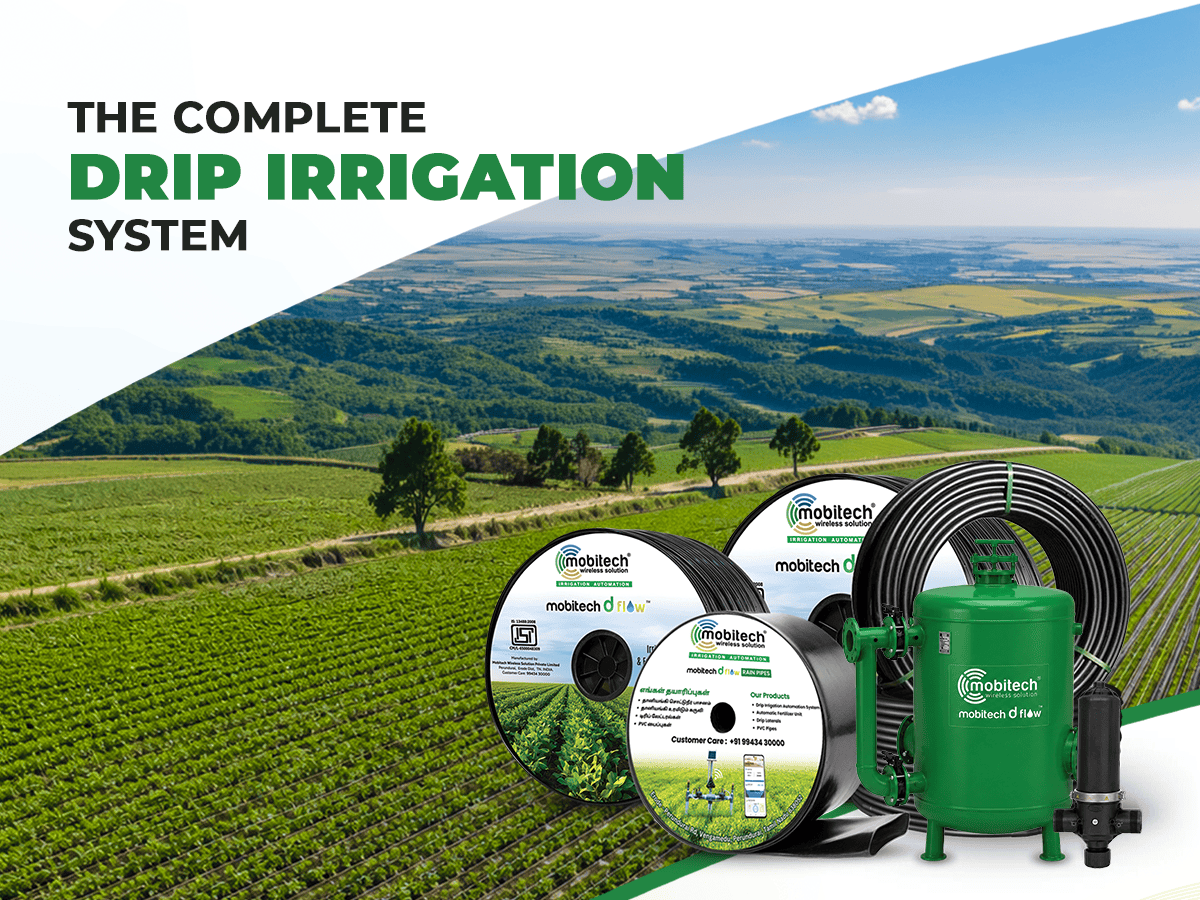
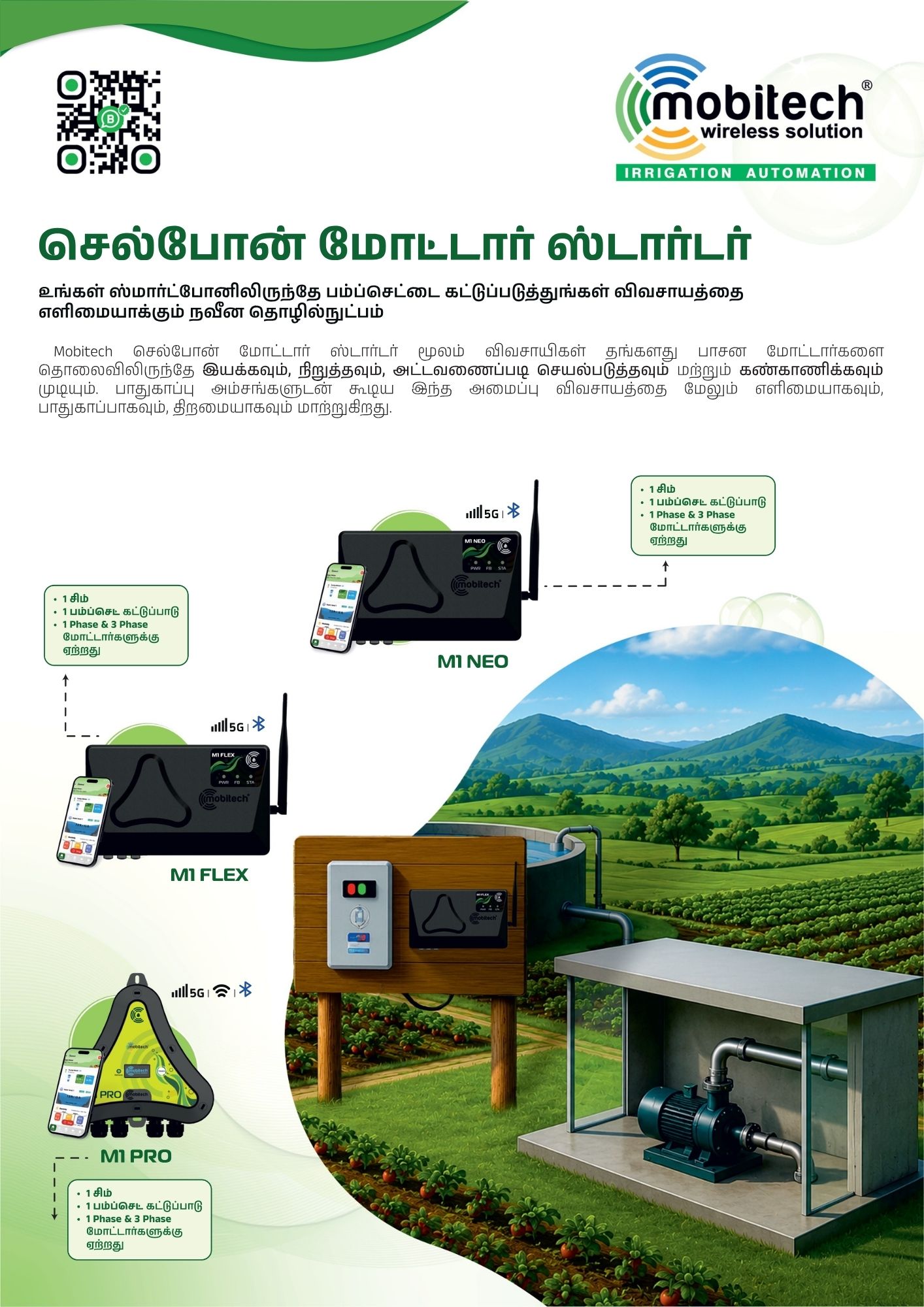
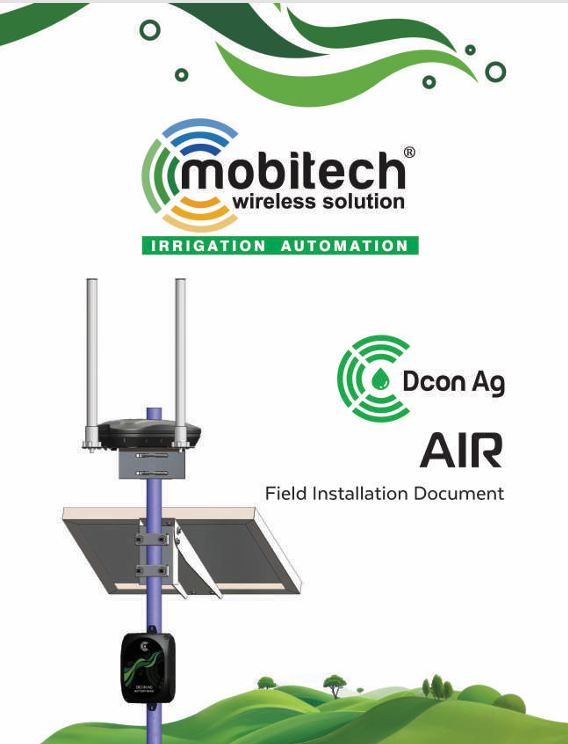
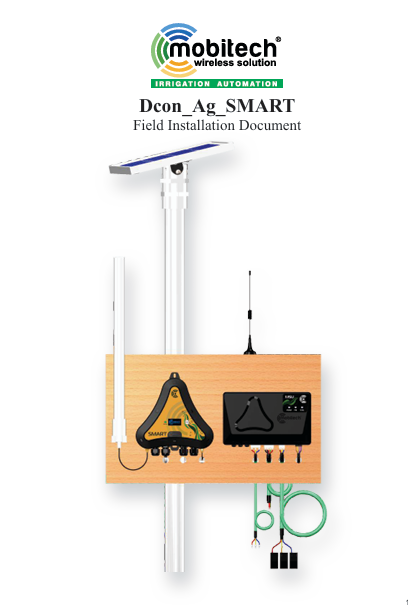
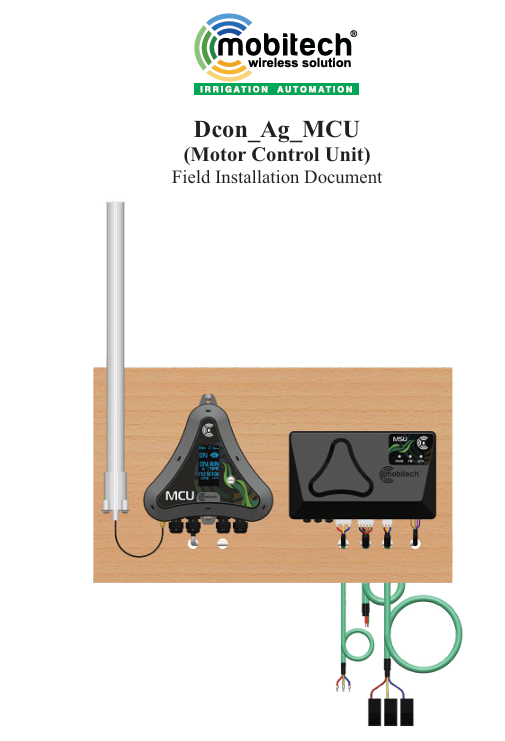
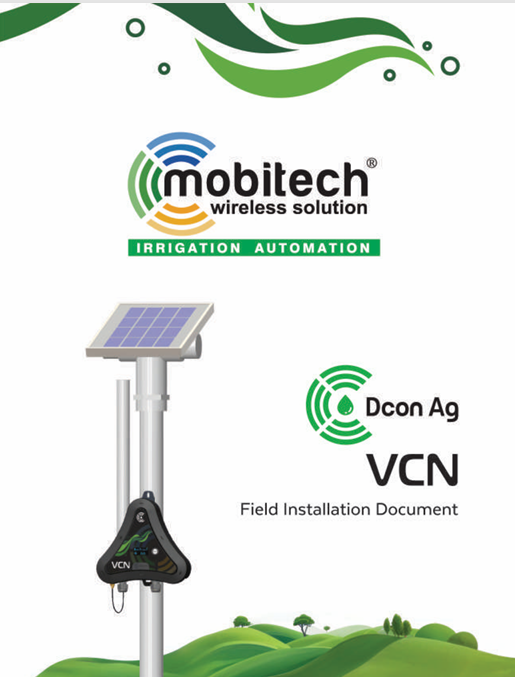
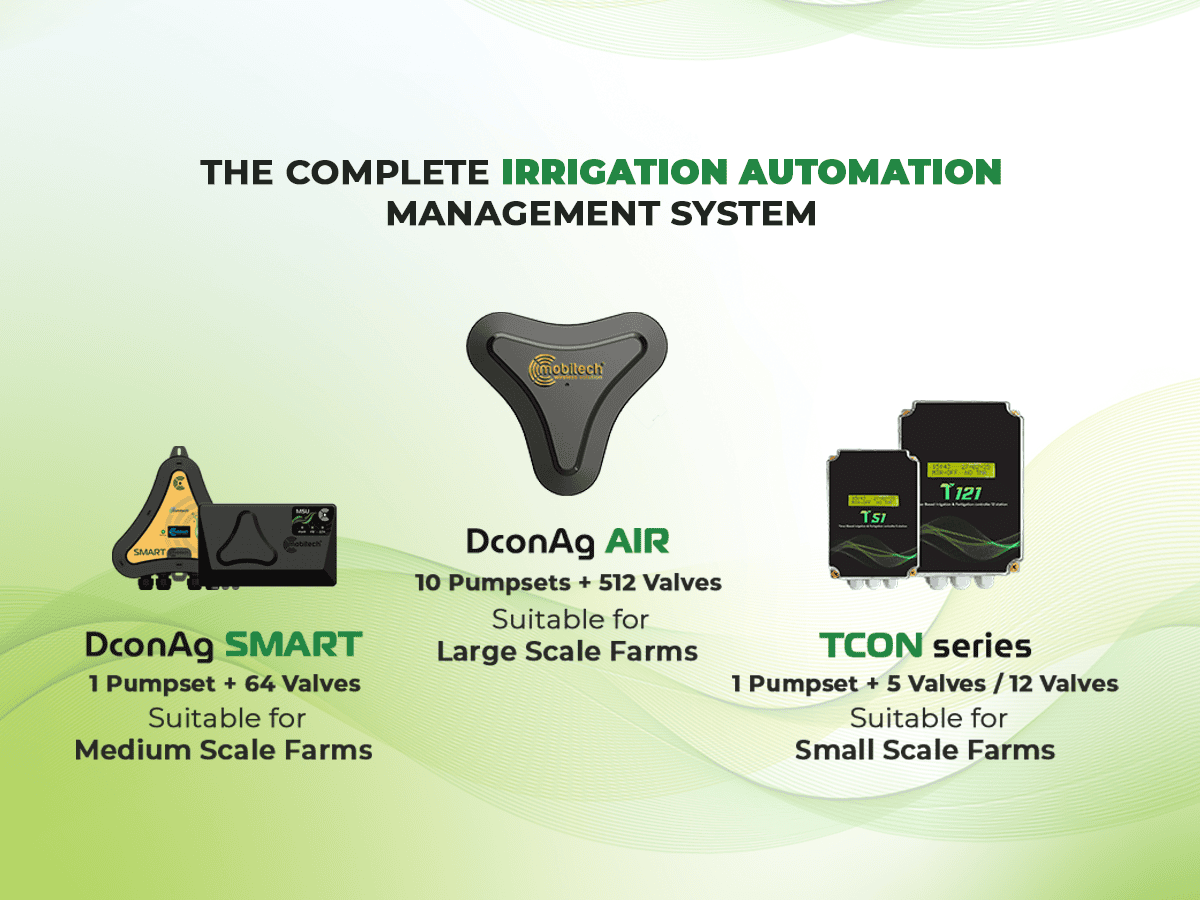
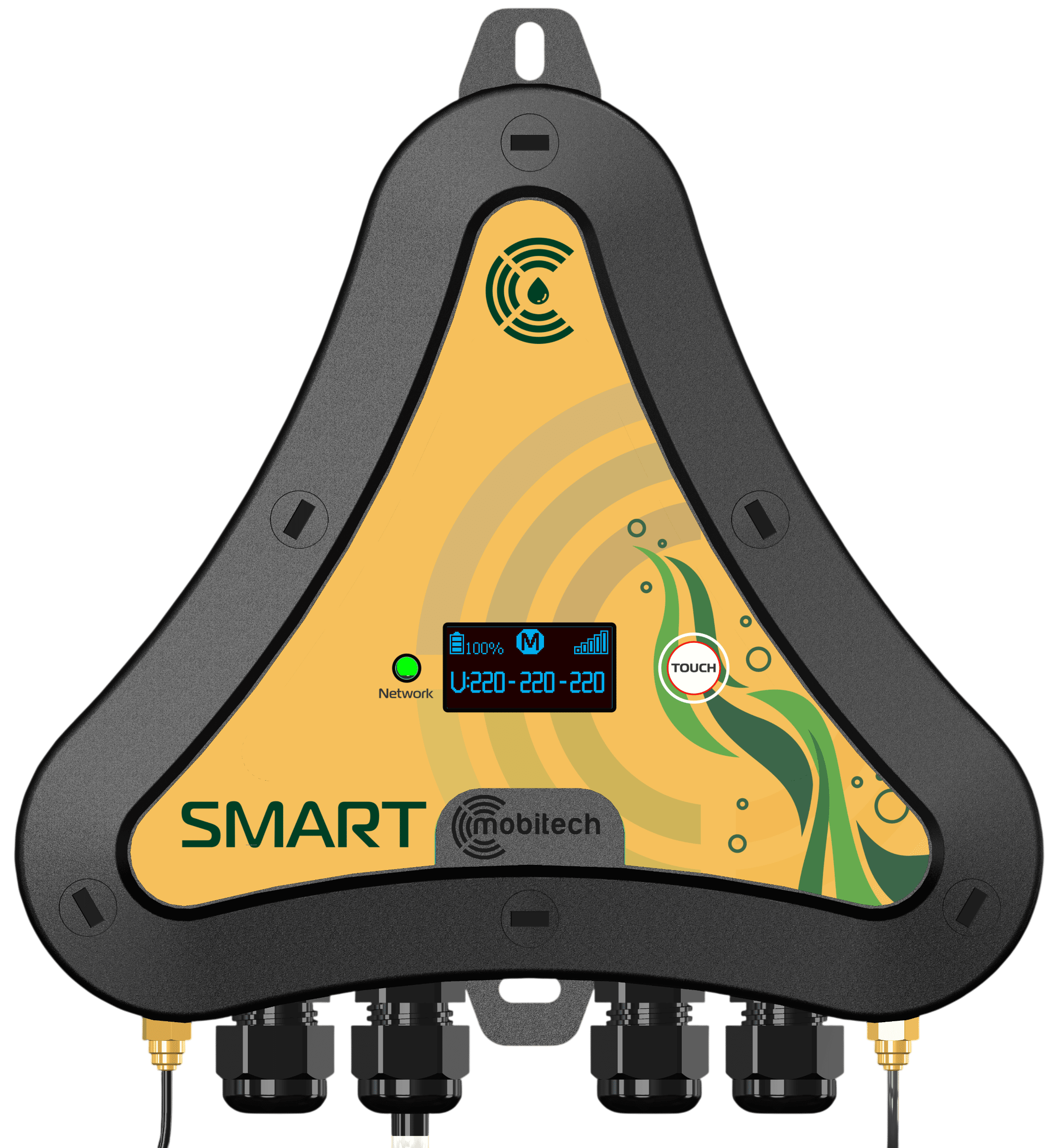
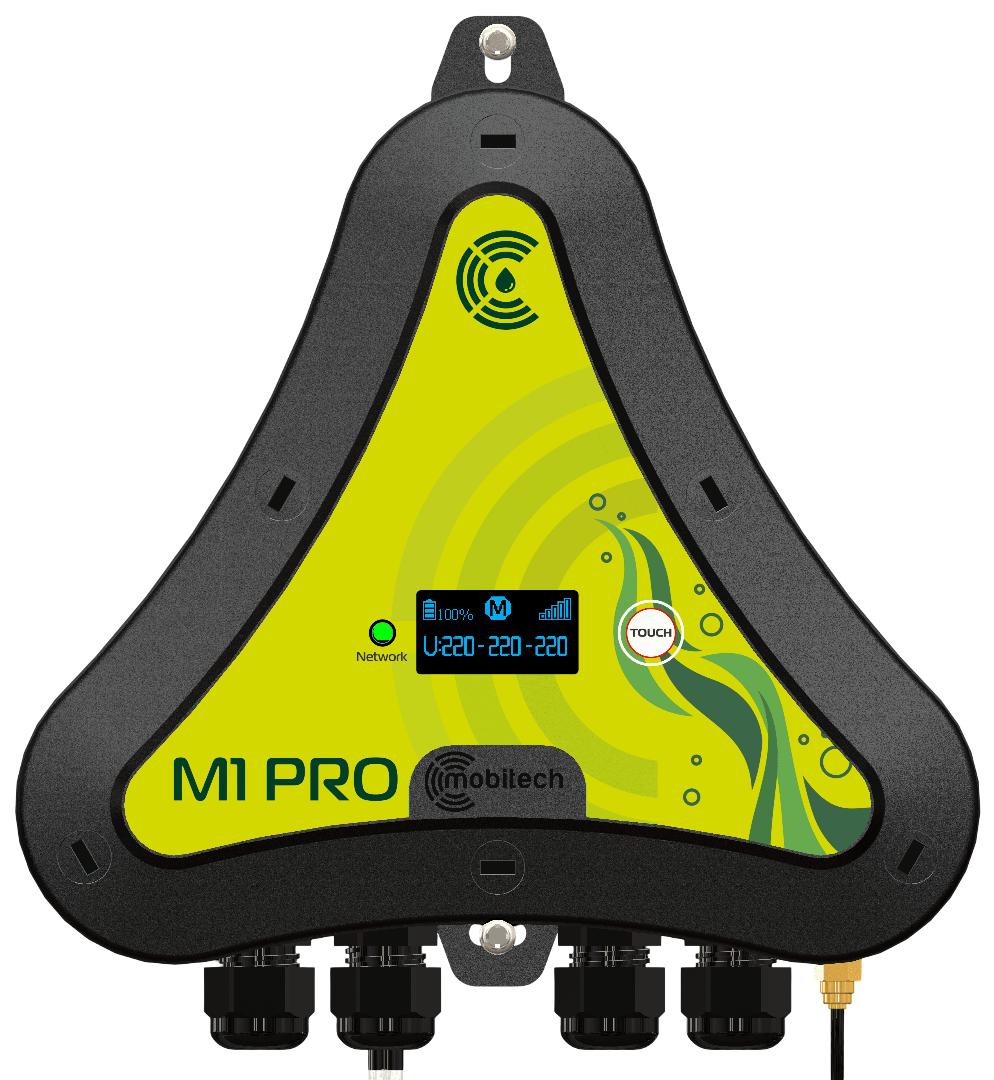
Irrigation automation plays a major role in modern agriculture. These systems ensure crops receive the right amount of water at the right time, avoiding both overwatering and underwatering. Many farmers are now using automated irrigation controllers to improve efficiency and reduce water wastage. Popular irrigation methods include drip irrigation, sprinkler systems, and IoT-based controllers. These solutions help maintain soil moisture balance and improve plant health.
Benefits of Smart Farming Kanniyakumari
Smart farming improves productivity, reduces operational costs, and supports sustainable agriculture. Farmers can manage water efficiently, monitor crops in real time, and reduce dependency on manual labor. These benefits help improve crop quality and ensure better profits over time. Additionally, smart farming reduces environmental impact by minimizing excessive use of water and fertilizers, making agriculture more eco-friendly.
Smart Farming Tools Used in Kanniyakumari
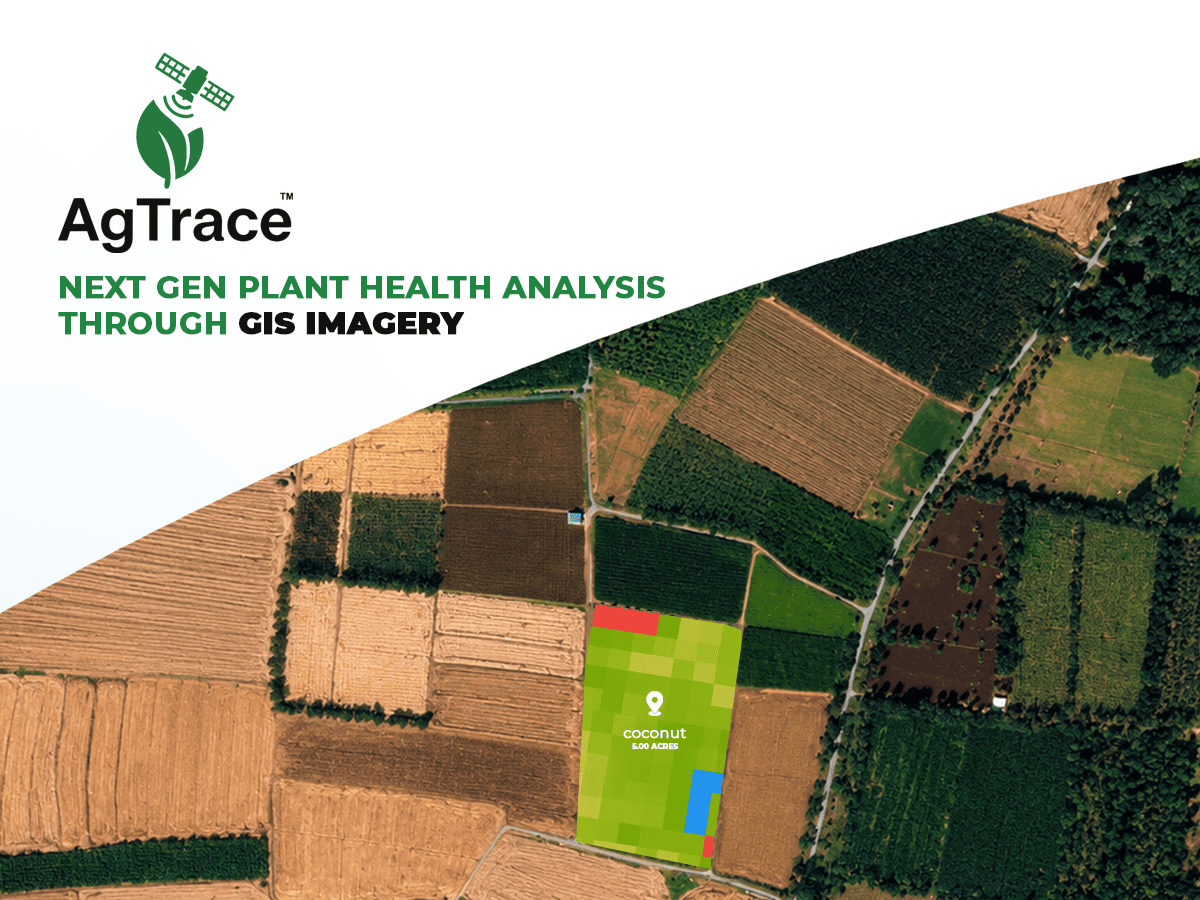
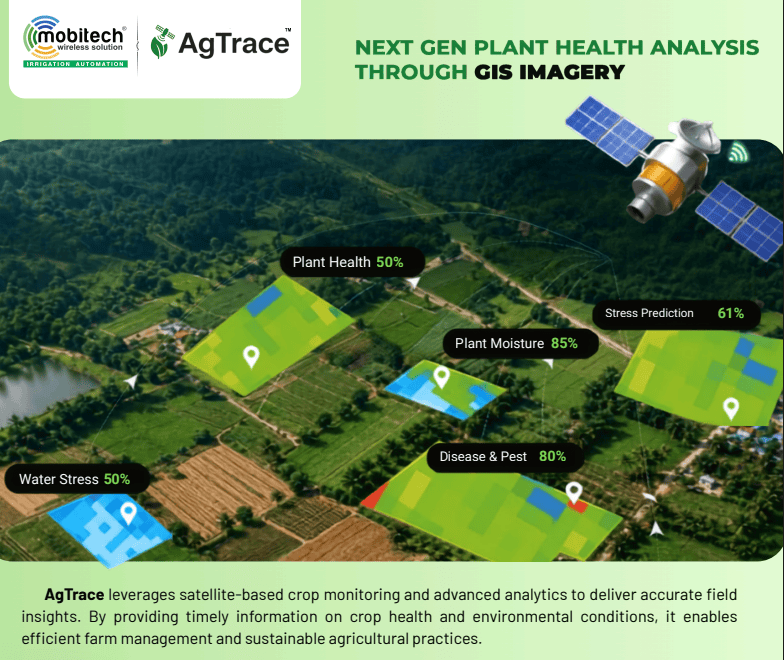
Modern tools like soil moisture sensors, weather monitoring systems, GPS-based equipment, and automated irrigation devices help farmers make better decisions. These tools provide real-time data that allows farmers to respond quickly to changing environmental conditions and maintain healthy crop growth. As a result, productivity increases while risks are minimized.
IoT-Based Farm Monitoring Systems
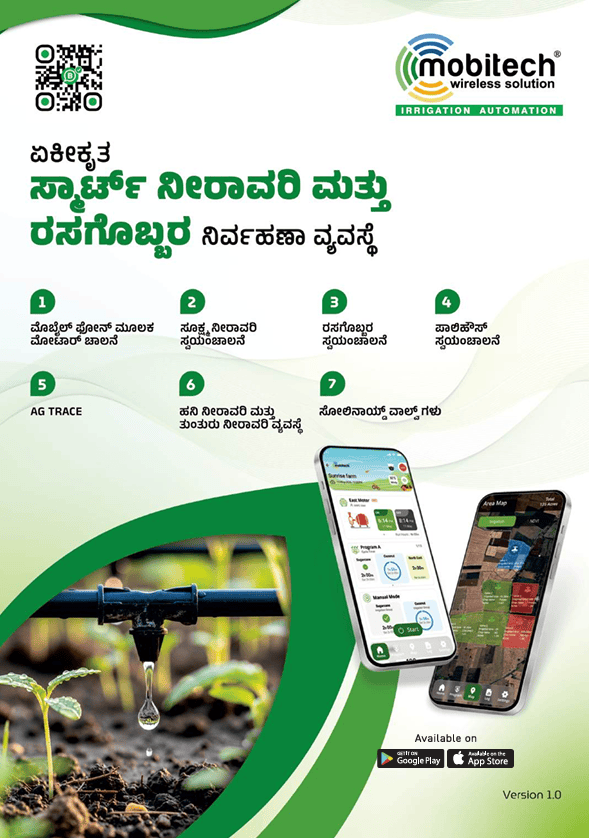
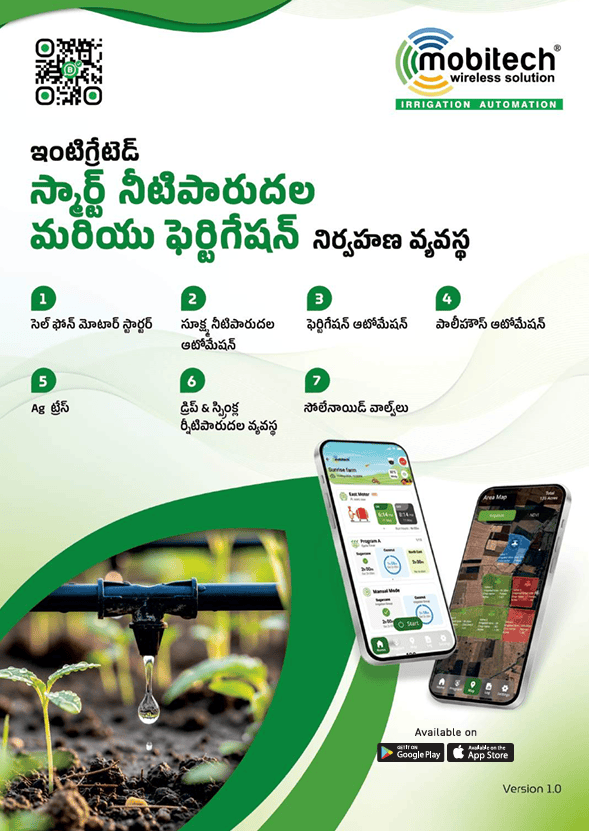
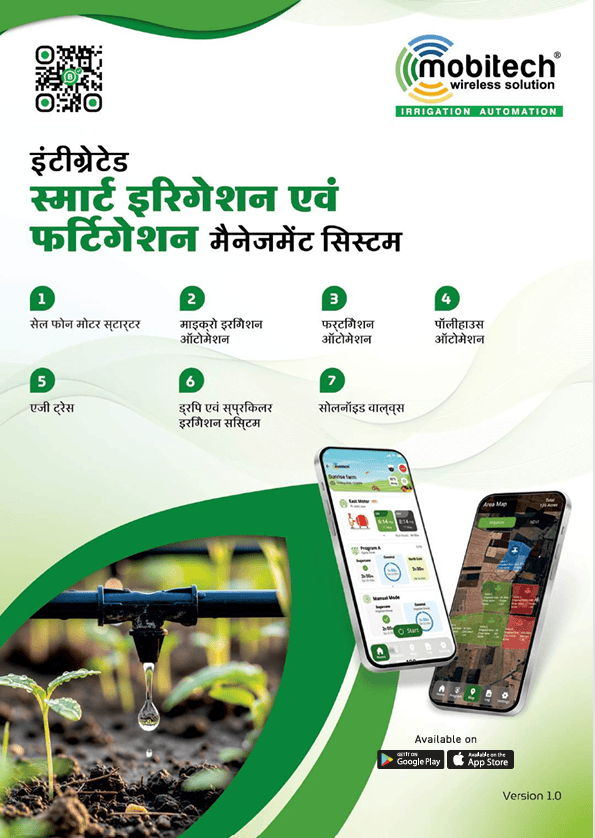
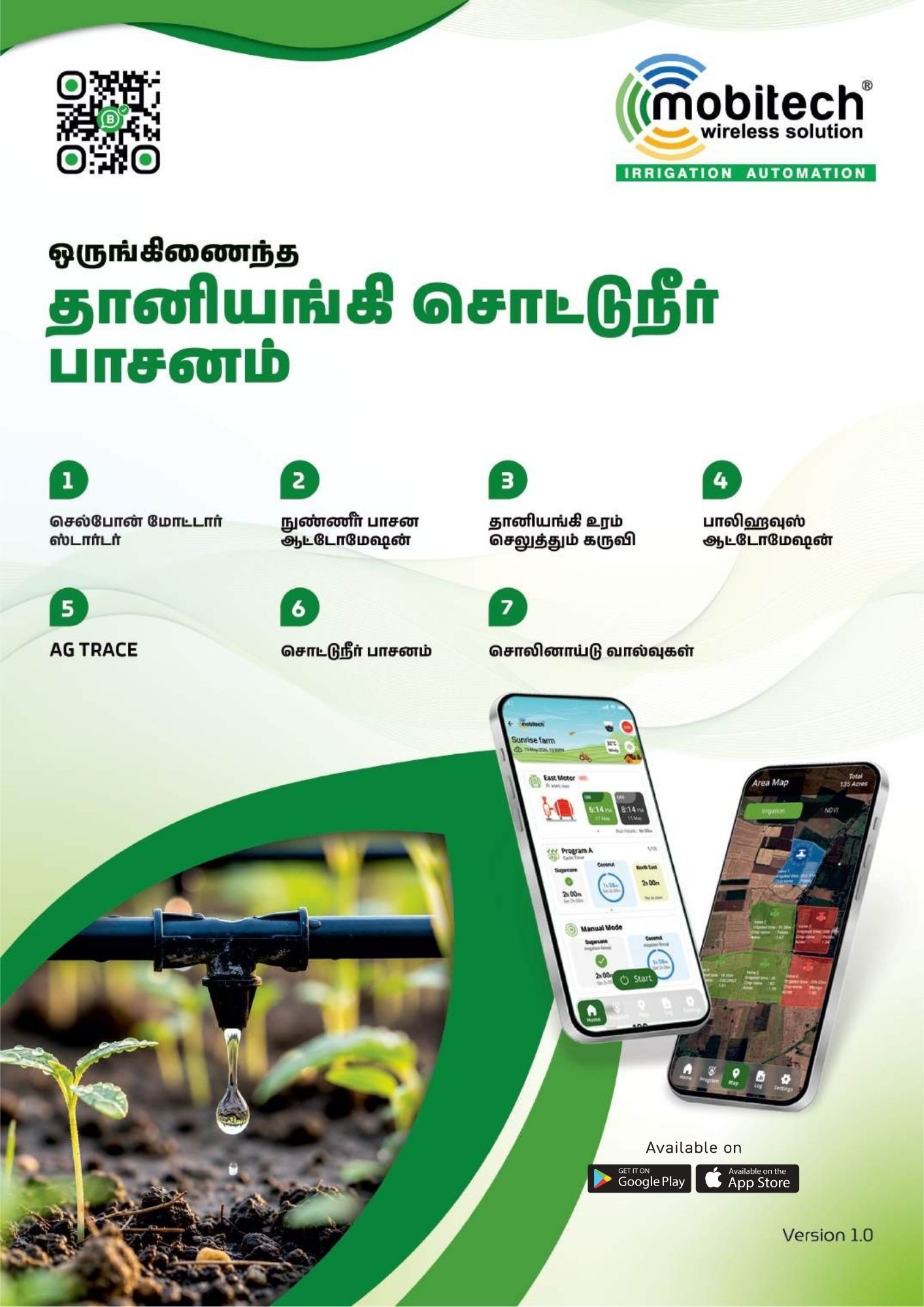
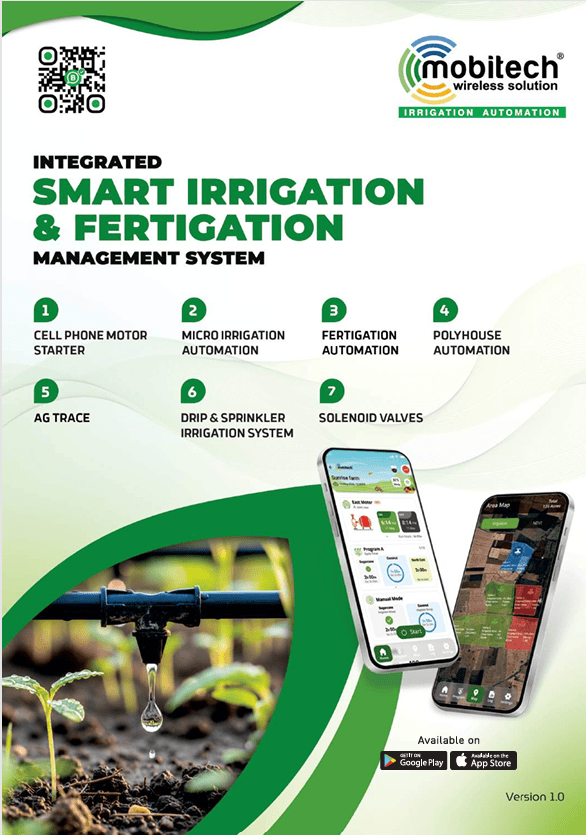
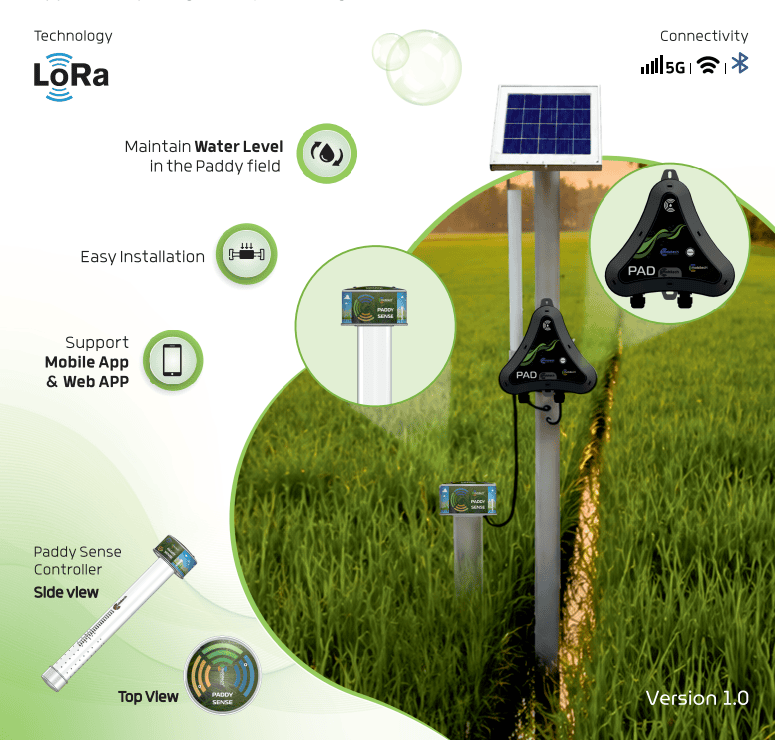
With IoT-based systems, farmers can monitor and control their farms using mobile applications. This allows them to schedule irrigation, track soil conditions, and manage farms remotely from anywhere. Such technology reduces the need for constant field visits and improves operational convenience. Smart Farming Kanniyakumari is rapidly adopting these innovations to simplify farming activities.
Climate Challenges in Agriculture
Unpredictable rainfall, rising temperatures, and seasonal changes affect crop growth in many regions. Smart Farming Kanniyakumari provides better control over irrigation and crop management, ensuring stable productivity even in challenging weather conditions. Farmers can use weather data and forecasting tools to plan farming activities more effectively.
Cost Savings with Smart Farming
Using smart systems helps reduce water usage, electricity consumption, and labor costs. Farmers can avoid unnecessary expenses by automating irrigation and monitoring systems. Over time, this leads to better profitability and long-term sustainability in farming. Smart investments in technology provide higher returns and reduce operational stress.
Advanced Farming Techniques
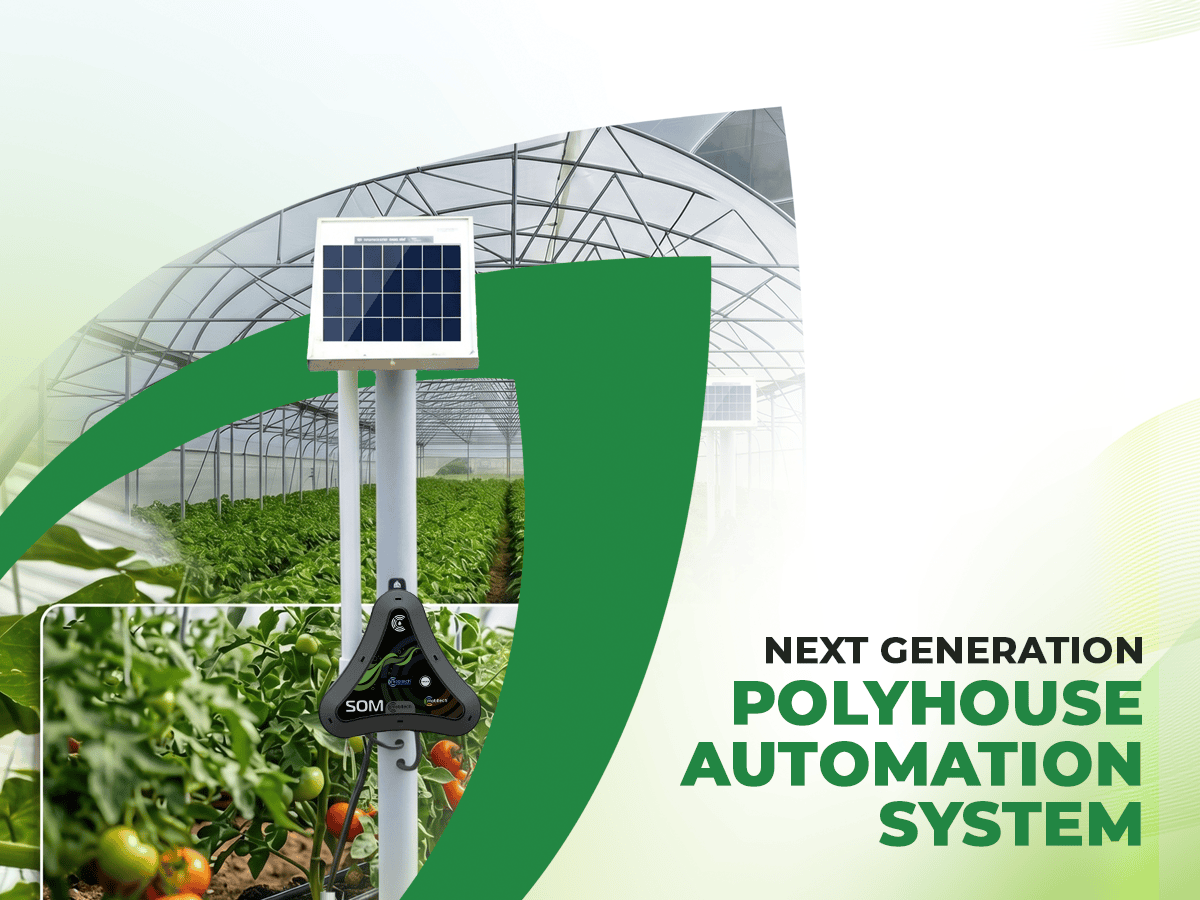
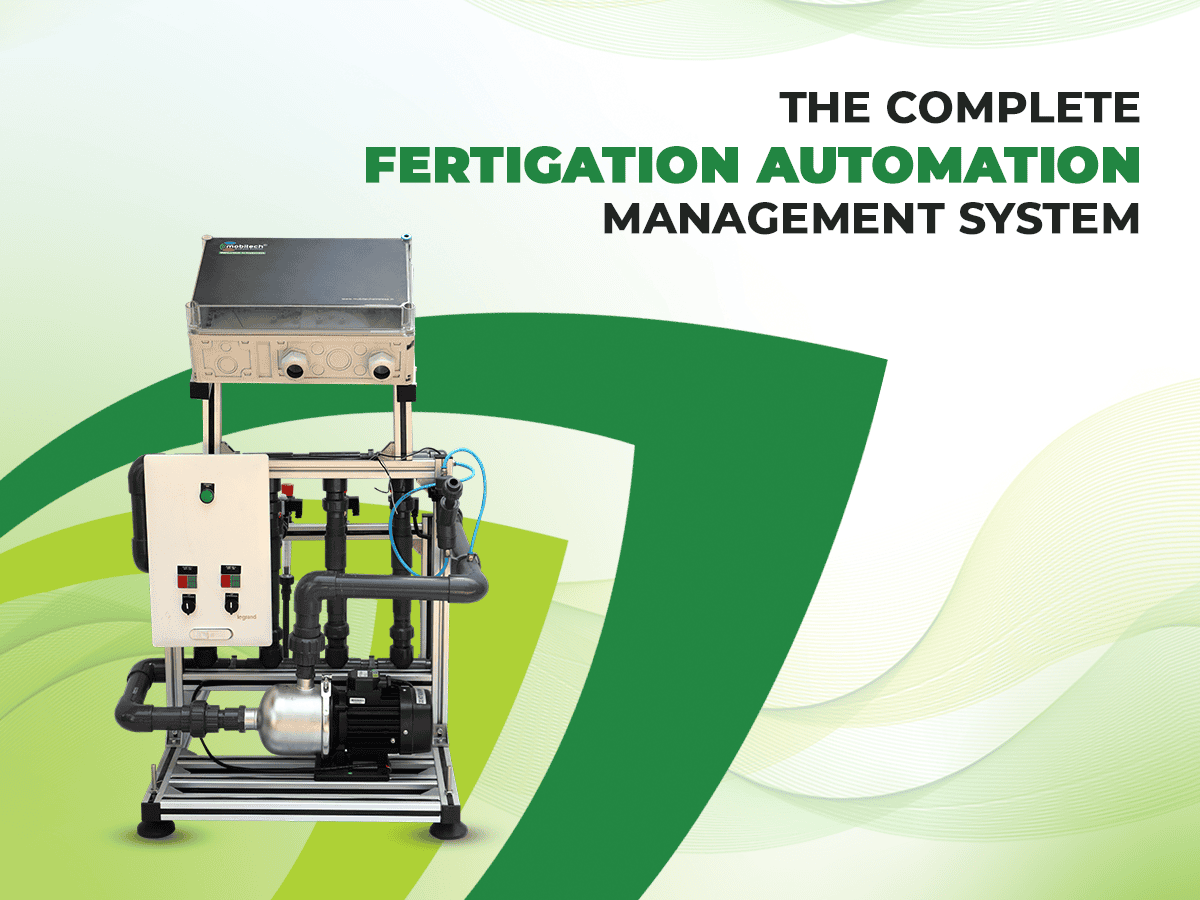
Modern agriculture includes techniques like precision farming, automated fertigation, greenhouse farming, and real-time crop monitoring. These methods help farmers improve crop quality, reduce resource wastage, and increase efficiency in daily operations. Smart Farming Kanniyakumari encourages farmers to adopt these advanced practices for better outcomes.
How Smart Farming Improves Yield
Farmers can track soil health, manage irrigation timing, and optimize nutrient supply effectively using smart systems. Smart Farming Kanniyakumari supports better crop growth and reduces human error, resulting in higher yield and improved farm performance. Accurate monitoring ensures crops receive proper care at every stage.
Government Support and Awareness
Government initiatives and agricultural programs are encouraging farmers to adopt modern technologies. Subsidies and training programs help farmers understand the benefits of automation and smart irrigation systems. These initiatives play a key role in promoting Smart Farming Kanniyakumari and improving rural development.
Future of Smart Farming Kanniyakumari
The future of agriculture is becoming technology-driven. Smart Farming Kanniyakumari will continue to grow as more farmers adopt automation and IoT solutions. With continuous innovation, farming will become more efficient, reliable, and profitable in the coming years.
Conclusion
Smart Farming Kanniyakumari is changing agriculture by making it more efficient and sustainable. Farmers adopting modern irrigation solutions like irrigation controllers can achieve better yields and long-term success while reducing effort and cost. By combining traditional farming knowledge with modern technology, farmers can build a stronger and more productive agricultural future.