














































Why Borewells Are Drying Faster in Erode, Coimbatore and Tiruppur: Causes and Smart Solutions
Borewells have become the lifeline of agriculture across Erode, Coimbatore, and Tiruppur. However, many farmers are now facing a serious challenge—borewells that once provided reliable water throughout the year are drying up much faster than before. Groundwater levels are declining, drilling costs are increasing, and water availability is becoming increasingly uncertain.
Introduction
Agriculture in western Tamil Nadu heavily depends on groundwater resources. Farmers cultivating turmeric, coconut, sugarcane, banana, vegetables, and fodder crops rely on borewells for irrigation throughout the year.
In recent years, many farmers have reported declining water levels, reduced borewell yield, and complete borewells failures during summer months. As a result, agricultural productivity and farm income are being affected.
Understanding why borewells are drying faster and adopting smart water management practices is becoming essential for the future of farming in Erode, Coimbatore, and Tiruppur.

Groundwater Situation in Erode, Coimbatore and Tiruppur
Groundwater depletion has become a major concern across western Tamil Nadu. Rapid urbanization, industrial growth, and increasing agricultural demand have placed enormous pressure on underground water reserves.
| District | Major Water Challenge |
|---|---|
| Erode | Declining groundwater and deeper borewell drilling |
| Coimbatore | Reduced groundwater recharge and urban expansion |
| Tiruppur | High agricultural and industrial water demand |
These challenges have resulted in faster depletion of aquifers, making water access increasingly difficult for farmers.
1. Over-Extraction of Groundwater
One of the primary reasons borewells are drying faster is excessive groundwater extraction. The number of borewells has increased significantly over the years, while groundwater recharge has remained limited.
- Continuous pumping throughout the year
- Growing dependence on borewell irrigation
- Increased agricultural water demand
- Multiple borewells drawing from the same aquifer
When groundwater is extracted faster than it is replenished, water tables naturally decline.
2. Irregular Rainfall and Climate Change
Rainfall patterns in Tamil Nadu have become increasingly unpredictable. Long dry spells followed by intense rainfall events reduce groundwater recharge and increase surface runoff.
3. Traditional Irrigation Methods Waste Valuable Water
Many farms continue to use conventional flood irrigation systems, which often lead to significant water losses.
- Water runoff from fields
- High evaporation losses
- Uneven water distribution
- Over-irrigation of crops
With groundwater becoming increasingly scarce, efficient irrigation methods are more important than ever.
4. Increasing Agricultural and Industrial Water Demand
The districts of Erode, Coimbatore, and Tiruppur have experienced rapid growth in both agriculture and industry over the past two decades. While this development has contributed significantly to the regional economy, it has also increased pressure on groundwater resources.
Agricultural activities require large amounts of water throughout the year, especially for crops such as sugarcane, banana, turmeric, and vegetables. At the same time, textile industries, dyeing units, manufacturing facilities, and growing urban populations also depend heavily on groundwater.
As more users extract water from the same underground aquifers, groundwater levels continue to decline. In many villages, farmers now report that borewells which once supplied water year-round are unable to meet irrigation needs during summer months.
5. Borewell Depths Are Increasing Every Year
One of the clearest signs of groundwater depletion is the increasing depth required to find water. In many farming regions of western Tamil Nadu, older borewells that were drilled at moderate depths are no longer sufficient.
Farmers are investing substantial amounts of money to drill deeper borewells, often without any guarantee of finding adequate water. This increases financial risk while reducing long-term sustainability.
- Higher drilling costs for new borewells
- Increased electricity consumption for deep pumping
- Greater risk of borewell failure
- Reduced return on investment for farmers
As groundwater levels continue to fall, deeper drilling becomes a temporary solution rather than a permanent answer.

How Borewell Drying Impacts Farmers
The effects of groundwater depletion extend far beyond water availability. Farmers face several economic and operational challenges when borewells begin to fail.
| Impact | Effect on Farming |
|---|---|
| Reduced Irrigation | Lower crop growth and yield |
| Higher Costs | Additional drilling and pumping expenses |
| Motor Damage | Dry running increases maintenance costs |
| Crop Loss | Water shortages during critical growth stages |
| Income Reduction | Lower productivity and profitability |
Many farmers are forced to reduce cultivation area or switch crops due to uncertain water availability.
Smart Solutions to Protect Borewell Water
While groundwater depletion is a serious issue, modern technologies and sustainable farming practices can help reduce water usage and improve efficiency.
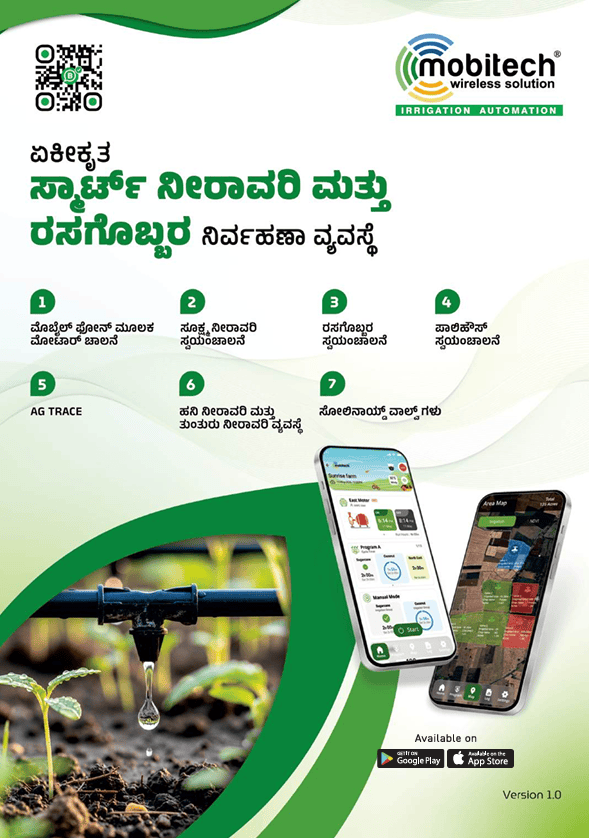
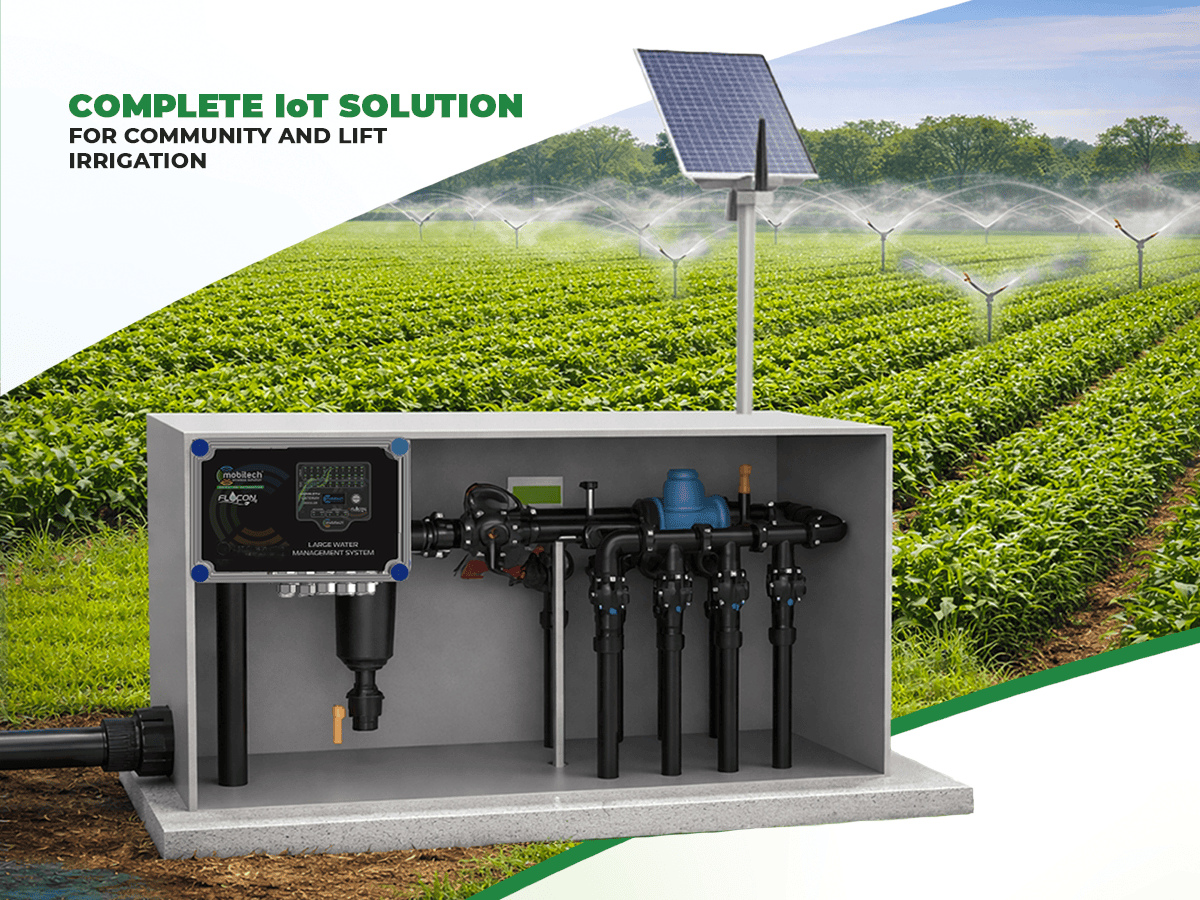
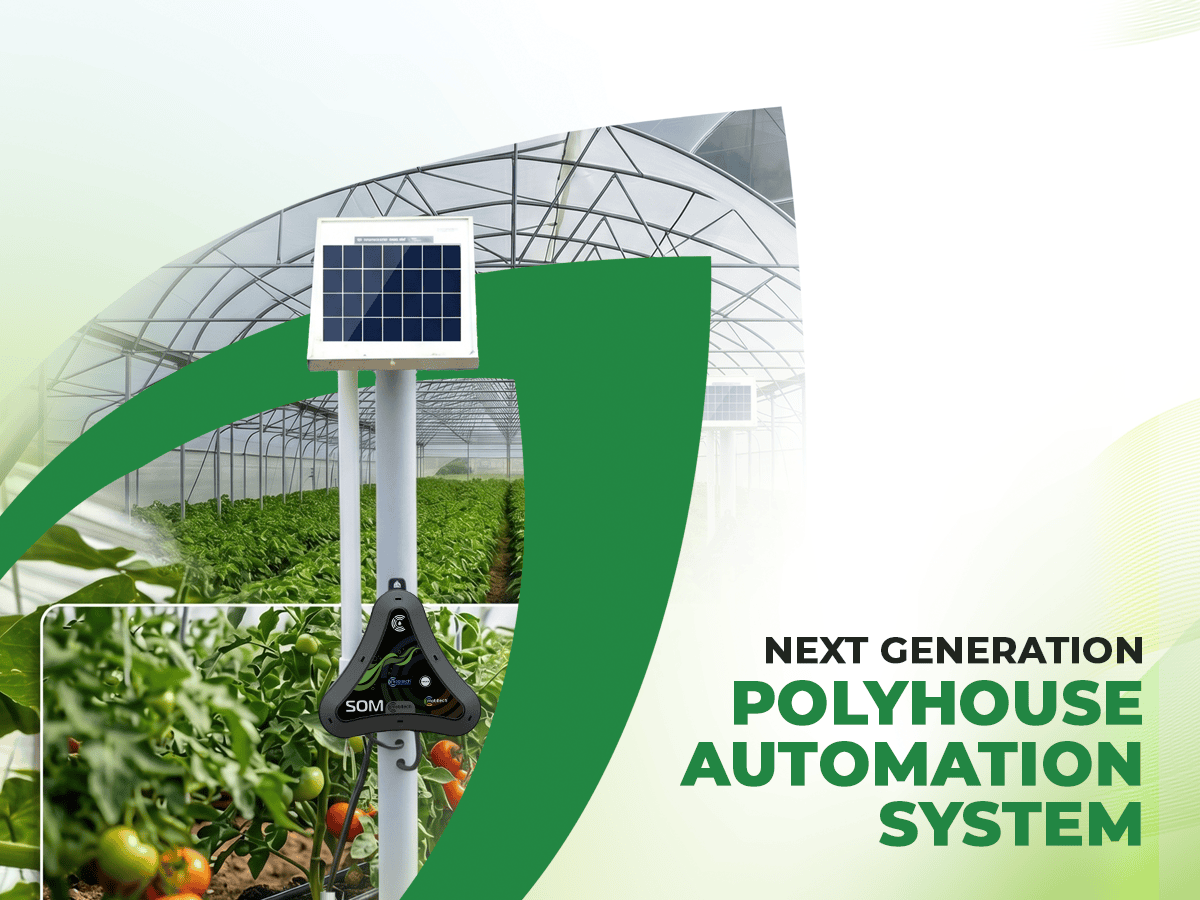
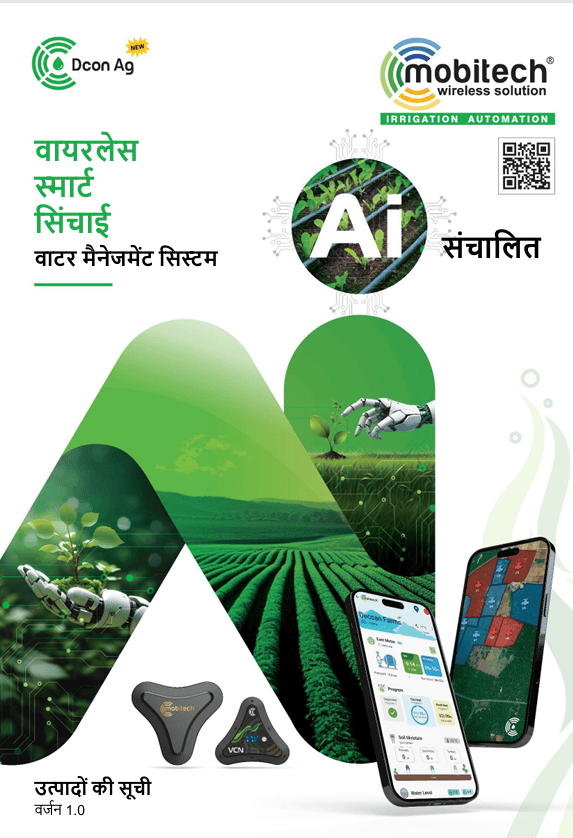
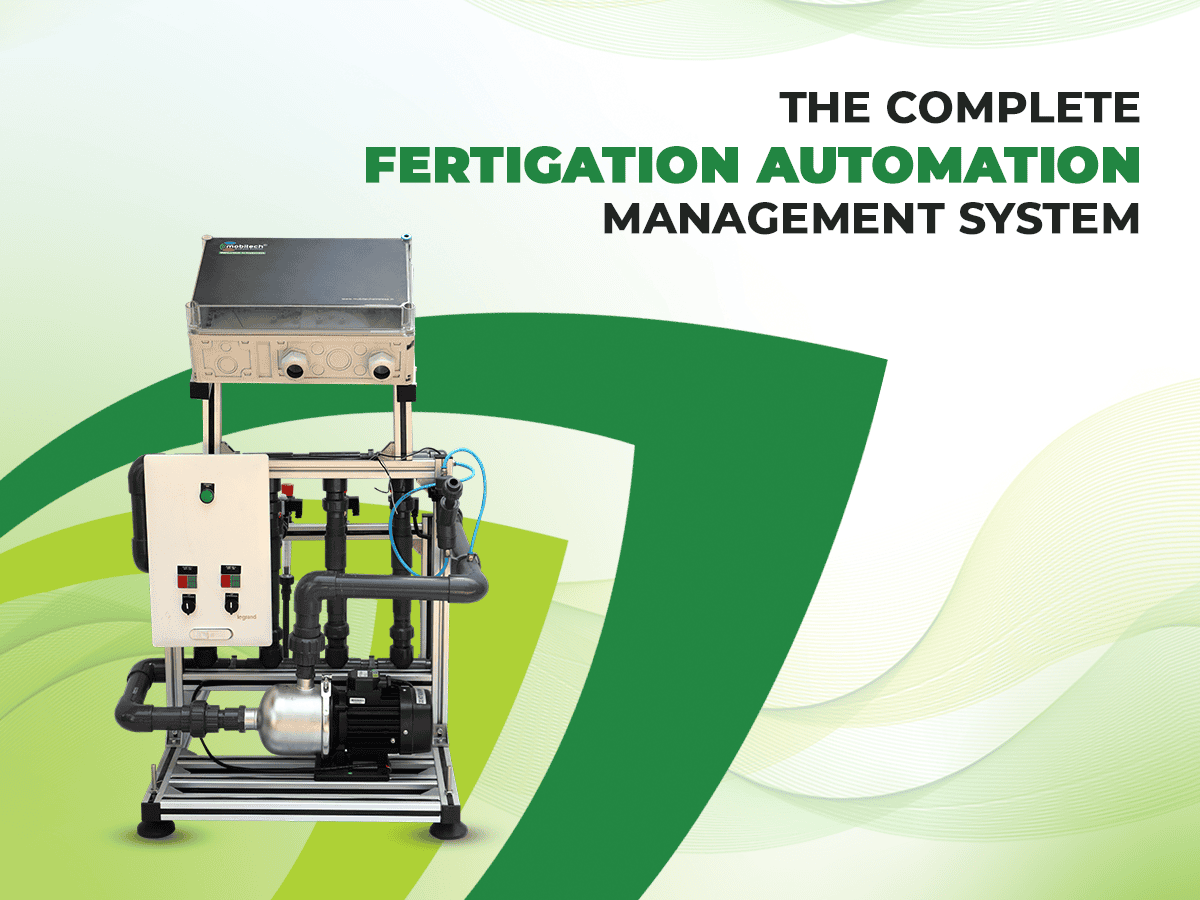
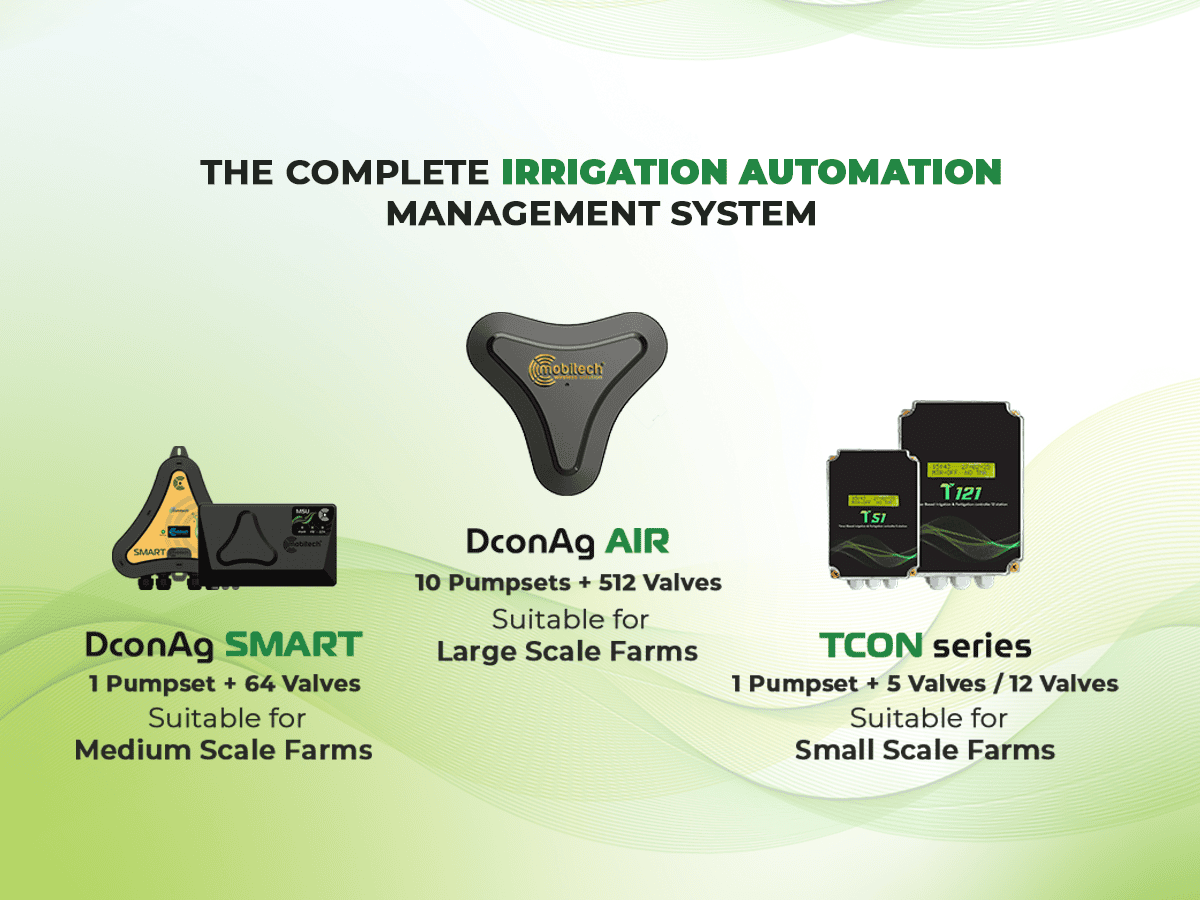
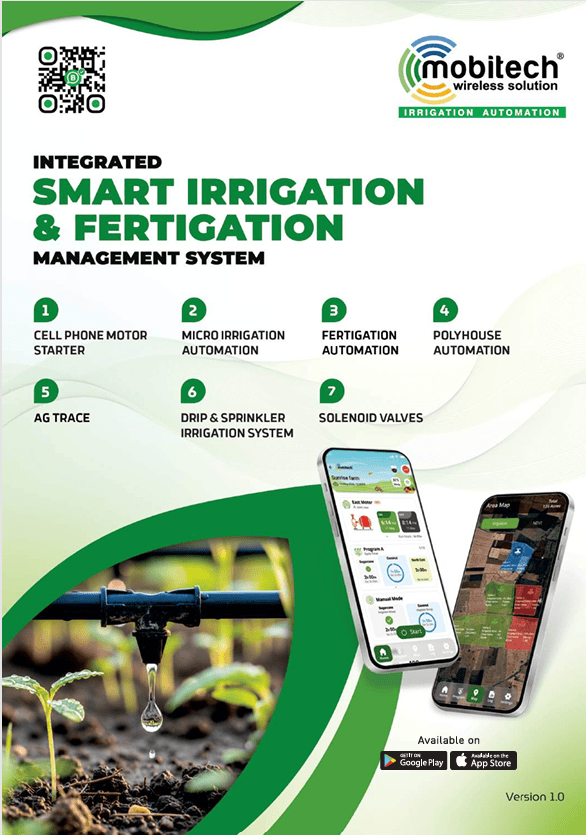
Automate irrigation schedules and deliver water only when crops need it.
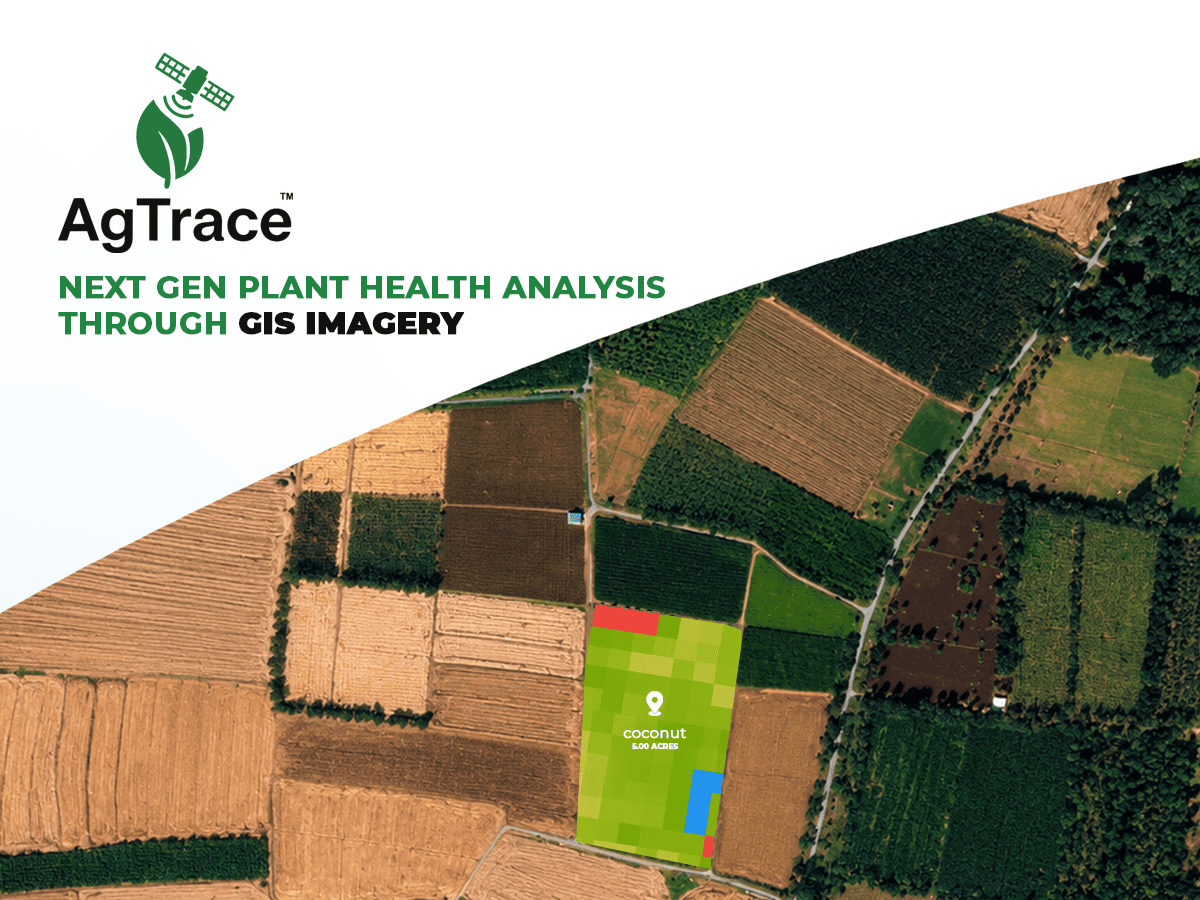
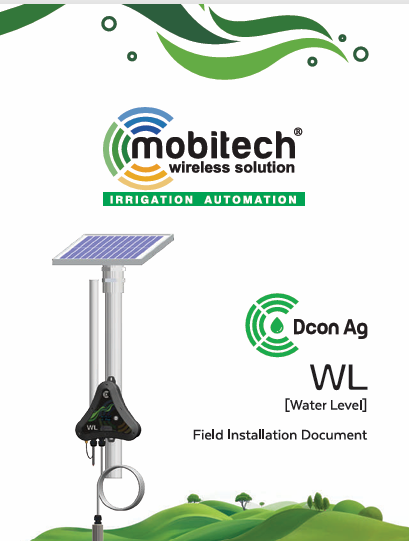
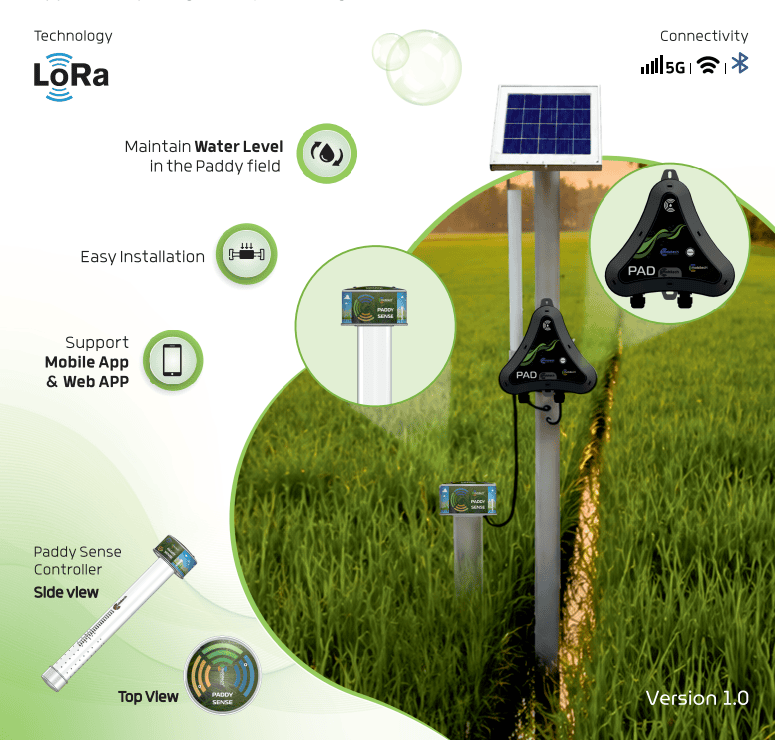
Track borewell water levels remotely and make informed irrigation decisions.
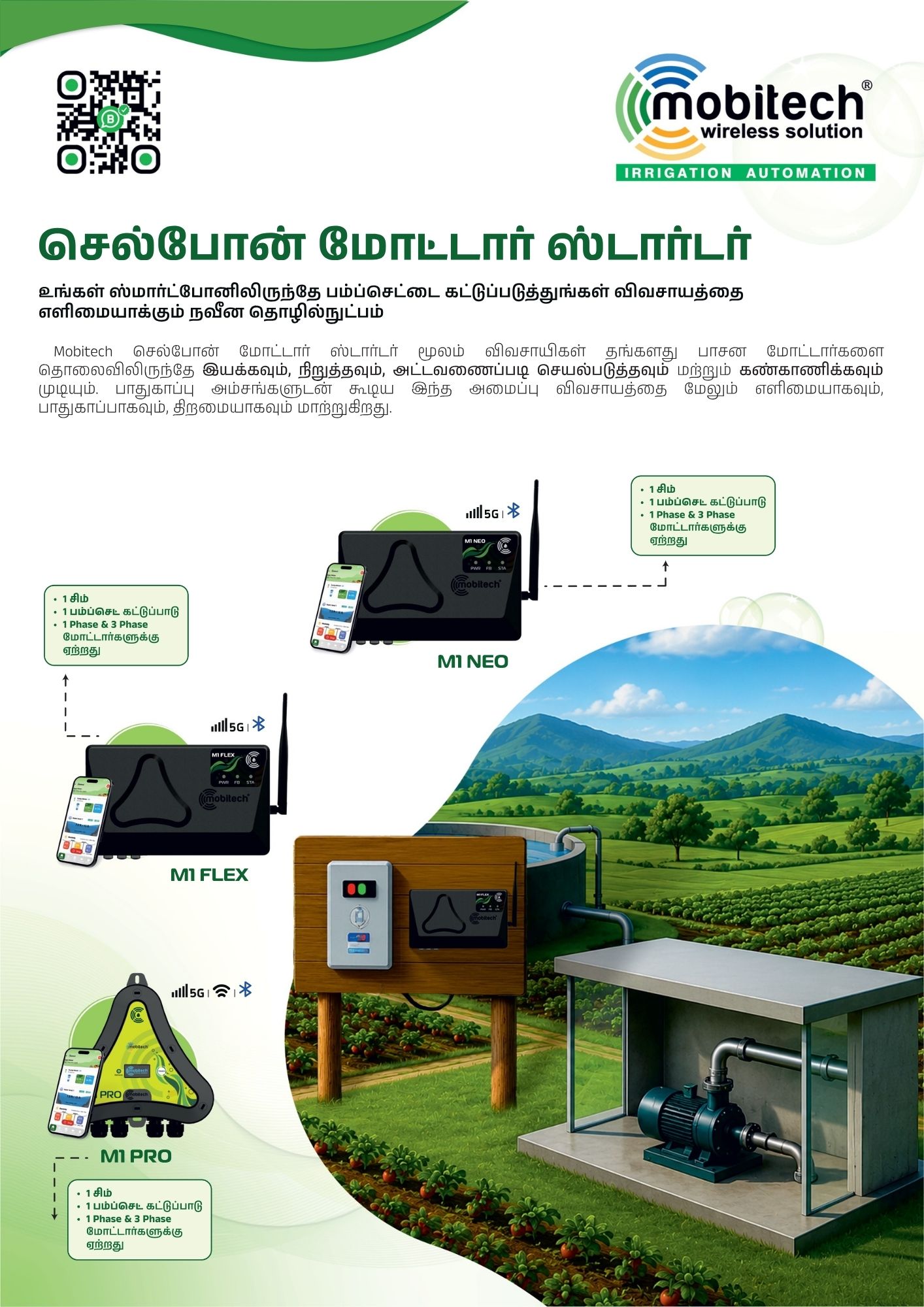
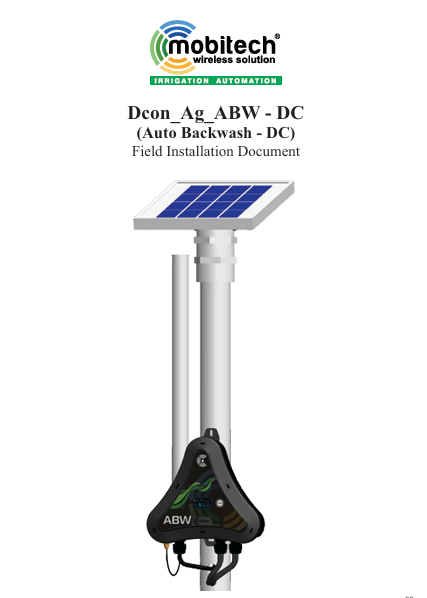
Prevent dry running, reduce energy waste, and protect pumps.
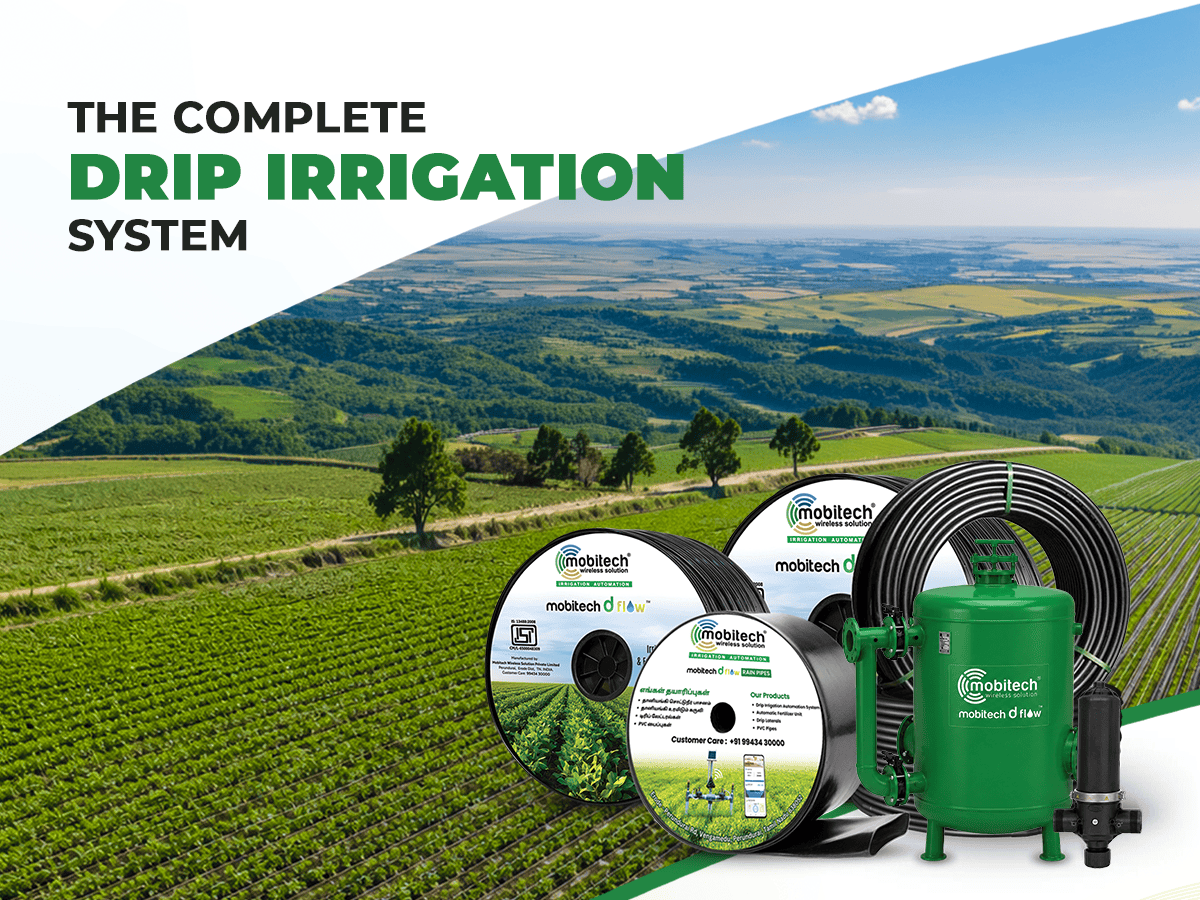
Deliver water directly to plant roots and reduce wastage.
Increase groundwater recharge and improve long-term water availability.
Why Smart Irrigation Is Becoming Essential
Traditional irrigation methods often waste a significant amount of water. Smart irrigation technologies use sensors, automation, and real-time monitoring to ensure crops receive the right amount of water at the right time.
Benefits include:
- Reduced water consumption
- Lower electricity costs
- Improved crop yield
- Better groundwater conservation
- Reduced labour requirements
- Increased farm profitability
For regions facing groundwater stress, smart irrigation is no longer just an option—it is becoming a necessity for sustainable agriculture.
What Farmers Can Do Today
- Monitor borewell water levels regularly
- Adopt drip irrigation wherever possible
- Install automatic motor protection systems
- Practice rainwater harvesting
- Avoid excessive groundwater extraction
- Schedule irrigation based on crop needs
- Invest in water-efficient technologies
Even small improvements in water management can make a significant difference over time.
Conclusion
The rapid drying of borewells in Erode, Coimbatore, and Tiruppur is a warning sign that groundwater resources are under increasing pressure. Over-extraction, climate change, irregular rainfall, and inefficient irrigation practices are all contributing to the problem.
However, by adopting smart irrigation systems, water level monitoring, automatic motor controllers, and groundwater recharge practices, farmers can significantly improve water efficiency and reduce the risk of future water shortages.
The future of agriculture in western Tamil Nadu depends not only on finding water but on managing every drop wisely. Smart water management today can help secure productive farms for generations to come.