





















































How Soil Degradation Is Becoming a Major Problem for Karnataka Farmers
Soil degradation is emerging as one of the biggest threats to agriculture in Karnataka. Farmers across the state are experiencing declining crop yields, reduced soil fertility, increasing input costs, and growing challenges in managing water efficiently. While climate change and water scarcity often receive attention, the gradual loss of soil health is silently affecting farm productivity year after year. Understanding the causes and consequences of soil degradation is becoming essential for building a sustainable future for Karnataka agriculture.
What Is Soil Degradation?
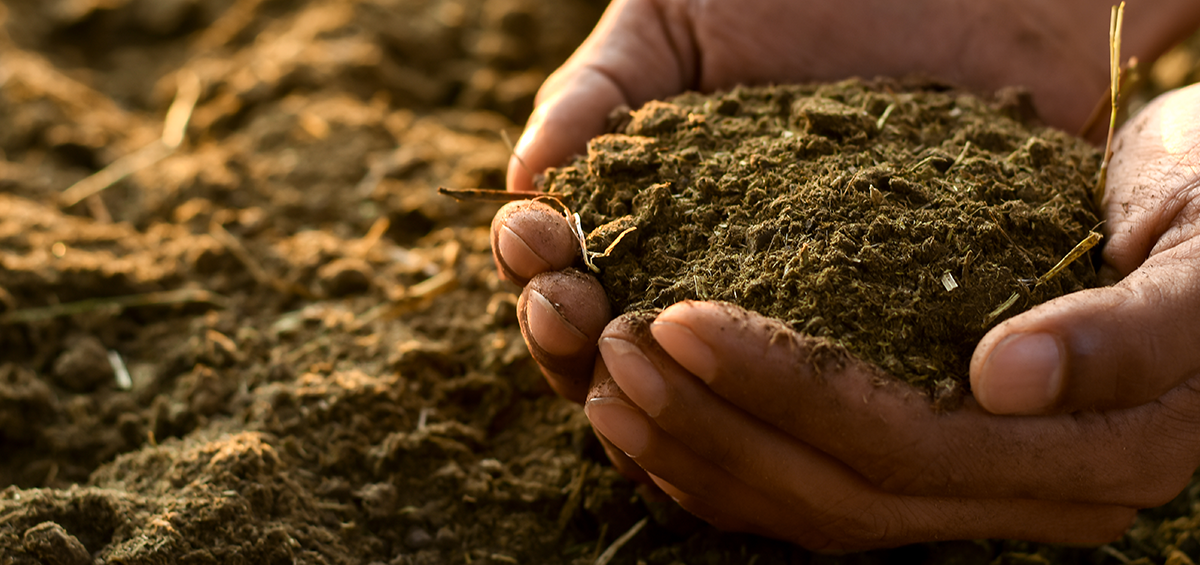
Soil degradation refers to the decline in soil quality caused by physical, chemical, and biological changes. Healthy soil contains nutrients, organic matter, microorganisms, and a structure that supports plant growth. When these characteristics deteriorate, soil loses its ability to support productive agriculture.
Farmers may continue cultivating the same land for years without realizing that the soil itself is gradually becoming less productive.
Why Soil Degradation Is Increasing in Karnataka
Karnataka’s agricultural regions face several factors that contribute to soil degradation. Increasing temperatures, erratic monsoons, intensive farming practices, and excessive use of chemical inputs are accelerating the problem.
Many farmers cultivate the same crops repeatedly without sufficient organic matter replenishment. Over time, this depletes essential nutrients and weakens soil structure. In dry regions of Karnataka, erosion and moisture loss further worsen soil conditions.
Major Causes of Soil Degradation
- Continuous monocropping practices.
- Excessive use of chemical fertilizers.
- Improper irrigation management.
- Soil erosion caused by rainfall and wind.
- Declining organic matter content.
- Overgrazing in rural areas.
- Deforestation and land-use changes.
- Poor drainage and salinity buildup.
Warning Signs of Soil Degradation
Many farmers notice the symptoms but may not immediately connect them to declining soil health.
How Soil Degradation Affects Crop Production
When soil quality declines, crops struggle to access nutrients, water, and oxygen. Even with adequate irrigation and fertilizer application, degraded soils often fail to support healthy plant growth.
- Lower nutrient uptake by crops.
- Reduced root development.
- Increased vulnerability to drought.
- Poor water infiltration.
- Greater susceptibility to pests and diseases.
- Lower farm profitability.
The Impact of Soil Erosion in Karnataka
Soil erosion is one of the most visible forms of soil degradation. During heavy rainfall, valuable topsoil is washed away from agricultural fields. This topsoil contains the majority of nutrients and organic matter needed for crop growth.
In many hilly and semi-arid regions of Karnataka, erosion significantly reduces long-term soil productivity and increases dependence on external inputs.
Common Soil Problems Faced by Farmers
| Soil Problem | Impact on Agriculture |
|---|---|
| Nutrient Depletion | Lower crop growth and yield. |
| Soil Erosion | Loss of fertile topsoil. |
| Compaction | Poor root penetration and drainage. |
| Salinity | Reduced plant growth. |
| Organic Matter Loss | Declining soil fertility. |
How Water Scarcity and Soil Degradation Are Connected
Healthy soil acts like a natural sponge, absorbing and storing water for crops. When soil becomes degraded, its ability to retain moisture decreases significantly.
As a result, farmers may need to irrigate more frequently while still experiencing moisture stress in crops. This increases water consumption, pumping costs, and pressure on already limited groundwater resources.
Climate Change Is Accelerating Soil Degradation
Changing weather patterns are making soil conservation more difficult. Prolonged dry periods reduce organic matter levels, while intense rainfall events increase erosion risks.
Higher temperatures also speed up the breakdown of soil organic carbon, reducing soil fertility over time. Without corrective measures, climate change could further worsen soil degradation across Karnataka.
Best Practices to Prevent Soil Degradation
- Use cover crops to protect soil.
- Add compost and organic matter regularly.
- Practice crop rotation.
- Reduce excessive tillage.
- Implement contour farming where necessary.
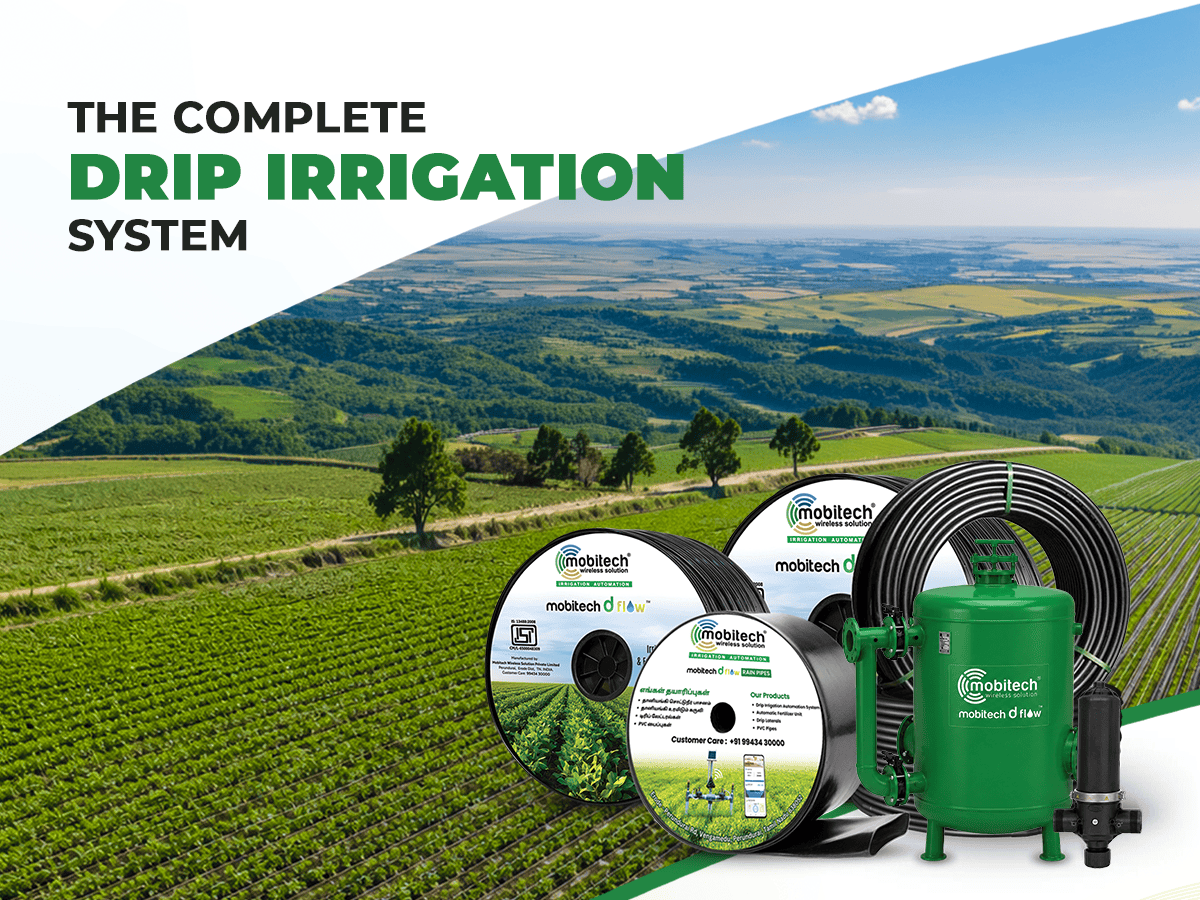
- Adopt drip irrigation systems.
- Conduct regular soil testing.
- Use balanced fertilizer application.
How Smart Agriculture Can Improve Soil Health
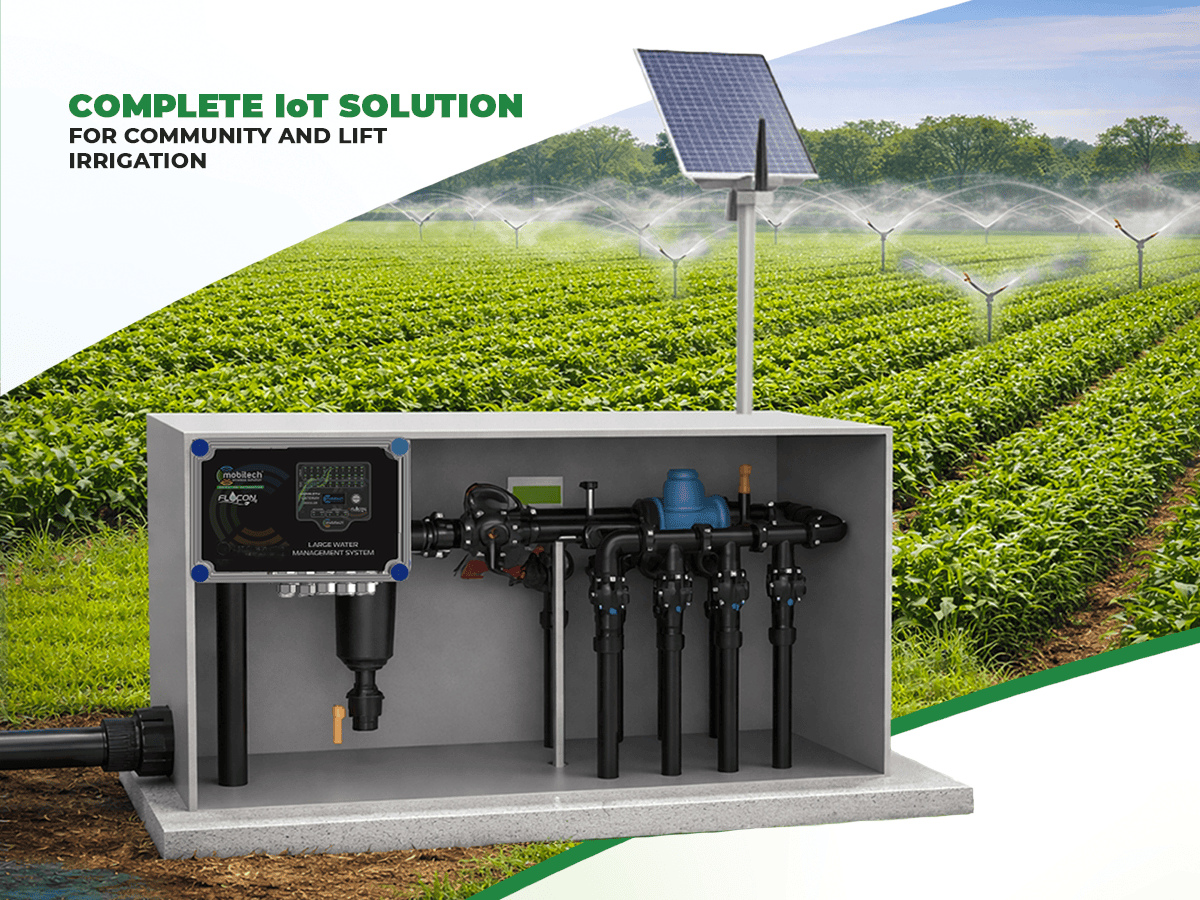
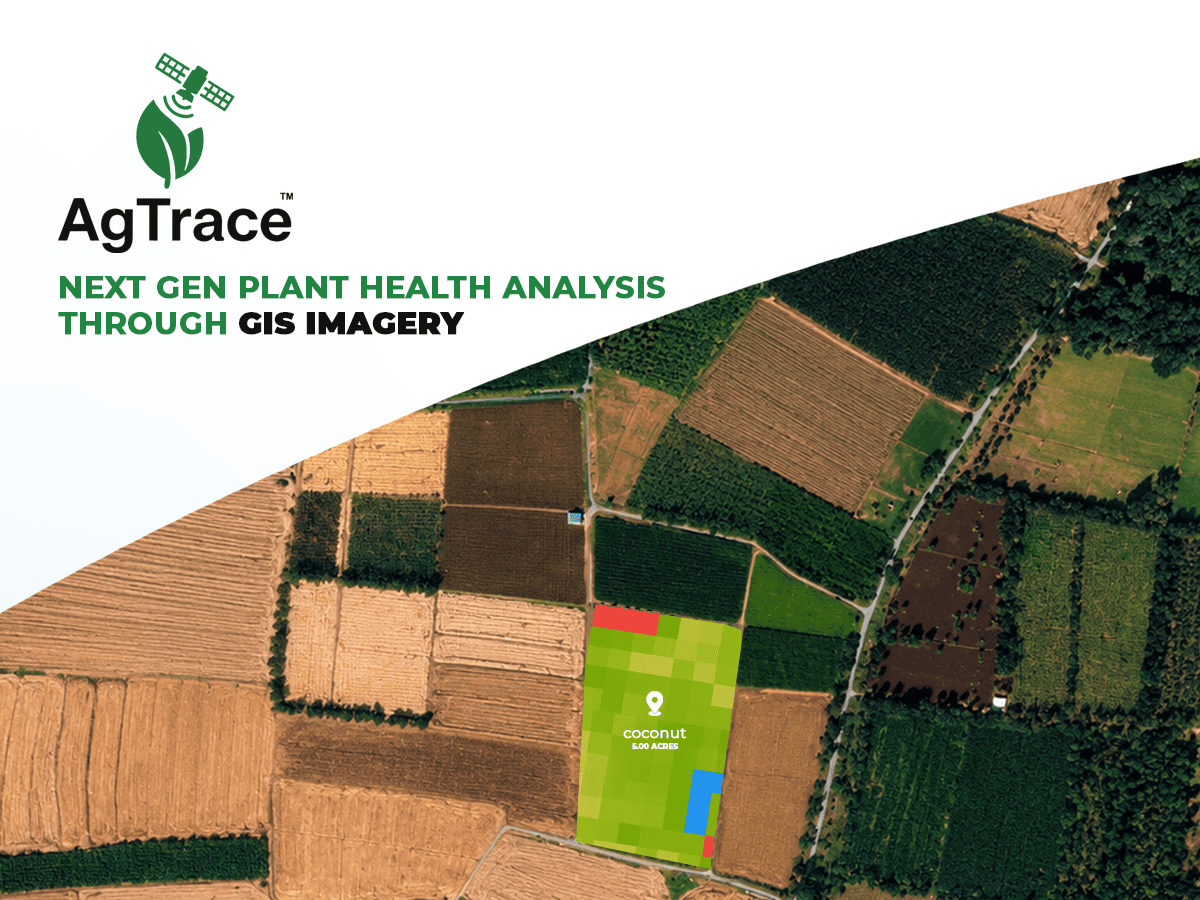
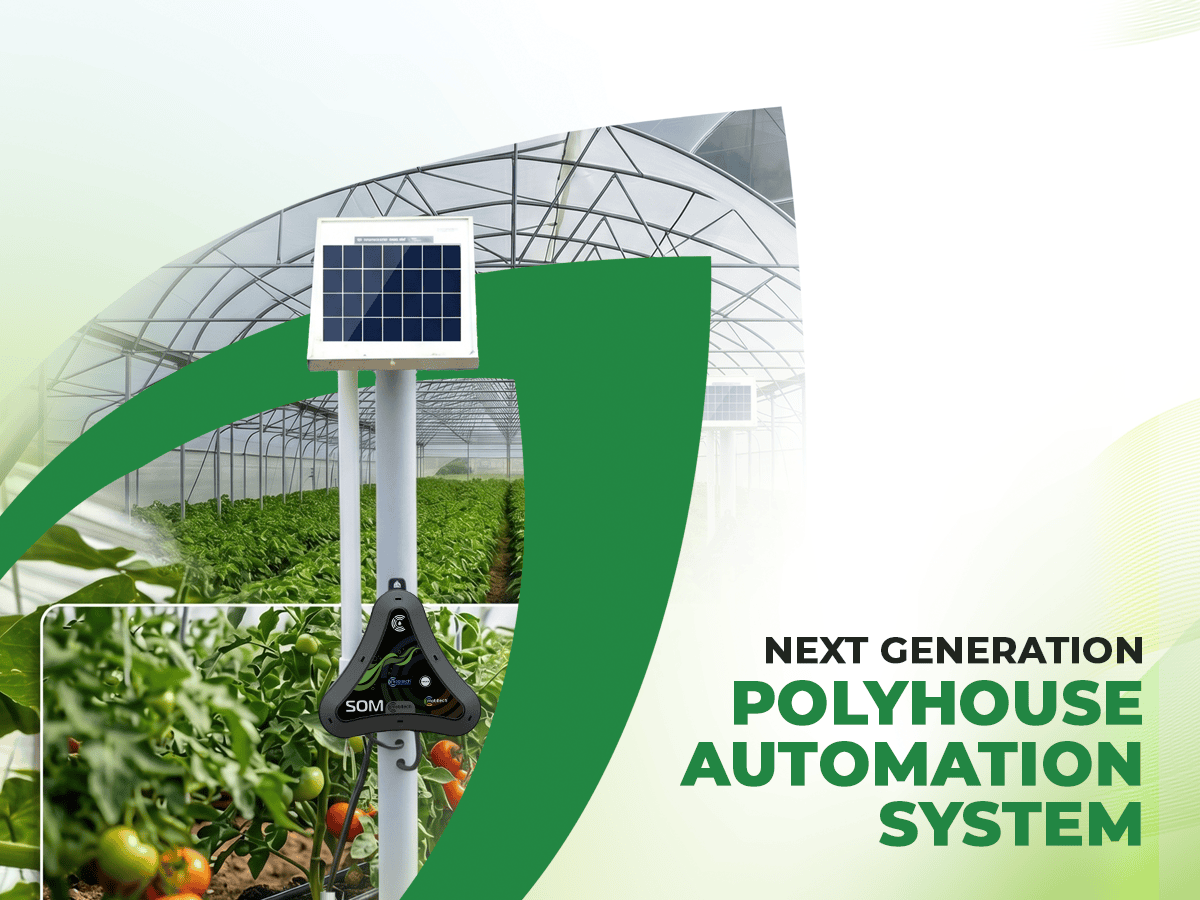
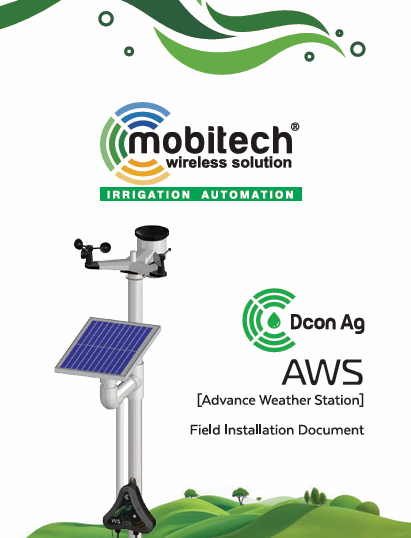
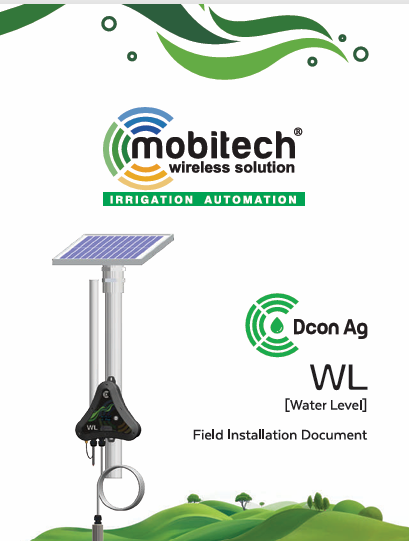
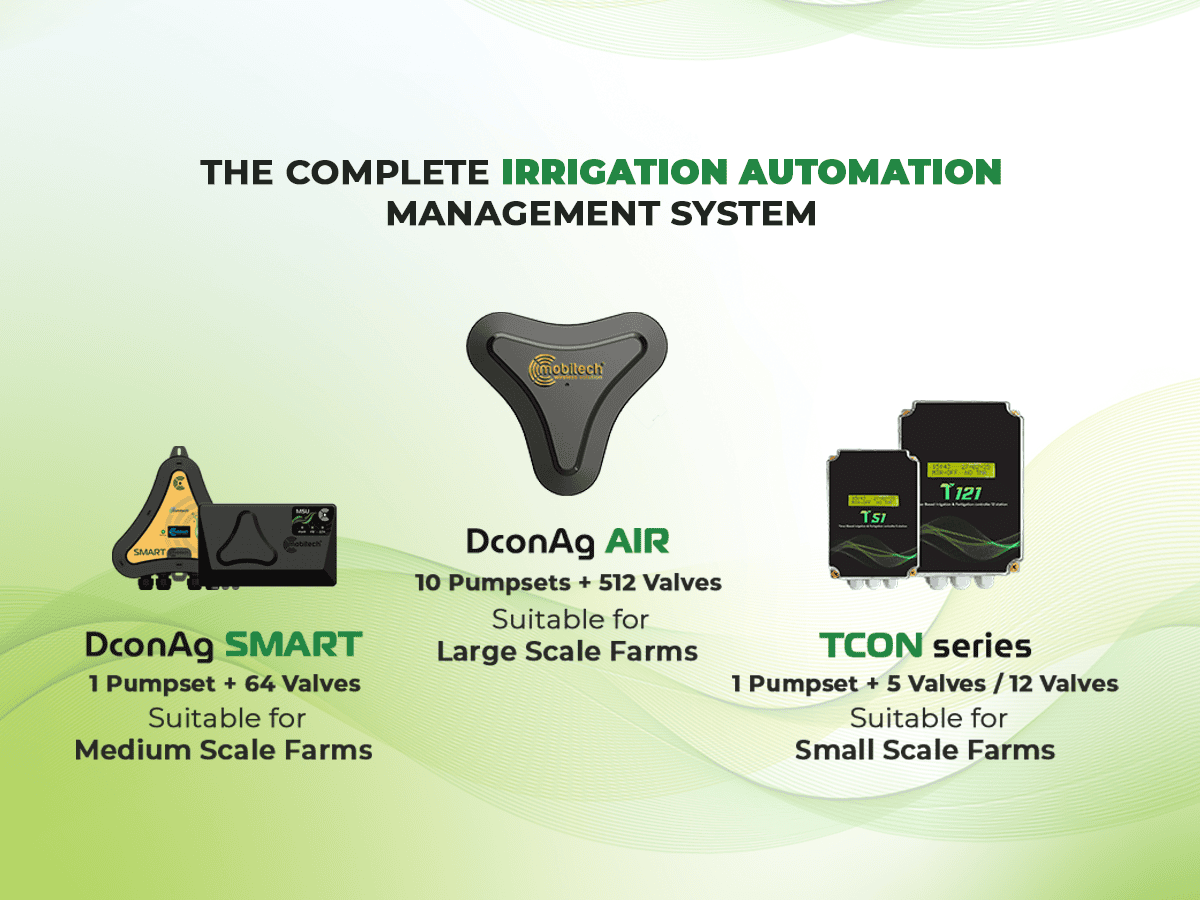
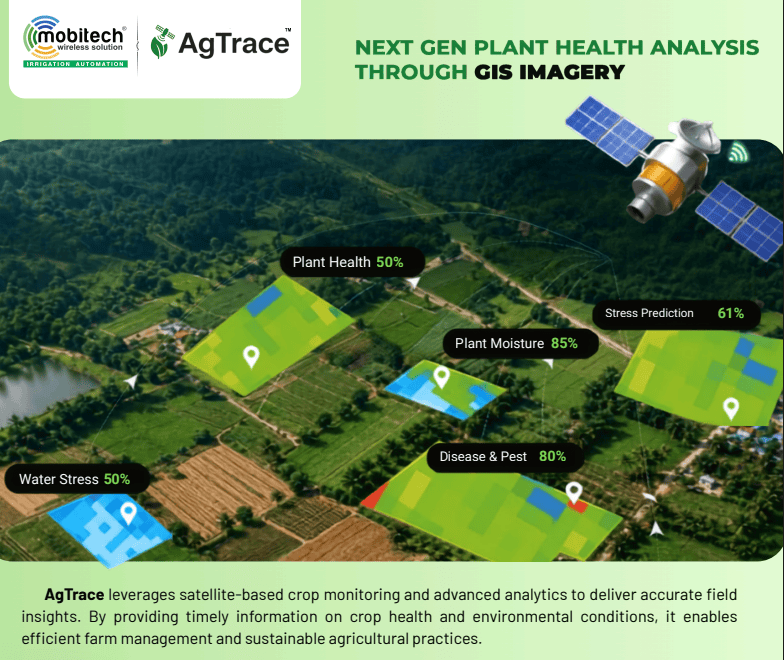
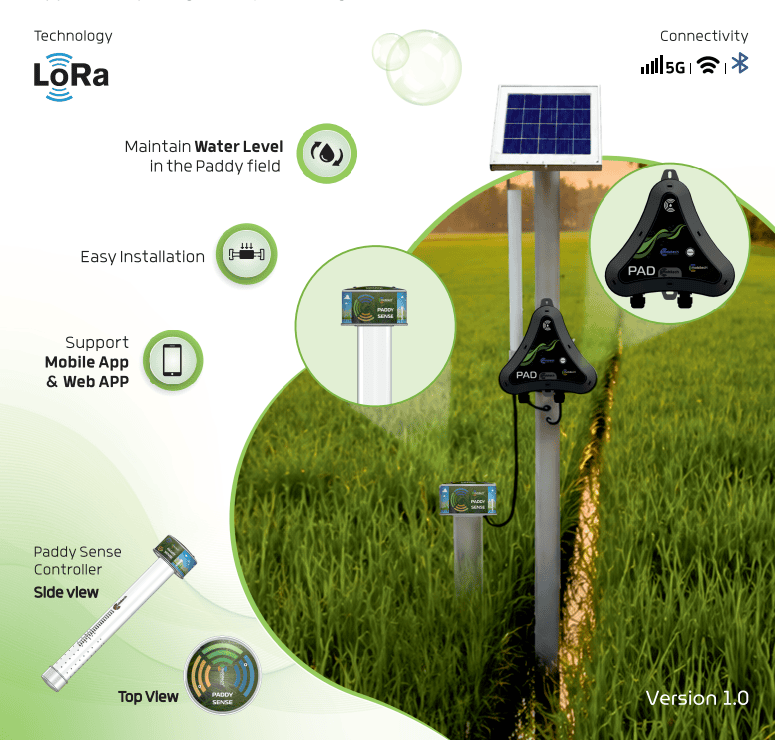
Modern agricultural technologies help farmers manage soil and water resources more efficiently. Soil moisture monitoring, automated irrigation systems, and weather-based scheduling help prevent both over-irrigation and under-irrigation.
By maintaining optimal soil moisture levels, farmers can reduce erosion risks, improve nutrient availability, and support healthier crop growth.
- Soil moisture monitoring
- Automated irrigation scheduling
- Weather-based irrigation planning
- Water-use optimization
- Remote farm monitoring
- Improved resource management
Conclusion
Soil degradation is no longer a distant environmental issue—it is a growing agricultural challenge that directly affects Karnataka farmers. Declining soil fertility, erosion, moisture loss, and rising production costs can significantly impact long-term farm profitability.
Healthy soil is the foundation of successful farming. By adopting soil conservation practices, improving water management, and embracing smart agricultural technologies, Karnataka farmers can restore soil health, improve crop productivity, and build a more resilient agricultural future.