




























































How Erratic Rainfall Is Affecting Kerala Agriculture
Kerala has always been recognized for its rich greenery, fertile land, and abundant rainfall. Agriculture in the state depends heavily on seasonal monsoons to support crops such as paddy, coconut, rubber, banana, spices, coffee, tea, and vegetables. However, in recent years, erratic rainfall has become one of the biggest challenges facing Kerala agriculture. Delayed monsoons, sudden heavy rainfall, prolonged dry spells, and unseasonal rain are making it increasingly difficult for farmers to plan cultivation and maintain consistent crop yields. Understanding the causes and impacts of erratic rainfall is essential for building a more resilient agricultural future.
What Is Erratic Rainfall?
Erratic rainfall refers to irregular or unpredictable rainfall patterns that differ from normal seasonal expectations. Instead of receiving evenly distributed rainfall throughout the monsoon season, farmers experience delayed rains, sudden cloudbursts, prolonged dry periods, or excessive rainfall within a short time. These irregular weather conditions make farming much more challenging and increase the risk of crop failure.

Why Erratic Rainfall Is Increasing in Kerala
Several environmental factors are contributing to changing rainfall patterns across Kerala. Climate change is increasing global temperatures, which affects atmospheric moisture and monsoon circulation. Ocean temperature changes, deforestation, urban expansion, and changing land-use patterns further influence rainfall distribution across the state.
Instead of steady rainfall spread over several weeks, many regions now receive intense rainfall within just a few days, followed by long dry periods. This imbalance creates serious challenges for agricultural production.
Major Challenges Faced by Kerala Farmers
- Delayed monsoon affecting sowing schedules.
- Sudden heavy rainfall causing floods and waterlogging.
- Long dry spells creating irrigation shortages.
- Crop damage during flowering and harvesting stages.
- Increased pest and disease outbreaks.
- Soil erosion and nutrient loss.
- Difficulty managing irrigation efficiently.
- Higher farming costs and lower profitability.
Warning Signs Farmers Are Experiencing
How Erratic Rainfall Affects Different Crops
Kerala cultivates a wide range of crops, and each responds differently to changing rainfall patterns.
- Paddy: Flooding delays planting and damages young seedlings.
- Coconut: Long dry periods reduce nut production and affect tree health.
- Rubber: Continuous rainfall interrupts latex tapping operations.
- Banana: Heavy rainfall and strong winds cause lodging and root damage.
- Pepper & Cardamom: High humidity encourages fungal diseases.
- Vegetables: Waterlogging and nutrient leaching reduce crop quality.
Floods, Droughts, and Water Scarcity
Kerala is increasingly experiencing both flooding and drought within the same agricultural season. Intense rainfall washes away fertile topsoil, damages irrigation infrastructure, and floods cultivated land. Later, prolonged dry spells reduce water availability, forcing farmers to rely heavily on groundwater and stored water for irrigation.
This cycle creates uncertainty and significantly increases production costs.
Common Weather Challenges
| Weather Condition | Impact on Agriculture |
|---|---|
| Delayed Monsoon | Late sowing and reduced crop establishment. |
| Heavy Rainfall | Flooding, erosion, and waterlogging. |
| Dry Spells | Moisture stress and reduced yields. |
| Strong Winds | Damage to banana, coconut, and other plantation crops. |
| High Humidity | Increased pest infestation and fungal diseases. |
Economic Impact on Kerala Agriculture
Erratic rainfall not only reduces crop production but also increases agricultural expenses. Farmers often spend more on irrigation, pesticides, fertilizers, crop replanting, and soil restoration after floods or droughts. Lower productivity combined with higher input costs directly affects farm profitability and livelihood security.
How Smart Agriculture Can Help
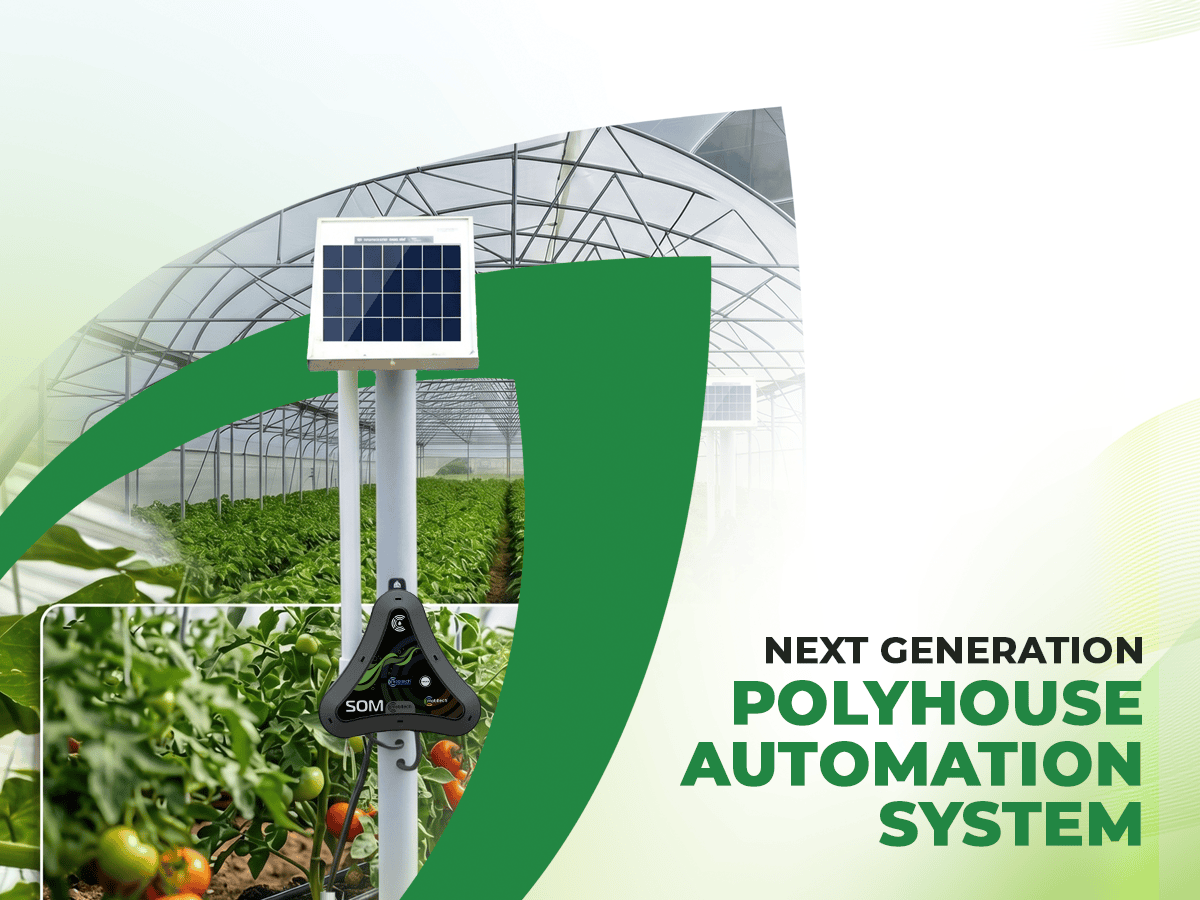
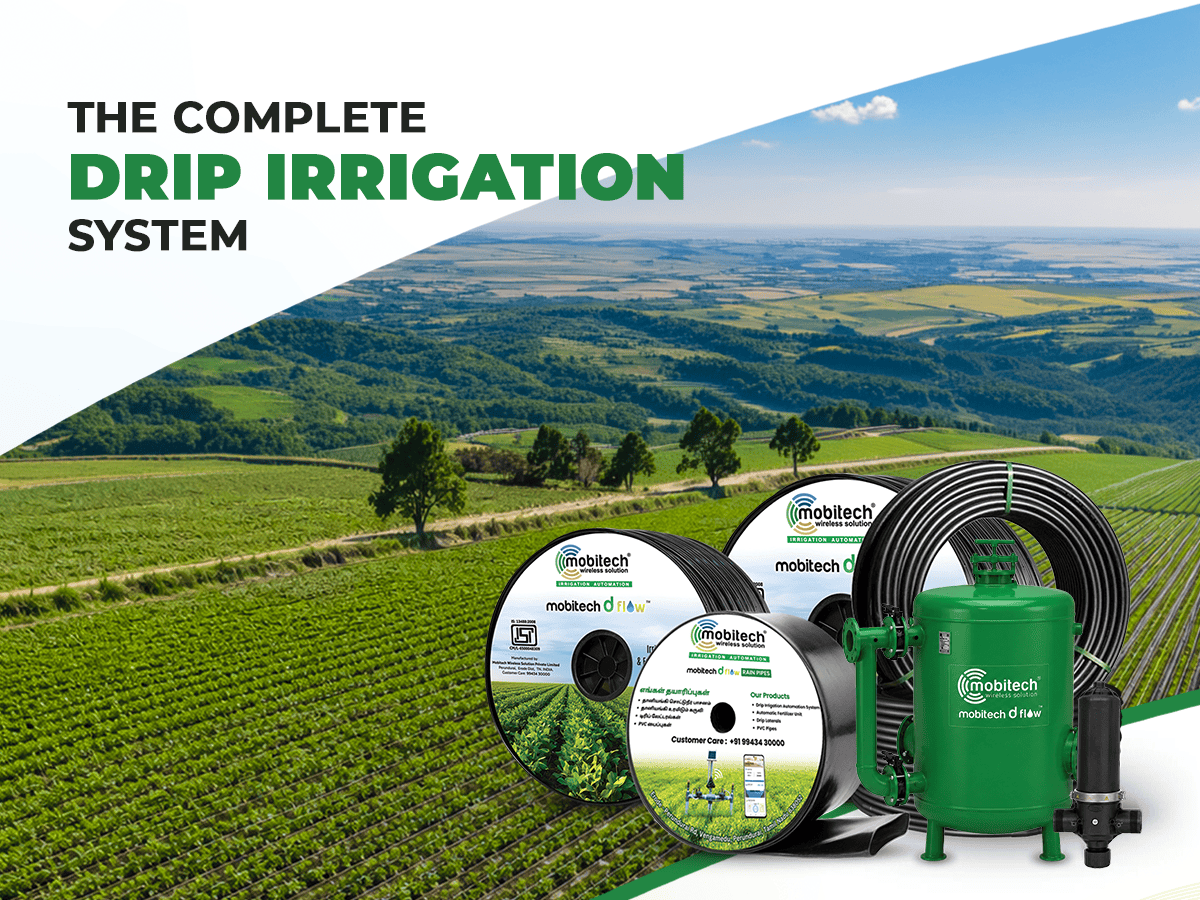
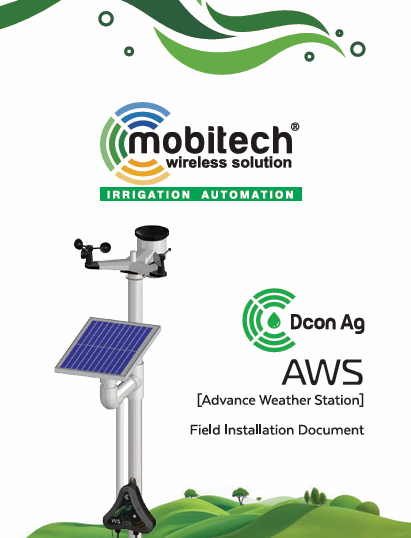
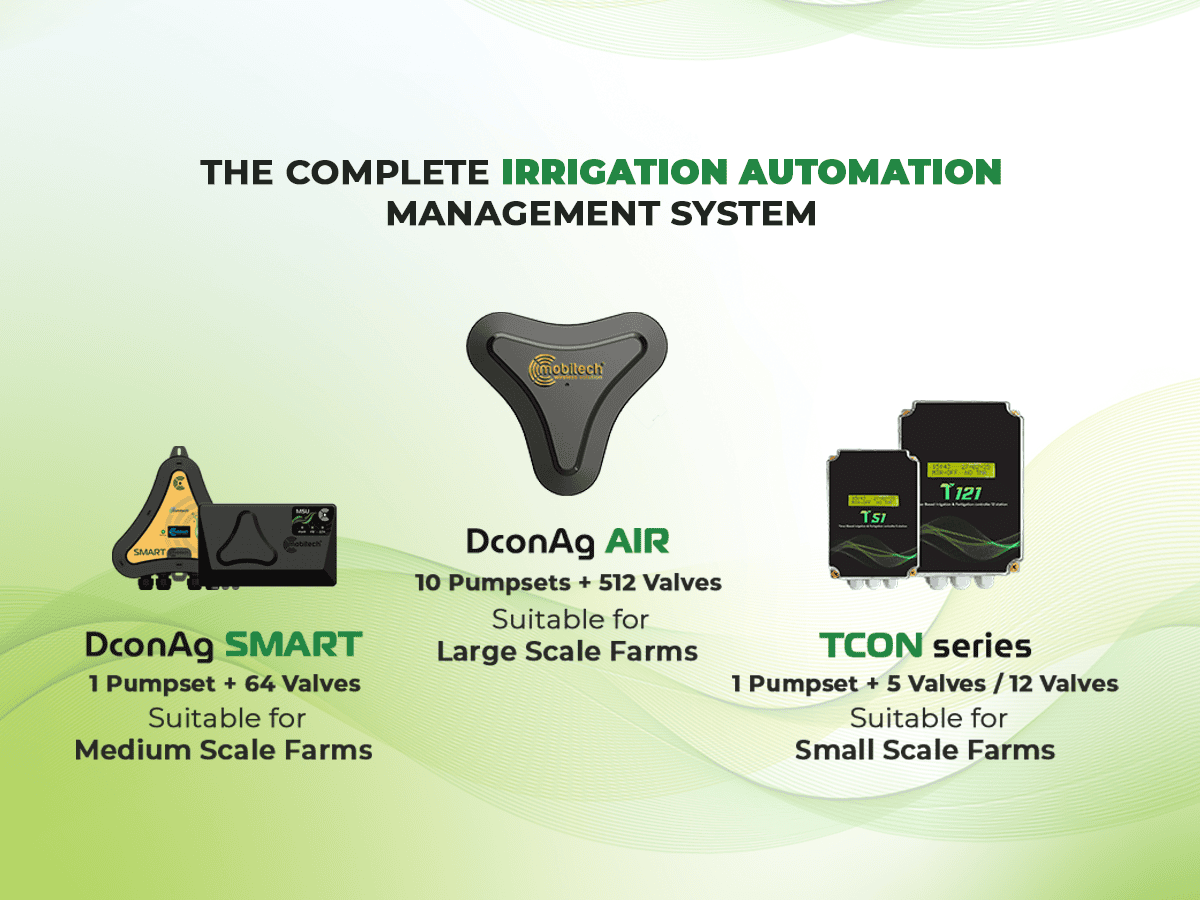
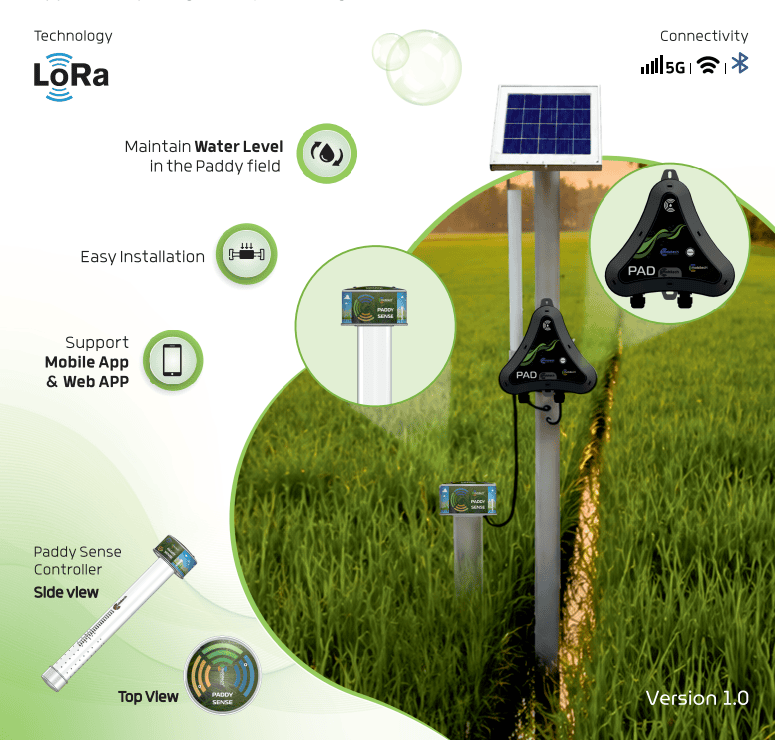
Modern smart irrigation systems enable farmers to make better irrigation decisions based on real-time field conditions. Combining weather station monitoring with soil moisture monitoring allows farmers to optimize water usage, reduce crop stress, and improve productivity despite changing rainfall patterns.
- Real-time weather monitoring
- Automated irrigation scheduling
- Soil moisture monitoring
- Remote farm management through mobile applications
- Efficient water conservation
- Improved irrigation planning
Conclusion
Erratic rainfall has become one of the most significant threats to Kerala agriculture. Delayed monsoons, heavy rainfall, prolonged droughts, and changing weather patterns are making farming increasingly difficult for growers across the state. While these weather changes cannot be prevented, farmers can minimize their impact by adopting climate-smart farming practices, improving water management, and investing in modern agricultural technologies.
By using smart irrigation systems, weather monitoring solutions, and soil moisture sensors, Kerala farmers can make informed decisions, conserve water, reduce crop losses, and build a more sustainable and resilient agricultural future despite the challenges of erratic rainfall.