















































Coconut Trees Are Yielding Fewer Nuts: Hidden Water Management Mistakes Farmers Ignore
Many coconut farmers are noticing a worrying trend: healthy-looking trees producing fewer nuts than expected. While pests, diseases, and aging trees often receive the blame, one of the biggest causes is often overlooked—poor water management. Even when irrigation is provided regularly, hidden mistakes in watering practices can reduce flowering, nut setting, and overall coconut yield. This article explains the common water management mistakes affecting coconut farms and how smart irrigation can help improve productivity.
Why Water Management Is Critical for Coconut Trees
Coconut palms require a consistent supply of moisture throughout the year. Unlike seasonal crops, coconut trees continuously produce leaves, flowers, and developing nuts. Any interruption in water availability can affect future yields for several months. Even short periods of moisture stress can result in fewer flowers, poor nut development, and increased nut fall.

Why Coconut Yields Have Declined in Recent Years
Across many coconut-growing regions, farmers report lower nut production compared to previous years. While coconut trees can remain productive for decades, changing climate conditions, increasing temperatures, irregular rainfall, and declining groundwater levels are affecting tree health and productivity.
In the past, many coconut farms relied on seasonal rainfall and shallow groundwater sources. Today, longer dry spells and unpredictable weather patterns are making irrigation management more difficult. Even farms with borewell access are facing increasing challenges due to declining groundwater levels.
Hidden Water Management Mistakes Farmers Often Ignore
- Watering too frequently without checking soil moisture.
- Providing water only near the trunk instead of the active root zone.
- Uneven irrigation across the farm.
- Ignoring seasonal water requirements.
- Poor drainage causing root stress.
- Excessive evaporation losses during summer.
- Failure to monitor soil moisture levels.
- Over-reliance on manual irrigation schedules.
Early Signs of Water Stress in Coconut Trees
Many farmers only notice water problems after yield has already declined. However, coconut trees often show early warning signs that indicate moisture stress.
How Water Stress Affects Coconut Yield
Many farmers assume that visible wilting is the first sign of water stress. In coconut trees, the impact often appears much later. Water shortages can affect flowering and nut formation months before symptoms become visible.
- Produce fewer flower clusters.
- Experience poor pollination success.
- Drop young nuts prematurely.
- Develop smaller coconuts.
- Reduce overall annual yield.
- Become more vulnerable to pests and diseases.
How Climate Change Is Affecting Coconut Farms
Climate change is creating new challenges for coconut farmers. Rising temperatures increase evaporation from soil and irrigation water, meaning trees may require more frequent irrigation than in previous years.
Irregular monsoons and prolonged dry periods also make it difficult to maintain consistent soil moisture. Without proper irrigation planning, coconut palms experience repeated cycles of water stress that gradually reduce productivity.
Common Irrigation Problems in Coconut Farms
| Problem | Impact on Yield |
|---|---|
| Under-Irrigation | Reduced flowering and nut production. |
| Over-Irrigation | Root damage and nutrient loss. |
| Uneven Water Distribution | Some trees perform well while others decline. |
| Poor Drainage | Root suffocation and disease risk. |
| Manual Irrigation Errors | Inconsistent watering schedules. |
Groundwater Challenges for Coconut Farmers
As rainfall becomes less predictable, many farmers depend heavily on borewells. Continuous groundwater extraction without adequate recharge causes water tables to decline over time.
Lower groundwater levels mean higher pumping costs, increased electricity consumption, and reduced irrigation reliability during critical crop growth stages.
The Importance of Water Reaching the Root Zone
One of the biggest misconceptions is that water reaching the field means the crop is receiving enough moisture. Coconut roots spread outward well beyond the trunk. If irrigation water does not reach the active root zone, the tree cannot efficiently absorb moisture and nutrients.
Best Water Management Practices for Coconut Farms
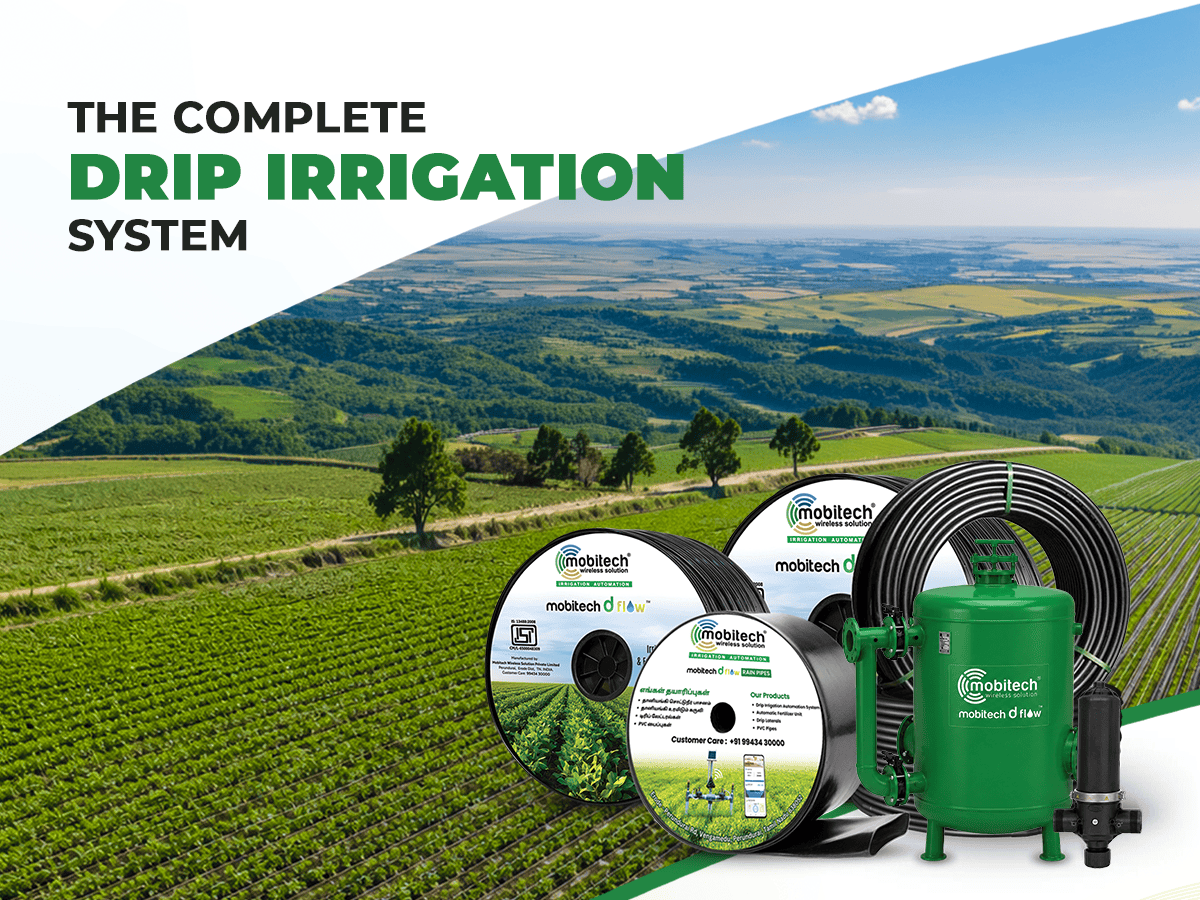
- Adopt drip irrigation systems.
- Use mulch to reduce soil moisture loss.
- Monitor soil moisture regularly.
- Maintain proper drainage.
- Schedule irrigation based on weather conditions.
- Inspect pipelines and valves regularly.
- Automate irrigation schedules whenever possible.
- Prevent water wastage through leak detection.
How Smart Irrigation Improves Coconut Production
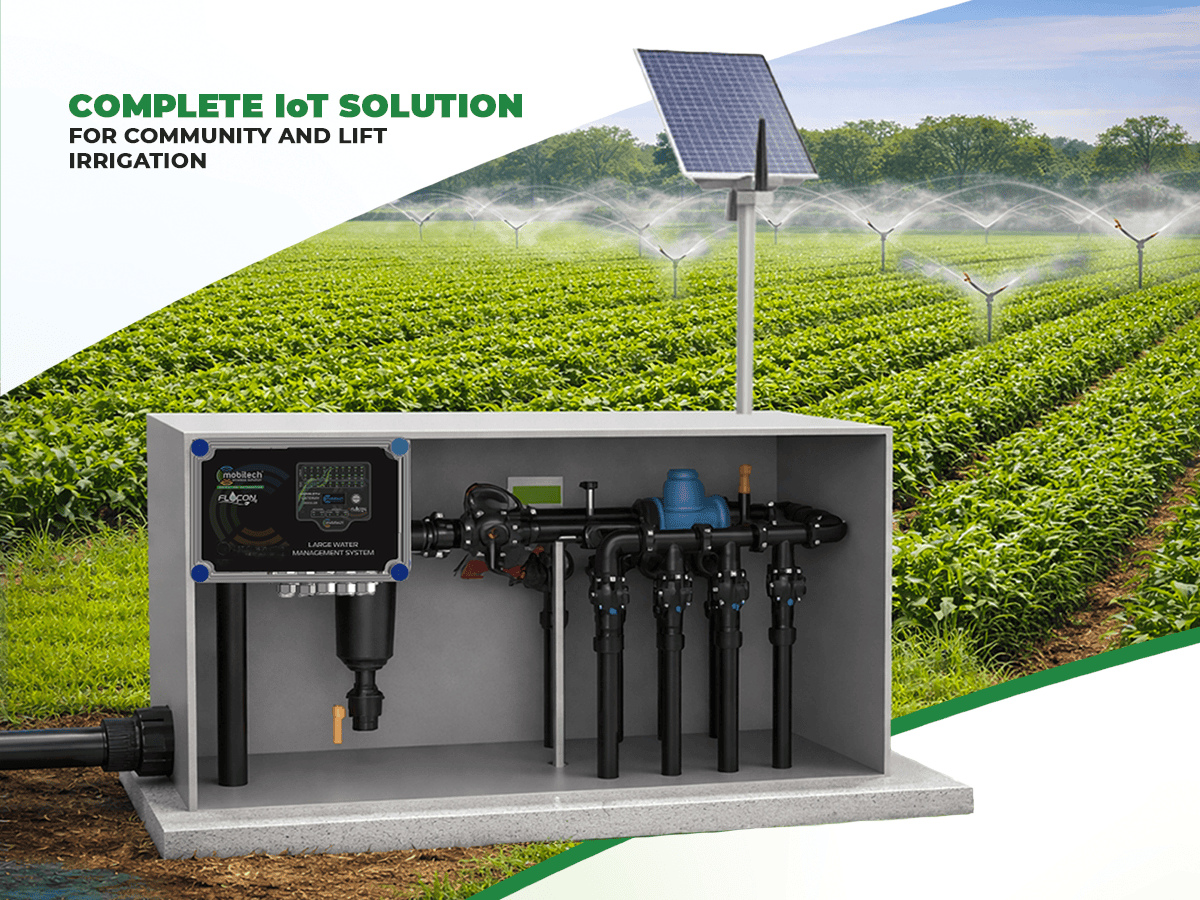
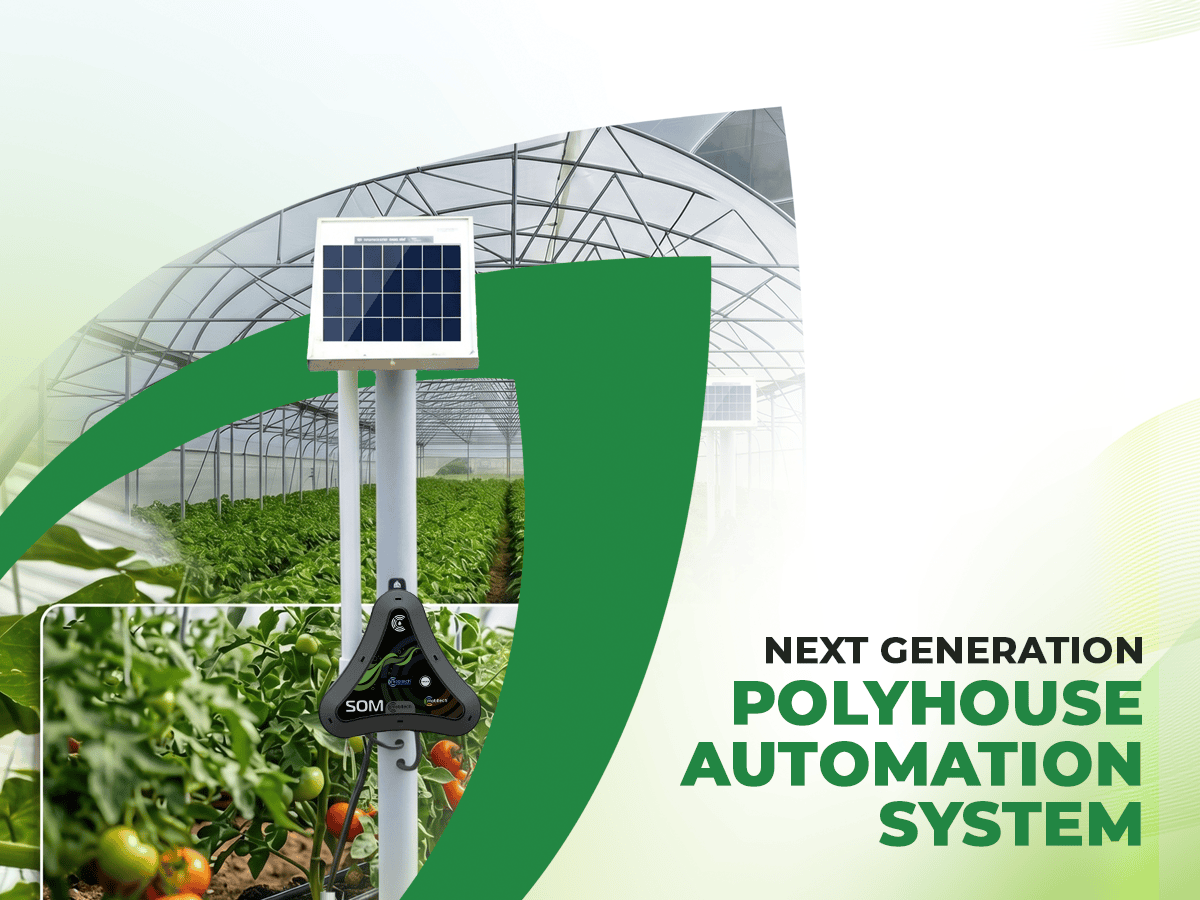
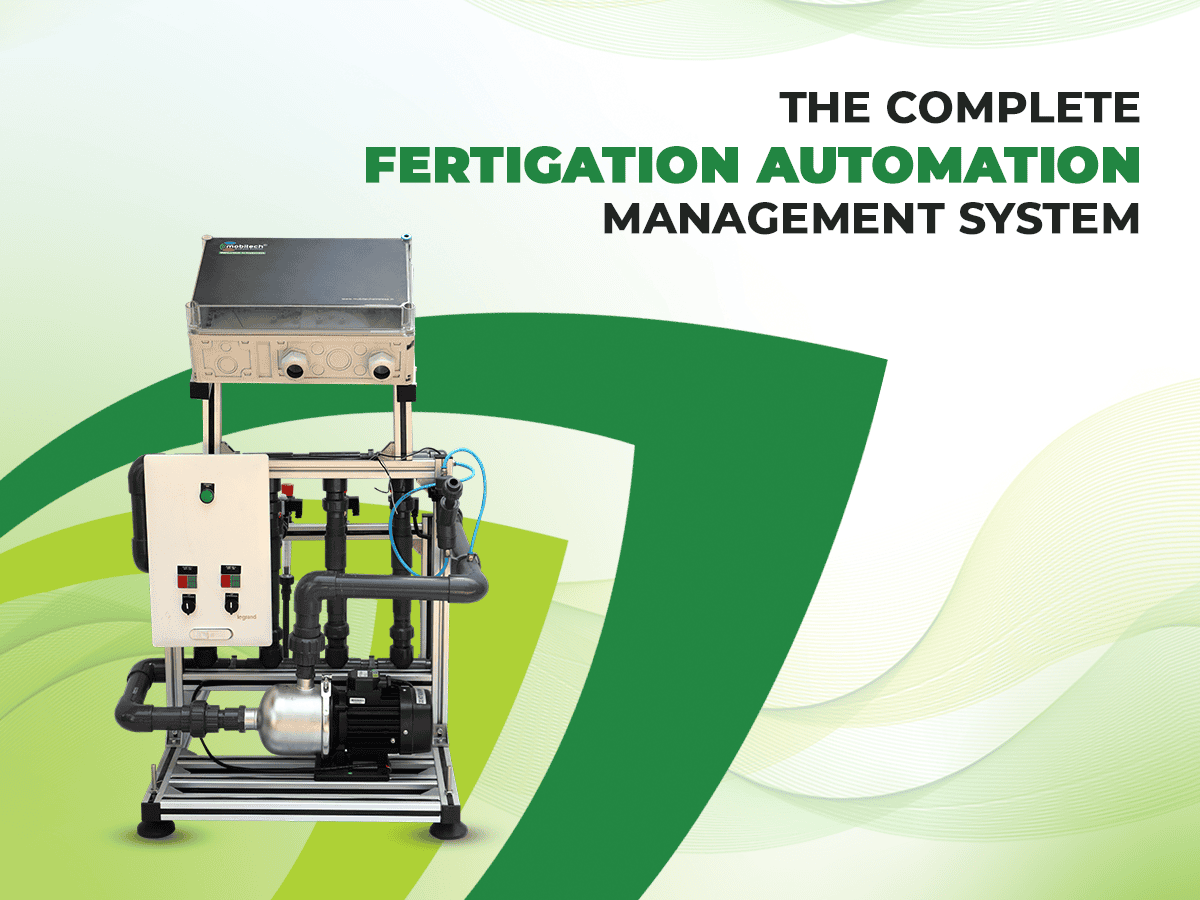
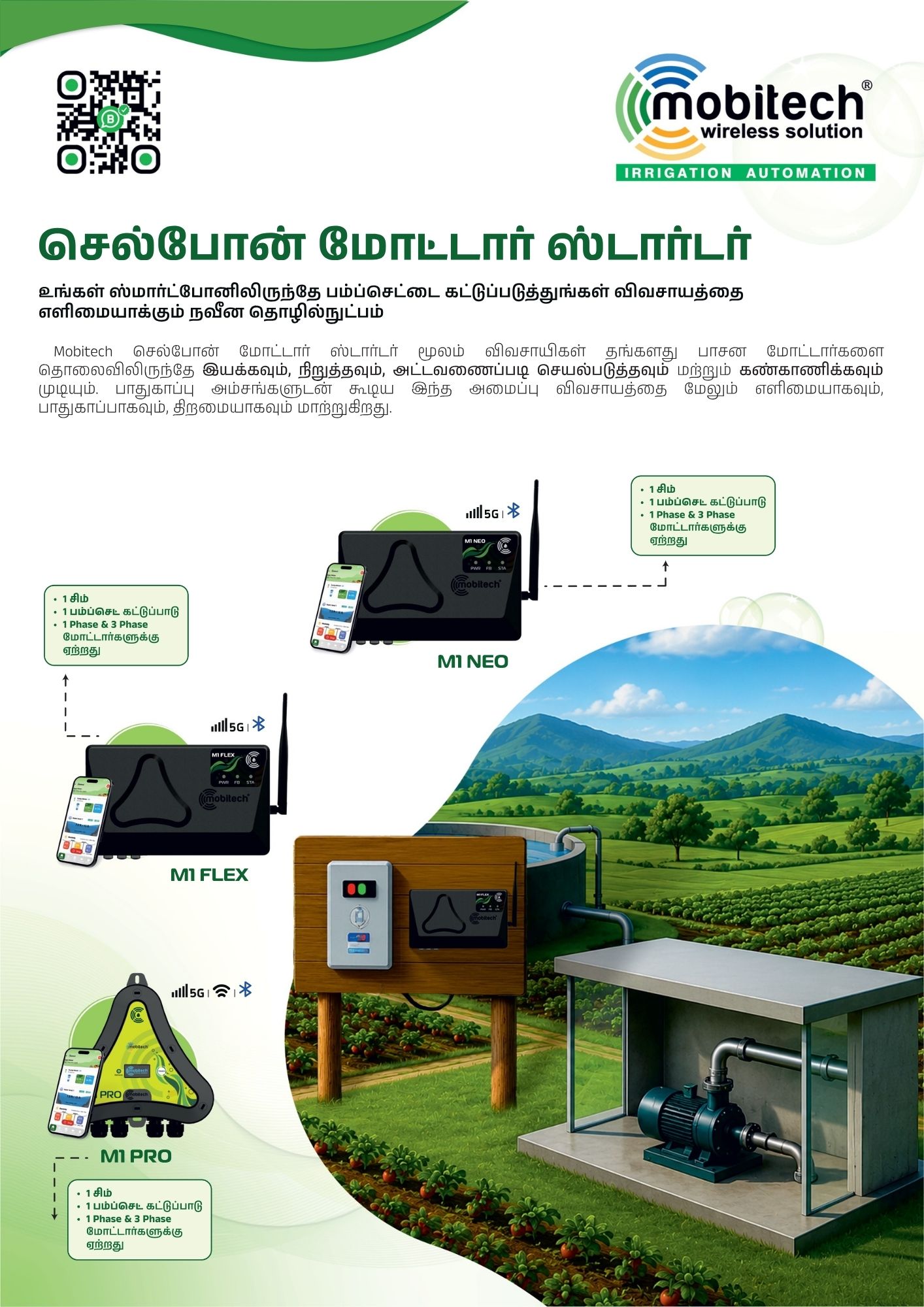
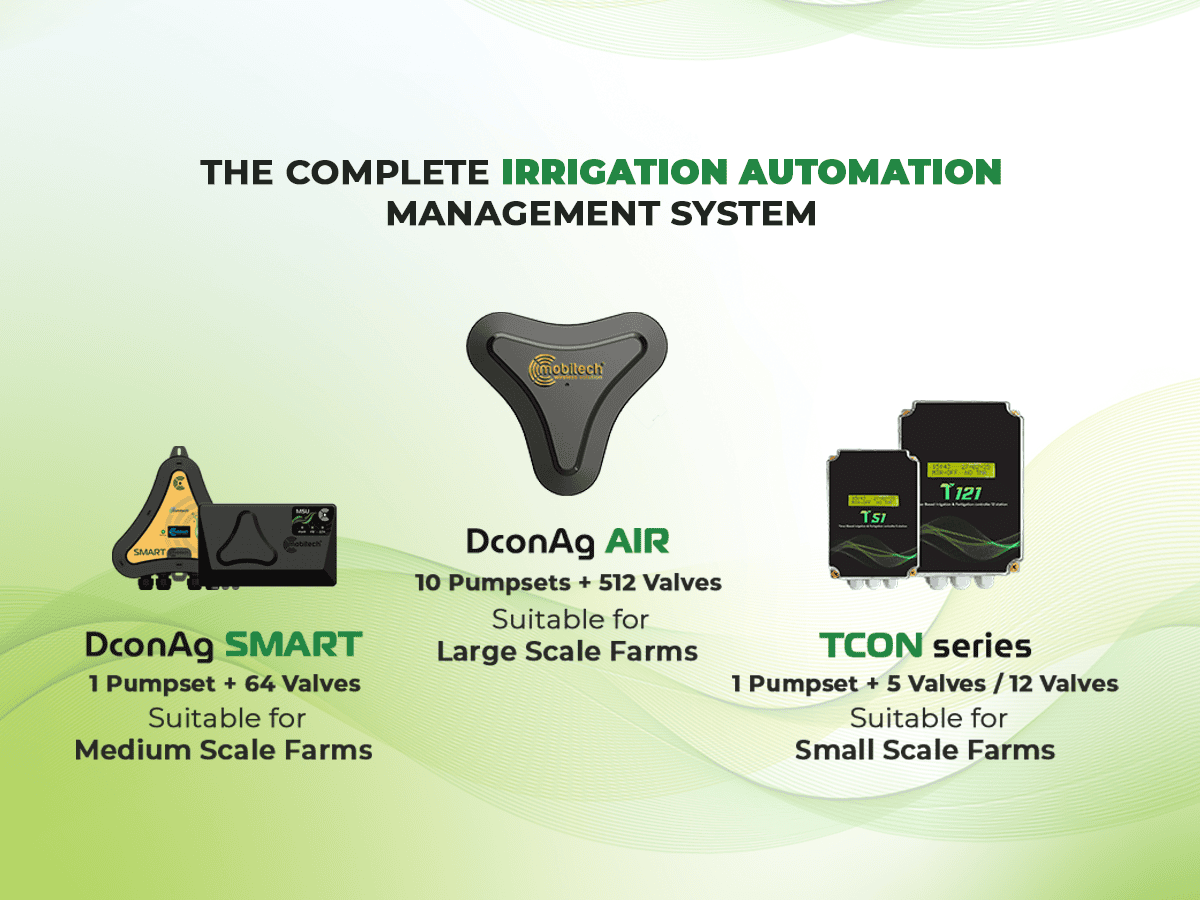
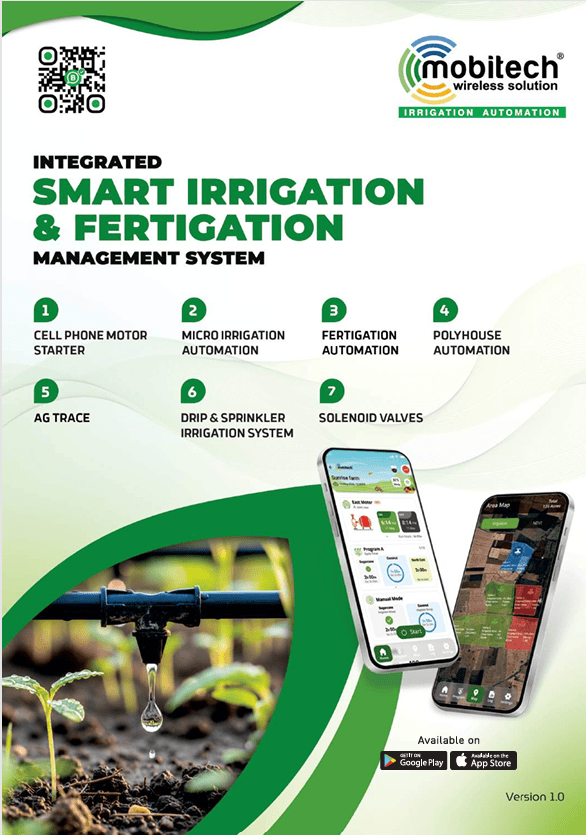
Modern agricultural automation allows farmers to irrigate more efficiently while reducing water wastage. Smart irrigation systems help ensure that water reaches the root zone when the trees actually need it.
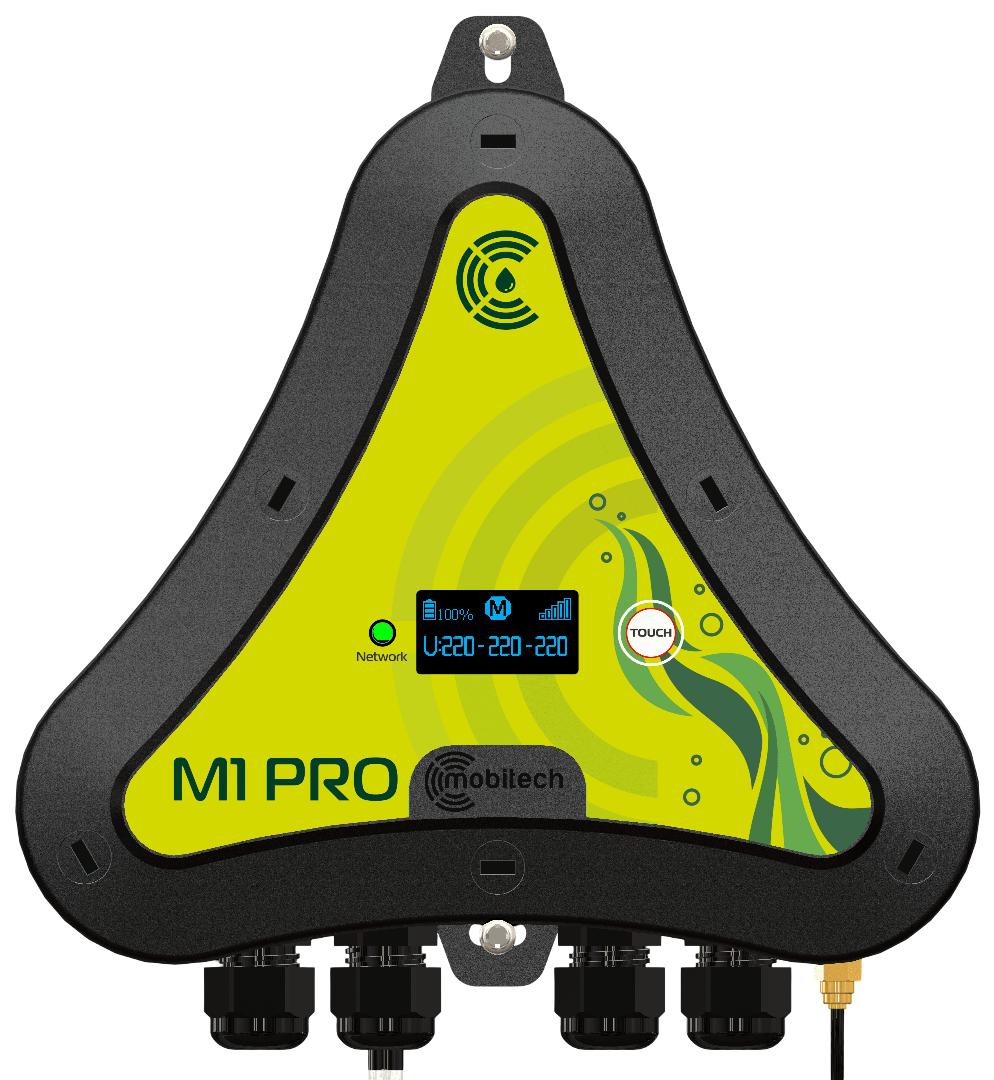
- Remote motor control
- Automated irrigation scheduling
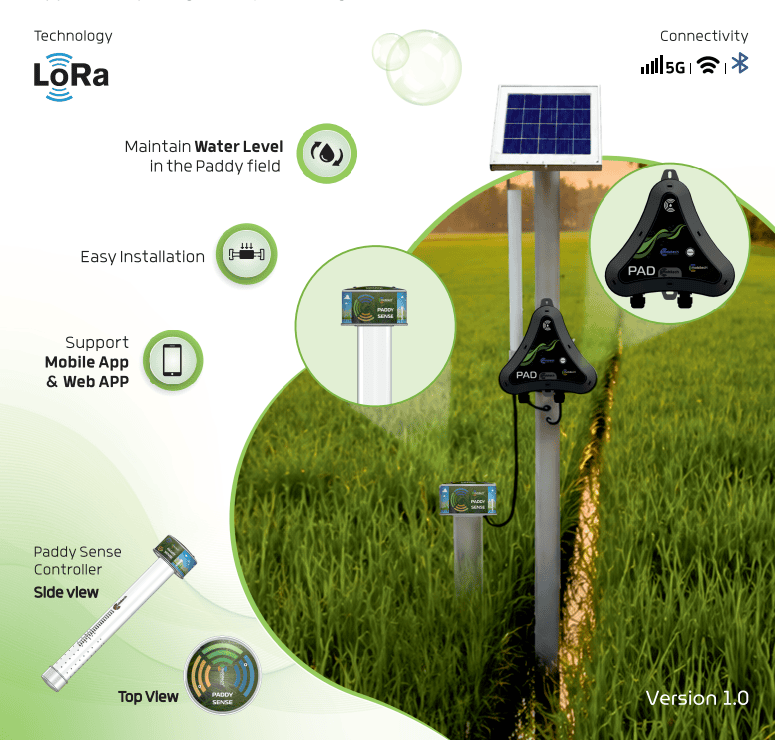
- Soil moisture monitoring
- Water usage tracking
- Mobile-based irrigation control
- Reduced labour requirements
Conclusion
Declining coconut yields are not always caused by pests, diseases, or aging trees. In many cases, hidden water management mistakes are the real reason behind reduced nut production. As climate conditions become increasingly unpredictable, efficient water management is becoming essential for maintaining healthy coconut plantations.
The most productive coconut farms are not necessarily the ones using the most water—they are the ones using water most efficiently. By adopting smart irrigation, monitoring soil moisture, and ensuring water reaches the active root zone, farmers can improve coconut yields, reduce costs, and build a more sustainable farming future.