AGRICULTURE · WATER CONSERVATION
Best Ways to Manage Water Scarcity in Agriculture Using Smart Irrigation System
Water Scarcity in Agriculture is becoming a major challenge for farmers due to irregular rainfall, declining groundwater levels, rising temperatures and increasing irrigation requirements. Accessing sufficient water throughout the agricultural season is becoming difficult in many farming areas, making efficient water management essential for sustainable crop production.
Water scarcity is not just about a shortage of available water. It is also about how effectively existing water resources are collected, distributed and used. Addressing this challenge requires better planning, responsible water usage and practical farming methods that help farmers make the most of available resources.
01 / UNDERSTANDING THE PROBLEM
Why is Water Scarcity in Agriculture Becoming a Major Challenge?
Water availability directly influences agricultural productivity. Farmers depend on rainfall, borewells, open wells, canals and reservoirs to provide sufficient water for their crops. When these sources become unreliable, maintaining regular irrigation becomes difficult.
Several environmental and agricultural factors contribute to water shortages. Understanding these factors is the first step towards managing water scarcity in agriculture and improving the use of available water resources.
Declining Groundwater Levels
Continuous groundwater extraction for agricultural activities can reduce underground water availability, particularly in areas with limited natural recharge.
Unpredictable Rainfall
Changes in rainfall patterns can affect water storage and make it difficult for farmers to plan irrigation throughout the growing season.
Increasing Temperatures
Higher temperatures can increase evaporation and crop water requirements, placing additional pressure on available water resources.
Inefficient Water Usage
Unplanned irrigation, leaking pipelines and excessive watering can result in unnecessary water consumption.
02 / PRACTICAL SOLUTIONS
Best Ways to Manage Water Scarcity in Agriculture
Managing limited water resources does not always require expensive equipment. Several practical farming methods can help conserve moisture, reduce unnecessary water usage and improve irrigation practices. These methods can be adapted according to crop type, soil conditions and available water resources.
1. Adopt Drip Irrigation
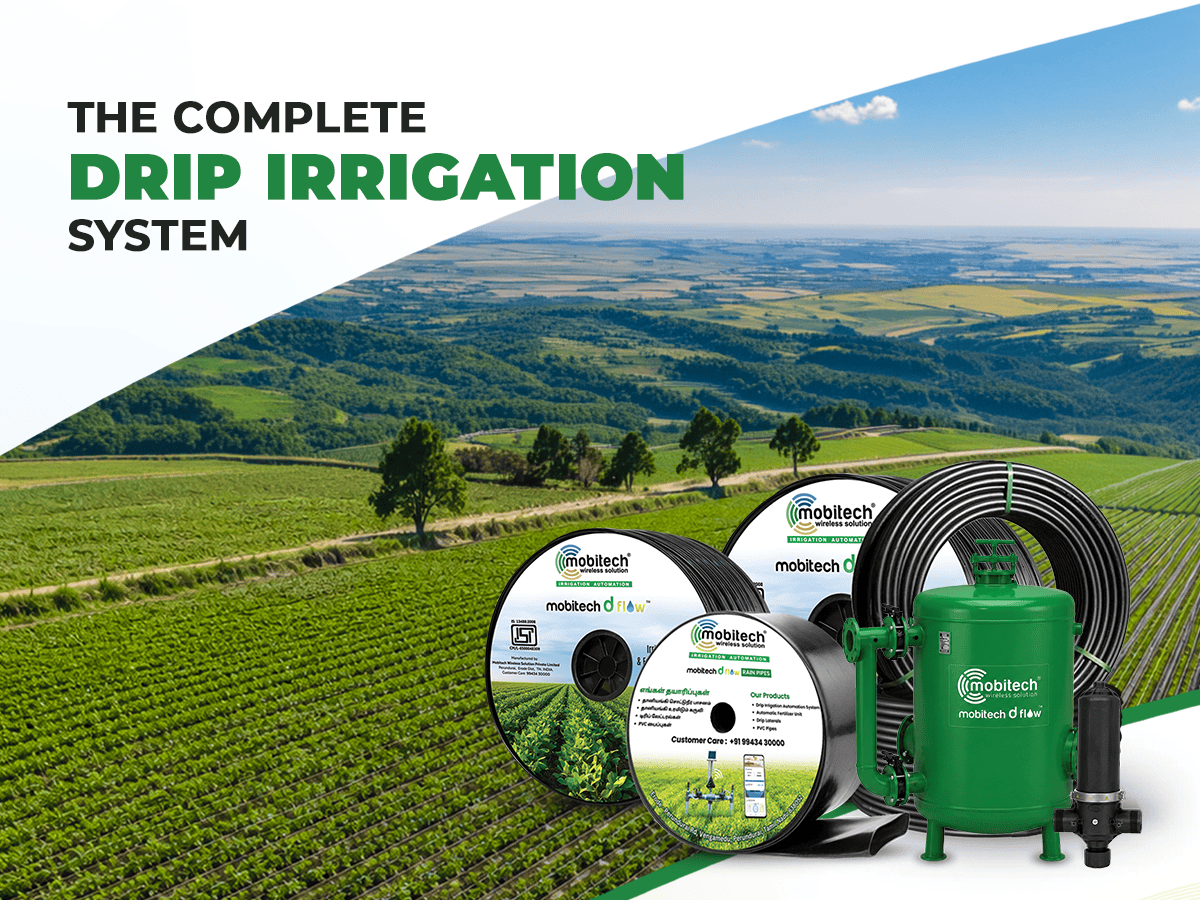
Drip irrigation delivers water directly to the root zone of plants through pipes and emitters. This method helps minimise unnecessary water distribution and supports more controlled irrigation. It is commonly suitable for crops such as coconut, banana, mango, vegetables and horticultural plantations. Drip irrigation is one of the practical methods used to address water scarcity in agriculture.
2. Practise Rainwater Harvesting
Collecting and storing rainwater can provide an additional water source during periods of low rainfall. Farm ponds, storage tanks and suitable reservoir systems help farmers retain available rainwater for future agricultural requirements. Proper storage planning can make seasonal rainfall more useful for farming activities.
3. Use Mulching to Retain Soil Moisture
Mulching involves covering the soil surface with organic or suitable agricultural materials. It helps reduce direct exposure to sunlight, minimise evaporation and maintain soil moisture for longer periods. This practice can reduce the frequency of irrigation depending on soil and weather conditions.
4. Monitor Soil Moisture Conditions
Checking soil moisture helps farmers understand whether crops require additional watering. Instead of following the same schedule every day, irrigation decisions can be adjusted according to actual field conditions. Soil moisture monitoring can therefore support better water management in agriculture.
5. Maintain Irrigation Pipelines
Damaged pipes, leaking connections and blocked drip emitters can affect water distribution. Regular inspection and maintenance help prevent avoidable water losses and maintain consistent irrigation performance.
6. Choose Suitable Crops
Crop selection should consider local climate, soil conditions and water availability. Choosing crops that are suitable for the available resources can make long-term farm management more practical and reduce pressure on limited water supplies.
03 / IRRIGATION PLANNING
How Irrigation Scheduling Helps Reduce Water Scarcity in Agriculture
Providing water at the right time is just as important as having sufficient water available. Applying water without considering crop requirements, soil moisture and weather conditions can lead to unnecessary consumption.
Effective irrigation scheduling plays an important role in managing water scarcity in agriculture by helping farmers plan watering activities according to crop requirements, soil moisture and weather conditions.
Important Factors to Consider
- Crop type and growth stage.
- Soil type and moisture retention capacity.
- Available water quantity.
- Current temperature and rainfall conditions.
- Irrigation method and water distribution.
- Seasonal changes in crop water requirements.
For example, a coconut plantation and a vegetable farm may require different watering frequencies. Understanding these differences helps farmers avoid applying identical irrigation schedules across crops with different water requirements.
04 / SMART FARMING PRACTICES
How Technology Helps Address Water Scarcity in Agriculture
Managing irrigation across large agricultural areas can become difficult, particularly when farmers operate multiple motors, borewells and irrigation sections. Keeping track of every watering activity manually may also require considerable time and effort.
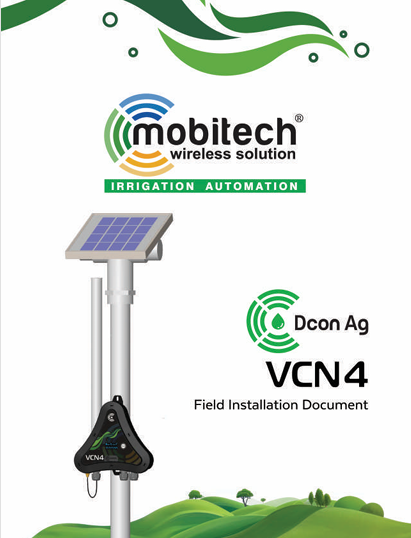
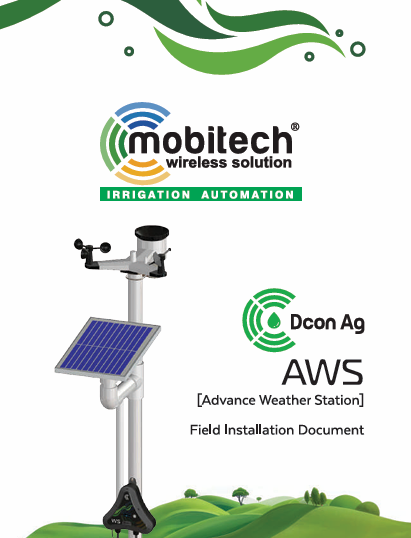
Modern agricultural technology offers additional ways to organise these activities. Sensors, automated controllers and wireless communication can help farmers monitor selected field conditions and manage irrigation operations more conveniently. These technologies provide additional options for addressing water scarcity in agriculture.
Soil Moisture Sensors
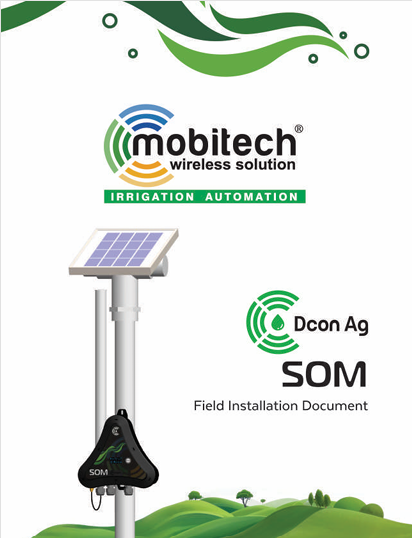
Provide information about moisture conditions in the soil, helping farmers make more informed irrigation decisions.
Water-Level Monitoring
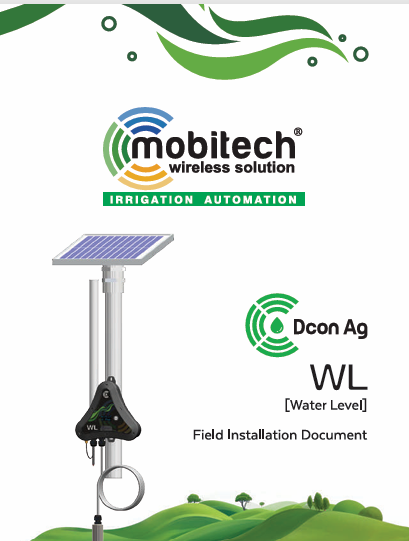
Helps monitor water availability in selected borewells, tanks and reservoirs.
Automated Irrigation Control
Allows farmers to manage irrigation schedules and supported motor and valve operations.
Remote Farm Monitoring
Mobile-based monitoring can provide access to supported irrigation information and controls from different locations.
A practical approach:
Technology works best when combined with suitable irrigation methods, regular equipment maintenance and proper understanding of crop water requirements.
05 / CROP-WISE WATER MANAGEMENT
Water Management Practices for Different Agricultural Crops
Water requirements vary depending on the crop, soil type, climate and stage of development. Farmers should consider these differences when planning irrigation activities. Suitable crop-wise practices can help manage water scarcity in agriculture while maintaining appropriate moisture conditions for plant growth.
| Crop | Water Management Practice | Suitable Method |
|---|
| Coconut | Maintain suitable soil moisture. | Drip irrigation. |
| Banana | Monitor changing crop water requirements. | Drip irrigation and scheduling. |
| Mango | Adjust irrigation according to crop stage. | Drip irrigation. |
| Arecanut | Monitor soil moisture and seasonal conditions. | Scheduled irrigation. |
| Vegetables | Maintain suitable moisture during growth stages. | Drip irrigation and monitoring. |
06 / IRRIGATION AUTOMATION
How Smart Irrigation Systems Support Better Water Management
As farms expand, managing multiple irrigation sections manually can become increasingly challenging. Farmers may need to operate several valves, coordinate motors and maintain watering schedules across different parts of their fields.
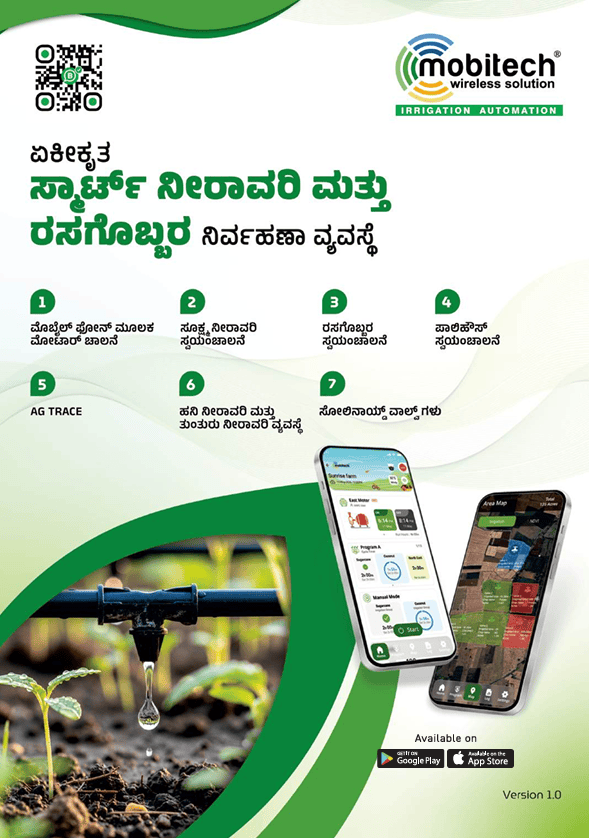
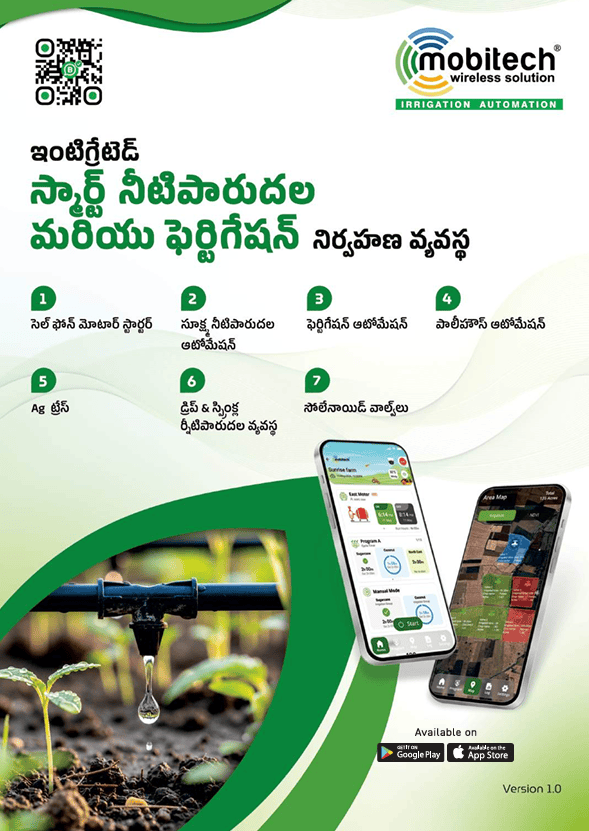
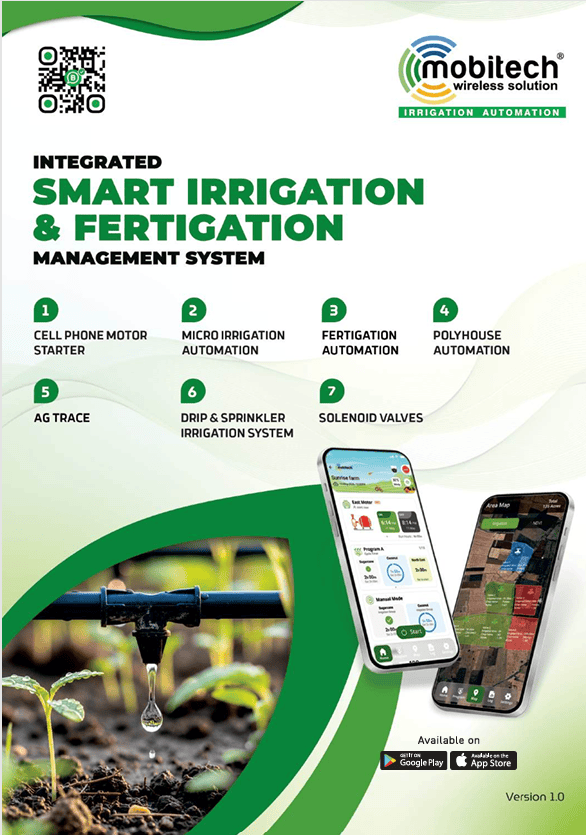
In such situations, a smart irrigation system can simplify day-to-day farm operations. Automated controllers allow farmers to schedule irrigation activities, operate compatible wireless valves and manage supported motor functions.
These systems can be particularly useful for farms where irrigation needs to be coordinated across multiple zones or agricultural properties. When combined with appropriate irrigation planning, automation can support more organised water usage.
The purpose is not to replace good farming practices, but to make irrigation management more organised and convenient while helping farmers maintain better control over available water resources.
07 / SUSTAINABLE AGRICULTURE
Building Sustainable Solutions for Water Scarcity in Agriculture
Long-term water conservation requires more than a single irrigation method. Farmers need to combine efficient water usage, suitable crop selection, soil conservation and responsible management of groundwater resources.
Rainwater harvesting, improved irrigation infrastructure, mulching and regular monitoring can contribute to better water management across agricultural properties. These practices can help reduce unnecessary water consumption and make available resources more useful.
Adopting suitable technologies can also help farmers understand field conditions and manage irrigation operations with greater control. A combination of traditional conservation methods and modern agricultural practices can support long-term efforts to address water scarcity in agriculture.
Water Conservation
Use available water resources responsibly.
Soil Protection
Maintain soil health and moisture retention.
Better Planning
Adjust irrigation according to field requirements.
08 / MODERN AGRICULTURAL SOLUTIONS
The Role of Irrigation Automation in Modern Farming
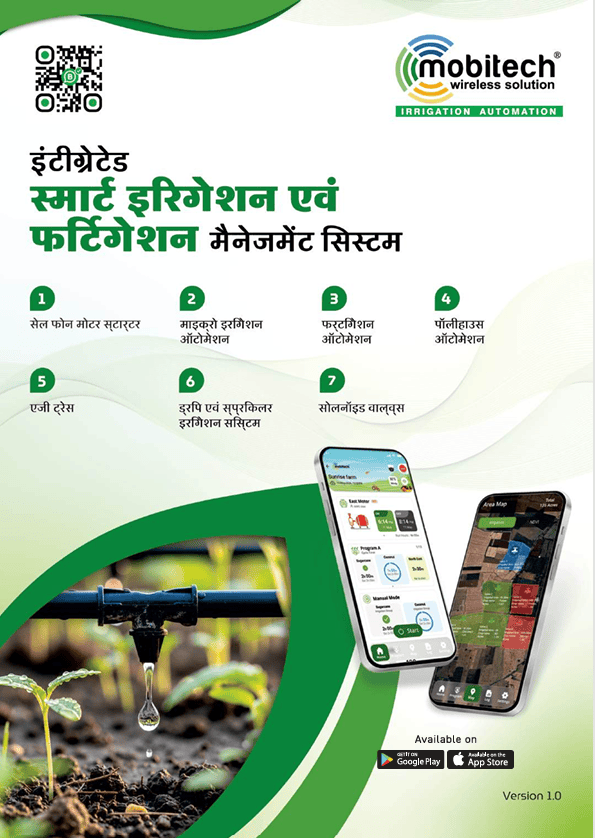
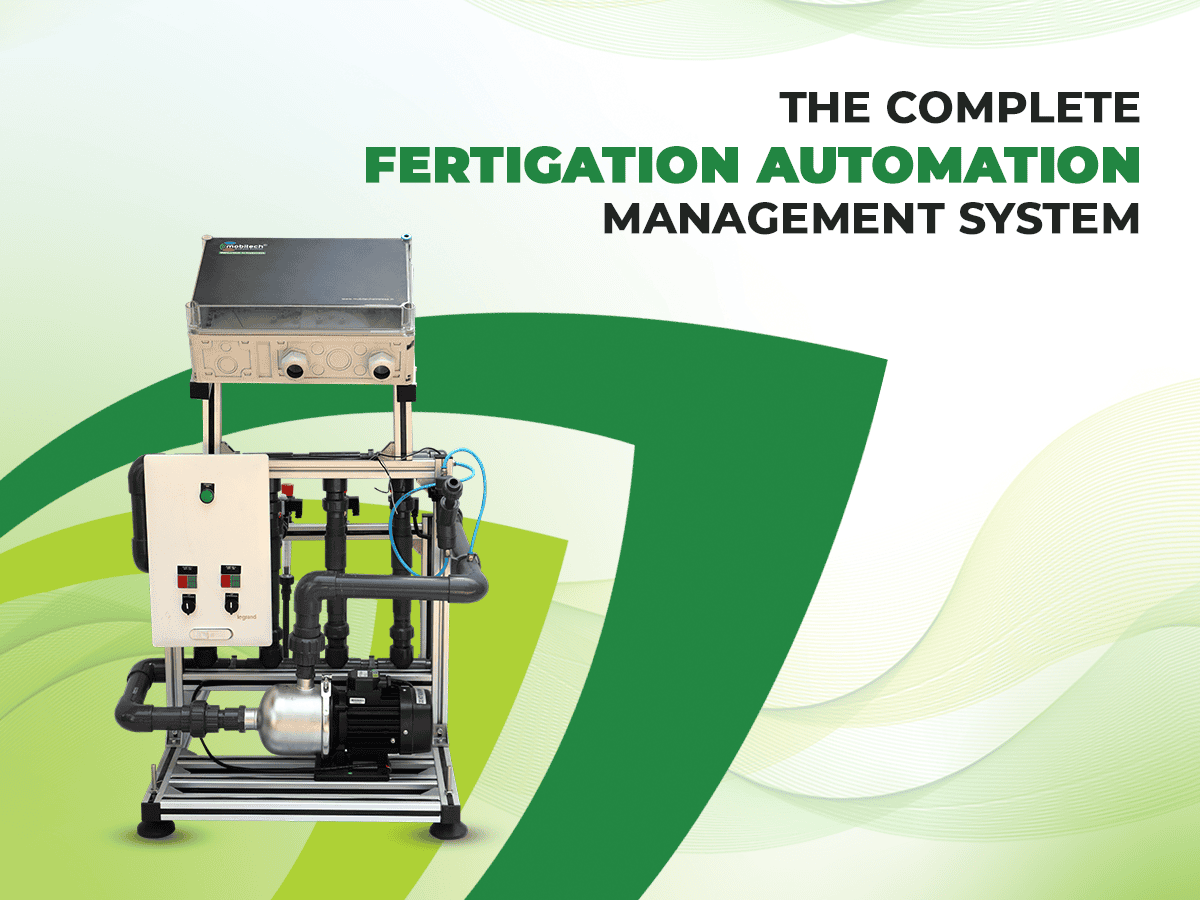
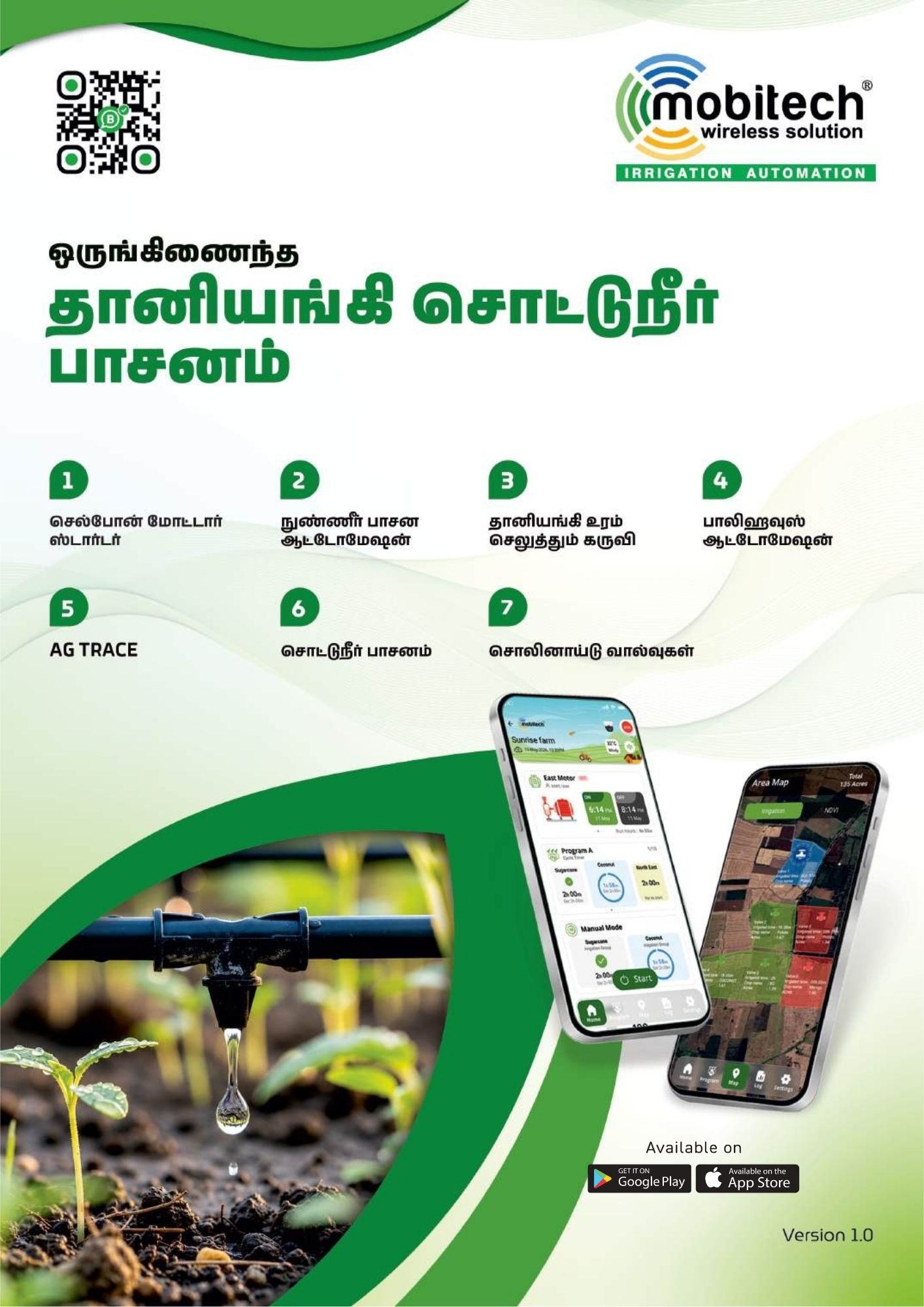
Managing water resources efficiently is becoming an important part of modern agricultural operations. Farmers looking to improve irrigation management can explore solutions that combine scheduling, motor control, wireless valve operation and remote monitoring.
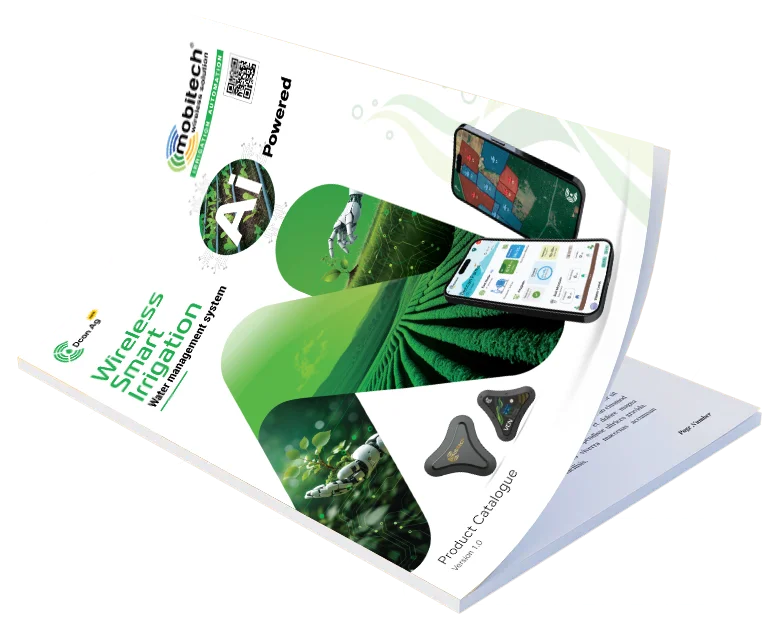
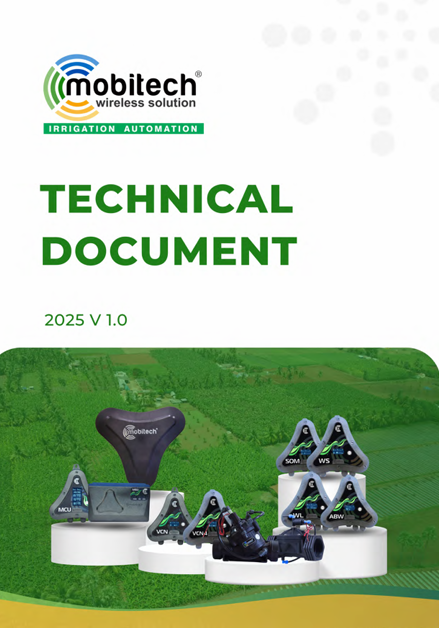
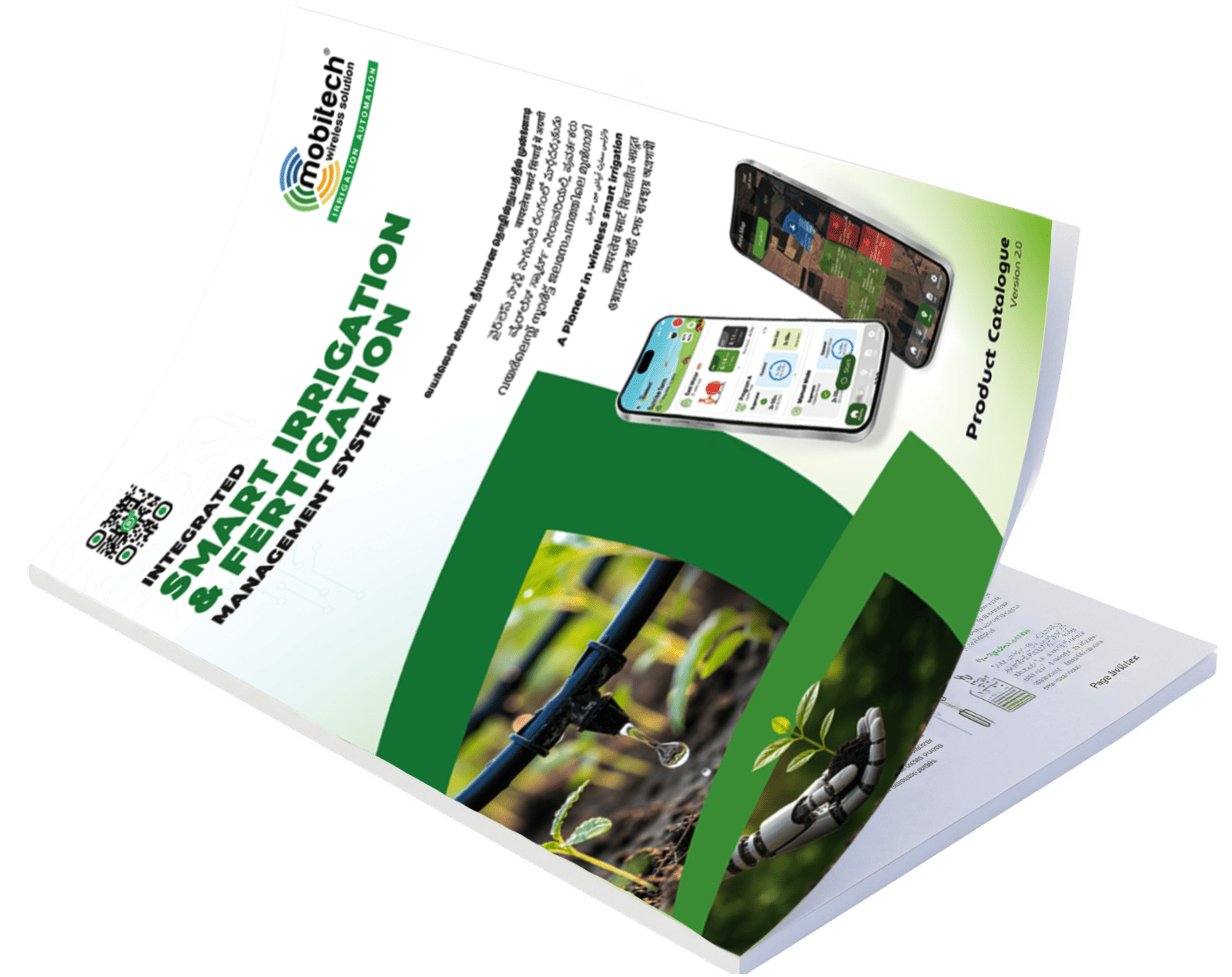
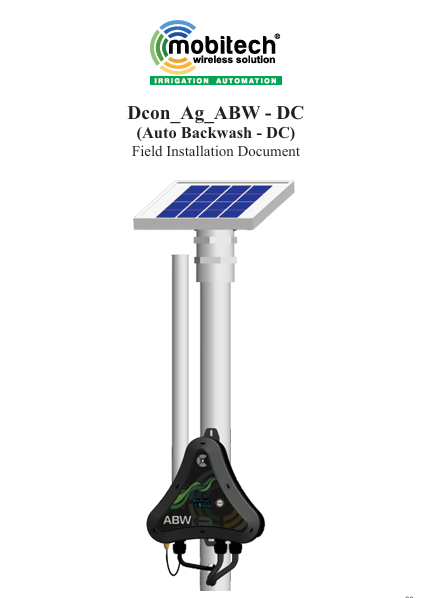
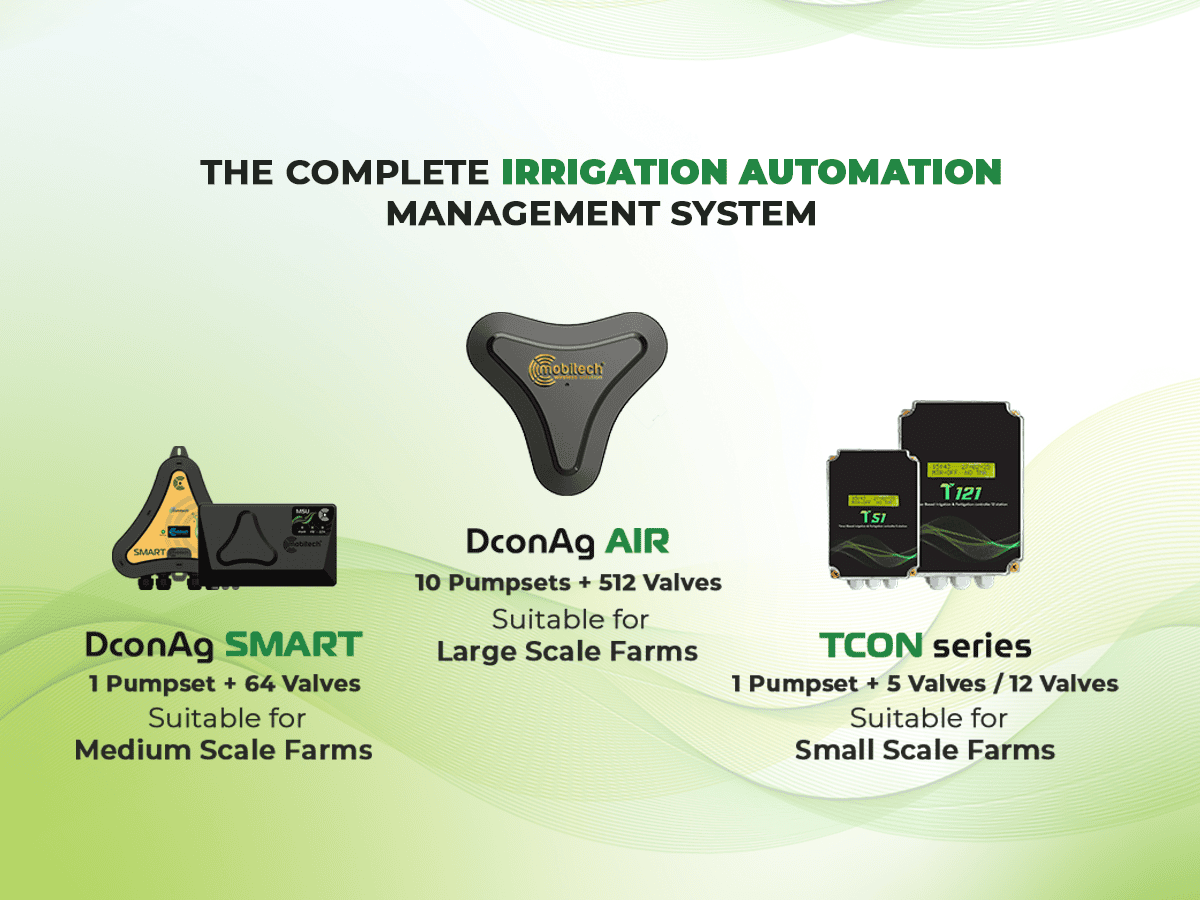
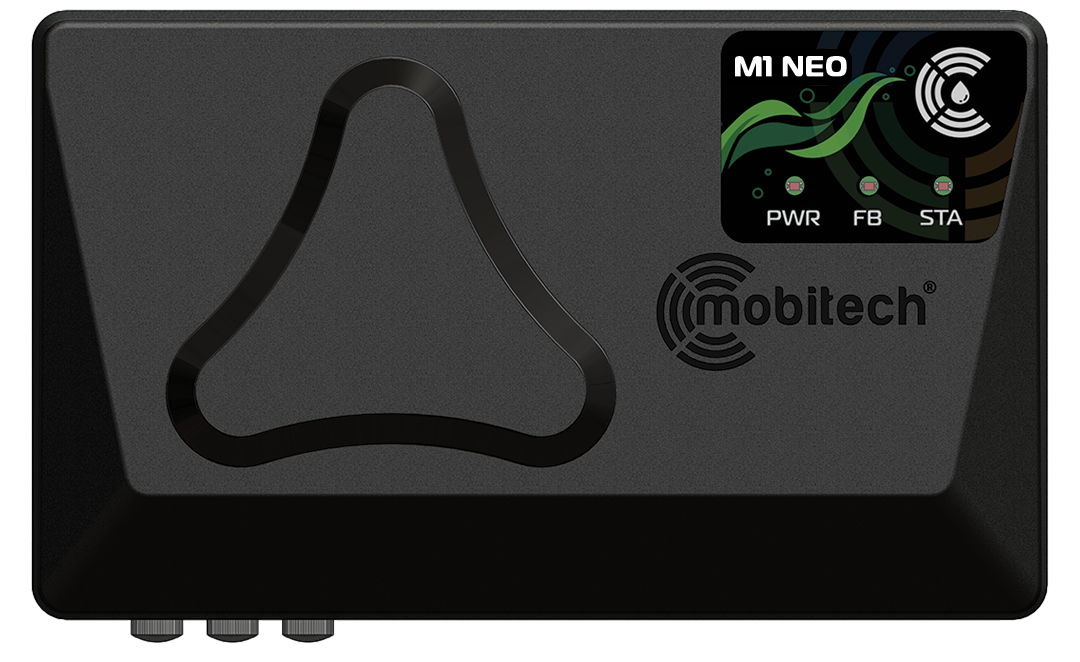
Mobitech Wireless Solution develops irrigation automation technologies designed for different farm sizes and water management requirements.
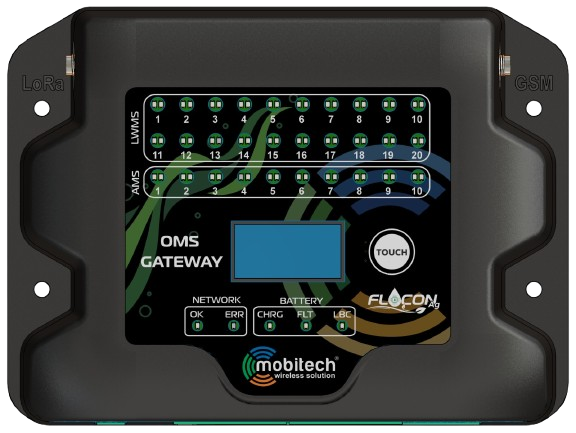
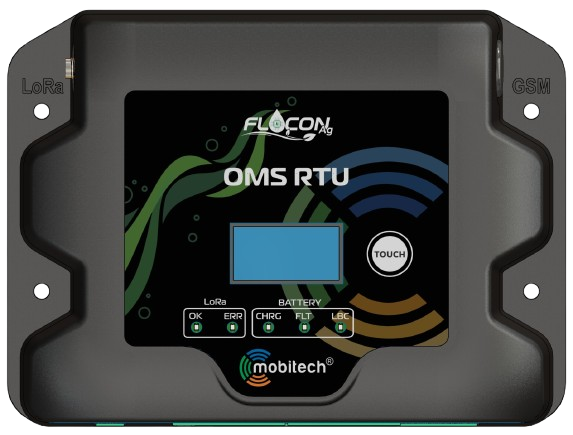
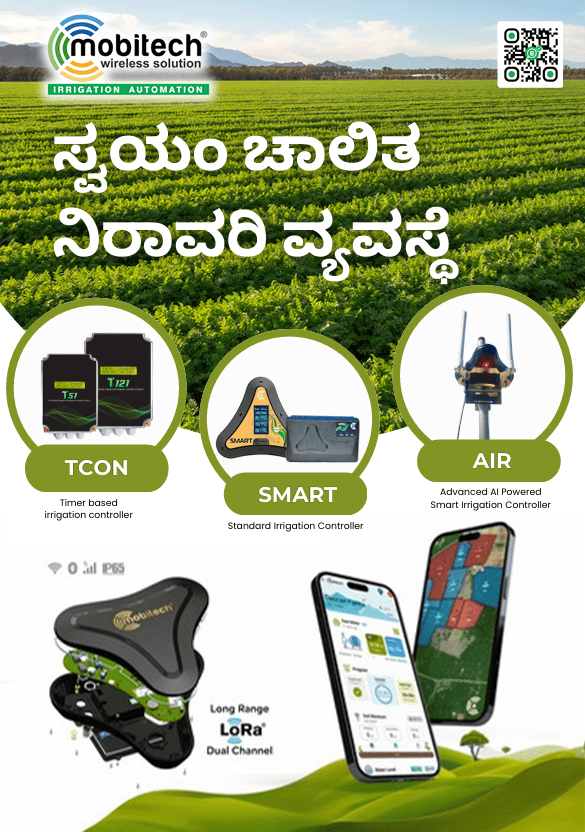
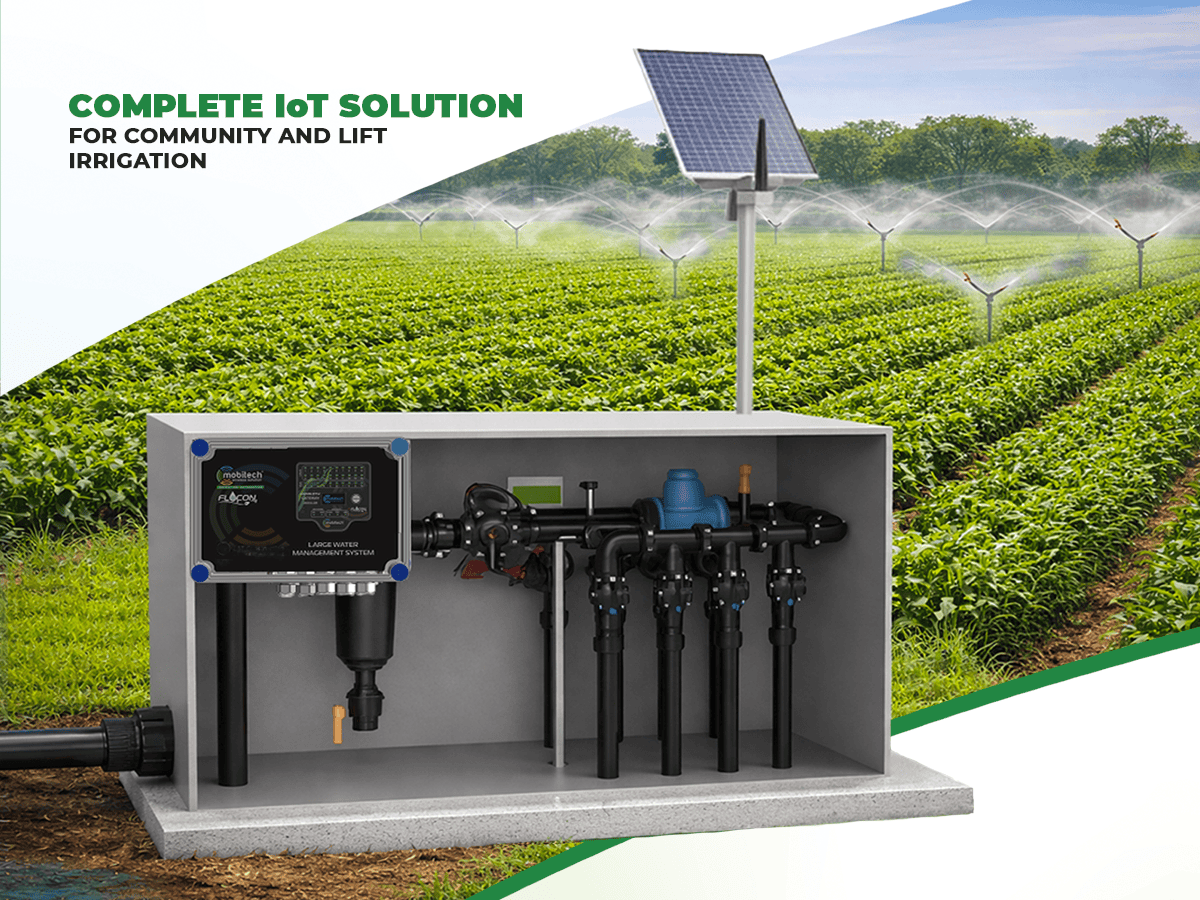
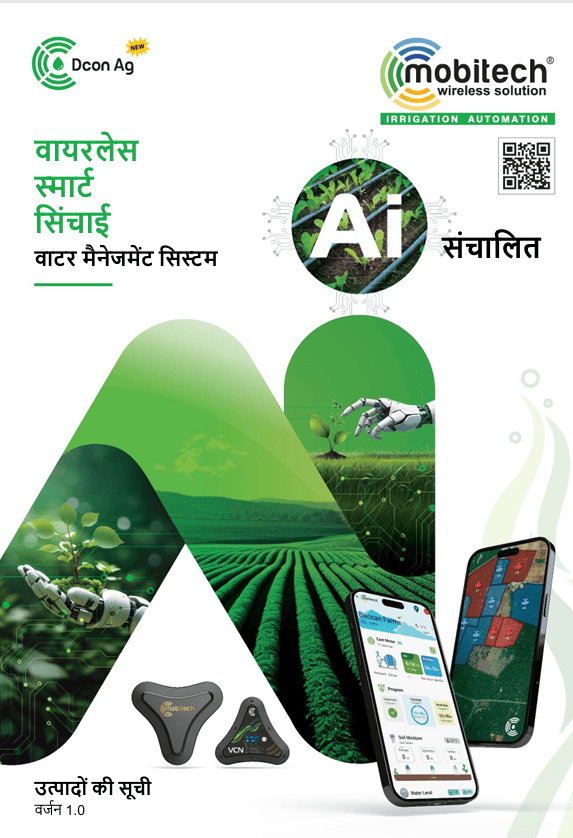
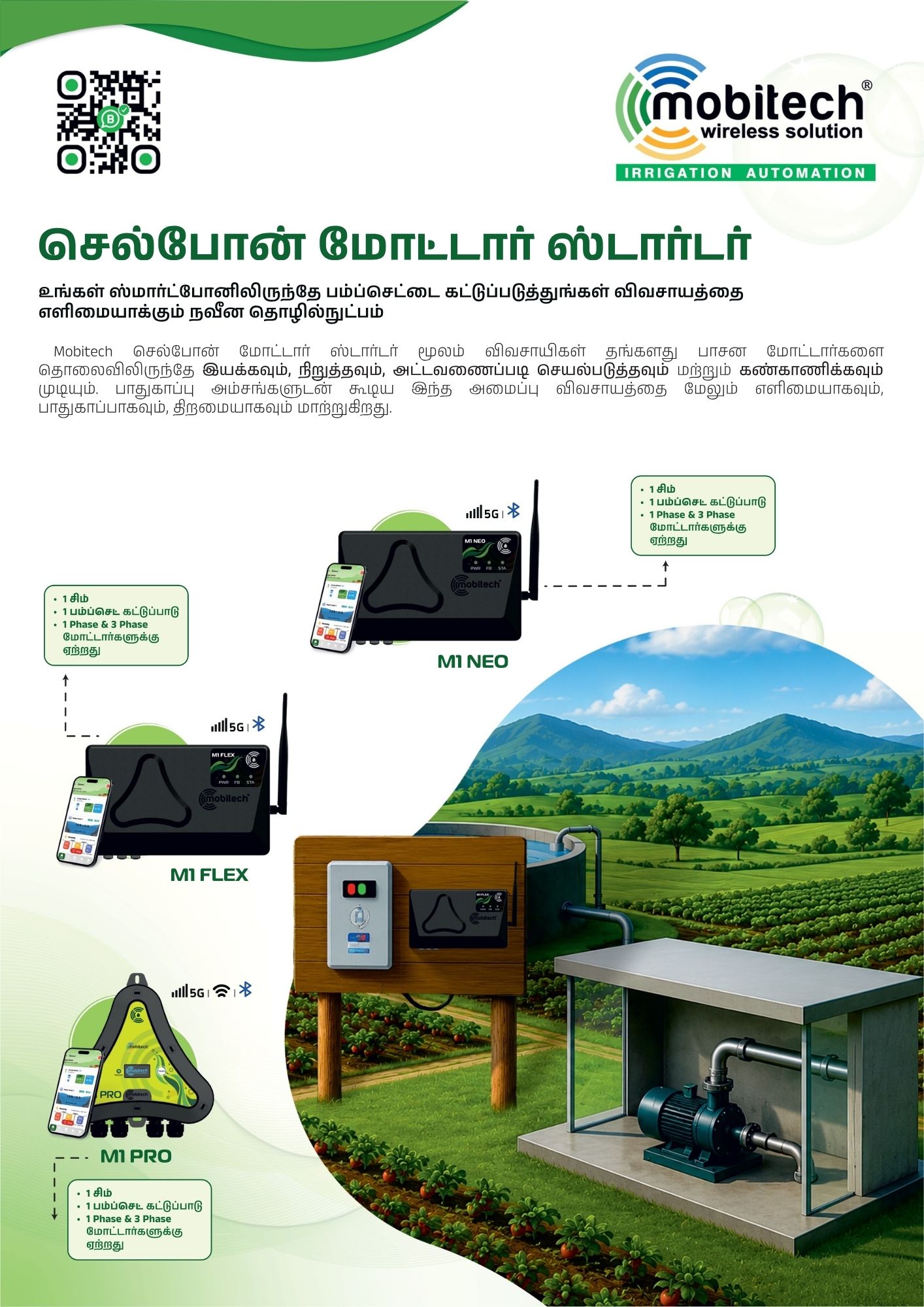
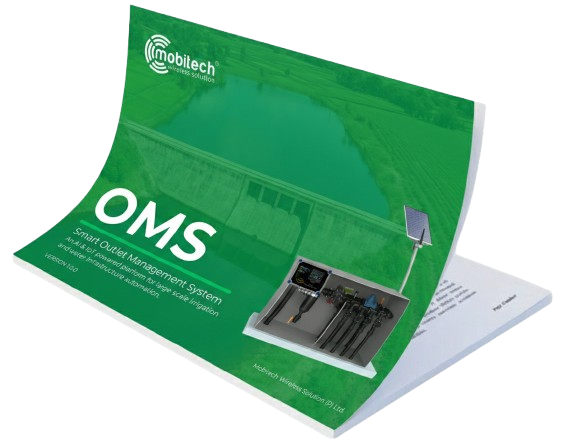
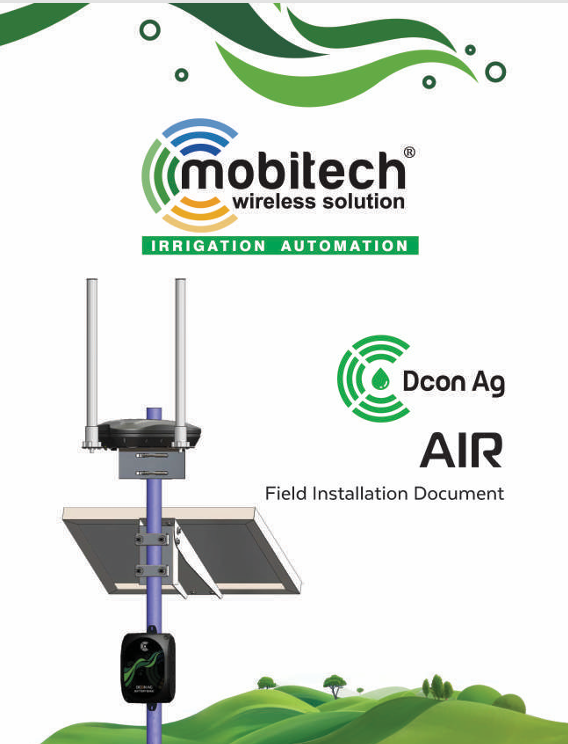
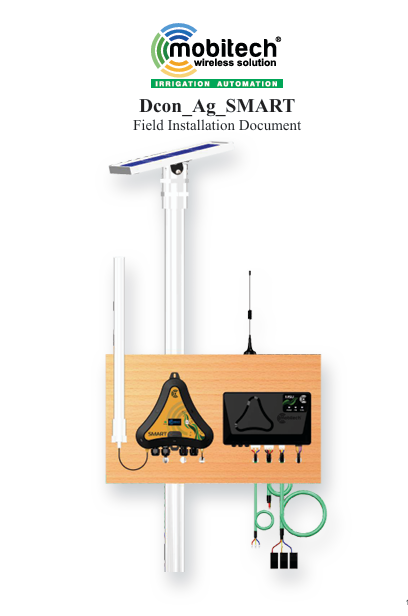
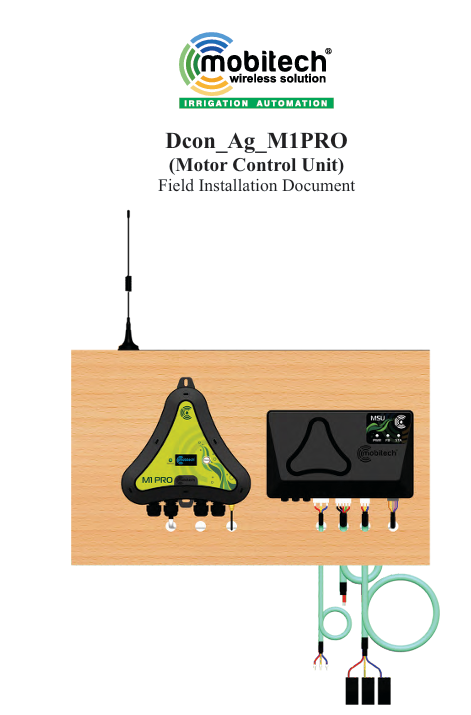
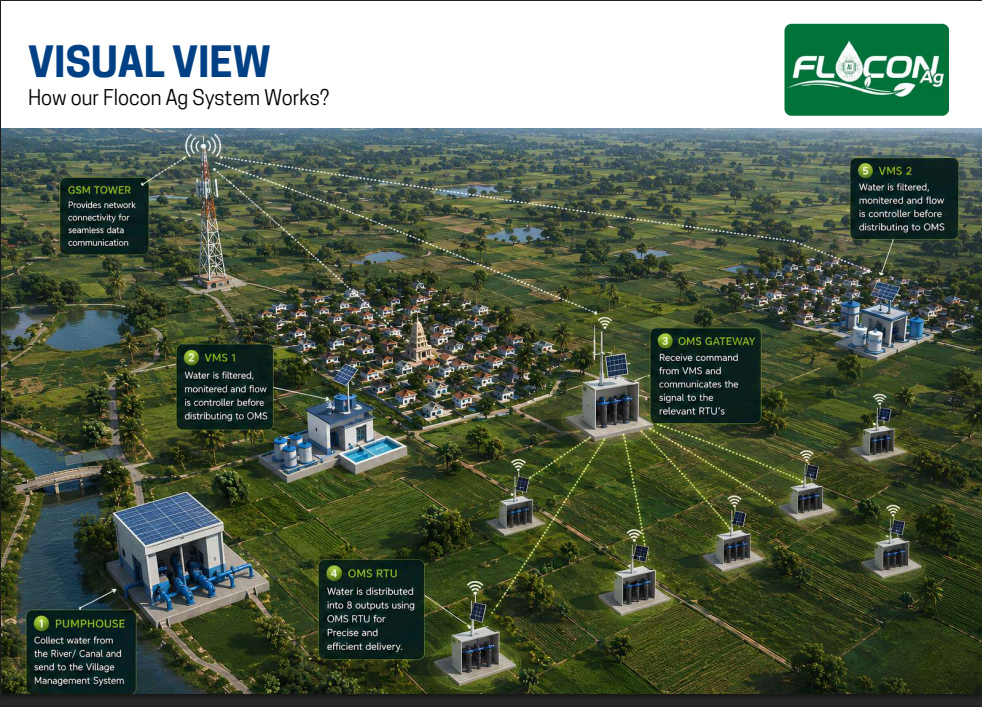
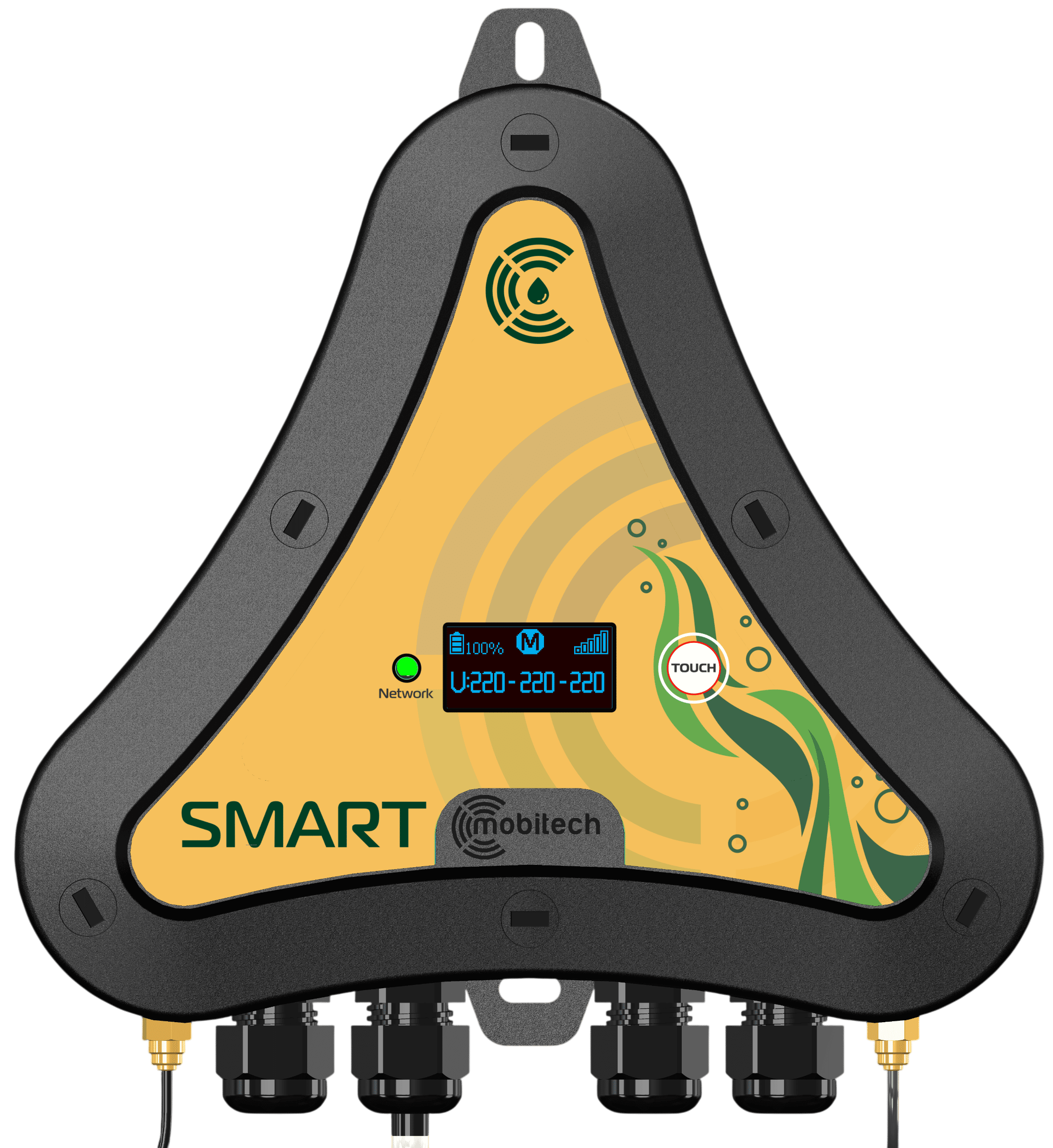
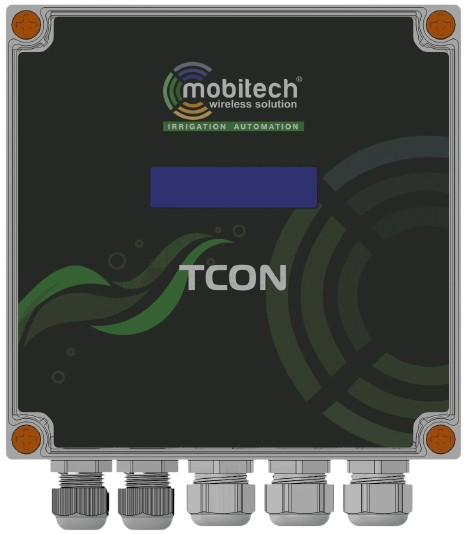
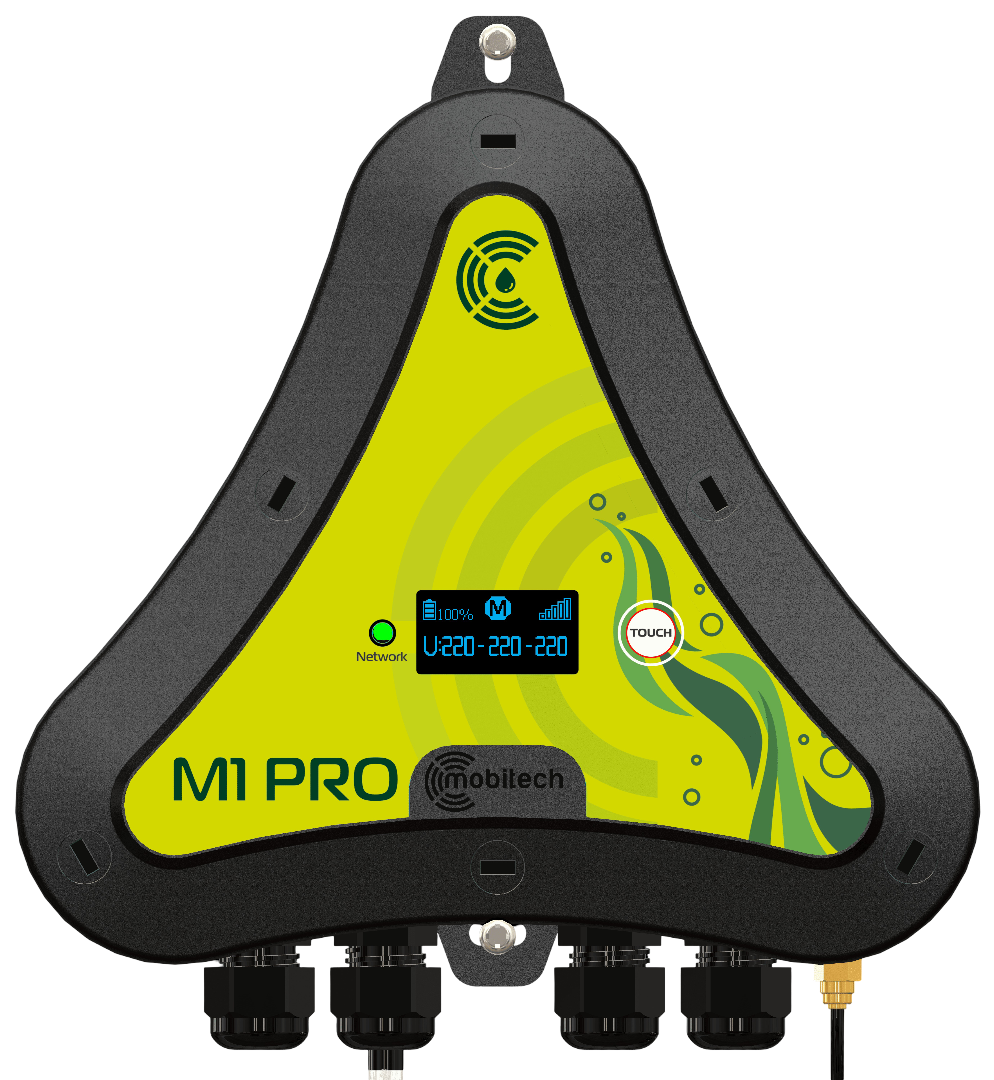
Its solutions include Dcon Ag AIR, Dcon AG SMART, M1 PRO and TCON irrigation controllers for managing supported irrigation operations. Flocon Ag is designed for large-scale water distribution management, helping monitor and control water movement across connected distribution networks.
Depending on the selected system and configuration, these solutions can help farmers organise irrigation schedules, manage multiple irrigation zones and monitor selected farm operations. Choosing a suitable system depends on the farm’s irrigation layout, water sources and operational requirements.
CONCLUSION
Every Drop Counts in Sustainable Agriculture
Water scarcity in agriculture is a challenge that requires careful planning, responsible resource management and suitable farming practices. From drip irrigation and rainwater harvesting to soil moisture conservation and proper irrigation scheduling, farmers have several ways to improve water usage.
Combining these practices with appropriate technology can make irrigation operations more organised and manageable. Making informed decisions about water usage today can help support more sustainable agricultural practices in the future.
EXPLORE MORE
Explore Smarter Irrigation and Water Management
Learn more about modern irrigation management approaches and technologies that help farmers organise their agricultural operations.
Explore More